Is Gorilla Trekking Safe for International Tourists?
November 16, 2026
Can You Go Gorilla Trekking If You Have a Cold, Cough, or Fever?
November 16, 2026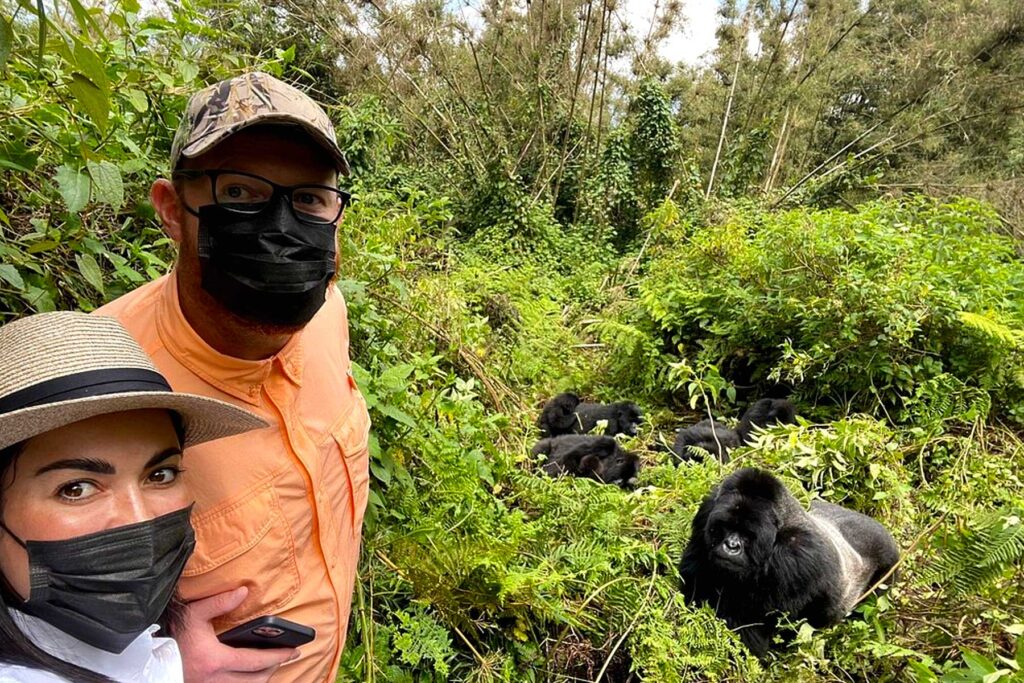
What Should You Do If a Mountain Gorilla Approaches You During a Trek?
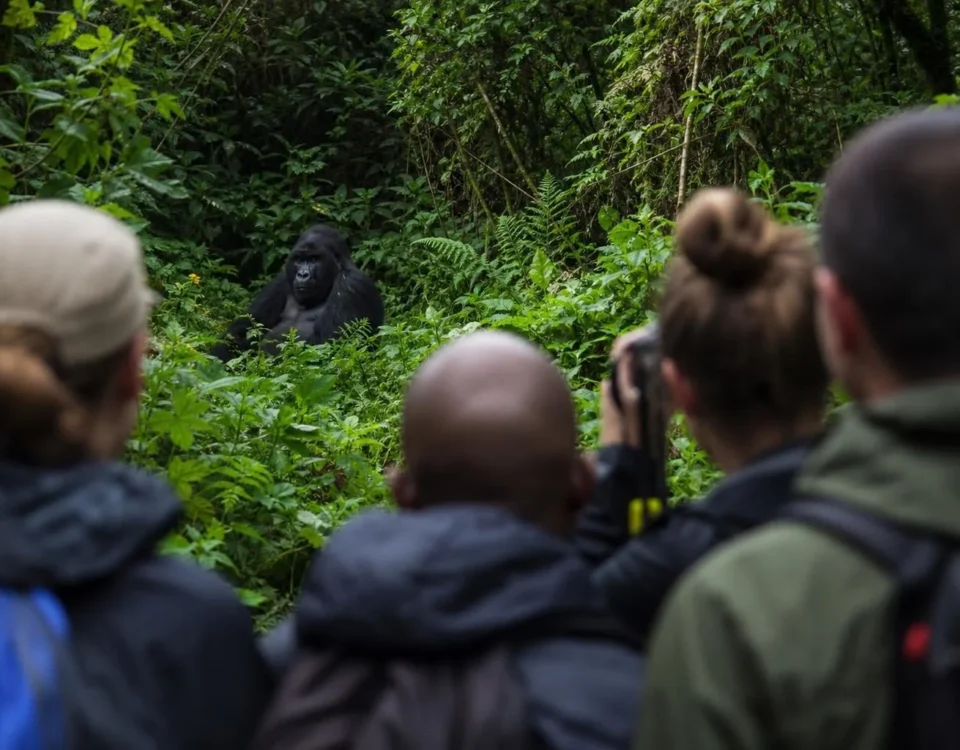
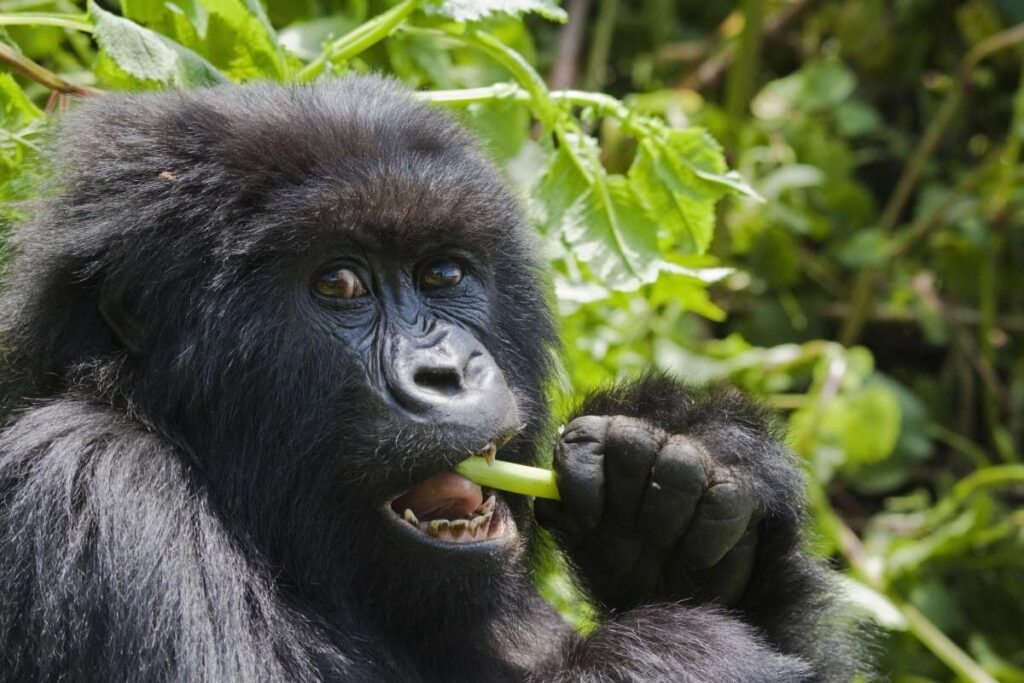
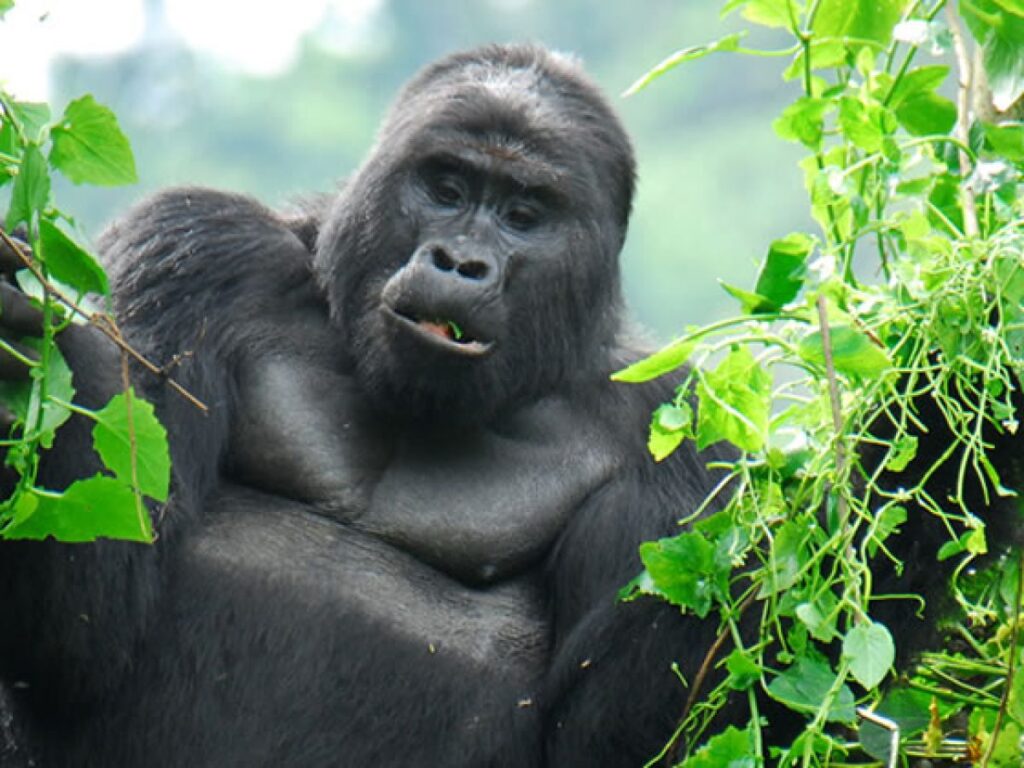
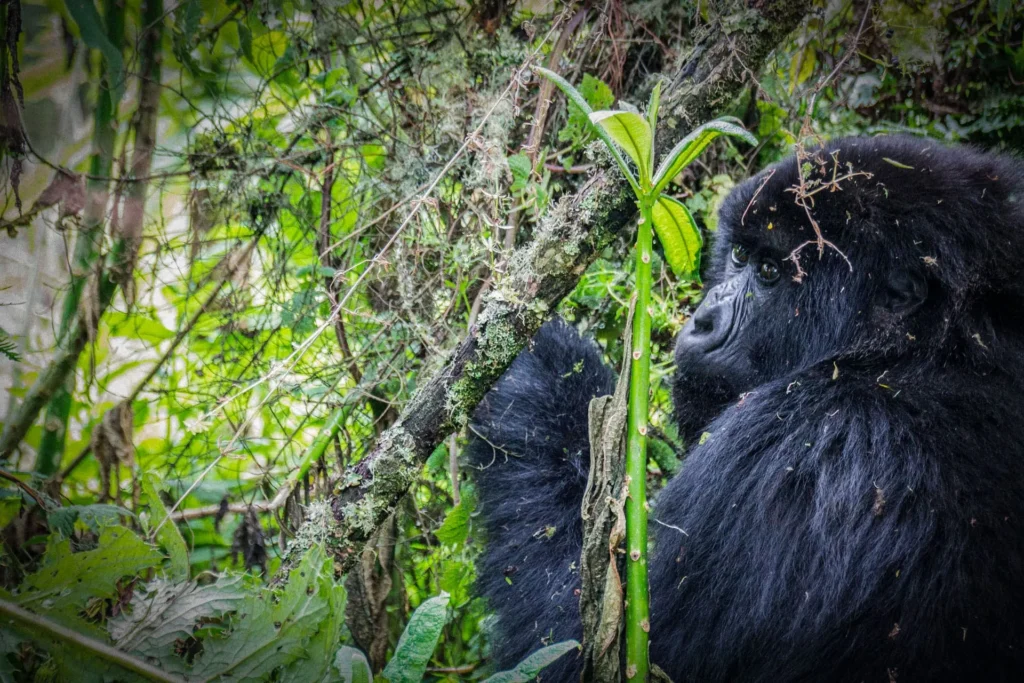
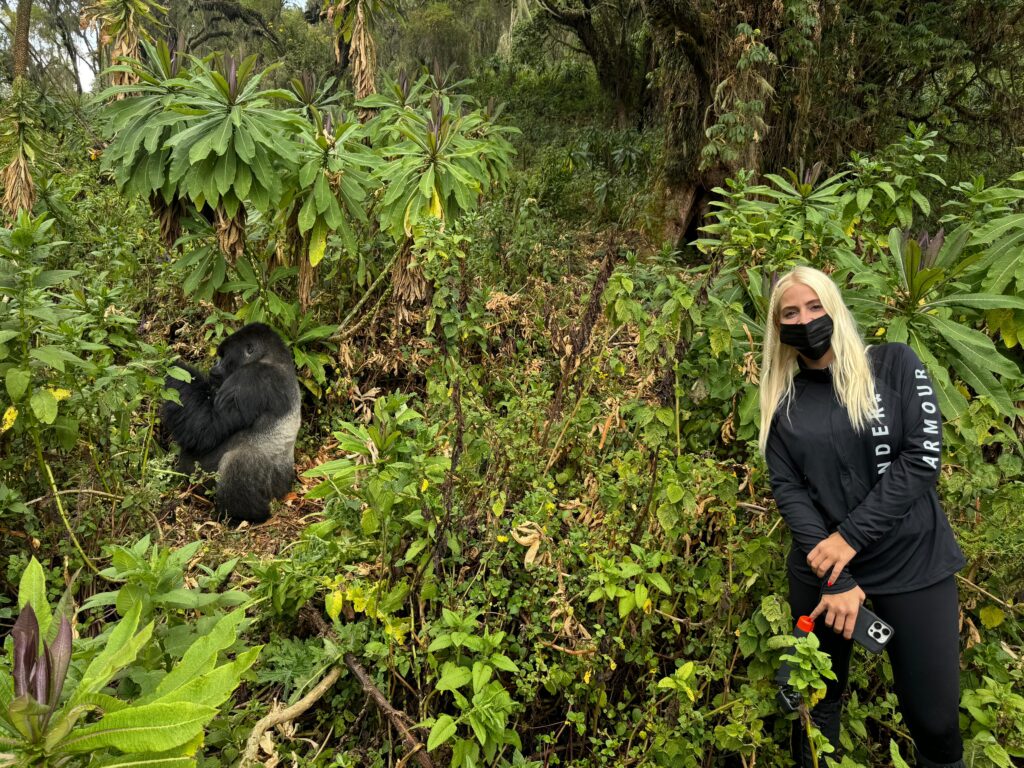
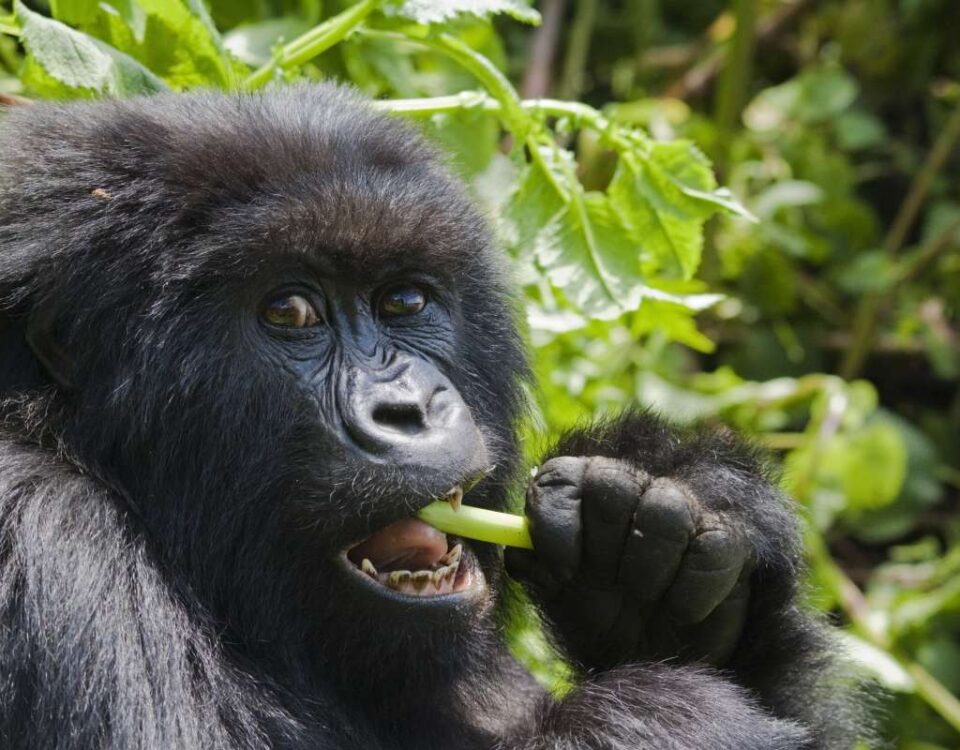
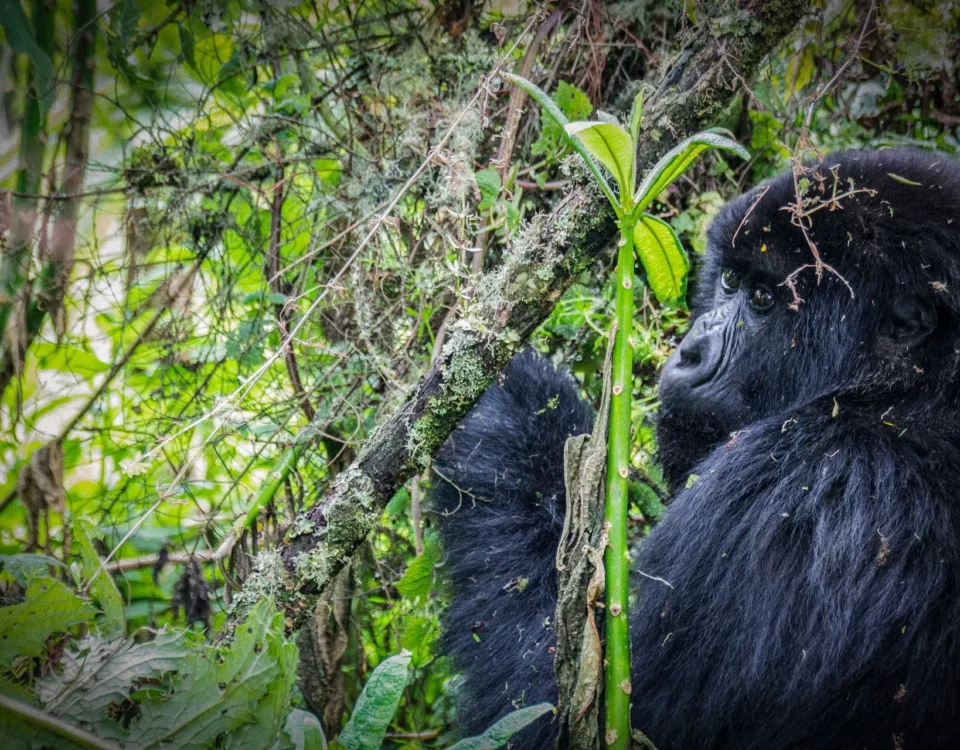
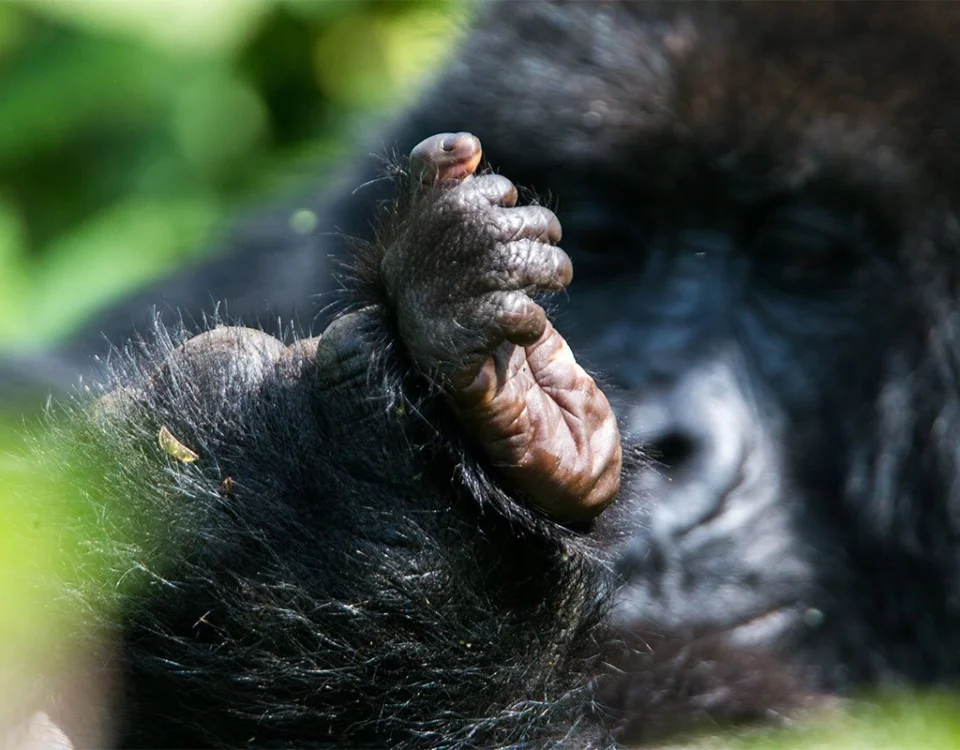
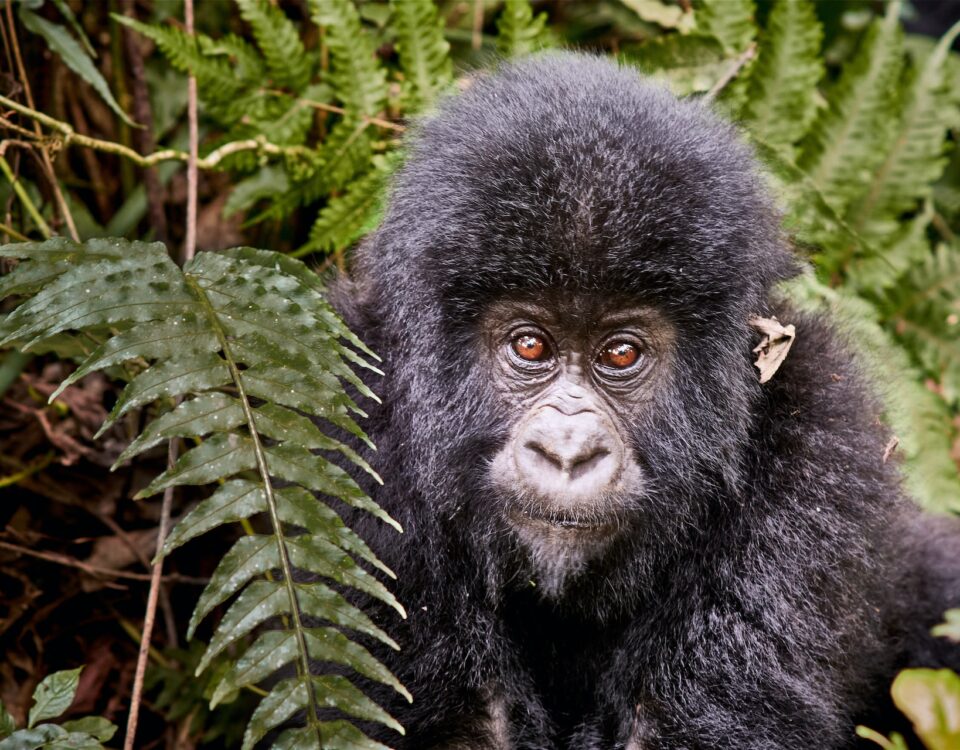
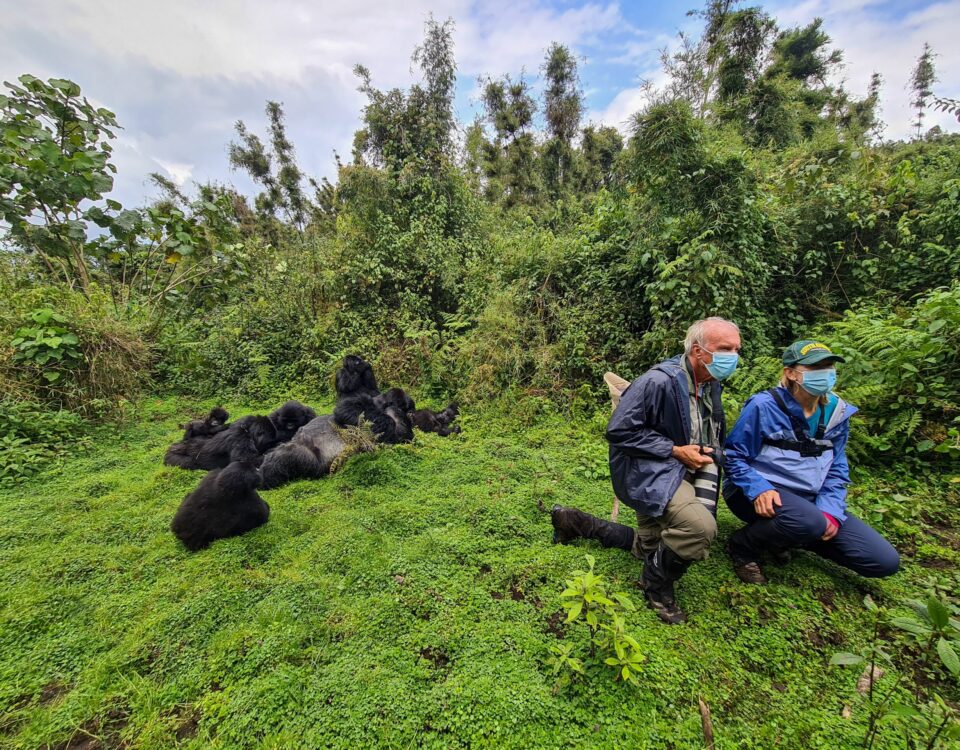
Mountain gorilla trekking is among the most extraordinary wildlife adventures available in Africa, offering visitors a rare opportunity to observe endangered mountain gorillas within their natural rainforest habitats. Deep inside Uganda’s Bwindi Impenetrable National Park, Mgahinga Gorilla National Park, and Rwanda’s Volcanoes National Park, travellers can encounter habituated gorilla families and witness their fascinating social interactions, feeding habits, playful behaviour, and family relationships. However, despite the remarkable nature of this experience, encountering a wild mountain gorilla at close range requires patience, awareness, and respect for wildlife conservation guidelines. One important question that many first-time trekkers ask before embarking on this adventure is: What should you do if a mountain gorilla approaches you during a trek? Although mountain gorillas are generally peaceful animals, they remain powerful wild primates whose behaviour should never be treated casually. Occasionally, a curious young gorilla, a female carrying an infant, or even a dominant silverback may move closer to visitors while travelling through the forest.
Essential Safety Tips for Gorilla Safari Travellers
Such encounters can happen naturally because gorillas are free to move around their habitat, regardless of the presence of tourists. Consequently, visitors must understand that they cannot control the movements of these animals or expect them to maintain a particular distance throughout the encounter. The most important response is to remain calm, avoid sudden movements, refrain from touching the animal, and carefully follow the instructions of the experienced ranger guide. At Frena Adventures Ltd, we believe that responsible gorilla tourism combines unforgettable wildlife experiences with informed visitor behaviour. Understanding what to do when a mountain gorilla approaches you helps protect both visitors and endangered primates while making your African safari more meaningful, enjoyable, and environmentally responsible.
Why Might a Mountain Gorilla Approach Visitors During a Trek?
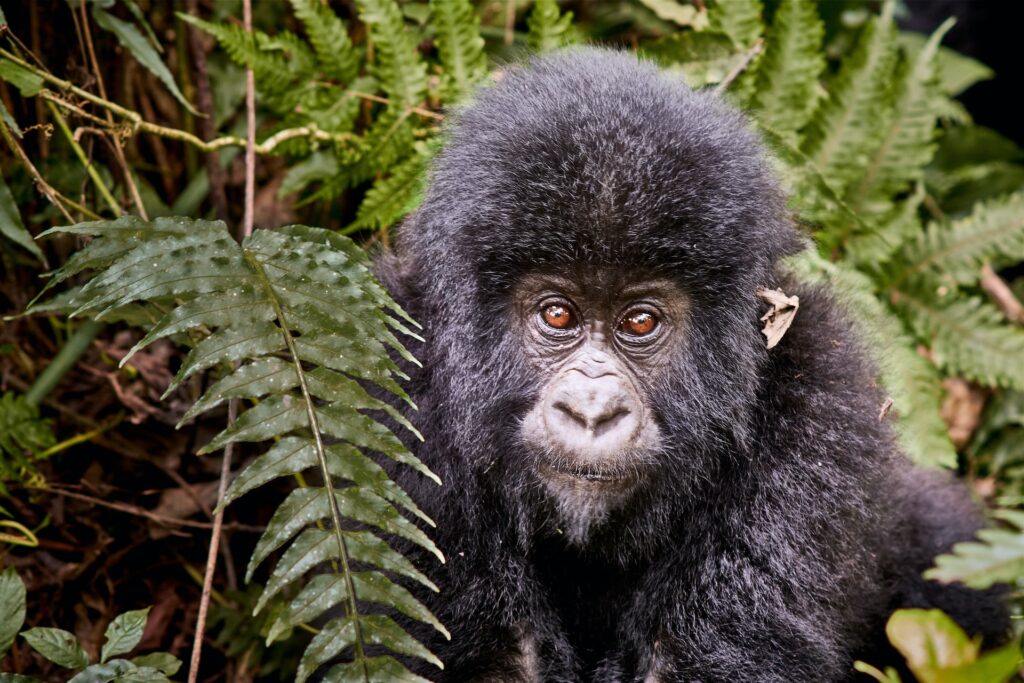
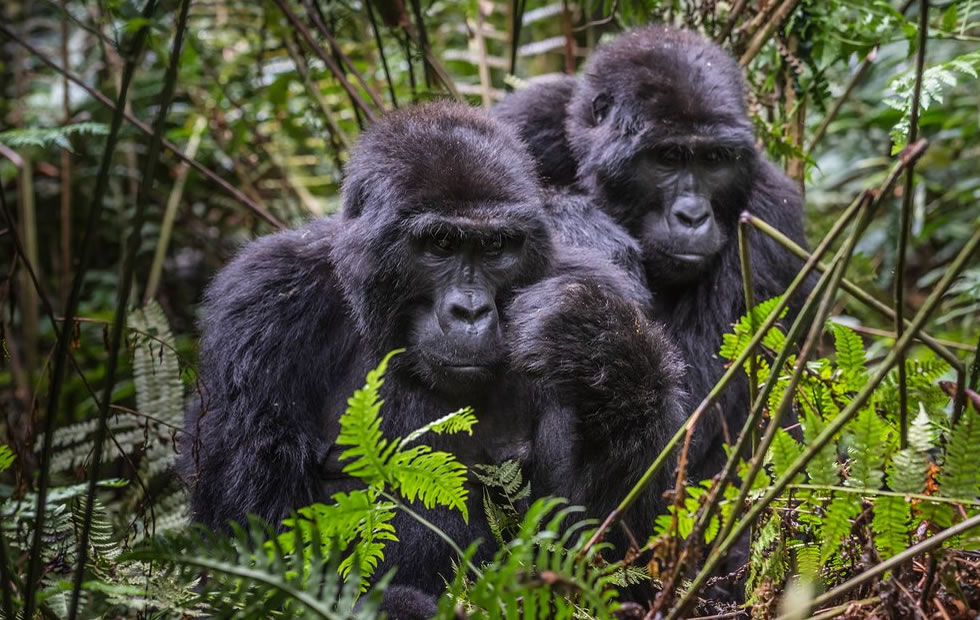
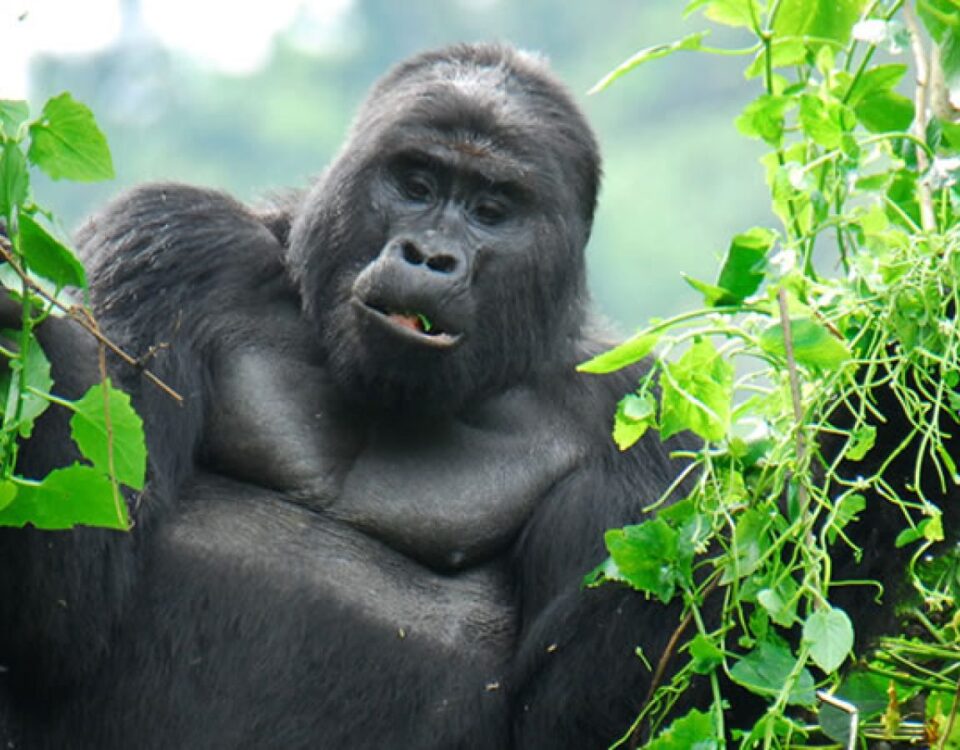
Understanding mountain gorilla behaviour is essential for appreciating why these remarkable animals sometimes move close to people during guided trekking experiences. When considering what should you do if a mountain gorilla approaches you during a trek, it is helpful to recognise that habituated gorillas have gradually become accustomed to the controlled presence of human observers. Habituation is a carefully managed conservation process through which gorillas learn to tolerate researchers, conservation personnel, and authorised visitors without treating their presence as an immediate threat. Nevertheless, habituated gorillas remain wild animals and continue to make independent decisions about where to feed, rest, travel, and interact with other members of their families. Sometimes, a young gorilla may approach out of curiosity while exploring its surroundings, whereas a female may move past visitors while searching for suitable vegetation. Similarly, an adult male silverback might walk through an area occupied by trekkers as he supervises the movements of his family group.
These situations do not necessarily indicate aggression or hostility. In many instances, the animal is simply continuing its normal activities within its territory. However, visitors must never assume that a gorilla approaching them wants human interaction. Maintaining a respectful distance, avoiding physical contact, and allowing the animal sufficient room to move are essential conservation practices. Furthermore, experienced rangers understand gorilla behaviour and can interpret movements, vocalisations, and body language more effectively than inexperienced visitors. Therefore, whenever a gorilla approaches, travellers should remain attentive to their guide rather than attempting to interpret or influence the animal’s behaviour independently.
What Should You Do Immediately When a Mountain Gorilla Comes Close?
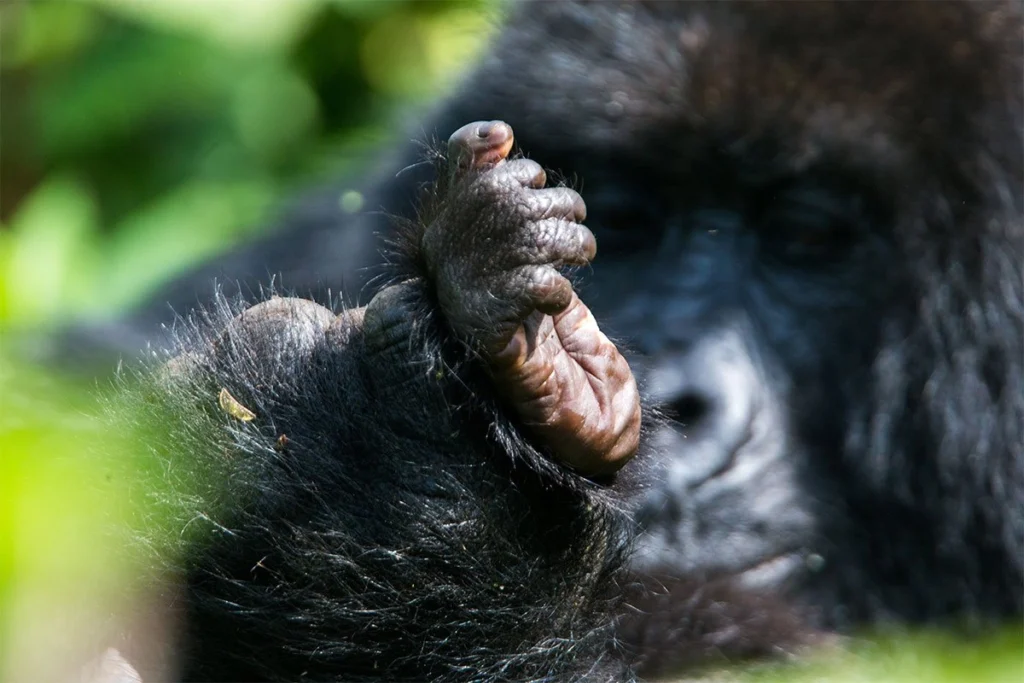
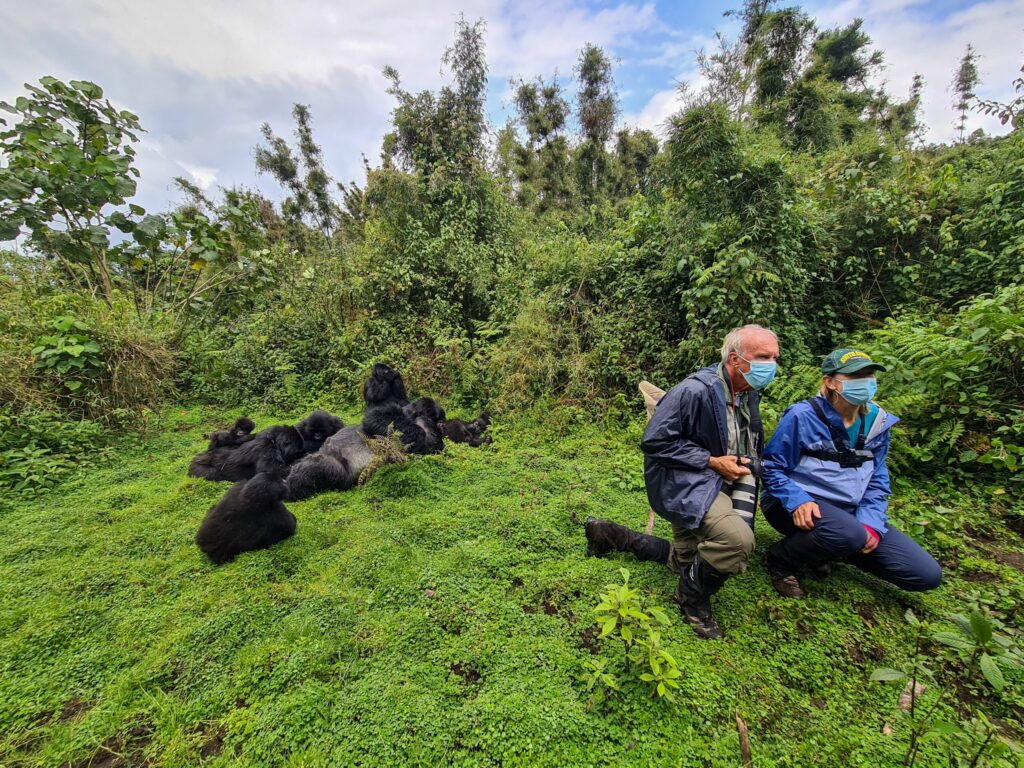
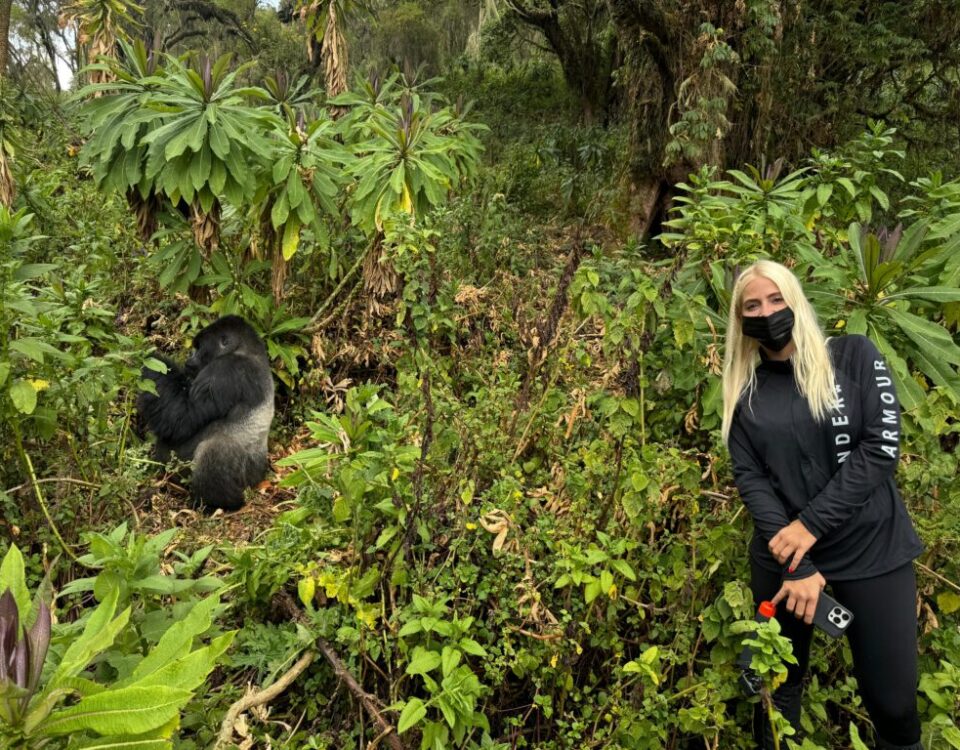
Remaining calm is the most important response when a mountain gorilla unexpectedly approaches your position during a trekking excursion. The question of what should you do if a mountain gorilla approaches you during a trek can be answered through a simple principle: remain composed, avoid interference, and allow your ranger guide to direct the situation. First, avoid screaming, shouting, or making sudden movements because unexpected reactions can disturb the animal or create unnecessary tension. Secondly, do not attempt to move closer to the gorilla for photographs or a better viewing position. If there is sufficient space and your ranger instructs you to do so, slowly step backwards to restore the recommended viewing distance. When the animal is already very close and there is no safe space to retreat, remain still and wait for your guide’s instructions instead of attempting to push past it. Additionally, avoid reaching out your hands, pointing fingers, or attempting to touch the gorilla, even if it appears curious or approaches within arm’s reach.
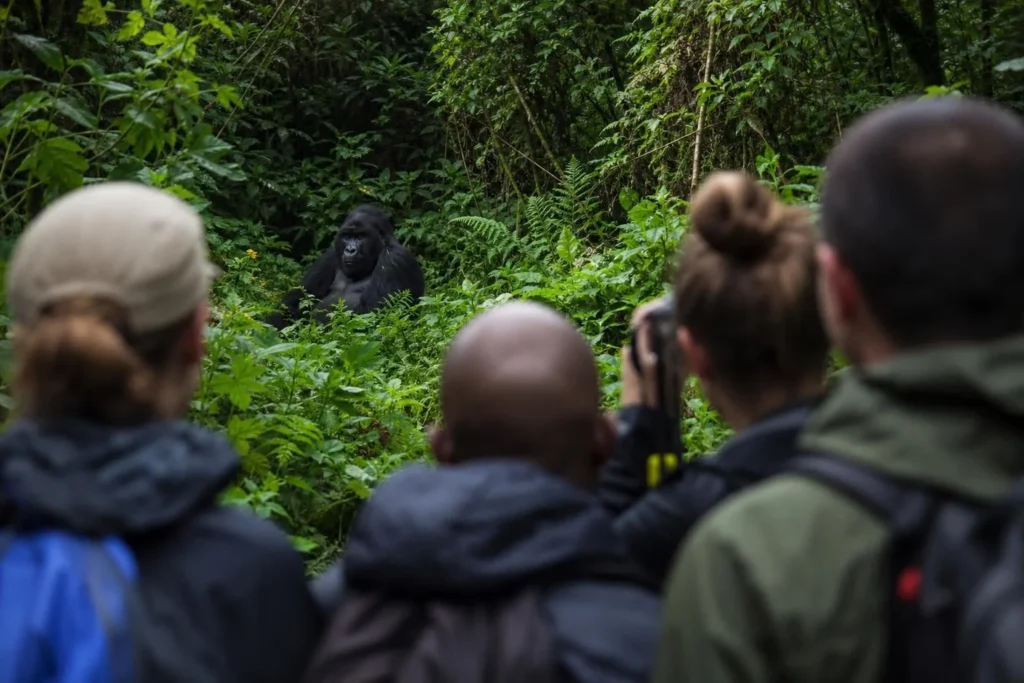
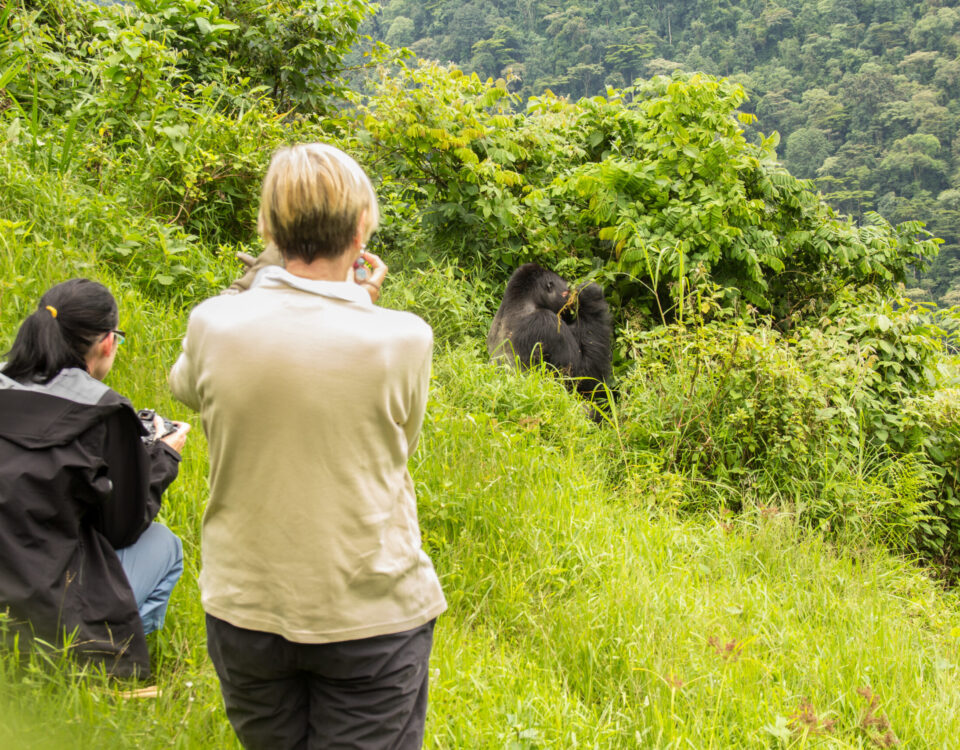
Visitors should also avoid prolonged direct eye contact, particularly when a large silverback is nearby, because this may be interpreted as threatening behaviour. Keep your movements controlled, your voice low, and your attention focused on the ranger. Most importantly, never attempt to separate yourself from the trekking group or independently find another route through the forest. Following these precautions helps prevent unnecessary disturbance while allowing the gorilla to continue moving naturally through its habitat. Remember that the objective of responsible wildlife tourism is to observe animals without interfering with their freedom.
Should You Run Away When a Mountain Gorilla Approaches You?
Running away is not an appropriate response when encountering a mountain gorilla during a trekking excursion. Although an unexpected close encounter may create excitement or nervousness, sudden movement can make an already sensitive situation more difficult to manage. When asking what should you do if a mountain gorilla approaches you during a trek, visitors should remember that remaining calm is more important than trying to escape the situation independently. Mountain gorillas communicate through body language, vocalisations, posture, and other natural behaviours. Consequently, sudden movements, shouting, or attempts to flee may unnecessarily disturb an animal that was simply moving through its surroundings. If a gorilla displays signs of agitation or makes a charging movement, visitors should immediately follow the ranger’s example and instructions.
Depending on the situation, the guide may instruct the group to crouch down slowly, lower their heads, avoid direct eye contact, and remain still until the animal moves away. Never attempt to challenge the gorilla, wave your arms, throw objects, or approach it to establish control. Such reactions are inappropriate around wild animals and may increase the level of disturbance. Furthermore, visitors should avoid attempting to photograph the animal during a tense encounter because operating a camera can distract them from important instructions. Experienced guides are trained to manage these situations and understand when the group should remain still or move away. Trusting their judgement is therefore essential. Ultimately, gorilla trekking is a guided wildlife experience, and visitor safety depends heavily on respecting the procedures established by conservation authorities.
What Are the Expectations During a Mountain Gorilla Trekking Safari?
A mountain gorilla trekking safari is a carefully organised wildlife activity that combines adventure, conservation education, and close observation of endangered primates. Before travelling to Uganda or Rwanda, visitors should understand what to expect throughout the experience, particularly when considering what should you do if a mountain gorilla approaches you during a trek. The adventure normally begins with an early-morning journey to the designated park headquarters, where visitors register and attend a briefing conducted by authorised park personnel. During this session, rangers explain the trekking procedures, wildlife protection guidelines, expected visitor conduct, and appropriate responses to different gorilla behaviours. Participants are then allocated to trekking groups and accompanied by experienced guides and trackers who understand the forest environment. Depending on the location of the assigned gorilla family, the journey may involve several hours of walking through thick vegetation, mountainous terrain, muddy pathways, and changing elevations.
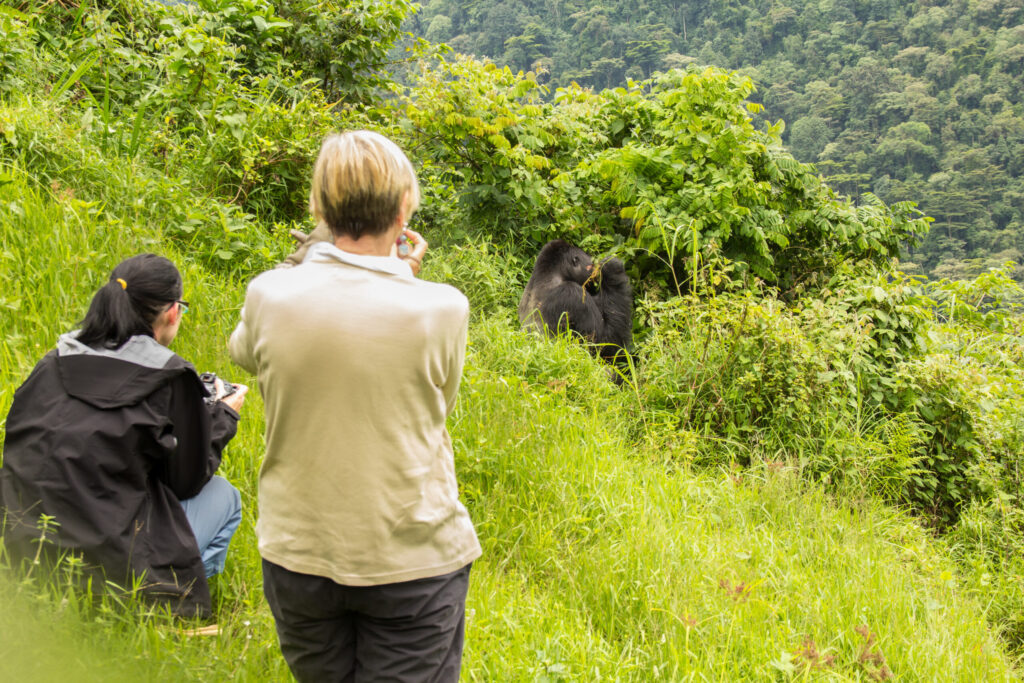
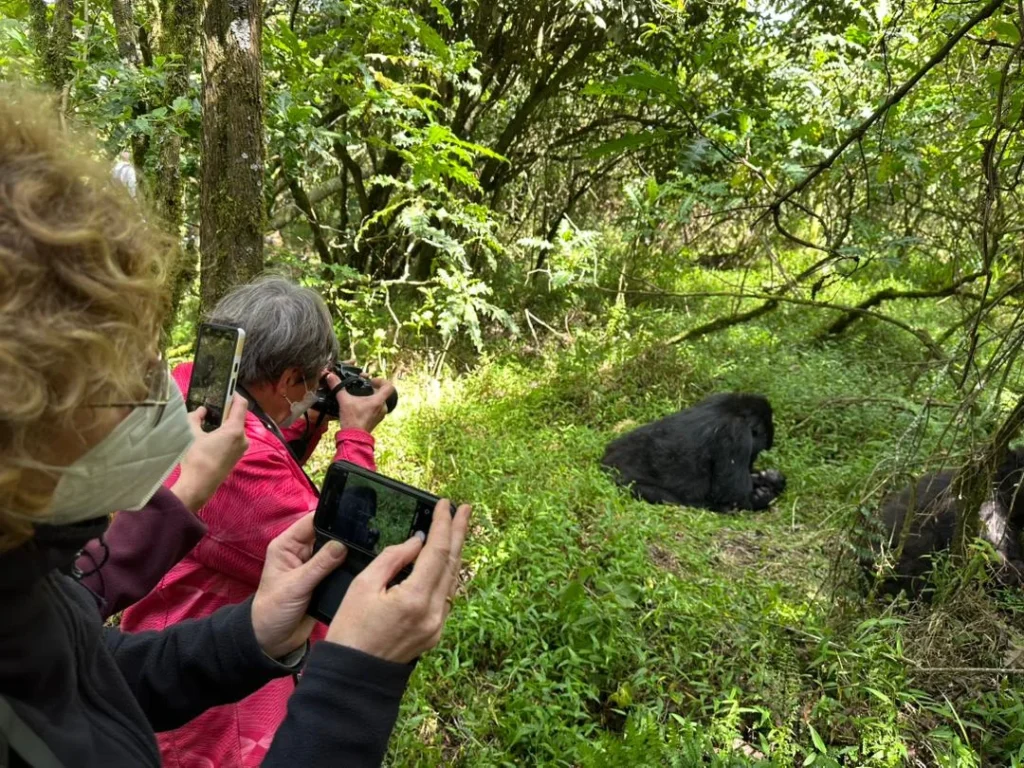
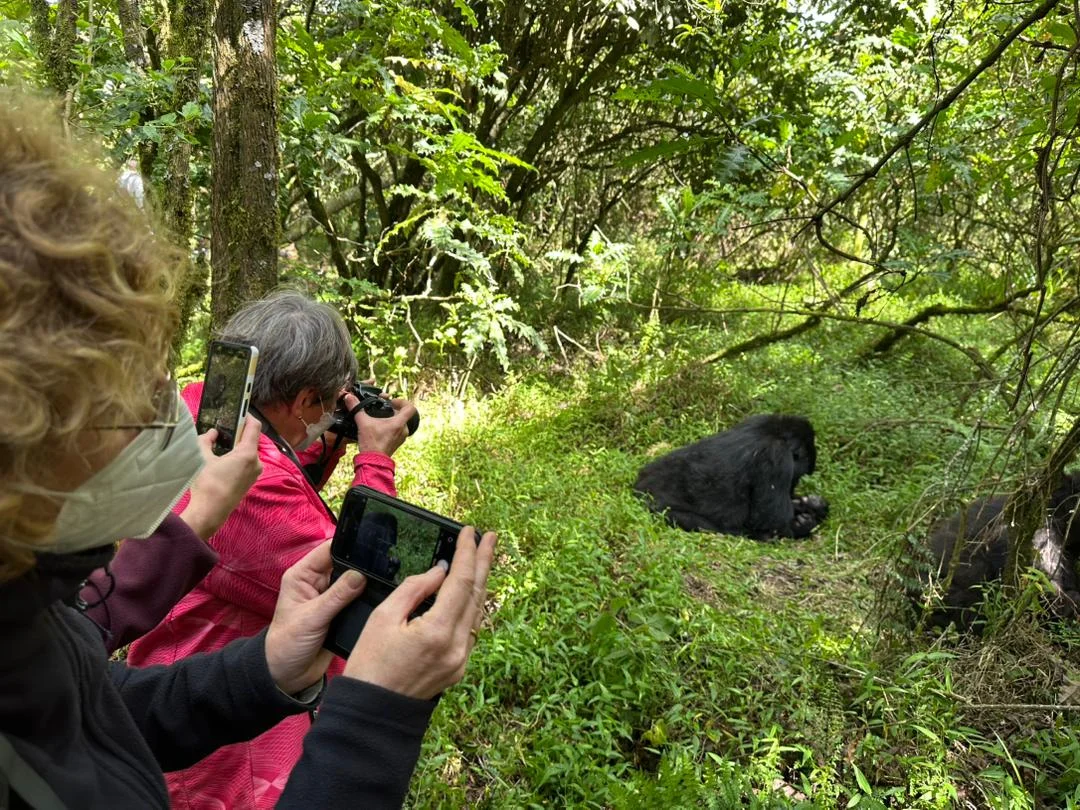
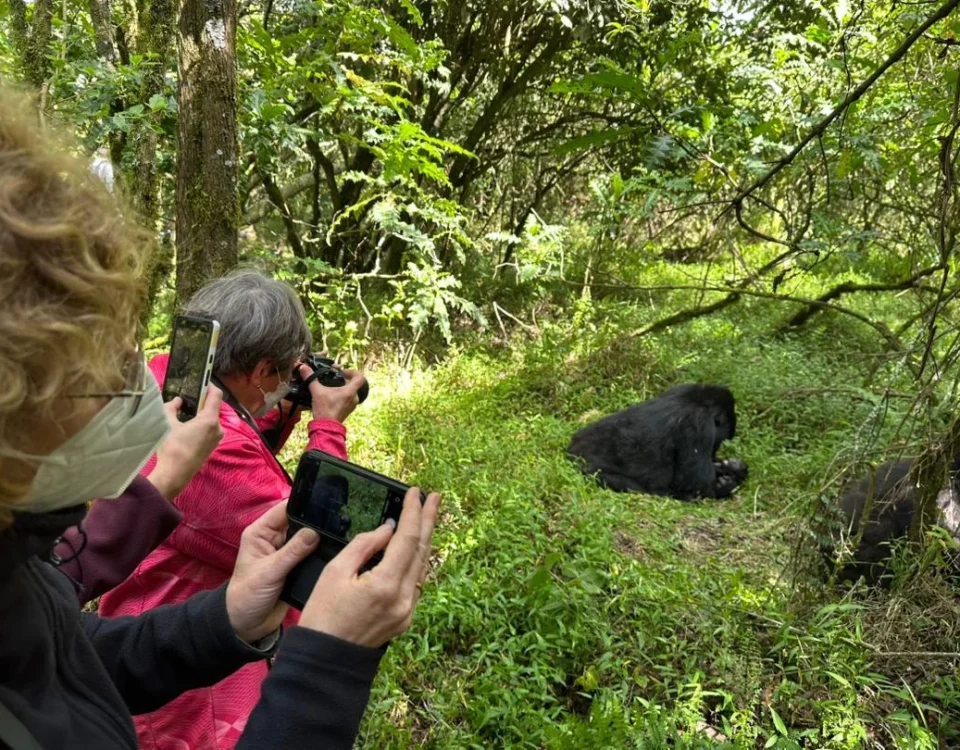
Upon locating the gorillas, visitors are allowed a limited observation period, generally up to one hour, subject to the applicable regulations and the animals’ welfare. During this time, travellers may observe silverbacks supervising their families, mothers caring for infants, juveniles playing, and other gorillas feeding or resting. Nevertheless, the experience requires discipline because visitors must maintain the required distance, remain together, speak quietly, and avoid touching or feeding the animals. Should a gorilla approach unexpectedly, the ranger will guide the group on the appropriate response. Photography is permitted under park rules, but flash photography is prohibited. Ultimately, a successful trekking experience is not measured only by how close visitors get to the gorillas but also by how responsibly they behave throughout the encounter.
When Is the Best Time for a Mountain Gorilla Trekking Safari?
Choosing a suitable travel period can make your mountain gorilla trekking adventure more comfortable, particularly when visiting the mountainous rainforests of Uganda and Rwanda. Although gorilla trekking operates throughout the year, certain seasons generally provide more favourable trail conditions for visitors. When researching what should you do if a mountain gorilla approaches you during a trek, it is equally important to consider the environmental conditions that influence the overall trekking experience. In Uganda, the relatively drier months usually occur between June and September and December and February. These periods are popular because forest trails may be easier to navigate, although rainfall can still occur unexpectedly. Rwanda’s Volcanoes National Park also experiences comparatively favourable trekking conditions during many of these months. Conversely, the wetter periods can bring heavier rainfall, muddy paths, and thicker vegetation, sometimes making the forest journey more physically demanding. However, the rainy seasons also create beautiful landscapes, lush vegetation, and rewarding opportunities for nature photography. Importantly, mountain gorillas remain within their natural habitats throughout the year, and successful sightings are possible during different weather conditions. Visitors should therefore select their travel dates according to their personal preferences, available time, and overall safari itinerary rather than assuming that gorillas can only be seen during dry months. For travellers wishing to experience more of East Africa, a gorilla trekking holiday can also be combined with Kenya Tours, Kenya Safaris, and Kenya Adventures. Such itineraries may include wildlife viewing in the Maasai Mara, scenic experiences in Amboseli National Park, and cultural encounters with local communities. Regardless of the season, visitors should always follow their ranger’s instructions when a gorilla approaches unexpectedly.
Why Choose Frena Adventures Ltd for Your Mountain Gorilla Trekking Safari?
Choosing a reliable safari operator is an important step towards enjoying an organised, informative, and rewarding African wildlife holiday. At Frena Adventures Ltd, we understand that exceptional safari experiences depend on careful planning, responsible tourism practices, knowledgeable local professionals, and clear communication with travellers. Our approach to mountain gorilla trekking places considerable importance on preparing visitors for the realities of exploring natural rainforest environments. For example, understanding what should you do if a mountain gorilla approaches you during a trek is an essential part of preparing for this extraordinary wildlife encounter. We encourage travellers to familiarise themselves with the park regulations, respect the instructions of their assigned guides, and appreciate the importance of protecting endangered mountain gorillas. Additionally, our safari planning services can help visitors organise important travel arrangements, including transportation, accommodation, trekking permits, and suitable itinerary combinations, subject to availability and the relevant authorities’ requirements. Whether you are interested in exploring Uganda’s Bwindi Impenetrable National Park, discovering the gorilla families of Mgahinga, or experiencing Rwanda’s Volcanoes National Park, we can help you plan an itinerary that reflects your travel interests and expectations.
Beyond gorilla trekking, travellers can explore wider East African tourism opportunities through Kenya Adventures, Kenya Tours, and Kenya Safaris, creating memorable journeys across different landscapes and wildlife destinations. We also believe that responsible tourism should recognise the contribution of local communities, conservation organisations, and park authorities in protecting Africa’s natural heritage. By promoting informed visitor behaviour, Frena Adventures Ltd seeks to encourage meaningful wildlife encounters that benefit both travellers and conservation efforts. Our goal is to help you discover Africa through thoughtfully organised experiences while ensuring that respect for nature remains central to every adventure.
What Should You Pack for a Mountain Gorilla Trekking Safari?
Preparing the right travel equipment can make a considerable difference when exploring the challenging rainforest landscapes of Uganda and Rwanda. Although understanding what should you do if a mountain gorilla approaches you during a trek is essential for visitor awareness, packing suitable clothing and personal necessities is equally important. Tropical mountain forests can experience changing temperatures, unexpected rainfall, muddy trails, and thick vegetation, meaning practical outdoor clothing should be prioritised. Comfortable waterproof hiking boots with strong grip are particularly useful for navigating slippery forest pathways and steep slopes. Long-sleeved shirts and lightweight trousers help protect the skin against scratches, insects, and dense vegetation. Furthermore, a waterproof jacket or rain poncho provides additional protection when weather conditions change during the excursion. Gardening gloves can also be useful when holding vegetation for balance, provided visitors follow the ranger’s instructions about where to place their hands. A small backpack is recommended for carrying drinking water, personal documents, and other essential belongings. Travellers should also consider packing sunscreen, insect repellent, a reusable water bottle, and a camera with sufficient battery capacity. Binoculars may be useful for observing other forest wildlife and birds during the journey. A walking stick can provide additional support on challenging sections of the trail and may sometimes be available through local trekking arrangements. Additionally, visitors should carry any necessary personal medication and follow relevant health advice before travelling. Remember that equipment should never replace responsible behaviour around wildlife. Even when a gorilla approaches closely, visitors must avoid touching it, attempting to feed it, or making sudden movements for photographs. Proper preparation allows you to concentrate on enjoying the extraordinary biodiversity of the rainforest while respecting the safety instructions provided by your professional trekking guide.
 Conclusion: What Should You Do If a Mountain Gorilla Approaches You During a Trek?
A close encounter with a mountain gorilla is one of the most memorable moments that visitors can experience during an African wildlife safari. Nevertheless, understanding what should you do if a mountain gorilla approaches you during a trek is essential for ensuring that this remarkable experience remains respectful and responsible. The most important advice is to remain calm, avoid running, refrain from touching the animal, and carefully follow your ranger’s instructions. Although habituated mountain gorillas are accustomed to the controlled presence of visitors, they remain wild animals whose behaviour must always be respected. Maintaining the recommended viewing distance, avoiding sudden movements, keeping your voice low, and allowing the animals to move freely are fundamental principles of responsible gorilla tourism. Whether you are exploring the magnificent forests of Uganda or visiting Rwanda’s volcanic mountain landscapes, every visitor has a responsibility to contribute towards the protection of endangered mountain gorillas. Beyond this extraordinary primate experience, Africa offers countless opportunities for exploration, including Kenya Tours, Kenya Safaris, Kenya Adventures, cultural encounters, and spectacular wildlife viewing. At Frena Adventures Ltd, we invite you to discover the beauty of East Africa through carefully planned safari experiences that combine adventure, conservation awareness, and authentic encounters with nature. Prepare thoughtfully, respect wildlife regulations, trust your experienced guides, and make your next African safari an unforgettable journey.


East Africa with guided safari vacations while witnessing the beautiful
memorable impressions by incredible, Authentic African journeys in
Uganda | Kenya | Rwanda and Tanzania.

in the Pearl of Africa. Uganda Safari Holidays
offer travelers an extraordinary opportunity to explore
one of Africa’s most diverse and rewarding safari destinations.


Over 1,078 Bird Spices
Lake Bunyonyi