What Should You Do If a Mountain Gorilla Approaches You During a Trek?
November 16, 2026
How Much Does a Uganda Gorilla Trekking Safari Cost?
November 16, 2026
Can You Go Gorilla Trekking If You Have a Cold, Cough, or Fever?
Mountain gorilla trekking is one of Africa’s most remarkable wildlife experiences, attracting nature enthusiasts, photographers, conservationists, and adventure travellers from different parts of the world. Whether you are planning a memorable gorilla safari in Uganda’s Bwindi Impenetrable National Park, exploring the magnificent Virunga Mountains, or visiting Rwanda’s Volcanoes National Park, encountering endangered mountain gorillas in their natural habitat is an experience that deserves careful preparation. However, before embarking on this extraordinary adventure, understanding the health requirements is essential. One frequently asked question among international travellers is: Can you go gorilla trekking if you have a cold, cough, or fever? The straightforward answer is no. Visitors experiencing symptoms of a cold, flu, fever, persistent cough, or another potentially contagious respiratory illness should not participate in mountain gorilla trekking. This restriction is not simply an ordinary park regulation but an important conservation measure designed to protect mountain gorillas from diseases that can be transmitted by humans. Unlike people, these endangered primates have limited protection against certain human respiratory infections, making even seemingly minor illnesses a potential threat to their health. Consequently, Uganda Wildlife Authority and Rwanda’s wildlife tourism authorities maintain strict health guidelines that visitors must respect before entering the forest. At Frena Adventures Ltd, we believe responsible tourism begins with understanding the importance of wildlife protection. This comprehensive guide explains why sick travellers should avoid gorilla trekking, what happens when someone becomes ill before their scheduled excursion, and how to prepare for a safe and rewarding African safari experience.
Why Are Visitors With Colds, Coughs, or Fever Not Allowed to Go Gorilla Trekking?
Mountain gorillas share many biological similarities with human beings, which makes them particularly vulnerable to certain infectious diseases circulating within human populations. Although these magnificent primates live in protected forests, their close genetic relationship with humans means that some respiratory illnesses can spread between the two species. Consequently, Can You Go Gorilla Trekking If You Have a Cold, Cough, or Fever? is an important question that every responsible traveller should consider before purchasing a gorilla permit or confirming an African wildlife holiday. Common illnesses such as influenza, respiratory infections, and other contagious conditions may present significant health risks to gorilla families. A visitor who considers a mild cough or runny nose insignificant might unknowingly introduce an infection into a population of endangered animals. Furthermore, mountain gorillas live in closely connected family groups, meaning an infectious disease introduced to one individual could potentially affect other members of the community. Young gorillas, older individuals, and animals with weakened immune systems may be particularly vulnerable to disease complications. For this reason, park authorities discourage anyone showing signs of contagious illness from joining a trekking group. Uganda’s gorilla tracking regulations specifically instruct visitors not to visit gorillas when experiencing a cold or another infectious illness. Similarly, Rwanda’s official mountain gorilla tracking guidelines advise visitors with colds, flu, or contagious diseases against entering the forest for gorilla encounters. These measures demonstrate that conservation takes priority over individual sightseeing expectations. Therefore, travellers should understand that responsible gorilla tourism involves protecting the animals rather than focusing exclusively on personal holiday experiences.
Can You Go Gorilla Trekking If You Have a Cold, Cough, or Fever?
Can You Go Gorilla Trekking If You Only Have a Mild Cough?
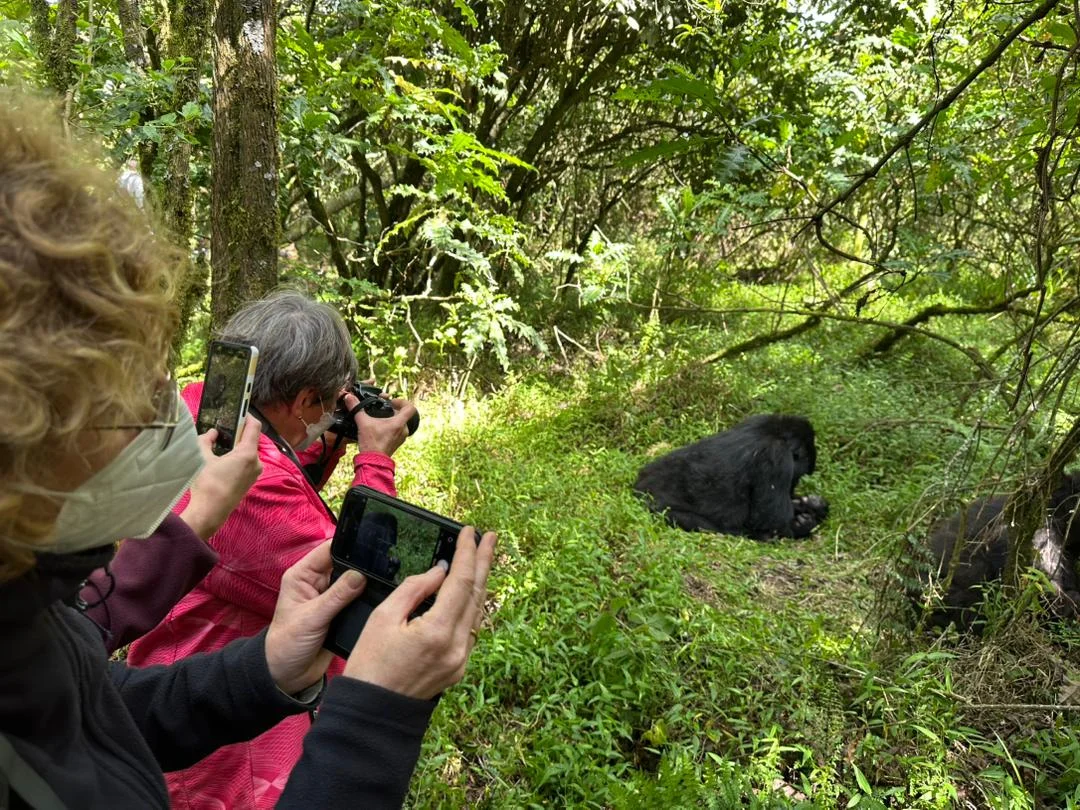
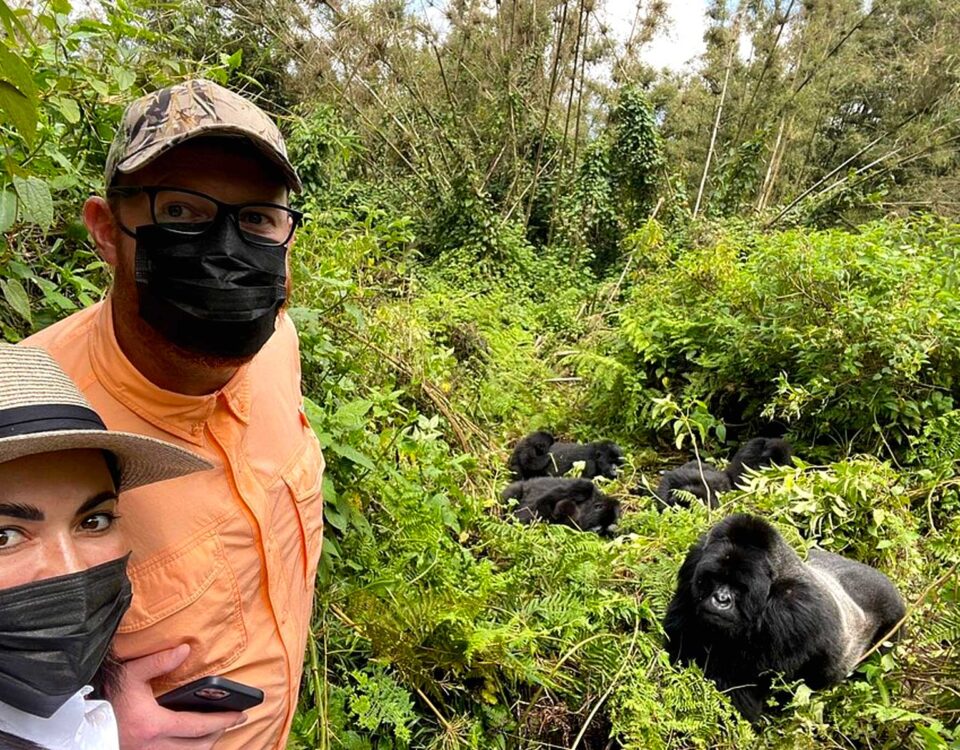
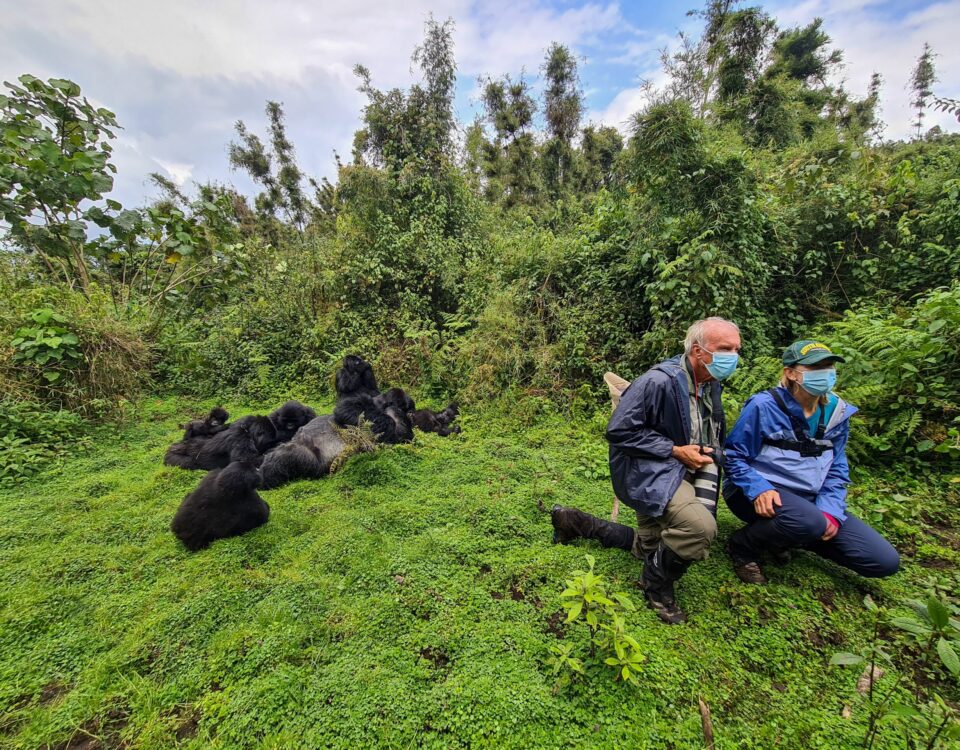
A mild cough might appear harmless, especially when it develops from temporary throat irritation, allergies, or a common respiratory condition. Nevertheless, distinguishing between an innocent irritation and a potentially infectious illness is not always straightforward without appropriate medical assessment. When considering Can You Go Gorilla Trekking If You Have a Cold, Cough, or Fever?, travellers should recognise that park authorities may restrict participation when visitors display symptoms that could indicate an infectious condition. Even occasional coughing can release respiratory droplets into the surrounding environment, creating unnecessary exposure risks for wildlife. Mountain gorillas are not accustomed to the same range of human respiratory pathogens, making preventive precautions extremely important during tourism activities. Accordingly, anyone experiencing an unexplained cough should inform their safari operator before the trekking date and seek appropriate medical advice. Rangers and park officials have the responsibility to assess visitor fitness and enforce conservation regulations before allowing groups to enter gorilla habitats. Wearing a face mask, maintaining the recommended distance, or covering your mouth when coughing does not automatically make it acceptable to trek while sick. Such precautions complement established wildlife protection measures but cannot replace the requirement to avoid visiting gorillas when experiencing a potentially contagious illness. Rather than hiding symptoms to avoid missing a scheduled excursion, travellers should communicate honestly with their tour operator. This approach allows the safari team to explain the available options while prioritising the welfare of endangered mountain gorillas.


East Africa with guided safari vacations while witnessing the beautiful
memorable impressions by incredible, Authentic African journeys in
Uganda | Kenya | Rwanda and Tanzania.

in the Pearl of Africa. Uganda Safari Holidays
offer travelers an extraordinary opportunity to explore
one of Africa’s most diverse and rewarding safari destinations.


Over 1,078 Bird Spices
Lake Bunyonyi