Lake Bunyonyi
November 15, 2026
What Should You Do If a Mountain Gorilla Approaches You During a Trek?
November 16, 2026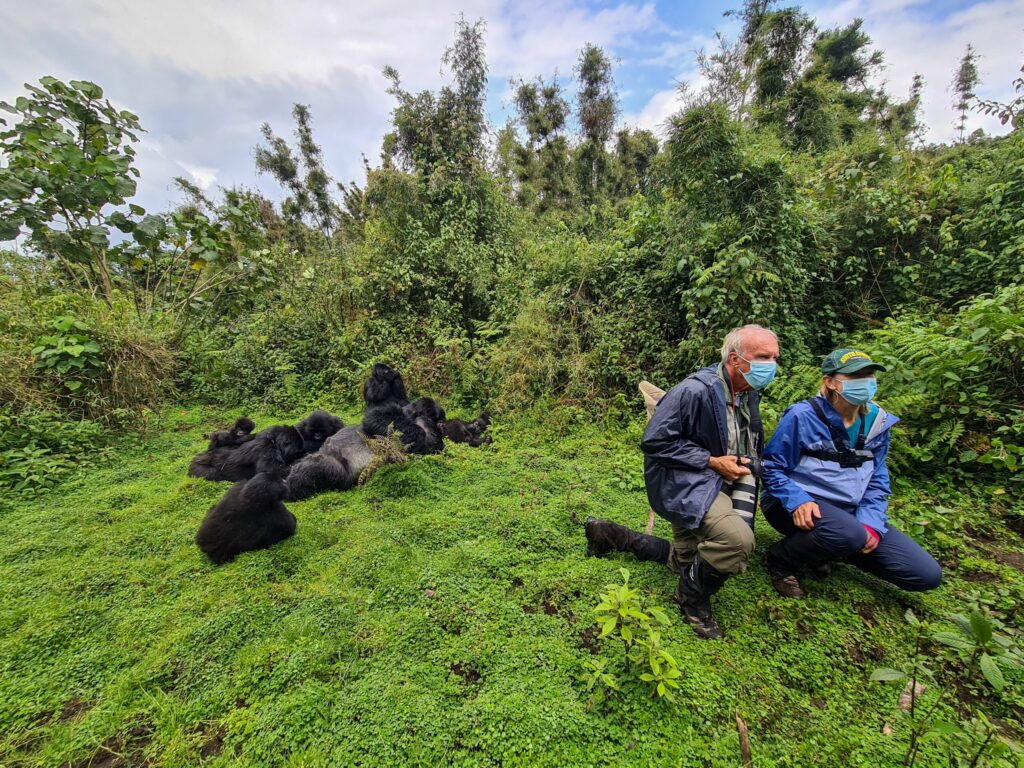
Is Gorilla Trekking Safe for International Tourists?
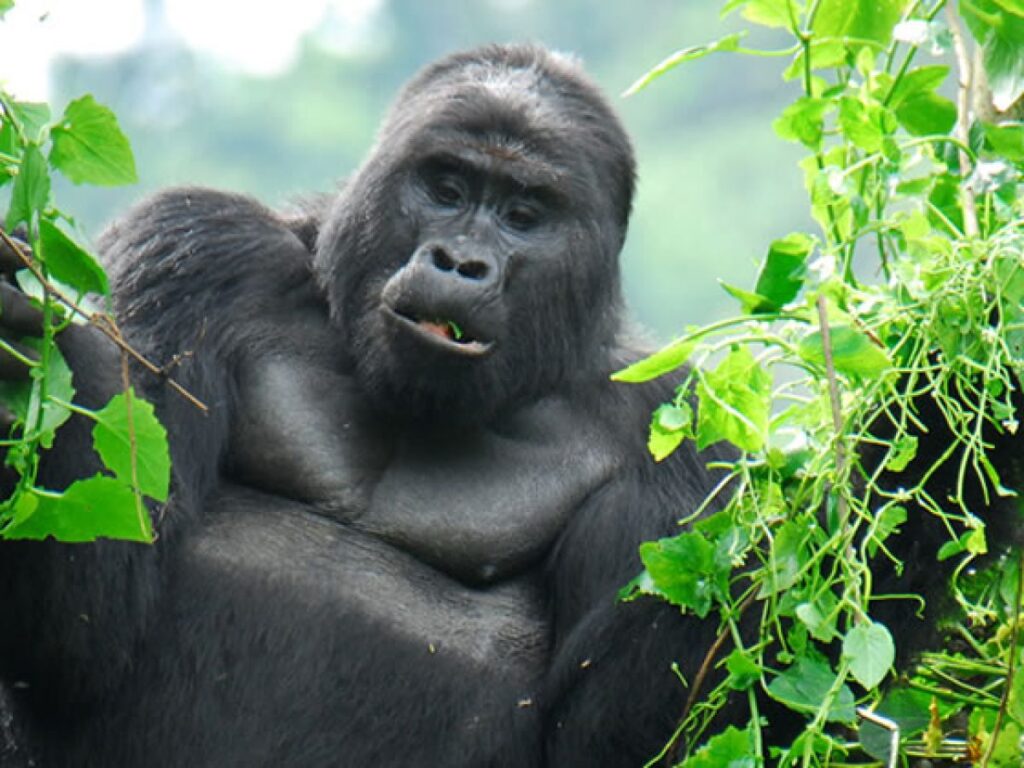
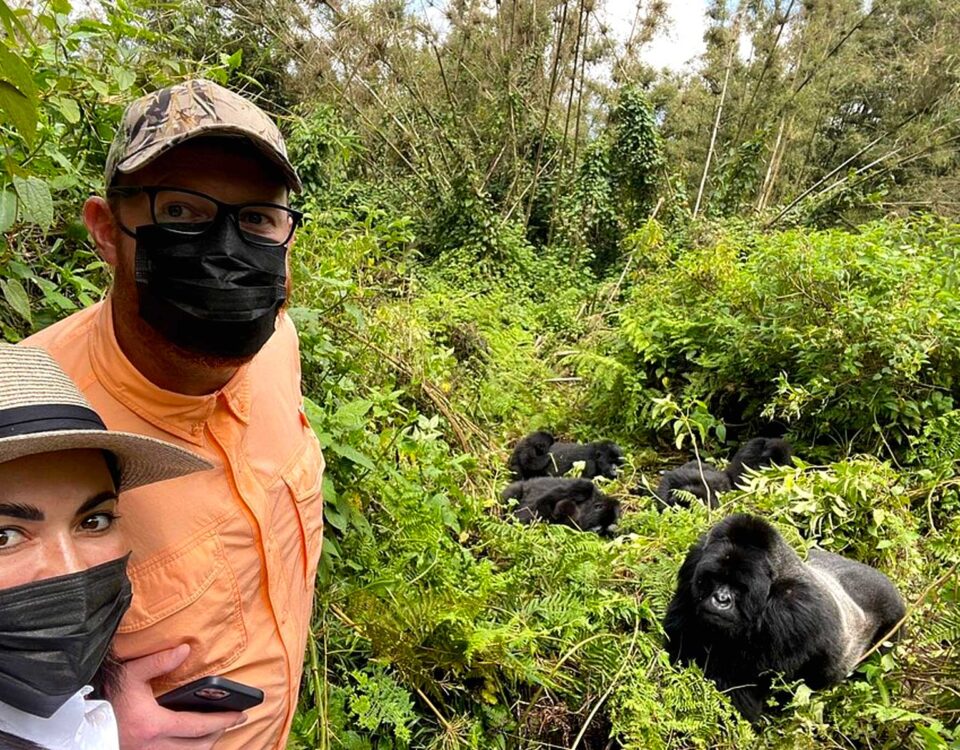
Gorilla trekking is one of Africa’s most remarkable wildlife adventures, attracting visitors from across the world who want to experience mountain gorillas in their natural forest habitats. From the ancient rainforests of Uganda to the volcanic landscapes of Rwanda, this activity offers an extraordinary opportunity to observe endangered primates in the wild. However, before booking their journey, many travellers ask an important question: Is gorilla trekking safe for international tourists? Generally, gorilla trekking is a regulated wildlife activity that international visitors can enjoy when they follow park regulations, listen to trained guides and prepare appropriately for the forest environment. Uganda and Rwanda have established conservation procedures governing visitor numbers, trekking arrangements, viewing distances and behaviour around gorilla families. These measures help protect both visitors and the animals while supporting responsible tourism. Nevertheless, gorilla trekking takes place in a natural environment, so it is important to understand that it is not entirely risk-free. The forest terrain can be challenging, weather conditions may change, and mountain gorillas remain wild animals whose behaviour must always be respected.
Discover the Safety of Gorilla Trekking in Uganda and Rwanda
For international tourists, safety begins with choosing a properly organised safari and understanding the instructions provided by the relevant park authorities. Trekkers are accompanied by experienced guides and trackers who know the forest, monitor gorilla movements and explain how visitors should behave during the encounter. Before entering the forest, participants attend a briefing covering important conservation and safety rules. Visitors are expected to maintain the required distance, avoid touching or feeding gorillas, remain quiet and follow the guide’s directions. At Frena Adventures Ltd, we believe that a successful gorilla trekking holiday should combine unforgettable wildlife encounters with careful planning and responsible behaviour. Whether you are visiting Uganda’s Bwindi Impenetrable National Park, Mgahinga Gorilla National Park or Rwanda’s Volcanoes National Park, understanding the safety arrangements can help you approach your adventure with confidence and realistic expectations.
Is Gorilla Trekking Safe for International Tourists in Uganda and Rwanda?
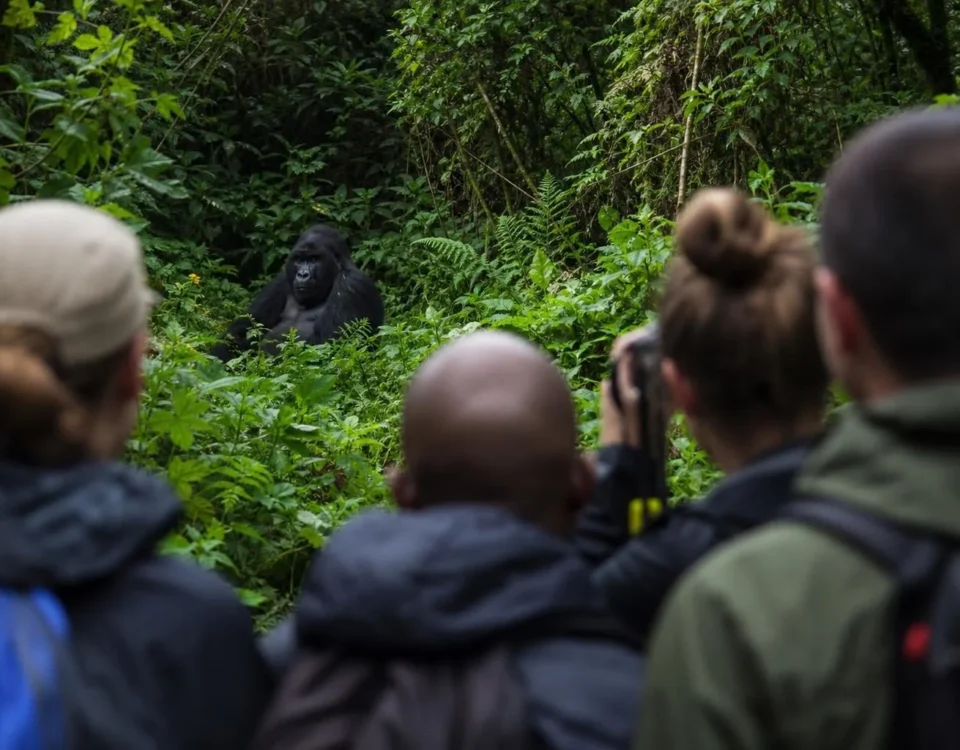
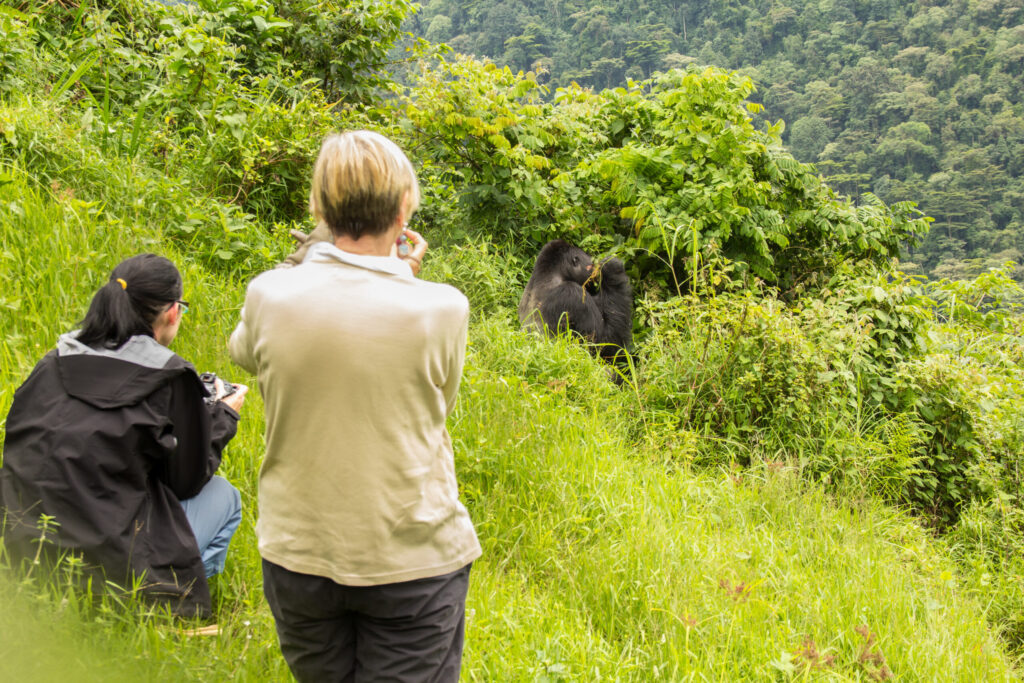
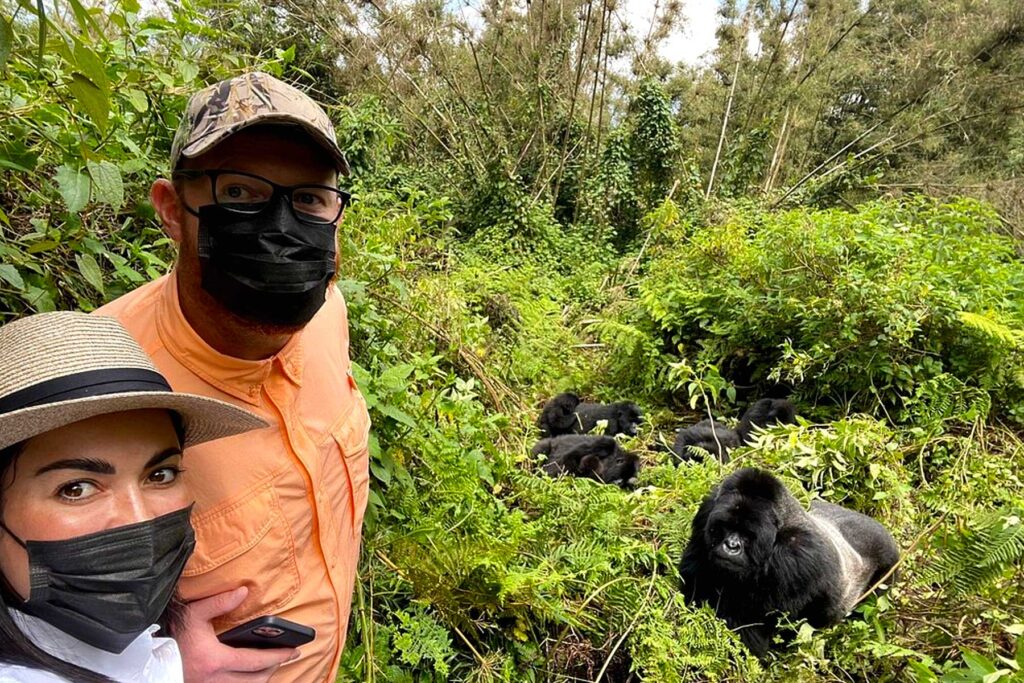
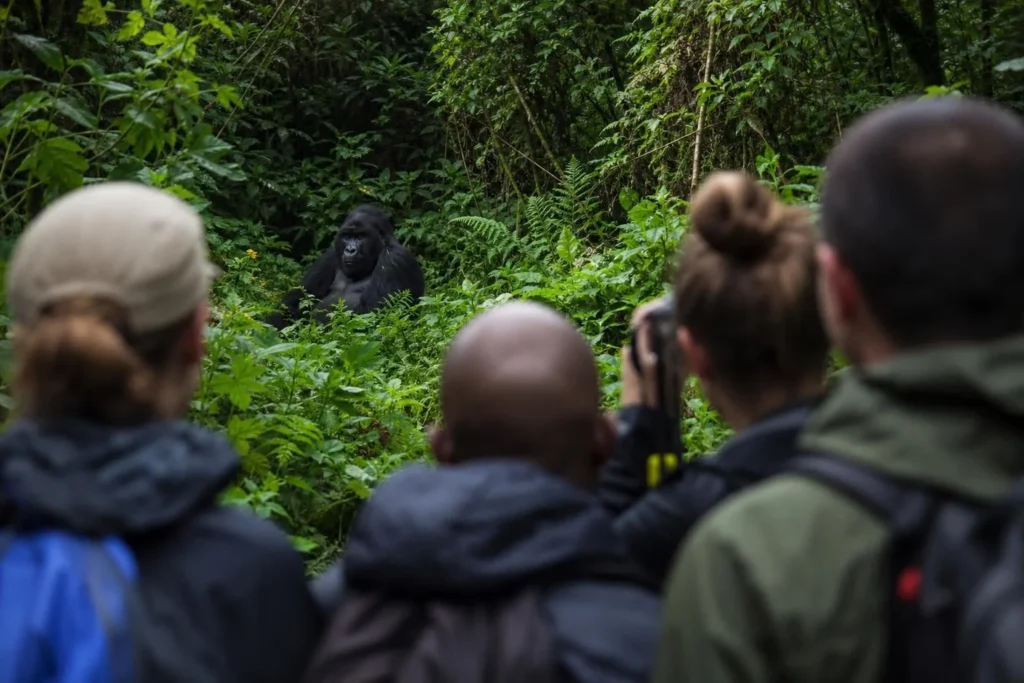
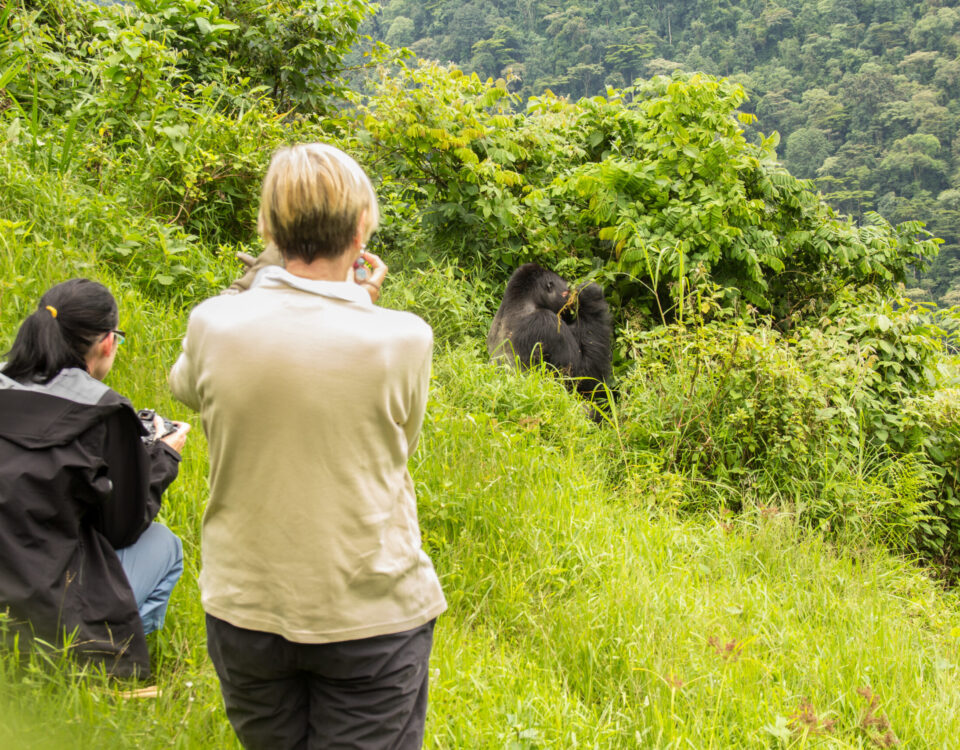
For travellers researching is gorilla trekking safe for international tourists, Uganda and Rwanda are established destinations for regulated mountain gorilla encounters. Both countries have protected national parks where visitors can track habituated gorilla families under the supervision of trained park personnel. A habituated gorilla family has gradually become accustomed to the controlled presence of authorised human observers, but this does not mean that the animals are domesticated or suitable for direct interaction. Visitors must follow strict instructions throughout the experience, including maintaining the viewing distance required by the destination’s conservation authority. Uganda’s published guidance generally requires visitors to maintain at least 10 metres from mountain gorillas, while Rwanda’s published guidance specifies a minimum distance of 7 metres. Because regulations can be updated, visitors should follow the latest directions provided by their guides and park officials during the trek.
Safety arrangements begin before visitors enter the forest. At the park headquarters, guides explain the trekking procedures, assign groups to available gorilla families and discuss the rules that must be observed. Trained trackers help locate the animals, while guides manage the group during the encounter. Standard gorilla trekking is also controlled through daily visitor limits, with a maximum of eight tourists generally permitted to visit a habituated gorilla family per day. Viewing time is limited to a maximum of one hour, although guides may end an encounter earlier if conservation or safety conditions require it. These measures reduce unnecessary disturbance and help keep the experience organised. International visitors should understand that safety depends on cooperation: park personnel provide professional guidance, but every participant must take responsibility for following instructions. With suitable preparation and respect for the rules, gorilla trekking can be a rewarding wildlife experience.
What Safety Measures Are Followed During Gorilla Trekking?
Understanding is gorilla trekking safe for international tourists involves knowing the precautions used to protect visitors and mountain gorillas. One of the most important measures is the presence of trained guides and trackers who accompany trekking groups into the forest. These professionals understand the terrain, monitor gorilla movements and communicate with other members of the park team. Their knowledge helps visitors navigate the forest and observe the animals without unnecessary disturbance. Before the trek begins, participants receive a briefing explaining how to behave around gorillas, what to do if an animal approaches and why certain activities are prohibited. Following these instructions is essential because mountain gorillas are powerful wild animals, and their behaviour should never be treated as predictable.
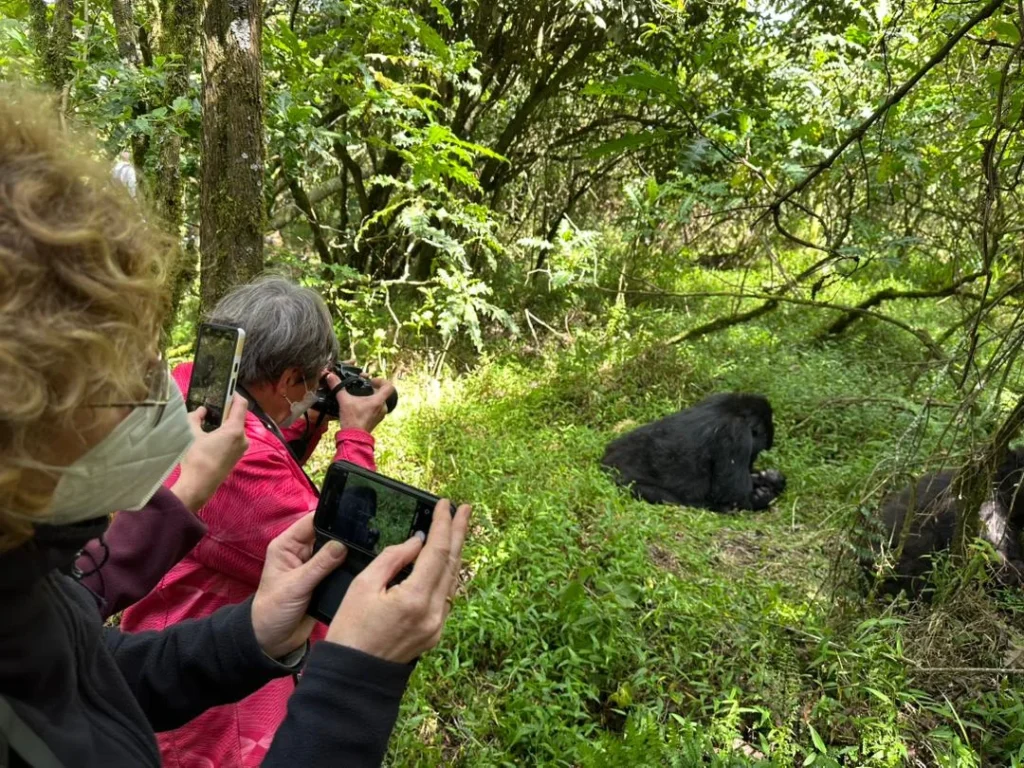
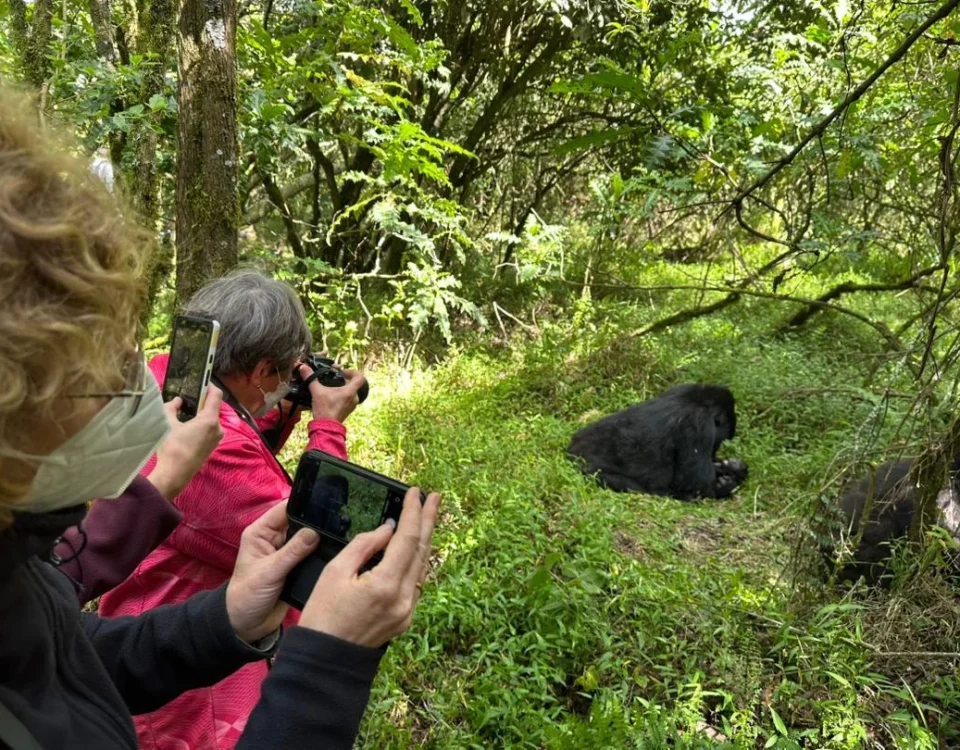
Another important precaution involves maintaining an appropriate distance from the gorillas. Visitors must never attempt to touch, feed, chase or attract the animals. Flash photography is prohibited, while loud noises and sudden movements should be avoided. Disease prevention is equally important because gorillas can be vulnerable to infections carried by humans. Visitors who feel unwell, particularly those with symptoms of contagious illnesses, should inform their safari operator and park authorities and follow their advice before participating. The trekking group may also be instructed to leave earlier than expected if the gorillas become uncomfortable or if the guide identifies a conservation concern. These procedures are not intended to reduce the enjoyment of the experience; instead, they help ensure that tourism supports gorilla protection. Responsible visitors understand that the safety of people and animals must always come before photographs or personal preferences.

Is Gorilla Trekking Safe for International Tourists?
Is the Forest Terrain Difficult for International Visitors?
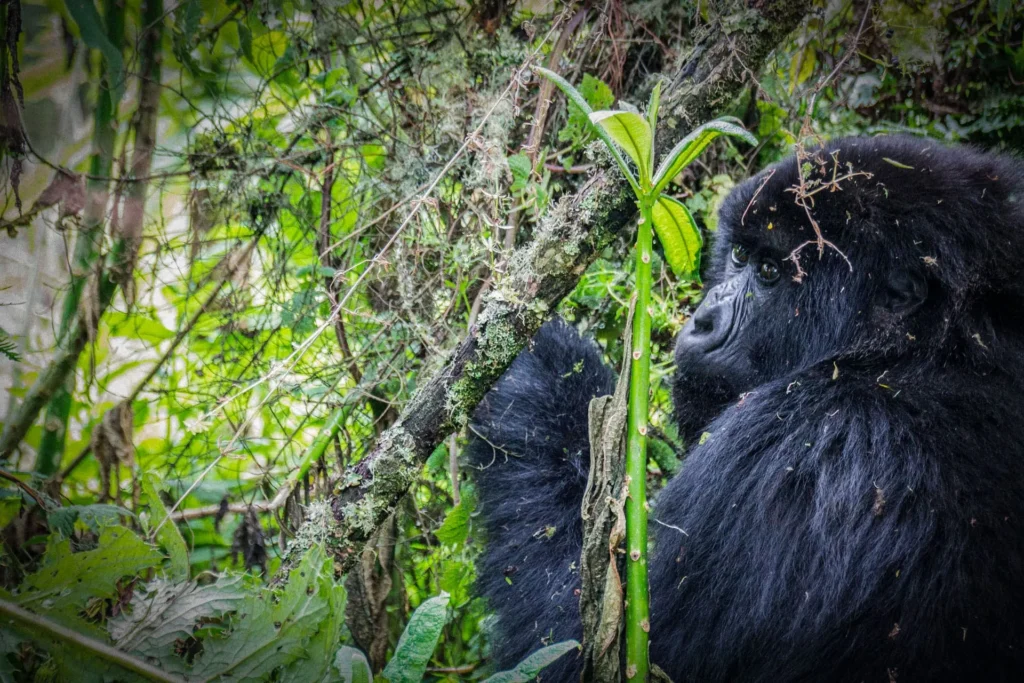
When considering is gorilla trekking safe for international tourists, it is important to look beyond the gorilla encounter itself and understand the physical conditions of the forest. Mountain gorilla trekking takes place in mountainous and forested landscapes where walking conditions can vary considerably. In Uganda, Bwindi Impenetrable National Park is known for its dense vegetation, steep slopes and uneven trails, while Mgahinga Gorilla National Park features mountainous terrain within the Virunga landscape. Rwanda’s Volcanoes National Park also has high-altitude trails and changing ground conditions. Depending on the location of the assigned gorilla family, visitors may walk through muddy sections, climb steep paths, pass through thick vegetation or cross uneven ground. Rain can make some trails slippery, and the trekking distance is not always known in advance because gorilla families move freely within their habitat.
Visitors do not need to be professional hikers to participate, but a reasonable level of fitness and suitable preparation can make the experience more comfortable. Anyone with concerns about mobility, stamina or an existing health issue should seek appropriate professional advice before booking and discuss their needs with the safari operator. Trekking groups may be able to arrange practical support, such as hiring a porter to carry personal belongings. Walking sticks may also be available at some park starting points. However, the availability of additional assistance should be confirmed in advance rather than assumed. Choosing suitable footwear, carrying enough drinking water for the walk and wearing comfortable clothing can also improve the experience. Frena Adventures Ltd encourages visitors to share relevant trekking concerns during the planning stage so that suitable arrangements can be explored before travel.
What Happens If a Gorilla Approaches the Trekking Group?
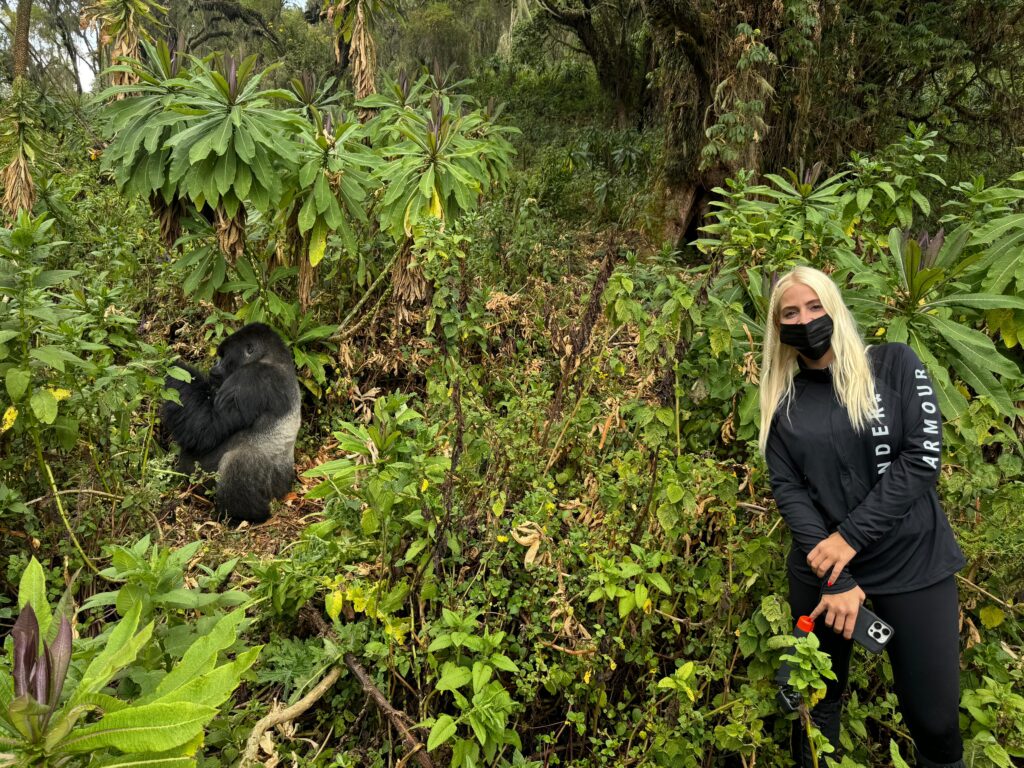
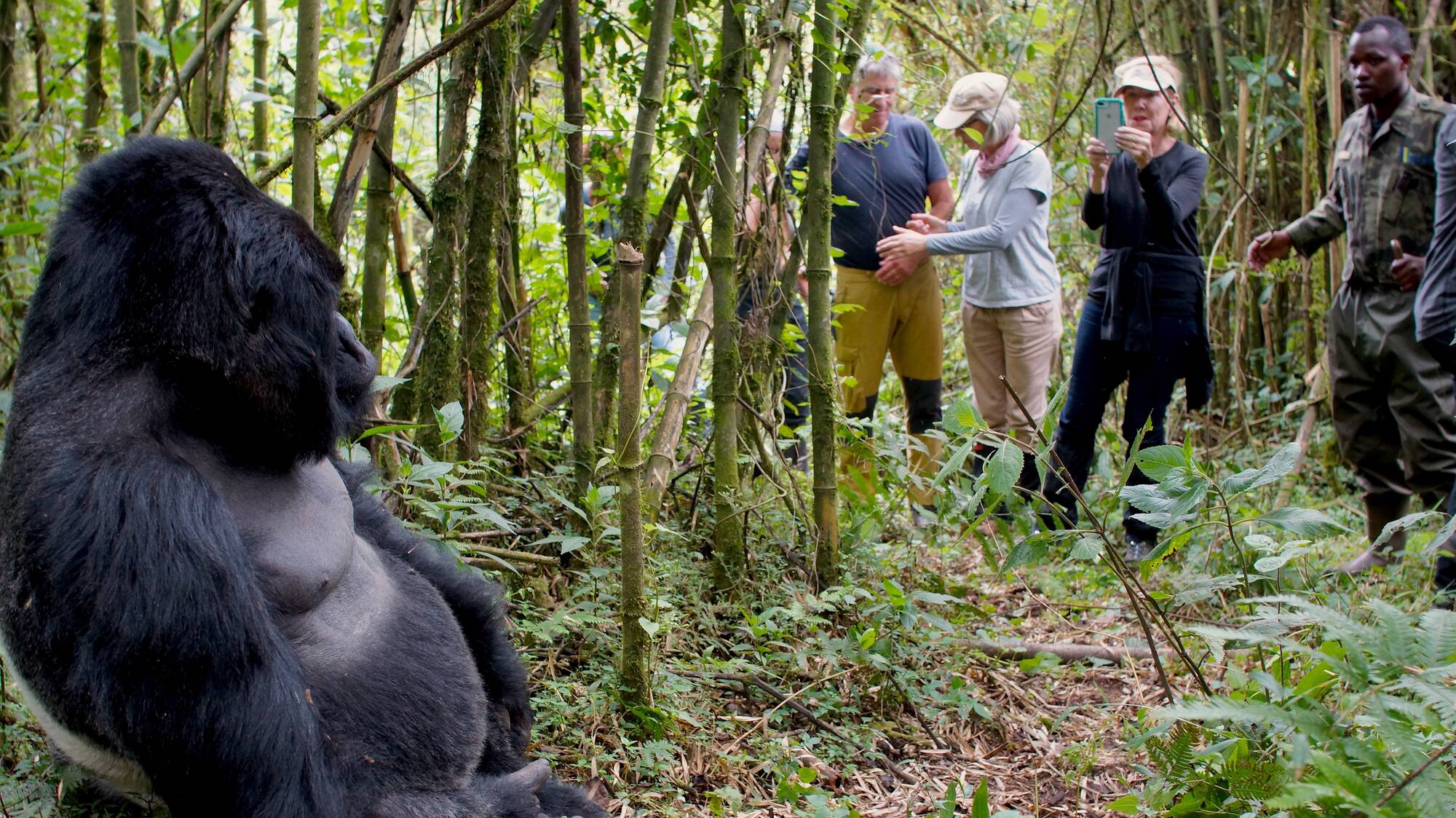
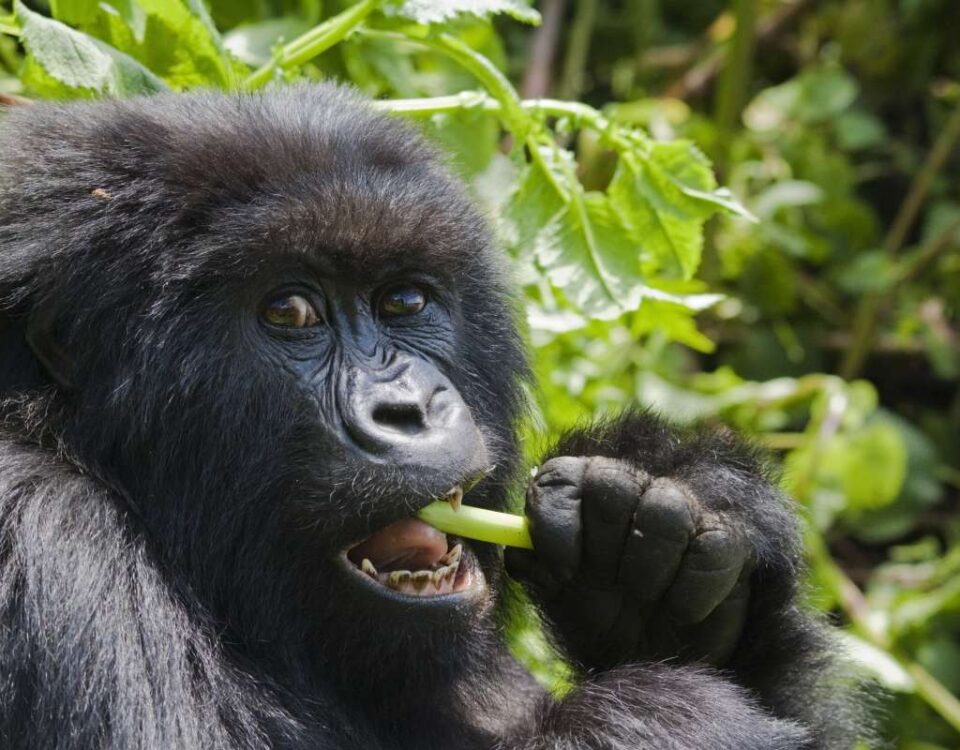
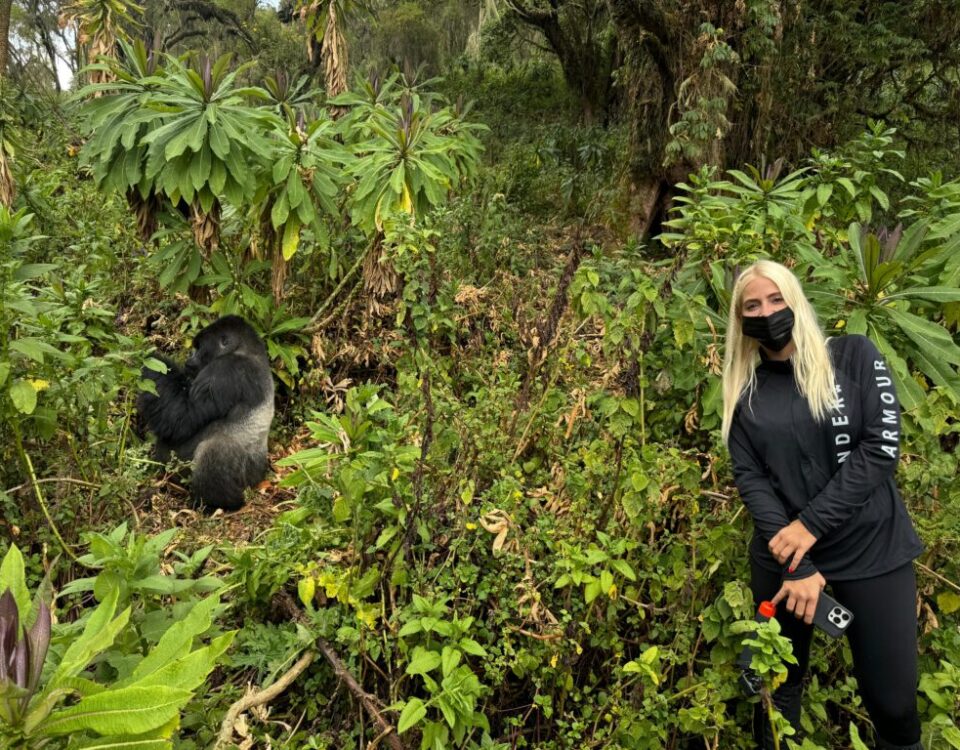
A frequent concern behind the question is gorilla trekking safe for international tourists is what happens if a mountain gorilla comes close to visitors. Although guides maintain an appropriate viewing distance, gorillas move freely through their natural habitat and may sometimes approach the trekking group. This is part of their normal movement and does not necessarily indicate aggression. An animal may simply be travelling to another feeding area, passing through the vegetation or moving towards other members of its family. If a gorilla comes closer than expected, visitors should remain calm, avoid sudden movements and listen carefully to the guide. Running, shouting, reaching out or attempting to touch the animal can create unnecessary disturbance and make the situation more difficult to manage.
Guides are trained to manage wildlife encounters and will give instructions according to the circumstances. Visitors may be asked to remain still, lower their position or move carefully to give the animal additional space. Every member of the group should follow these directions immediately. Children and first-time trekkers should be reminded before the activity that they must not shout or run if a gorilla approaches. Although such an encounter can be exciting, it should never be treated as an opportunity for physical interaction. Photography should also remain secondary to following the guide’s instructions. Understanding this simple principle can make visitors feel better prepared for unexpected moments in the forest. The purpose of gorilla trekking is to observe the animals responsibly, not to control their movements or encourage them to come closer.
What Are the Expectations in This Safari?
Knowing is gorilla trekking safe for international tourists helps visitors prepare mentally and physically for the experience. A typical trekking day begins early in the morning at the designated park headquarters, where visitors complete registration and attend a briefing. Park officials explain the safety guidelines, conservation rules and trekking arrangements before assigning groups to available gorilla families. After the briefing, visitors enter the forest accompanied by trained guides and trackers who lead the search. The walking time can vary from one trek to another because gorilla families move around their habitat. Some groups may locate their assigned family relatively quickly, while others may spend several hours walking through the forest. The terrain, weather and location of the animals all influence the difficulty and duration of the activity.
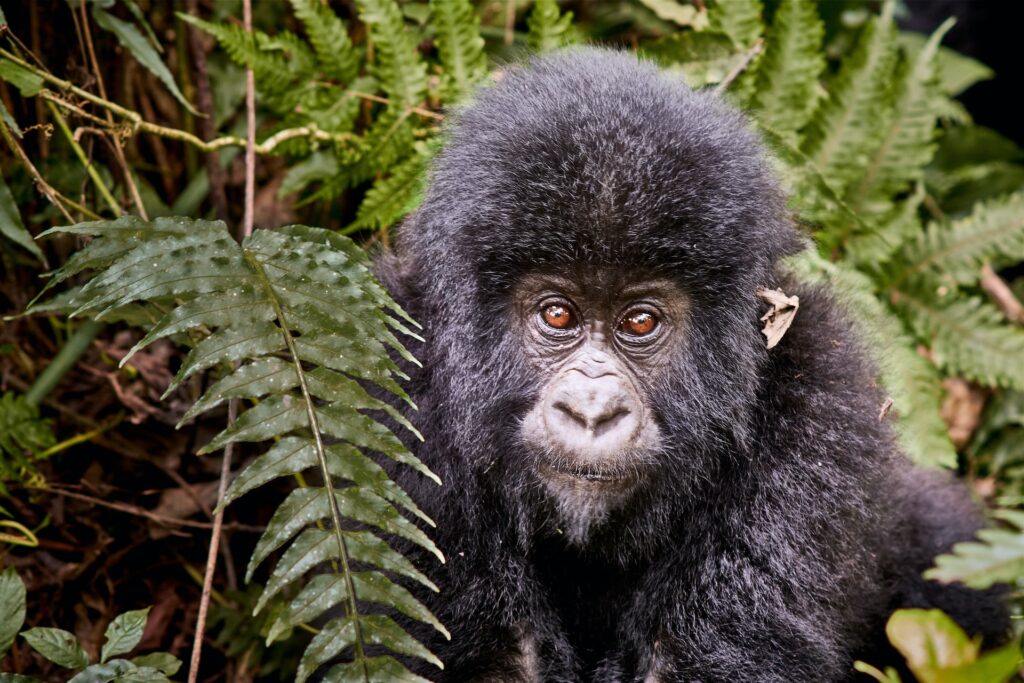
Once the gorillas are found, the guide directs the group to a suitable viewing position. Visitors are generally allowed a maximum of one hour with the habituated family, subject to the guide’s instructions and conservation conditions. During this time, you may observe adult gorillas feeding, mothers caring for infants, young gorillas playing and other members resting or interacting. The experience is usually quiet and carefully managed, allowing visitors to appreciate natural behaviour without disturbing the animals. After the viewing period, the group leaves the gorillas and returns through the forest. The complete excursion includes the briefing, trekking journey, observation period and return walk, so visitors should keep their schedules flexible. Comfortable footwear, suitable clothing and a positive attitude towards changing conditions can help make the day more enjoyable.
When Is the Best Time for This Safari?
When planning is gorilla trekking safe for international tourists, choosing a suitable travel season can make the walking experience more manageable. Gorilla trekking is available throughout the year in Uganda and Rwanda because mountain gorillas live in protected forest environments rather than following seasonal migration routes. However, rainfall and ground conditions can influence how difficult it is to walk through the forest. Many visitors prefer the relatively drier months because trails may be less slippery and some sections may be easier to navigate. In Uganda, the periods commonly favoured for gorilla trekking include June to September and December to February. Rwanda also welcomes visitors throughout the year, with many travellers choosing periods when rainfall is relatively lower.
The wetter months can still offer rewarding trekking experiences, but visitors should be prepared for muddy paths, rain showers and potentially more challenging walking conditions. Weather in mountainous rainforest environments can change quickly, so even travellers visiting during a generally dry period should carry suitable rain protection. Permit availability is another important consideration because the number of visitors allowed to track each gorilla family is limited. Travellers should therefore arrange permits and accommodation well in advance, especially when planning to visit during popular travel periods. Those interested in a wider East African holiday can also explore Kenya Tours, Kenya Adventures and Kenya Safaris alongside gorilla trekking in Uganda or Rwanda. Frena Adventures Ltd can help coordinate a practical itinerary that considers travel distances, seasonal conditions, accommodation and the time needed for each activity.
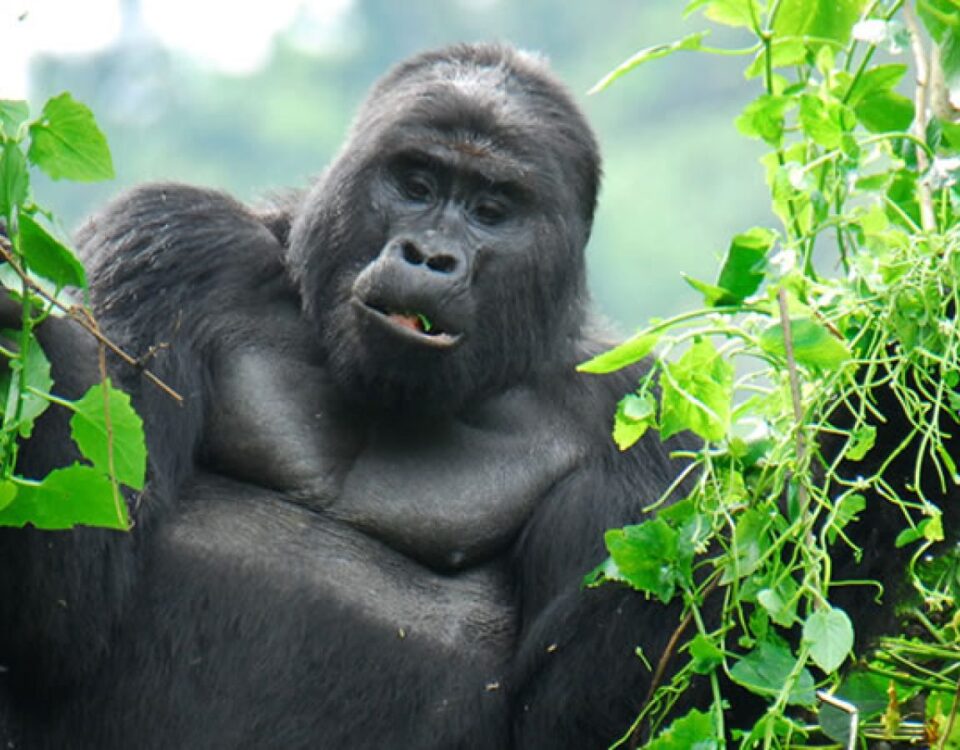
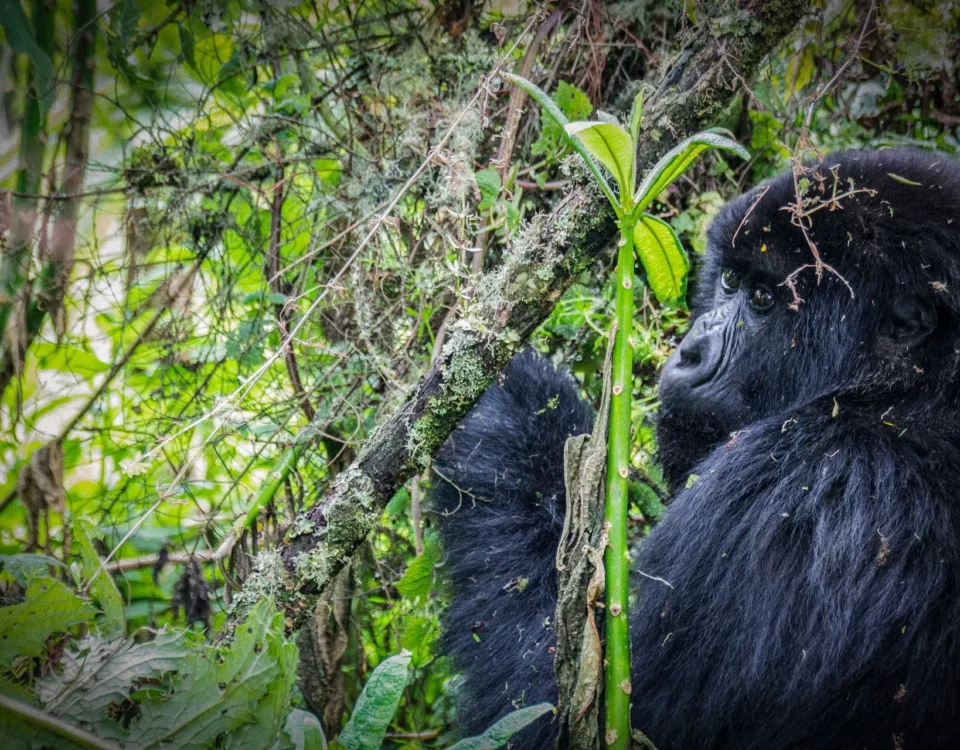
Bahati Silverback Gorilla
Why Choose Us for This Particular Safari?
Selecting a dependable safari operator is an important part of planning a safe and enjoyable gorilla trekking holiday. At Frena Adventures Ltd, we aim to help international visitors discover Africa through thoughtfully organised wildlife experiences that respect conservation regulations and local communities. Understanding is gorilla trekking safe for international tourists is essential, but travellers also need practical information about permits, transport, accommodation, park procedures and the physical demands of trekking. Good preparation helps visitors know what to expect and reduces the likelihood of avoidable confusion during their holiday. Our approach focuses on providing clear travel guidance and helping guests explore safari arrangements that suit their interests, schedules and budgets.
Whether you are planning a private holiday, a couple’s adventure or a group trip, Frena Adventures Ltd can help you explore suitable gorilla trekking options in Uganda and Rwanda, subject to permit availability and park regulations. We can also help organise a wider African itinerary that includes wildlife viewing, cultural experiences and scenic destinations. Travellers interested in discovering more of East Africa may combine their gorilla trekking holiday with Kenya Tours, Kenya Adventures and Kenya Safaris, depending on their available time and travel preferences. We place importance on practical planning, clear communication and responsible tourism. Above all, our aim is to help visitors appreciate Africa’s natural heritage while respecting the wildlife and communities that make these destinations special.
What to Pack for a Mountain Gorilla Trekking Safari
Preparing appropriate equipment is an important part of understanding is gorilla trekking safe for international tourists. Since the activity takes place in a natural forest environment, visitors should choose clothing and footwear that provide comfort, protection and support. Strong hiking boots with good grip are recommended because trails can be muddy, steep and uneven. Long trousers and long-sleeved shirts help protect the skin from vegetation, while a lightweight waterproof jacket or raincoat is useful because rain can occur even during periods that are generally considered dry. Gardening gloves may also help protect your hands when moving through vegetation under the guidance of a ranger. A comfortable backpack is useful for carrying personal essentials without making the trek unnecessarily difficult.
Other useful items include drinking water for the trekking journey, a camera with flash disabled, spare batteries, a waterproof bag for electronic equipment and insect repellent. Visitors who normally use prescription medication should carry the supplies they need and follow their healthcare professional’s advice. A walking stick may be available at the park or arranged locally, while hiring a porter can help with carrying your backpack and provide assistance on challenging sections of the trail. Remember to bring your passport or other required identification and confirmed gorilla permit documentation. Travellers should also wear clothing suitable for changing temperatures, particularly in high-altitude areas. Most importantly, pack for the forest conditions rather than appearance alone. Being properly equipped can make the walk more comfortable and help you concentrate on enjoying the wildlife encounter.
Frequently Asked Questions About Gorilla Trekking Safety
Can beginners participate in gorilla trekking?
Yes. First-time trekkers can participate if they meet the applicable park requirements and are prepared for the physical demands of the activity. Guides accompany visitors throughout the trek, but participants should be comfortable walking on uneven forest trails.
Are mountain gorillas aggressive towards tourists?
Mountain gorillas are wild animals, and their behaviour should never be assumed to be completely predictable. Habituated families are accustomed to controlled human observation, but visitors must maintain the required distance and follow the guide’s instructions.
Is gorilla trekking suitable for older visitors?
Older travellers may participate if they can manage the physical demands of the trek and meet the park requirements. Anyone with mobility or health concerns should discuss their needs with the safari operator before booking. Assistance options, where available, should be confirmed in advance.
Can I go gorilla trekking if I have a cold?
Visitors with symptoms of a contagious illness should not assume they can participate. Because mountain gorillas are vulnerable to human diseases, anyone who feels unwell should inform their safari operator and follow the instructions of park authorities.
Is it safe to take children for gorilla trekking?
Age restrictions apply to gorilla trekking, and the standard minimum age in Uganda and Rwanda is 15 years. Families should confirm current regulations before making travel arrangements.
Can You Go Gorilla Trekking in Uganda and Rwanda Throughout the Year?
Conclusion: Enjoy a Safe and Responsible Gorilla Trekking Experience
So, is gorilla trekking safe for international tourists? Generally, it is a regulated and carefully managed wildlife activity that visitors can enjoy when they prepare appropriately and follow the guidance of trained park personnel. Uganda and Rwanda have established conservation procedures to manage trekking groups, protect gorilla families and guide visitors through their forest encounters. Nevertheless, the activity takes place in a natural environment, so travellers should understand the physical demands of the terrain and respect the fact that mountain gorillas remain wild animals. Maintaining the required viewing distance, avoiding physical contact, following health guidance and listening to the guide are essential parts of responsible trekking.
With Frena Adventures Ltd, you can begin planning a memorable gorilla trekking holiday in Uganda or Rwanda with attention to the arrangements that support a smooth experience. Whether you choose Bwindi Impenetrable National Park, Mgahinga Gorilla National Park or Rwanda’s Volcanoes National Park, proper preparation will help you enjoy the journey with realistic expectations. You may also extend your African holiday through Kenya Tours, Kenya Adventures and Kenya Safaris as part of a wider regional itinerary. Ultimately, a successful gorilla trekking safari is one in which visitors enjoy an extraordinary wildlife encounter while contributing to the protection of mountain gorillas and their natural habitat.


East Africa with guided safari vacations while witnessing the beautiful
memorable impressions by incredible, Authentic African journeys in
Uganda | Kenya | Rwanda and Tanzania.

in the Pearl of Africa. Uganda Safari Holidays
offer travelers an extraordinary opportunity to explore
one of Africa’s most diverse and rewarding safari destinations.


Over 1,078 Bird Spices
Lake Bunyonyi