How Much Does a Rwanda Gorilla Trekking Safari Cost?
November 16, 2026
How Much Does a Five-Day Uganda and Rwanda Gorilla Safari Cost?
November 17, 2026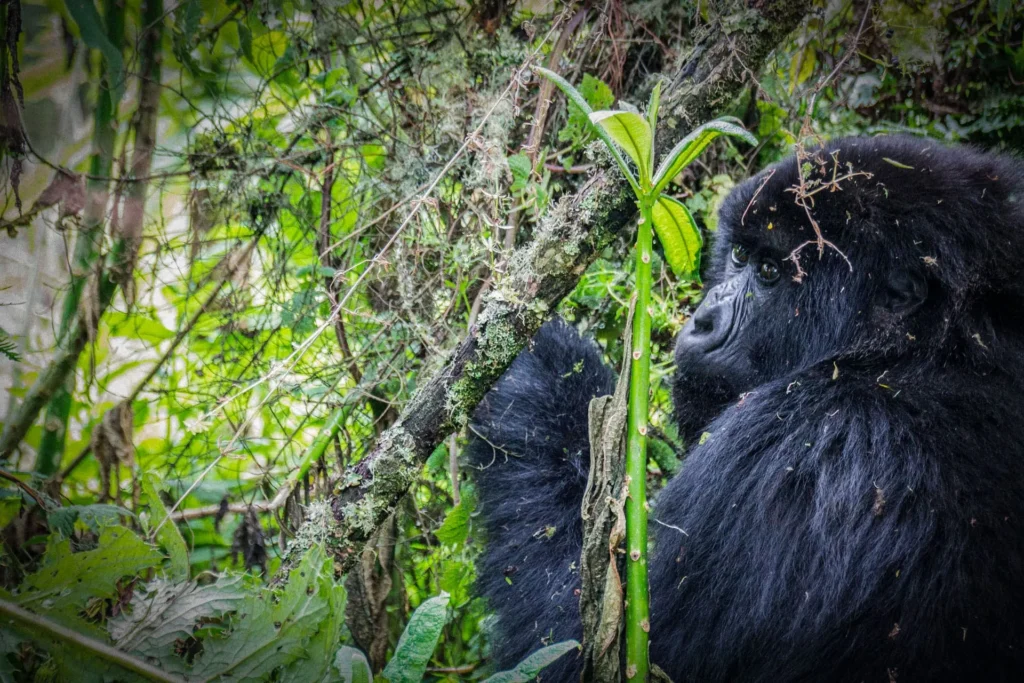
What Is the Average Cost of a Three-Day Gorilla Trekking Safari?
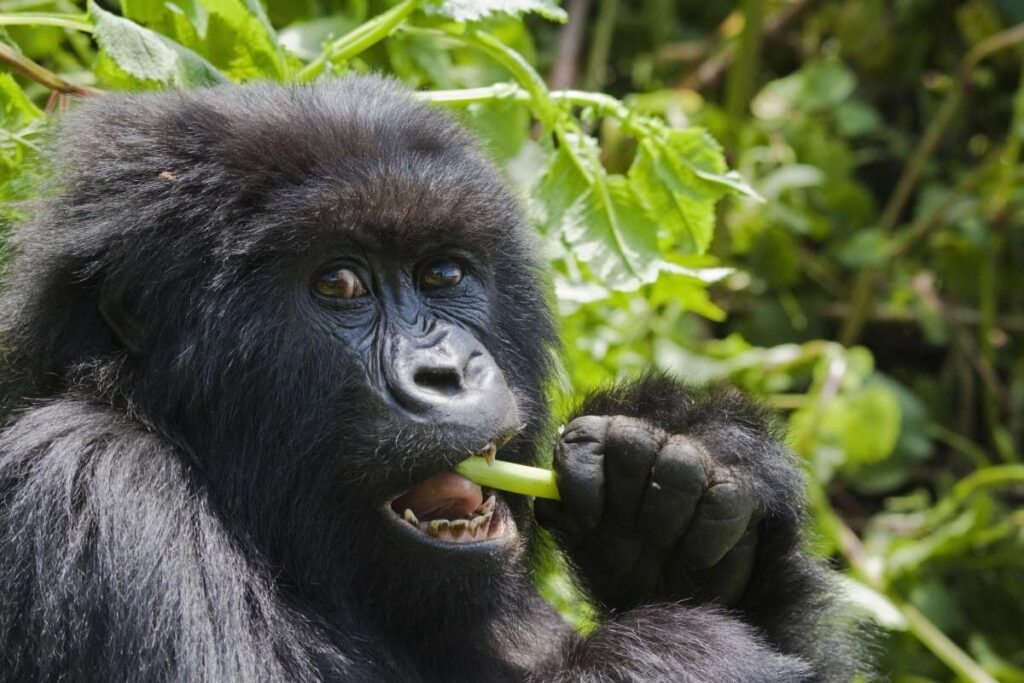
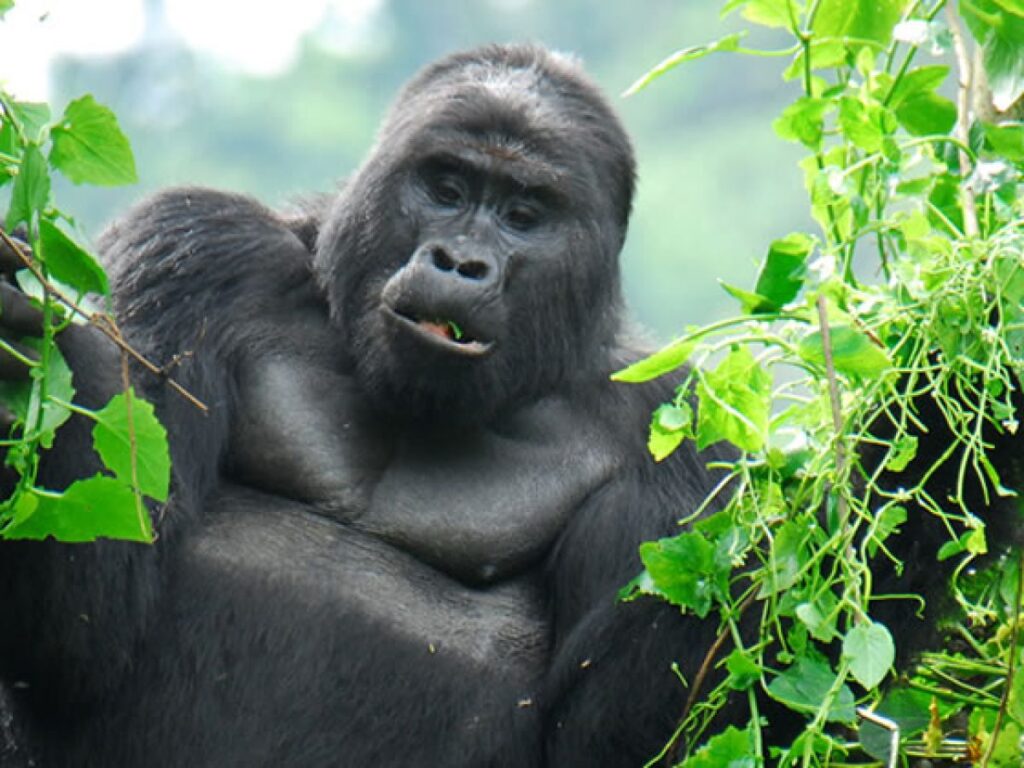
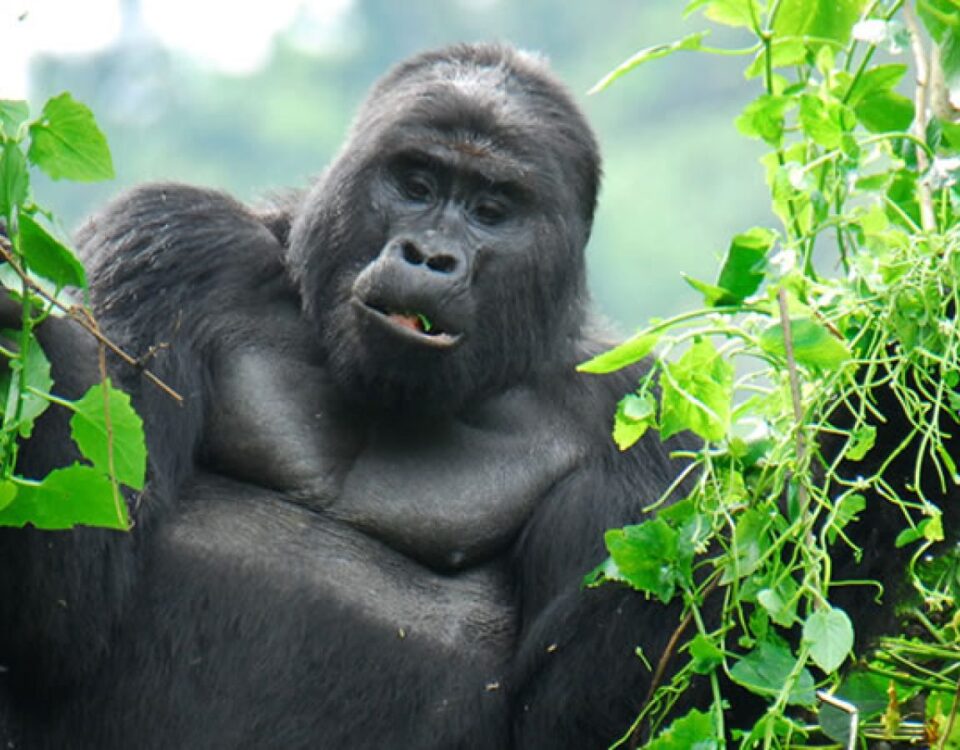
Gorilla trekking is one of the most extraordinary wildlife experiences available in Africa, attracting adventure enthusiasts, wildlife photographers, nature lovers, and conservation-minded travellers from different parts of the world. Deep within the tropical rainforests of Uganda and Rwanda, visitors have the rare opportunity to encounter endangered mountain gorillas in their natural environment. Whether you choose Uganda’s magnificent Bwindi Impenetrable National Park or Rwanda’s spectacular Volcanoes National Park, this remarkable adventure offers an unforgettable opportunity to observe gorilla families, including powerful silverbacks, protective mothers, and playful young individuals. However, before arranging this once-in-a-lifetime experience, prospective visitors often ask an important question: What is the average cost of a three-day gorilla trekking safari? Generally, a three-day gorilla trekking safari can cost approximately US$1,200–US$2,500 per person in Uganda, while a comparable experience in Rwanda may range from approximately US$2,000–US$4,000 or more, depending on the accommodation category, transportation, group size, and services included. These are indicative planning estimates rather than fixed package prices. The main difference between the two destinations is the official gorilla permit fee, which is higher in Rwanda for foreign non-residents. Nevertheless, both countries provide exceptional opportunities to experience mountain gorillas while supporting conservation initiatives and local communities. At Frena Adventures Ltd, we understand that transparent pricing and proper travel planning are essential when organising an African safari. This comprehensive guide explains the expected expenditure, permit charges, accommodation options, transportation arrangements, seasonal considerations, and practical budgeting tips to help you select a three-day gorilla trekking experience that matches your travel expectations.
How Much Does a Three-Day Gorilla Trekking Safari Cost in Uganda and Rwanda?
Understanding the overall price of a short gorilla trekking holiday requires looking beyond the advertised permit fee. When researching what is the average cost of a three-day gorilla trekking safari, travellers should consider the destination, number of participants, accommodation standards, and transportation arrangements. In Uganda, a three-day gorilla trekking package for international visitors can generally range from approximately US$1,200 to US$2,500 per person, with budget arrangements sometimes costing less and luxury experiences exceeding this range. The country’s comparatively lower standard gorilla permit price makes it attractive to visitors seeking excellent wildlife experiences at different budget levels. By comparison, Rwanda’s three-day gorilla trekking holidays commonly range from approximately US$2,000 to US$4,000 per person, with premium luxury packages potentially exceeding US$5,000. The standard foreign non-resident permit in Rwanda costs US$1,500, making it the largest fixed expense for many international travellers. Uganda’s standard foreign non-resident permit costs US$800, with an eligible low-season rate of US$600 during April, May, and November under the applicable 2026 tariff conditions. Nevertheless, the final amount depends on whether accommodation, meals, private transportation, airport transfers, and additional sightseeing activities are included. Travelling as a couple or in a small group can also reduce the individual cost of shared transportation and guiding services. Therefore, the most reliable way to establish what is the average cost of a three-day gorilla trekking safari is to compare complete itineraries with clearly explained inclusions rather than choosing an operator based solely on the lowest advertised price.
 What Is Included in a Three-Day Gorilla Trekking Safari Package?
A properly organised three-day gorilla trekking safari normally combines the essential services required for a comfortable journey from the arrival point to the gorilla trekking destination and back. When calculating what is the average cost of a three-day gorilla trekking safari, understanding the package inclusions helps visitors determine whether a quotation represents genuine value. Most organised arrangements include one gorilla trekking permit per participant, accommodation for the scheduled nights, ground transportation, professional driver-guide services, and meals according to the selected accommodation plan. Additionally, some packages cover airport transfers, bottled drinking water during road journeys, park-related arrangements, and selected sightseeing experiences. In Uganda, the itinerary commonly involves travelling from Entebbe or Kampala towards Bwindi Impenetrable National Park or Mgahinga Gorilla National Park, depending on permit availability. Alternatively, Rwanda offers convenient access from Kigali to Volcanoes National Park, making shorter road transfers possible for visitors with limited holiday time. The actual services included can vary between safari operators, which is why travellers should carefully examine their quotations before making payments. For example, some advertised prices exclude international flights, visa expenses, travel insurance, tips, porter services, and personal purchases. Furthermore, accommodation standards can differ considerably between budget guesthouses, comfortable mid-range lodges, and exclusive luxury properties. At Frena Adventures Ltd, we believe that visitors should understand exactly what they are paying for before confirming their travel arrangements. Clear package information makes budgeting easier, prevents misunderstandings, and allows travellers to select an experience that matches their expectations.
What Are the Main Factors That Influence the Cost of a Three-Day Gorilla Trekking Safari?
Several important considerations determine what is the average cost of a three-day gorilla trekking safari, meaning that two visitors travelling to the same destination may receive different quotations. Firstly, the gorilla permit is a compulsory expense, and its price depends on the country, visitor category, and applicable official tariff. Secondly, accommodation selection can significantly influence the total budget because safari destinations offer everything from simple guesthouses to high-end wilderness lodges. Thirdly, transportation arrangements affect the amount payable, particularly when visitors require private vehicles, long-distance road transfers, or domestic flights. Group size is another important consideration because travellers sharing a vehicle can distribute certain operational expenses among themselves. Furthermore, the season of travel may influence accommodation availability and package prices, especially during popular international holiday periods. Additional activities such as golden monkey tracking, cultural visits, boat excursions, and wildlife viewing in other national parks can increase the overall expenditure. Personal preferences also matter because some travellers prioritise luxury facilities, private transfers, and exclusive experiences, while others are comfortable with simpler arrangements. Importantly, the location of the allocated gorilla family may influence the physical demands and duration of the trekking excursion, although visitors cannot select a guaranteed easy trek simply by paying a higher package price. Understanding these factors helps travellers make informed decisions when comparing Uganda and Rwanda. Ultimately, what is the average cost of a three-day gorilla trekking safari depends on the combination of services selected rather than one universal price applicable to everyone.
What Are the Expectations During a Three-Day Gorilla Trekking Safari?
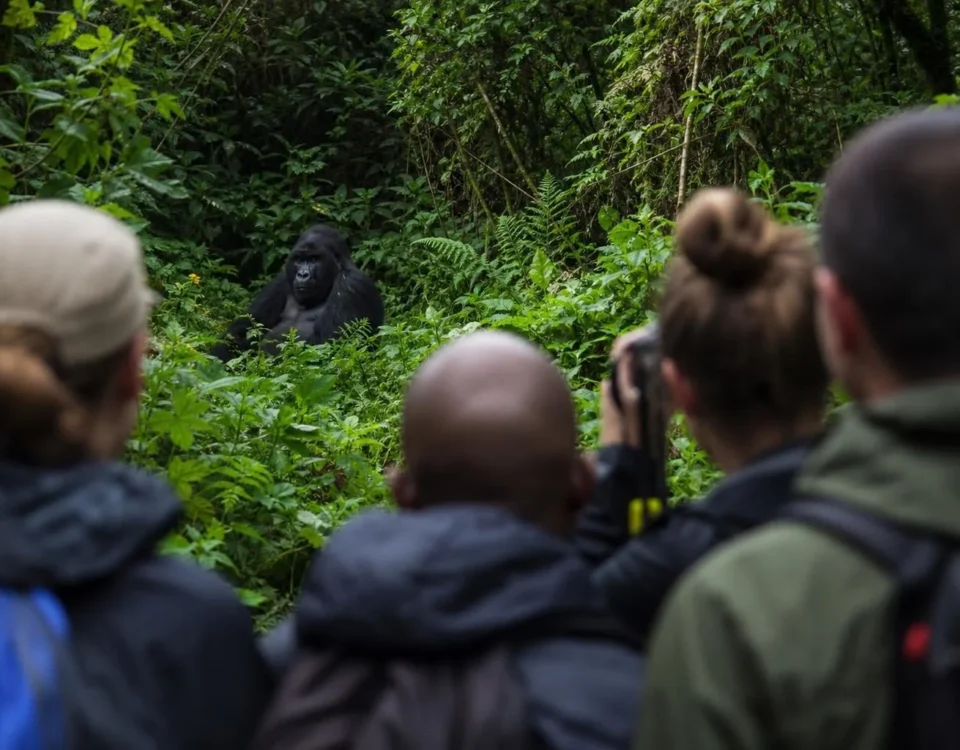
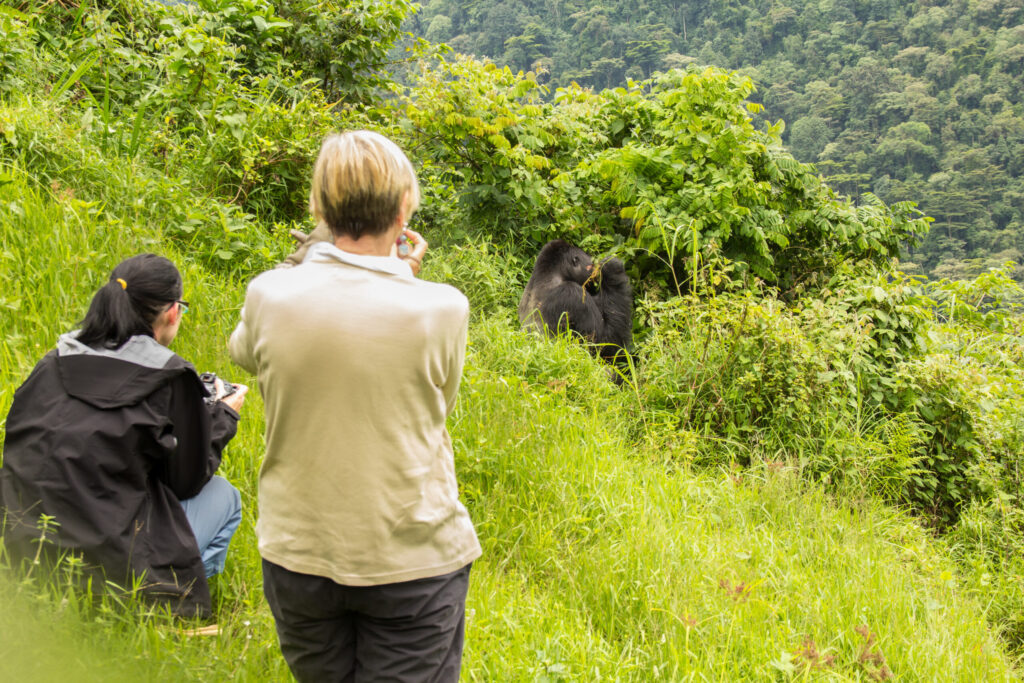
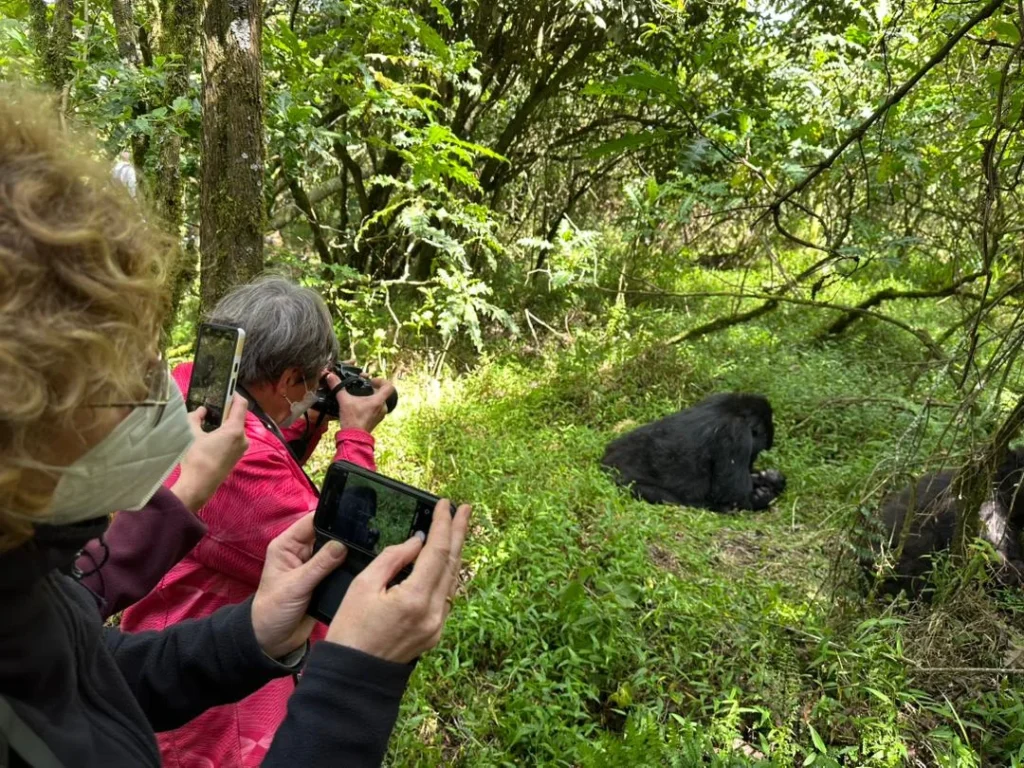
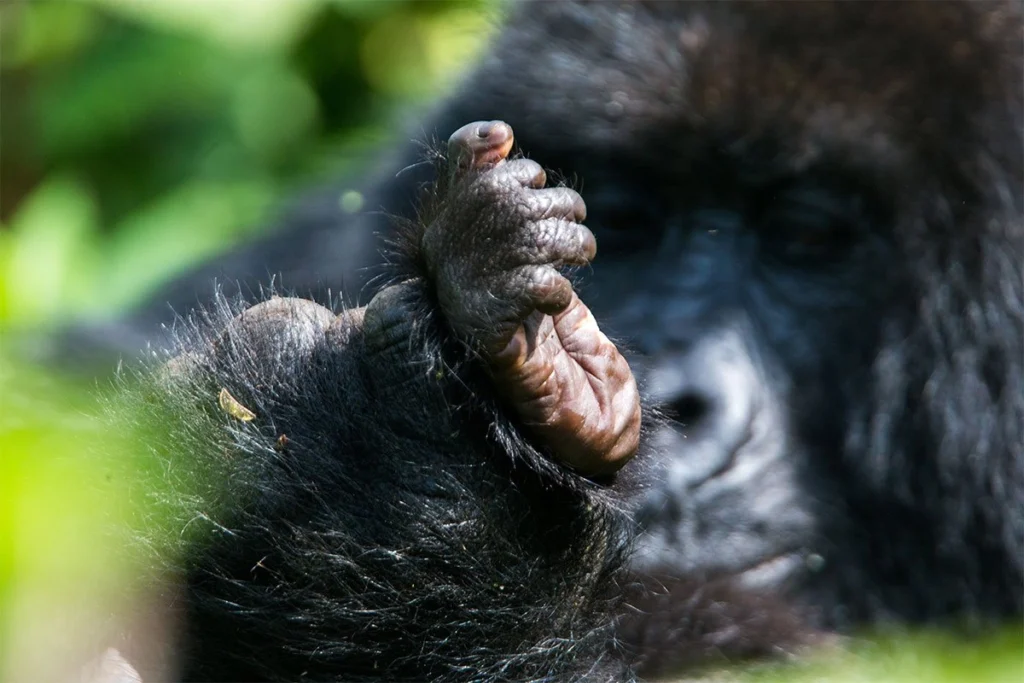
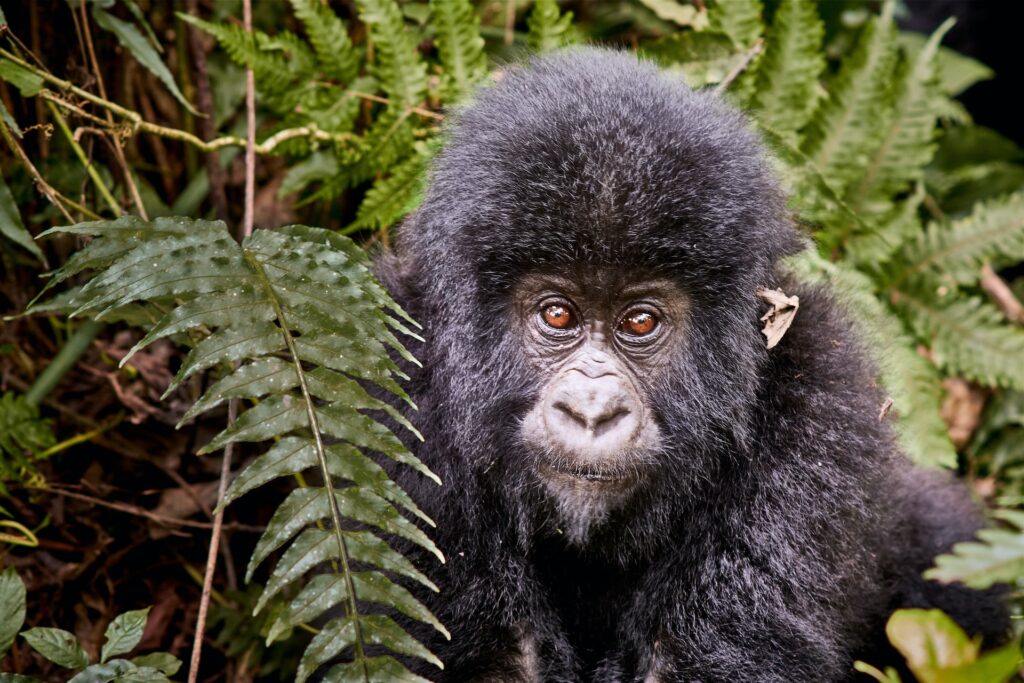
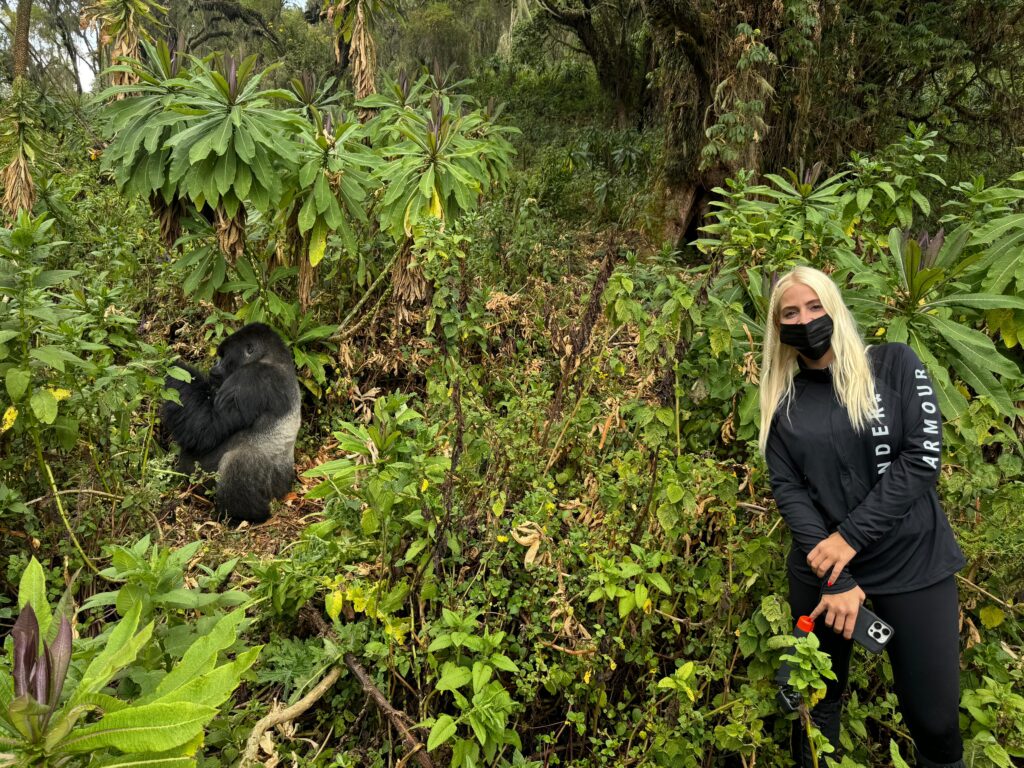
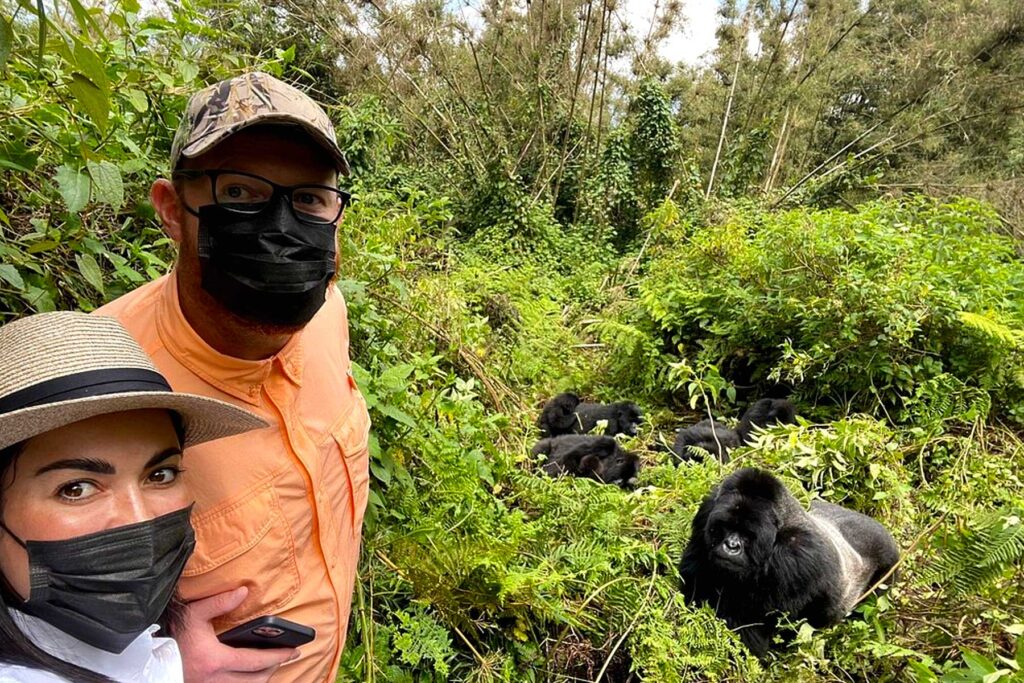
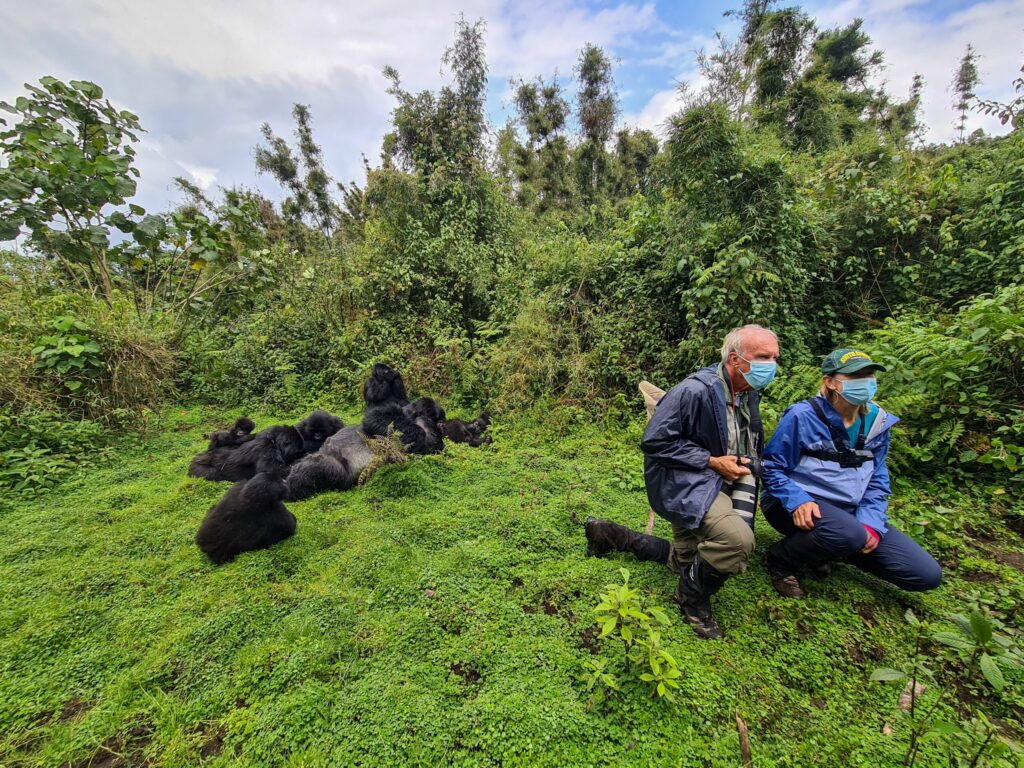
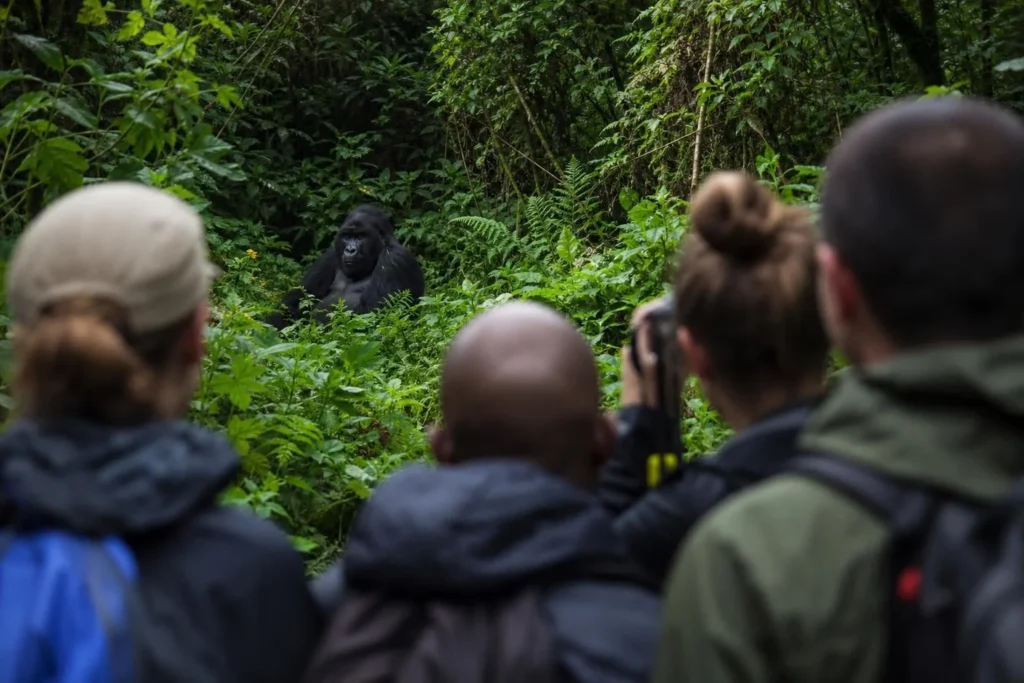
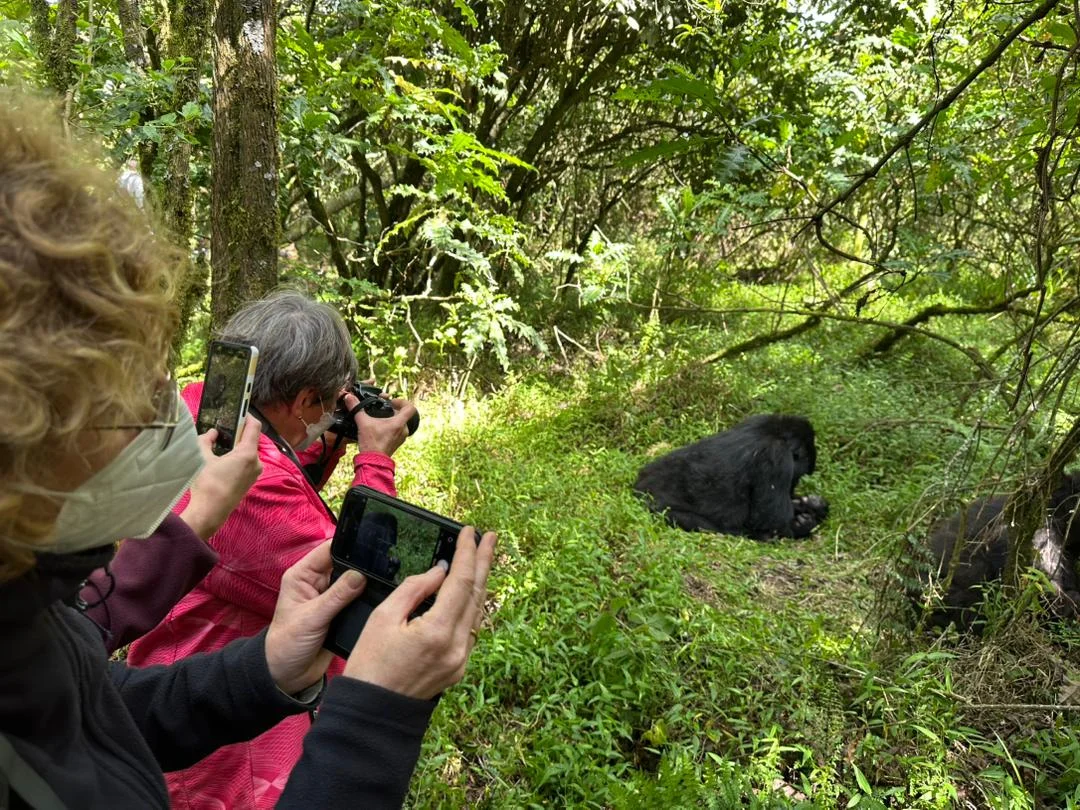
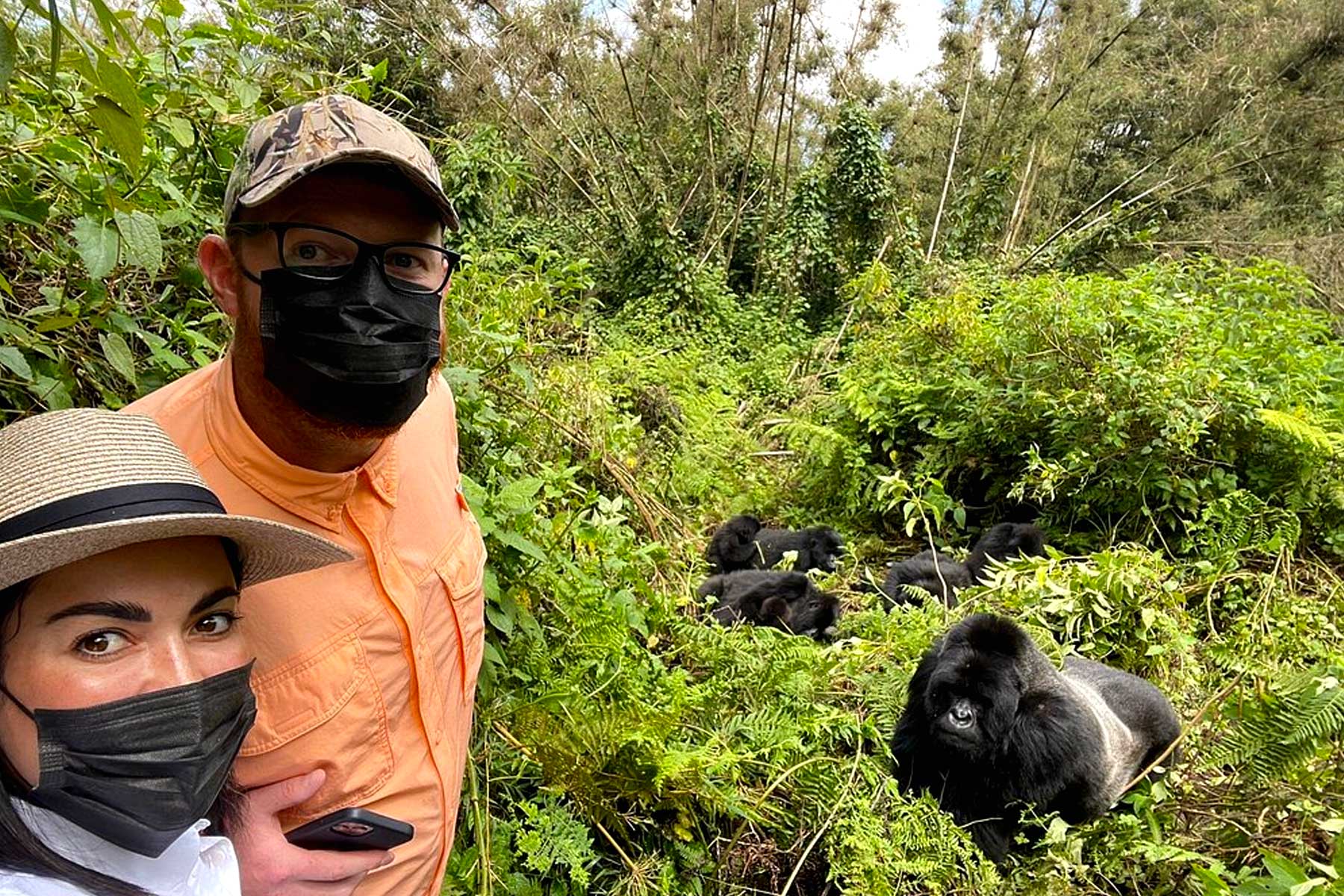
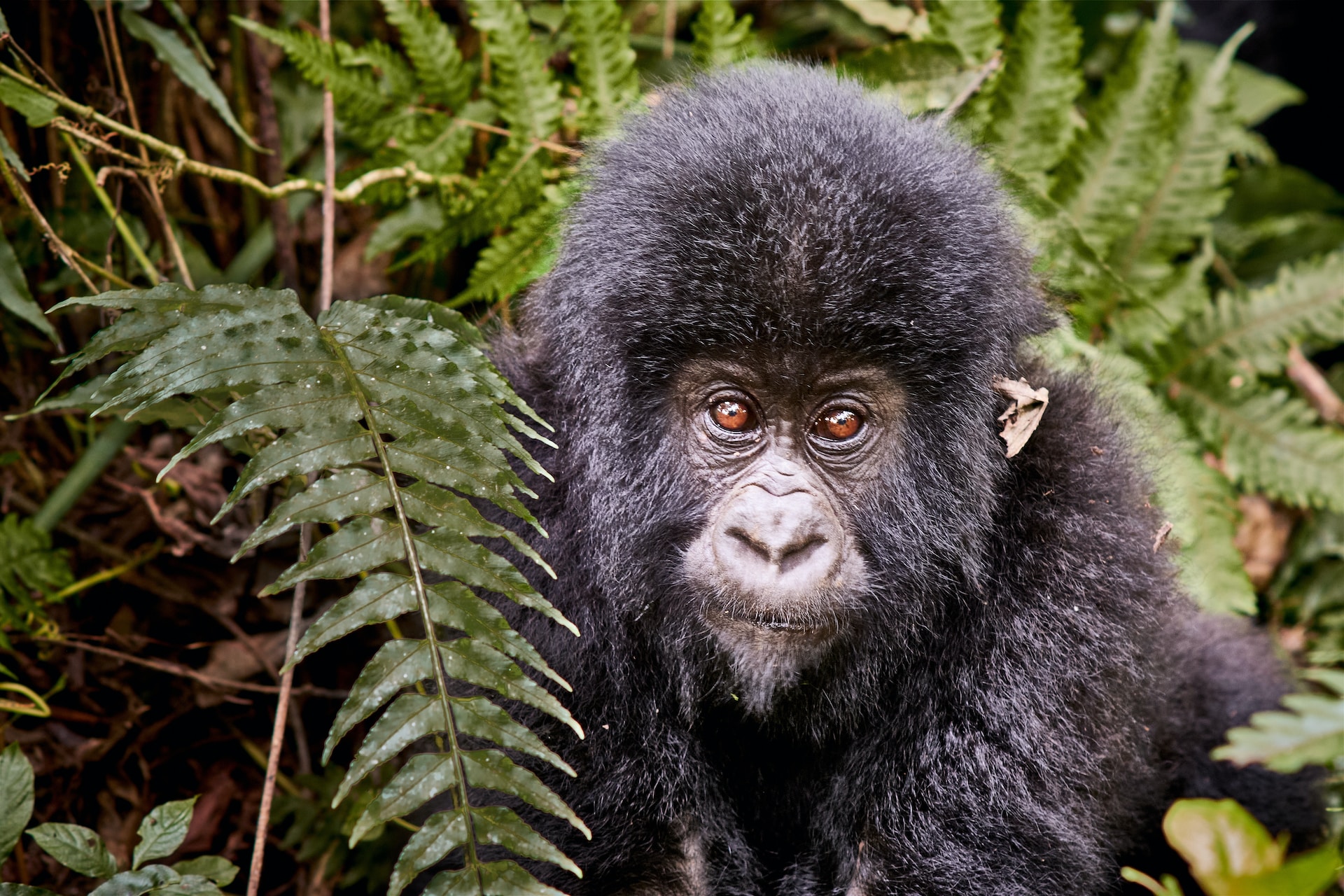
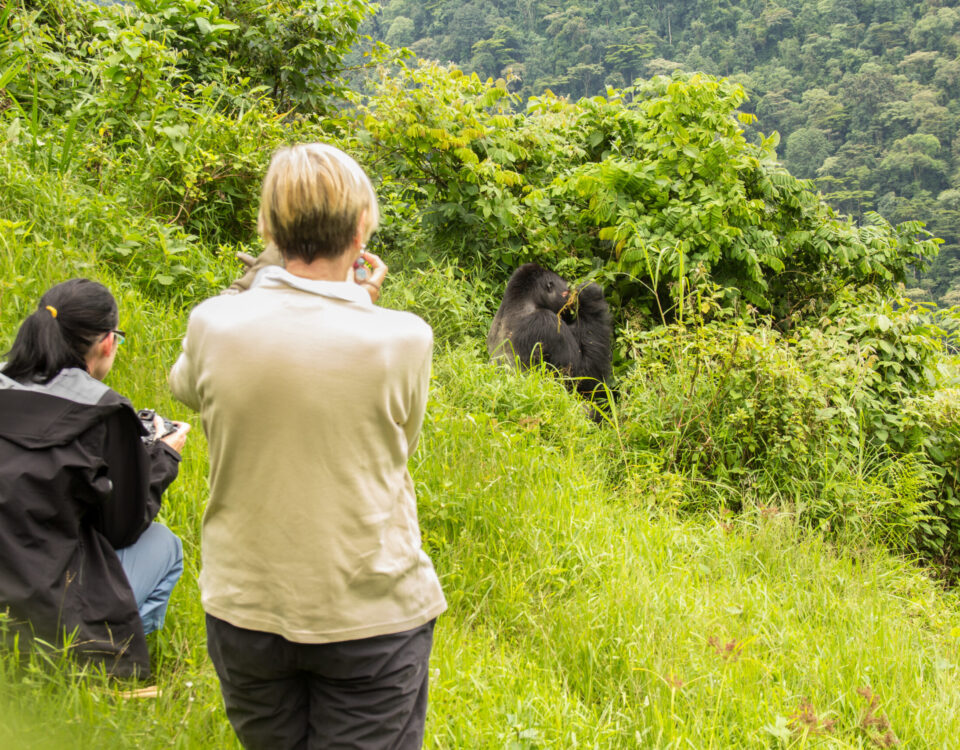
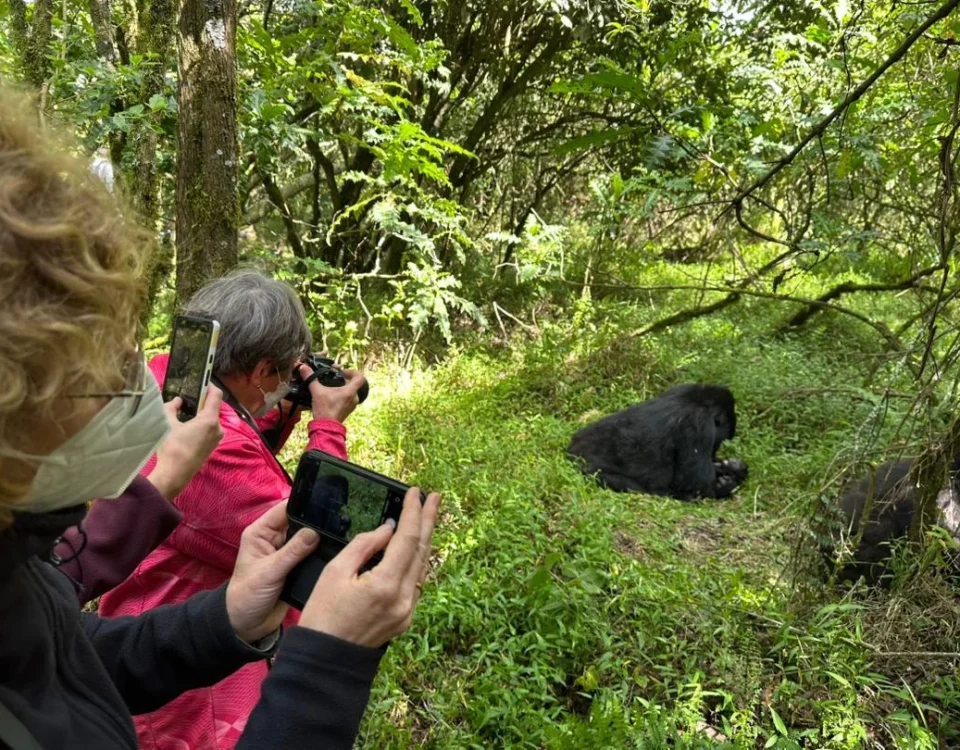
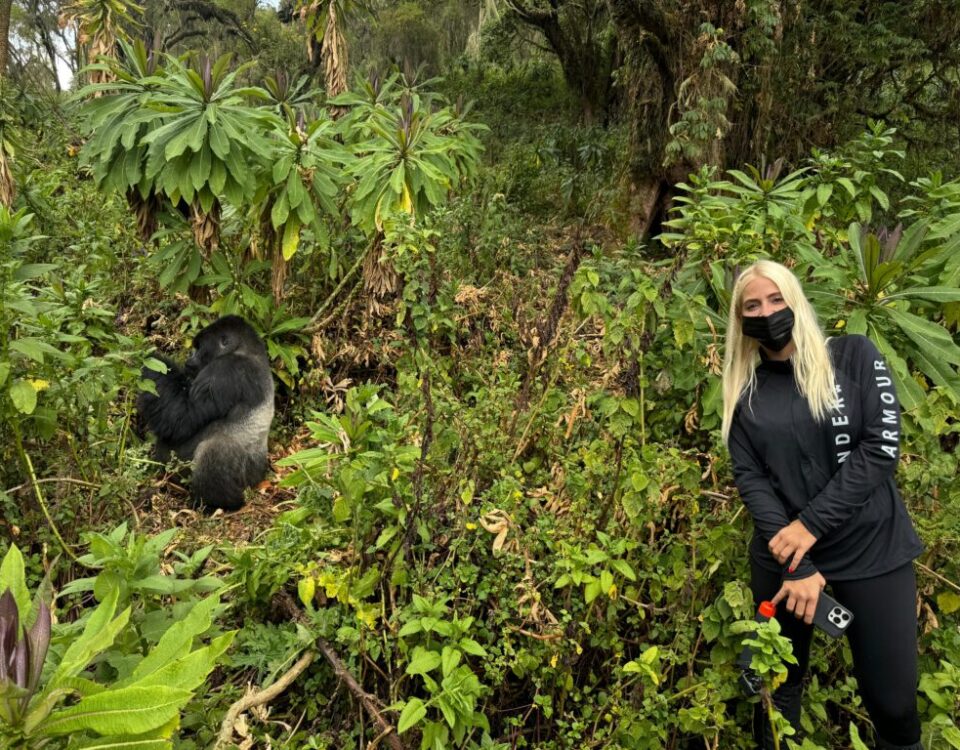
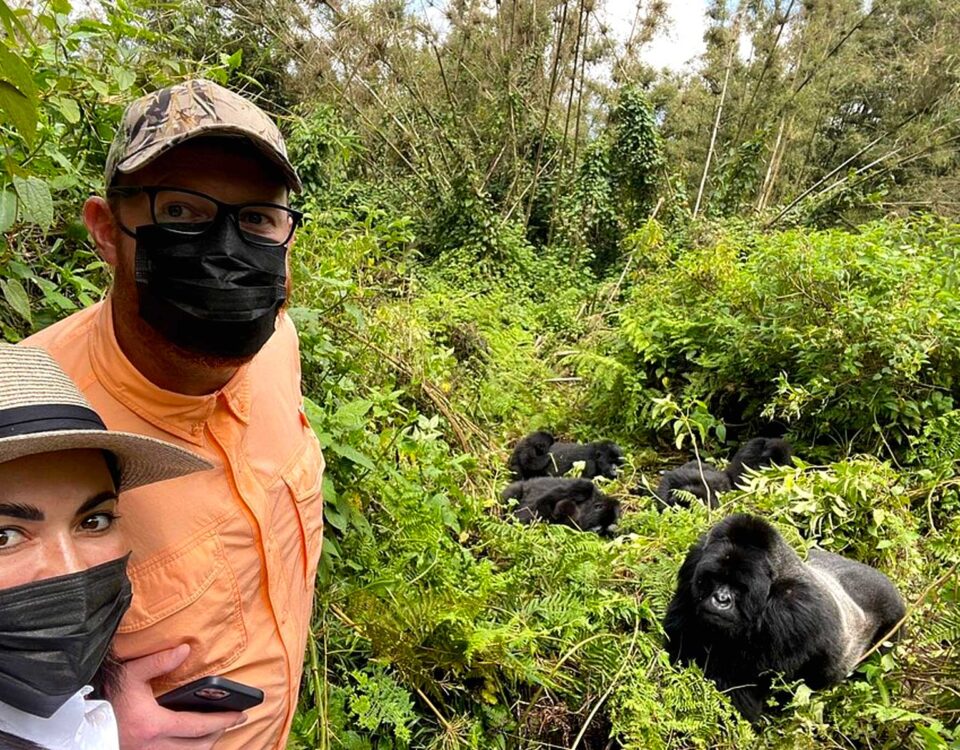
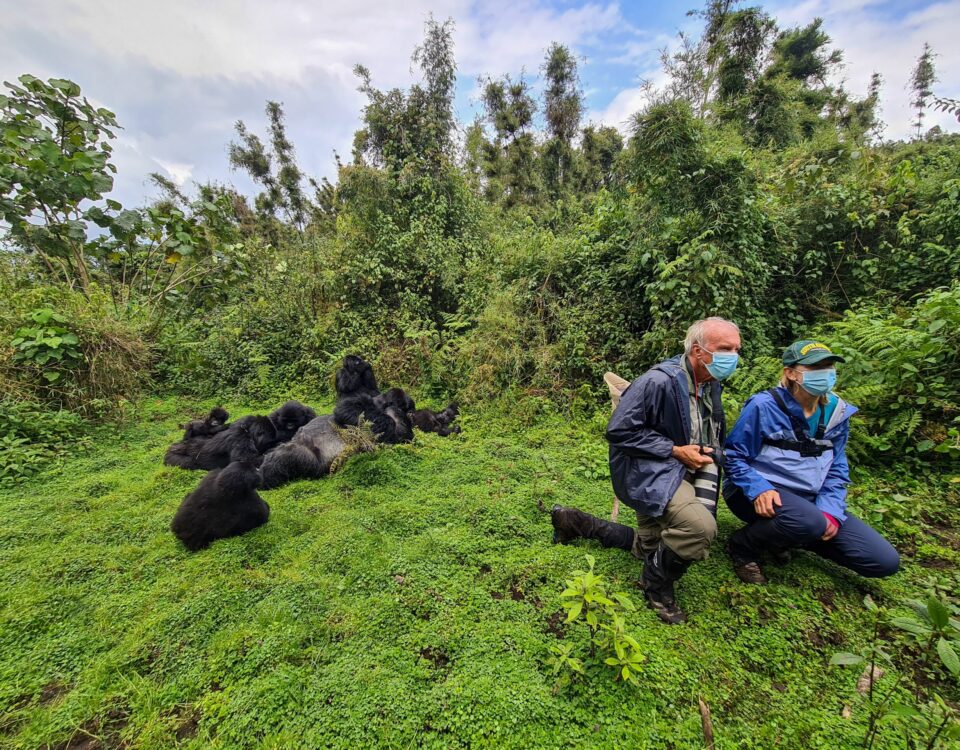
A three-day gorilla trekking safari offers an exciting combination of scenic travel, rainforest exploration, conservation education, and close observation of endangered mountain gorillas. Understanding what is the average cost of a three-day gorilla trekking safari also means appreciating the experience and professional services associated with the activity. During the first day, visitors generally travel from their arrival location towards the selected gorilla trekking destination, enjoying beautiful countryside landscapes, local communities, and scenic stops along the way. Upon reaching the accommodation facility, guests can relax, enjoy their meals, and prepare for the following morning’s adventure. The second day is usually dedicated to gorilla trekking, beginning with an early visit to the designated park headquarters for registration and a briefing by authorised rangers. Afterwards, participants are allocated to trekking groups and accompanied by experienced guides and trackers into the forest to locate their assigned gorilla families. Depending on the movement of the animals, the journey may involve several hours of walking through thick vegetation, steep slopes, muddy trails, and changing elevations. Once the gorillas are located, visitors are generally allowed up to one hour to observe their natural behaviour, following the applicable conservation regulations. During this special encounter, travellers may witness silverbacks supervising their families, mothers caring for infants, and young gorillas interacting playfully. The final day normally involves breakfast, departure from the accommodation, and a return journey to the original destination or onward travel arrangements. Throughout the experience, visitors must follow ranger instructions, maintain the recommended viewing distance, and avoid touching or feeding the animals. These carefully managed arrangements make the safari both memorable and valuable from a conservation perspective.
 When Is the Best Time for a Three-Day Gorilla Trekking Safari?
Choosing the appropriate travel season can influence both the comfort and overall cost of a gorilla trekking holiday. When considering what is the average cost of a three-day gorilla trekking safari, travellers should understand that Uganda and Rwanda experience changing weather conditions throughout the year. In Uganda, the relatively drier periods generally occur between June and September and December and February. These months are popular for gorilla trekking because forest trails may be easier to navigate, although rainfall remains possible within the tropical rainforest environment. Rwanda also experiences comparatively favourable trekking conditions during many of these months, particularly between June and September. However, demand for accommodation and safari services may increase during popular travel periods, making advance reservations advisable. Conversely, wetter months can provide opportunities for visitors seeking potentially more economical accommodation arrangements and quieter travel periods. Uganda’s April, May, and November low-season permit arrangements may also offer savings to eligible foreign visitors, subject to the official conditions. Rwanda has separate promotional arrangements for qualifying visitors who combine gorilla trekking with stays and activities in other national parks. Importantly, mountain gorillas remain in their natural habitats throughout the year, and successful encounters are possible during different weather conditions. Travellers should therefore select their preferred dates according to their available time, financial expectations, and comfort preferences. Frena Adventures Ltd encourages visitors to consider the complete travel experience rather than choosing a season exclusively because of a possible discount.
What Should You Pack for a Three-Day Gorilla Trekking Safari?
Proper preparation is essential when exploring the mountainous rainforests of Uganda and Rwanda. Although understanding what is the average cost of a three-day gorilla trekking safari helps establish your financial expectations, packing the correct equipment contributes significantly to the comfort of your adventure. Comfortable waterproof hiking boots with good grip are particularly important because forest trails can become muddy and slippery, especially after rainfall. Long-sleeved shirts and lightweight trousers help protect your skin against scratches, insects, and thick vegetation. Additionally, a waterproof jacket or rain poncho is useful because tropical mountain weather can change unexpectedly. Gardening gloves may provide extra protection when holding vegetation for balance, while a small backpack offers convenient storage for drinking water, personal documents, and other essentials. Travellers should also carry sunscreen, insect repellent, a reusable water bottle, and a camera with sufficient battery capacity. Warm clothing is advisable because early mornings and evenings around mountainous trekking destinations can be relatively cool. Furthermore, personal medication, travel insurance documents, and suitable toiletries should be included in your luggage. Walking sticks may be available through local trekking arrangements to provide additional support on uneven terrain. Visitors should also carry appropriate face coverings if required by current park health guidelines. Preparing these essentials before departure helps prevent unnecessary purchases and ensures that you are ready for the physical demands of the forest excursion. At Frena Adventures Ltd, we encourage guests to seek practical packing advice before travelling so they can enjoy their gorilla trekking experience with confidence.
Why Choose Frena Adventures Ltd for Your Three-Day Gorilla Trekking Safari?
Selecting a reliable safari company is one of the most important decisions when planning a memorable wildlife holiday in East Africa. At Frena Adventures Ltd, we recognise that international travellers need transparent pricing, dependable communication, carefully organised itineraries, and professional travel arrangements. When exploring what is the average cost of a three-day gorilla trekking safari, our approach focuses on helping visitors understand the different expenses and services included in their proposed packages. We assist with coordinating permit arrangements, accommodation reservations, ground transportation, professional guiding services, and additional activities according to individual travel interests and availability. Whether you prefer Uganda’s Bwindi Impenetrable National Park or Rwanda’s Volcanoes National Park, our planning approach considers your preferred destination, available time, accommodation expectations, and overall budget. Moreover, travellers interested in discovering more of East Africa can explore extended itineraries combining gorilla trekking with classic wildlife experiences. Uganda offers opportunities to visit Queen Elizabeth National Park, Kibale National Park, and Lake Bunyonyi, while Rwanda provides access to Akagera National Park, Nyungwe National Park, and Lake Kivu. International visitors can also discuss combining their primate adventure with Kenya Tours, Kenya Adventures, and Kenya Safaris, creating a wider holiday across some of Africa’s most celebrated wildlife destinations. We believe that responsible tourism should provide meaningful experiences while recognising the importance of wildlife conservation and community participation. Our objective is to help guests make informed travel decisions, understand their financial commitments, and discover Africa through thoughtfully organised adventures.
Can You Combine a Three-Day Gorilla Trekking Safari with Other African Adventures?
Travellers with additional holiday time can extend their gorilla trekking experience into a broader East African safari covering several wildlife destinations. When planning what is the average cost of a three-day gorilla trekking safari, it is useful to understand that adding more destinations increases the overall budget but can provide considerably more variety. In Uganda, visitors can combine their mountain gorilla encounter with chimpanzee tracking in Kibale National Park, wildlife viewing in Queen Elizabeth National Park, or a relaxing visit to Lake Bunyonyi. Rwanda offers opportunities to explore the savannah landscapes of Akagera National Park, experience chimpanzee tracking and forest walks in Nyungwe National Park, or enjoy the beautiful surroundings of Lake Kivu. Meanwhile, Kenya provides another exciting dimension to an East African holiday through its famous wildlife reserves and diverse landscapes. Kenya Safaris can include the Maasai Mara, Amboseli National Park, Lake Nakuru, and other remarkable destinations known for their wildlife and scenic beauty. Depending on your travel interests, a regional itinerary can combine gorilla encounters, traditional cultural experiences, photography opportunities, birdwatching, and classic African game drives. Nevertheless, additional destinations require more travel days, accommodation, park fees, and transportation arrangements. Therefore, travellers should discuss their preferred activities with their safari planner before confirming a final budget. Frena Adventures Ltd can help interested visitors explore suitable combinations while ensuring that the itinerary remains realistic, enjoyable, and appropriate for their available holiday period.
What Is the Average Cost of a Three-Day Gorilla Trekking Safari?
Conclusion: What Is the Average Cost of a Three-Day Gorilla Trekking Safari?
Ultimately, what is the average cost of a three-day gorilla trekking safari depends on the destination, official permit fees, accommodation standards, transportation arrangements, group size, and additional services included in the package. For international visitors, a three-day Uganda gorilla trekking holiday may cost approximately US$1,200–US$2,500 per person, while a comparable Rwanda experience may range from approximately US$2,000–US$4,000 or more. These figures provide general planning guidance rather than guaranteed prices, and individual quotations should always be confirmed against current permit availability and accommodation rates. Although Rwanda has a higher standard gorilla permit fee, its proximity to Kigali makes access to Volcanoes National Park convenient. Uganda, on the other hand, offers a comparatively lower standard permit price and a wider selection of trekking and accommodation combinations. Regardless of your chosen destination, both countries provide exceptional opportunities to encounter endangered mountain gorillas while supporting conservation efforts. At Frena Adventures Ltd, we invite you to begin planning your next African wildlife experience with a clear understanding of the available options and associated costs. Discover the beauty of East Africa through professionally organised journeys that combine adventure, natural heritage, cultural experiences, and responsible tourism. Your three-day gorilla trekking safari can become the beginning of an unforgettable exploration of Africa.


East Africa with guided safari vacations while witnessing the beautiful
memorable impressions by incredible, Authentic African journeys in
Uganda | Kenya | Rwanda and Tanzania.

in the Pearl of Africa. Uganda Safari Holidays
offer travelers an extraordinary opportunity to explore
one of Africa’s most diverse and rewarding safari destinations.


Over 1,078 Bird Spices
Lake Bunyonyi