What Is the Best Time to Visit Rwanda for Gorilla Trekking?
November 6, 2026
What Is the Best Time to Visit Uganda for Gorilla Trekking?
What Is the Best Time to Visit Uganda for Gorilla Trekking? For many travelers, the most comfortable months are during Uganda’s relatively drier periods: generally June to August and December to February. Forest trails are often less muddy then, and moving along steep or uneven ground can be easier. These months are popular, however, so permits and preferred lodges may be in higher demand. If you are considering travel in these periods, reserve your gorilla permit and accommodation well in advance.
Uganda’s gorilla trekking parks are open throughout the year, and the weather is never guaranteed. Bwindi Impenetrable National Park and Mgahinga Gorilla National Park are high-altitude rainforests, where showers can occur even in a drier season. The wettest periods are commonly around March to May and September to November, although rainfall patterns can vary by location and year. Rain does not automatically make a trek impossible: it can make the forest lush, but trails may be slippery and walking conditions more demanding. Uganda Wildlife Authority notes that gorilla tracking takes place in both parks, with the trek requiring moderate fitness and lasting roughly two to seven hours, followed by one hour with a habituated gorilla family. Uganda Wildlife Authority’s gorilla tracking information and its Bwindi park guide provide useful planning details. The right season ultimately depends on your priorities: drier paths, quieter travel dates, photography, birding or a broader East African itinerary.
Why Do Travelers Prefer the Drier Months?
What Is the Best Time to Visit Uganda for Gorilla Trekking? If your main priority is walking conditions, June to August and December to February are often attractive options. Reduced rainfall can mean less mud on sections of trail, though the forest remains moist and weather can change quickly. A drier period may also make transfers between the airport, lodges and park sectors more straightforward. Even so, mountain terrain, steep slopes and dense vegetation remain part of the experience; no season turns gorilla trekking into an easy stroll.
These months also coincide with popular holiday and safari travel periods, so demand for permits, rooms and vehicles can increase. Since gorilla trekking permits are limited, confirm availability before finalizing non-refundable flights. Your choice of sector matters too: Bwindi has four main trekking sectors—Buhoma, Ruhija, Rushaga and Nkuringo—and the best base depends on the permit assigned and the route you are taking. UWA describes the trekking locations and typical trek duration. Allow time to reach your lodge near the correct trailhead the day before the trek. For travelers combining gorillas with savannah wildlife viewing, a well-paced itinerary may also include Queen Elizabeth National Park or another destination, depending on travel time. Kenya Tours and Kenya Safaris can be added to a wider regional holiday, but they involve separate parks, logistics and permits. Frena Adventures Ltd can help travelers compare travel seasons and arrange a route that balances trekking, rest and transfers without promising that any month will guarantee dry weather or a shorter hike.
What Are The Expectations in This Safari?
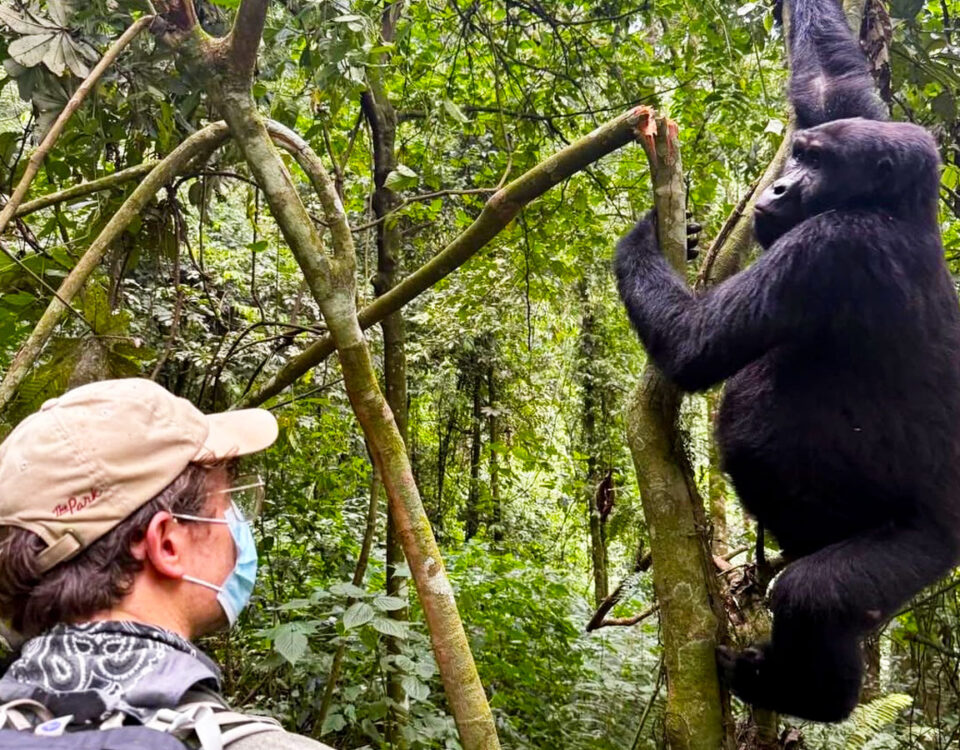
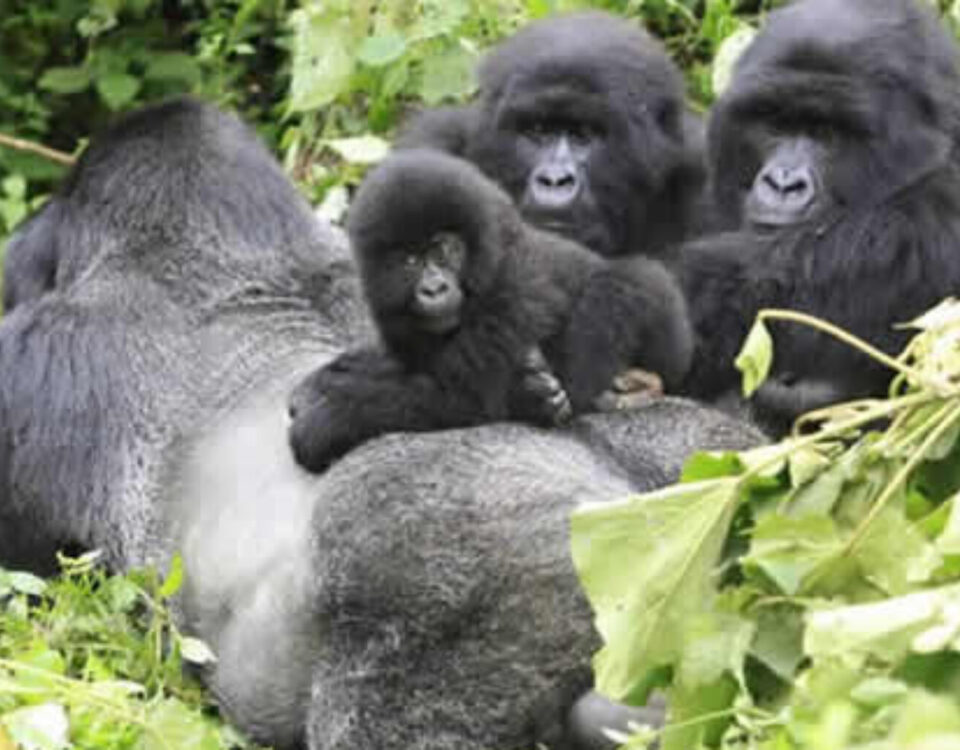
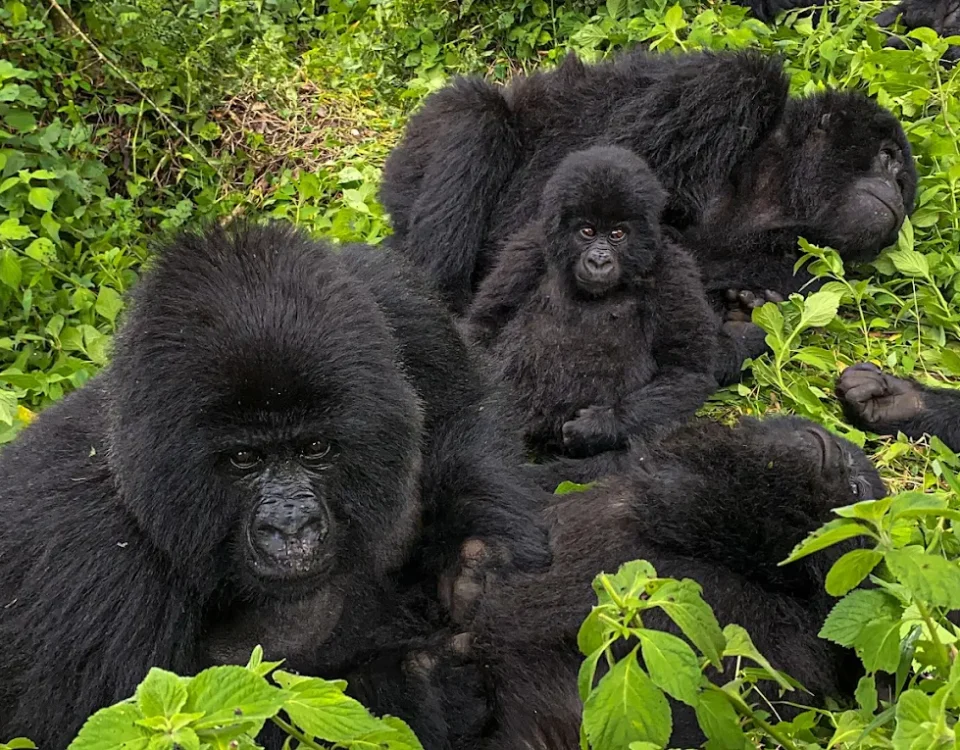
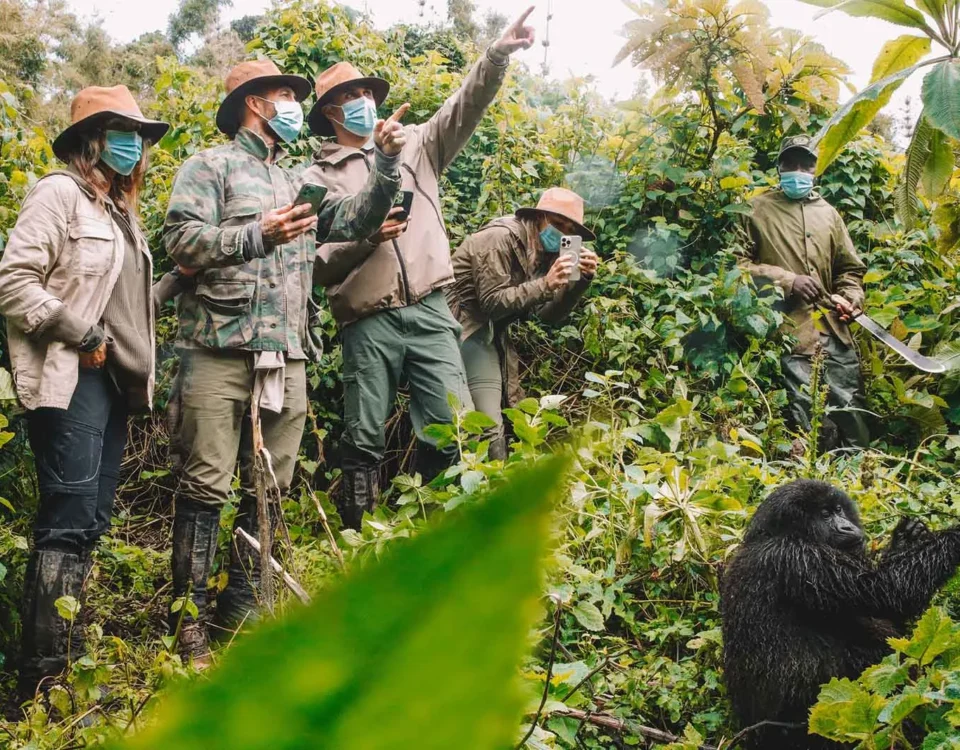
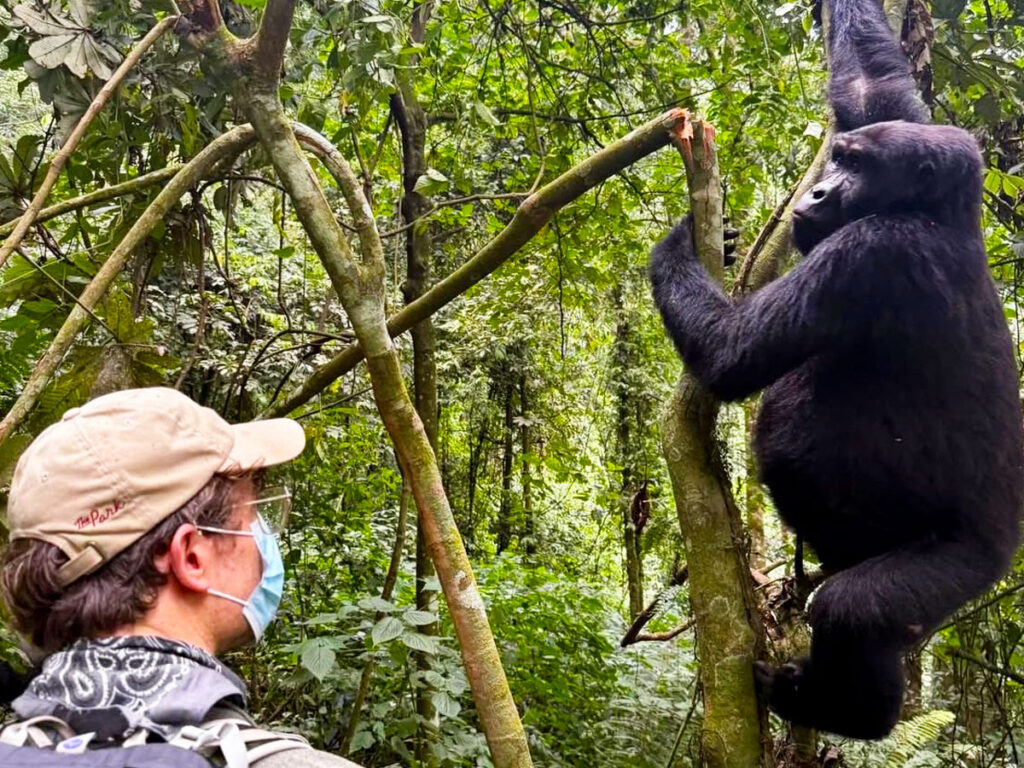
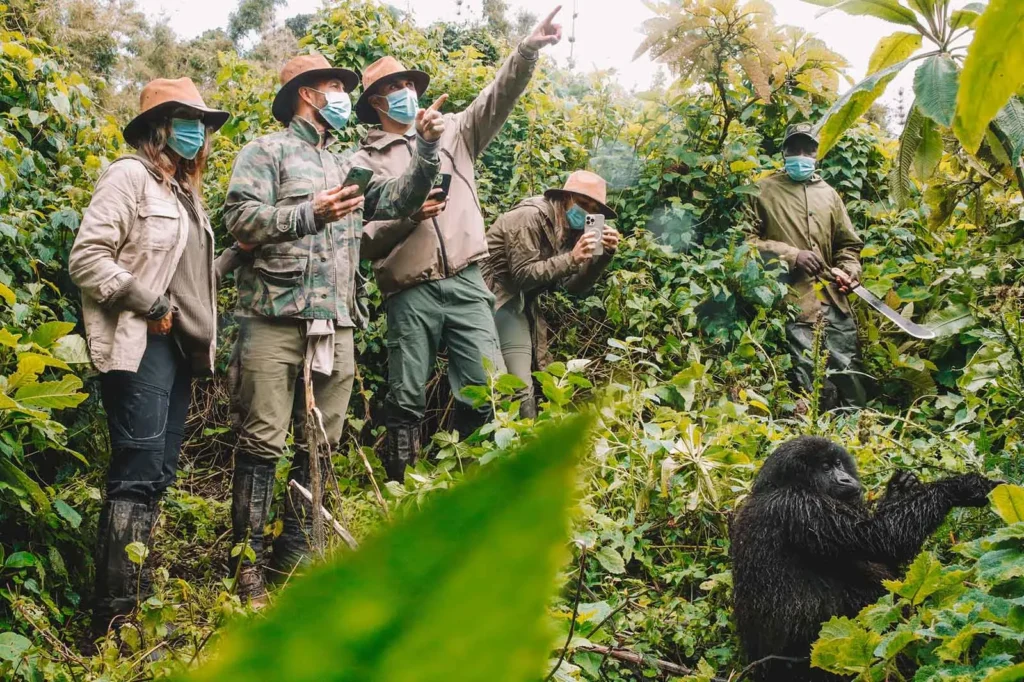
What Is the Best Time to Visit Uganda for Gorilla Trekking? Whatever month you choose, prepare for a guided forest hike rather than a fixed-length excursion. Trackers locate the gorilla families, while park staff lead visitors through the forest. The distance and time on the trail vary because gorillas move freely in their habitat. Some walks take a few hours; others involve longer climbs through steep, muddy or thickly vegetated terrain. Visitors should be ready to follow ranger instructions, move at a steady pace and respect the animals’ space. UWA states that the trek may last between two and seven hours, with one hour of observation once the group reaches the gorillas. See UWA’s gorilla tracking overview.
A pre-trek briefing explains the rules that protect both visitors and gorillas. Do not trek if you have symptoms of a contagious illness, since human infections can pose a risk to gorillas. Follow the required viewing distance, keep your voice low, avoid flash photography and never touch or feed wildlife. The trek can be physically demanding, but travelers do not need to be athletes; honest preparation, suitable footwear and a pace appropriate to your fitness make a difference. If you have mobility concerns, discuss them with your tour planner before booking so the park team can advise you about available support and realistic options. Expect cool mornings, possible rain, humid forest air and changing ground conditions. A porter may be available for a local fee to carry your daypack and assist on difficult sections. This is a wildlife encounter, not a staged performance: sightings take place in the gorillas’ natural habitat, and the experience is governed by conservation needs.
When Is The Best Time for This Safari?
What Is the Best Time to Visit Uganda for Gorilla Trekking? The relatively drier seasons—usually June to August and December to February—are a sensible starting point for travelers who prefer less rainfall and potentially firmer trails. Uganda Wildlife Authority describes these as dry-season windows for wildlife viewing, while its information on Bwindi emphasizes that the park can be visited at any time of year. UWA’s birding and season guidance notes that dry periods can benefit primate tracking and wildlife viewing in Uganda’s parks, while its Bwindi guide confirms the park is open year-round. These are general patterns rather than a daily forecast: local conditions differ, and rain can fall in any month.
Traveling during wetter months can still be rewarding. The forest is vibrant, and travelers who are comfortable with wet-weather hiking may find dates outside peak demand more flexible. However, muddy slopes can slow progress, so allow extra time and pack reliable rain gear. Birding is another reason to consider the season carefully; Uganda’s resident birdlife can be observed year-round, while particular nesting activity and species visibility vary. If you are building a longer journey around Kenya Adventures, Kenya Tours or Kenya Safaris, compare each destination’s seasonal patterns rather than assuming the ideal gorilla trekking month is best for every activity. Consult your operator on permit availability, likely road conditions and lodge access for your exact dates. A well-designed safari uses current information and realistic transfer times, then leaves space for the unexpected—because mountain weather and wildlife movement cannot be controlled.
What to Pack for Gorilla Trekking?
What Is the Best Time to Visit Uganda for Gorilla Trekking? Pack for a cool, damp forest and a hike that may cross muddy ground. Sturdy, broken-in hiking boots with good grip are essential; waterproof footwear is useful, but comfort and ankle support matter just as much. Choose long trousers and long-sleeved clothing to protect your skin from vegetation, insects and nettles. Gardening gloves can help when you need to hold branches for balance, while gaiters can keep mud and debris out of your boots. A lightweight waterproof jacket or poncho, plus a small daypack with a rain cover, is practical in every season.
Bring drinking water, a modest snack for the hike, personal medication, sunscreen and insect repellent. Keep food and drinks packed away while near the gorillas and follow the ranger’s instructions about when and where you may use them. A camera or phone is welcome, but flash should not be used. Carry spare batteries or a power bank, and protect electronics in a waterproof bag. Layered clothing helps with cool early starts and warmer movement later in the day. Avoid bringing unnecessary valuables or a heavy pack; a porter can help carry equipment for a fee. Review the current park guidance before departure because rules can be updated. Your operator can also advise whether your planned month is likely to call for extra rain protection or warmer layers.
Why Choose Us For This Particular Safari?
What Is the Best Time to Visit Uganda for Gorilla Trekking? Choosing travel dates involves more than checking a weather chart. Permit availability, the location of your trek, road transfers, lodge position and the activities you want to combine all affect the quality and pace of a trip. Frena Adventures Ltd can help you plan around these practical details, compare the drier and wetter travel periods, and build a realistic itinerary for Bwindi or Mgahinga. We can also explain what is included in your proposed arrangement and which items—such as permits, accommodation, meals, transport or porter fees—need separate confirmation.
Good planning should be specific to your needs. Tell us your preferred travel month, fitness considerations, accommodation style and whether you hope to add forest walks, cultural experiences or savannah game viewing. From there, we can discuss suitable routes and timing, while checking permit availability before finalizing the details. Travelers interested in broader East African holidays may also ask about combining Uganda gorilla trekking with Kenya Safaris, Kenya Tours or other Kenya Adventures. Such combinations are possible in some itineraries, but cross-border transfers require careful scheduling and separate booking arrangements. Our guidance is intended to help you make informed decisions, not to promise a particular weather outcome, wildlife sighting or trek duration. The final experience remains shaped by conservation rules, the movements of the gorillas and conditions on the mountain.
What Is the Best Time to Visit Uganda for Gorilla Trekking?
What Should You Remember Before Booking?
What Is the Best Time to Visit Uganda for Gorilla Trekking? For many visitors, June to August or December to February offers a useful balance of generally drier conditions and good trekking potential. Yet the best personal choice depends on your travel dates, comfort with rain, budget, permit availability and wider holiday plans. The forest is open year-round, and a trek can be memorable in any season when travelers arrive prepared. Since conditions vary between Bwindi and Mgahinga, seek advice based on your selected park and trekking sector rather than relying only on broad national forecasts.
Book your gorilla permit first, then coordinate lodging and transport around its confirmed date. Stay near the correct trailhead the night before, keep a flexible schedule and pack for rain even during the drier months. Above all, approach the trek with patience and respect: the goal is to observe mountain gorillas responsibly in their natural environment, while following the guidance of the park team. For a season-specific plan, Frena Adventures Ltd can help you review the practical details and shape a Uganda safari that fits your interests.