Which Months Offer the Best Weather for Gorilla Trekking?
November 6, 2026
What Is the Best Time to Visit Uganda for Gorilla Trekking?
November 7, 2026
What Is the Best Time to Visit Rwanda for Gorilla Trekking?
What Is the Best Time to Visit Rwanda for Gorilla Trekking? For many travelers, June to mid-September is the most favorable period because it is Rwanda’s main dry season. Trails around Volcanoes National Park, the country’s gorilla trekking destination, are generally easier to navigate when rainfall is lower. Clearer conditions can also make the journey to the park and the forest hike more comfortable. Rwanda has a shorter, comparatively drier period around January and February, which may also suit travelers seeking firmer ground. These are seasonal patterns, not guarantees: mountain weather changes quickly, and rain can fall even during the drier months.
Rwanda’s two principal rainy seasons are generally described as mid-February to May and mid-September to mid-December. During wetter periods, trails may become muddy, slopes more slippery and hikes slower. Yet a rainy-season visit can still be rewarding. The forest is green and alive, and some travelers prefer the quieter atmosphere outside the busiest travel months. Rwanda is a highland country, and conditions vary by location and elevation; National Park can feel cool and damp even when Kigali is warm. Visit Rwanda’s weather guide summarizes the country’s climate and notes that roads and paths tend to be easier to navigate during the June-to-mid-September dry season. Ultimately, the right time depends on what matters most to you: trail conditions, travel flexibility, preferred accommodation or a wider East African itinerary. This guide explains what to expect, what to pack and how to plan a responsible gorilla trekking holiday with Frena Adventures Ltd.
Why Do Many Travelers Choose the Dry Season?
What Is the Best Time to Visit Rwanda for Gorilla Trekking? If easier trail conditions are your priority, June to mid-September is often the first period to consider. Lower rainfall can mean less mud and more stable footing on some sections of the forest route. The weather may also be more favorable for driving between Kigali, Musanze and the park entrance. Still, gorilla trekking is a mountain hike, not a flat nature walk. Steep ground, tangled vegetation, altitude and changing weather are part of the experience in every season.
Because the dry season is popular, demand for trekking permits, lodges and private transport can be high. Start planning early, especially if you have fixed dates or want a particular accommodation style. Permit availability should be confirmed before you commit to non-refundable flights. Rwanda Development Board’s official booking information states that gorilla tracking reservations are handled on a first-come, first-served basis, so leaving the permit until the last minute can limit your choices. Check the official Rwanda gorilla tracking page for current booking and visitor information. January and February can also be appealing, although rainfall levels and trail conditions may differ from one year to another. When comparing dates, consider your complete route: a trek, time in Kigali, cultural experiences and onward travel all need realistic transfer time. Kenya Tours, Kenya Adventures and Kenya Safaris can complement a broader East African holiday, but each destination has its own seasonality and logistics. A well-planned itinerary allows enough time for each place rather than trying to fit every experience into a rushed schedule.
What Are The Expectations in This Safari?
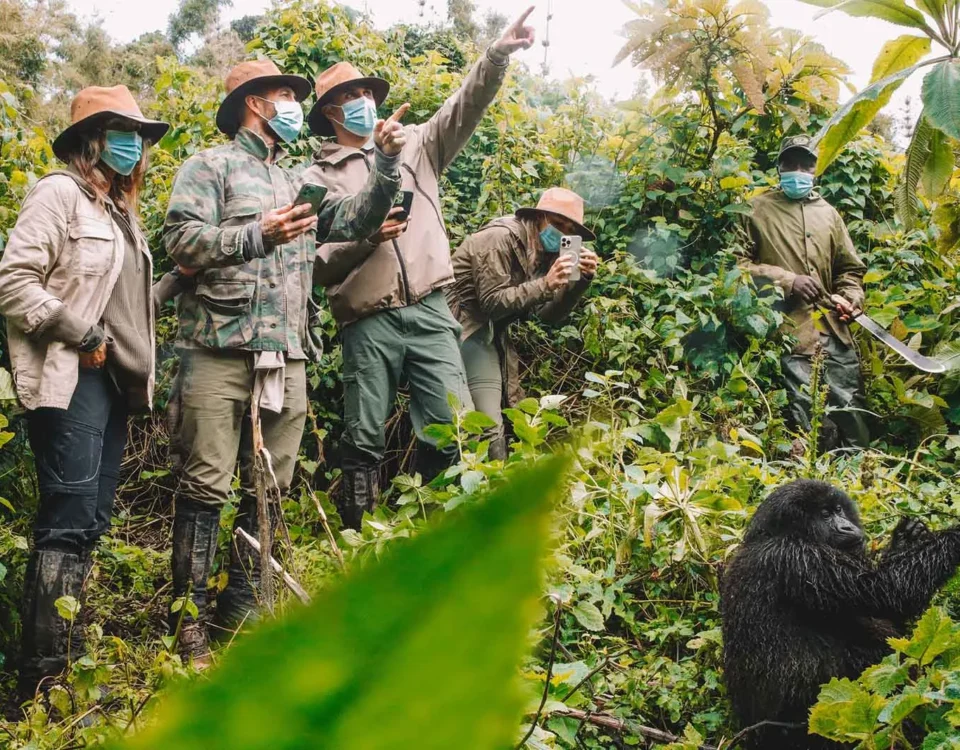
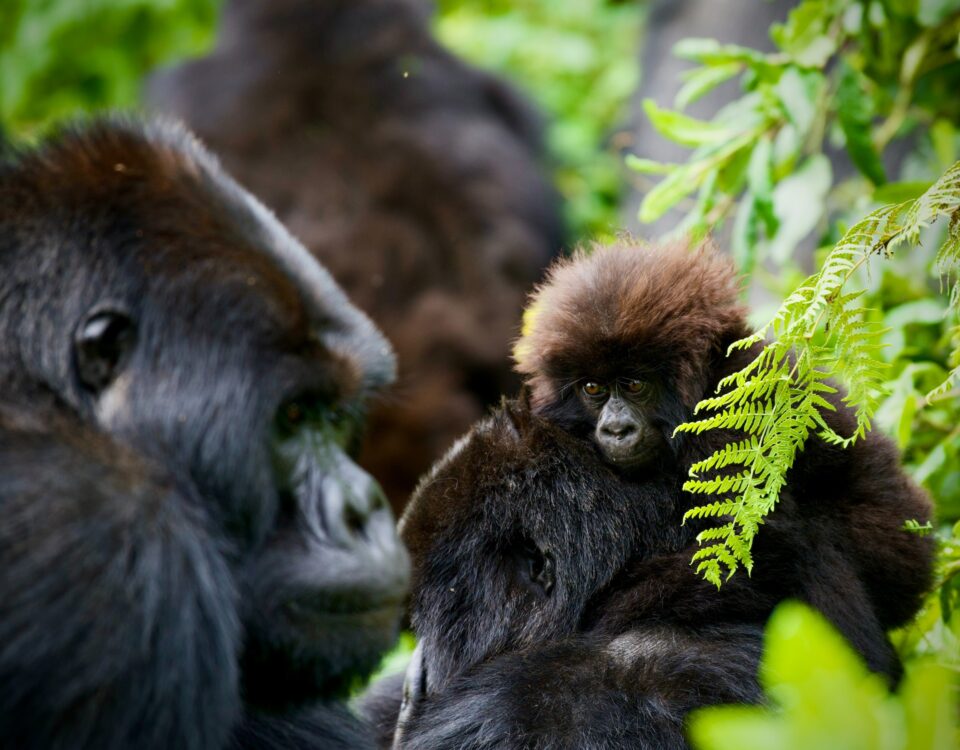
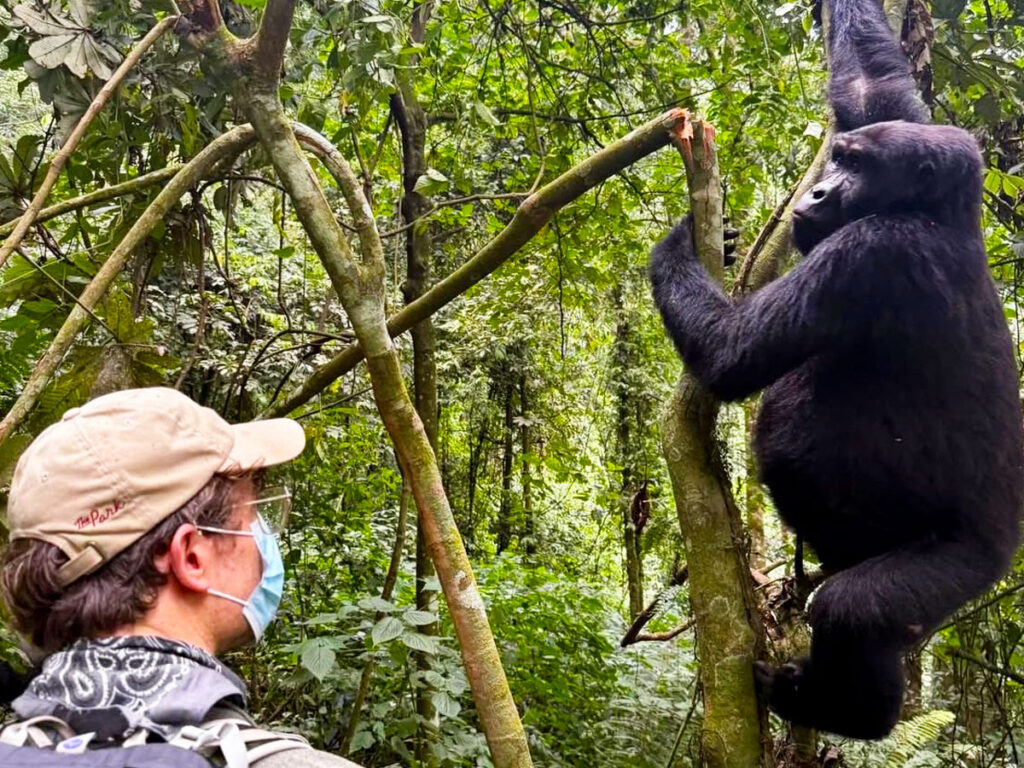
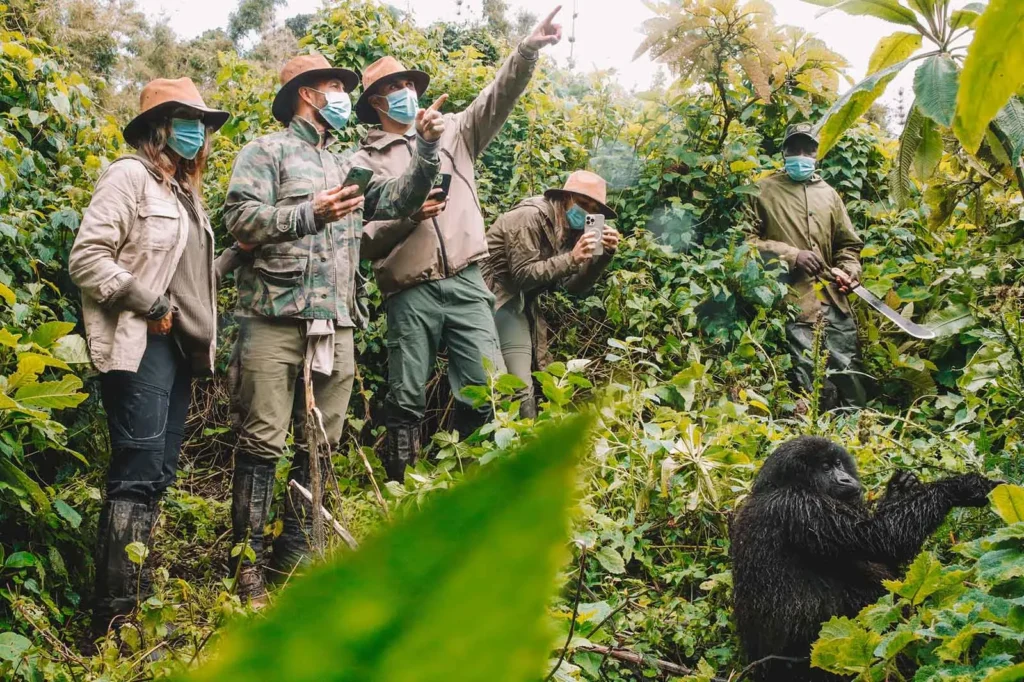
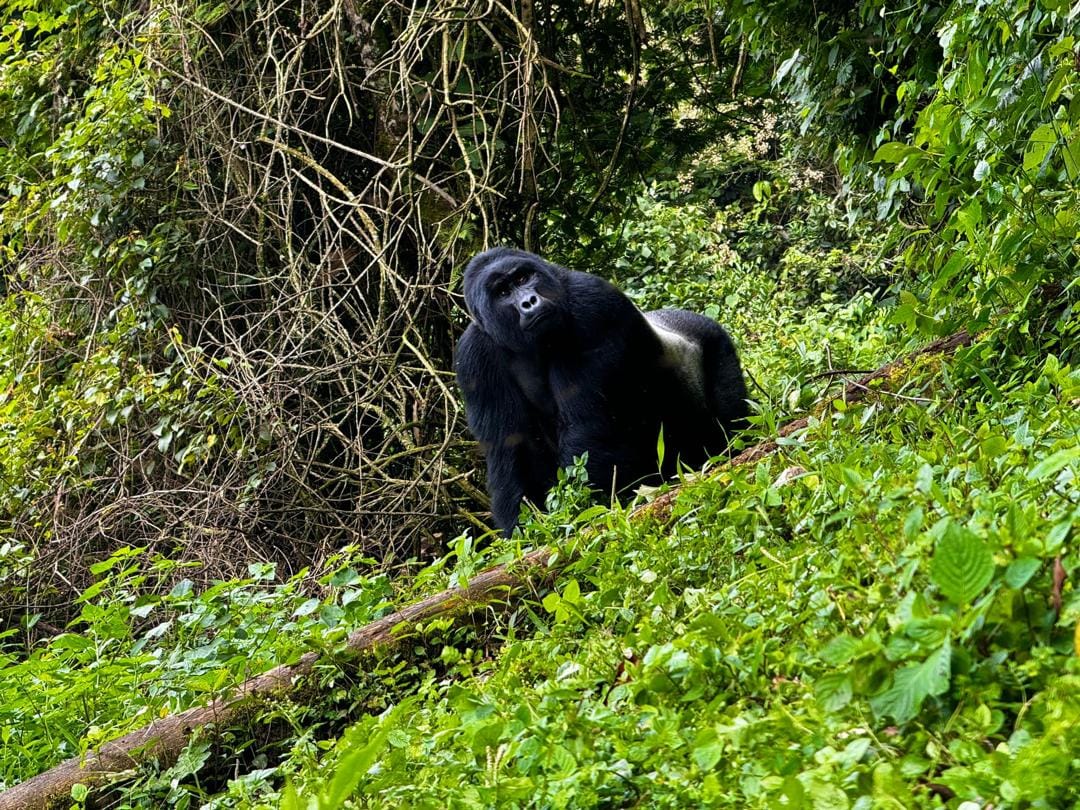
What Is the Best Time to Visit Rwanda for Gorilla Trekking? Whichever month you choose, prepare for an outdoor trek whose duration and difficulty depend partly on where the gorilla family is located that day. Rangers and trackers lead the excursion, but the gorillas move freely through their habitat. The walk may be relatively short or involve several hours of climbing through forest, bamboo and uneven terrain. Once the group reaches the gorillas, visitors have a limited viewing period. Rwanda’s official guidance states that viewing is limited to one hour and that groups are kept small. RDB’s gorilla tracking guidance explains the main rules and preparation points.
Expect an early start. The official guidance asks trekkers to report at the park’s visitor information and registration centre at 7:00 a.m. for the briefing. A stay near Musanze or the park entrance the night before can make the morning easier and reduce the risk of a rushed drive. Visitors should follow the ranger briefing, keep their voices low, avoid flash photography and maintain the required distance from the gorillas. Anyone with a contagious illness should not trek, as human infections can threaten the animals. A reasonable level of mobility and stamina helps, but you do not need to be an athlete; discuss specific fitness or access concerns with your safari planner well before travel. Porters may be available locally for a fee to carry a daypack and assist on the trail. The encounter is an opportunity to observe wild animals, not a guaranteed close-up or staged event. Respect for wildlife and conservation rules is part of the experience, whatever the weather.
When Is The Best Time for This Safari?
What Is the Best Time to Visit Rwanda for Gorilla Trekking? Rwanda’s main dry season, from June to mid-September, is usually the most practical choice for travelers who want a lower chance of heavy rain and trails that may be easier to walk. The shorter dry period in January and February can also be suitable. By contrast, rainfall generally increases from mid-February through May and again from mid-September to mid-December. These broad seasonal divisions are useful for planning, but they should not be treated as a precise forecast for your trekking day. The Virunga highlands have their own local conditions, and cloud, mist or showers may occur year-round. Visit Rwanda’s weather information provides a useful overview, while short-range forecasts closer to departure can help with final preparation.
Traveling during the rainy seasons is not necessarily a poor choice. Some visitors value the lush landscape, more flexible travel dates or opportunities to experience Rwanda beyond its busiest periods. However, rain can make forest paths slippery and extend the time needed for a hike, so waterproof clothing, good boots and a flexible schedule become especially important. Photography conditions also vary: mist can create atmospheric forest scenes, while cloud cover may reduce light. Travelers combining Rwanda with Kenya Safaris or Kenya Adventures should compare conditions in each country rather than assuming that one season will be ideal everywhere. A safari specialist can help align permits, flights, driving days and accommodation with your priorities. The best timing is therefore not only about choosing a dry month; it is about setting a comfortable pace, confirming permit availability and preparing for the mountain environment you will actually encounter.
What to Pack for Gorilla Trekking?
What Is the Best Time to Visit Rwanda for Gorilla Trekking? Pack for a cool, damp mountain forest, even if your trip begins in sunny Kigali. Sturdy hiking boots with a strong grip are essential for muddy or uneven paths. Wear long trousers and long-sleeved clothing to protect your skin from vegetation and insects, and bring gardening gloves if you prefer extra protection when holding branches for balance. A lightweight waterproof jacket or poncho is useful in every season. During wetter months, consider gaiters and a waterproof cover for your daypack; in the drier season, keep rain protection with you because mountain showers can arrive unexpectedly.
A small daypack should hold drinking water, personal medication, a camera or phone, spare batteries and any necessary sun protection. Bring a modest snack for the hike, but follow ranger instructions about eating and drinking near the gorillas. Flash photography is not permitted, so check your camera settings before the trek. Layered clothing helps with cool early starts and changing temperatures as you climb. Avoid carrying more than you need; a porter may be available for a local charge and can make the walk easier. Keep your passport, permit confirmation and emergency contact details secure, with digital copies stored separately. Review the latest official visitor advice before departure because rules and entry procedures can change. Good preparation does not guarantee dry weather or an easy route, but it makes you more comfortable and helps you focus on the forest and the wildlife.
Why Choose Us For This Particular Safari?
What Is the Best Time to Visit Rwanda for Gorilla Trekking? Choosing dates is only one part of planning a successful Rwanda safari. Permit availability, where you stay, the drive from Kigali, your preferred activity level and the time you have for the rest of the country all shape the trip. Frena Adventures Ltd can help you compare the dry and rainy seasons, check the practical details of your preferred dates and build a route around the confirmed permit. We can also discuss accommodation near Musanze, transport arrangements, time in Kigali and possible additions such as golden monkey tracking or cultural visits, subject to availability and your interests.
Useful safari planning is clear about what is included and what remains subject to confirmation. Before you book, ask about the permit, lodging, meals, transfers, guide services and any extra costs, including porter fees. Share your travel dates, fitness considerations, accommodation preferences and plans for onward travel so the itinerary can be paced realistically. Guests interested in combining Rwanda with Kenya Tours or Kenya Safaris can ask about regional routing, but cross-border flights and transfers require separate planning. Frena Adventures Ltd aims to provide practical information, responsive coordination and recommendations suited to your trip rather than promises about weather, gorilla movement or trek length. The park authority and rangers make operational decisions on the ground, and wildlife encounters always take place on nature’s terms. By planning carefully and communicating openly, you can approach the experience with realistic expectations and more time to enjoy the journey.
 What Should You Remember Before Booking?
What Is the Best Time to Visit Rwanda for Gorilla Trekking? For many visitors, June to mid-September is the strongest choice for generally drier conditions, while January and February may offer another useful window. Nevertheless, gorilla trekking is possible outside these periods, and every season has its own character. Wet months bring greener forest and can suit travelers with flexible schedules, but they call for extra care on muddy trails. Drier months may offer easier footing, yet they can also bring greater demand for permits and accommodation. No month can promise a particular trek length, weather pattern or gorilla sighting.
Confirm your permit before finalizing the rest of your plans, then stay close to the park the night before your trek. Allow time for the morning briefing, bring suitable clothing and keep your itinerary flexible enough to account for weather and road conditions. Above all, approach the experience as a guided visit to a protected wild habitat. Listening to the rangers, following conservation rules and keeping a respectful distance help safeguard the gorillas and make the encounter more meaningful. For tailored advice on travel dates and logistics, Frena Adventures Ltd can help you plan a Rwanda gorilla trekking holiday that fits your interests and connects smoothly with other East African experiences.