Is Gorilla Trekking Possible During the Rainy Season?
November 6, 2026
What Is the Best Time to Visit Rwanda for Gorilla Trekking?
November 6, 2026
Which Months Offer the Best Weather for Gorilla Trekking?
Which Months Offer the Best Weather for Gorilla Trekking? For many visitors, June to August is one of the most favorable periods for trekking in Uganda and Rwanda because these months are generally drier. Rwanda’s main dry season runs from June to mid-September, while Uganda’s drier travel window commonly includes June to August. January and February can also be relatively dry in both countries, making them another popular option. During these periods, forest paths may be firmer and road transfers easier than during heavy rains, although showers are still possible, particularly in high-altitude areas.
Seasonal patterns are useful for planning, but they cannot guarantee clear skies or an easy hike. Mountain gorilla trekking takes place in rainforest and volcanic highlands, where mist, damp ground and sudden rain can occur in any month. The actual hike also depends on where the gorilla family has moved, so a “good weather” date does not necessarily mean a short or simple trek. Uganda’s gorilla trekking locations are Bwindi Impenetrable National Park and Mgahinga Gorilla National Park; Rwanda’s are in Volcanoes National Park. Uganda Wildlife Authority (UWA) and Visit Rwanda’s weather guide provide useful destination information. As you plan, consider more than rainfall: permit availability, the location of your lodge, your fitness, transport times and the other activities you hope to enjoy all matter. Frena Adventures Ltd can help compare travel windows and build a practical itinerary while keeping expectations realistic.
Which Months Are Usually Drier in Uganda and Rwanda?
Which Months Offer the Best Weather for Gorilla Trekking? The answer varies slightly by country. In Uganda, the commonly recognized drier periods are December to February and June to August. Bwindi and Mgahinga are forested mountain parks, however, and neither follows the dry-season pattern of a savannah landscape in a simple way. Rain can fall at any time, and trails may remain damp beneath the forest canopy. UWA’s Bwindi guide says the park can be visited throughout the year and advises visitors to bring wet-weather clothing. Read the UWA Bwindi guide.
Rwanda’s main dry season generally runs from June to mid-September, with a shorter drier period around January and February. Its rainy seasons are usually described as mid-February to May and mid-September to mid-December. Visit Rwanda notes that roads and paths tend to be easier to navigate during the June-to-mid-September dry season, while still acknowledging occasional light rain. Visit Rwanda’s climate information is a good overview. These are broad national patterns; the Virunga highlands can be cooler and wetter than lower-lying locations. Even in the drier months, pack rain protection and expect changing conditions. Travelers combining gorilla trekking with Kenya Tours, Kenya Safaris or Kenya Adventures should also plan for differences between each destination. A season that works well for forest trekking may not match every activity or park on a wider East African route. Compare the weather, distances and travel times for the full itinerary before choosing dates.
What Are The Expectations in This Safari?
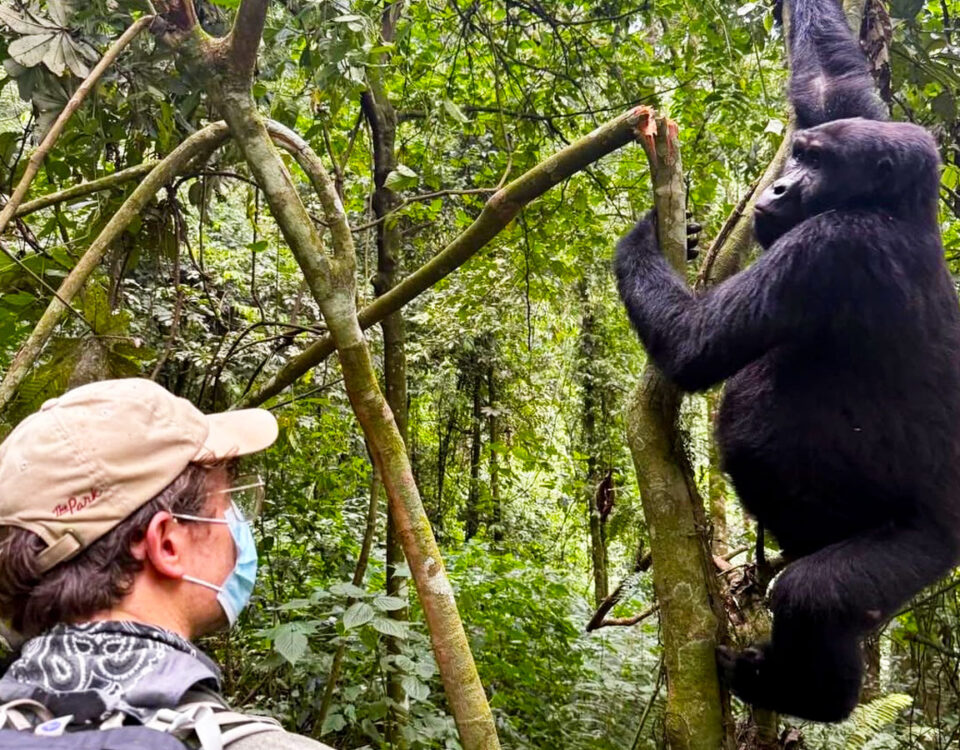
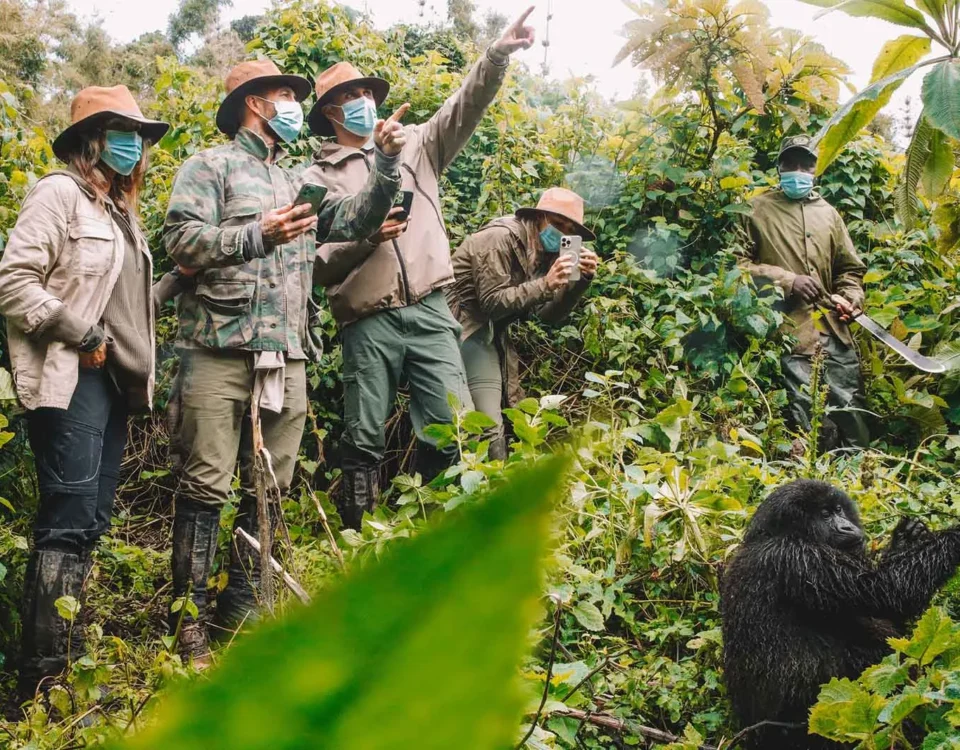
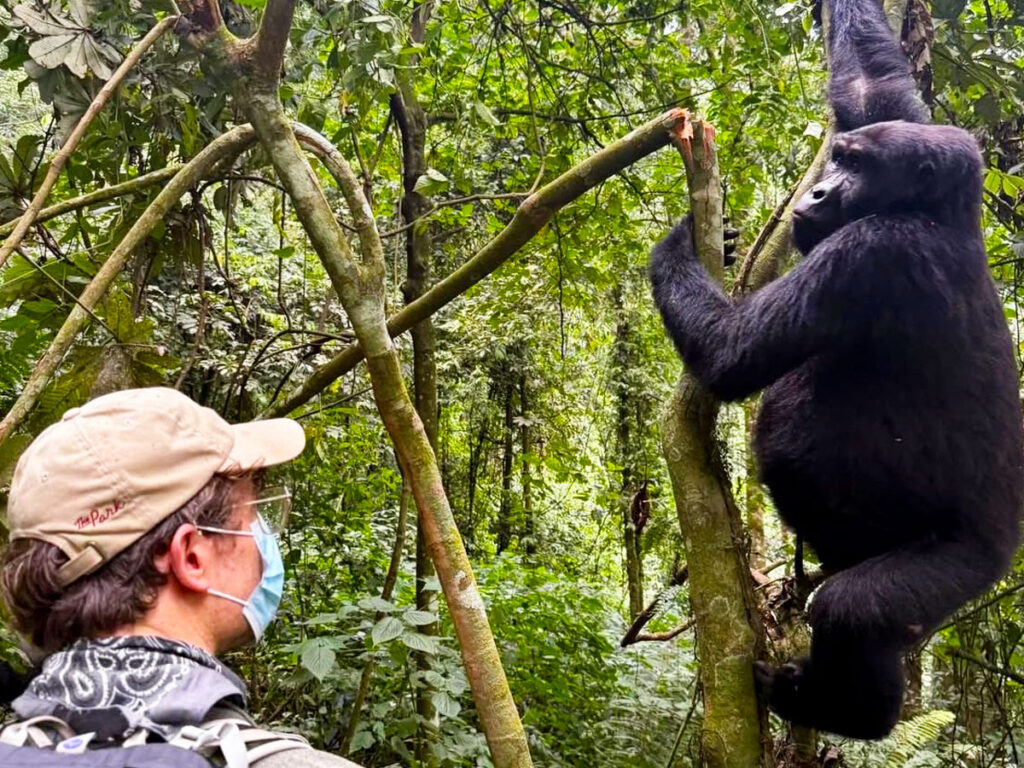
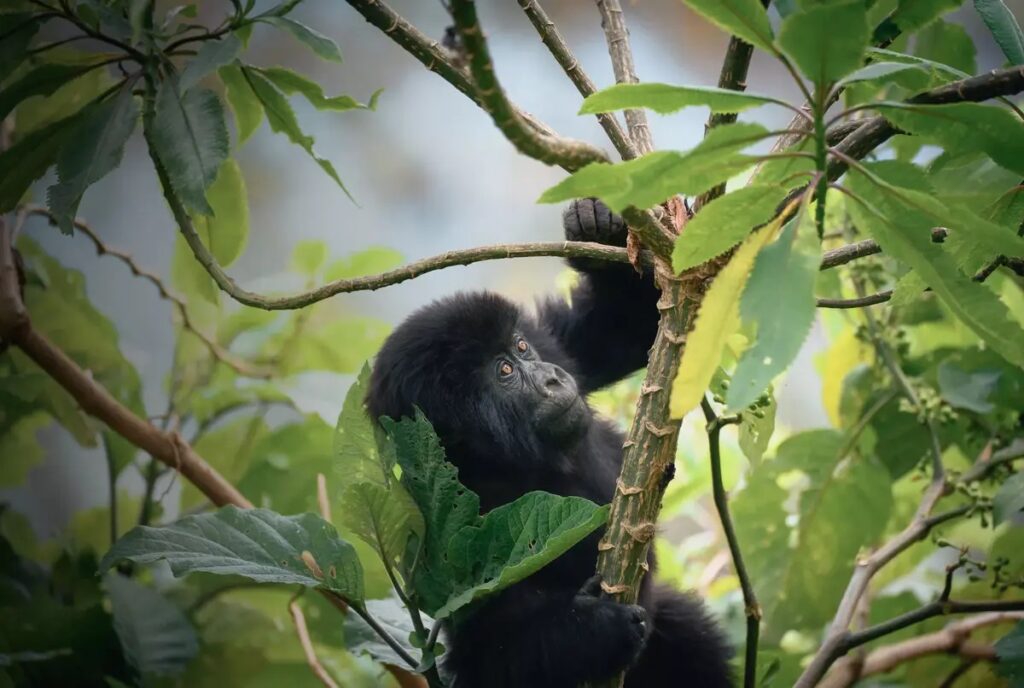
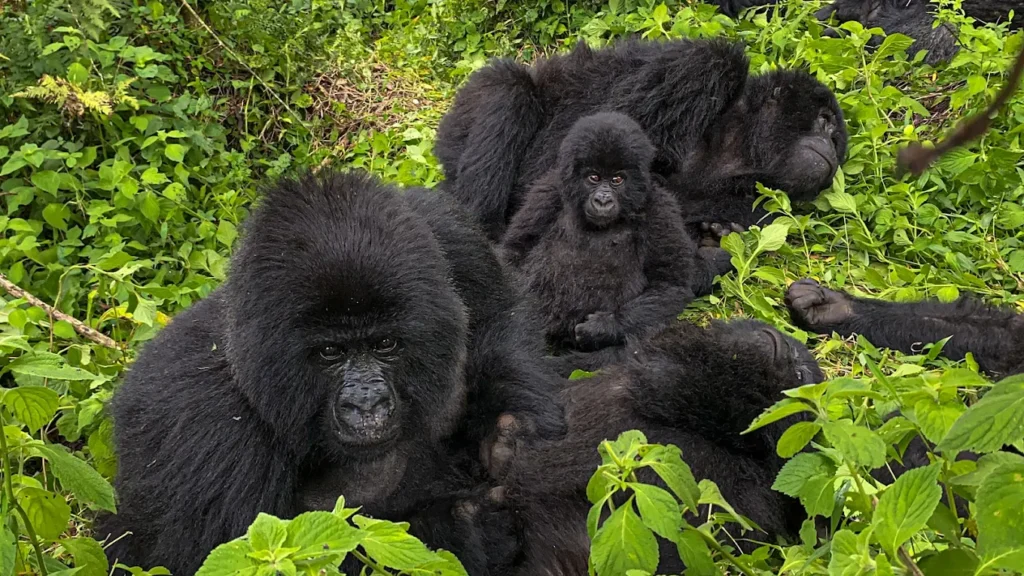
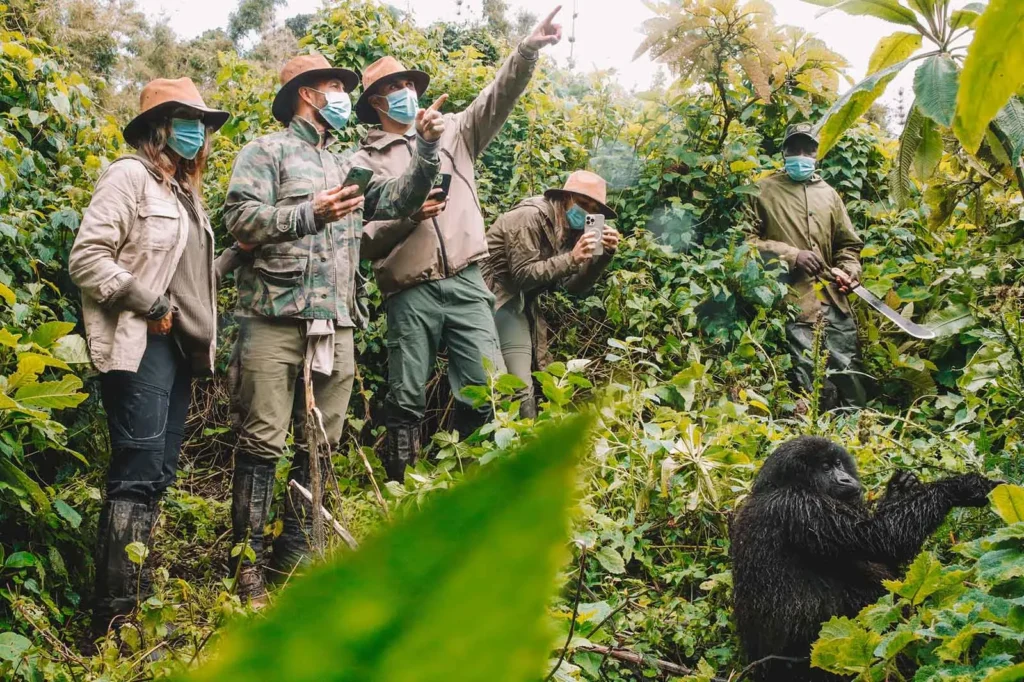
Which Months Offer the Best Weather for Gorilla Trekking? Whichever month you travel, expect a guided hike through a natural forest environment rather than a predictable walk on a surfaced trail. Trackers locate the gorilla family, and park guides lead visitors through the terrain. The walk can involve steep slopes, mud, thick vegetation and uneven footing. In Uganda, UWA says treks may last approximately two to seven hours, with one hour spent observing a habituated gorilla family. See UWA’s gorilla tracking information. Rwanda also limits viewing time to one hour and provides visitor rules through its official booking portal. Review the Rwanda tracking guidance.
A briefing takes place before the trek, and visitors are expected to follow the instructions of rangers and guides. Keep your voice low, avoid flash photography, maintain the required distance and never touch or feed the gorillas. Anyone with a contagious illness should not trek; human infections can put gorillas at risk. A reasonable level of stamina and mobility will make the day more comfortable, but you do not need to be a highly trained hiker. If you have health or mobility concerns, discuss them with your safari planner before booking. Porters may be available for a local fee to carry your bag and assist on difficult sections. Weather affects comfort and trail conditions, but it does not determine how far the gorillas have moved. Allow enough time for the trek and avoid scheduling a tight road transfer or flight immediately afterward. This is a conservation-focused wildlife encounter, and the experience is shaped by both the mountain environment and the animals’ natural movements.
When Is The Best Time for This Safari?
Which Months Offer the Best Weather for Gorilla Trekking? If your priority is a lower chance of heavy rain and potentially firmer trails, consider June to August for either country. This period falls within Uganda’s drier months and Rwanda’s main dry season. December to February is another useful option, particularly for travelers visiting Uganda or planning a combined regional itinerary. Rwanda’s drier conditions in January and February can be helpful, though the country’s short dry period is not identical in every location. These months are popular, so permits, preferred lodges and transport may need to be arranged well ahead.
Traveling in wetter months can still be worthwhile. Rainy-season forests are lush, and visitors who are comfortable with wet conditions may appreciate the atmosphere and the chance to travel outside the most popular periods. The trade-off is that trails can be muddy and slippery, which may slow the hike and require more careful footing. Permit availability should guide your decision as much as the calendar: gorilla permits are limited, and travelers should confirm their date before buying non-refundable flights or accommodation. A safari planner can help you compare Uganda and Rwanda options, check where you will need to stay before the briefing and allow realistic time for transfers. If your holiday also includes Kenya Safaris, Kenya Tours or other Kenya Adventures, consider the climate and distances for each stop separately. There is no single month that guarantees ideal weather across every country and activity. A flexible itinerary, good rain gear and a sensible pace are more reliable safeguards than trying to predict a perfect day.
What to Pack for Gorilla Trekking?
Which Months Offer the Best Weather for Gorilla Trekking? Good equipment matters in every season because forest conditions can change quickly. Choose sturdy, broken-in hiking boots with a reliable grip, long trousers and a long-sleeved shirt to protect your skin from vegetation and nettles. Bring a lightweight waterproof jacket or poncho even if you are traveling in a dry month. For wetter periods, gaiters and a rain cover for your daypack can help keep mud and water out. Gardening gloves can protect your hands when you use branches for balance, but follow your guide’s directions and do not damage plants.
Carry drinking water, personal medication, a small snack, sunscreen, insect repellent and a camera or phone. Use no flash when photographing gorillas. A compact daypack is easier to manage on narrow paths than a large bag, and a porter may be available for a fee if you would like help carrying your belongings. Layered clothing is useful for cool mornings and changing temperatures at altitude. Keep your permit confirmation and identification accessible, and protect electronics in waterproof bags. Rwanda’s official clothing advice recommends sturdy clothing for forest conditions and solid walking shoes; see Visit Rwanda’s guidance. Check current park instructions before departure, since visitor requirements can change. Appropriate clothing will not prevent rain, but it can make the walk safer and more comfortable.
Why Choose Us For This Particular Safari?
Which Months Offer the Best Weather for Gorilla Trekking? Choosing dates is only one part of organizing a successful trek. Your permit must match the correct park and date, your accommodation should be close enough to the briefing location, and your transport plan needs to account for mountain roads and early starts. Frena Adventures Ltd can help you compare Uganda and Rwanda travel windows, discuss the differences between Bwindi, Mgahinga and Volcanoes National Park, and coordinate the itinerary around your confirmed permit. We can also help you consider how trekking fits with forest walks, cultural activities or other wildlife experiences.
Clear planning means explaining what is confirmed and what remains outside an operator’s control. Before booking, ask what the package includes, whether the permit has been secured, where you will stay before trekking and how long transfers are expected to take. Tell us about your preferred travel month, accommodation style, activity level and any mobility needs. Guests interested in adding Kenya Tours, Kenya Safaris or Kenya Adventures can discuss regional routing, with the understanding that these destinations require separate planning and may have different seasonal conditions. Frena Adventures Ltd aims to give practical guidance and coordinate agreed services; no responsible company can promise specific weather, a short hike or a particular gorilla sighting. Park authorities make operational decisions, and wildlife moves freely. An informed plan helps you prepare for those realities and focus on the experience.

Best Time for Gorilla Trekking Safaris
What Should You Remember Before Booking?
Which Months Offer the Best Weather for Gorilla Trekking? June to August is often the strongest general choice for drier trail conditions in both Uganda and Rwanda, while December to February offers another useful travel window, especially in Uganda and during Rwanda’s shorter dry season. Those months do not guarantee sunshine, and trekking remains possible outside them when permits are available and park operations allow. The most suitable dates depend on your travel priorities, permit availability, fitness, budget and the other places you plan to visit.
Confirm the permit before finalizing non-refundable arrangements, stay near the relevant park entrance the night before and leave enough time for the briefing and hike. Pack for rain even during drier months, follow ranger instructions and do not trek if you are unwell with a contagious illness. Most of all, approach the forest with patience and respect. The goal is to observe gorillas in their natural habitat while supporting conservation practices that protect them. With a flexible schedule and suitable preparation, you can plan a rewarding trek in either country throughout the year. Frena Adventures Ltd can help you choose dates and organize the practical details for a Uganda or Rwanda gorilla safari, or a broader East African holiday.