How Much Does a Gorilla Trekking Permit Cost in Rwanda?
November 4, 2026
What Is Included in a Gorilla Trekking Permit?
November 4, 2026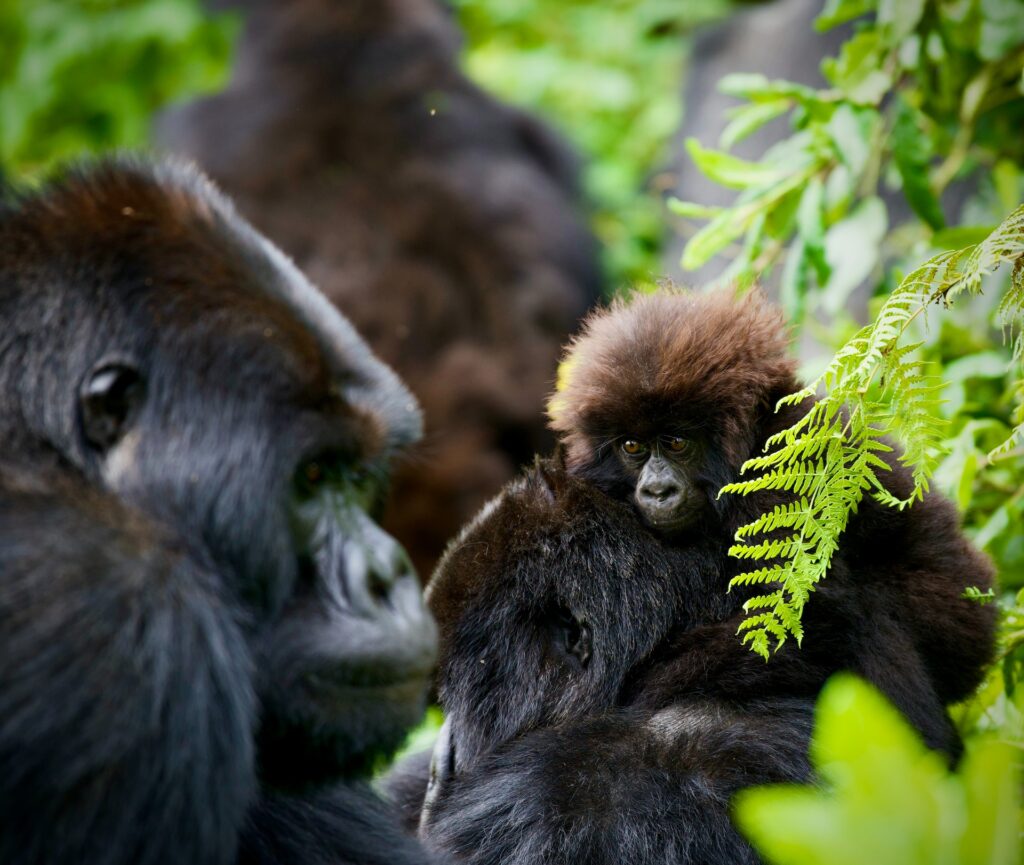
Why Do Gorilla Trekking Permit Prices Differ Between Uganda and Rwanda?
Why do gorilla trekking permit prices differ between Uganda and Rwanda? Each country sets its own fees through its wildlife authority, so there is no single regional price for seeing mountain gorillas. As of October 2026, Uganda’s standard permit for a foreign non-resident is US$800 per person, while Rwanda’s standard permit for an international visitor is US$1,500 per person per day. Uganda’s lower standard price can make it attractive to travellers comparing gorilla safaris, while Rwanda’s permit offers access to trekking in Volcanoes National Park, near Kigali relative to Uganda’s remote forest parks.
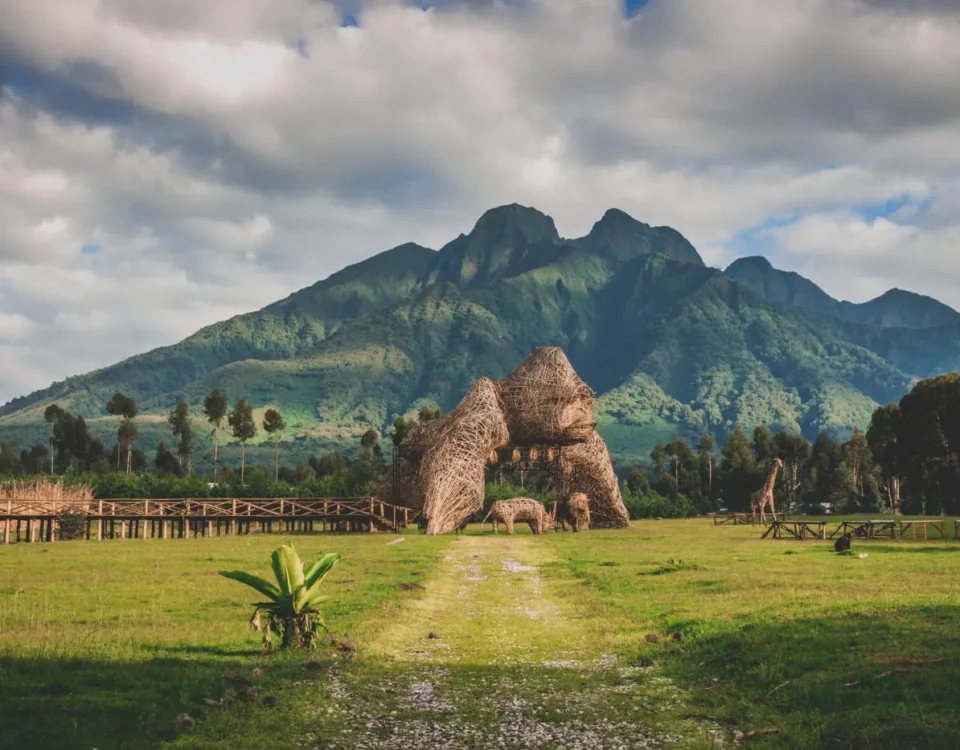
These figures refer to the permit itself, not the total cost of a holiday. Uganda’s gorilla tracking takes place in Bwindi Impenetrable National Park and Mgahinga Gorilla National Park. In Rwanda, visitors trek in Volcanoes National Park. The parks differ in location, landscape, access routes and accommodation options, so the final trip budget depends on more than the permit fee. Flights, road transfers, lodging, meals and the number of nights can influence the overall price substantially.
The comparison also depends on the visitor’s nationality and residency status. Both countries publish different categories and may offer selected promotions, which are subject to eligibility and travel dates. Why do gorilla trekking permit prices differ between Uganda and Rwanda? The straightforward answer is that Uganda and Rwanda operate separate permit systems and set different tariffs. Frena Adventures Ltd can help compare the current official fees with the full itinerary cost, so you can judge which destination better matches your budget, timing and travel preferences.
What are the current permit rates and categories?
Why do gorilla trekking permit prices differ between Uganda and Rwanda? One major factor travellers notice is the difference between the published standard rates for international visitors. Uganda’s Wildlife Authority lists a standard foreign non-resident permit at US$800 for Bwindi or Mgahinga. Its published tariff also lists US$700 for foreign residents, US$500 for visitors from the rest of Africa and UGX 300,000 for East African Community citizens.
Rwanda’s booking portal lists US$1,500 per person for foreign visitors. It also shows promotional rates for some other categories, including US$500 for eligible African visitors and foreign residents, and US$200 for Rwandan and East African citizens. The portal states that those promotional rates do not apply from June through October 2026. Residency categories have document requirements, so travellers should confirm their eligibility directly with the Rwanda Development Board before making payment.
Uganda also has a lower-season offer for specific dates: April, May and November. The published 2026 prices for those months are US$600 for foreign non-residents and US$500 for foreign residents. Terms apply, including restrictions on rescheduling, so check the conditions for the chosen date. Why do gorilla trekking permit prices differ between Uganda and Rwanda? Category rules and promotional periods can change the amount a traveller pays. Confirm the official rate for your nationality, residency and trekking date instead of relying on an old quote or an assumed discount.
Does the higher permit price mean a longer gorilla encounter?
Why do gorilla trekking permit prices differ between Uganda and Rwanda? A higher permit price does not automatically mean visitors spend more time with the gorillas. In both countries, the standard tracking experience allows up to one hour with a habituated gorilla family once the group is found. The hike to locate the animals can take several hours, and its length depends on where the gorillas have moved and the terrain that day. Uganda Wildlife Authority says a Uganda trek may last between two and seven hours. Rwanda also limits the viewing period to one hour.
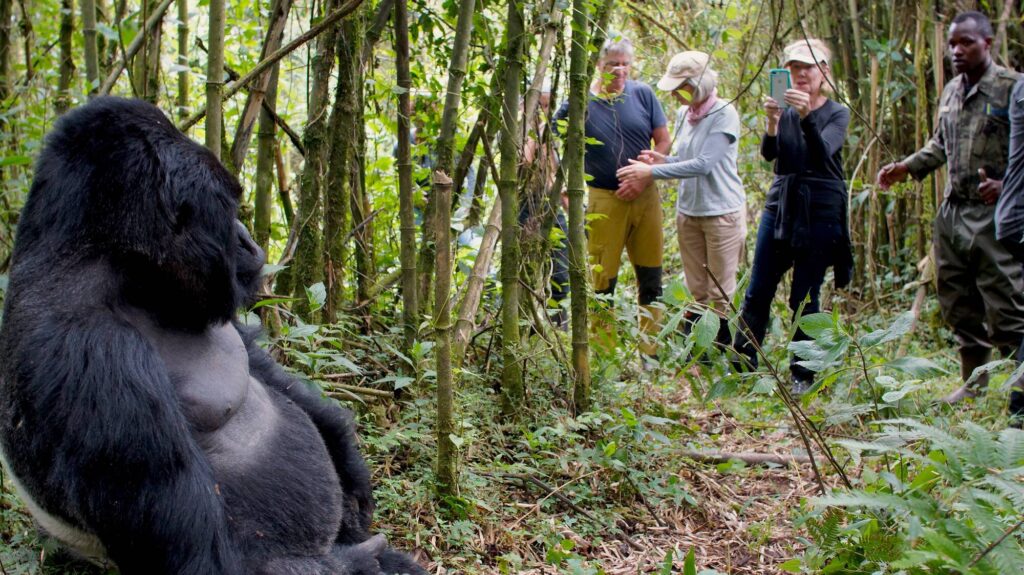
Both countries manage visitor access to protect gorillas and reduce the risk of disease transmission. Uganda and Rwanda each set a maximum of eight visitors per gorilla group, and both require visitors to follow park staff instructions. The minimum tracking age is 15 in each country. A trek is a guided wildlife experience, not a scheduled performance; no operator can promise a specific gorilla family, route, hike duration or exact behaviour.
Uganda offers an additional activity called the Gorilla Habituation Experience in Bwindi, which has its own permit and longer time with a group still becoming accustomed to human presence. It is not the same product as standard trekking, so compare the correct activity when reviewing prices. Why do gorilla trekking permit prices differ between Uganda and Rwanda? The standard trek duration does not explain the entire price gap. Each authority sets its own fees, and the permit’s value should be considered alongside the destination, logistics, conservation rules and the rest of the holiday.
What does each permit fee contribute, and what costs extra?
Why do gorilla trekking permit prices differ between Uganda and Rwanda? Permit revenue supports the management of protected areas and the systems needed to run gorilla tourism. Uganda’s published tariff states that the gorilla tracking rate includes the guide fee, park entry for the day and a community development contribution. Uganda Wildlife Authority also describes revenue-sharing programmes that direct support to communities near parks.
Rwanda Development Board says revenue from permits supports conservation and community projects, including work to protect and expand gorilla habitat. These contributions are important context for travellers: the permit is not simply an entrance charge but part of a managed conservation tourism system. However, the exact budget allocation and operating costs differ between countries, and travellers should avoid assuming that a higher price alone proves a specific level of conservation outcome.
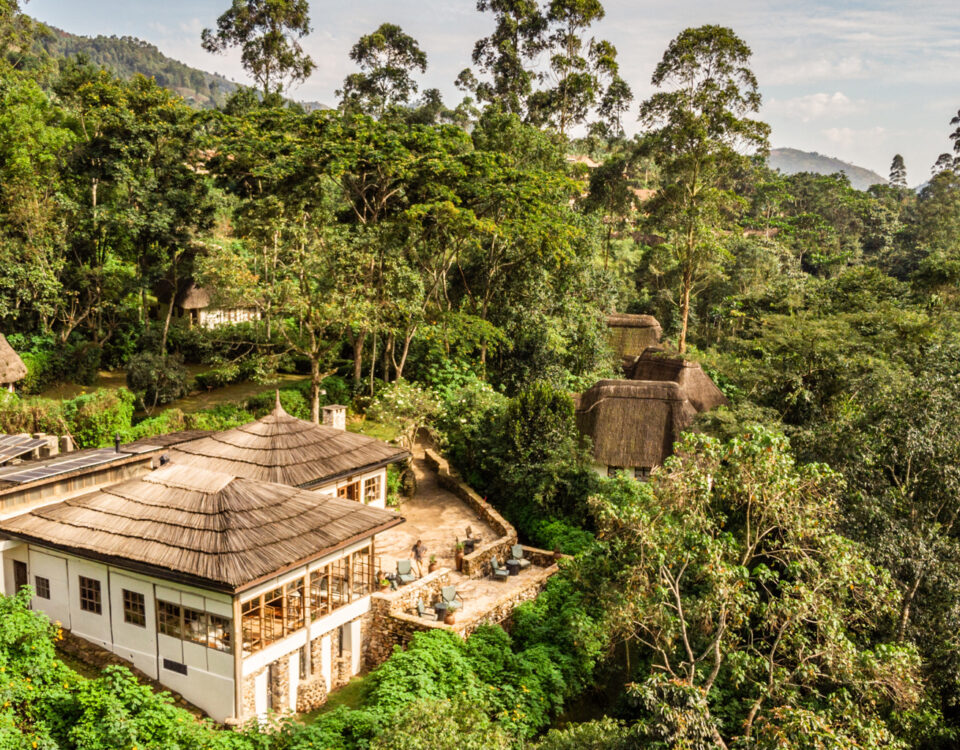
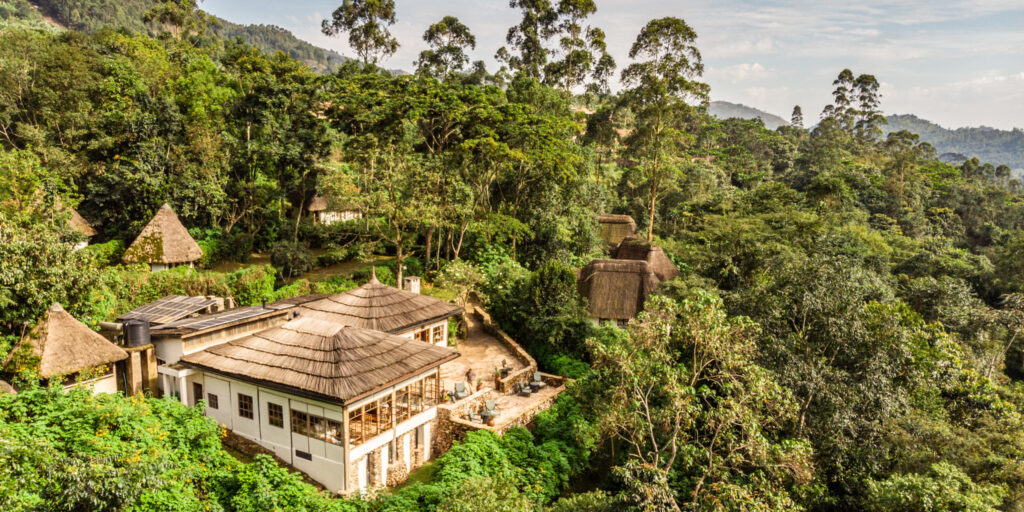
Additional safari expenses can include accommodation, transfers, meals, airport pickups, domestic flights, travel insurance and porter services. Uganda’s parks are far from the main international arrival point at Entebbe, so driving or internal flights can shape the overall budget. Rwanda’s Volcanoes National Park is closer to Kigali, which can make the road portion of a short visit more compact. Yet lodge prices and personal travel choices still matter. Why do gorilla trekking permit prices differ between Uganda and Rwanda? Compare the entire trip, including the permit and logistics, rather than judging by the headline fee alone.
When is the best time to book?
Why do gorilla trekking permit prices differ between Uganda and Rwanda? Permit availability and seasonal conditions can affect which option works best for your dates. Gorilla trekking takes place year-round in both countries, but popular travel periods can fill quickly because each gorilla group receives a limited number of visitors. Secure the permit before committing to non-refundable flights and accommodation. If you have flexibility, ask about applicable low-season promotions and confirm all restrictions before selecting a date.
Uganda’s published low-season permit rates apply in April, May and November for the listed visitor categories. Those months may bring wetter trails, so a lower permit price should be weighed against your comfort with muddy, slippery walking conditions. Rwanda’s booking portal has its own promotional categories and seasonal restrictions; the published promotional rates for certain categories are unavailable from June through October 2026. Always check the portal for the date you intend to trek, since promotions can have separate eligibility requirements.
A well-planned itinerary should include a night near the assigned park before the trek. Rwanda requires visitors to report for a briefing at Kinigi at 7:00 a.m.; Uganda’s briefing location and time depend on the park and sector. Why do gorilla trekking permit prices differ between Uganda and Rwanda? The cost comparison is useful, but the date, permit availability, road journey and lodge location can matter just as much. Frena Adventures Ltd can help align the permit date with realistic transfers and accommodation.
What are the expectations in this safari?
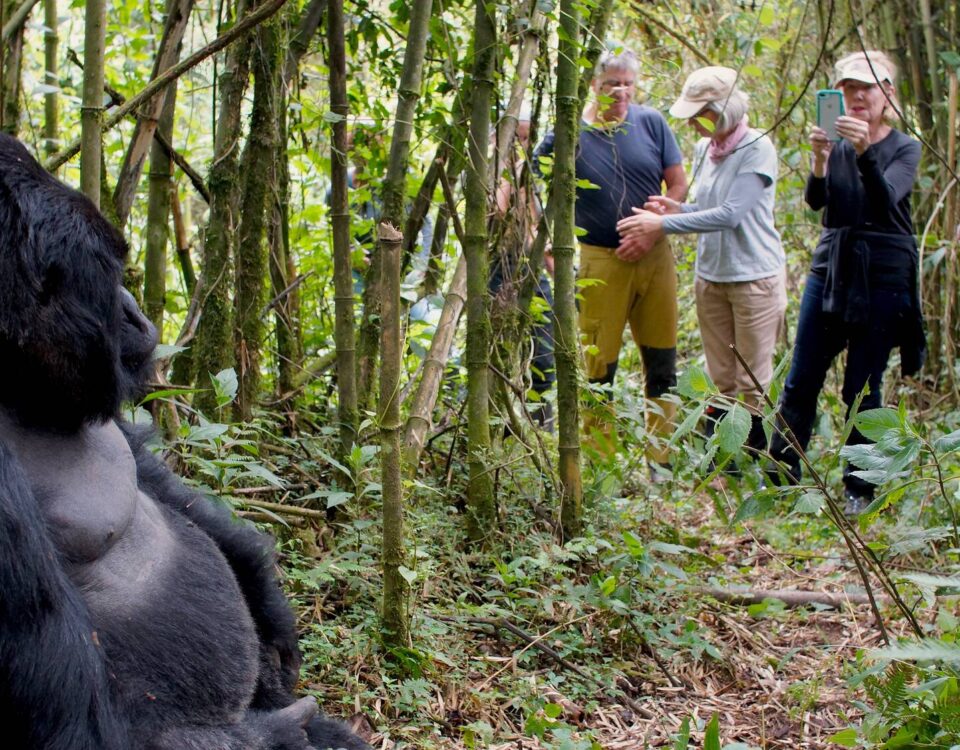
Why do gorilla trekking permit prices differ between Uganda and Rwanda? Whichever country you choose, expect an early start and a physically active day in forest terrain. After a briefing, guides and trackers lead visitors along trails that may be steep, muddy or covered by thick vegetation. The duration depends on the gorilla family’s location. When the group reaches the gorillas, visitors may observe them for up to one hour while following strict wildlife viewing rules.
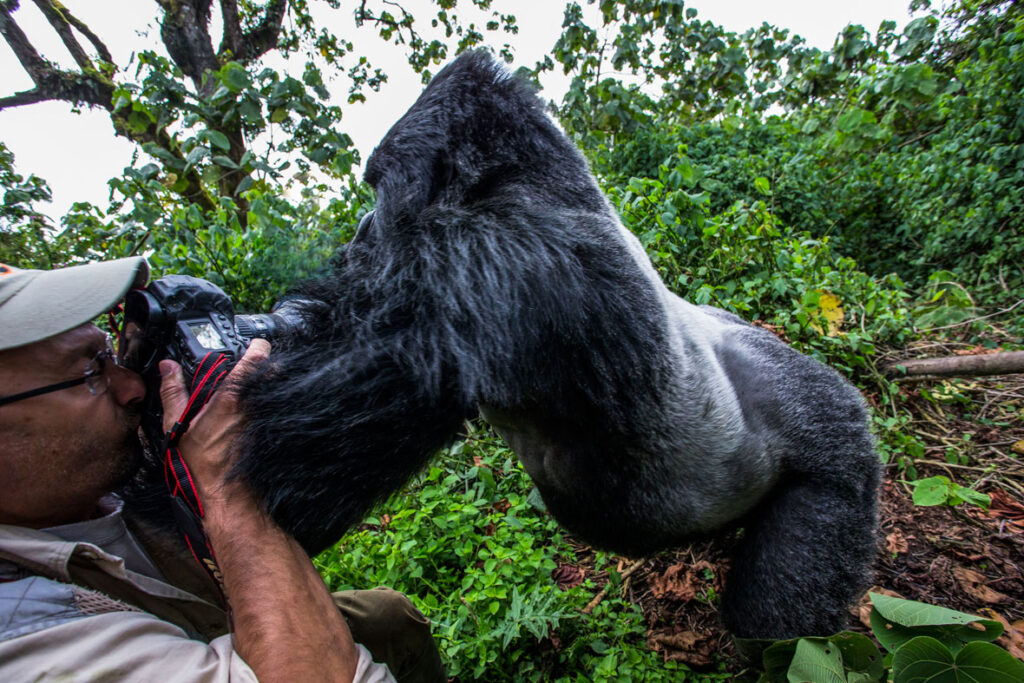
Visitors should wear sturdy hiking boots, long trousers and a waterproof layer, and carry water and any personal medication. Porters may be available to carry a daypack and assist on challenging sections. Anyone who is unwell with a contagious illness should not trek, because human infections can pose a serious risk to gorillas. Keep a respectful distance, speak quietly, avoid flash photography and follow every direction given by park staff.
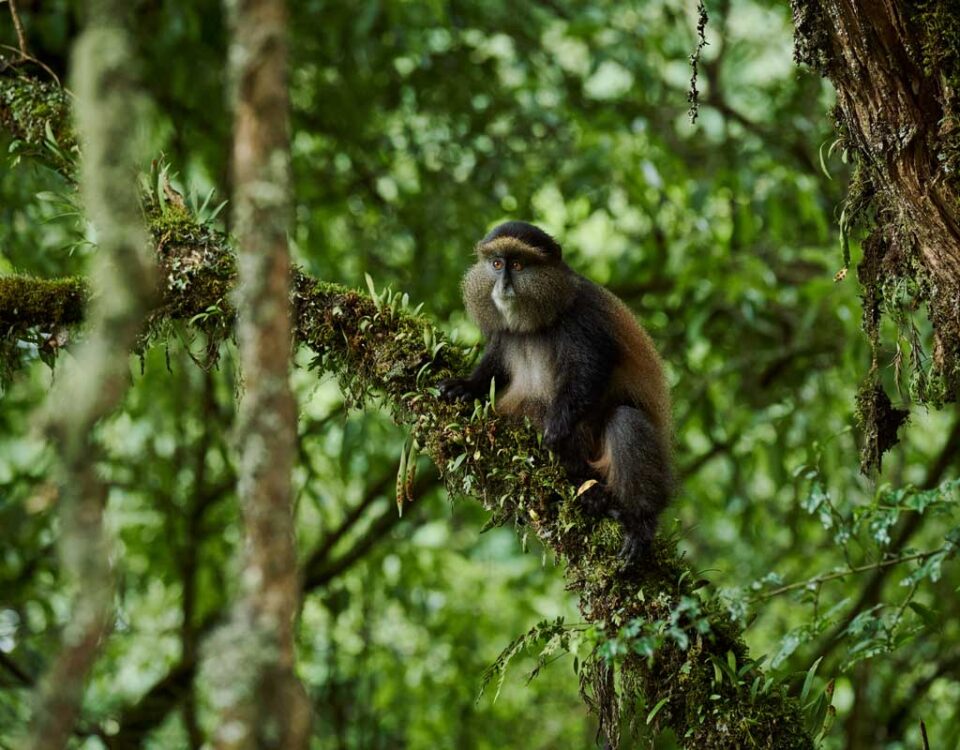
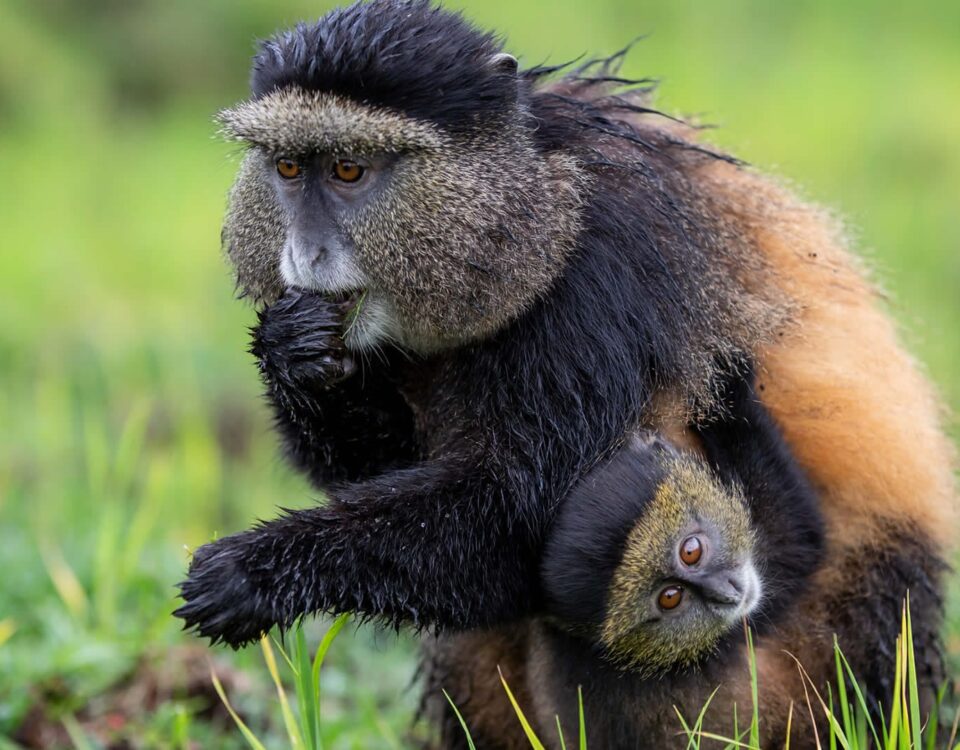
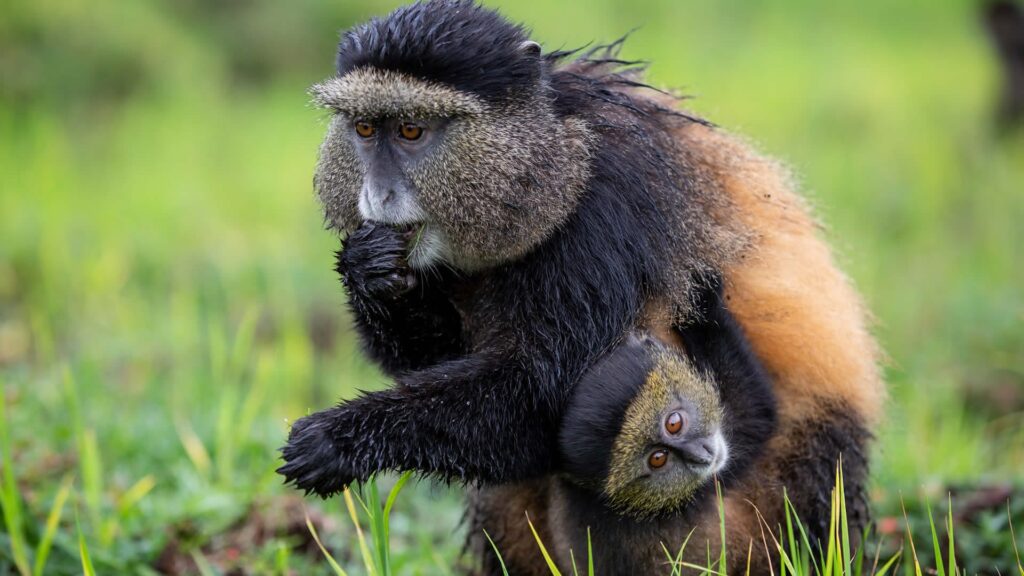
The experience can be deeply rewarding, but it remains an encounter with wild animals in their natural habitat. Why do gorilla trekking permit prices differ between Uganda and Rwanda? The price is only one part of the decision; also consider the physical demands, travel distances, preferred scenery and whether you want to add other activities. Uganda can be combined with wildlife parks such as Queen Elizabeth National Park, while Rwanda offers options such as golden monkey tracking, Kigali visits or Lake Kivu extensions. Kenya Tours, Kenya Adventures and Kenya Safaris can also be included in a broader East African itinerary, provided you allow enough time for regional travel.
Why choose Frena Adventures Ltd for this safari?
Why do gorilla trekking permit prices differ between Uganda and Rwanda? Choosing between destinations is easier when the comparison includes current permit rates, lodging, travel time and the experience you want. Frena Adventures Ltd can help confirm the correct visitor category, check permit availability and outline the full costs of each route. We can also arrange accommodation near the right trekking sector and plan transfers around the official briefing time.
Clear information matters when an experience involves a significant permit fee. We explain which parts of a quotation cover the permit and which relate to accommodation, transport, meals or optional services. Because both countries can revise their tariffs and promotional terms, we recommend checking the official authority rate for the relevant date before payment. Travellers should also keep written booking confirmations and receipts.
For guests extending the journey, we can discuss combining gorilla trekking with other East African experiences, including Kenya Tours, Kenya Adventures or Kenya Safaris. Such combinations require additional days and careful attention to flights, border requirements and transfer schedules. Why do gorilla trekking permit prices differ between Uganda and Rwanda? The right choice depends on more than the listed amount. Frena Adventures Ltd can help you choose a realistic, responsible itinerary that fits your interests, budget and travel dates.

Can Families Participate Together in One Gorilla Safari Trip?
What should you pack?
Why do gorilla trekking permit prices differ between Uganda and Rwanda? Your packing needs are similar in either destination because both treks take place in mountainous forest environments. Bring hiking boots with good grip, long trousers, a long-sleeved shirt and a lightweight waterproof jacket. Gaiters can help keep mud out of your shoes, while gardening gloves may protect your hands when moving through vegetation. Choose clothes that can get muddy and pack a clean change for after the trek.
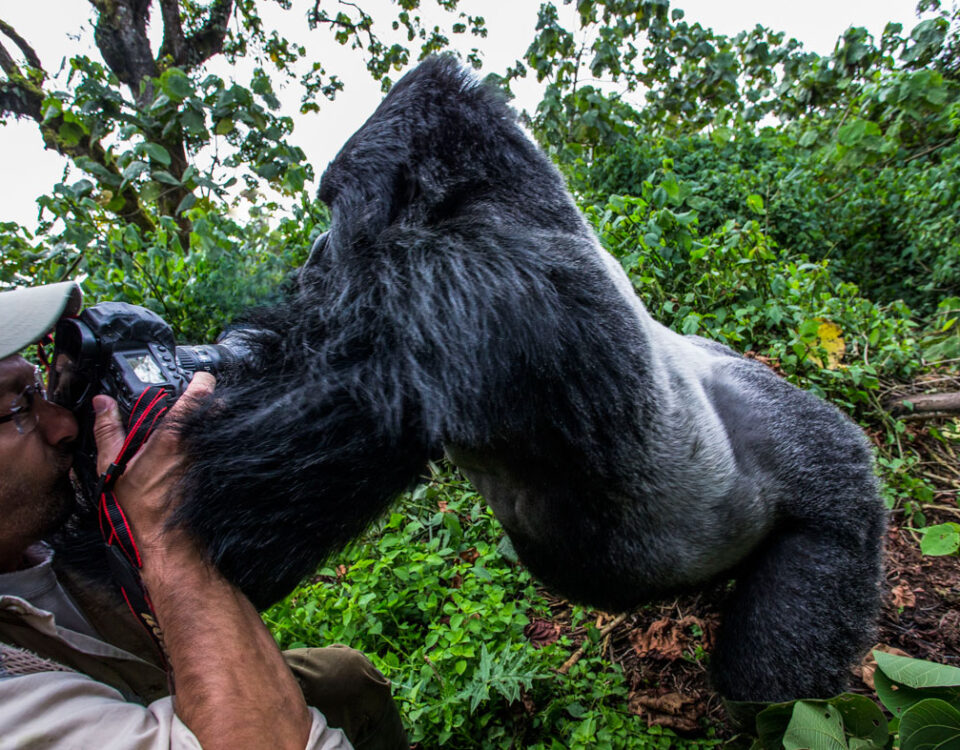
A small daypack should hold drinking water, personal medication, sunscreen, insect repellent and any essentials you need during the walk. Consider hiring a porter if you would like help carrying your bag. Cameras are welcome, but flash photography is prohibited around the gorillas. A warm layer is useful for cool mornings and evenings, especially near the high-altitude parks.
Before departure, reconfirm your permit date, park, reporting point, lodge, transport and current visitor rules. Why do gorilla trekking permit prices differ between Uganda and Rwanda? The rates reflect separate national permit systems, visitor categories and seasonal policies; the right choice comes from comparing the complete itinerary and your priorities. With a confirmed permit, realistic expectations and suitable preparation, you can focus on the mountain forest and the privilege of seeing gorillas responsibly.