What Is the Average Cost of a Three-Day Gorilla Trekking Safari?
November 17, 2026
What Factors Affect the Price of a Gorilla Trekking Holiday?
November 17, 2026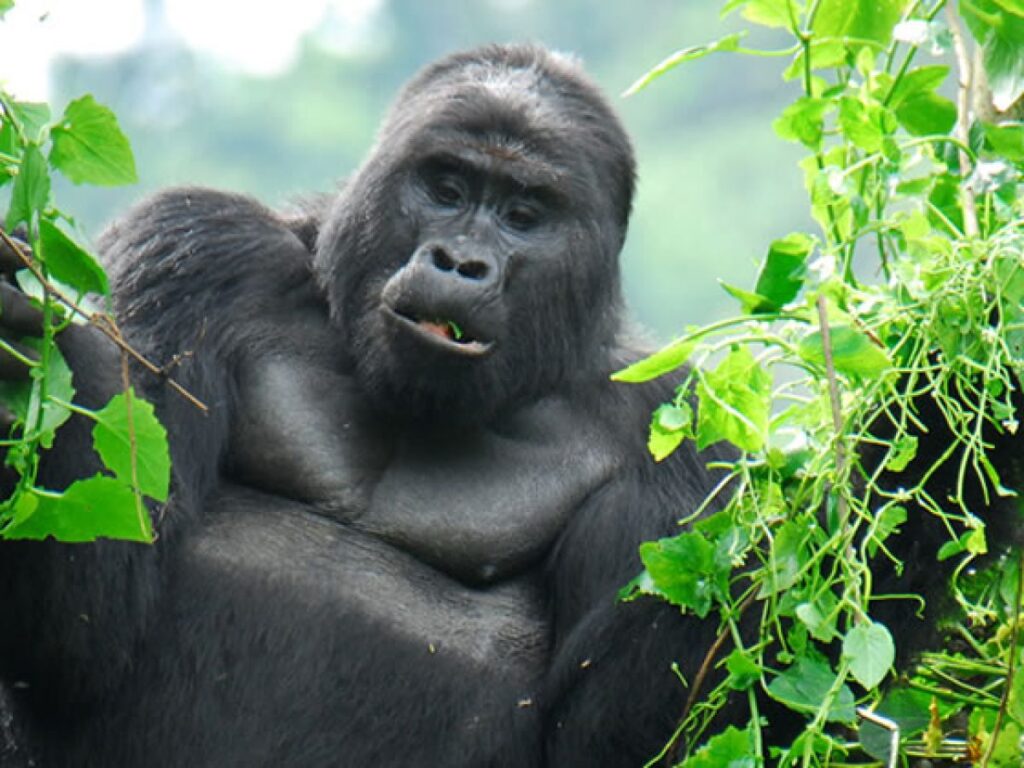
How Much Does a Five-Day Uganda and Rwanda Gorilla Safari Cost?
A five-day Uganda and Rwanda gorilla safari is an exceptional opportunity to explore two of East Africa’s leading wildlife destinations while experiencing the unforgettable beauty of mountain gorillas in their natural environment. This cross-border journey combines the remarkable forests of Uganda with the dramatic volcanic landscapes of Rwanda, giving travellers an opportunity to appreciate two different gorilla trekking experiences within one carefully planned holiday. For visitors asking, How Much Does a Five-Day Uganda and Rwanda Gorilla Safari Cost?, the answer depends mainly on the number of gorilla permits required, accommodation standards, transport arrangements, group size, travel season, and additional activities included in the itinerary. Unlike a safari that visits only one country, this adventure involves international border procedures and logistical arrangements between two destinations, which can influence the final package price.
Discover Two Gorilla Destinations in One African Adventure
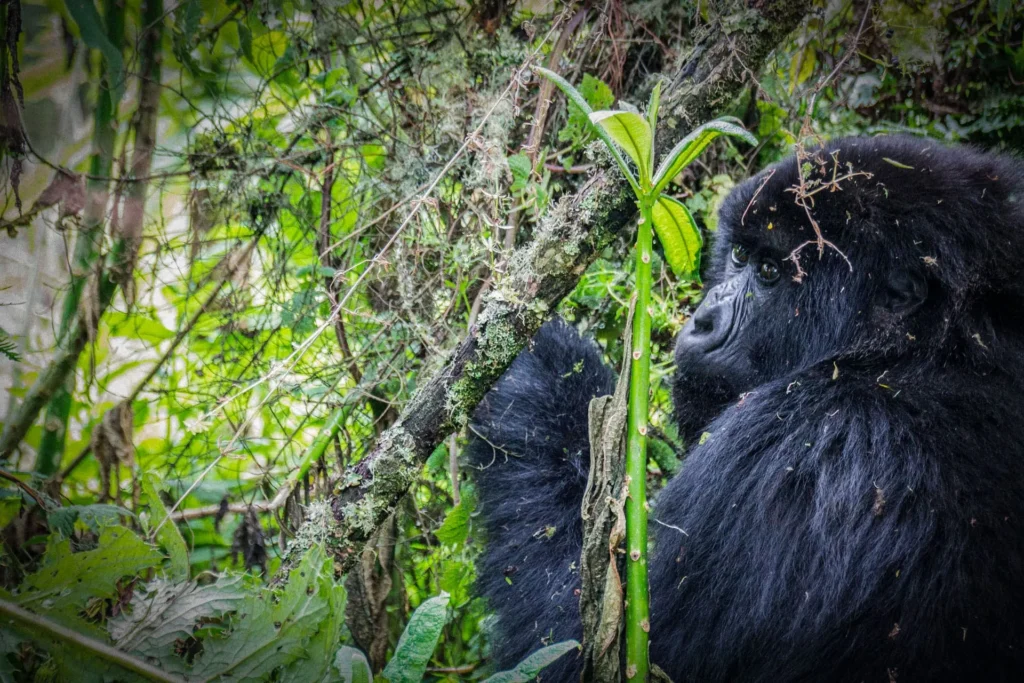
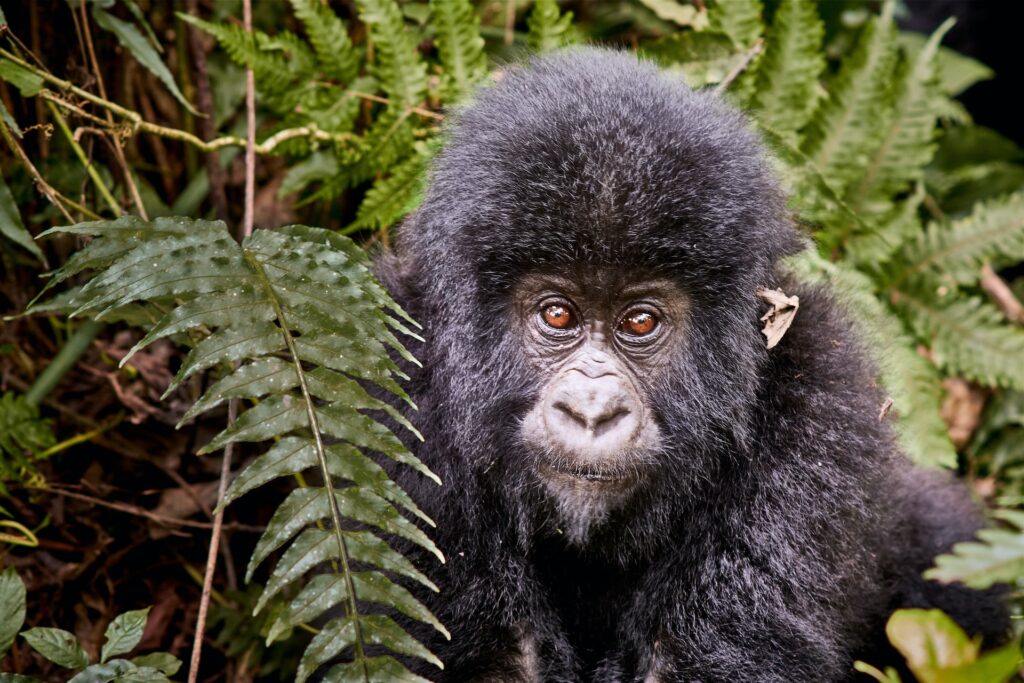
Uganda offers gorilla trekking in Bwindi Impenetrable National Park and Mgahinga Gorilla National Park, while Rwanda provides the experience in Volcanoes National Park. Travelling to both countries creates an opportunity to compare their forest environments, tourism services, and surrounding attractions. A properly arranged itinerary can include one gorilla trek in each country, meaning that visitors should budget for two separate permits per person. This is an important consideration when calculating the overall cost because gorilla permits account for a significant portion of the safari budget. At Frena Adventures Ltd, we encourage travellers to look beyond the headline price and consider the quality of guiding, accommodation, safety arrangements, and responsible tourism practices included in the package. Our goal is to help international visitors plan meaningful Africa Safaris with clear information, realistic expectations, and a smooth travel experience.
How Much Does a Five-Day Uganda and Rwanda Gorilla Safari Cost?
The cost of a five-day Uganda and Rwanda gorilla safari for an international visitor can be estimated at approximately US$4,000–US$6,500 per person for a private, mid-range arrangement with two gorilla treks. This is an indicative planning range rather than a fixed quotation from Frena Adventures Ltd. The final amount may be lower or higher depending on the number of people travelling together, the selected lodges, the availability of permits, and the transport option. Budget-conscious travellers may reduce accommodation and transport expenses by sharing a vehicle and choosing comfortable standard lodges, whereas visitors seeking luxury tented camps, exclusive services, and premium transfers should expect a higher investment. Solo travellers may also pay more because they cannot share the cost of a private vehicle and room with another guest.
For most foreign non-resident visitors, the two gorilla permits are a major part of the total expenditure. Rwanda’s official booking portal lists the standard foreign visitor permit at US$1,500 per person. Uganda’s published 2024–2026 conservation tariff lists the foreign non-resident permit at US$800, although travellers booking after the end of that tariff period should request written confirmation of the applicable rate. A reported Uganda low-season rate may reduce the permit cost for eligible dates, but it should be confirmed with the relevant authority before payment. Using the published standard figures as a planning reference, the two permits together represent approximately US$2,300 per person. These fees are separate from accommodation, meals, transport, border arrangements, and other safari services. Consequently, a reliable quotation should clearly show the permit costs and the services covered by the remaining package price.
What Are the Main Expenses Included in the Safari Cost?
Understanding the individual expenses makes it easier to evaluate how much a five-day Uganda and Rwanda gorilla safari costs and whether a package offers good value. Gorilla trekking permits are usually the largest fixed expense because each traveller requires a separate valid permit for each country’s trekking activity. Accommodation is another important component, with prices varying according to location, facilities, meal arrangements, and comfort level. Lodges near Bwindi Impenetrable National Park and Volcanoes National Park may offer forest views, private bathrooms, restaurants, comfortable rooms, and easy access to trekking starting points. Selecting accommodation close to the relevant park can also reduce unnecessary driving before an early morning briefing.
Transport costs depend on the route, vehicle type, fuel consumption, and number of travellers. A private 4×4 safari vehicle with an experienced driver-guide provides flexibility and makes it easier to coordinate the journey between Uganda and Rwanda. The package may also cover airport transfers, meals, drinking water during road journeys, park-related charges, and assistance with border procedures. Additional expenses can include porter services, personal purchases, tips, travel insurance, visa charges, and optional cultural experiences. Visitors should request an itemised quotation from Frena Adventures Ltd so they can distinguish between included services and expenses payable separately. Such transparency helps prevent misunderstandings and allows travellers to make informed decisions before confirming their safari.
How Does the Five-Day Uganda and Rwanda Gorilla Safari Itinerary Work?
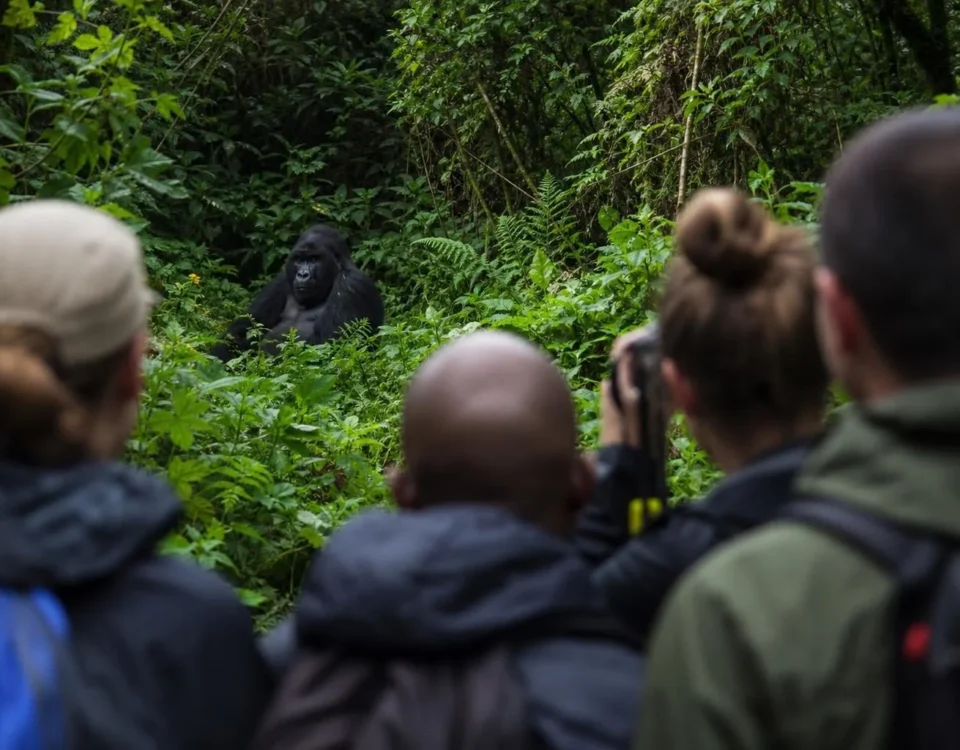
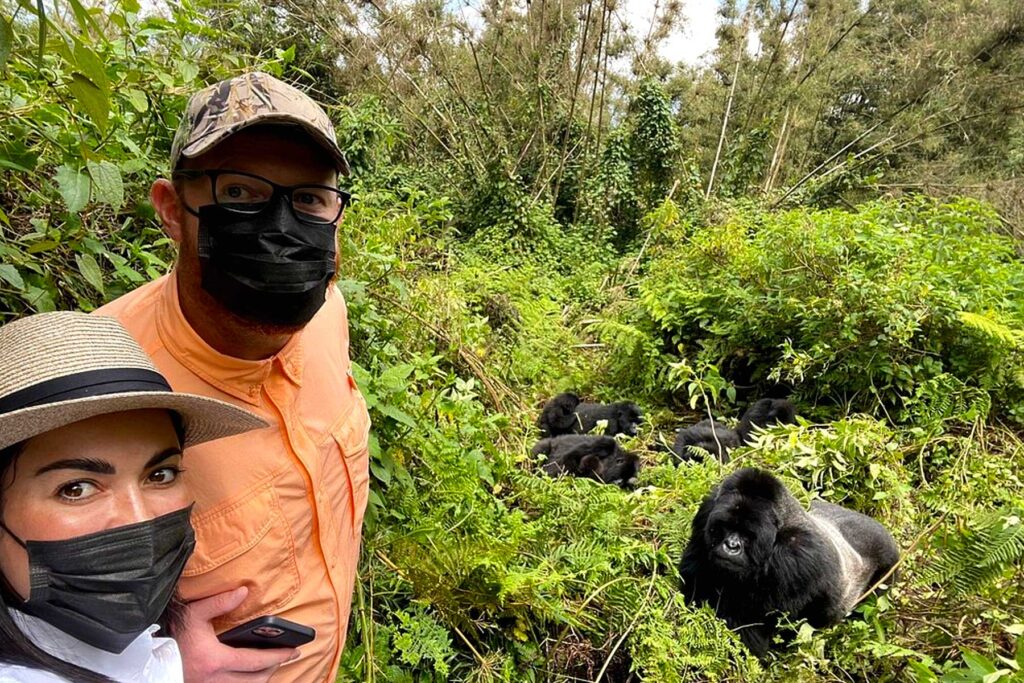
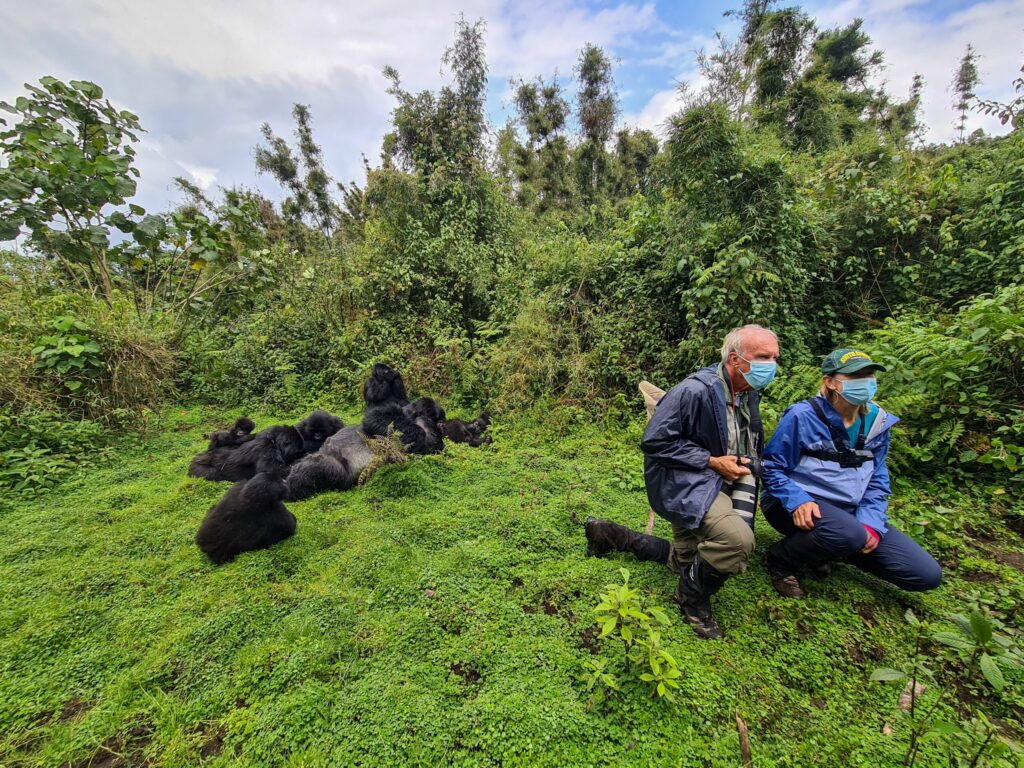
A five-day Uganda and Rwanda gorilla safari requires careful planning because the two trekking destinations are in different countries. One possible arrangement begins in Kigali, Rwanda, where travellers are welcomed by their safari guide before transferring towards the Volcanoes National Park region. The first night can be spent near the park to allow visitors to rest before the trekking activity. On the second day, travellers attend the morning briefing, receive instructions from park staff, and enter the forest with trained guides and trackers in search of a habituated mountain gorilla family. After the trek, the group returns to the lodge for relaxation and an overnight stay. The time spent searching for gorillas varies according to their location and movement in the forest.
The third day is generally reserved for travelling from Rwanda towards southwestern Uganda, using an appropriate border crossing based on the selected trekking sector and road conditions. After completing immigration procedures, visitors continue to accommodation near Bwindi Impenetrable National Park. On the fourth day, they participate in their Uganda gorilla trek, following the instructions of park rangers and observing the gorillas responsibly. The final day can involve a transfer towards Kigali or another agreed departure point, depending on the international flight arrangements. This itinerary is a planning example and may need adjustment to match permit availability, border opening arrangements, road conditions, and flight schedules. Travellers should avoid booking connecting international flights too tightly around the final road transfer.
What Are the Expectations in This Safari?
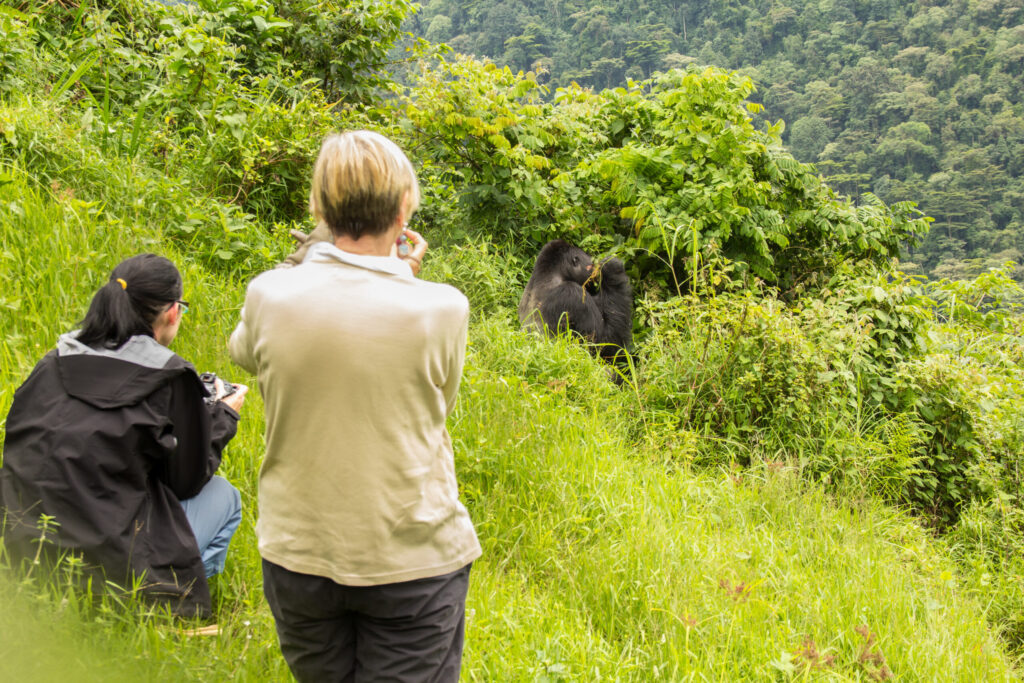
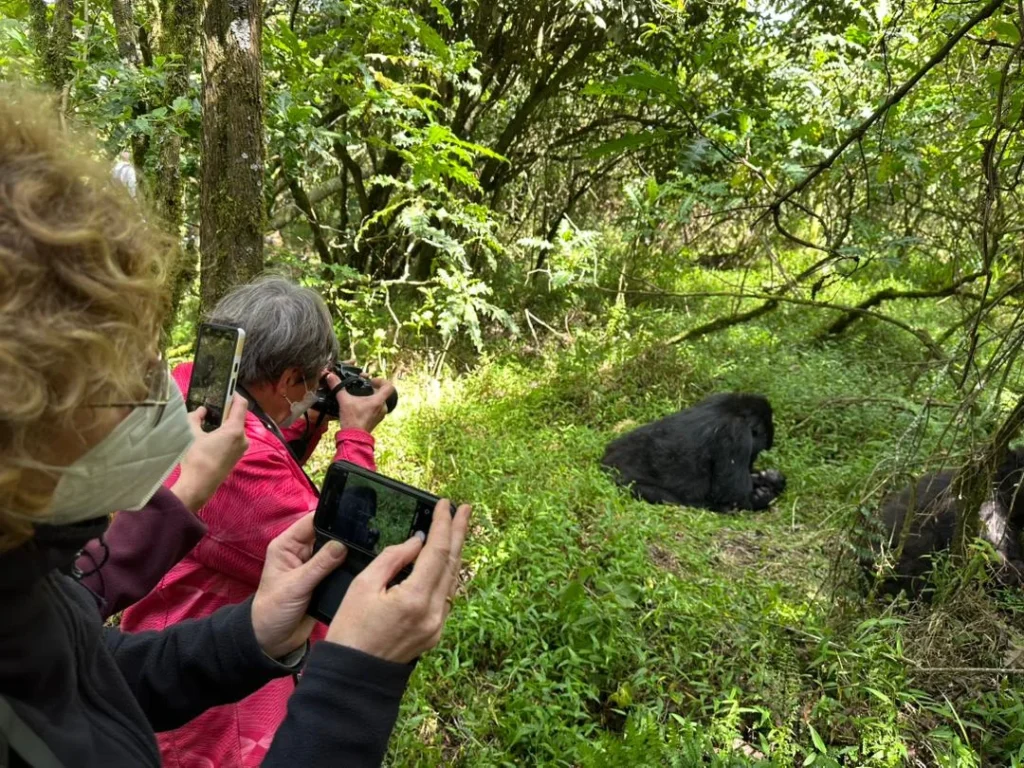
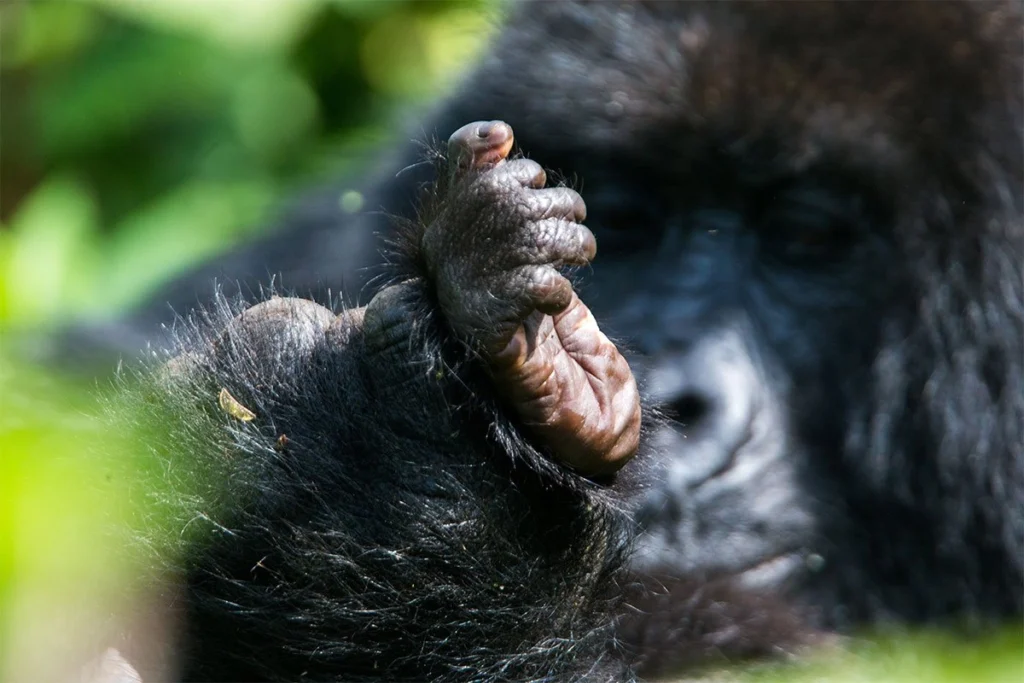
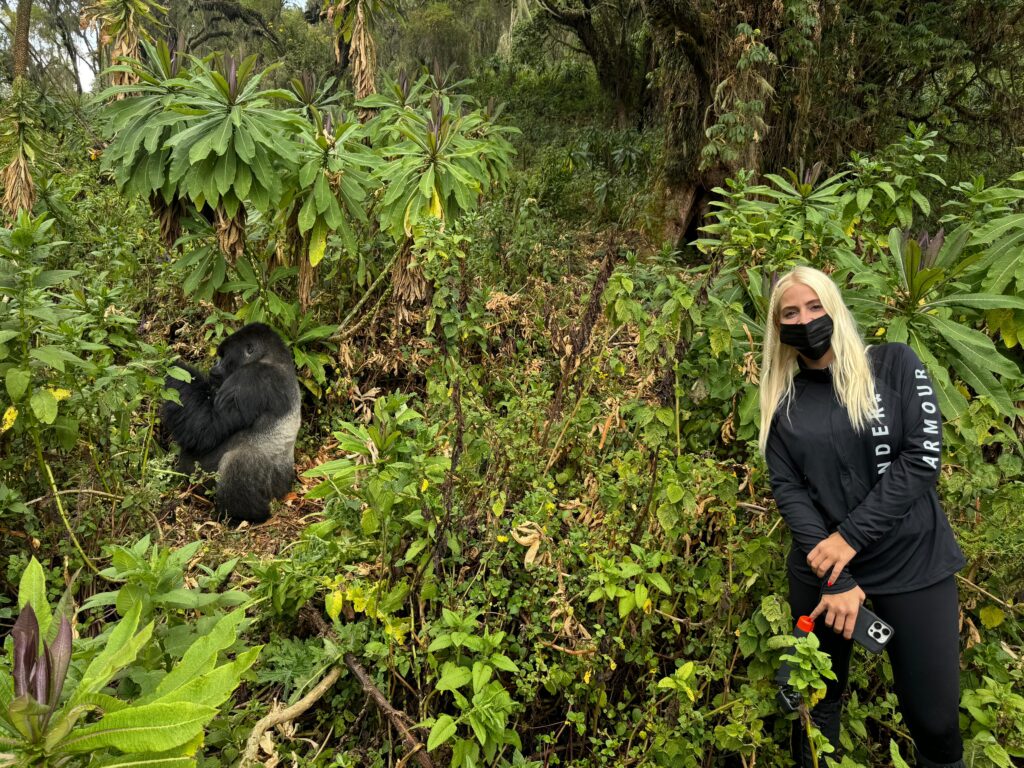
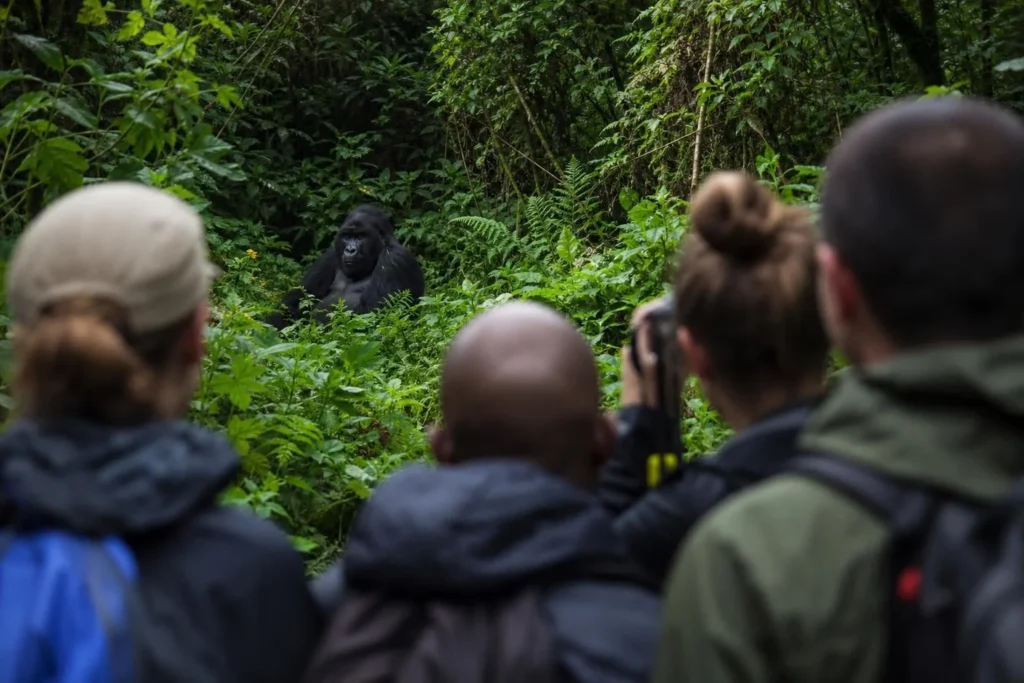
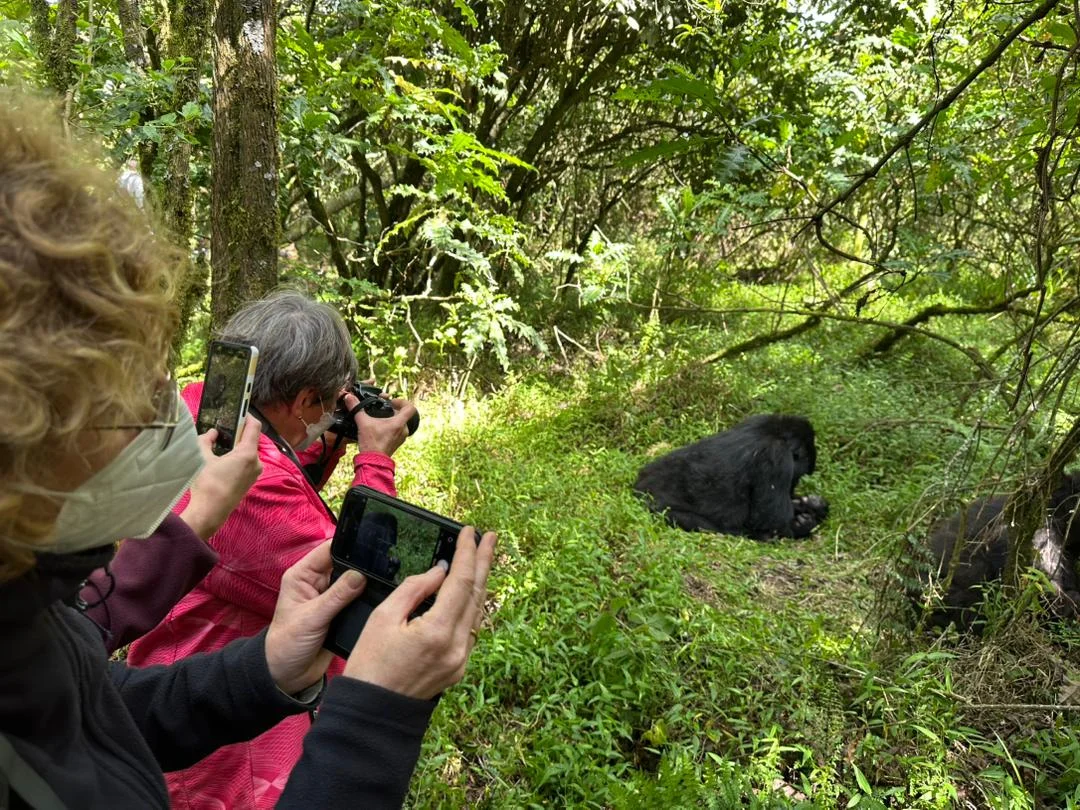
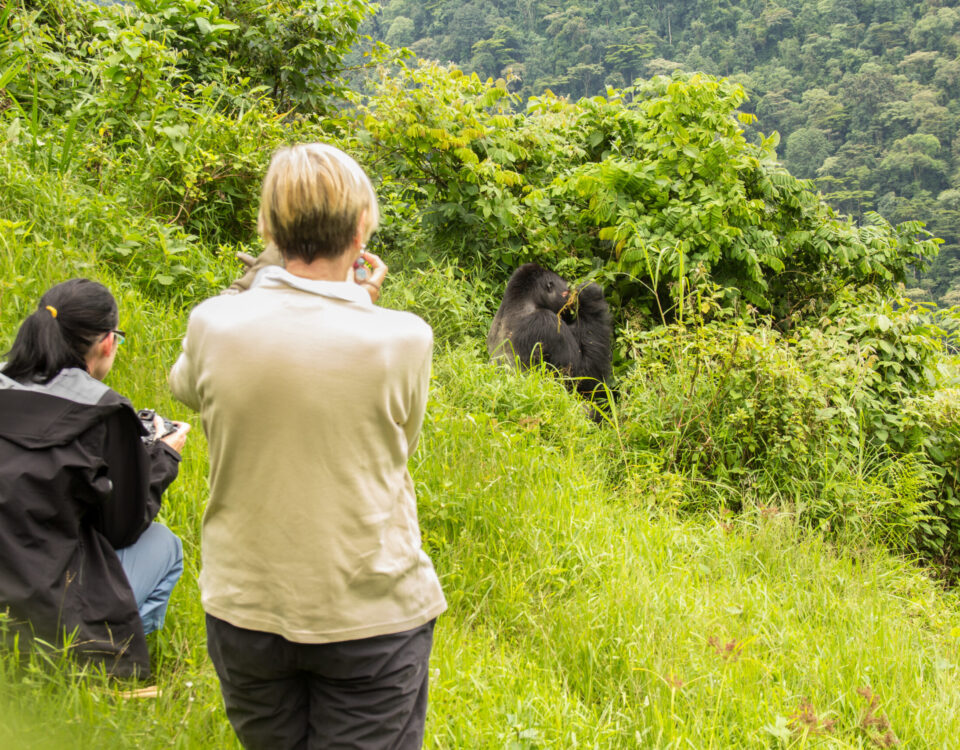
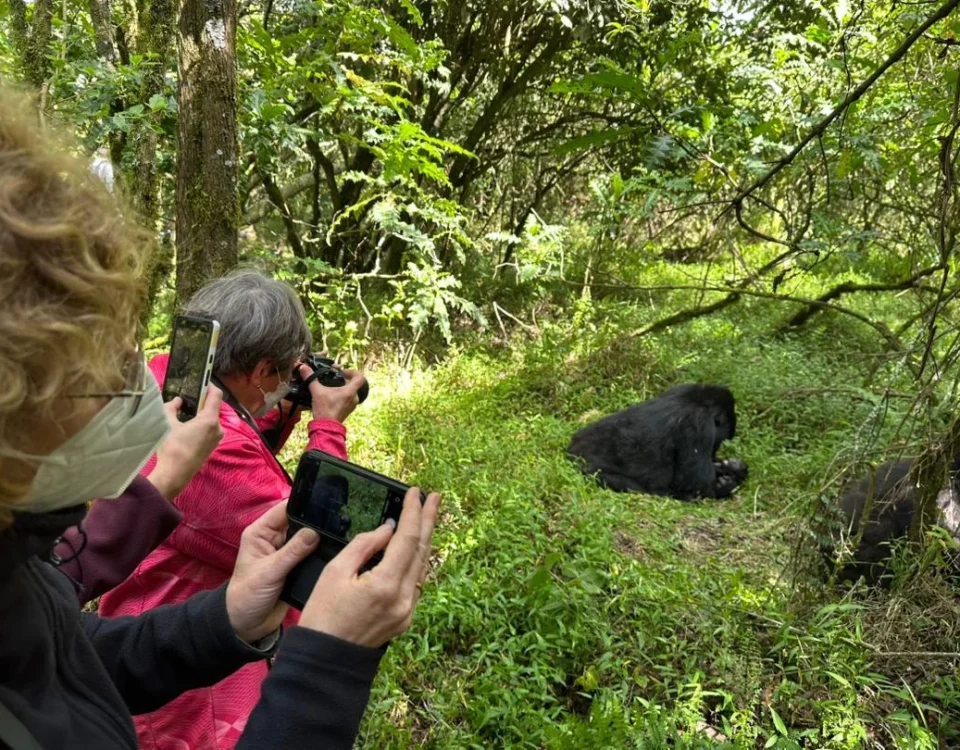
Visitors taking a five-day Uganda and Rwanda gorilla safari should expect an active wildlife adventure rather than a conventional holiday spent entirely in hotels and vehicles. Gorilla trekking involves walking through natural forest environments where trails may be steep, muddy, uneven, or affected by rainfall. The length of each trek is not guaranteed because mountain gorillas move freely through their habitat, and visitors follow the guidance of trained trackers to locate the assigned family. Once the gorillas are found, the standard viewing period is limited and controlled by park authorities. Travellers should listen carefully during the briefing, maintain the required distance, avoid touching wildlife, and follow all instructions from the guides and rangers.
Beyond the trekking activities, the safari provides opportunities to enjoy beautiful mountain scenery, rural communities, forest landscapes, and the cultural character of both countries. Travellers can expect early starts, road transfers, immigration procedures, and changes in altitude and weather. Although the journey is only five days, it can be physically demanding, particularly for visitors who are not accustomed to walking on forest trails. A reasonable level of mobility and preparation is helpful, and travellers can request assistance from a porter during the trek. The experience is also educational because professional guides explain gorilla conservation, forest ecosystems, and the importance of protecting endangered wildlife. By approaching the safari with patience and respect, visitors can enjoy a rewarding encounter while contributing to tourism that supports conservation and local livelihoods.
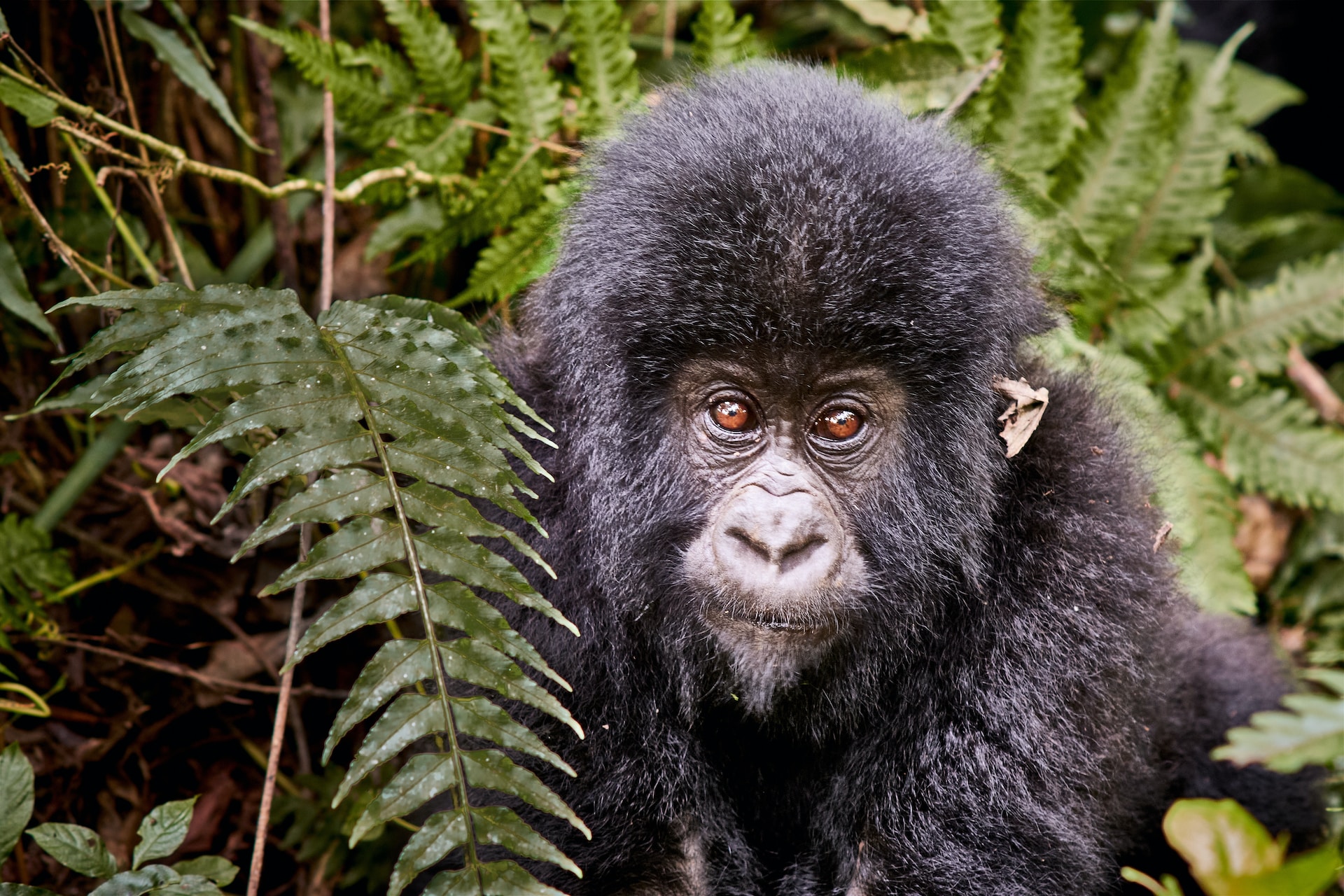
How Much Does a Five-Day Uganda and Rwanda Gorilla Safari Cost?
When Is the Best Time for This Safari?
The best time for a five-day Uganda and Rwanda gorilla safari depends on personal travel preferences, weather conditions, permit availability, and accommodation choices. Many visitors prefer the drier periods, particularly from June to September and December to February, when forest trails may be easier to navigate and road transfers are generally more manageable. These months are popular with international travellers, so demand for permits and accommodation can be high. Anyone planning to travel during these periods should arrange the safari well in advance, especially when intending to trek in both countries. Early planning gives the operator more flexibility when selecting suitable trekking dates and accommodation near the parks.
Rainfall is possible throughout the year because both destinations contain tropical forest environments. The wetter months can bring slippery paths and more challenging trekking conditions, but they also offer lush vegetation and beautiful scenery. Some travellers prefer quieter travel periods, when accommodation choices may be more flexible, although weather conditions should be considered carefully. Uganda may have specific seasonal permit promotions, while Rwanda also offers promotional permit categories subject to eligibility and date restrictions. These offers should never be assumed to apply automatically to every visitor. Frena Adventures Ltd can help travellers compare available dates, verify the applicable permit categories, and select a suitable travel period based on their priorities.
Why Choose Frena Adventures Ltd for This Particular Safari?
Choosing an experienced safari operator is important when planning a five-day Uganda and Rwanda gorilla safari because the journey involves two national tourism systems, separate permit arrangements, accommodation reservations, road transfers, and international border procedures. Frena Adventures Ltd aims to make the planning process straightforward by helping travellers understand the route, costs, and practical requirements before departure. A well-organised safari should be built around confirmed trekking permits rather than relying on assumptions about availability. This is particularly important for visitors who want to experience gorilla trekking in both countries within a limited number of days.
Our approach focuses on clear communication, suitable accommodation recommendations, professional guiding arrangements, and itineraries that reflect the traveller’s interests and budget. We believe that quality Kenya Tours, Kenya Adventures, and Kenya Safaris content should also encourage visitors exploring East Africa to appreciate the region as a connected tourism destination. Travellers who have additional time may consider extending their holiday to include Kenya’s wildlife reserves, scenic landscapes, and cultural attractions. Whether visitors are planning their first African adventure or returning to discover more of the continent, Frena Adventures Ltd seeks to provide useful guidance and responsible travel planning. Before confirming a booking, clients should receive a written quotation outlining the permits, accommodation, transport, meals, inclusions, exclusions, payment conditions, and cancellation terms.
What Should You Pack for a Five-Day Uganda and Rwanda Gorilla Safari?
Packing appropriately can make a five-day Uganda and Rwanda gorilla safari more comfortable, especially because visitors will be walking through natural forest environments and travelling between two countries. Lightweight, long-sleeved clothing is useful for covering the arms and legs, while comfortable trousers help protect against vegetation along the trails. Waterproof hiking boots with good grip are recommended because forest paths can become muddy or slippery. Travellers should also carry a lightweight rain jacket, warm clothing for cool mornings, and a small daypack for personal essentials. Gardening-style gloves may be useful for holding vegetation where permitted, but visitors should avoid damaging plants or leaving marked trails.
Other useful items include a refillable water bottle, sunscreen, insect repellent, a hat, personal medication, and a camera or phone with sufficient battery power. Binoculars may be helpful for enjoying other wildlife and scenery, although they are not essential for the gorilla encounter. Keep important travel documents, including your passport, visa documentation, permit confirmation, and travel insurance details, safely accessible. Visitors should check the latest entry requirements for both countries before departure and confirm whether their route requires an appropriate multiple-entry visa. A yellow fever vaccination certificate may be required depending on the traveller’s recent travel history and applicable entry rules. Packing light is advisable because the itinerary includes road transfers and border crossings.
Final Thoughts: Is a Five-Day Uganda and Rwanda Gorilla Safari Worth the Cost?
A five-day Uganda and Rwanda gorilla safari is a valuable choice for travellers who want to experience two of Africa’s leading mountain gorilla destinations in one holiday. Although the cost is higher than visiting only one country, the opportunity to trek in both Uganda and Rwanda creates a distinctive wildlife experience. The main financial consideration is the cost of two separate gorilla permits, followed by accommodation, private transport, meals, and cross-border logistics. For international visitors, an indicative budget of US$4,000–US$6,500 per person provides a useful starting point for a private mid-range journey, but a personalised quotation is necessary before making a final decision.
Ultimately, the best safari is not simply the one with the lowest advertised price; it is the one that provides transparent costs, confirmed permits, appropriate accommodation, reliable transport, and responsible wildlife experiences. Frena Adventures Ltd encourages travellers to plan ahead, verify current permit charges, and select an itinerary that allows enough time for safe and comfortable transfers. With thoughtful preparation, this journey can become a memorable introduction to Uganda, Rwanda, and the wider East African tourism experience.


East Africa with guided safari vacations while witnessing the beautiful
memorable impressions by incredible, Authentic African journeys in
Uganda | Kenya | Rwanda and Tanzania.

in the Pearl of Africa. Uganda Safari Holidays
offer travelers an extraordinary opportunity to explore
one of Africa’s most diverse and rewarding safari destinations.


Over 1,078 Bird Spices
Lake Bunyonyi