Can You Go Gorilla Trekking in Uganda and Rwanda Throughout the Year?
November 6, 2026
Which Months Offer the Best Weather for Gorilla Trekking?
November 6, 2026
Is Gorilla Trekking Possible During the Rainy Season?
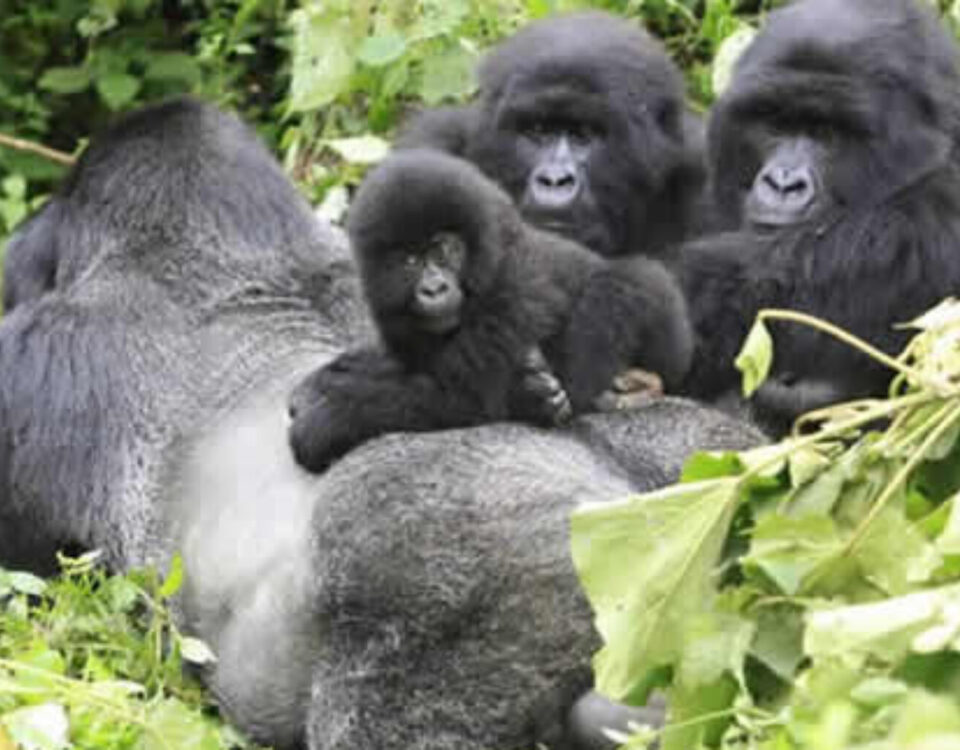
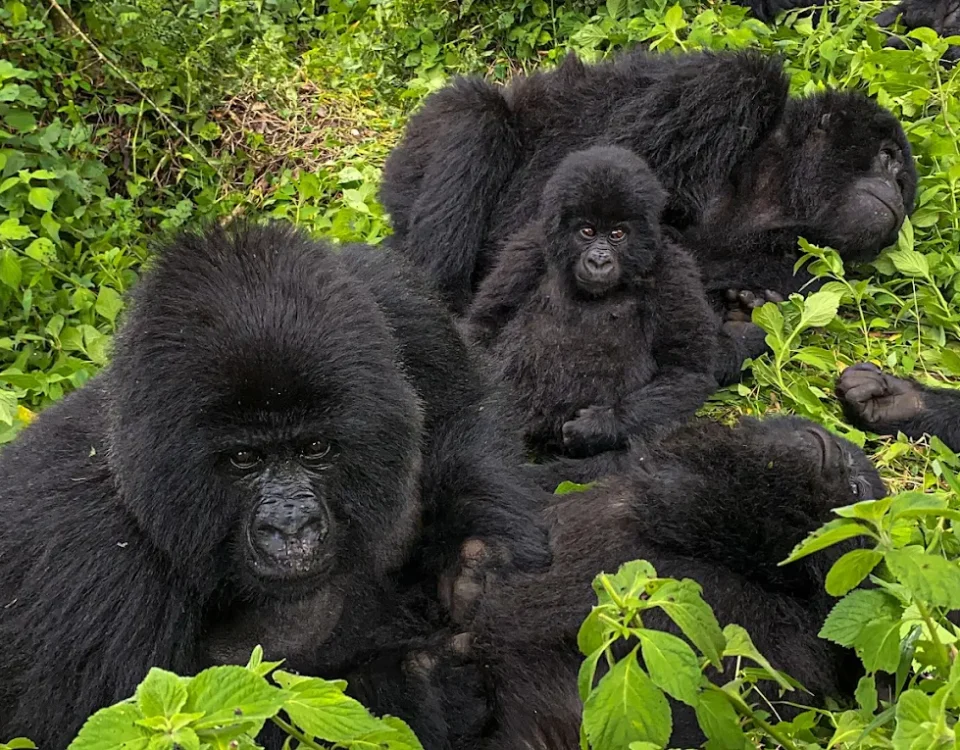
Is Gorilla Trekking Possible During the Rainy Season? Yes. Gorilla trekking takes place in Uganda and Rwanda during rainy months as well as drier ones, provided permits are available and the parks are operating. In Uganda, visitors track mountain gorillas in Bwindi Impenetrable National Park and Mgahinga Gorilla National Park. Rwanda’s gorilla trekking takes place in Volcanoes National Park. Rain does not automatically cancel a trek, but it can affect the trail, the time needed to walk and the level of preparation required.
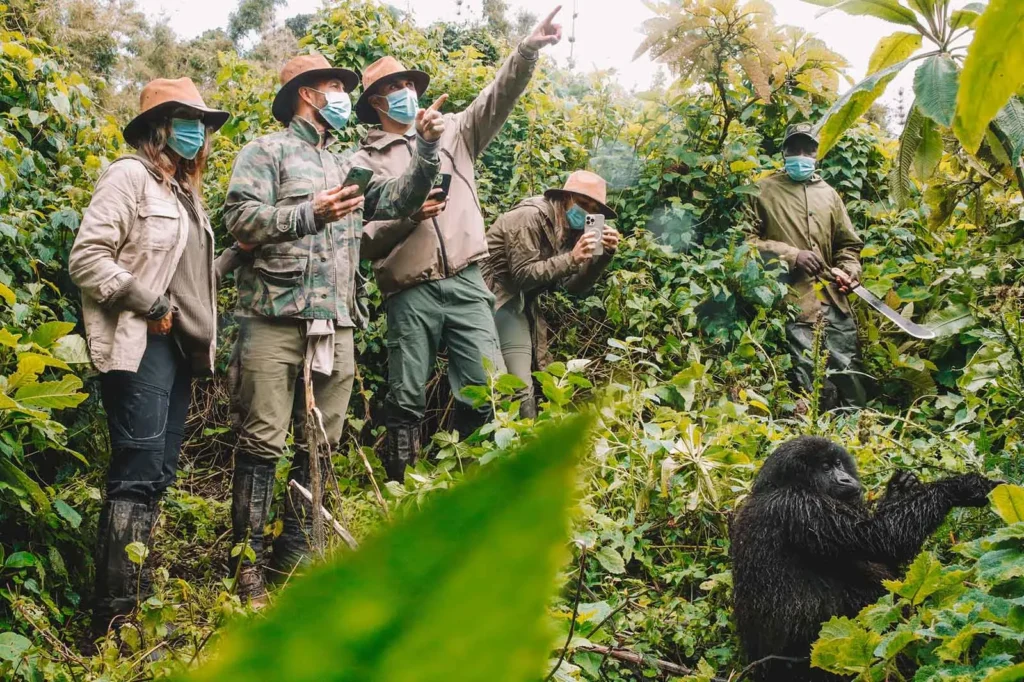
The forest parks sit in highland environments where weather can change quickly. Showers may arrive even in a generally dry period, while a rainy-season morning can sometimes begin with clear skies. Wet ground, steep slopes, mud and thick vegetation may make parts of the hike more demanding. A trek’s length also depends on where the gorilla family has moved; a rainy day does not necessarily mean a longer walk, and a dry day does not guarantee an easy one. Uganda Wildlife Authority (UWA) says gorilla tracking in Uganda may take about two to seven hours, followed by one hour with a habituated gorilla family. See UWA’s gorilla tracking guidance. Rwanda’s official information similarly sets a one-hour viewing period and explains visitor rules. Review Rwanda’s gorilla tracking guidance. With suitable clothing, a flexible schedule and guidance from park staff, travelers can consider a rainy-season trek while respecting the conditions of the forest.
How Does Rain Affect the Trek?
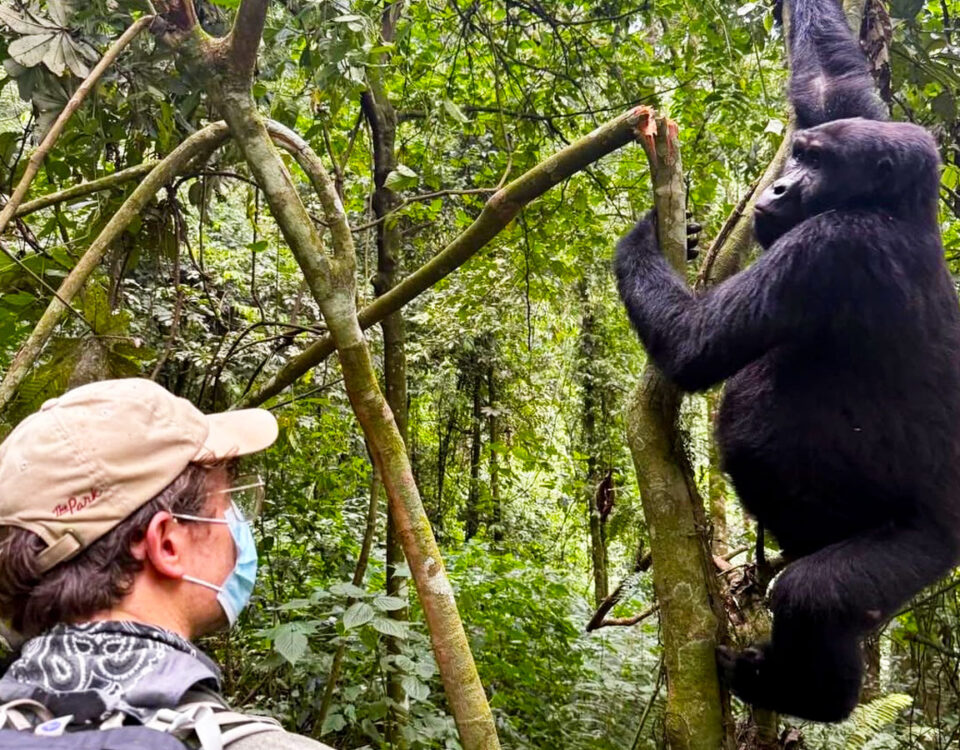
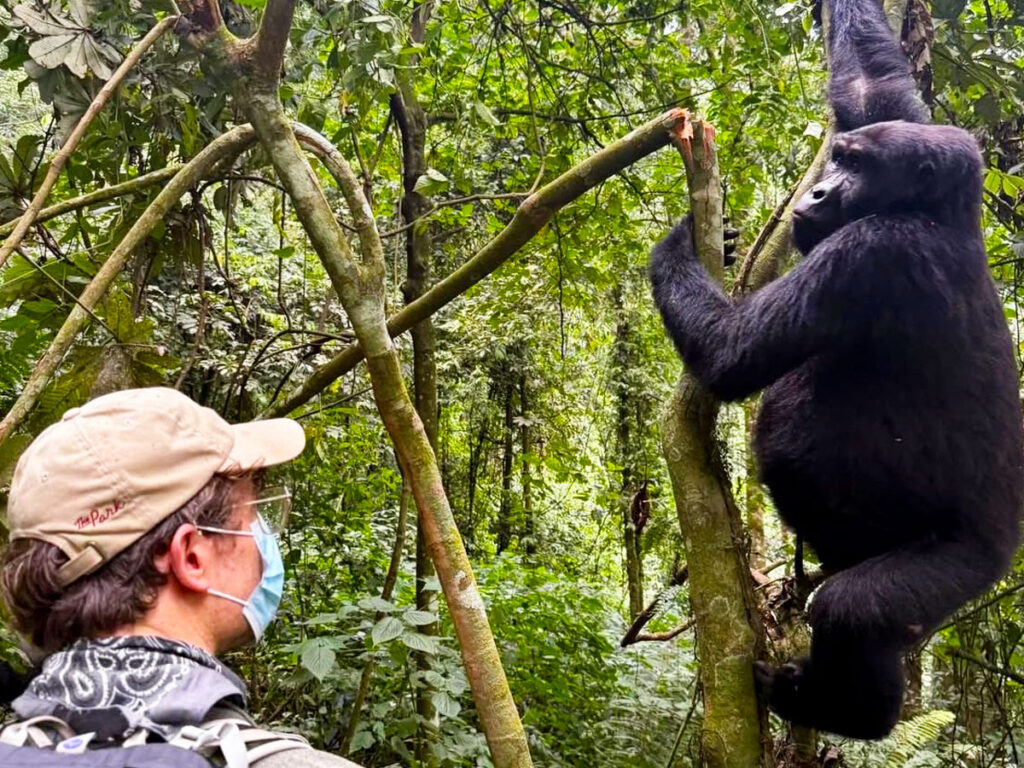
Is Gorilla Trekking Possible During the Rainy Season? It is possible, but visitors should expect the forest to be wetter and some trails to be more slippery. Rain can soften the soil, obscure roots and rocks, and make downhill sections require extra care. In dense vegetation, branches and leaves may brush against clothing, while damp air and mist can reduce visibility. A waterproof jacket and good footwear are therefore useful throughout the year, not only during the wettest months. A porter may also be available for a local fee to carry your daypack or help you manage difficult sections.
Rain does not necessarily spoil the experience. The forest can look especially green and vibrant, streams and vegetation may be active, and mist can create a dramatic mountain atmosphere. However, photographs may be harder in low light, and wet conditions can affect comfort and pace. It is wise to leave room in your itinerary for the hike to take longer than expected. Avoid scheduling a tight transfer or an international flight immediately after trekking. In Rwanda, official guidance asks visitors to report to the park registration centre at 7:00 a.m., so staying near Volcanoes National Park the night before can help you arrive without rushing. RDB’s visitor information outlines the briefing time and practical recommendations. Conditions differ between Uganda’s Bwindi and Mgahinga parks and Rwanda’s Volcanoes National Park, so ask for advice based on your specific permit and accommodation location. Careful planning makes it easier to adapt if rain affects the road journey or the forest walk.
What Are The Expectations in This Safari?
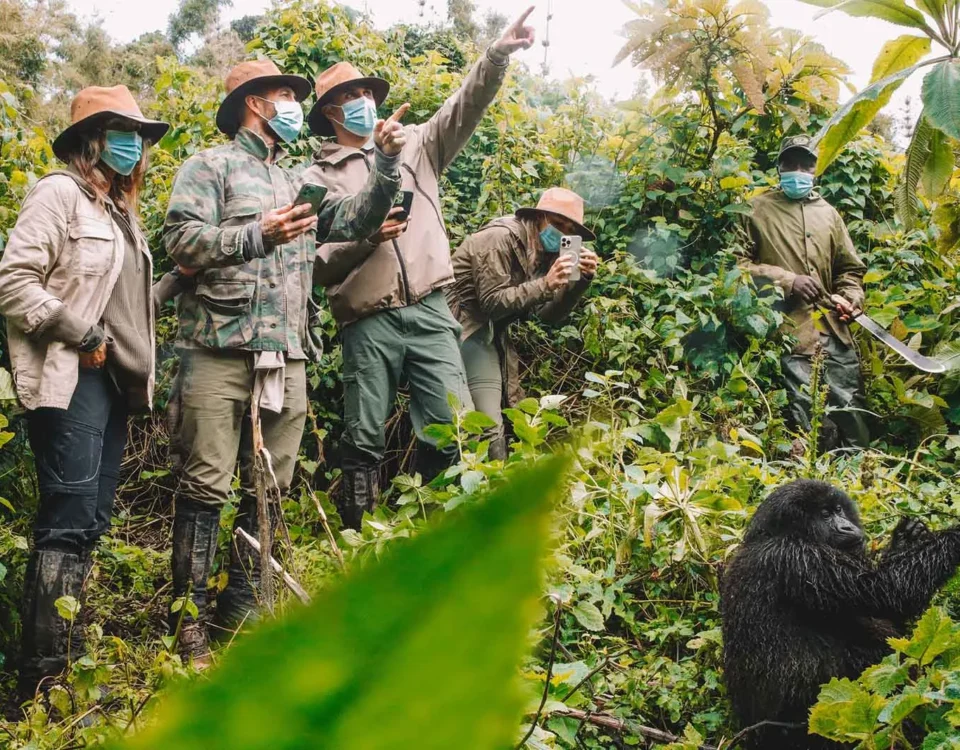
Is Gorilla Trekking Possible During the Rainy Season? Yes, but a traveler should prepare for an outdoor hike rather than a predictable walk along a smooth path. Each trek begins with a briefing, followed by a guided search through the forest. Trackers and guides locate the gorilla family and lead the group to it, while the terrain and distance vary with the animals’ movements. Steep slopes, roots, mud, dense plants and changes in elevation are all possible. Once the group reaches the gorillas, viewing time is limited to one hour. The aim is to observe them calmly in their natural habitat, not to approach or disturb them.
Visitors must follow all ranger instructions and conservation rules. Keep your voice low, maintain the distance required by the park, avoid flash photography and do not touch, feed or surround the gorillas. Anyone with a cold, flu or another contagious illness should not trek, because human diseases can pose a serious risk to gorillas. Rwanda’s official guidance sets the minimum tracking age at 15 and advises that visitors who are ill should not enter the park. Read the RDB rules before travel. Moderate fitness and mobility can make the hike more comfortable, but you do not have to be an expert mountaineer. Discuss any health, mobility or equipment needs with your safari planner before confirming your trip. Travelers should also allow time for rest after the trek. A well-paced itinerary is particularly valuable in rainy weather, when the group may move carefully and the trail may take longer to complete.
When Is The Best Time for This Safari?
Is Gorilla Trekking Possible During the Rainy Season? Absolutely, though the best time for an individual traveler depends on their priorities. Uganda and Rwanda have drier and wetter periods, but neither country’s mountain forests should be treated as reliably dry. Rwanda’s principal dry season is generally June to mid-September; its main rainy periods are mid-February to May and mid-September to mid-December. Visit Rwanda notes that paths and roads are generally easier to navigate in the June-to-mid-September dry season, although light rainfall can still occur. Visit Rwanda’s weather overview provides a useful summary.
Uganda commonly has drier windows from December to February and June to August, with rainfall patterns varying across the southwest. UWA notes that Bwindi can be visited any time of year and recommends bringing wet-weather gear. Consult the UWA Bwindi guide. Drier months can be attractive if you prefer firmer trails, but they are popular and permits or preferred lodges may be in higher demand. Rainy months can suit travelers with flexible dates who are comfortable walking in wet conditions. Regardless of your chosen season, book the permit before making non-refundable arrangements and check the exact park, sector and briefing location. Kenya Tours, Kenya Adventures and Kenya Safaris can be added to a wider East African holiday, but each activity has its own seasonal conditions and logistics. For a multi-country trip, consider the climate and transfer time at every destination rather than assuming a single month will offer ideal weather everywhere.
What to Pack for a Rainy-Season Gorilla Trek?
Is Gorilla Trekking Possible During the Rainy Season? Yes, and thoughtful packing helps you stay more comfortable on a wet trail. Choose sturdy, broken-in hiking boots with deep tread and reliable grip. Waterproof footwear can be helpful, but boots should fit well and support your ankles. Wear long trousers and a long-sleeved shirt to protect your skin from vegetation and nettles. A lightweight waterproof jacket or poncho is essential, and gaiters can keep mud and water from entering your boots. Gardening gloves may help protect your hands when holding branches for balance, but avoid damaging plants and follow your guide’s instructions.
Pack a small day bag with drinking water, personal medication, a camera or phone, spare batteries, sunscreen and insect repellent. A waterproof bag or cover can protect electronics and documents. Bring a modest snack for the hike, but do not eat or drink near the gorillas; follow the park briefing on where this is permitted. Flash photography is not allowed. Layered clothing is useful because mornings can be cool and conditions may change as you climb. Keep your permit confirmation and identification accessible, and avoid carrying heavy items you do not need. Porters may be available for a fee at the park, helping you carry equipment while supporting local livelihoods. Rwanda’s visitor advice recommends sturdy walking shoes, protective clothing and rain gear for gorilla tracking. See Visit Rwanda’s clothing guidance. Check current requirements before departure, as official instructions can change.
Why Choose Us For This Particular Safari?
Is Gorilla Trekking Possible During the Rainy Season? Planning a trek in wet weather requires honest guidance about trail conditions, transfer times and the limits of what an operator can control. Frena Adventures Ltd can help you compare Uganda and Rwanda, check the practical details of your preferred dates and organize accommodation and transport around the confirmed permit. We can also help you decide whether to build in extra rest time, add a buffer night or combine your trek with other experiences. Advice should be based on your specific route, fitness, interests and travel schedule—not on a promise of clear skies or an easy hike.
Before booking, ask which permit is included, where you will stay before trekking, what time you need to be at the briefing and how long the drive is expected to take. Share any mobility considerations or concerns about wet-weather hiking in advance. Visitors interested in adding Kenya Safaris, Kenya Tours or other Kenya Adventures can discuss a broader itinerary, with the understanding that cross-border travel requires careful coordination and separate park arrangements. Frena Adventures Ltd can provide practical planning support and clarify the services agreed in your itinerary. The park authority and rangers make operational decisions, and weather and gorilla movements remain outside a tour operator’s control. Transparent planning helps you prepare for those uncertainties and focus on a respectful encounter with mountain gorillas.
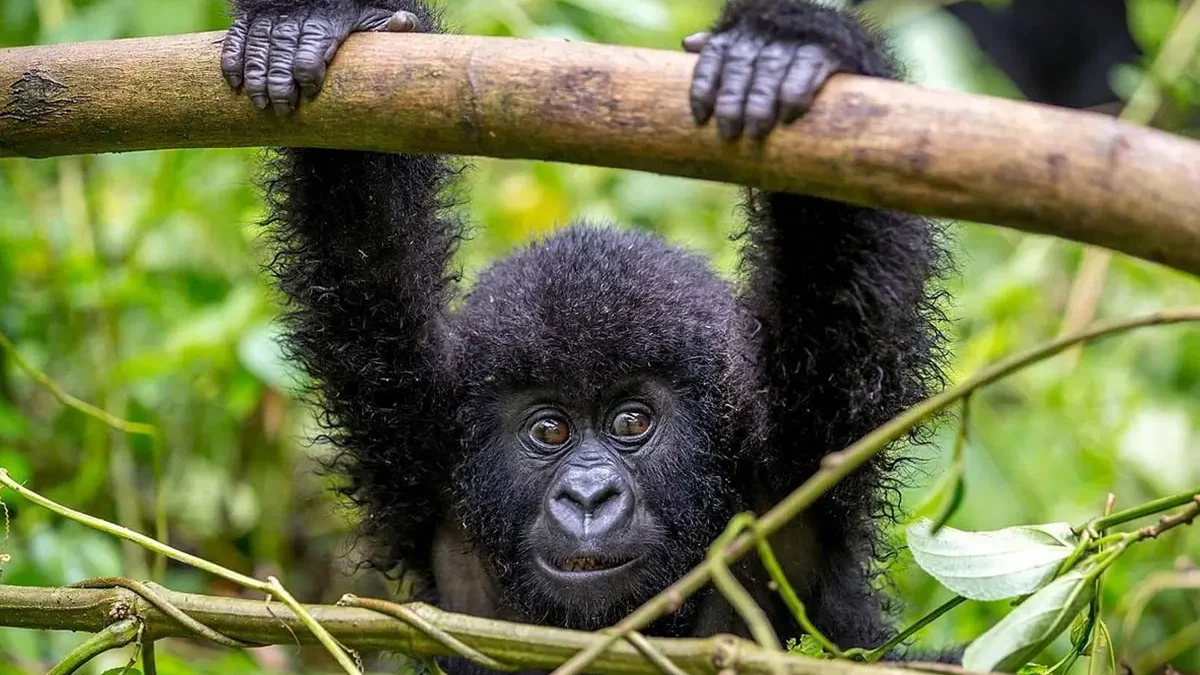
Is Gorilla Trekking Possible During the Rainy Season?
What Should You Remember Before Booking?
Is Gorilla Trekking Possible During the Rainy Season? Yes—rain alone does not make gorilla trekking impossible. The parks receive visitors throughout the year, and rainy-season travel can be rewarding for people who are prepared for mud, moisture and changing mountain conditions. At the same time, a wet trail can require more care and time, so travelers should be comfortable with a flexible schedule and suitable hiking equipment. Drier months may offer easier footing, but they cannot guarantee sunshine or a short trek.
Confirm your permit and accommodation before arranging non-refundable travel, stay near the correct park entrance before the trek and leave plenty of time for the briefing and hike. Pack waterproof layers, wear proper boots and follow the guidance of park staff. Most importantly, do not trek when you are unwell with a contagious illness; protecting gorilla health is part of responsible tourism. With realistic expectations and early preparation, a rainy-season gorilla safari in Uganda or Rwanda can still be a meaningful wildlife experience. Frena Adventures Ltd can help you assess the route and plan the details around your dates and travel preferences.