Can You Transfer, Cancel, or Reschedule a Gorilla Trekking Permit?
November 5, 2026
Is Gorilla Trekking Possible During the Rainy Season?
November 6, 2026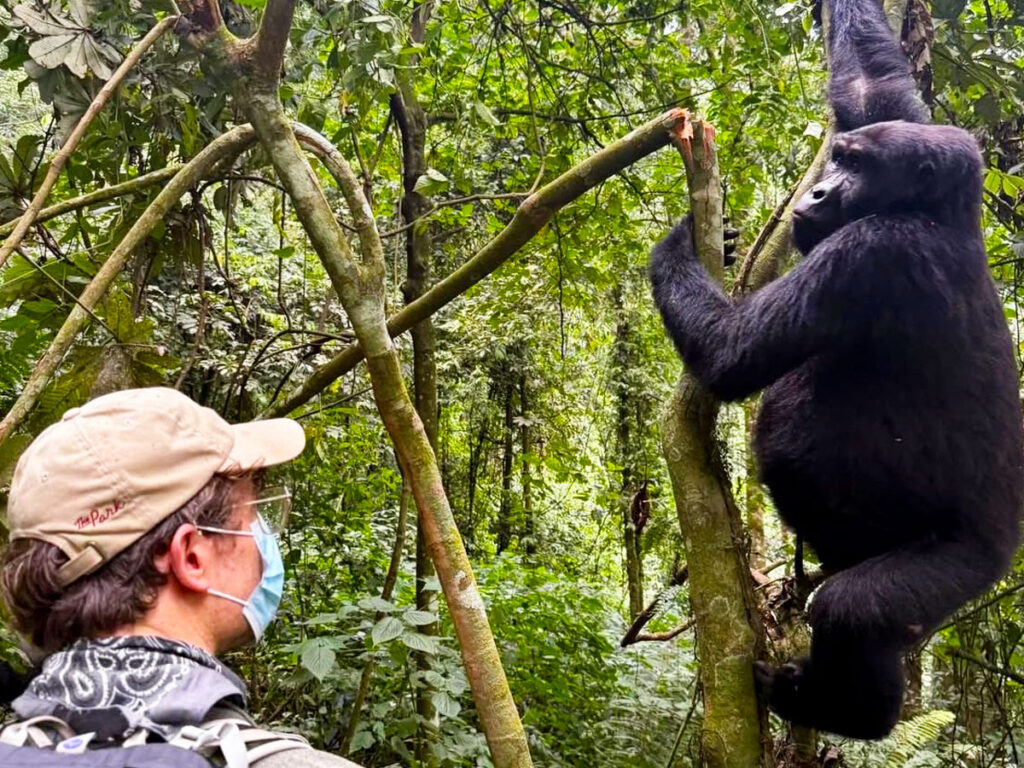
Can You Go Gorilla Trekking in Uganda and Rwanda Throughout the Year?
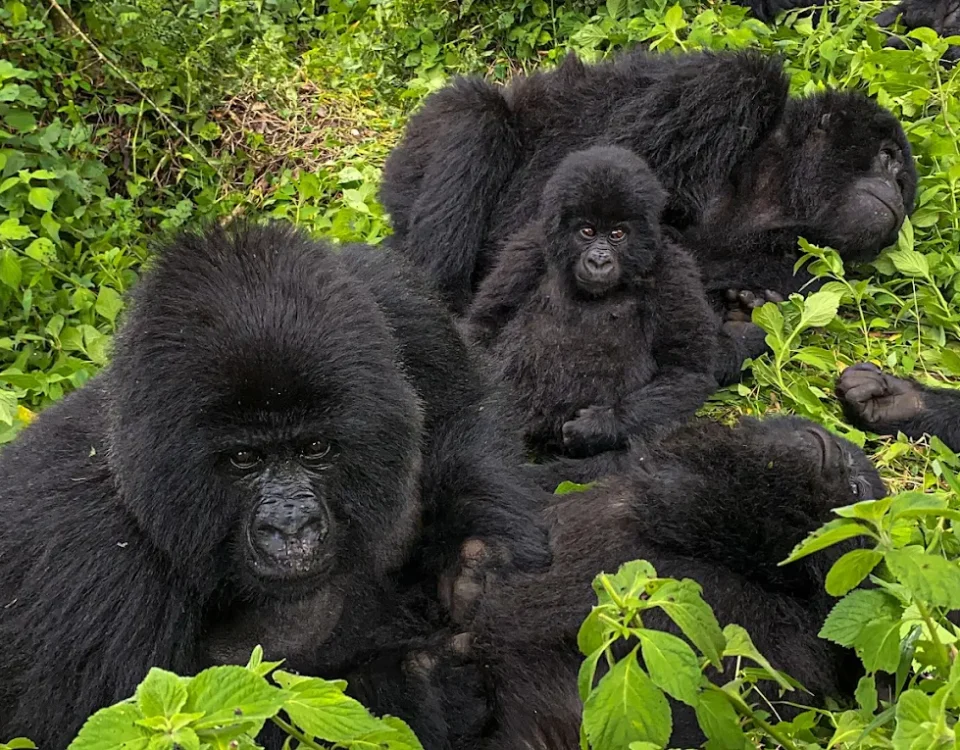
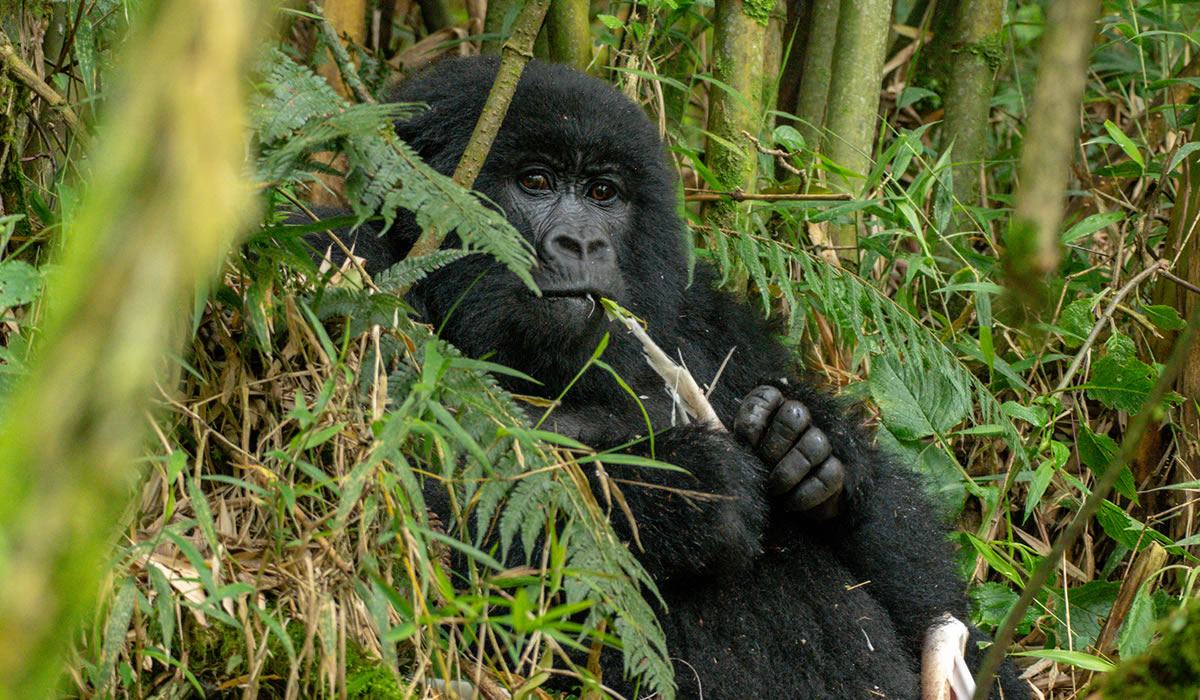
Can You Go Gorilla Trekking in Uganda and Rwanda Throughout the Year? In general, yes. Gorilla trekking is offered throughout the year in Uganda and Rwanda, subject to permit availability, park operations and current conservation rules. Uganda’s treks take place in Bwindi Impenetrable National Park and Mgahinga Gorilla National Park. Rwanda’s mountain gorilla trekking takes place in Volcanoes National Park. The parks do not close simply because a rainy season has begun, but weather can change the effort, comfort and timing involved in a trek.
Year-round access does not mean that every date has permits available or that every visitor can trek regardless of health or park conditions. Gorilla permits are limited, and travelers should confirm availability before booking flights or non-refundable accommodation. Rwanda’s official booking system says reservations are made on a first-come, first-served basis, while Uganda Wildlife Authority (UWA) identifies both Bwindi and Mgahinga as gorilla tracking destinations. UWA’s gorilla tracking guide and Rwanda’s official tracking information are useful starting points. The key planning question is therefore not only whether trekking happens all year, but which season best fits your travel style, fitness, budget and wider itinerary. This guide from Frena Adventures Ltd explains how rainfall affects the experience, what to expect on the trail, when to travel and how to prepare for a responsible gorilla safari.
How Do the Seasons Affect Gorilla Trekking?
Can You Go Gorilla Trekking in Uganda and Rwanda Throughout the Year? Yes, but the experience can feel different from one season to another. Both countries have relatively drier and wetter periods, and the forest environment remains changeable even during months that are generally considered dry. In Rwanda, the main dry season typically runs from June to mid-September, with a shorter drier period around January and February. The wetter periods are generally mid-February to May and mid-September to mid-December. Visit Rwanda notes that roads and paths tend to be easier to navigate during the June-to-mid-September dry season, although occasional light rain can still occur. See Visit Rwanda’s weather guide.
In Uganda, dry-season windows are commonly described as December to February and June to August. Rainfall patterns differ by park and elevation; Bwindi and Mgahinga are mountainous forest environments, so rain, mist and damp ground are possible at any time. UWA confirms that Bwindi can be visited year-round and advises travelers to prepare for wet weather. Read UWA’s Bwindi park guide. Drier months may mean firmer trails and more convenient road transfers, but they are also popular and can have higher demand for permits and lodges. Wetter months can bring lush scenery and may suit travelers with flexible dates, though slippery slopes and muddy paths call for sturdy footwear and a slower pace. In either country, a seasonal overview is a planning guide rather than a promise about the weather on your particular trek.
What Are The Expectations in This Safari?
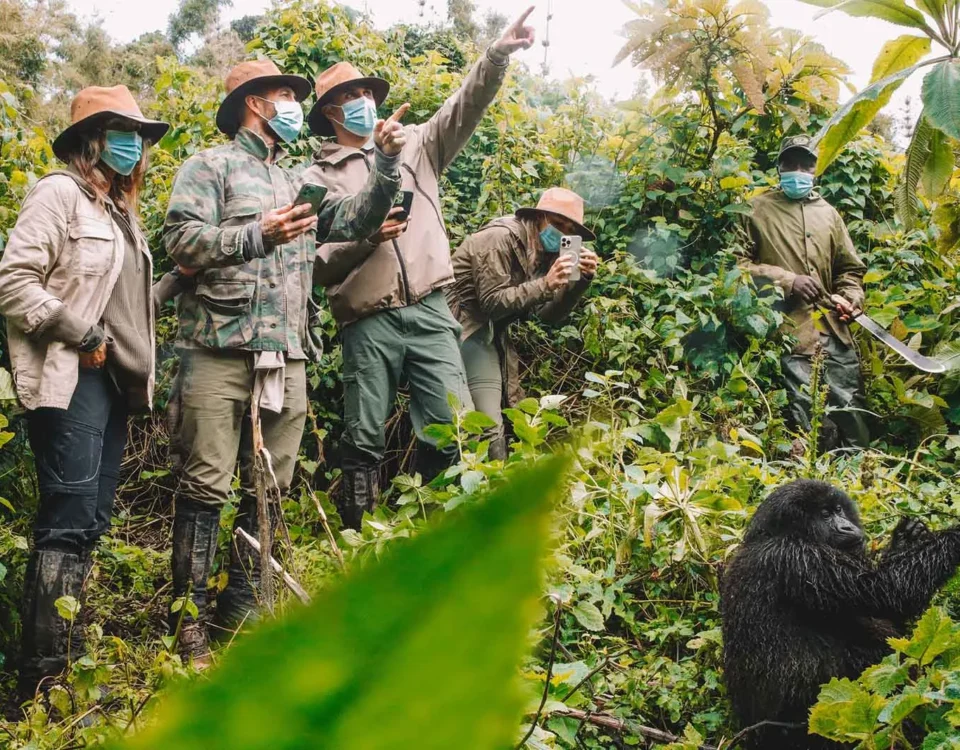
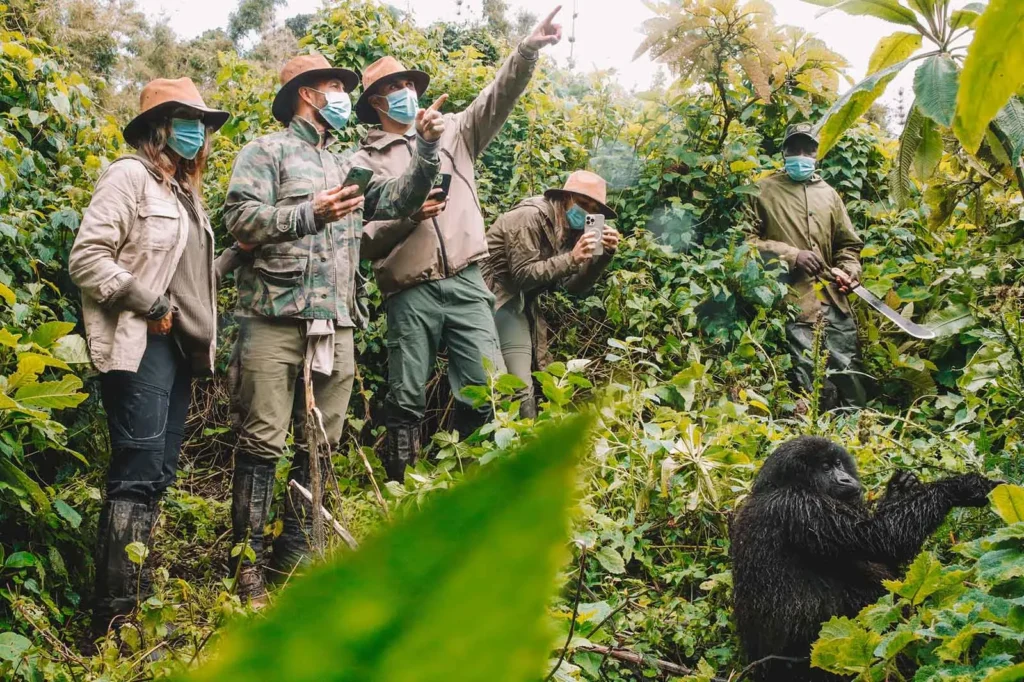
Can You Go Gorilla Trekking in Uganda and Rwanda Throughout the Year? A trek can take place in any season when permits are available and the park is operating, but the walk itself is shaped by where the gorilla family has moved. Visitors join trained guides and trackers, who lead the group into the forest and provide instructions for a safe, respectful encounter. In Uganda, UWA says treks may last approximately two to seven hours and include one hour observing a habituated gorilla family. UWA’s tracking overview provides more detail. Rwanda’s official guidance also limits gorilla viewing to one hour and requires visitors to follow conservation rules. Review Rwanda’s tracking guidance.
Expect an early start, a briefing and a hike over uneven ground that may be steep, muddy or covered with vegetation. The route and duration can vary, so allow time for rest and avoid planning a tight transfer or international flight immediately after the trek. Visitors should be prepared to follow ranger instructions, keep their voices low, avoid flash photography and maintain the distance specified by the park authority. Anyone with a cold, flu or other contagious illness should not visit the gorillas, because human diseases can pose a serious risk to them. Although moderate fitness is helpful, travelers do not need to be expert hikers; they should honestly assess their mobility and discuss concerns with their safari planner before booking. Porters may be available for a fee to carry a daypack and assist on difficult sections. The encounter is with wild animals in their natural environment, so sightings, distance and trek difficulty cannot be guaranteed.
When Is The Best Time for This Safari?
Can You Go Gorilla Trekking in Uganda and Rwanda Throughout the Year? The relatively drier months are often the most comfortable choice for travelers who want a lower chance of heavy rain and potentially easier trail conditions. In Rwanda, June to mid-September is the main dry period; January and February can also be comparatively dry. In Uganda, June to August and December to February are generally considered favorable windows. These periods can be ideal for combining trekking with other activities, but they are popular travel times. Early planning is especially useful if you have fixed dates, a preferred lodge or a specific trekking sector in mind.
Traveling in a wetter month is still possible and can be rewarding. Forests appear vibrant, and flexible travelers may appreciate having more date options. However, showers can make steep paths slippery and extend the time needed on the trail. Rather than choosing a month on weather alone, consider your priorities: comfort underfoot, permit availability, accommodation, flight schedules and the pace of the complete holiday. A traveler combining Rwanda or Uganda with Kenya Tours, Kenya Adventures or Kenya Safaris should plan for the different weather patterns and travel distances across the region. Permits and logistics for each country are separate, and cross-border transfers need adequate time. Check the forecast closer to departure, but pack for rain regardless of season. Frena Adventures Ltd can help you compare possible dates and construct a realistic route without promising a specific weather outcome or trek length.
Why Choose Us For This Particular Safari?
Can You Go Gorilla Trekking in Uganda and Rwanda Throughout the Year? Planning a gorilla safari involves more than selecting a month. You need to match permit dates with the correct park, arrange accommodation near the relevant briefing point and allow enough time for road transfers. A combined Uganda and Rwanda itinerary also requires careful coordination across borders, with separate permits, park procedures and transport arrangements. Frena Adventures Ltd can help you review these practical details, compare the two countries and organize an itinerary around your interests, travel dates and preferred pace.
Clear planning begins with accurate expectations. Before booking, ask what the price includes, whether the permit is confirmed, where you will stay before the trek and how long the transfers are expected to take. Share any mobility or health concerns early, and discuss whether you want to add forest walks, cultural experiences or other wildlife destinations. Travelers looking to extend their holiday with Kenya Safaris, Kenya Tours or Kenya Adventures can ask about regional routing, keeping in mind that each country’s park rules and seasonal conditions differ. Our role is to provide practical advice, coordinate the arrangements we agree to manage and explain which details depend on the relevant park authority. Gorilla movements, weather and operational decisions remain outside an operator’s control. Responsible planning means being transparent about that uncertainty while making the rest of the journey as smooth and informed as possible.
What to Pack for Gorilla Trekking?
Can You Go Gorilla Trekking in Uganda and Rwanda Throughout the Year? Yes—and whichever season you choose, suitable clothing makes the hike more comfortable. Wear sturdy, broken-in hiking boots with a strong grip, long trousers and a long-sleeved top to protect your skin from vegetation and nettles. A lightweight waterproof jacket or poncho is useful throughout the year. During wetter months, gaiters and a rain cover for your daypack can help keep mud and moisture out. Gardening gloves can provide extra protection when holding branches for balance, while layered clothing is helpful for cool early mornings and changing mountain temperatures.
Carry a small daypack with drinking water, personal medication, sunscreen, insect repellent and a camera or phone. Flash photography is not allowed, so check your settings before the trek. Keep snacks packed away and follow the guide’s instructions about eating and drinking near the gorillas. A porter may be available locally for a fee if you would like help carrying your belongings. Rwanda’s official clothing advice recommends sturdy clothing for protection from stinging nettles and solid walking shoes; see Visit Rwanda’s packing guidance. Pack light, protect electronics from rain and keep your permit and identification accessible. Before departure, confirm any updated requirements with your operator or the relevant park authority. Good preparation will not control the weather or determine how far the gorillas have moved, but it can help you stay comfortable and focused on the experience.
Can You Go Gorilla Trekking in Uganda and Rwanda Throughout the Year?
What Should You Remember Before Booking?
Can You Go Gorilla Trekking in Uganda and Rwanda Throughout the Year? In general, year-round trekking is possible in both countries, but each trek depends on permit availability, park operations and visitor compliance with conservation rules. Drier seasons are often preferred for easier trail conditions, while wetter periods offer their own appeal for travelers who are prepared for rain and mud. Neither season guarantees a short hike, clear skies or a particular wildlife encounter. The most suitable time is the one that fits your dates and comfort level, with enough flexibility for the realities of mountain travel.
Confirm the permit before finalizing non-refundable arrangements, stay near the correct starting point the night before and leave adequate time for the briefing and trek. Prepare for changing weather, follow ranger guidance and avoid visiting if you are unwell with a contagious illness. Most of all, treat the experience as a conservation-focused visit to a protected habitat. With thoughtful planning, Uganda and Rwanda can both be considered throughout the year for mountain gorilla trekking. Frena Adventures Ltd can help you compare options and organize the practical details for a Uganda safari, Rwanda visit or broader East African holiday.