Why Should You Choose Uganda and Rwanda for a Gorilla Safari?
October 26, 2026
Can You See Mountain Gorillas in Their Natural Habitat in Both Countries?
October 27, 2026
How Many Days Do You Need for a Uganda and Rwanda Gorilla Safari?
What is a realistic length for a gorilla safari?
How many days do you need for a Uganda and Rwanda gorilla safari? For a single gorilla trek in one country, plan on at least three days, with four or five days offering a more comfortable schedule. Travellers who want to visit both Uganda and Rwanda should usually allow six to eight days, especially if they hope to include time in each country beyond the trek itself. These are useful planning ranges rather than fixed package rules: the right duration depends on your arrival airport, permit date, chosen park, transport method, accommodation and the other places you want to visit. A gorilla trek takes place on one day, but the safari includes much more than the hours on the forest trail. You need to reach the park, attend the required briefing, complete the hike and allow time to rest afterwards.
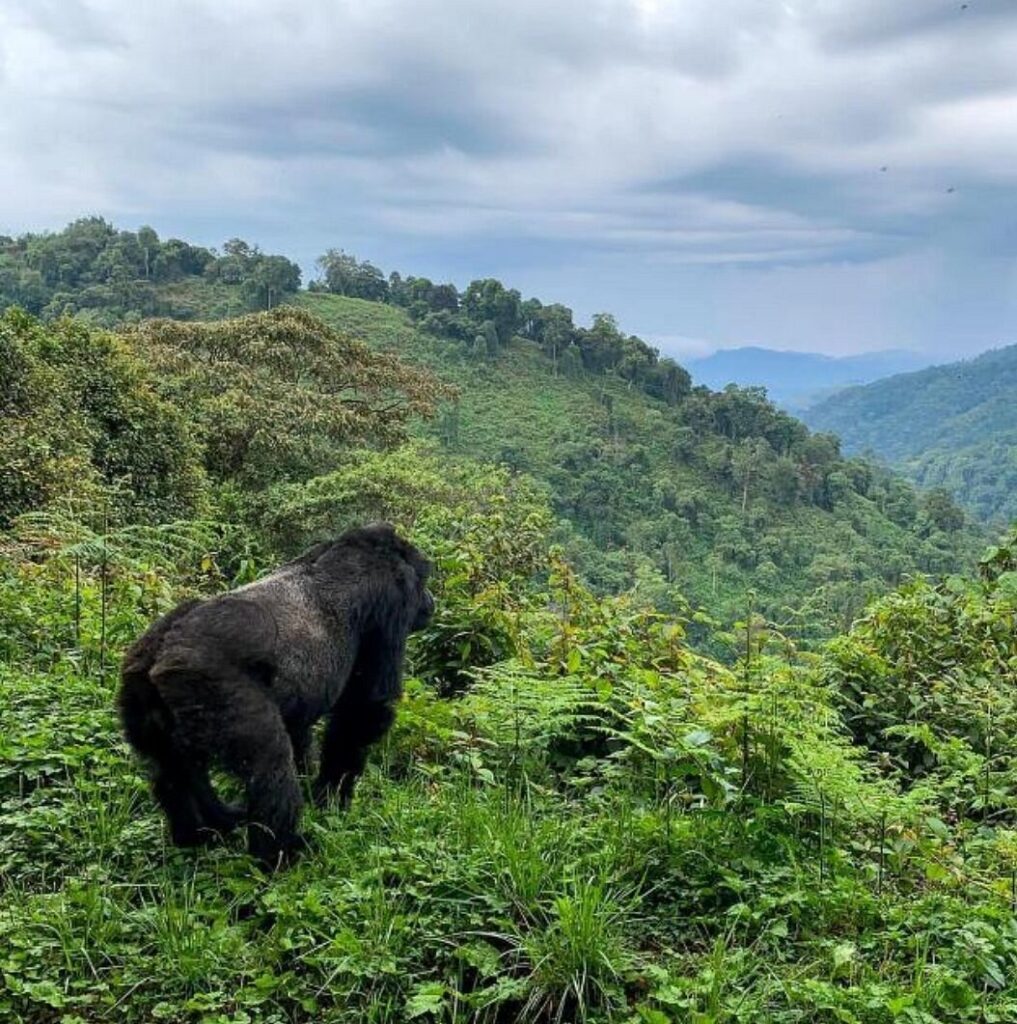
Uganda’s gorilla trekking takes place in Bwindi Impenetrable National Park and Mgahinga Gorilla National Park. Rwanda’s trek takes place in Volcanoes National Park. In Uganda, the correct Bwindi sector matters because Buhoma, Ruhija, Rushaga and Nkuringo are separate starting areas; accommodation and transfers should fit the sector shown on your permit. Rwanda’s official visitor guidance requires trekkers to report to Kinigi for a 7:00 a.m. briefing. Travel times vary with road conditions, stops and the exact lodge location, so the itinerary should include a night near the park before trekking. How many days do you need for a Uganda and Rwanda gorilla safari? The short answer is three days at minimum for one country, and closer to a week for a relaxed two-country trip.
What are the expectations in this safari?
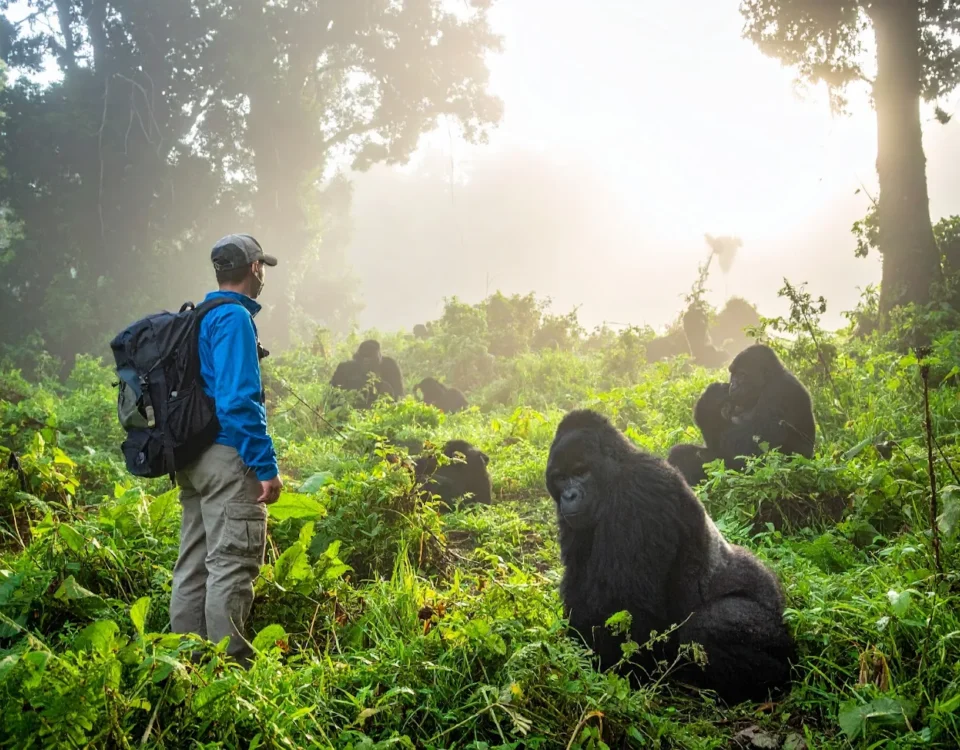
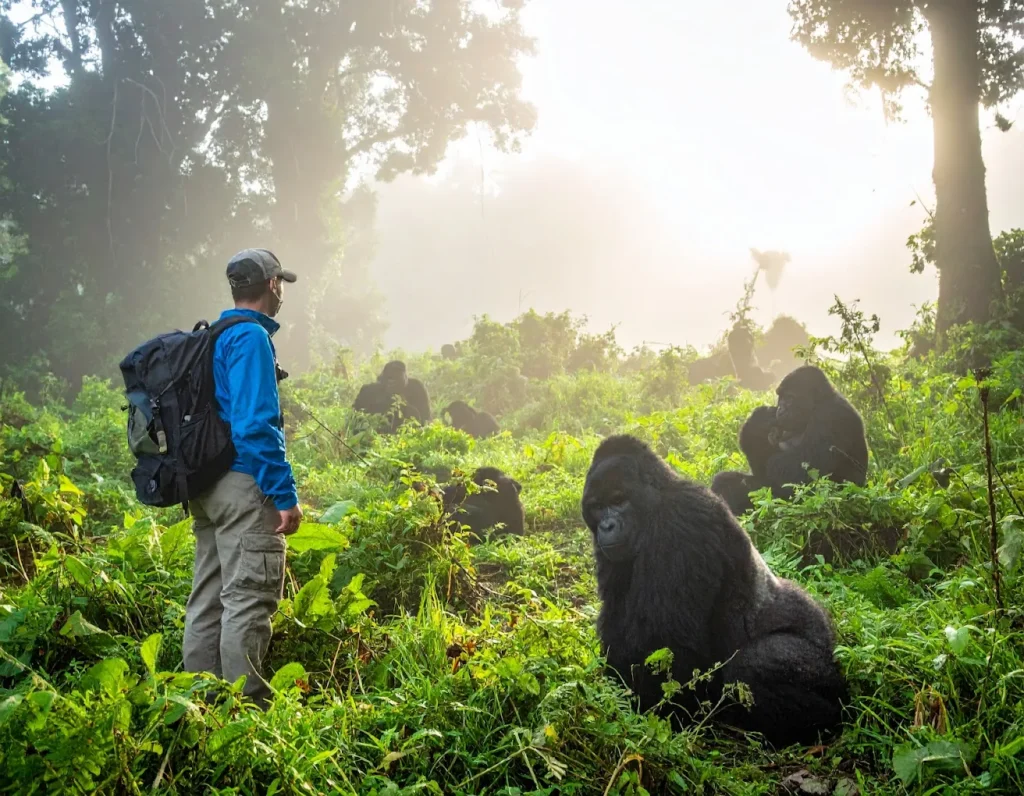
What are the expectations in this safari? A gorilla safari is an active, guided forest hike, so the trek day should not be treated like a quick sightseeing stop. After a briefing, visitors enter the forest with park guides and trackers, who use their knowledge of the gorillas’ movements to lead the group. The walk may take a few hours or much of the day. Uganda Wildlife Authority states that treks can last between two and seven hours, while the Rwanda Development Board explains that the duration depends on where the gorilla family is located. Terrain can include steep slopes, uneven paths, mud and dense vegetation. A moderate level of fitness is useful, and visitors should be ready to move at a steady pace and follow the guide’s instructions.
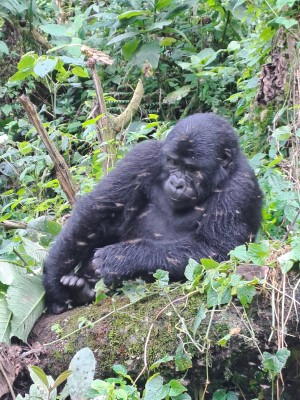
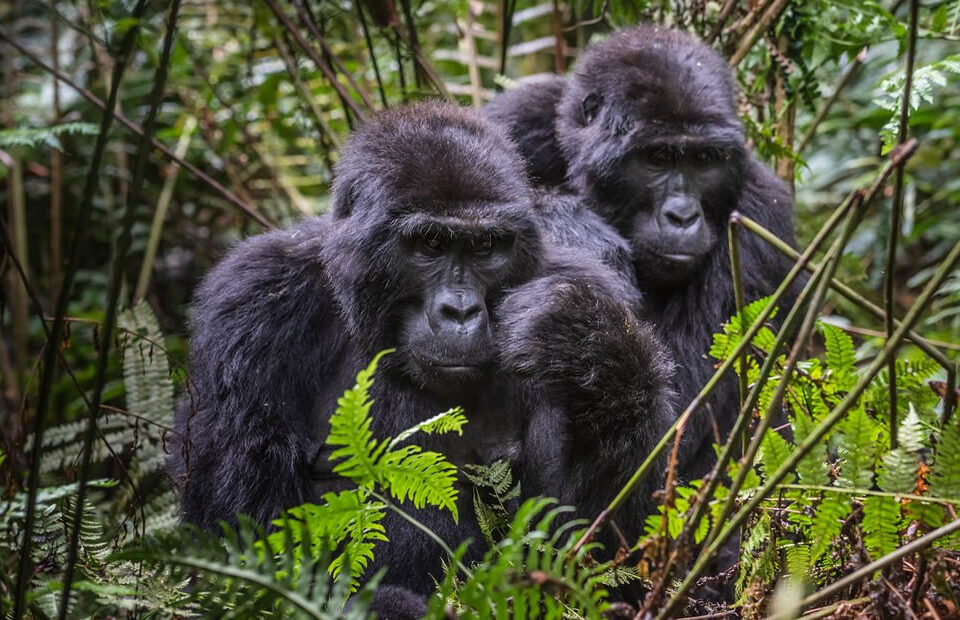
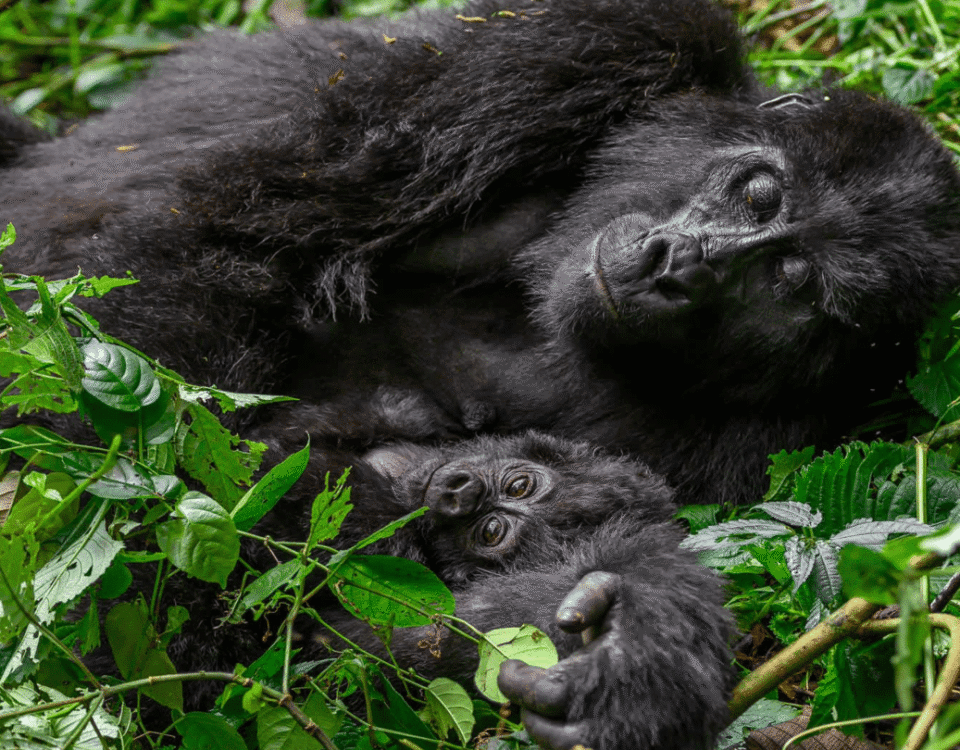
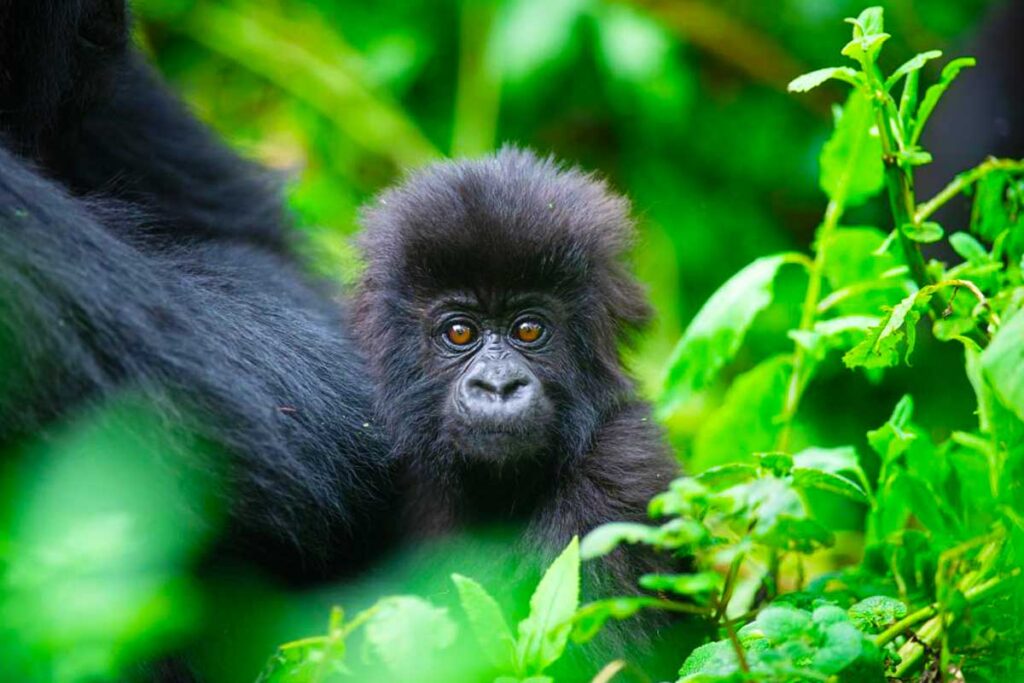
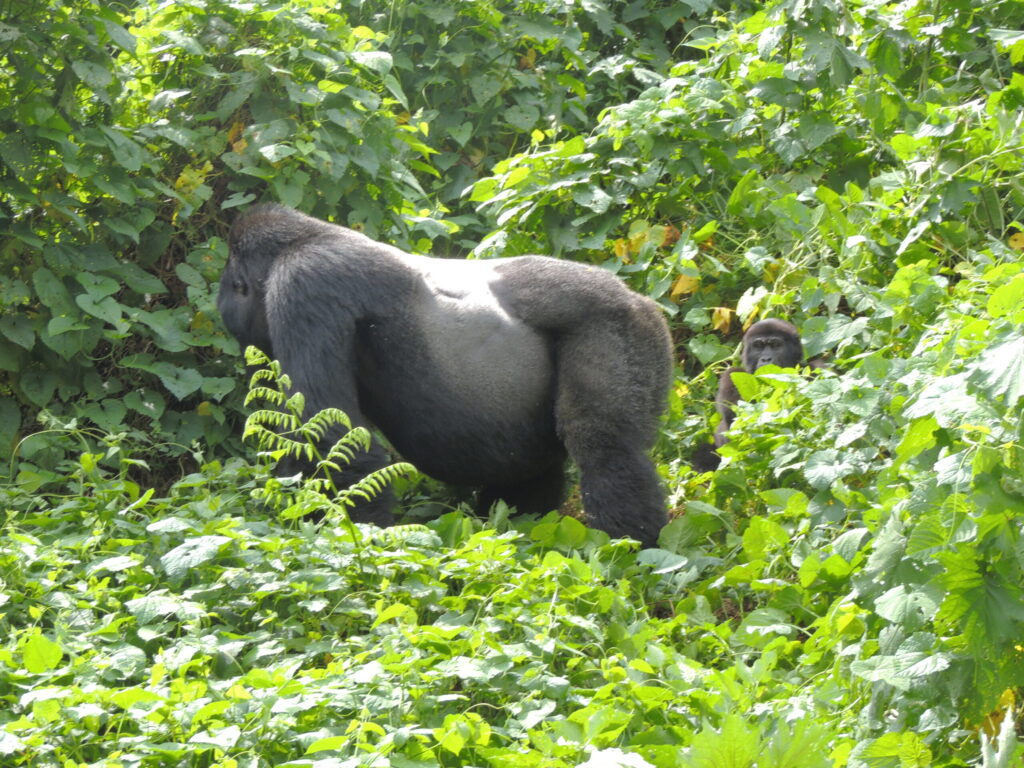
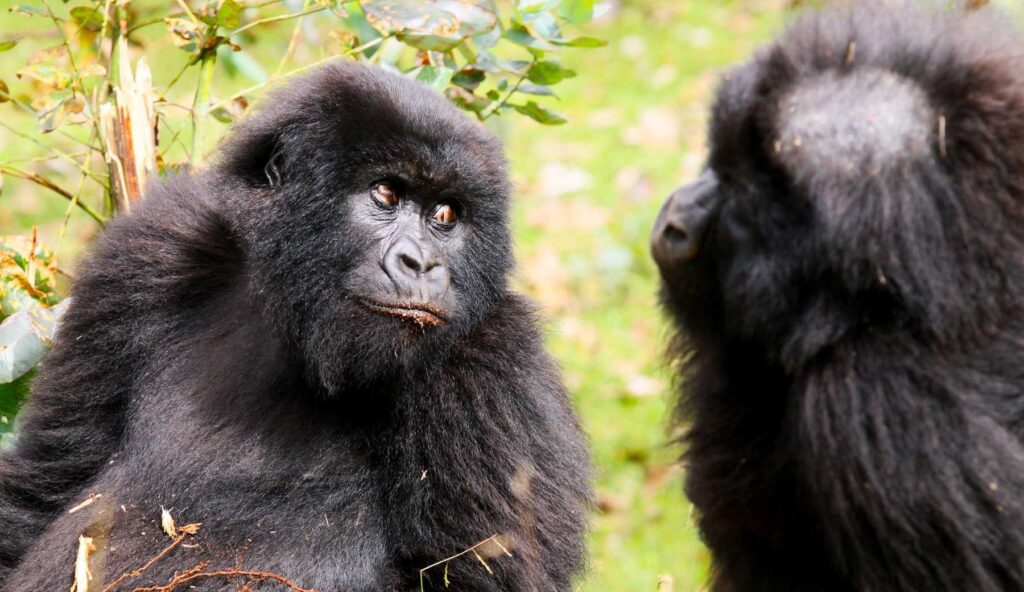
Once the gorillas are found, visitors generally spend one hour observing them. That time may pass quickly as the family feeds, rests, grooms or moves through the forest. Each encounter is different because the gorillas are wild, and neither the exact trail nor the animals’ behaviour can be arranged in advance. Park rules help reduce disturbance and protect both visitors and wildlife. These include following guidance on distance, speaking quietly, avoiding sudden movements and respecting hygiene precautions. Do not trek if you are unwell with a contagious illness; check the current rules for your park before travel. How many days do you need for a Uganda and Rwanda gorilla safari? Allow a full day for the trek and avoid scheduling a long transfer or flight immediately afterwards. An extra night near the park helps you arrive rested, manage delays and enjoy the experience without feeling pressed for time.
How many days should you plan in Uganda?
How many days do you need for a Uganda and Rwanda gorilla safari? If Uganda is your only gorilla destination, three to five days is a sensible starting range. A compact plan might include arrival or transfer to the trekking area, an overnight near the correct park sector, the trek itself and a return journey. Four or five days give you more breathing room, especially if you are travelling by road or want a recovery night after the hike. Uganda’s gorilla parks are in the southwest of the country, and the route can take a significant part of the day depending on where you begin and how you travel. Domestic flights can reduce road time for some itineraries, but flight schedules, airstrip locations, luggage limits and onward transfers still need to be checked.
More time lets you turn a single wildlife encounter into a fuller Uganda safari. Depending on your interests, you might add a nature walk, time around Lake Bunyonyi, golden monkey tracking in Mgahinga or other national parks and activities. These additions should be chosen thoughtfully: each new stop adds travel time, and a packed itinerary can make the trip tiring. Bwindi has several trekking sectors, so make sure your accommodation and vehicle arrangements match the permit location. How many days do you need for a Uganda and Rwanda gorilla safari? For Uganda alone, three days may work when the logistics align and the schedule is tight; four or five days are often more comfortable. A longer Uganda itinerary can suit travellers looking for a broad wildlife journey, while a short visit is best planned around one confirmed trek and carefully timed transfers.
How many days should you plan in Rwanda?
How many days do you need for a Uganda and Rwanda gorilla safari? For a Rwanda gorilla trek, allow two or three nights in the Volcanoes National Park area, or approximately three to four days for the overall safari once arrival and departure are included. Rwanda’s compact geography can make the park more accessible from Kigali than Uganda’s southwestern gorilla parks are from Entebbe by road. Even so, the trek briefing is early, and trying to travel from Kigali on the same morning may create an unnecessarily rushed start. Staying near Musanze or Kinigi the night before lets you reach the briefing more comfortably and gives you time to settle in before the hike.
A short Rwanda stay can focus on the gorilla trek, while an extra day or two lets you explore the surrounding region or spend more time in Kigali. Volcanoes National Park is also known for other hiking and wildlife activities, subject to availability and current park arrangements. If you want to include these, check the time needed for each and avoid assuming every activity can be fitted around the trek. Permit dates should guide the rest of the itinerary: confirm availability first, then coordinate flights, accommodation and road transfers. How many days do you need for a Uganda and Rwanda gorilla safari? Rwanda can suit visitors with limited time, but even a short trip benefits from at least one night near the park before trekking and a realistic buffer after the hike. The aim is to make the day manageable and memorable, rather than to squeeze a demanding mountain experience between tight connections.

7 Days Uganda Game Drives & Gorilla Safari
How much time is needed to visit both countries?
How many days do you need for a Uganda and Rwanda gorilla safari? If you want to trek in both countries on one holiday, plan for six to eight days as a practical minimum. This gives you time to complete a trek in Uganda and another in Rwanda, manage the cross-border journey and stay near each park before the relevant briefing. Travellers who want a slower pace, more than one additional activity or a longer cultural and wildlife itinerary should consider eight to ten days or more. The exact route depends on the chosen Ugandan park and sector, where you enter and leave the region, border arrangements, road conditions and whether any flights are part of the plan.
A combined trip needs especially careful sequencing. Keep confirmed permit dates at the centre of the itinerary, because permits are limited and changing a date may depend on availability and the applicable rules. Allow a buffer around international flights and avoid relying on a same-day border transfer before a trek. Review visa and entry requirements for your own nationality and travel route, and confirm vehicle arrangements for any cross-border journey. How many days do you need for a Uganda and Rwanda gorilla safari? Six days may be possible for a focused trip with efficient transport and little time for extras, while seven or eight days generally allow a more balanced pace. If you also hope to add Kenya tours, Kenya adventures or Kenya safaris, treat that as a wider regional itinerary and add the necessary flight and transfer days. A good schedule recognises that the journey between destinations is part of the holiday, not time that can simply be removed from the calendar.
When is the best time for this safari?
When is the best time for this safari? Gorilla trekking is available throughout the year, but seasonal weather may affect trails, road transfers and how much flexibility you need. Many visitors favour drier periods because paths may be less slippery, although rain remains possible in mountain forests at any time. Uganda’s commonly recommended travel windows include June to September and December to February. Rwanda’s highland weather can also shift quickly, so waterproof clothing is useful whatever month you travel. Rather than choosing dates based only on general season descriptions, begin by checking permit availability and then consider flight schedules, accommodation and the amount of time you can take off.
A traveller with fixed dates should build a realistic itinerary around the permit, while someone with flexible dates may have more options for coordinating lodges and transport. Book the park-area accommodation early for popular travel periods, and include a spare night where possible in case of road delays or changes to connections. How many days do you need for a Uganda and Rwanda gorilla safari? The answer can vary by season because wet trails or difficult transfers may call for more time. A few extra hours—or an additional night—can make a meaningful difference to the comfort of the trip. Check current park guidance, permit terms and travel requirements before booking, as operational details can change.
Why choose Frena Adventures Ltd for this particular safari?
Why choose us for this particular safari? Planning the right number of days means coordinating permits, park sectors, transport, accommodation and personal interests. Frena Adventures Ltd can help compare a focused Uganda trip, a short Rwanda itinerary or a combined Uganda and Rwanda journey. We can also help you assess whether a three-day plan is realistic for your arrival point, or whether a longer stay would better match your pace and preferred activities. Clear planning starts with practical questions: Which airport will you use? Which park and permit dates are available? How do you prefer to travel? Do you want the gorilla trek to be the whole trip, or part of a wider East African safari?
Before confirming your booking, ask what is included, how permits are arranged, which transfers are planned and what costs may be additional. Confirm the accommodation location against the park or trekking sector and read the current cancellation and rescheduling terms. Our aim is to give travellers straightforward information and a route that respects both their time and the demands of the experience. How many days do you need for a Uganda and Rwanda gorilla safari? With Frena Adventures Ltd, you can begin with your available dates and priorities, then shape a suitable itinerary around confirmed permits and realistic travel times. Whether you choose Uganda, Rwanda or both, thoughtful preparation helps you spend less time worrying about logistics and more time appreciating the forests, landscapes and expert local teams that make gorilla trekking possible.

Why Bwindi Impenetrable Forest Is Famous in Uganda
What should you pack?
What should you pack? Choose practical layers for cool mornings, rain and a demanding walk. Long trousers and a long-sleeved shirt can help protect your skin from nettles, branches and insects. Wear sturdy hiking boots with good grip and thick socks, and bring a lightweight waterproof jacket even if you expect dry weather. Gardening gloves can be useful when moving through vegetation, while gaiters may help keep mud and debris out of your boots. Carry drinking water, personal medication, a camera and other essentials in a small day pack. Spare clothes for after the trek are useful if you get wet or muddy, and a walking stick may help on steep or slippery ground.
Keep your pack light enough to carry comfortably and follow the park briefing about food, photography and behaviour near the gorillas. Porters may be available to carry a day pack and provide practical support on the trail; check availability when arranging your trek. Make sure your passport details and permit documents are correct, and keep the relevant booking information accessible for the required check-in. How many days do you need for a Uganda and Rwanda gorilla safari? However long you stay, the right preparation can make the trek day easier, while a well-paced itinerary gives you time to rest and enjoy the destination. For one country, plan at least three days and preferably four or five; for both countries, allow six to eight days or longer. Frena Adventures Ltd can help you match your trip length to your permit dates, travel route and safari goals.