
Ngorongoro Conservation Area
The Crown Jewel of Tanzania Wildlife Safaris
The Ngorongoro Conservation Area is one of Africa’s most extraordinary safari destinations, offering an unrivaled combination of breathtaking landscapes, remarkable wildlife encounters, rich cultural heritage, and world-class conservation efforts. Located in northern Tanzania, the Ngorongoro Conservation Area is a globally recognized destination that attracts travelers seeking authentic and memorable Tanzania Safaris. Covering vast highland plains, volcanic craters, forests, and wildlife-rich ecosystems, this spectacular conservation area presents visitors with a rare opportunity to experience nature in one of its most pristine forms. Unlike many safari destinations that focus solely on wildlife viewing, the Ngorongoro Conservation Area provides a unique balance between conservation, tourism, and the traditional lifestyles of the Maasai people who continue to inhabit the region.
Recognized as a UNESCO World Heritage Site, the Ngorongoro Conservation Area is often described as one of the best places in Africa to witness wildlife in its natural habitat. Every journey into this magnificent destination reveals a landscape shaped by ancient volcanic activity, creating dramatic scenery that captivates travelers from around the world. Furthermore, the area serves as an important sanctuary for numerous animal species, making it one of the most rewarding locations for Tanzania Wildlife Safaris. Exceptional game-viewing opportunities, stunning photographic moments, and rich ecological diversity combine to make the Ngorongoro Conservation Area an essential destination for anyone planning a Tanzania Best Safari adventure. Through expertly crafted safari experiences, Frena Adventure offers visitors the chance to discover the true beauty, significance, and wonder of this iconic African destination while creating unforgettable memories that last a lifetime.
Ngorongoro Conservation Area
Why Is Ngorongoro Crater the Most Famous Attraction in the Ngorongoro Conservation Area?
At the heart of the Ngorongoro Conservation Area lies the world-famous Ngorongoro Crater, one of the most remarkable natural wonders on Earth. Formed millions of years ago when a giant volcano collapsed inward after a massive eruption, this enormous caldera has evolved into a thriving ecosystem that supports an incredible concentration of wildlife. Stretching approximately 260 square kilometers across the crater floor, this extraordinary landscape creates one of the most spectacular safari settings found anywhere in Africa. Visitors exploring the Ngorongoro Conservation Area often consider the crater the highlight of their Tanzania Safaris due to its exceptional wildlife density and breathtaking scenery.
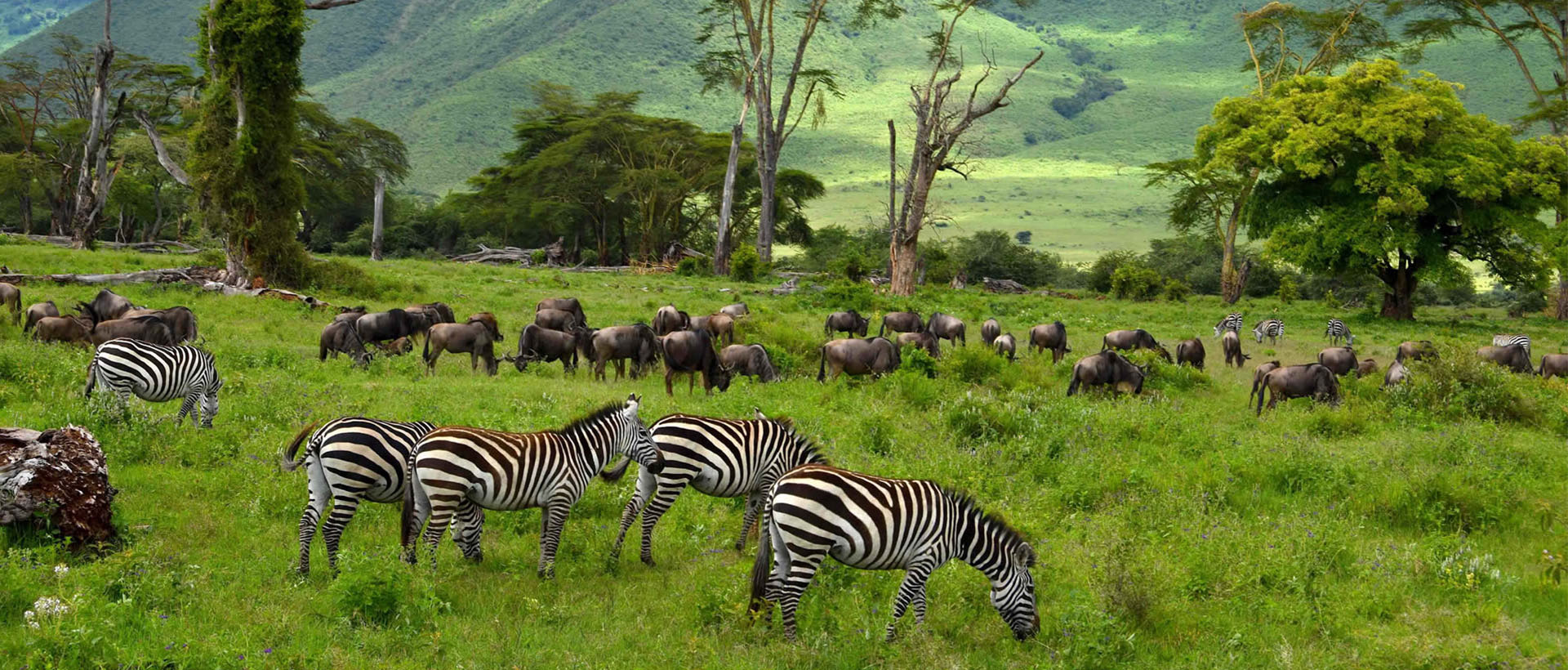
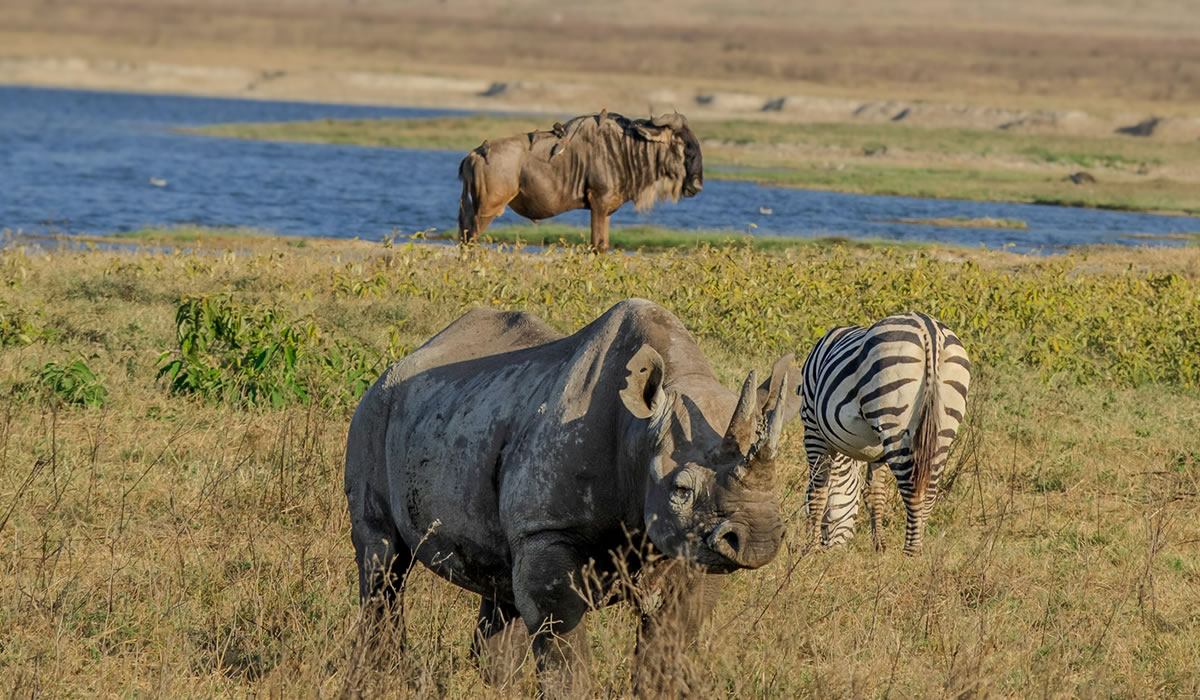
Within the crater, travelers can encounter an impressive variety of animals throughout a single game drive. Large populations of zebras, wildebeests, buffaloes, gazelles, and warthogs roam the grasslands, while predators such as lions, hyenas, and leopards maintain a healthy ecological balance. Additionally, the crater is one of the few places in Tanzania where visitors have a realistic chance of spotting the endangered black rhinoceros in its natural environment. Such remarkable wildlife diversity makes the Ngorongoro Conservation Area one of the finest destinations for Tanzania Wildlife Safaris.
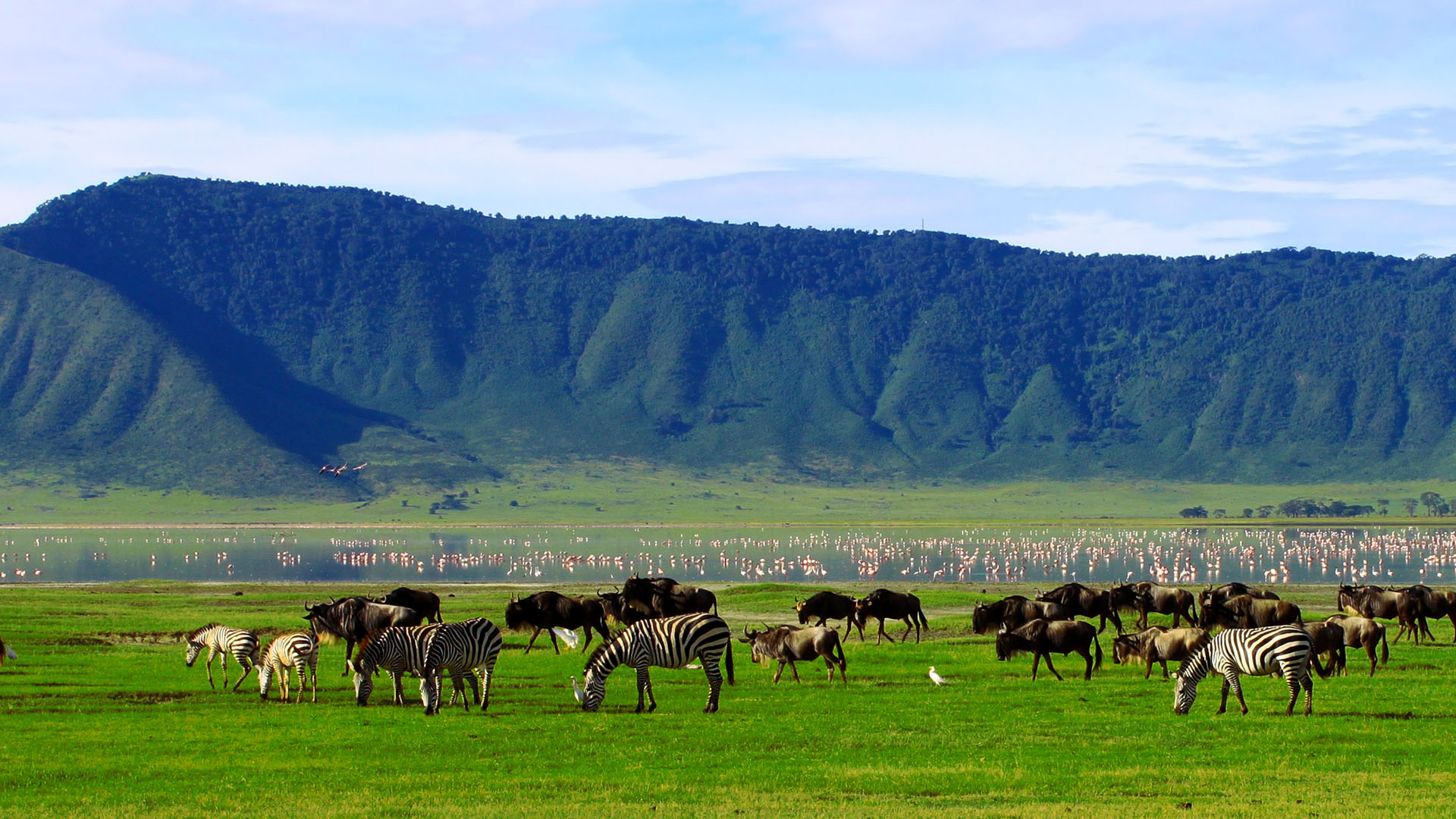
Beyond wildlife viewing, the dramatic scenery of Ngorongoro Crater leaves a lasting impression on every traveler. Towering crater walls surround lush grasslands, freshwater lakes, and acacia woodlands, creating a landscape unlike any other safari destination. Consequently, photographers, nature enthusiasts, and adventure seekers consistently rank the Ngorongoro Conservation Area among the most rewarding safari experiences in Africa. Every moment spent within this natural amphitheater showcases the extraordinary beauty that has earned Tanzania its reputation as one of the world’s leading safari destinations.
What Makes the Highlands and Landscapes of the Ngorongoro Conservation Area So Unique?
Beyond the famous crater floor, the Ngorongoro Conservation Area encompasses a diverse collection of landscapes that contribute significantly to its ecological importance and visual appeal. Rolling highlands, volcanic peaks, open grasslands, dense forests, and remote wilderness zones create a remarkable variety of habitats that support numerous wildlife species. Travelers embarking on Tanzania Safaris within the Ngorongoro Conservation Area quickly discover that its beauty extends far beyond a single attraction.
Elevated viewpoints throughout the conservation area provide spectacular panoramic vistas overlooking the crater and surrounding wilderness. Morning mist often blankets the highlands, creating magical scenery that transforms sunrise game drives into unforgettable experiences. Rich volcanic soils support lush vegetation that sustains both wildlife and local communities. Meanwhile, ancient forests shelter elephants, monkeys, birds, and other species that thrive within cooler highland environments.
Equally impressive is the cultural landscape that defines the Ngorongoro Conservation Area. Unlike traditional national parks where human habitation is restricted, this conservation area allows the Maasai people to coexist alongside wildlife. As a result, visitors gain valuable insights into one of East Africa’s most respected indigenous cultures while exploring a destination renowned for Tanzania Wildlife Safaris. Traditional Maasai settlements scattered across the highlands add cultural depth to the safari experience and offer opportunities for meaningful cultural interactions.
Such a combination of natural beauty, ecological diversity, and living cultural heritage makes the Ngorongoro Conservation Area a distinctive destination within Tanzania’s northern safari circuit. Every journey through these landscapes reveals new perspectives, enriching travelers’ understanding of Africa’s extraordinary environmental and cultural treasures.
What Wildlife Can You Expect to See in the Ngorongoro Conservation Area?
The Ngorongoro Conservation Area ranks among the best wildlife-viewing destinations in Africa due to its remarkable concentration of animals and year-round accessibility. Unlike seasonal destinations where wildlife movements vary significantly, the crater ecosystem supports resident populations that can be observed throughout the year. Consequently, travelers seeking reliable Tanzania Wildlife Safaris consistently include the Ngorongoro Conservation Area in their safari itineraries.
Abundant grazing lands support large herds of buffaloes, zebras, wildebeests, and antelopes that roam freely across the crater floor. Predators flourish in this environment thanks to the availability of prey species, creating outstanding opportunities to observe lions, spotted hyenas, jackals, and occasionally elusive leopards. Furthermore, the conservation area provides one of the strongest refuges for black rhinoceroses in East Africa, making sightings particularly valuable for conservation-minded travelers.
Bird enthusiasts also find the Ngorongoro Conservation Area exceptionally rewarding. Flamingos gather along soda lakes, while eagles, vultures, ostriches, and numerous migratory species contribute to the region’s impressive avian diversity. Wetlands, forests, and grasslands each support distinct bird populations, enhancing the overall safari experience.
Another remarkable feature of the Ngorongoro Conservation Area is the opportunity to witness wildlife interactions within a relatively compact area. Because animals remain concentrated within the crater ecosystem, visitors often enjoy productive game drives featuring multiple species in a single outing. Such consistent wildlife viewing reinforces the area’s reputation as a premier destination for Tanzania Best Safari experiences and ensures unforgettable encounters for travelers from around the world.
How Do You Reach the Ngorongoro Conservation Area?
Accessing the Ngorongoro Conservation Area is straightforward thanks to Tanzania’s well-established tourism infrastructure. Most international visitors arrive through Kilimanjaro International Airport, which serves as the primary gateway for northern Tanzania safari destinations. Following arrival, travelers typically transfer to Arusha, the safari capital of Tanzania, before continuing their journey toward the conservation area.
Road transfers from Arusha to the Ngorongoro Conservation Area take approximately three to four hours, passing through scenic countryside, agricultural communities, and beautiful highland landscapes. Comfortable safari vehicles provide excellent opportunities to enjoy the journey while observing everyday life in rural Tanzania. Many travelers combine the conservation area with other nearby attractions, creating comprehensive Tanzania Safaris that showcase the region’s remarkable diversity.
Alternatively, domestic flights connect major Tanzanian cities with nearby airstrips, offering a faster travel option for visitors seeking greater convenience. Upon arrival, professional safari guides ensure smooth transfers and personalized service throughout the journey.
Frena Adventure carefully coordinates every aspect of transportation to guarantee a seamless travel experience. From airport pickups and accommodation arrangements to safari logistics and expert guiding services, every detail is managed professionally to ensure guests enjoy a stress-free adventure within the Ngorongoro Conservation Area.
Ngorongoro Conservation Area
When Is the Best Time to Visit the Ngorongoro Conservation Area?
One of the greatest advantages of the Ngorongoro Conservation Area is its year-round accessibility. Unlike destinations heavily influenced by seasonal wildlife movements, the crater ecosystem supports resident animal populations throughout the year, making every season suitable for Tanzania Wildlife Safaris.
Between June and October, dry-season conditions provide excellent wildlife viewing opportunities as vegetation becomes less dense and animals gather around water sources. Clear skies, pleasant temperatures, and excellent road conditions make this period particularly popular among international travelers seeking Tanzania Best Safari experiences.
From November through May, greener landscapes transform the conservation area into a vibrant paradise. Seasonal rains rejuvenate vegetation, creating stunning scenery and attracting migratory bird species. Photographers often favor this period because of the lush backgrounds and dramatic cloud formations that enhance landscape photography.
Calving seasons in surrounding ecosystems also contribute to increased wildlife activity, offering unique opportunities to observe predator-prey interactions. Regardless of travel dates, the Ngorongoro Conservation Area consistently delivers rewarding safari experiences, making it one of Tanzania’s most reliable and sought-after wildlife destinations.
Ngorongoro Conservation Area
Why Choose Frena Adventure for Your Ngorongoro Conservation Area Safari?
Choosing the right safari company significantly influences the quality of your African adventure. Frena Adventure specializes in creating carefully planned experiences that showcase the very best of the Ngorongoro Conservation Area while prioritizing comfort, safety, authenticity, and exceptional service. Years of experience within the African tourism industry enable our team to deliver unforgettable Tanzania Safaris tailored to the interests and expectations of every traveler.
Knowledgeable guides possess extensive expertise regarding wildlife behavior, local ecosystems, conservation efforts, and cultural traditions. Their professional insights transform ordinary game drives into engaging educational experiences that deepen guests’ appreciation for the natural world. Personalized itineraries ensure flexibility while maximizing wildlife-viewing opportunities throughout the Ngorongoro Conservation Area.
Commitment to responsible tourism remains central to Frena Adventure’s philosophy. Sustainable travel practices support local communities, conservation initiatives, and environmental protection efforts that preserve Tanzania’s natural heritage for future generations. Transparent communication, reliable logistics, and outstanding customer care further reinforce our reputation as a trusted provider of Tanzania Wildlife Safaris.
By choosing Frena Adventure, travelers gain access to expertly designed safari experiences that combine adventure, discovery, and meaningful connections with one of Africa’s most extraordinary destinations. Every journey within the Ngorongoro Conservation Area reflects our dedication to excellence and our passion for sharing the wonders of Tanzania with the world.
Safari FAQs About Ngorongoro Conservation Area
The Ngorongoro Conservation Area is a protected region in northern Tanzania that combines wildlife conservation with the preservation of local Maasai culture. It is best known for the spectacular Ngorongoro Crater, the world’s largest intact volcanic caldera.
The Ngorongoro Conservation Area is located in northern Tanzania, west of Mount Kilimanjaro and southeast of Serengeti National Park. It forms part of Tanzania’s renowned northern safari circuit.
Visitors can see a wide variety of wildlife, including lions, elephants, buffaloes, leopards, black rhinos, zebras, wildebeest, hippos, hyenas, and numerous bird species. The crater floor supports one of the highest concentrations of wildlife in Africa.
Ngorongoro Crater is famous for its breathtaking scenery and abundant wildlife. The crater’s enclosed ecosystem provides excellent opportunities to spot animals year-round, making it one of Africa’s most popular safari destinations.
Popular activities include game drives in the crater, guided nature walks, cultural visits to Maasai villages, birdwatching, photography tours, and exploring archaeological sites such as Olduvai Gorge.
The Ngorongoro Conservation Area is a UNESCO World Heritage Site because of its exceptional natural beauty, rich biodiversity, and significant archaeological discoveries that provide valuable insights into early human evolution.