Where Can You Go Gorilla Trekking in Uganda and Rwanda?
October 26, 2026
What Makes Uganda and Rwanda Famous for Gorilla Trekking Safaris?
October 26, 2026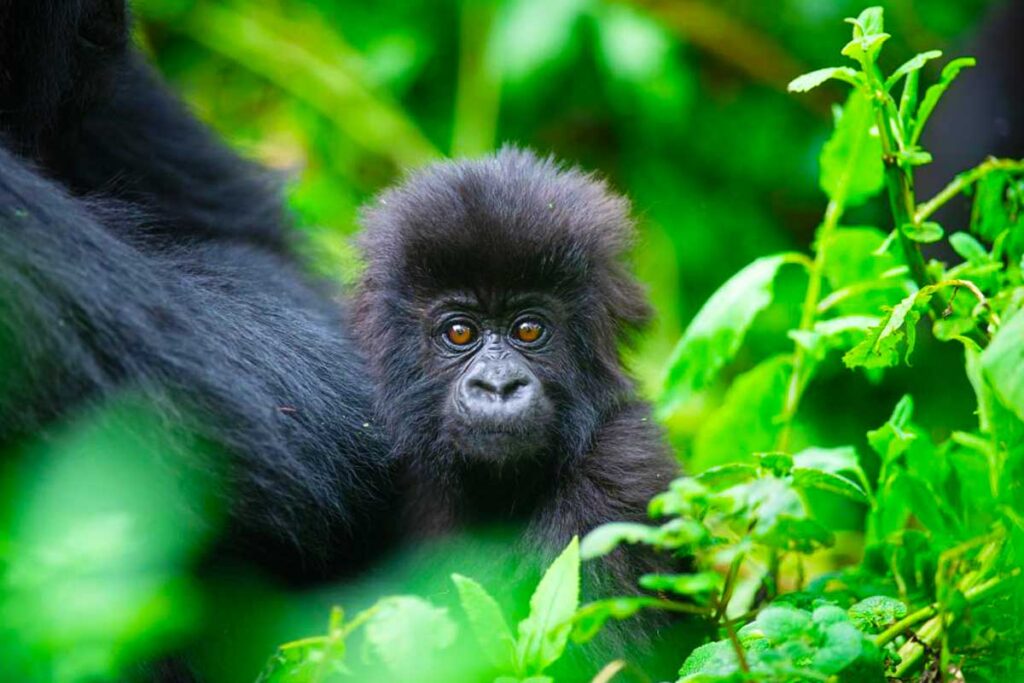
Which national parks offer mountain gorilla trekking in Uganda and Rwanda?
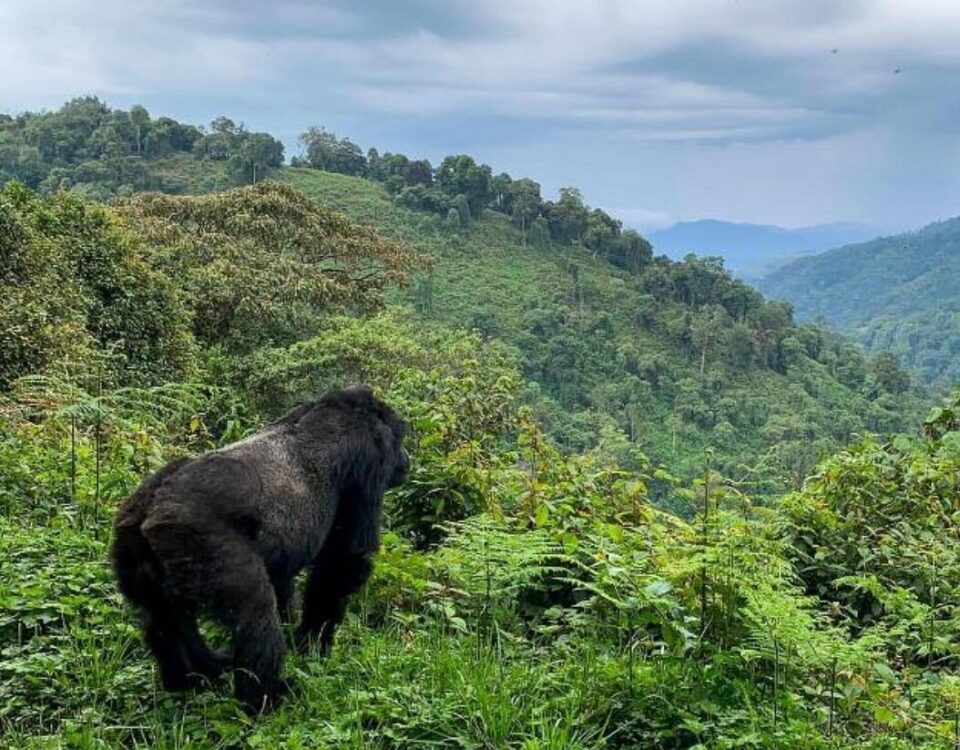
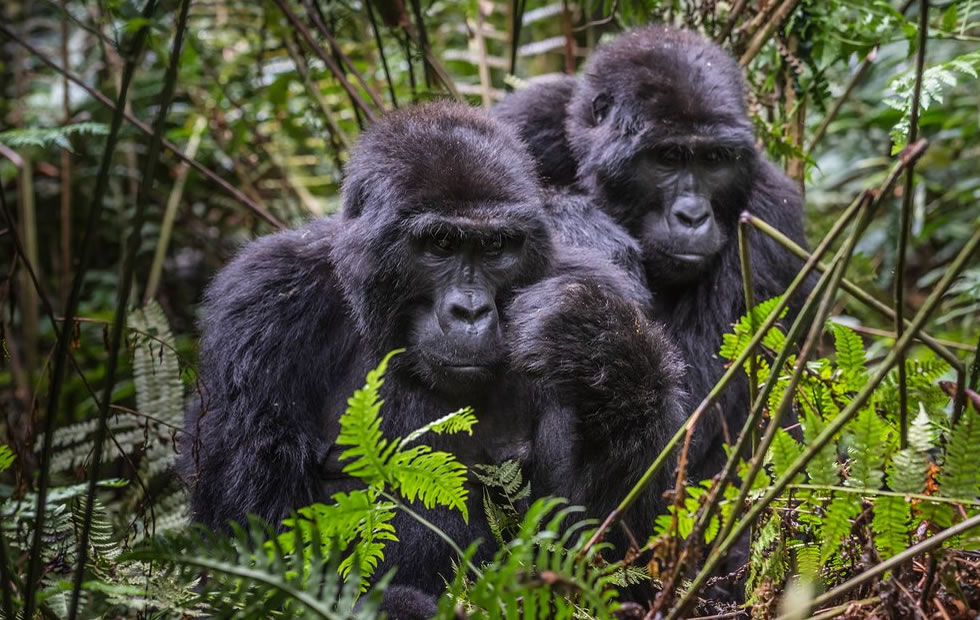
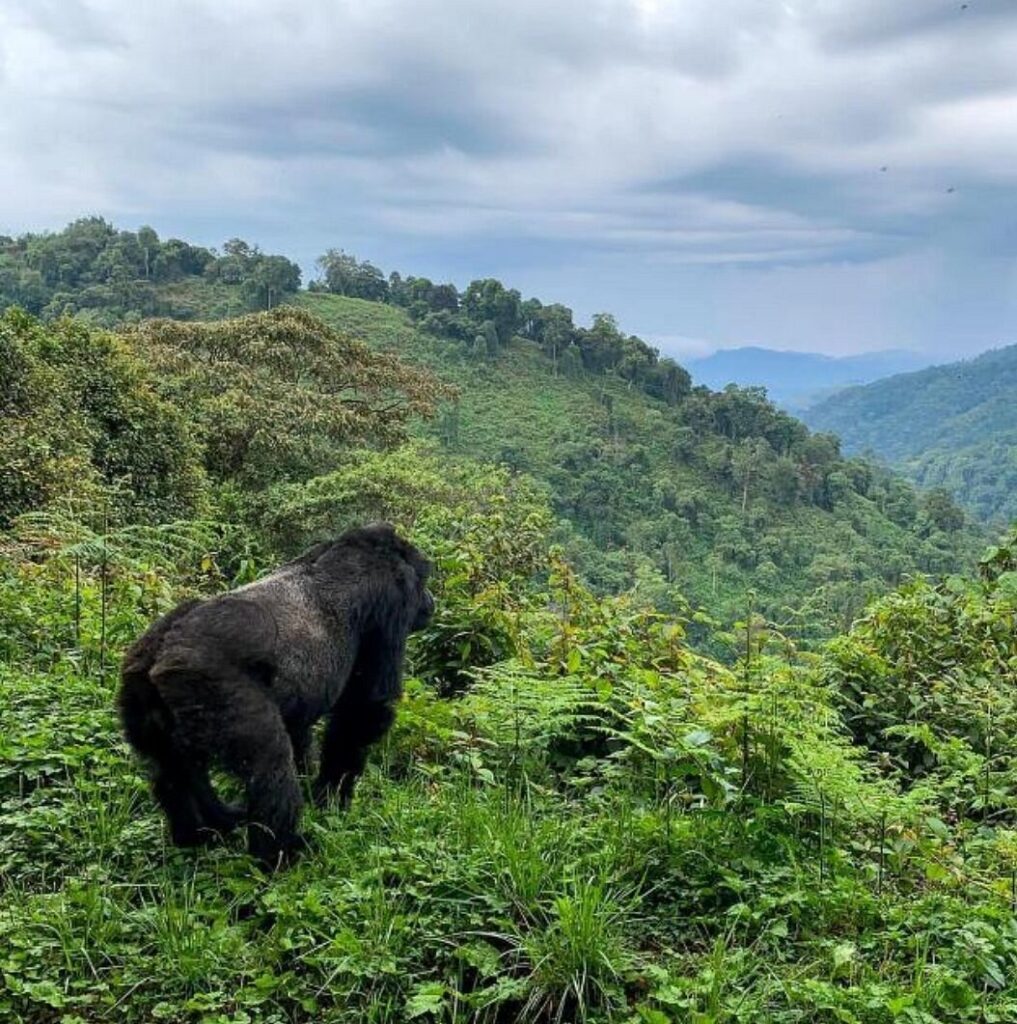
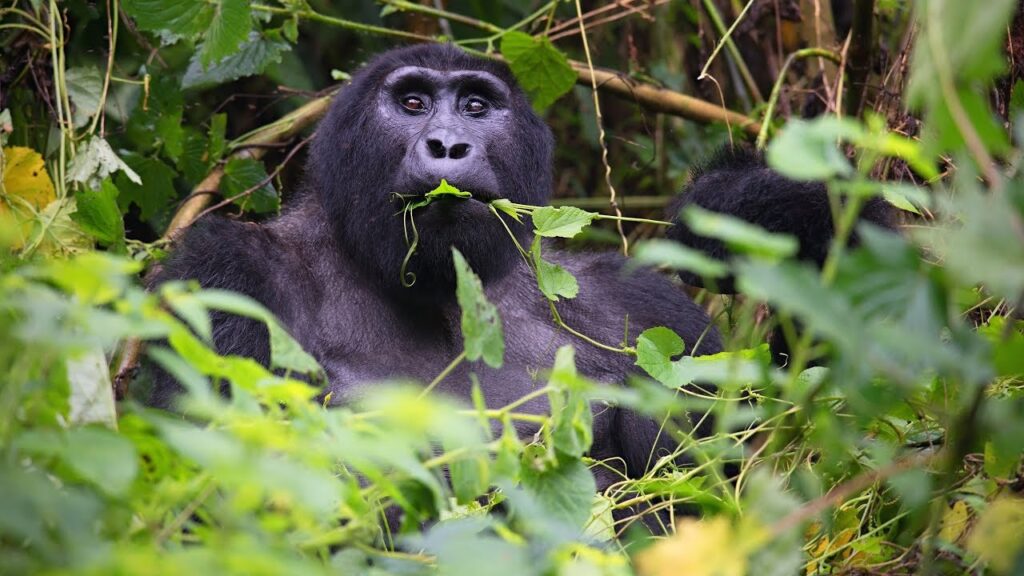
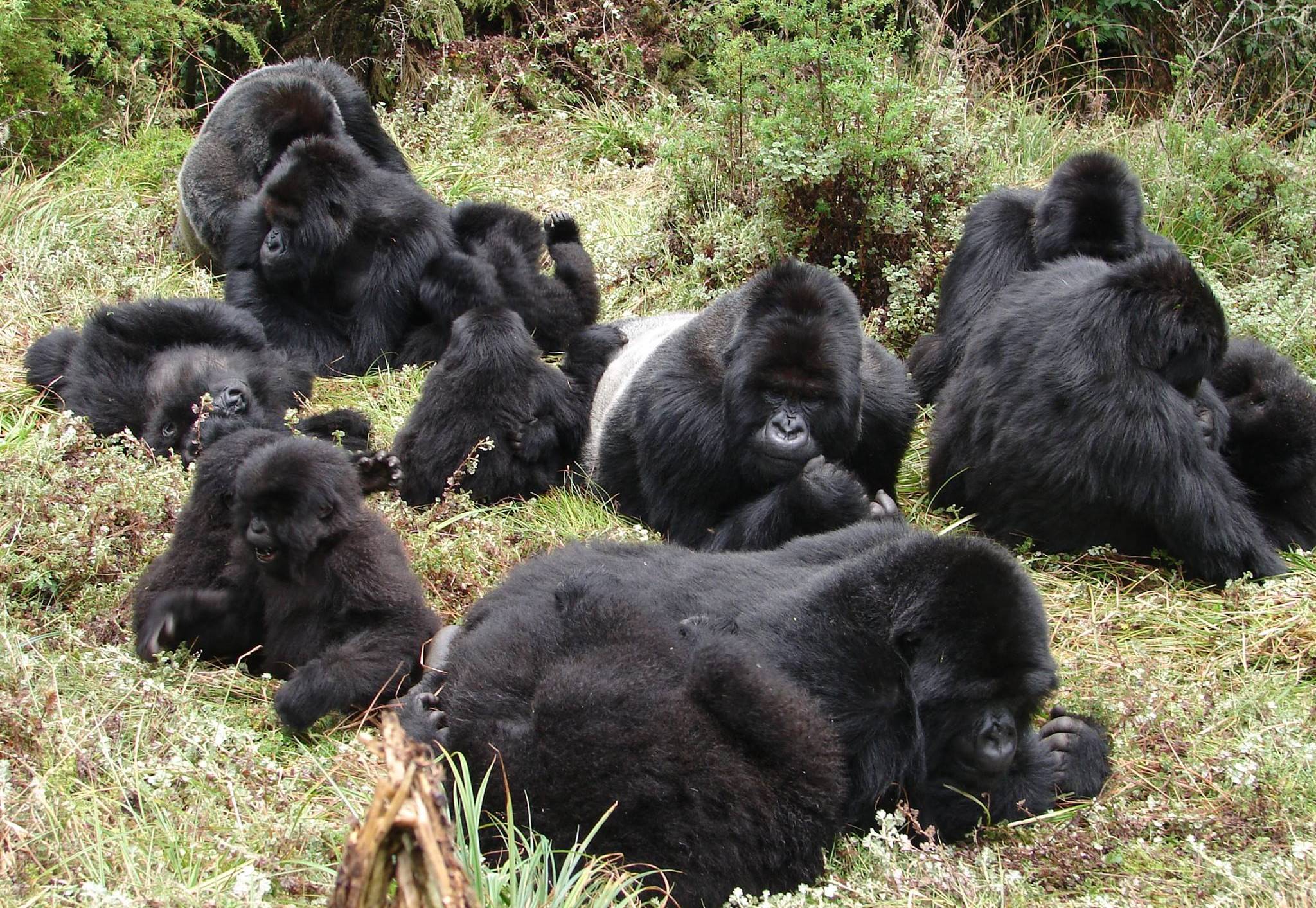
Which national parks offer mountain gorilla trekking in Uganda and Rwanda? For travellers planning an unforgettable encounter with mountain gorillas, the answer is three parks across two countries. In Uganda, visitors can trek in Bwindi Impenetrable National Park and Mgahinga Gorilla National Park. In Rwanda, gorilla trekking takes place in Volcanoes National Park, part of the Virunga Mountains. These protected forests offer guided encounters with habituated gorilla families, led by trained park rangers who help visitors follow conservation rules and move safely through the habitat. Bwindi is divided into four trekking sectors—Buhoma, Ruhija, Rushaga and Nkuringo—so the starting point matters when choosing where to stay and how to plan transport. Mgahinga, in Uganda’s Virunga region, offers a different setting among volcanic slopes and montane forest. Across the border, Rwanda’s Volcanoes National Park is known for its bamboo-covered mountains and access from the country’s northern region. Each park offers its own landscape and logistics, but all three make the trek a carefully managed wildlife experience. Uganda Wildlife Authority identifies Bwindi and Mgahinga as Uganda’s gorilla trekking parks, while Rwanda’s official booking portal places the activity in Volcanoes National Park.
How should you choose between the parks? Bwindi may suit travellers looking for several sector options and a chance to combine gorilla trekking with other Uganda safaris. Mgahinga can appeal to those drawn to the Virunga landscape or planning a route through Uganda’s southwestern highlands. Volcanoes National Park is a strong option for guests whose itinerary centres on Rwanda or who want to pair trekking with other experiences in the country. The best choice depends on more than the park’s name: consider the permit date, your arrival airport, road transfers, accommodation location, preferred trip length and the kind of broader itinerary you want. Because the gorillas live in natural forest, no park can promise a particular family, trail length or exact viewing moment. Permits are limited, and availability should guide the itinerary from the beginning. Frena Adventures Ltd can help guests compare the practical details and build a route that fits their dates, interests and comfort preferences. Which national parks offer mountain gorilla trekking in Uganda and Rwanda? All three are exceptional choices, but the right one is the park that aligns well with your travel plans while respecting the needs of the wildlife and the communities around it.
What are the expectations in this safari?
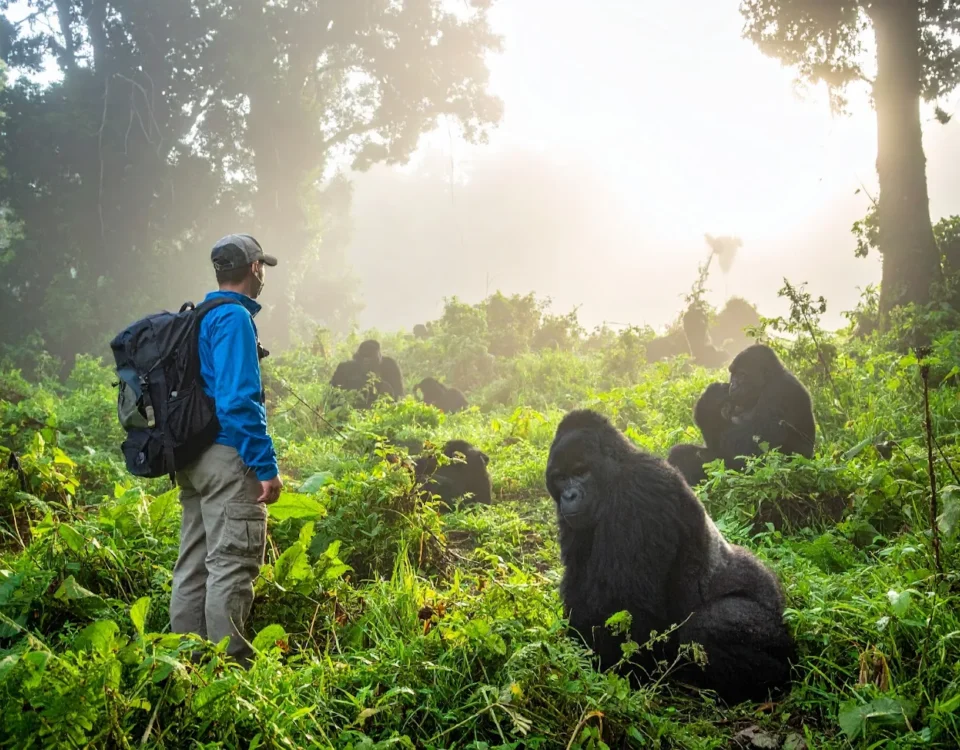
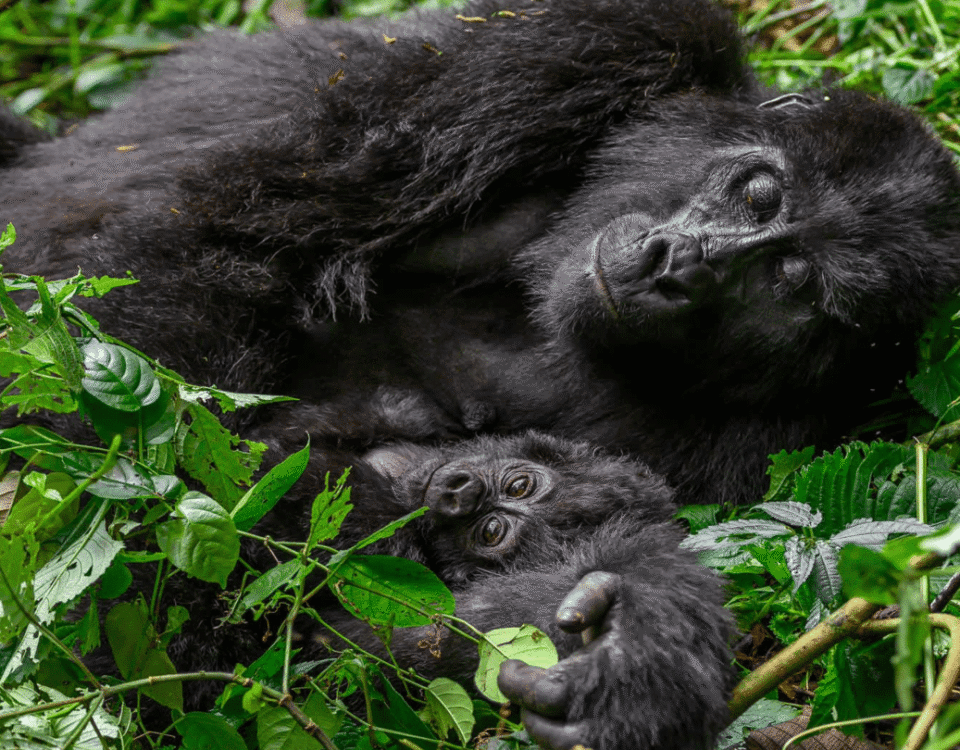
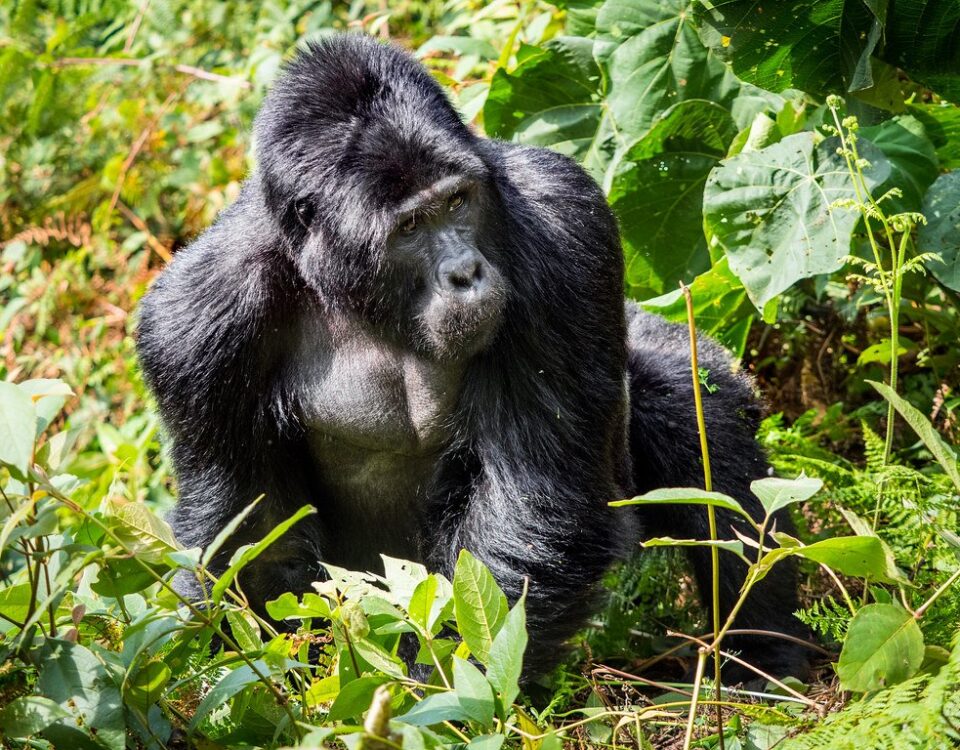
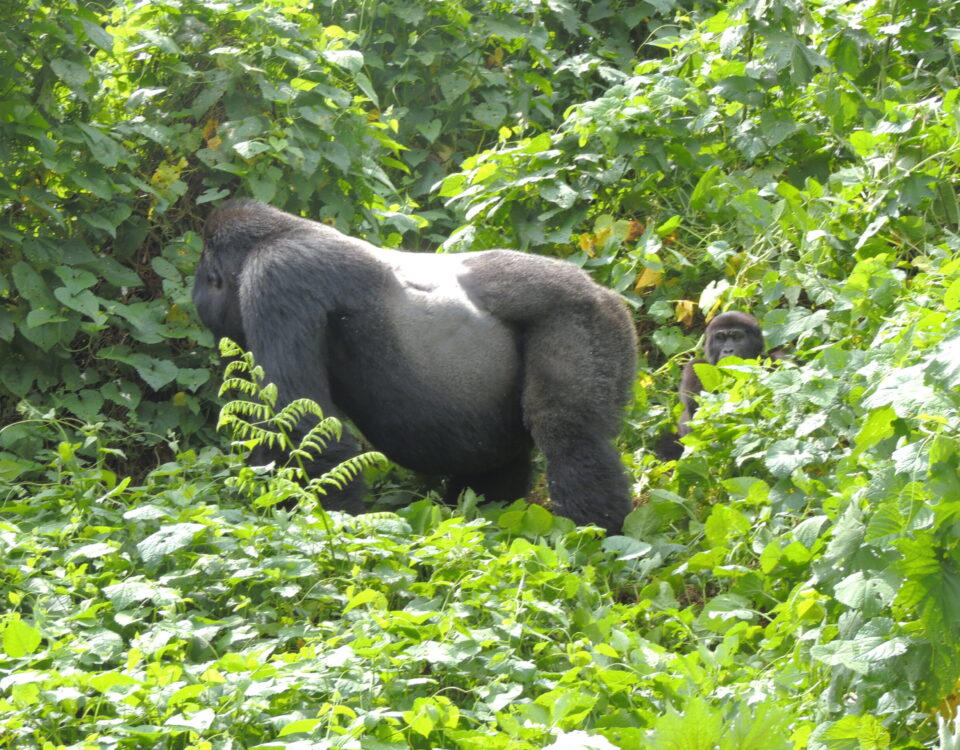
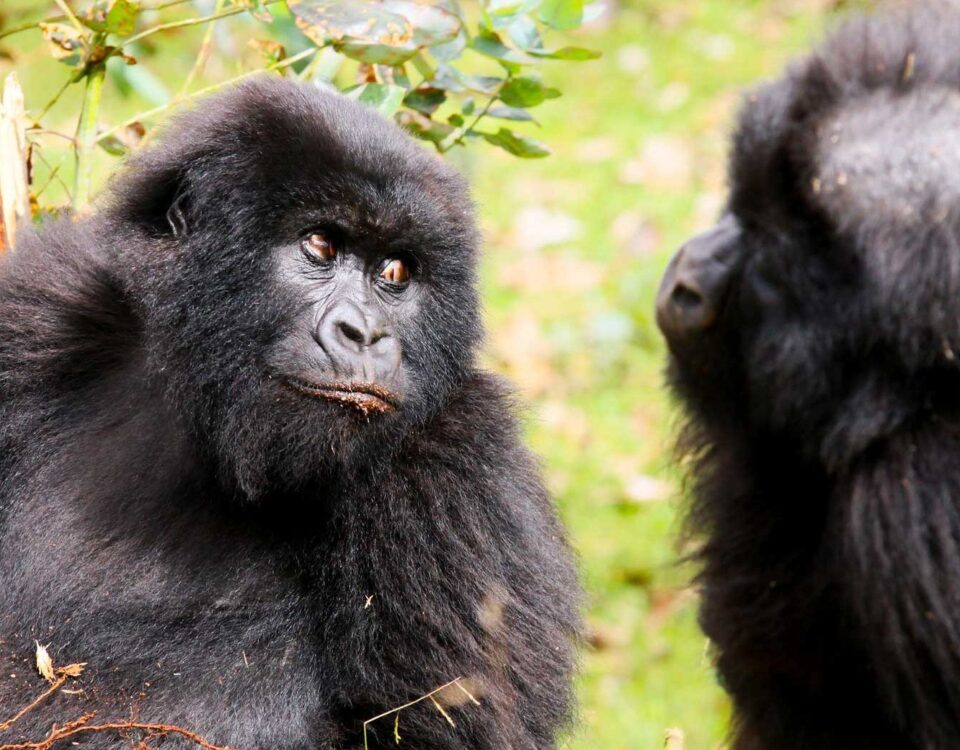
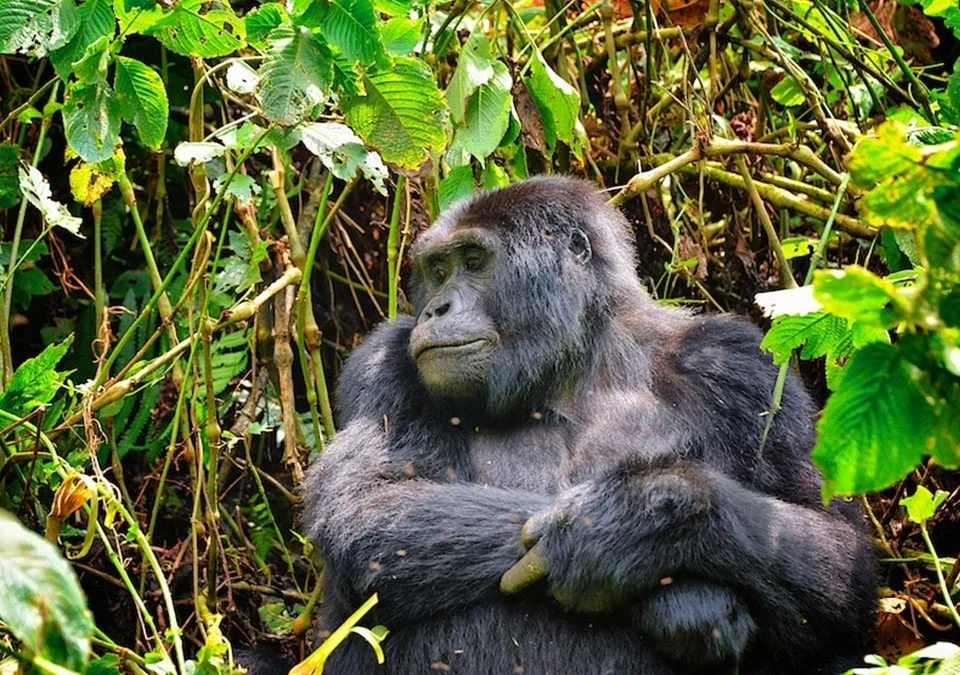
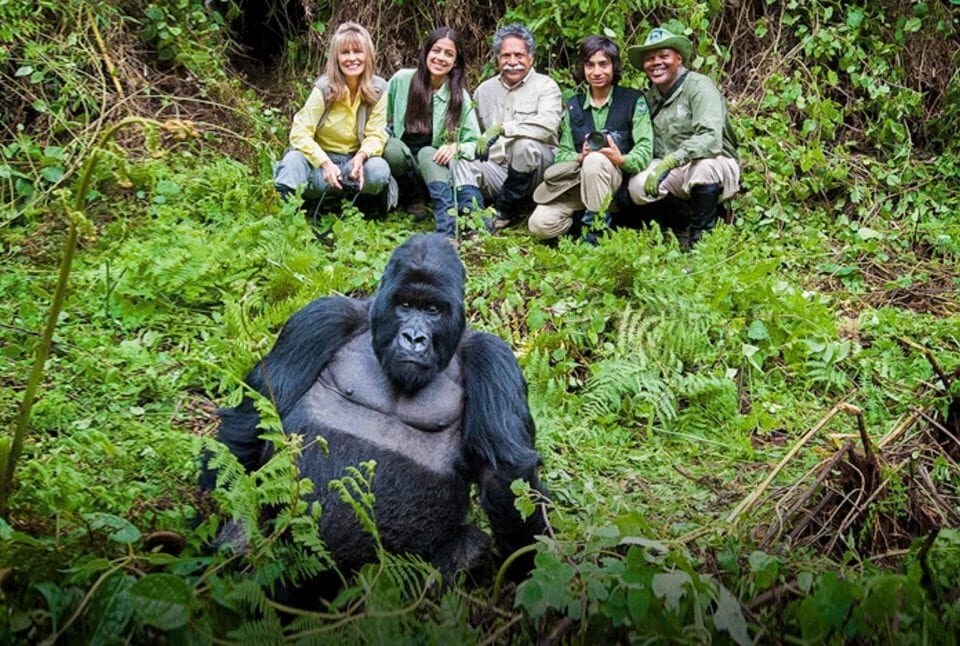
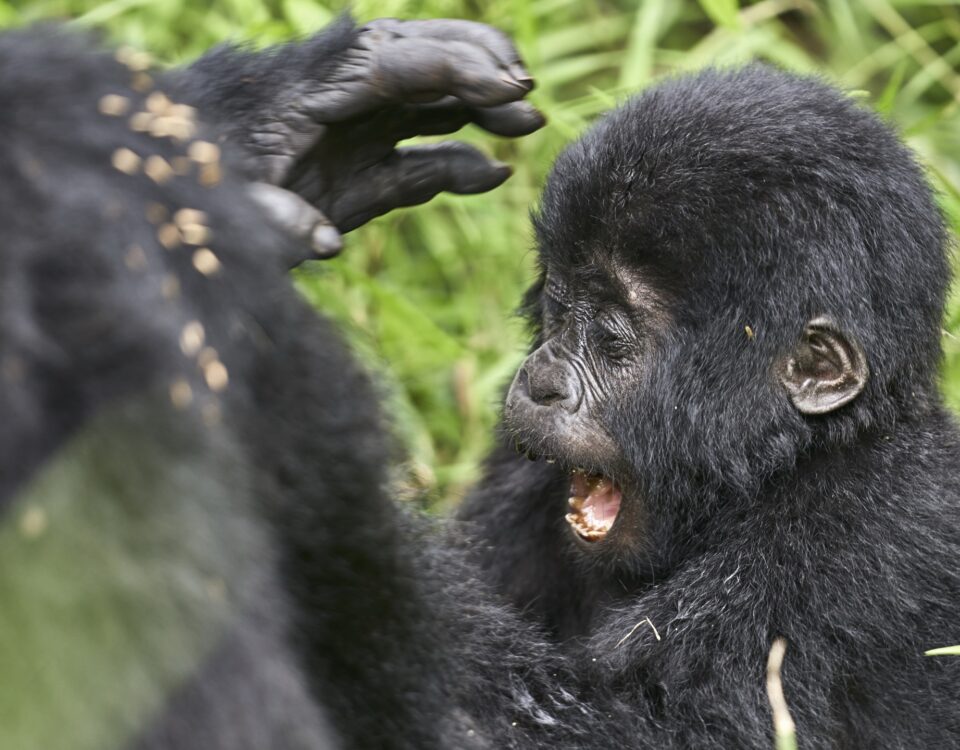
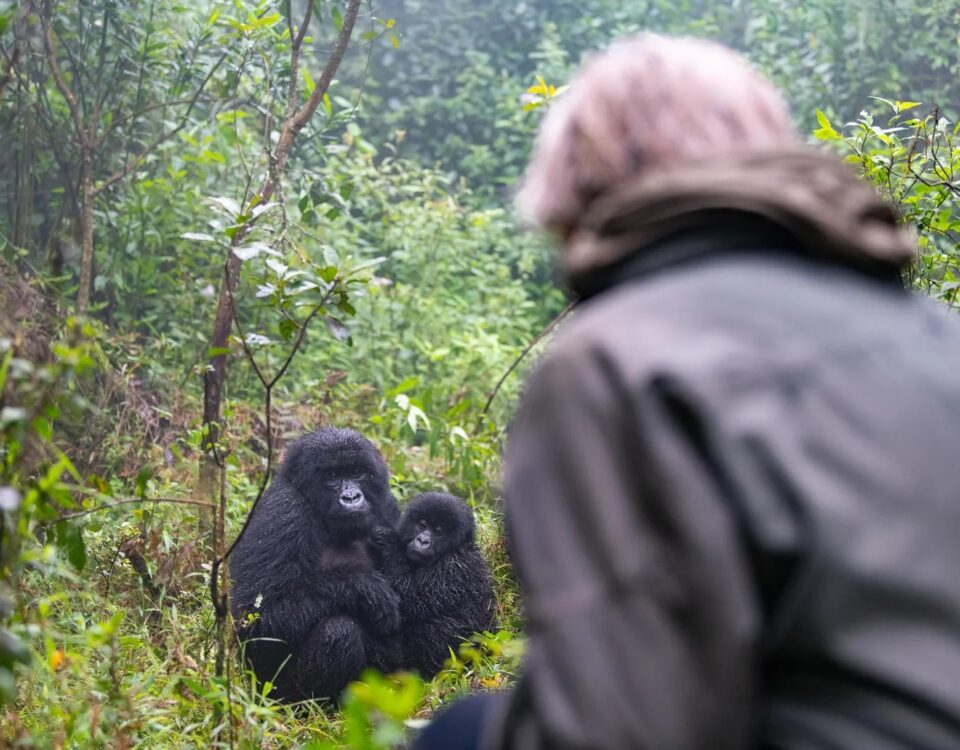
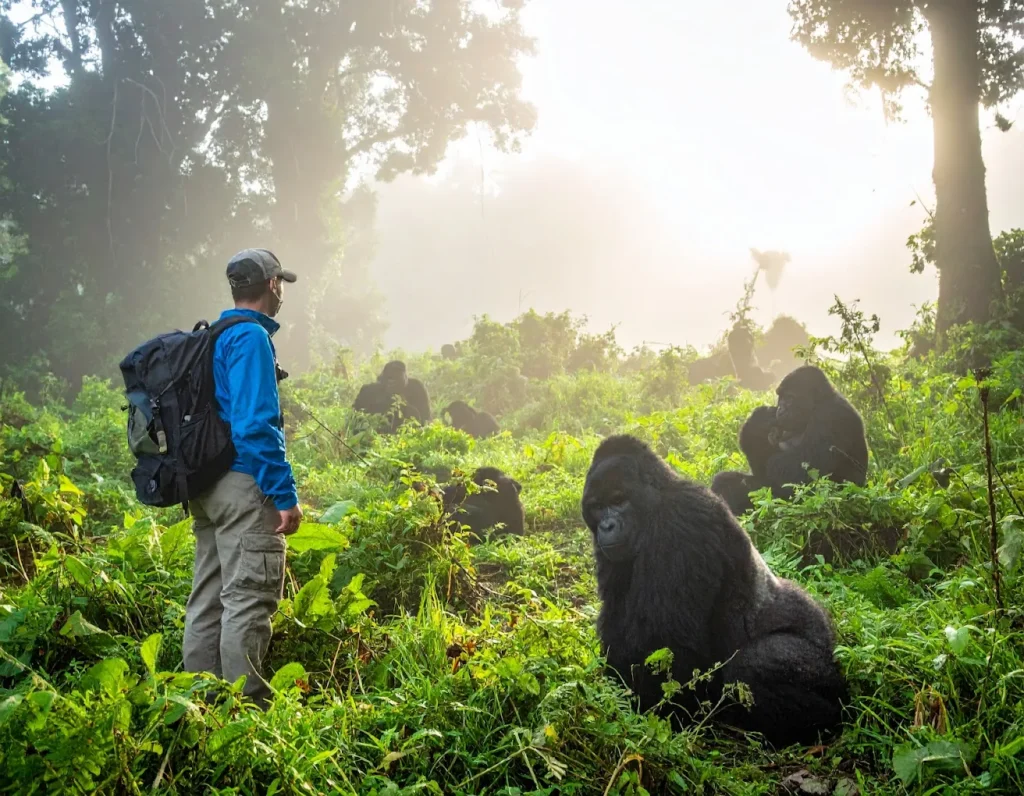
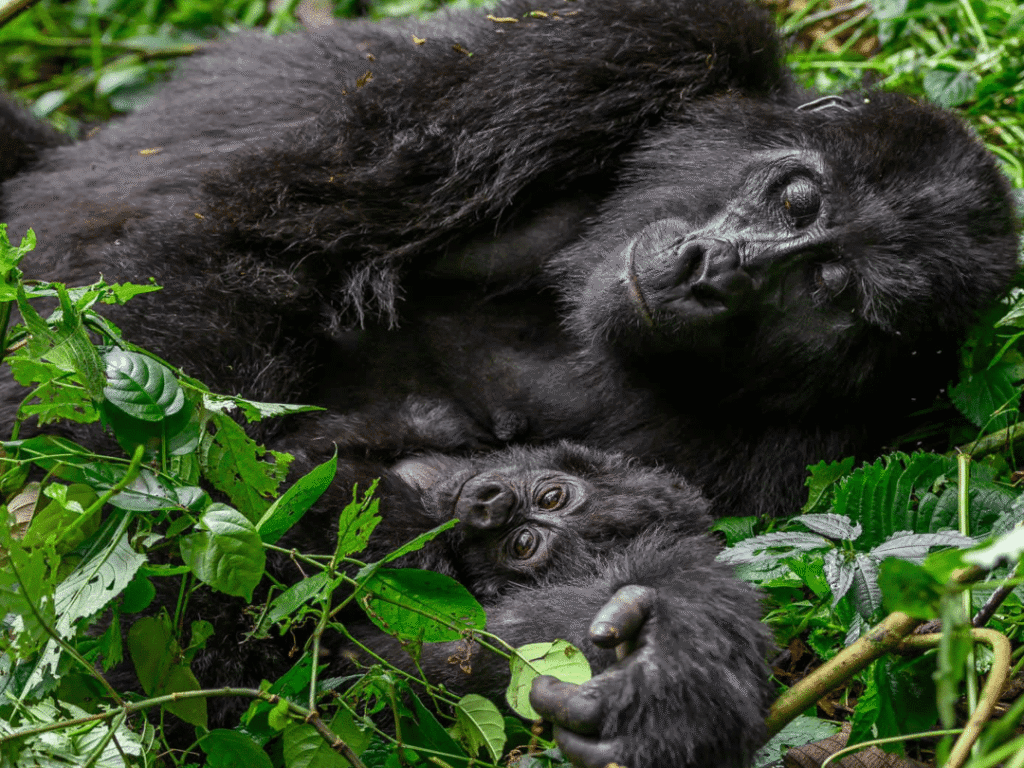
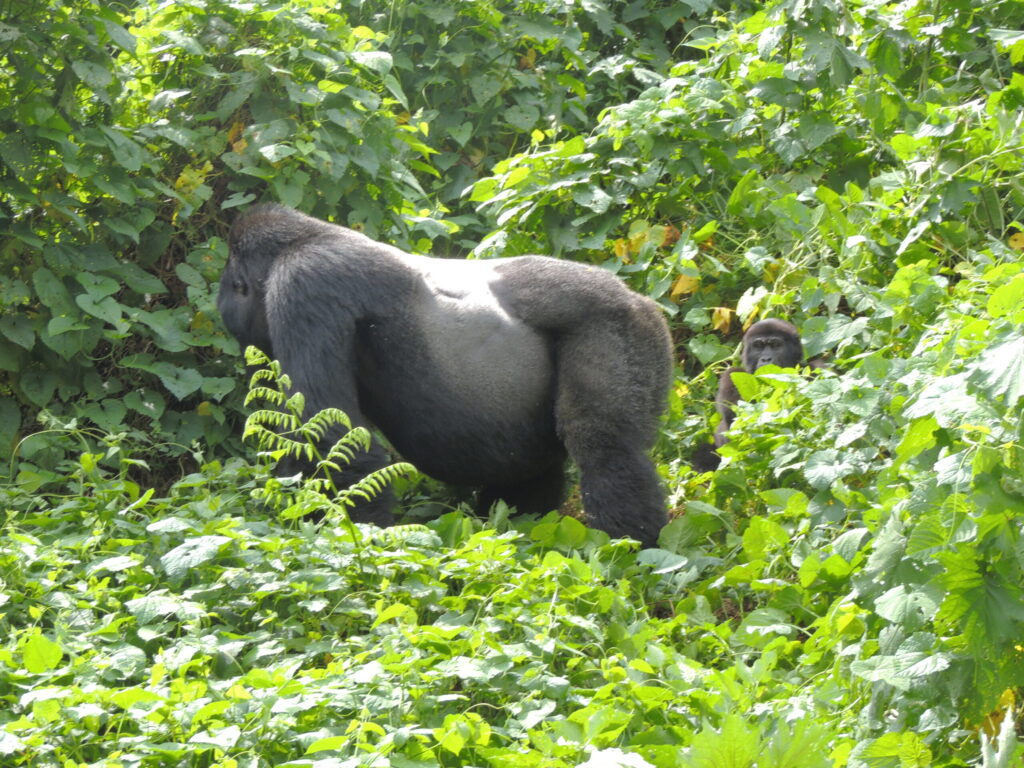
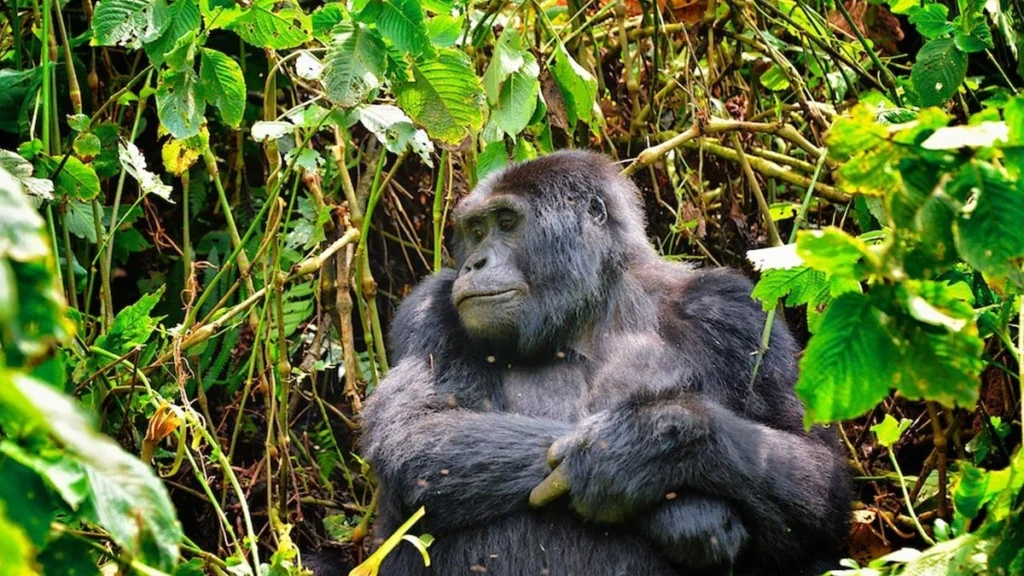
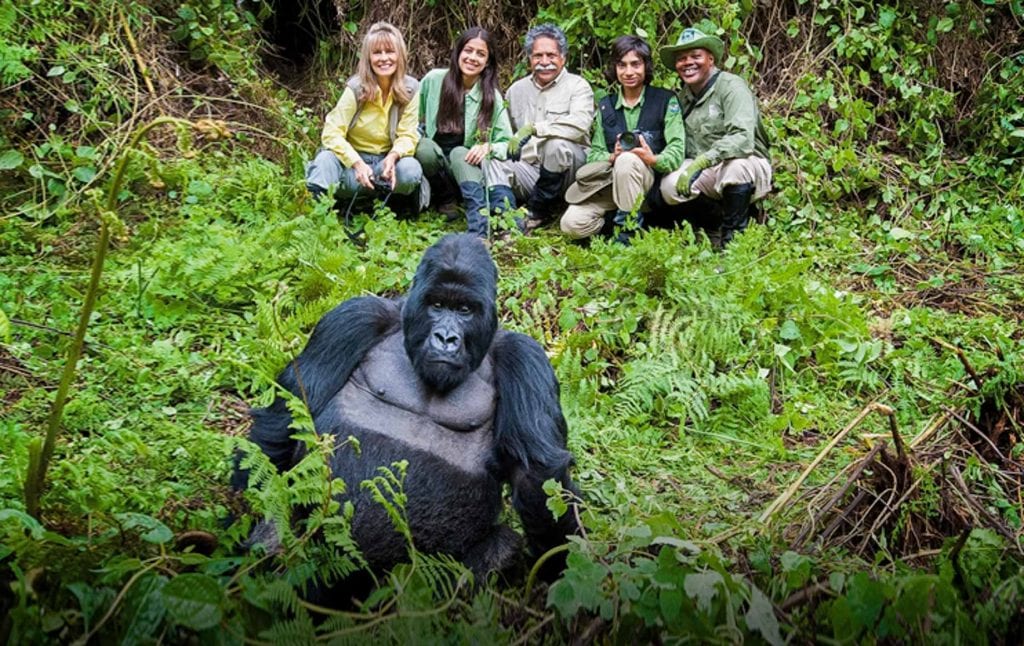
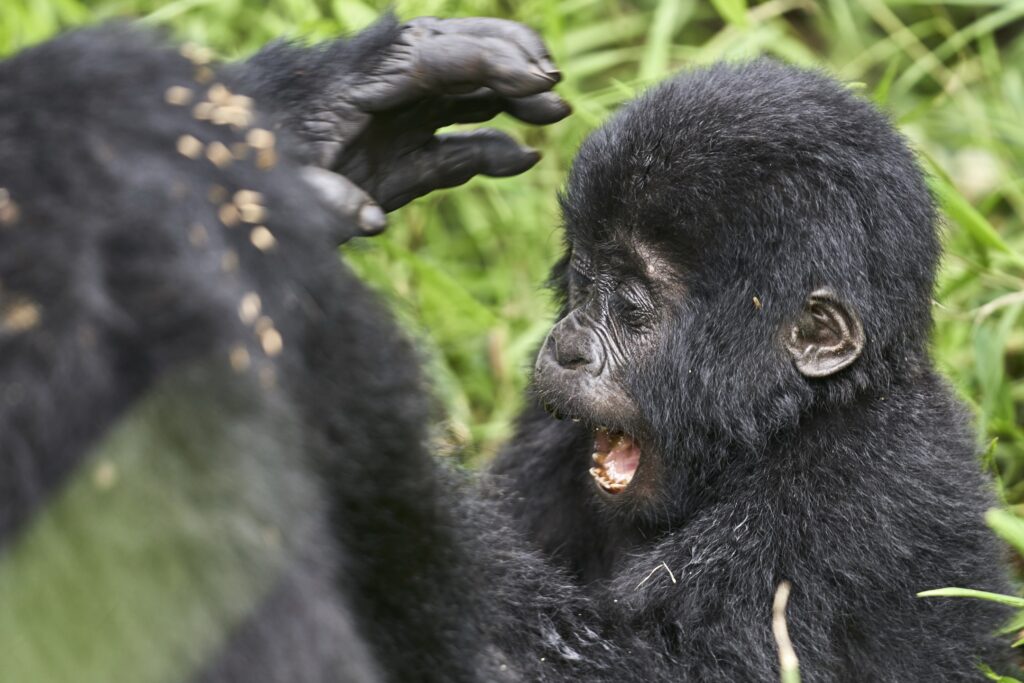
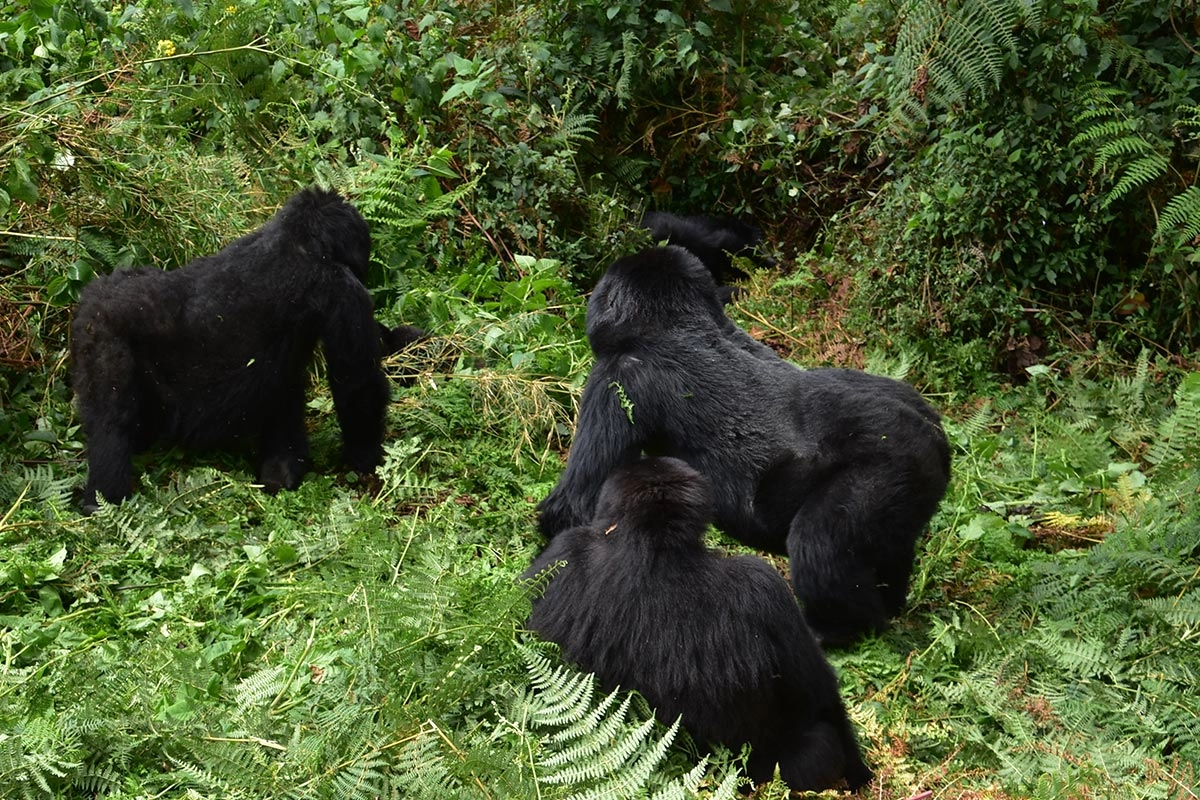
What are the expectations in this safari? A gorilla trek is an active forest hike, not a drive-up wildlife viewing experience. The day commonly starts with a briefing, after which park staff assign visitors to a group and provide guidance before entering the forest. Trek duration and difficulty vary: the Uganda Wildlife Authority says tracking may take between two and seven hours, depending on conditions and where the gorillas are located. Trails can be steep, muddy, uneven or dense with vegetation, and the high altitude may make walking more demanding. A reasonable level of fitness helps, though the pace and experience differ from one trek to another. Once the group reaches a habituated family, visitors are generally allowed a limited viewing period; UWA describes this as one hour. That time is for quiet observation: watch the gorillas’ behaviour, listen to your ranger and give the animals room. The experience may include seeing a silverback resting, juveniles playing or a family moving through the undergrowth, but wildlife is unpredictable and every encounter is different. Which national parks offer mountain gorilla trekking in Uganda and Rwanda? In every park, the visit depends on conservation protocols and the gorillas’ movements, so flexibility and patience are part of the adventure.
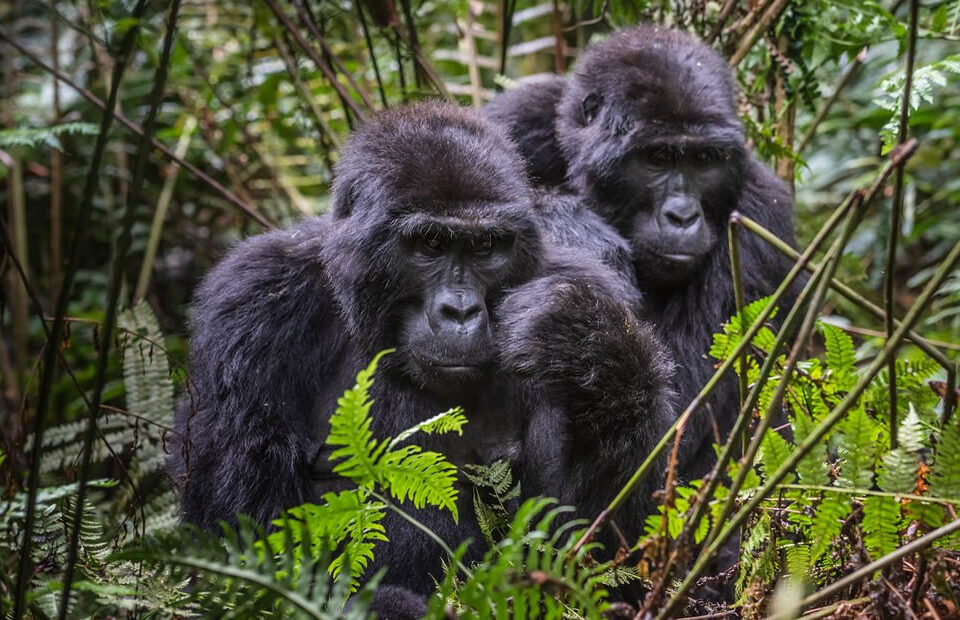
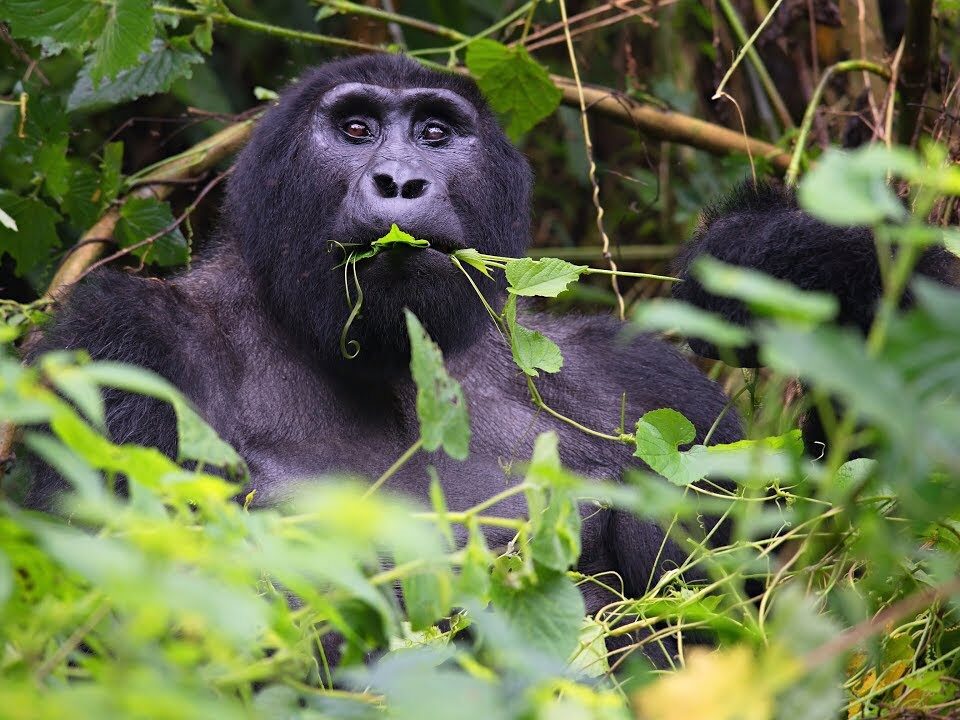
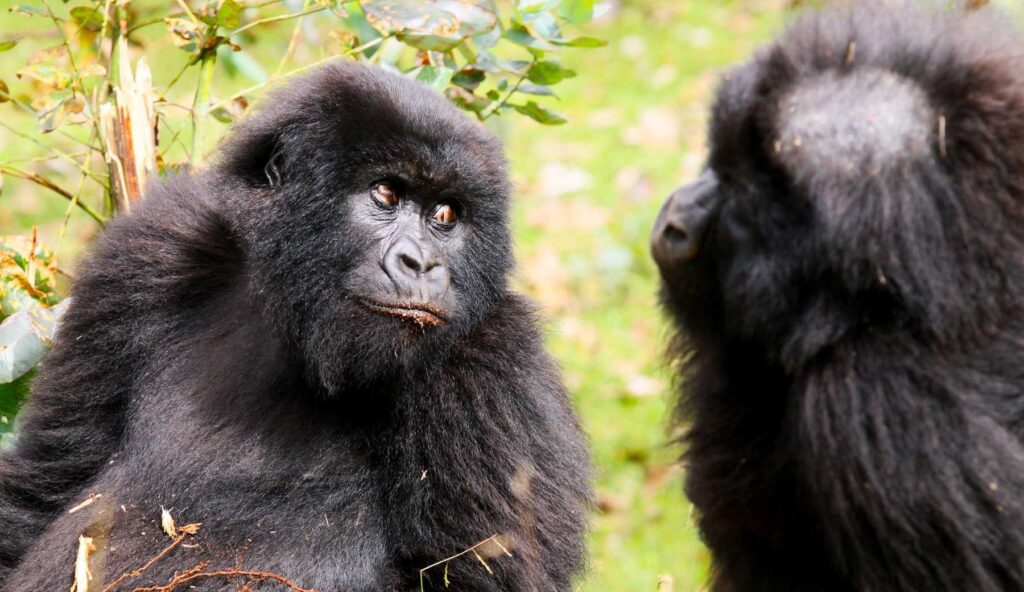
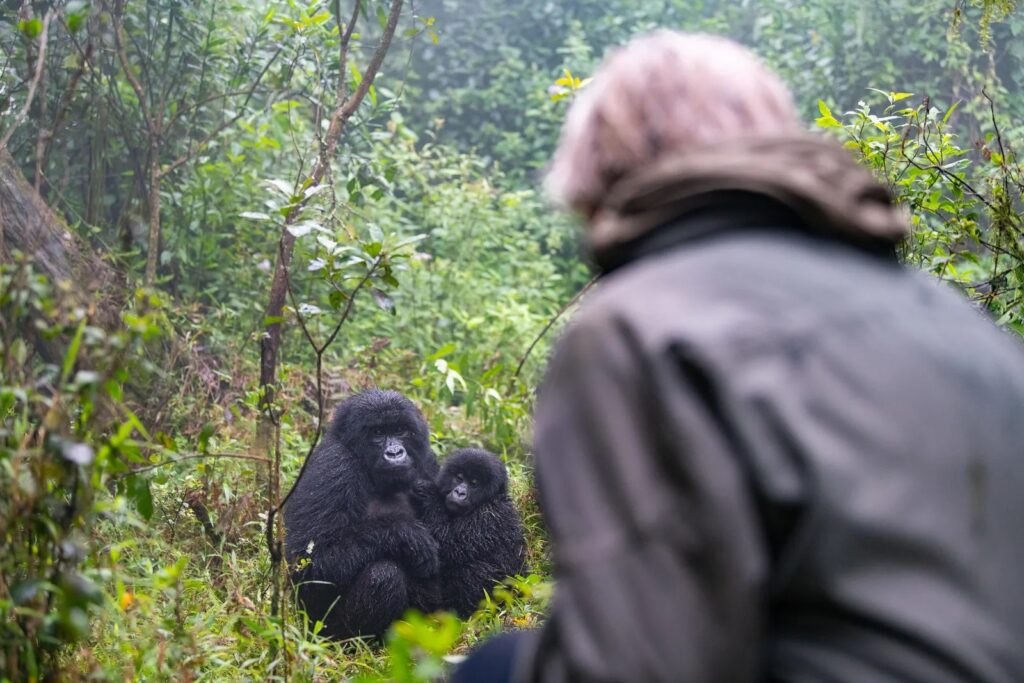
What makes the encounter meaningful? Mountain gorilla trekking brings visitors into a living forest ecosystem, where the experience is shaped by far more than a photograph. Rangers and trackers contribute local knowledge and expertise, while porters can help carry day packs or offer support along challenging sections of the trail. Hiring a porter, where available, is also a practical way to support people living near the parks. Strict visitor limits, hygiene precautions and behavioural rules are designed to reduce disturbance and help protect gorillas, which can be vulnerable to human illnesses. Visitors should not trek if they are unwell with a contagious illness, and they must follow the park briefing, maintain the required distance and avoid eating, drinking or making unnecessary noise near the animals. Rules can differ in detail between authorities, so guests should follow the current instructions provided for their specific trek. This is a wildlife experience, not a staged performance: the gorillas are free to move, rest and interact naturally. Which national parks offer mountain gorilla trekking in Uganda and Rwanda? Bwindi, Mgahinga and Volcanoes each provide the chance to witness this rare species in its habitat, while responsible preparation helps make the encounter safer and more respectful for visitors, guides and wildlife.
 When is the best time for this safari?
 Gorilla trekking is possible throughout the year, but many visitors prefer the drier periods because trails may be less slippery and road transfers can be easier. In Uganda, commonly recommended windows include June to September and December to February. Conditions remain tropical and changeable, however, so rain is possible even during drier months. In Rwanda, the long dry season from June to September is often regarded as a favourable period for trekking, though the forest climate can also shift quickly. The wetter months may bring muddier trails, but they can work well for travellers who have flexible dates and are prepared for rain. No season guarantees an easy hike or a closer sighting; the location of a gorilla family on the day is a major factor in trek conditions. For the most popular travel periods, start planning early and confirm permit availability before finalising flights and accommodation. Which national parks offer mountain gorilla trekking in Uganda and Rwanda? The answer stays the same in every season, but your preferred travel month can affect availability, trail conditions, lodging options and the amount of time needed for transport. Before booking, check current permit terms and park guidance directly with the relevant authority or a reputable tour operator.
Why choose Frena Adventures Ltd for this particular safari?
Why choose us for this particular safari? Planning a gorilla trek involves coordinating more than a permit: the park sector, accommodation, transfers, border logistics and wider itinerary all need to fit together. Frena Adventures Ltd can help travellers compare Uganda and Rwanda options, organise a route around confirmed permit dates and understand what to expect before departure. A thoughtful itinerary should allow enough time for the journey to the park and should avoid treating the trek as a guaranteed, fixed-duration activity. Guests can also consider extending their Kenya tours, Kenya adventures or Kenya safaris with a separate East African journey, depending on the route and available travel time. Combining destinations requires careful planning, since distances, border requirements and flight schedules can affect the overall pace. A reliable operator should explain inclusions and exclusions clearly, share practical preparation advice, and help guests understand the roles of park authorities, guides and local service providers. We encourage travellers to ask questions about permit arrangements, accommodation standards, transfer times, cancellation conditions and any additional costs before confirming a booking. Which national parks offer mountain gorilla trekking in Uganda and Rwanda? Our role is to help you make an informed choice among the three parks and plan responsibly, with clear communication and respect for conservation priorities at the centre of the experience.
 What should you pack for a gorilla trek?
What should you pack? Choose practical clothing that can handle damp, cool conditions and protect you from branches and stinging vegetation. Long trousers, a long-sleeved top, sturdy hiking boots with good grip, thick socks, gardening gloves and a lightweight waterproof jacket are useful starting points. Gaiters can help keep mud and debris out of boots, while a small day pack can carry water, snacks for before or after the trek, personal medication and a camera. Bring spare clothing for after the hike, and consider a walking stick if you find uneven terrain challenging; park staff may be able to provide one. A hat, sunscreen and insect repellent may also be useful, although the forest canopy can be cool and shaded. Pack lightly enough to move comfortably, and keep valuables protected from rain. Follow your operator’s and park authority’s advice on food, water, photography and hygiene, since rules apply near the gorillas. Which national parks offer mountain gorilla trekking in Uganda and Rwanda? Whichever park you choose, suitable clothing and realistic expectations can make the day more comfortable. A well-planned trek combines preparation, respect for wildlife and openness to the unexpected—qualities that help turn a challenging forest walk into a memorable part of your Africa safari.
Planning your gorilla safari? Contact Frena Adventures Ltd to discuss permit dates, park options and an itinerary suited to your travel plans. Check current park rules and permit availability before booking, as requirements and terms may change.