Can You Go Gorilla Trekking in April, May, or November?
November 10, 2026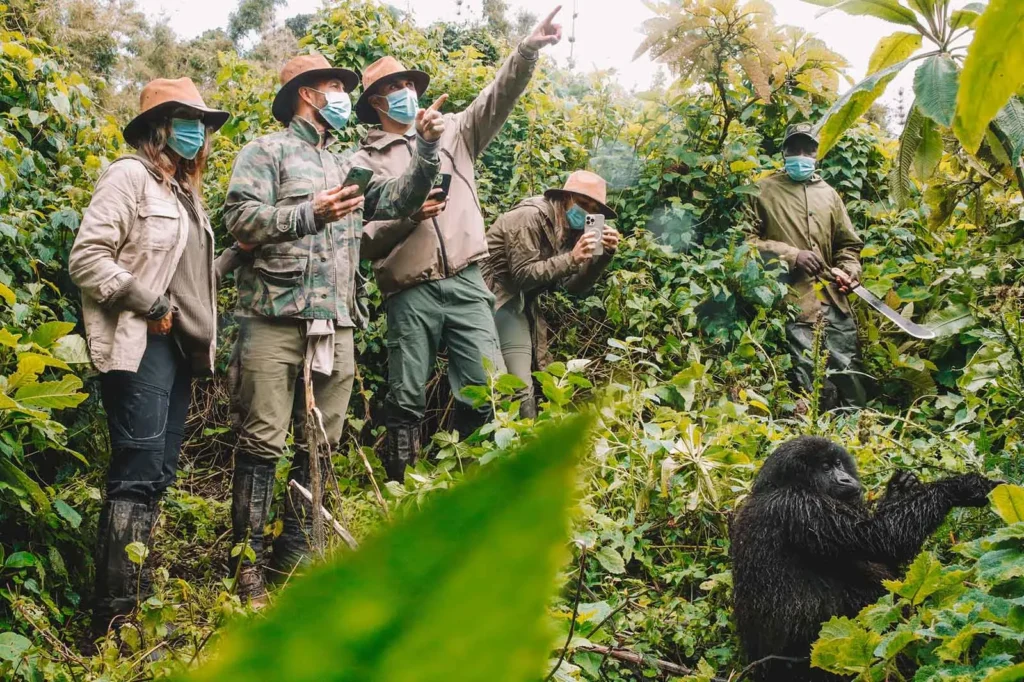
How Difficult Is Gorilla Trekking in Uganda?
How difficult is gorilla trekking in Uganda? This is one of the most common questions asked by international travellers planning an unforgettable wildlife adventure in East Africa. Although encountering endangered mountain gorillas in their natural habitat is an extraordinary experience, reaching them requires walking through some of Africa’s most remarkable tropical rainforests. Uganda offers this exceptional opportunity in two protected destinations: Bwindi Impenetrable National Park and Mgahinga Gorilla National Park. Both destinations provide access to mountain gorilla families living within beautiful but sometimes challenging mountainous environments. The experience involves navigating forest paths, climbing gentle and steep slopes, crossing uneven ground and occasionally moving through thick vegetation. Consequently, the level of difficulty depends on several factors, including the location of the assigned gorilla family, the condition of the trails, weather conditions and an individual traveller’s walking ability. Nevertheless, gorilla trekking is not exclusively reserved for professional hikers or highly experienced adventurers. Visitors with reasonable physical fitness, proper preparation and guidance from experienced park rangers can participate in this remarkable activity. At Frena Adventures Ltd, we understand that knowing what lies ahead makes a significant difference when planning a successful Uganda safari. Our intention is to help international visitors understand the physical demands, practical preparations and rewarding moments associated with this adventure. Whether you are travelling alone, with friends or as part of a family itinerary, understanding how difficult gorilla trekking in Uganda can be will help you approach the experience with realistic expectations and greater confidence.
How Physically Demanding Is Gorilla Trekking in Uganda?
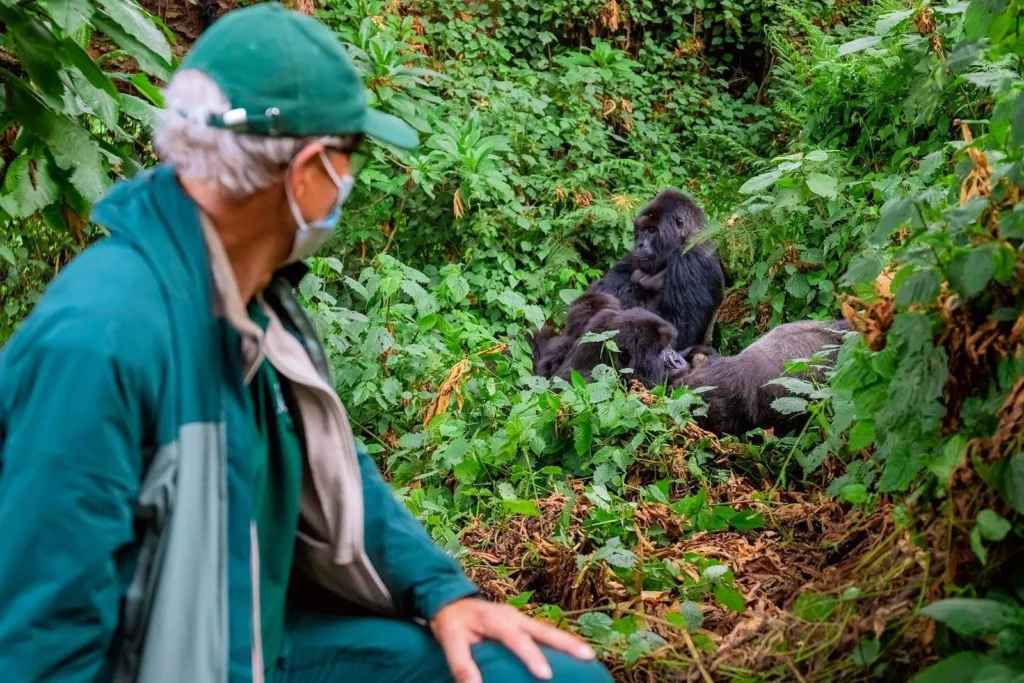
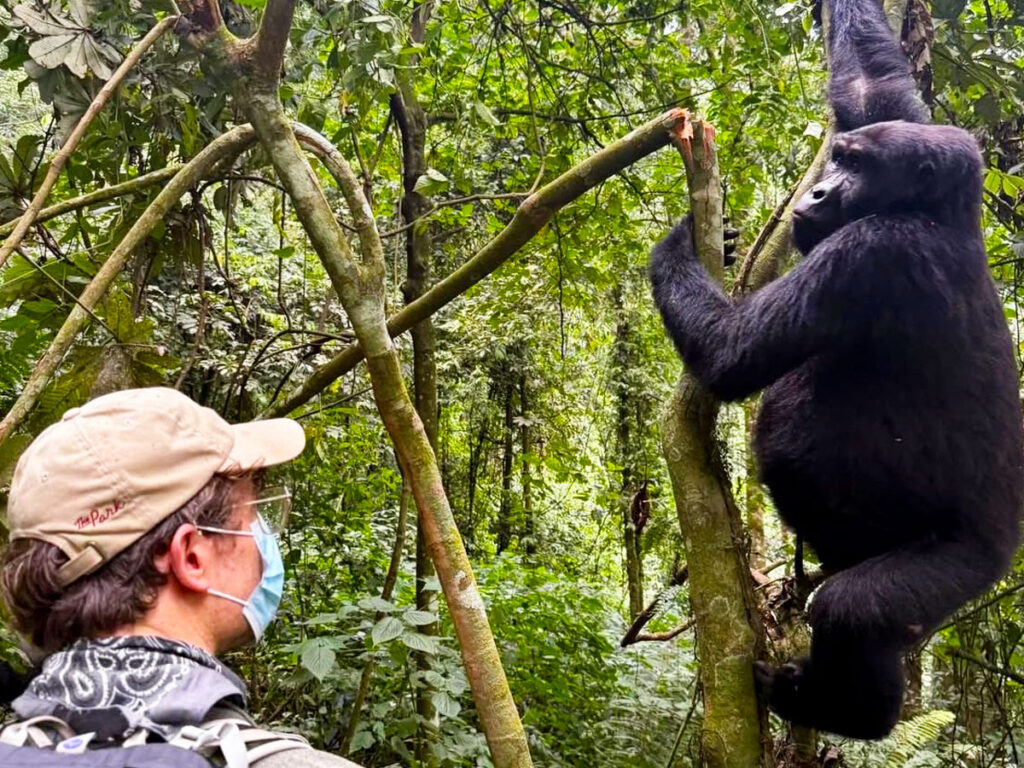
Understanding how difficult gorilla trekking in Uganda is begins with appreciating the natural environment in which mountain gorillas live. Unlike conventional wildlife safaris where visitors observe animals from comfortable safari vehicles, gorilla trekking requires participants to explore the forest on foot. Bwindi Impenetrable National Park is particularly famous for its thick vegetation, steep hills, deep valleys and winding forest trails. Some sections are relatively manageable, while others require considerable effort because of uneven ground, exposed tree roots, muddy pathways and changes in elevation. According to the Uganda Wildlife Authority, a typical gorilla trekking experience can take approximately two to seven hours, depending on the location and movements of the gorilla family. This duration includes the time spent searching for the animals and walking back after the encounter. Once the gorillas are located, visitors are generally allowed one hour to observe them under the supervision of trained park personnel.
The physical demands should therefore not be underestimated, particularly for travellers unfamiliar with walking in mountainous rainforest environments. However, the experience does not involve maintaining a constant climbing pace throughout the entire excursion. Guides regulate the movement of the group, provide opportunities to pause and adjust the walking speed according to the circumstances. Ultimately, how difficult gorilla trekking in Uganda feels will depend on the particular trekking route and the physical readiness of each participant. Preparing appropriately allows visitors to appreciate the adventure rather than concentrating entirely on the challenges of reaching their destination.
Does the Terrain Make Gorilla Trekking More Challenging?
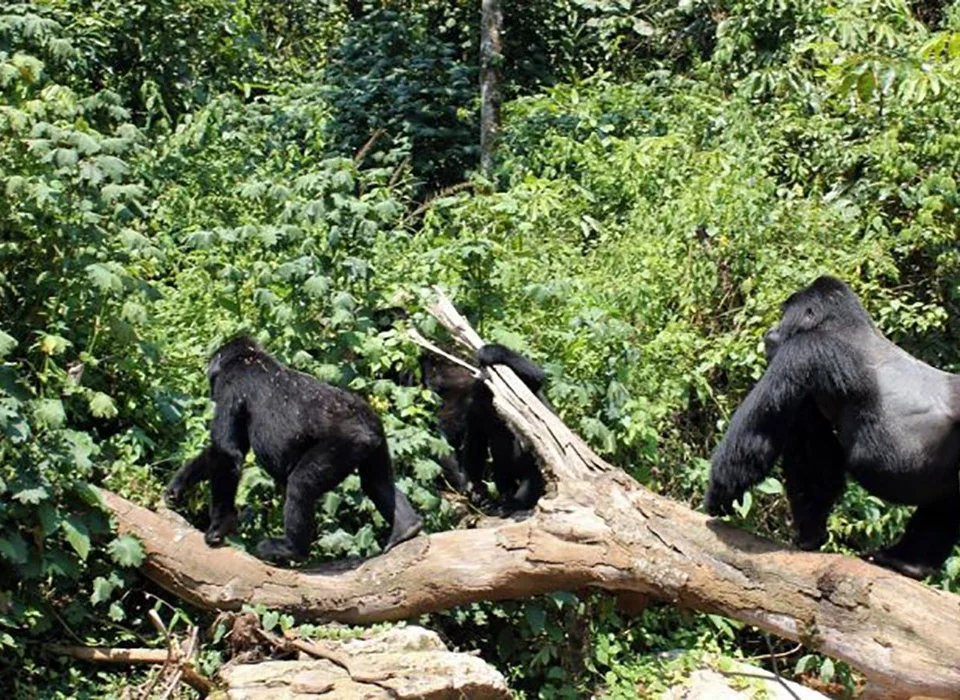
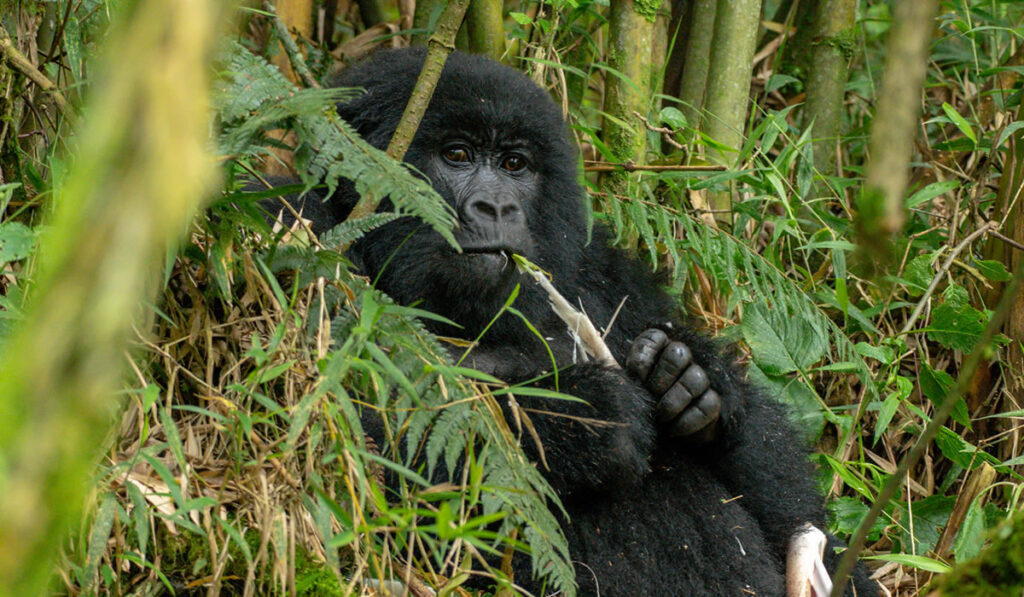
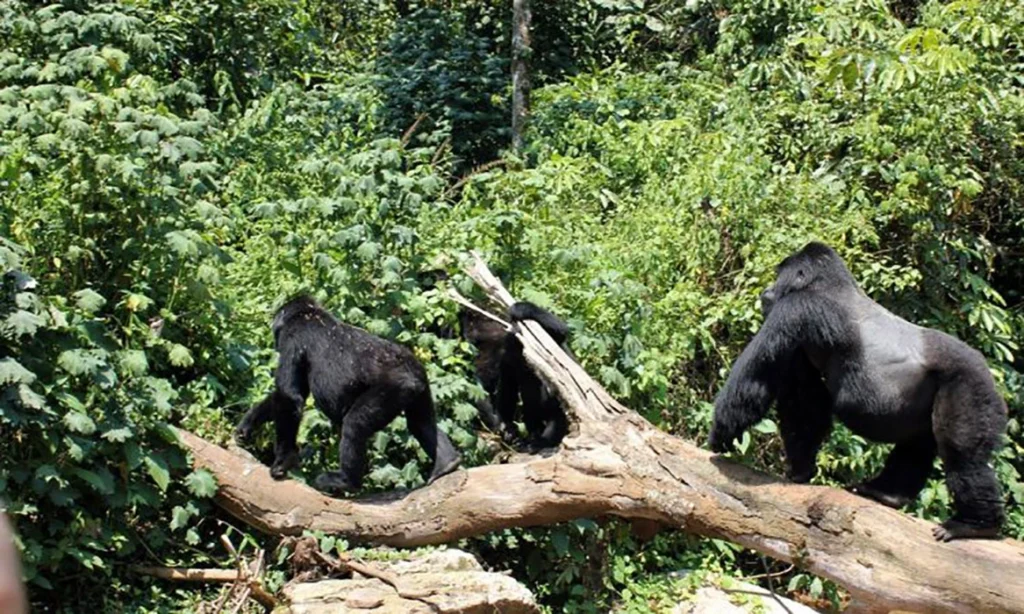
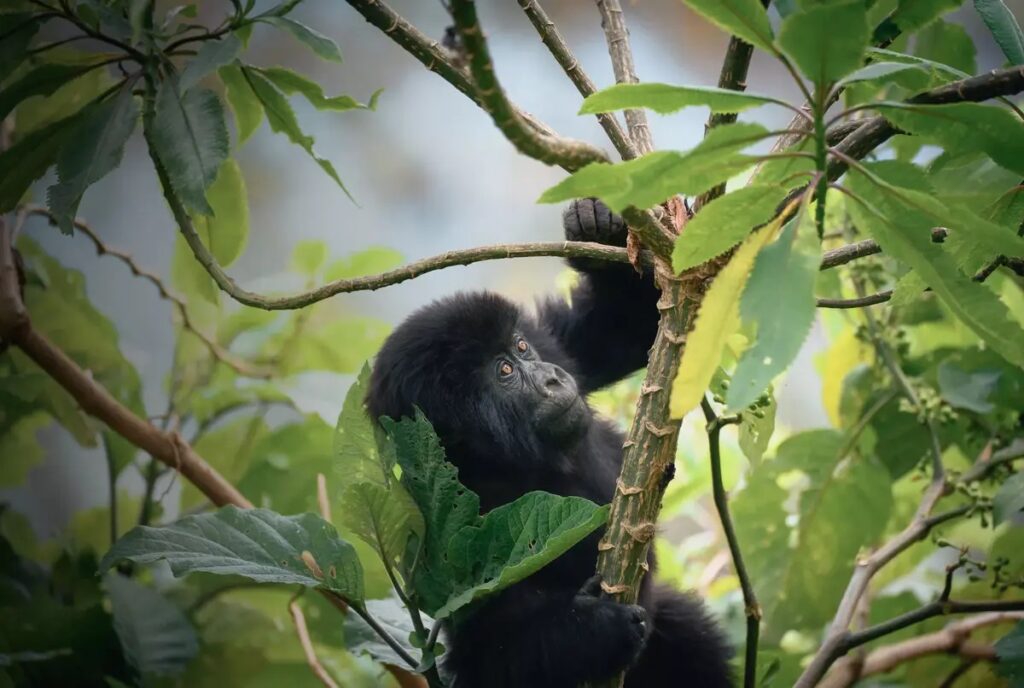
One important consideration when evaluating how difficult gorilla trekking in Uganda can become is the nature of the surrounding landscape. Bwindi’s name, commonly associated with the description of an impenetrable forest, reflects the dense vegetation and rugged terrain that make this destination so distinctive. Visitors encounter indigenous trees, tangled vines, bamboo vegetation, thick undergrowth and narrow pathways that wind through mountainous landscapes. Certain trails involve climbing uphill for extended periods, while other sections descend into valleys before rising again towards higher forest elevations. During rainy weather, the ground can become slippery, making movement more demanding and requiring additional care. Furthermore, some trekking routes involve navigating around fallen branches, stepping over tree roots and moving through areas where vegetation limits visibility. Mgahinga Gorilla National Park presents a somewhat different environment, with its beautiful volcanic mountain landscapes, bamboo forests and sections of montane vegetation. Although the scenery differs from Bwindi, the mountainous surroundings can still involve challenging uphill and downhill walking. For visitors interested in Kenya Adventures, Kenya Safaris or Kenya Tours, Uganda’s gorilla trekking experience introduces a different dimension of African wildlife exploration because the encounter happens deep within a natural forest rather than across open savannah plains. Nevertheless, the difficulty should not discourage potential visitors. Experienced guides understand the forest environment and help trekkers navigate the available routes safely. With suitable preparation and a realistic understanding of the terrain, travellers can enjoy this remarkable opportunity to discover Uganda’s extraordinary biodiversity.
Which Factors Determine the Difficulty of Gorilla Trekking in Uganda?
Several circumstances influence how difficult gorilla trekking in Uganda becomes on a particular day. First, the location of the assigned gorilla family plays a major role because mountain gorillas move freely through their natural habitat in search of food, shelter and suitable resting areas. Some families may be located relatively close to the starting point, allowing visitors to reach them after a shorter walk. Others may have travelled deeper into the forest or towards higher elevations, requiring a longer and more demanding journey. Secondly, weather conditions influence the accessibility of different trails. Rainfall can transform otherwise manageable forest pathways into muddy surfaces that require careful movement. Thirdly, the altitude and changing landscape can affect how comfortable visitors feel during the trek, especially when they are not accustomed to walking in mountainous environments. Individual fitness levels also matter because people have different levels of endurance, walking experience and comfort when navigating uneven ground. Additionally, the trekking sector selected within Bwindi can influence the general nature of the experience. The park has four principal sectors: Buhoma, Ruhija, Rushaga and Nkuringo. Each offers access to different gorilla families and has distinctive geographical characteristics. Therefore, travellers should avoid assuming that every gorilla trekking excursion follows an identical route or requires the same amount of physical effort. At Frena Adventures Ltd, we recognise the importance of considering these factors when arranging Uganda Gorilla Safaris. Proper itinerary planning, suitable accommodation arrangements and coordination with the relevant park authorities help visitors prepare for the experience. Most importantly, understanding these variables ensures that expectations remain realistic while allowing travellers to enjoy the remarkable privilege of observing mountain gorillas in the wild.
Is Gorilla Trekking Suitable for First-Time Hikers?
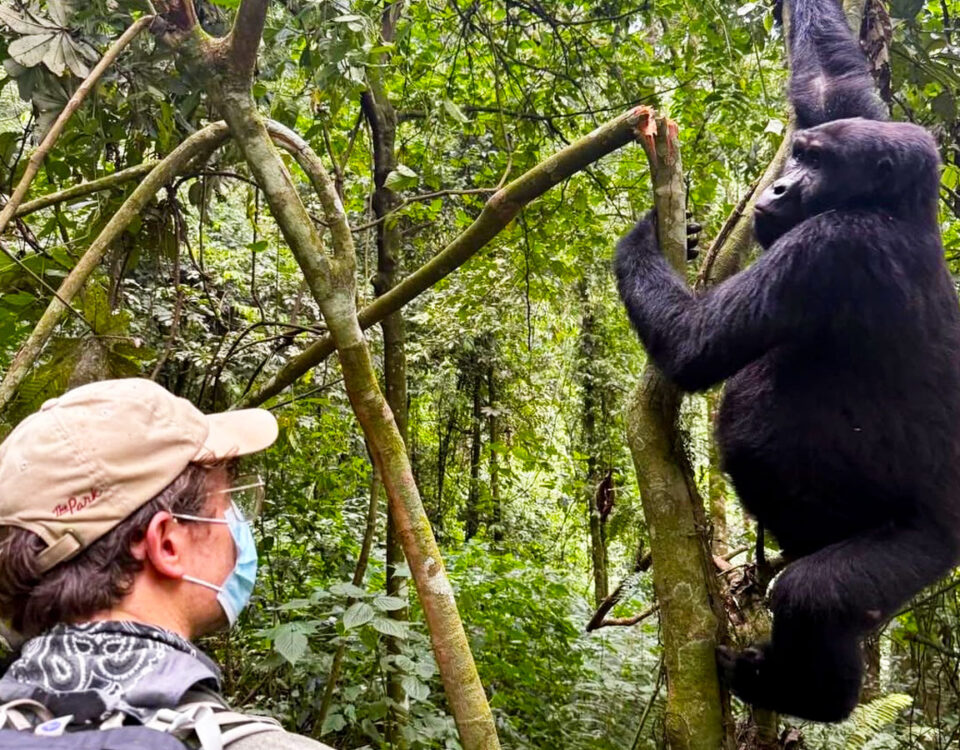
Many international travellers wonder whether they need previous hiking experience before participating in gorilla trekking in Uganda. Fortunately, professional mountaineering experience is not a requirement for the standard gorilla tracking activity. Visitors who enjoy ordinary walking and have reasonable physical fitness can participate, provided they understand that the forest environment may present unexpected challenges. First-time hikers should appreciate that the experience is different from walking along paved roads, visiting city attractions or exploring ordinary nature trails. The forest floor is irregular, the pathways can become slippery, and some sections require gradual uphill movement. Nevertheless, visitors are accompanied by trained park guides and rangers who understand the environment and coordinate the tracking activity. Their knowledge helps trekkers navigate the forest while learning about mountain gorillas, their behaviour, feeding habits and conservation. Walking at a manageable pace, following instructions and taking appropriate breaks can make the experience more comfortable. Travellers who have concerns about their physical ability should communicate with their safari operator before the trekking date so that suitable arrangements can be discussed with the relevant park authorities. Hiring an authorised porter is another practical consideration because porters can assist with carrying personal belongings and provide support when navigating difficult sections. Such assistance also creates an opportunity to support local communities whose livelihoods are connected to responsible tourism. Ultimately, how difficult gorilla trekking in Uganda feels to a first-time hiker depends on preparation, route conditions and individual circumstances. The most important consideration is approaching the adventure responsibly rather than assuming that extensive hiking experience is necessary.
What Are the Expectations in This Safari?
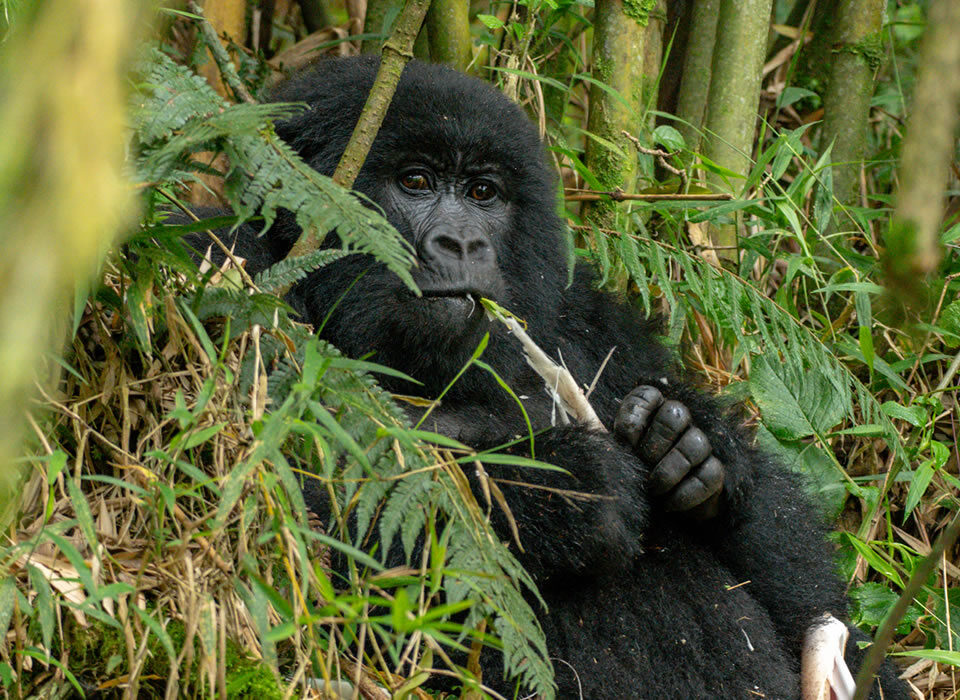
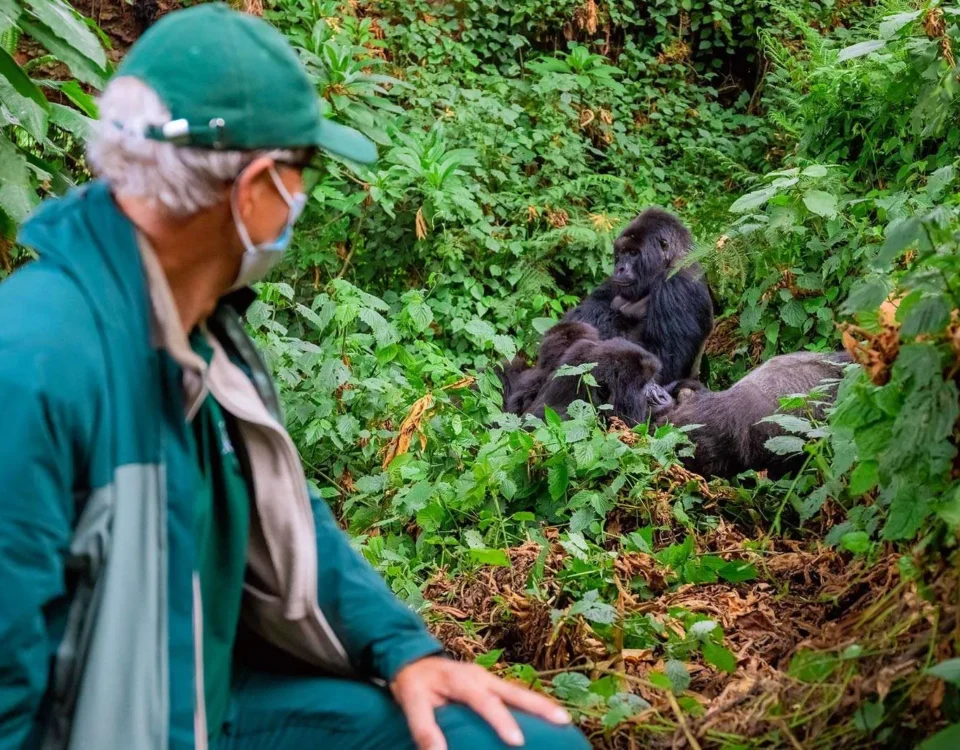
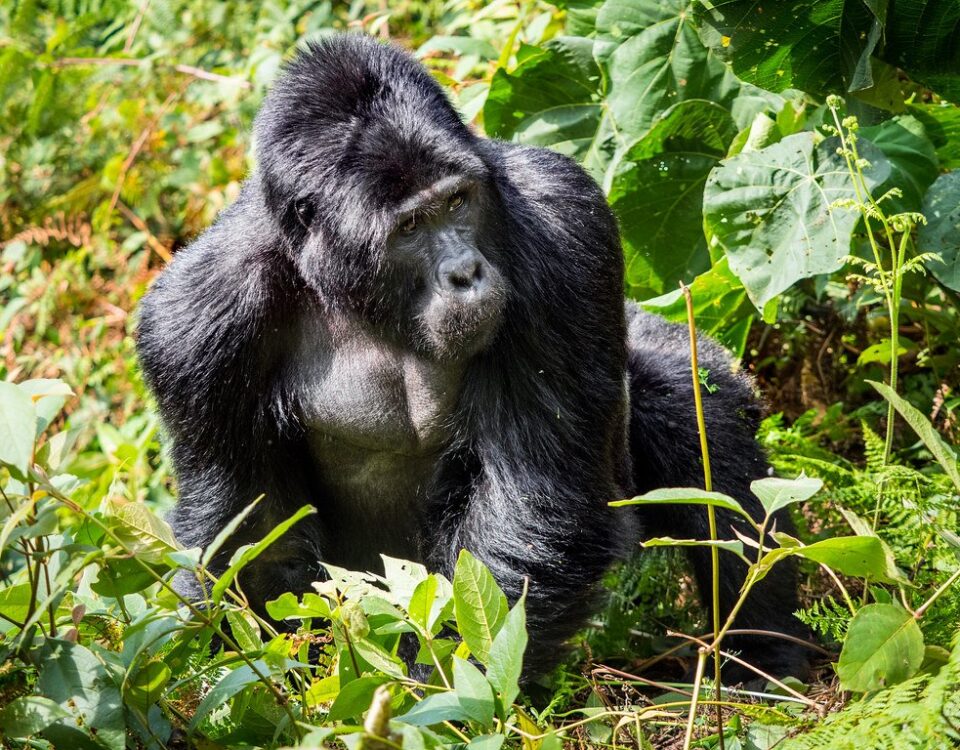
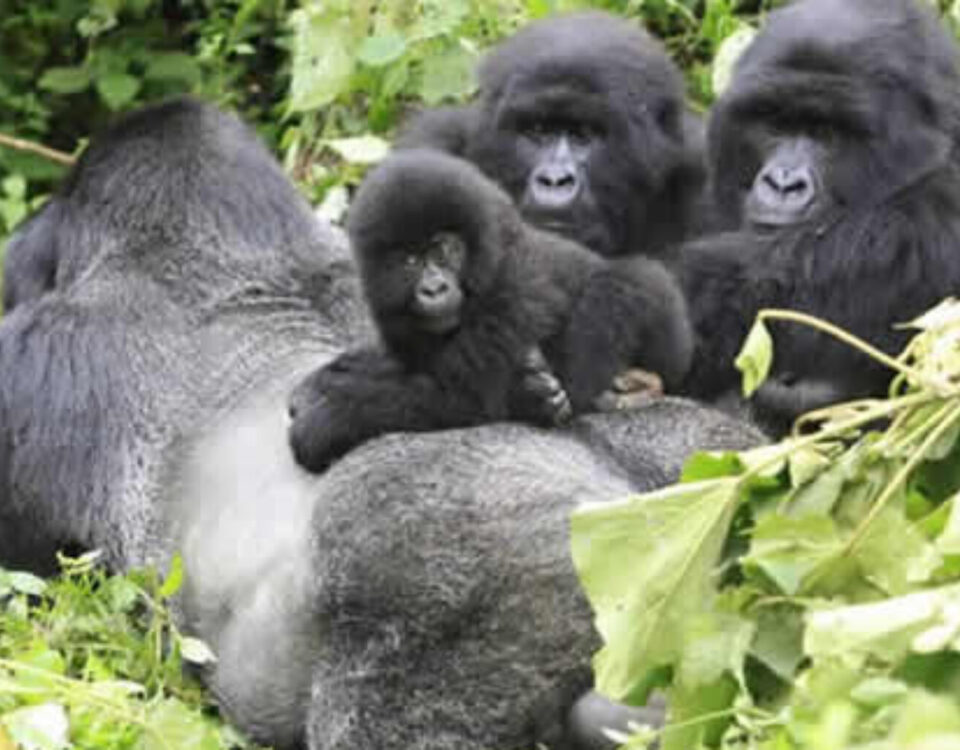
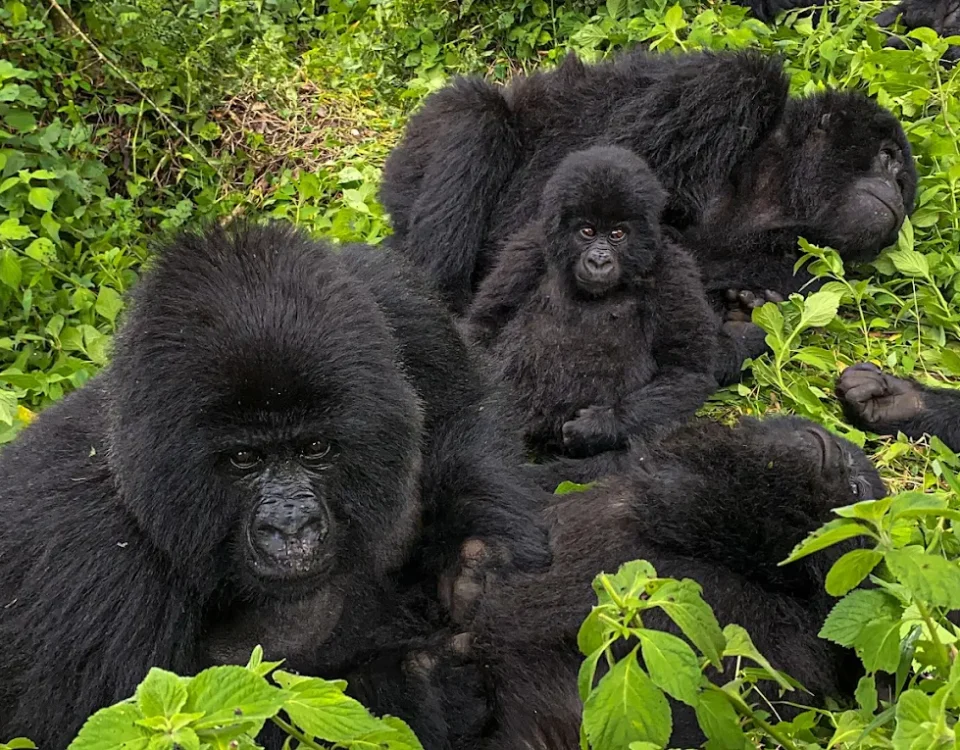
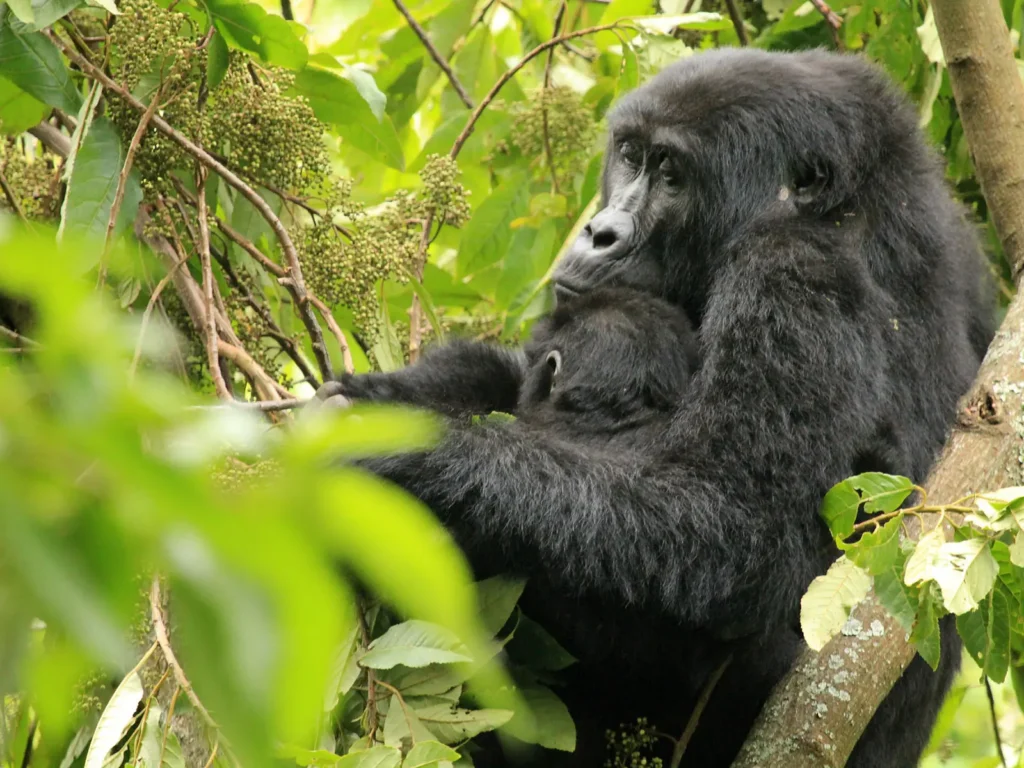
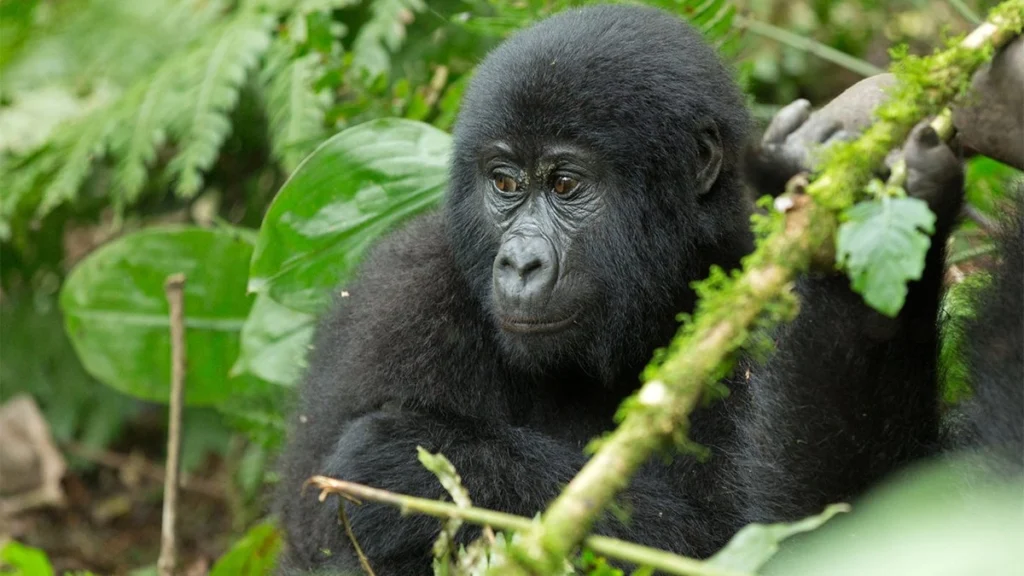
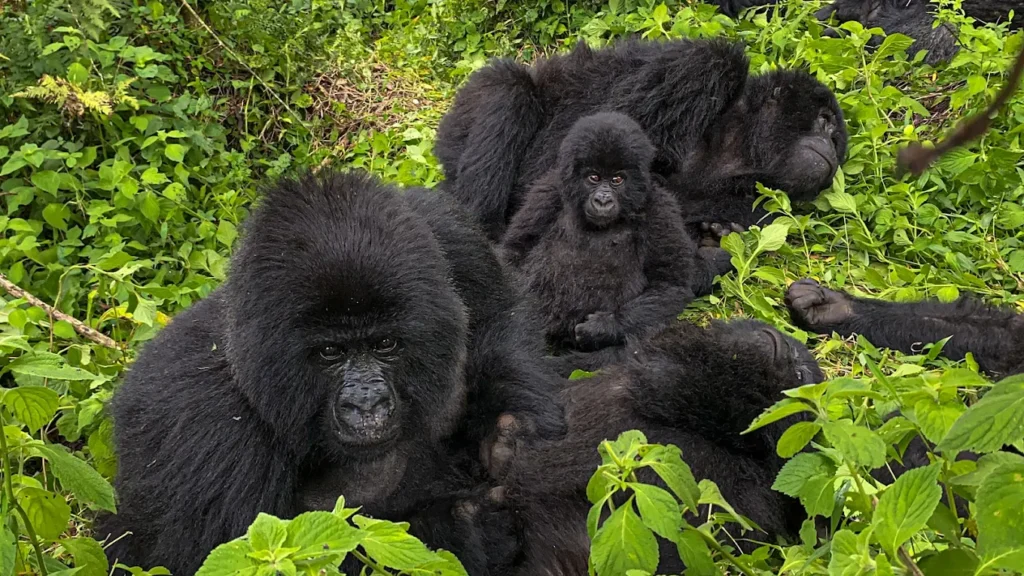
Knowing what to expect is an essential part of understanding how difficult gorilla trekking in Uganda will be. The adventure normally begins early in the morning with a transfer to the designated park headquarters, where visitors attend a briefing conducted by authorised park personnel. During this session, trekkers receive important information about the forest environment, trekking procedures, safety precautions and responsible gorilla viewing practices. Visitors are subsequently assigned to trekking groups and accompanied by experienced guides and rangers who lead the expedition into the forest. Depending on the location of the assigned gorilla family, the journey may involve walking for several hours through varying terrain. Throughout the excursion, travellers experience the beauty of Uganda’s rainforest ecosystems, including colourful birdlife, indigenous vegetation, butterflies and the sounds of wildlife hidden within the trees. Eventually, the guides locate the habituated mountain gorilla family, creating an extraordinary opportunity to observe these intelligent primates in their natural surroundings. During the authorised viewing period, visitors may witness gorillas feeding, resting, grooming, playing and interacting with other members of their family. Observing a dominant silverback, watching young gorillas explore their environment and seeing mothers care for their infants can create memories that remain meaningful long after the safari ends. Nevertheless, the encounter takes place under strict conservation guidelines designed to protect both visitors and endangered gorillas. Travellers must follow instructions from park personnel, maintain the required distance and avoid disturbing the animals. Once the observation period concludes, the group leaves the gorillas and returns to the starting area. Although the walking component can be physically demanding, the opportunity to experience these magnificent animals makes the entire adventure exceptionally rewarding.
When Is the Best Time for This Safari?
Choosing the appropriate travel period can make a noticeable difference when considering how difficult gorilla trekking in Uganda might be. Uganda is a year-round gorilla trekking destination because mountain gorillas inhabit Bwindi and Mgahinga throughout the year. However, the condition of the forest trails changes according to seasonal rainfall. Generally, the two drier periods, June to September and December to February, are considered favourable for visitors who prefer relatively firmer trekking paths. During these months, reduced rainfall often makes navigating forest trails more comfortable, although occasional showers remain possible because Bwindi and Mgahinga are tropical mountain environments. The June-to-September period is particularly popular among international visitors, while December to February provides another attractive opportunity for combining gorilla trekking with other Uganda safari experiences. Alternatively, March to May and October to November generally receive more rainfall, making certain forest pathways muddy and slippery. Despite these conditions, the wetter months offer beautiful scenery, lush vegetation, excellent birdwatching opportunities and potentially quieter travel periods.
Visitors should understand that the dry season does not guarantee an easy trek, just as the rainy season does not make gorilla trekking impossible. The actual difficulty continues to depend on where the gorillas are located and the conditions encountered along the route. Frena Adventures Ltd recommends choosing travel dates according to individual preferences, available time, accommodation requirements and the wider safari itinerary. Advance arrangements are particularly important during popular travel periods because gorilla permits and suitable accommodation can experience high demand. Regardless of the month selected, proper preparation remains essential for an enjoyable experience.
How Can You Prepare for Gorilla Trekking in Uganda?
Adequate preparation is one of the most effective ways to manage how difficult gorilla trekking in Uganda feels. Before travelling, visitors should become comfortable with ordinary walking and gradually increase their familiarity with longer walks on uneven surfaces where possible. Preparing in advance helps travellers develop confidence and understand how their bodies respond to extended physical activity. Appropriate clothing is equally important because the forest environment can be cool, humid and unpredictable. Long-sleeved shirts and comfortable trekking trousers provide practical protection against vegetation and insects. Sturdy hiking boots with good grip are particularly useful because they offer better stability when navigating uneven or muddy pathways. Waterproof clothing is also recommended since rain can occur even during periods generally considered dry. Visitors should carry sufficient drinking water to remain hydrated throughout the excursion and follow guidance from their trekking guides concerning refreshments and breaks. A small backpack can help organise essential personal belongings without creating unnecessary inconvenience. Furthermore, travellers should consider hiring an authorised local porter when additional assistance with carrying luggage is needed. Porters contribute valuable local knowledge and provide an important source of income for surrounding communities. Another important preparation step involves familiarising yourself with gorilla conservation rules, including instructions concerning wildlife interaction, photography and responsible visitor behaviour. Travellers with concerns about their ability to undertake the walk should discuss their circumstances with their tour operator and seek appropriate professional advice where necessary. At Frena Adventures Ltd, we believe that preparation should begin before visitors arrive in southwestern Uganda. Providing accurate information, helping guests understand their itinerary and coordinating relevant safari arrangements are important elements of delivering a responsible and rewarding wildlife experience.
What to Pack for Gorilla Trekking in Uganda?
Packing the right equipment is essential when preparing for how difficult gorilla trekking in Uganda may be. Since the activity takes place in a natural rainforest environment, travellers should prioritise comfort, protection and practicality rather than carrying unnecessary belongings. A pair of sturdy hiking boots with reliable traction should be among the first items on the packing list because forest trails can contain mud, exposed roots and uneven surfaces. Long-sleeved shirts and long trekking trousers provide useful protection against scratches from vegetation and insect bites. Additionally, waterproof jackets or lightweight raincoats are valuable because rainfall can occur unexpectedly. Comfortable gardening-style gloves can help protect hands when navigating areas with dense vegetation, while a wide-brimmed hat or cap offers protection during exposed sections of the journey. Other useful items include:
- Drinking water: Carry enough water for the expected trekking duration.
- A small backpack: Store essential personal belongings conveniently.
- Insect repellent: Helps reduce exposure to biting insects.
- Sunscreen: Provides protection during outdoor activities.
- A camera: Capture memories while following park photography regulations.
- Extra clothing: A change of clothes can be useful after a muddy trek.
- Personal medication: Bring any necessary medication and discuss relevant concerns before travelling.
- Light snacks: Carry suitable refreshments where permitted and follow guidance from your guides.
- A waterproof bag: Protect electronic equipment and important belongings from moisture.
Packing appropriately helps reduce unnecessary inconvenience while allowing visitors to concentrate on the experience. Frena Adventures Ltd encourages travellers to prepare for changing weather conditions rather than relying entirely on seasonal forecasts. A well-organised packing list contributes significantly to comfort during this unforgettable African wildlife adventure.
Why Choose Frena Adventures Ltd for This Particular Safari?
Selecting an experienced safari company is an important decision when organising a mountain gorilla trekking adventure in Uganda. At Frena Adventures Ltd, we recognise that an exceptional safari involves much more than arranging transportation and securing accommodation. International travellers deserve accurate information, thoughtful itinerary planning, reliable communication and a genuine understanding of the destinations they intend to explore. Our approach to organising Uganda Gorilla Safaris focuses on helping visitors appreciate the country’s natural attractions while understanding the practical considerations associated with responsible wildlife tourism. We recognise that travellers have different expectations, budgets, schedules and levels of hiking experience. Therefore, appropriate safari planning should consider the preferred trekking destination, accommodation location, transportation arrangements and the general physical demands of the activity. Whether visitors wish to explore Bwindi Impenetrable National Park or experience the volcanic landscapes surrounding Mgahinga Gorilla National Park, our goal is to help them understand their available travel options before making important decisions. Beyond gorilla trekking, Uganda offers opportunities to explore Queen Elizabeth National Park, Kibale Forest National Park, Lake Bunyonyi and Murchison Falls National Park. These destinations can create exciting additions to a broader African holiday, depending on the traveller’s interests and available time. Visitors exploring East Africa can also consider combining their Ugandan adventure with Kenya Tours, Kenya Adventures and Kenya Safaris to experience the region’s diverse wildlife, cultures and landscapes. Frena Adventures Ltd aims to make every travel arrangement informative, transparent and carefully coordinated. We value responsible tourism, respect for wildlife conservation and meaningful engagement with local communities. By prioritising clear communication and realistic expectations, we seek to create memorable journeys that allow international visitors to discover the extraordinary beauty of Uganda with confidence.
Is Gorilla Trekking in Uganda Worth the Physical Effort?
After considering the terrain, walking duration, weather conditions and preparation requirements, the question of how difficult gorilla trekking in Uganda becomes easier to answer. Yes, the activity can be physically demanding, but its rewards make it one of the most remarkable wildlife experiences available anywhere in Africa. Unlike ordinary wildlife viewing, gorilla trekking creates an opportunity to enter the natural habitat of one of the world’s most fascinating endangered primates. Standing quietly in the rainforest while observing a mountain gorilla family offers a rare connection with nature that cannot easily be replicated elsewhere. The experience also provides an important reminder of the value of conservation and the efforts required to protect endangered wildlife. Uganda’s mountain gorillas represent a significant conservation success story, and responsible tourism contributes to the wider economic and conservation systems supporting their protection. Although reaching the gorillas may involve steep slopes, muddy trails and several hours of walking, visitors often find that the extraordinary encounter makes the journey worthwhile. Travellers should, however, approach the activity with realistic expectations, appropriate preparation and respect for the natural environment. Ultimately, how difficult gorilla trekking in Uganda is depends on individual circumstances, but the adventure remains accessible to many visitors who can comfortably undertake the required walk. With proper planning, knowledgeable guidance and suitable arrangements, the experience can become the highlight of an African holiday. Frena Adventures Ltd welcomes travellers interested in discovering Uganda’s remarkable mountain gorillas and exploring the wider attractions of East Africa. Your journey into the rainforest offers more than an opportunity to see wildlife; it provides a meaningful encounter with nature, conservation and the extraordinary beauty of Africa.
Planning note: Gorilla trekking takes place under Uganda Wildlife Authority regulations, and individual routes and trekking durations cannot be guaranteed in advance. Frena Adventures Ltd should confirm the latest permit arrangements, applicable park requirements and accommodation availability when preparing a booking.