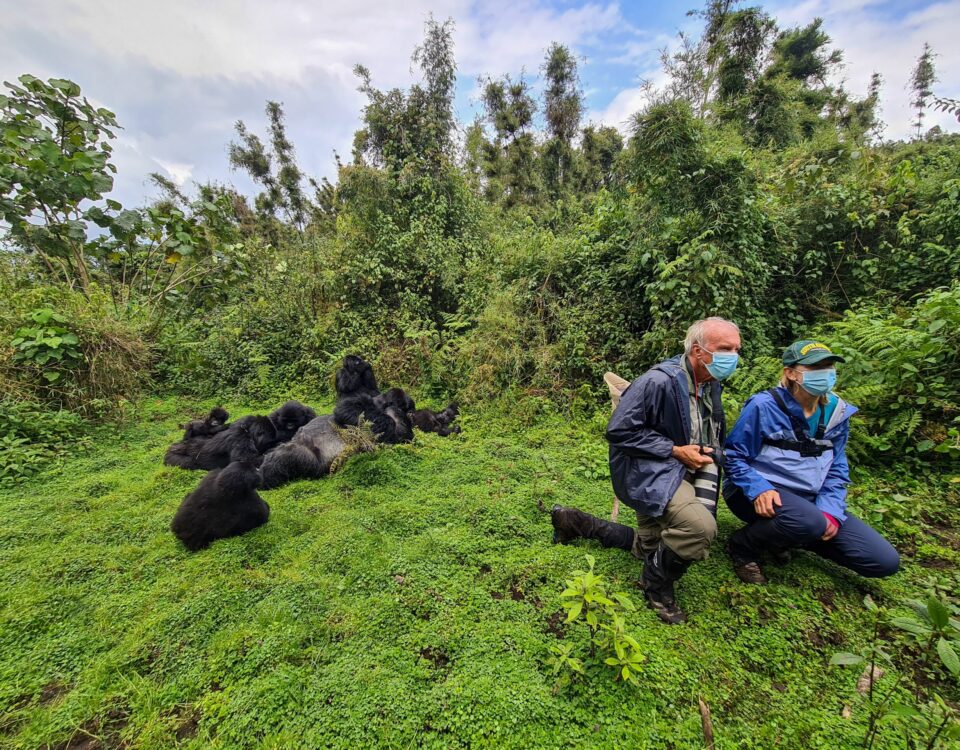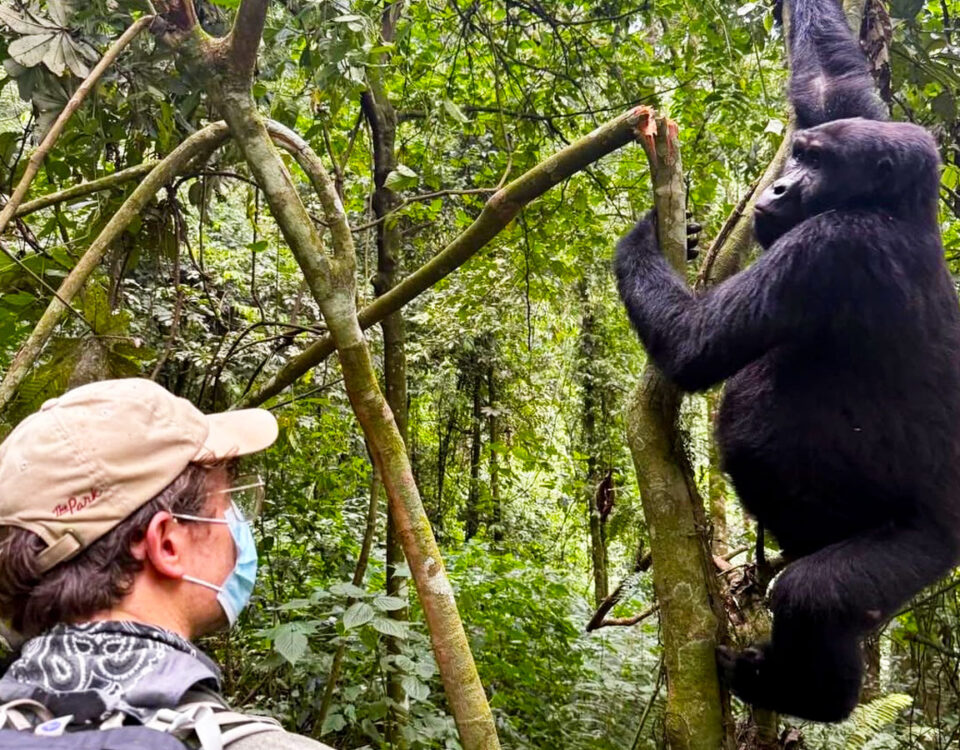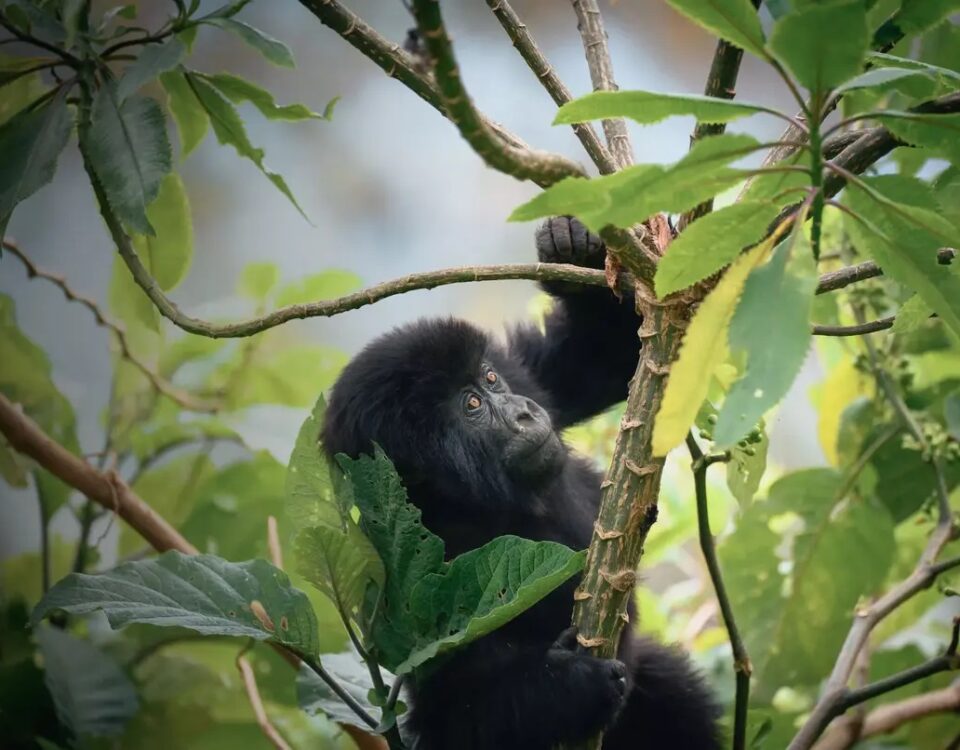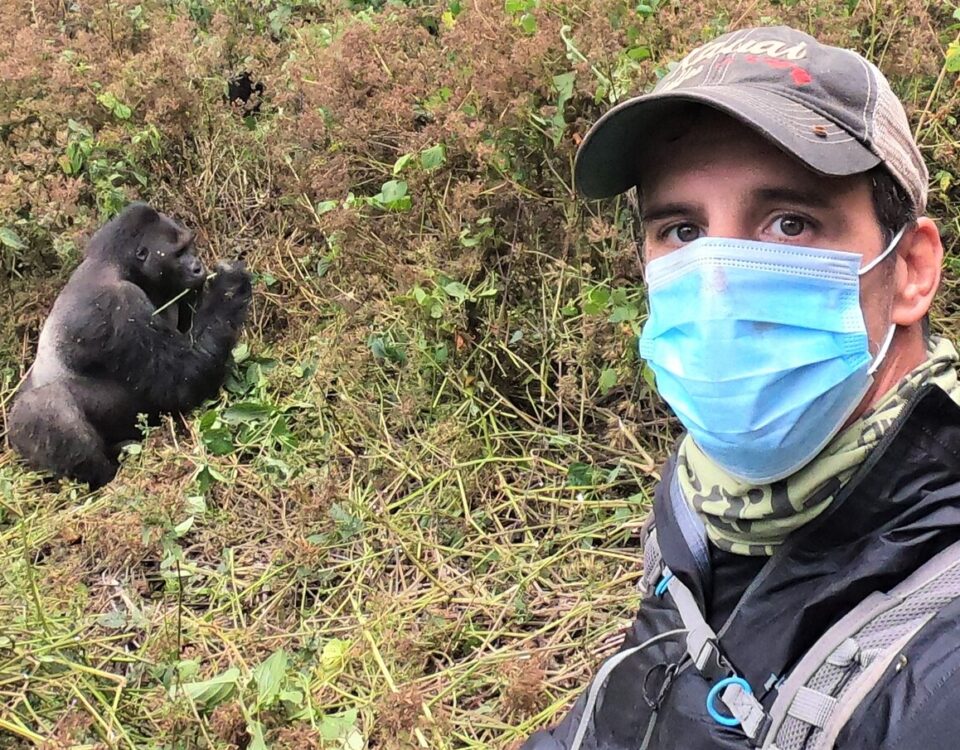


What Are the Rules for Gorilla Trekking in Uganda and Rwanda?
November 13, 2026
Is Gorilla Trekking Safe for International Tourists?
November 16, 2026
East Africa with guided safari vacations while witnessing the beautiful
memorable impressions by incredible, Authentic African journeys in
Uganda | Kenya | Rwanda and Tanzania.

in the Pearl of Africa. Uganda Safari Holidays
offer travelers an extraordinary opportunity to explore
one of Africa’s most diverse and rewarding safari destinations.

Over 1,078 Bird Spices
Lake Bunyonyi
Lake Bunyonyi
Hidden among the magnificent highlands of southwestern Uganda lies a destination where peaceful waters, rolling green hills and mysterious islands create one of East Africa’s most captivating landscapes. Lake Bunyonyi is more than a beautiful holiday destination; it is a place of remarkable history, cultural heritage, biodiversity and unforgettable adventure.
Destination type: Nature, culture, relaxation and adventure
Main attractions: 29 islands, canoe excursions, birdwatching, terraced hillsides and cultural experiences.
A Hidden Paradise in the Heart of Southwestern Uganda
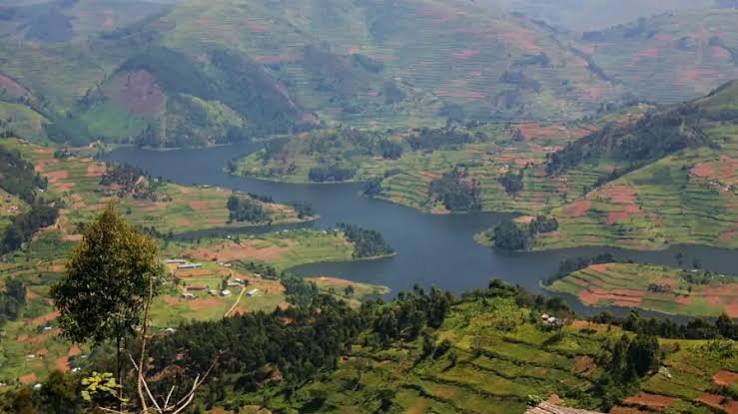
There are destinations that impress visitors with their size, others with their wildlife, and some with their extraordinary natural beauty. Lake Bunyonyi manages to bring all three together in a setting that feels almost untouched by the rush of modern life.
Situated approximately seven kilometres west of Kabale Town, close to the border with Rwanda, Lake Bunyonyi occupies a remarkable position within Uganda’s Kigezi highlands. At approximately 1,962 metres above sea level, the lake is surrounded by steep hills, fertile valleys and beautifully cultivated terraces that descend towards its shores.
The name Bunyonyi originates from the local language and is commonly translated as the “place of many little birds”. This name is particularly appropriate because the surrounding wetlands, vegetation and islands provide habitats for an impressive variety of birdlife.
One of the lake’s most recognisable features is its collection of approximately 29 islands scattered across its waters. Each island contributes to the lake’s distinctive appearance, creating a landscape of green formations separated by winding channels of water.
Unlike destinations dominated by busy commercial attractions, Lake Bunyonyi offers visitors an opportunity to experience nature at a slower pace. The quiet surroundings, fresh highland air and spectacular scenery make it an appealing destination for travellers seeking relaxation without sacrificing opportunities for exploration.
For visitors discovering southwestern Uganda, Frena Adventures can make the lake part of a broader journey through the country’s remarkable natural attractions.
The Fascinating Formation of Lake Bunyonyi
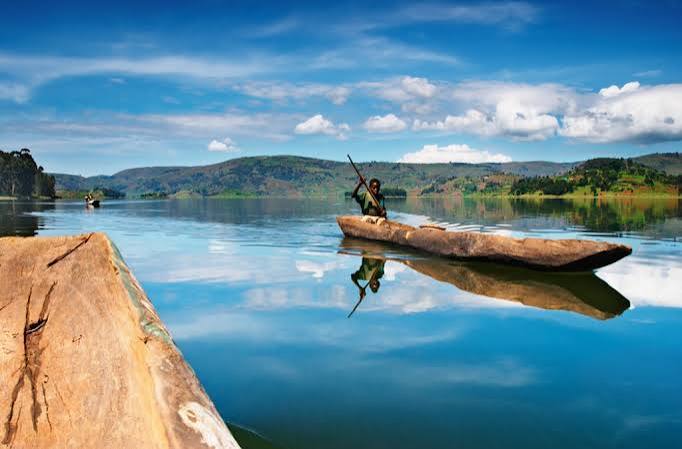
The extraordinary appearance of Lake Bunyonyi is closely connected to the geological history of southwestern Uganda.
Unlike some lakes formed through tectonic movements, Bunyonyi is generally described as a lava-dammed lake. Thousands of years ago, volcanic activity in the surrounding region produced lava flows that blocked a river valley near present-day Muko. The obstruction prevented the water from continuing along its original drainage route, eventually creating the lake.
This geological process explains the unusual shape of the lake. Rather than having a simple circular shoreline, it extends through a series of winding channels and irregular sections, surrounded by hills that appear to rise directly from the water.
The elevated landscape also contributes to the area’s distinctive climate. Temperatures are generally cooler than those experienced in many of Uganda’s lower-lying regions, particularly during the mornings and evenings.
There is another interesting detail about Lake Bunyonyi that frequently attracts the attention of visitors: its depth. The lake is sometimes advertised as being approximately 900 metres deep and the second-deepest lake in Africa. However, this widely repeated claim is not supported by scientific depth surveys. Published measurements place its maximum depth at approximately 40–44 metres.
Despite this correction, the lake remains an extraordinary geographical feature and an important part of Uganda’s natural heritage.
Exploring the Islands of Lake Bunyonyi
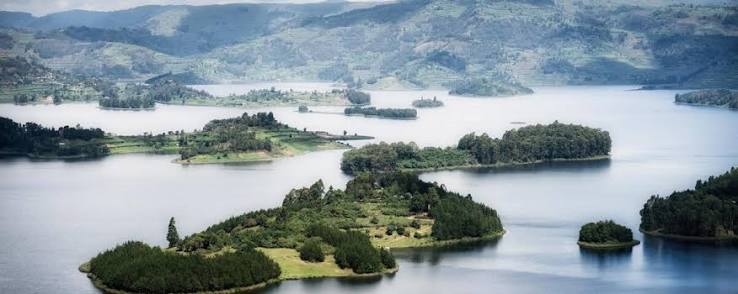
Perhaps the greatest attraction of Lake Bunyonyi is its collection of islands. With approximately 29 islands distributed across its waters, the lake provides visitors with opportunities to discover different landscapes, historical sites and local communities.
Some islands are inhabited, others contain accommodation facilities, while a few are particularly famous because of the stories associated with their past.
Three islands deserve special attention.
-
Akampene Island – The Historic Punishment Island
Akampene, popularly known as Punishment Island, is among the most historically significant locations on Lake Bunyonyi.
Although small in size, this island carries a deeply emotional history connected to traditional social practices among some Bakiga communities.
According to local historical accounts, unmarried girls who became pregnant before marriage were sometimes taken to the island and abandoned. The practice was intended to punish them for violating established social expectations surrounding marriage and family life.
In some accounts, the girls were left without food or assistance, while others describe attempts to swim back to the mainland, a dangerous undertaking for someone without swimming skills.
The practice reflected the difficult social circumstances women could face in earlier generations. It is important to understand the island’s history within its historical and cultural context rather than treating it simply as an unusual tourist attraction.
Today, visitors can view Akampene during guided boat excursions. The island provides an opportunity to learn about the region’s past, including how social attitudes and traditions have changed over time.
-
Bwama Island – A History of Medical Care
Bwama Island has a different but equally interesting history.
During the early twentieth century, missionary doctor Leonard Sharp established a treatment centre for people affected by leprosy on the island. The centre was intended to provide medical assistance and a place for patients who had often experienced isolation and discrimination within their communities.
The island subsequently became associated with an important chapter in the history of healthcare in southwestern Uganda.
Although the former leprosy treatment centre is no longer operating in its original capacity, the island remains historically significant. Its story illustrates the development of medical services in the region and the challenges faced by communities dealing with infectious diseases.
-
Bushara Island – Nature and Relaxation
Bushara Island offers visitors a more recreational experience.
Known for its natural surroundings and peaceful atmosphere, it is one of the locations associated with tourism activities on Lake Bunyonyi.
Visitors can enjoy scenic views, nature-based experiences and opportunities to appreciate the lake away from the busier mainland settlements.
The island also demonstrates how tourism can create opportunities for local communities through accommodation, transport, hospitality and related services.
Beyond these three islands, the lake has several other locations worth discovering. Exploring them with knowledgeable local guides can reveal stories and landscapes that visitors might otherwise overlook.
Exciting Activities to Experience at Lake Bunyonyi
Lake Bunyonyi is not simply a destination for admiring beautiful scenery. Its natural environment provides opportunities for adventure, recreation and cultural discovery.
Whether travelling alone, with friends, as a family or as part of an organised safari, visitors can find activities suited to different interests.
-
Traditional Canoeing and Boat Excursions
Canoeing is one of the most popular activities on Lake Bunyonyi.
Traditional wooden dugout canoes have long been used by communities living around the lake. They provide a means of transporting people and agricultural produce between the islands and mainland settlements.
For visitors, travelling across the water in one of these canoes offers a particularly memorable experience.
The slow movement of the canoe allows travellers to appreciate the surrounding hills, observe birds and enjoy the peaceful atmosphere. Guided excursions can also introduce visitors to the history of different islands.
Motorised boats are another option for those who prefer covering longer distances or visiting several islands within a limited period.
Early morning excursions are especially attractive because mist sometimes settles over the water, creating beautiful photographic opportunities.
-
Birdwatching and Wildlife Observation
Given its name, it is hardly surprising that birdwatching is among the most rewarding experiences around Lake Bunyonyi.
The lake and its surrounding wetlands support more than 200 recorded bird species. These include herons, egrets, kingfishers, weaverbirds and grey crowned cranes, among others.
The vegetation around the shoreline provides feeding and nesting habitats, while the islands offer different environments in which birds can be observed.
For photographers and nature enthusiasts, the opportunity to observe birds in their natural habitats is an important attraction.
Visitors should consider taking binoculars and travelling with experienced local guides who can help identify different species and explain their behaviour.
-
Swimming and Water Recreation
Swimming is another activity associated with Lake Bunyonyi.
The lake is commonly described by tourism operators as free from crocodiles, hippos and the bilharzia parasite, making it attractive to visitors interested in freshwater recreation.
Nevertheless, this should not be interpreted as a guarantee that every swimming location or condition is safe. Water conditions can change, and the lake is deep in places.
Visitors should seek current advice from their accommodation providers, swim only in designated or recommended locations and use life jackets where appropriate. Those who cannot swim should avoid entering the water without suitable supervision.
Other water-based activities can include kayaking and relaxing along designated lakeside recreation areas.
-
Hiking and Exploring the Terraced Hills
The landscape surrounding Lake Bunyonyi is particularly suitable for nature walks and guided hikes.
The hills rise above the water, providing spectacular views of the islands and the surrounding countryside. Many slopes have been cultivated using traditional terraces, producing a distinctive pattern of agricultural land.
Walking along these hills allows visitors to appreciate the relationship between the natural environment and the communities that depend on it.
Depending on the route, hikers may encounter local farms, rural settlements, vegetation and viewpoints overlooking the lake.
The experience also provides opportunities to interact with residents and learn about agricultural practices in the Kigezi highlands.
-
Cultural Encounters with Local Communities
Tourism becomes more meaningful when visitors have opportunities to understand the people and cultures of the destinations they explore.
The communities around Lake Bunyonyi are largely associated with the Bakiga cultural heritage of southwestern Uganda.
Visitors can participate in guided community walks, discover traditional agricultural practices, learn about local food and listen to stories about the history of the surrounding settlements.
Such encounters provide a perspective that cannot be obtained simply by visiting the lake’s islands.
They also create opportunities for community-based tourism, allowing residents to benefit economically from visitors while sharing aspects of their cultural heritage.
Frena Adventures can incorporate these experiences into a destination itinerary, helping travellers appreciate Lake Bunyonyi beyond its scenic attractions.
The Natural Beauty and Biodiversity of the Lake
Beyond its islands and recreational attractions, Lake Bunyonyi supports an interesting natural environment that contributes to its importance as a tourism destination.
The surrounding hills contain cultivated land, grassland and patches of natural vegetation. Along the shoreline, papyrus and other wetland plants provide important habitats for birds and smaller wildlife.
The lake’s bird population is particularly noteworthy. Its name reflects the abundance of small birds associated with the area, although the ecosystem supports a much wider variety of species than the name alone might suggest.
Visitors may encounter kingfishers flying close to the water, herons standing along the shoreline and weaverbirds moving through surrounding vegetation.
The lake also supports aquatic life, including fish and introduced crayfish. African clawless otters and spotted-necked otters have also been recorded in the wider ecosystem.
These natural features make the area attractive to researchers, photographers, conservation enthusiasts and travellers interested in understanding Uganda’s biodiversity.
However, the environment requires responsible management. Agricultural activities, erosion, sediment entering the lake and poorly managed waste can affect water quality and surrounding habitats.
Protecting the lake therefore requires cooperation between local communities, tourism businesses, government institutions and visitors.
Experiencing the Local Food and Hospitality
A visit to Lake Bunyonyi would not be complete without experiencing the food and hospitality of southwestern Uganda.
The region’s culinary traditions are influenced by local agricultural production, with foods such as Irish potatoes, sweet potatoes, beans, bananas and vegetables forming part of everyday meals.
Freshly prepared fish and crayfish are also associated with the lake’s dining experiences. Visitors may find these served at selected lakeside accommodation facilities and restaurants.
The opportunity to enjoy a meal overlooking the water adds another dimension to the experience. Rather than rushing between attractions, travellers can spend time appreciating the surroundings while discovering regional flavours.
Accommodation options around the lake range from simple guesthouses and campsites to more established lodges offering comfortable rooms, restaurant services and organised excursions.
Some facilities are situated directly along the shoreline, while others occupy elevated positions that provide panoramic views of the islands.
For travellers seeking a peaceful holiday, spending one or two nights in the area allows enough time to explore several attractions without making the visit unnecessarily hurried.
When Is the Best Time to Visit Lake Bunyonyi?
Lake Bunyonyi can be visited throughout the year, but weather conditions influence the type of experience visitors are likely to enjoy.
Southwestern Uganda experiences alternating wet and relatively dry periods, although local weather can be unpredictable because of the area’s mountainous geography.
June to August: These months generally form part of the longer dry season. They are favourable for outdoor activities, hiking, canoeing and exploring the surrounding countryside.
December to February: This is another relatively dry period. It can be suitable for travellers interested in combining lake excursions with visits to nearby national parks.
March to May: These months generally experience heavier rainfall. The surrounding hills become particularly green, creating beautiful scenery, although some outdoor activities may be affected by wet conditions.
September to November: This period also experiences rainfall, with conditions varying from one month to another. Visitors may encounter misty landscapes and lush vegetation.
Ultimately, the best time depends on individual travel interests. Those prioritising hiking and outdoor excursions may prefer relatively dry conditions, while photographers may appreciate the dramatic atmosphere created by clouds and mist during wetter periods.
How to Get to Lake Bunyonyi
Lake Bunyonyi is located in southwestern Uganda, approximately seven kilometres west of Kabale Town.
Travellers departing from Kampala can reach the region by road, following the southwestern route through towns such as Masaka and Mbarara before continuing towards Kabale.
The journey is approximately 410–415 kilometres, depending on the route and starting point. Travel time can vary considerably depending on traffic, road conditions and stops along the way.
From Kabale, visitors can continue towards the lake using local transport, private vehicles or organised tour arrangements.
Travellers approaching from Bwindi Impenetrable National Park or Mgahinga Gorilla National Park can also incorporate Lake Bunyonyi into a wider southwestern Uganda itinerary.
Its location makes it particularly appealing as a relaxation destination following demanding mountain gorilla trekking experiences.
For international visitors, another possible route involves travelling through Kigali in Rwanda and crossing into Uganda through the Katuna border. However, travellers should check current immigration requirements, border arrangements and vehicle documentation before choosing this route.
Planning transport in advance is advisable, particularly for visitors who intend to explore multiple islands or combine the lake with other destinations.
Lake Bunyonyi and Its Connection to Gorilla Trekking
One of the most interesting advantages of visiting Lake Bunyonyi is its proximity to some of Uganda’s most celebrated wildlife destinations.
The lake is frequently included in itineraries involving Bwindi Impenetrable National Park and Mgahinga Gorilla National Park.
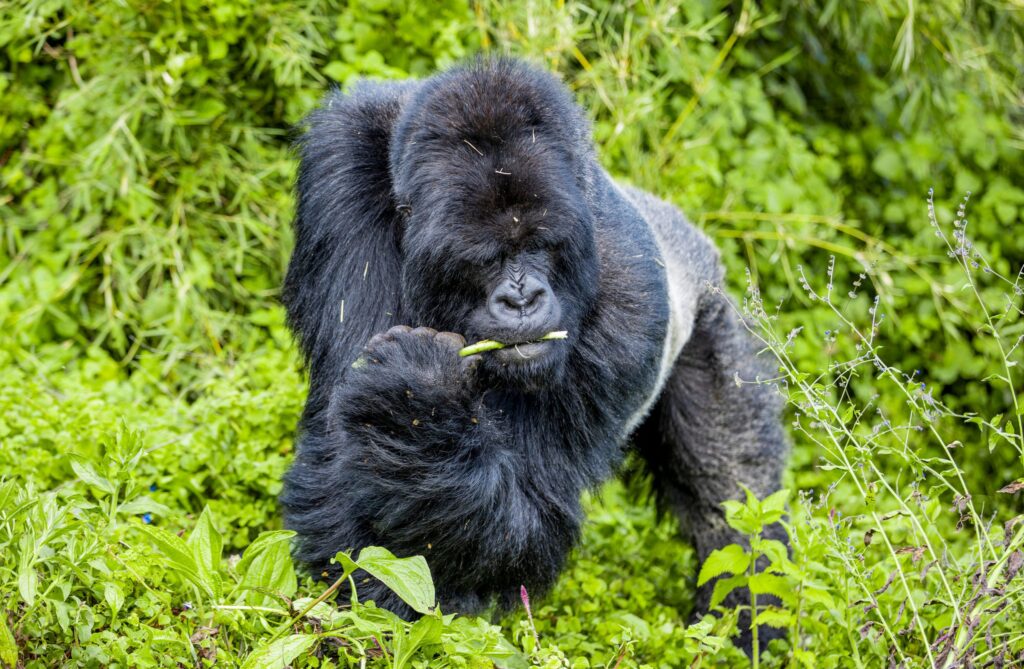
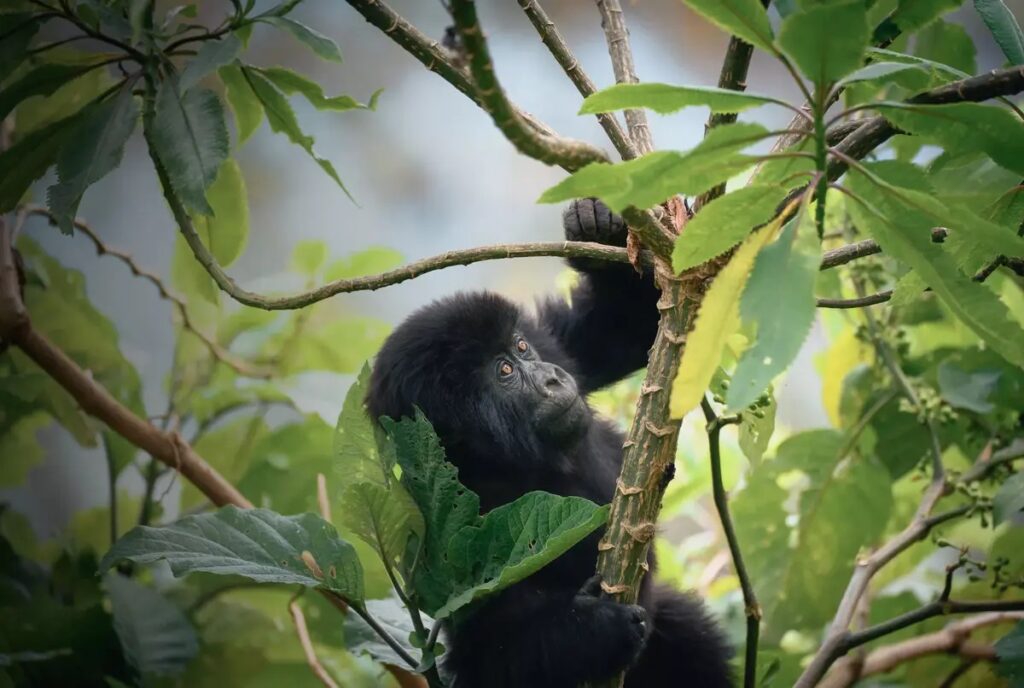
Bwindi is internationally recognised for its mountain gorilla population and unforgettable gorilla trekking experiences.
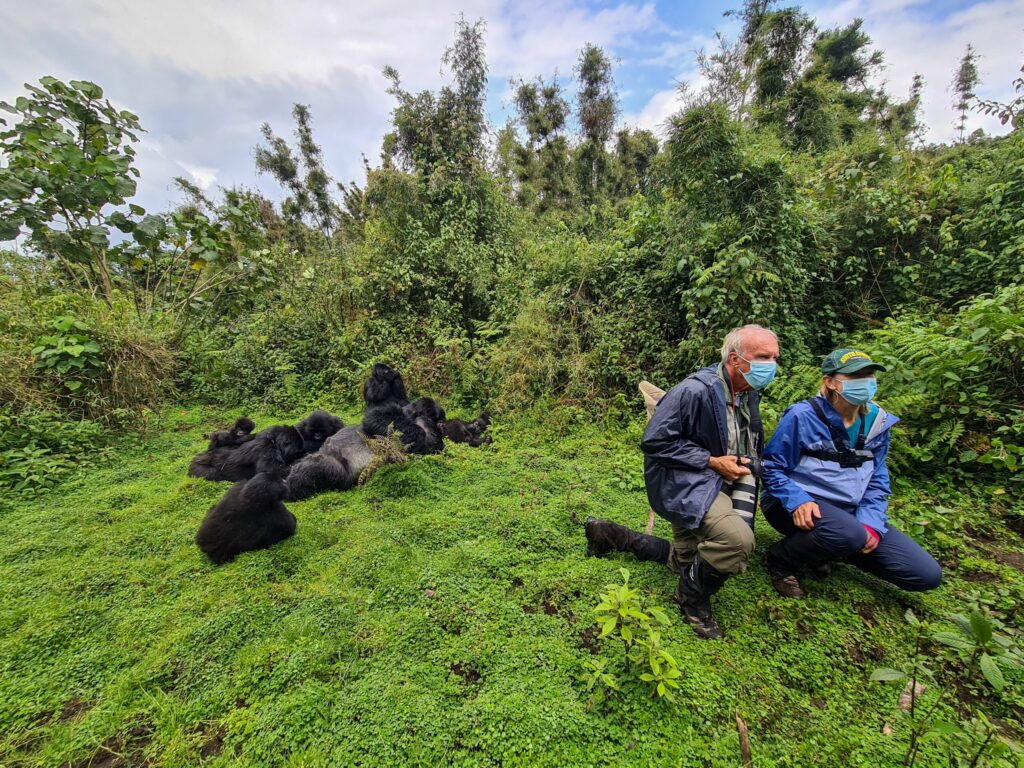
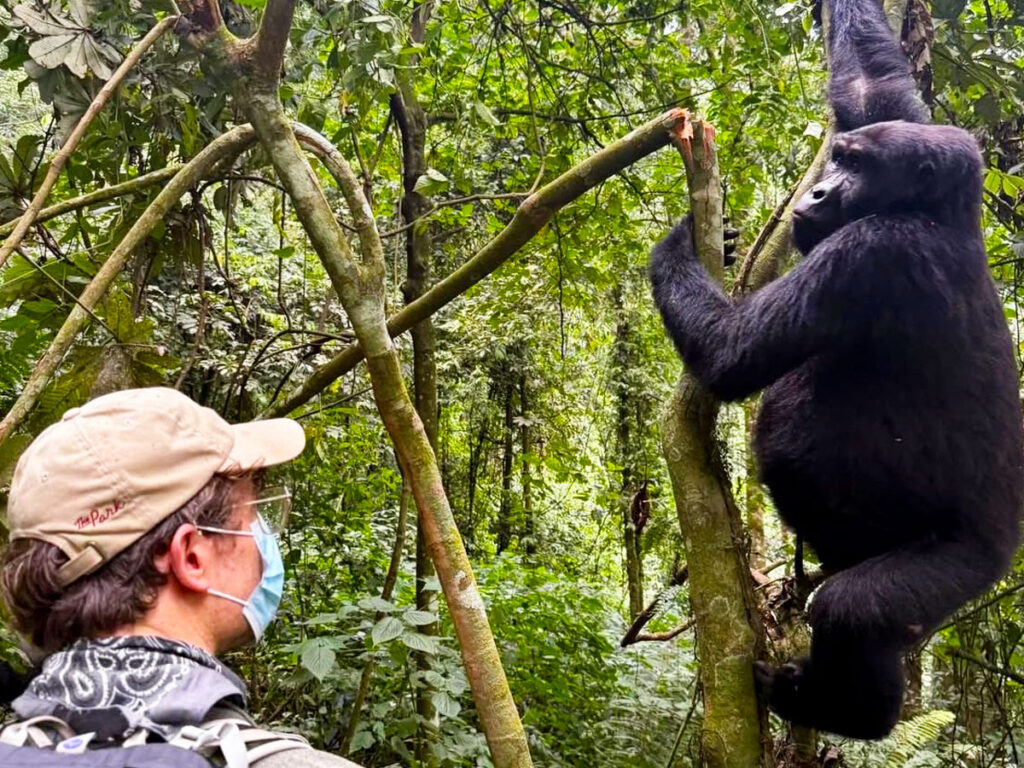
Gorilla trekking involves hiking through forest terrain with trained guides and trackers in search of habituated gorilla families. It is an extraordinary wildlife experience, although it can be physically demanding.
After spending hours navigating forest trails, visitors may appreciate the opportunity to relax beside the calm waters of Lake Bunyonyi.
The contrast between the dense rainforest environment and the open lake landscape creates an interesting travel combination.
Similarly, travellers visiting Mgahinga can explore the lake as part of a wider journey through southwestern Uganda.
Frena Adventures can feature Lake Bunyonyi as a complementary destination within a broader wildlife and adventure itinerary, allowing visitors to experience different aspects of the region.
Responsible Tourism: Protecting Lake Bunyonyi for Future Generations
The continued popularity of Lake Bunyonyi depends on preserving the natural environment and supporting the communities that call the surrounding area home.
Tourism creates economic opportunities through accommodation, transport, restaurants, guiding services, boat excursions and the sale of locally produced goods.
However, increased visitor numbers can also place pressure on the environment if tourism activities are not properly managed.
One important concern is the management of waste. Plastic bottles, food packaging and other rubbish can affect the appearance of the shoreline and threaten aquatic ecosystems.
Visitors can help minimise these effects by disposing of waste responsibly, avoiding single-use plastics where possible and choosing accommodation providers that demonstrate environmentally responsible practices.
Another important consideration is respecting local communities and their cultural heritage.
When visiting historical locations such as Akampene Island, travellers should approach the stories associated with them with sensitivity. Such places represent real human experiences and should not be reduced to entertainment.
Visitors should also seek permission before photographing residents, entering private property or participating in community activities.
Responsible tourism is not simply about protecting attractive landscapes. It involves ensuring that tourism contributes positively to the lives of local people.
For tourism operators, this means encouraging meaningful partnerships with local service providers, supporting conservation initiatives and promoting experiences that respect the area’s cultural and environmental significance.
Through responsible travel planning, Frena Adventures can help promote tourism that benefits both visitors and the communities surrounding Lake Bunyonyi.
Planning the Perfect Lake Bunyonyi Experience
To fully appreciate Lake Bunyonyi, visitors should consider spending at least two days exploring its attractions.
A well-organised visit can combine island excursions, cultural encounters, birdwatching and relaxation.
The following is an example of how travellers might organise their experience.
Travellers with additional time can extend their stay and explore nearby attractions, including the forests, national parks and communities of the Kigezi region.
The most important consideration is allowing sufficient time to appreciate the destination rather than treating it as a brief stop along a longer journey.
With Frena Adventures, visitors can discover opportunities to incorporate Lake Bunyonyi into an East African travel experience that combines nature, adventure, culture and relaxation.
Conclusion: Discover the Beauty of Uganda’s Hidden Islands
Lake Bunyonyi represents one of the most captivating natural destinations in southwestern Uganda. Its 29 islands, beautiful terraced hills, rich birdlife and fascinating history make it an exceptional destination for travellers seeking experiences beyond conventional sightseeing.
From the historical significance of Akampene Island to the peaceful surroundings of Bushara, every part of the lake offers something different to discover.
Its traditional canoe excursions, scenic hiking opportunities, cultural encounters and proximity to Uganda’s famous gorilla trekking destinations further strengthen its appeal.
More importantly, Lake Bunyonyi demonstrates the relationship between tourism, natural heritage and community development. Its continued preservation depends on responsible tourism practices and the participation of the communities whose lives are connected to the lake.
For anyone planning to explore Uganda, this remarkable destination deserves a place on the itinerary. Whether seeking adventure, photography opportunities, cultural discovery or simply a peaceful escape, Lake Bunyonyi offers an experience that captures the extraordinary beauty of East Africa.
Discover Lake Bunyonyi. Explore its islands. Experience the beauty of southwestern Uganda.
Frequently Asked Questions About Lake Bunyonyi
- Where is Lake Bunyonyi located?
Lake Bunyonyi is located in southwestern Uganda, in the Kabale area of the Kigezi highlands, close to the Rwandan border.
- How many islands does Lake Bunyonyi have?
The lake is commonly recognised as having approximately 29 islands, each contributing to its distinctive landscape.
- Why is Lake Bunyonyi called the Lake of Little Birds?
Its name comes from a local expression meaning the place of many little birds, reflecting the area’s rich birdlife.
- What is the most famous island on Lake Bunyonyi?
Akampene, popularly called Punishment Island, is particularly famous for its historical association with traditional practices involving unmarried pregnant girls.
- Is swimming possible in Lake Bunyonyi?
Yes. Swimming is a popular activity, but visitors should follow local safety advice, use designated swimming areas and take precautions because of the lake’s depth.
- What activities can tourists enjoy at Lake Bunyonyi?
Popular activities include canoeing, boat excursions, birdwatching, hiking, swimming, island visits, photography and cultural experiences.
- When is the best time to visit Lake Bunyonyi?
June to August and December to February are generally favourable because they are relatively dry periods. However, the destination can be visited throughout the year.
- Can Lake Bunyonyi be combined with gorilla trekking?
Absolutely. Its location makes it a popular addition to itineraries involving Bwindi Impenetrable National Park and Mgahinga Gorilla National Park.