Is December a Good Month for Uganda and Rwanda Gorilla Safari Holidays?
November 10, 2026
How Difficult Is Gorilla Trekking in Uganda?
November 10, 2026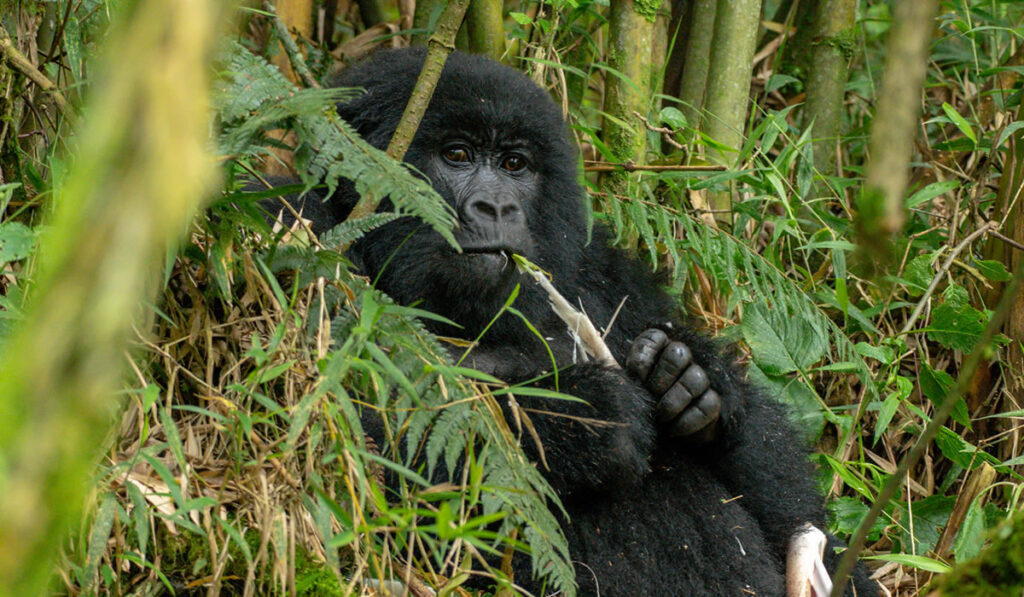
Can You Go Gorilla Trekking in April, May, or November?
Can You Go Gorilla Trekking in April, May, or November? Yes. Gorilla trekking is generally offered during these months in Uganda and Rwanda, subject to permit availability and park operations. April, May and November fall within or close to rainy periods, so visitors should expect a greater chance of showers, muddy trails and changing mountain weather. Rain does not automatically cancel a trek, nor does it mean that gorillas cannot be found. It can, however, affect how comfortable the hike feels, how slowly you need to walk and how much time you should allow for the day.
The answer is not identical for every destination. Uganda’s gorilla trekking parks are Bwindi Impenetrable National Park and Mgahinga Gorilla National Park. In Rwanda, trekking takes place in Volcanoes National Park. Rwanda’s main rainy periods generally run from mid-February to May and from mid-September to mid-December, placing April, May and November within those wetter windows. Visit Rwanda’s weather guide explains the seasonal pattern and notes that paths are generally easier to navigate during the June-to-mid-September dry period. In Uganda, UWA climate material identifies heavier rainfall around March–April and September–November in Bwindi, with Mgahinga’s wetter periods also including March–April and September–December. See the UWA climate information. These are seasonal guides, not daily forecasts. A good plan accounts for rain while leaving room for the remarkable experience of observing mountain gorillas in their natural habitat.
How Do April, May and November Differ?
Can You Go Gorilla Trekking in April, May, or November? April is often one of the wetter months in both countries. In Uganda, UWA’s climate material identifies March and April among the months with heavier rainfall in Bwindi and Mgahinga. Rwanda’s long rainy season typically continues through May, so April can also bring wet conditions in the Volcanoes region. As a result, visitors may encounter muddy slopes, damp vegetation and periods of reduced visibility. Sturdy boots and waterproof clothing are especially important, and the itinerary should not be so tight that a slower hike creates stress.
May remains within Rwanda’s rainy season, although conditions can vary by week and location. In Uganda, May may mark a transition in some areas toward a drier period, but travelers should not assume the forest will be dry; rainfall, elevation and local terrain all matter. November falls in the second rainy period in Rwanda and is also part of the wetter season around Uganda’s gorilla parks. Rwanda’s shorter rains are generally described as running from mid-September to mid-December, while UWA’s Uganda guidance includes September to November among wetter months in Bwindi and September to December in Mgahinga. Visit Rwanda weather information and UWA’s climate document offer helpful overviews. The exact rainfall on your trekking date cannot be predicted from the month alone. Ask about current local conditions close to departure, and plan to hike in wet weather even if the forecast looks favorable.
What Are The Expectations in This Safari?
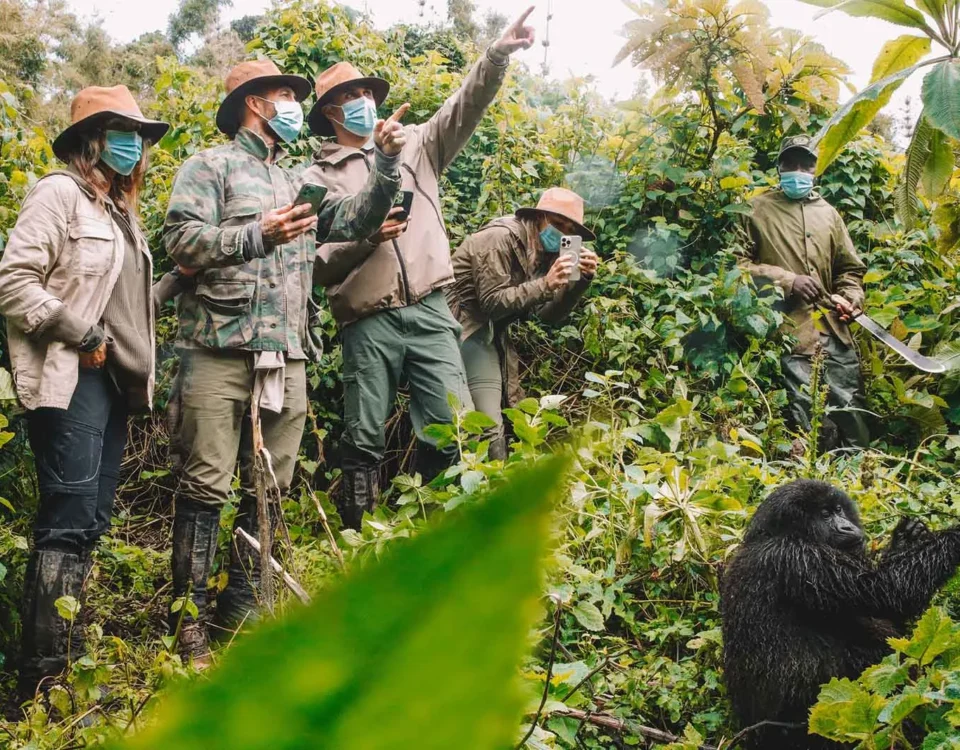
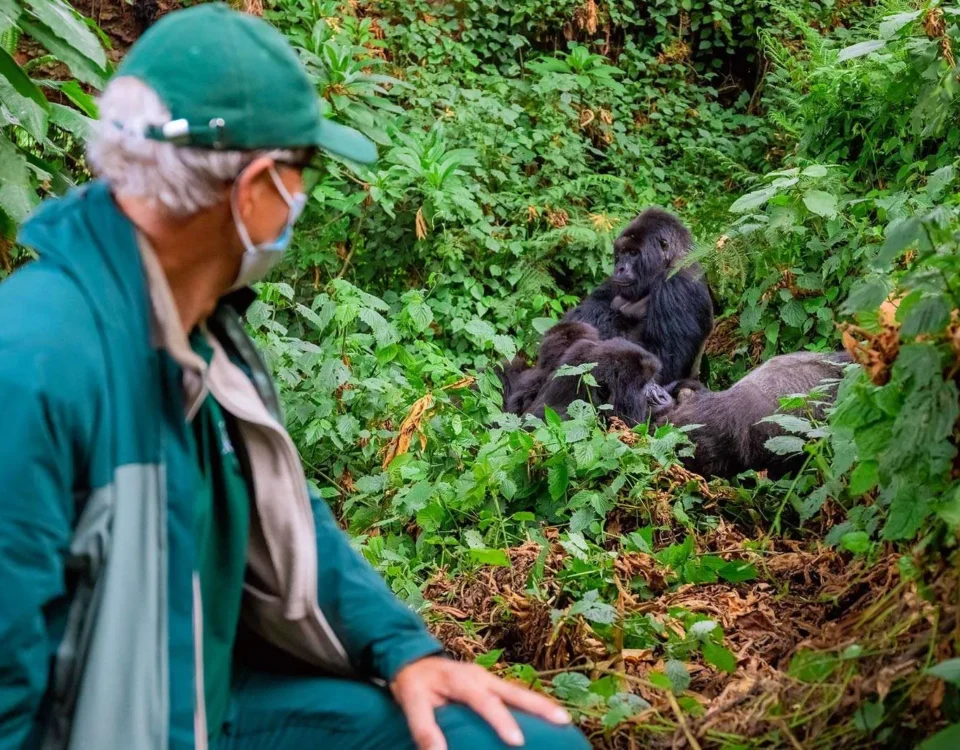
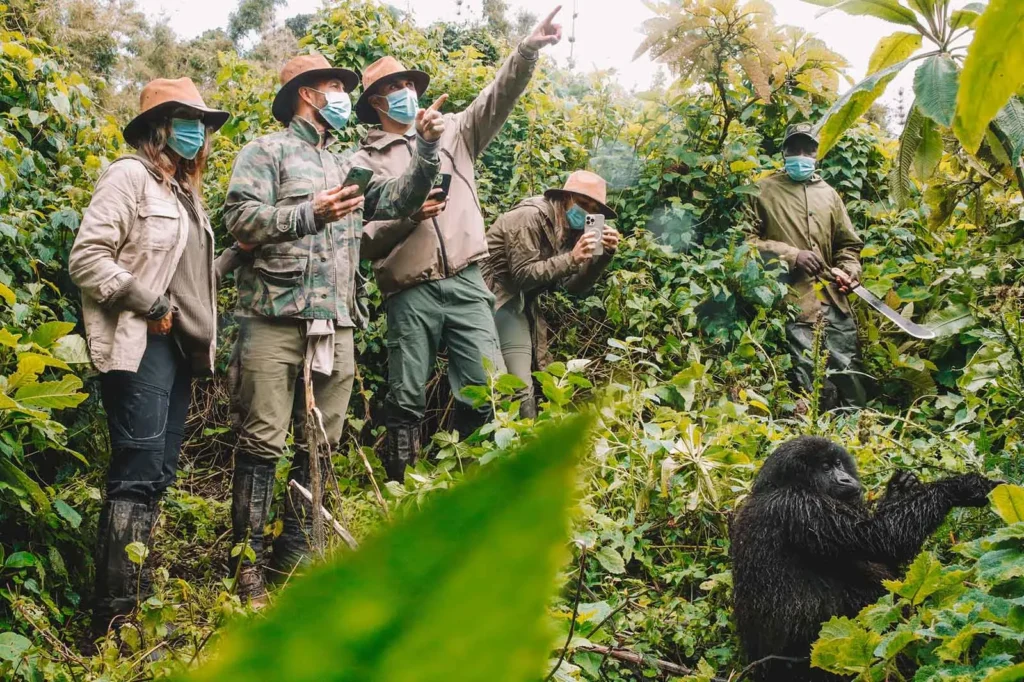
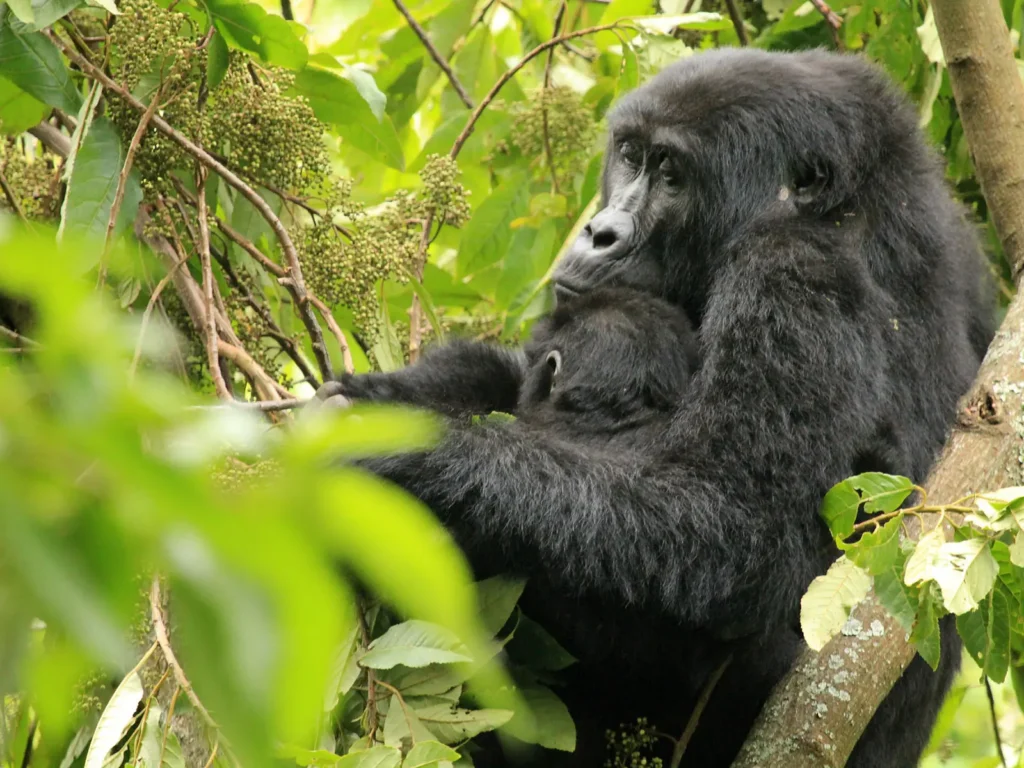
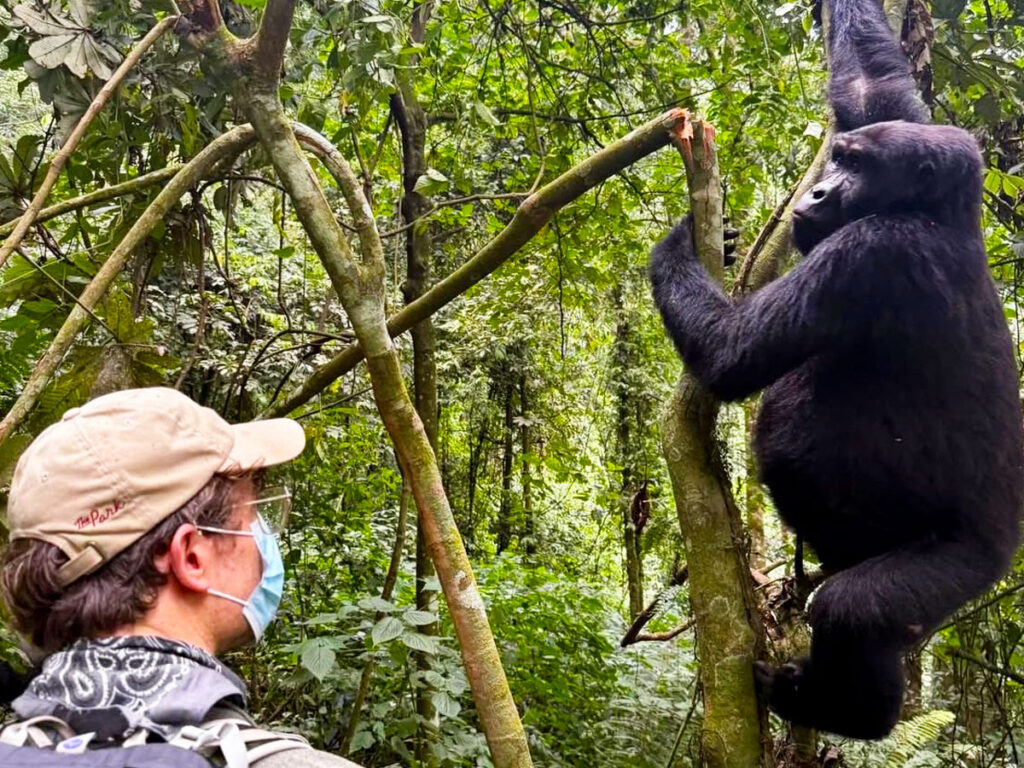
Can You Go Gorilla Trekking in April, May, or November? Yes, but the trek remains a forest hike in every season. Park guides and trackers lead visitors toward a gorilla family, whose location and movements determine the route. The walk may include steep ground, roots, rocks, thick plants and muddy sections. Uganda Wildlife Authority says gorilla treks may last about two to seven hours, followed by one hour observing the habituated family. UWA’s gorilla tracking overview describes the activity and the moderate fitness it requires. In Rwanda, tracking takes place in Volcanoes National Park, where official guidance also limits the viewing period to one hour. Read Rwanda’s official tracking guidance.
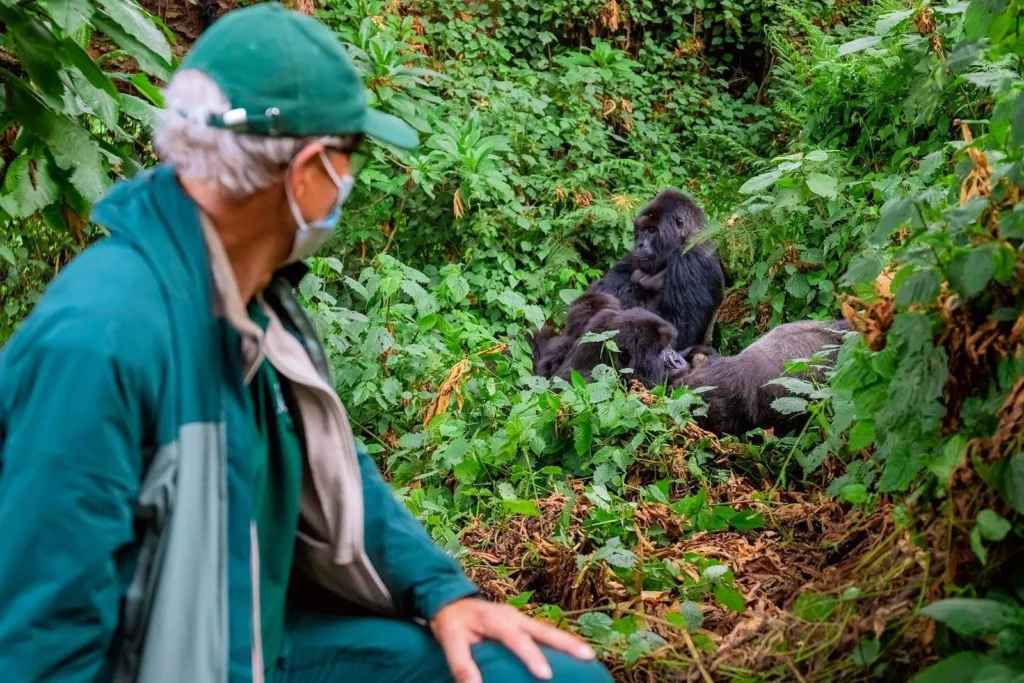
A rainy month can make some parts of the hike more demanding, but it cannot tell you how far the gorillas will be from the trailhead. Allow the full day for the activity and avoid planning a long transfer or flight immediately afterward. During the briefing, listen carefully to the park team and follow instructions on distance, noise, photography and group movement. Visitors with a cold, flu or another contagious illness should not trek, because human diseases can put gorillas at risk. Moderate fitness helps, though you do not need to be an experienced climber. Share mobility concerns or health needs with your safari planner before booking. Porters may be available for a local fee to carry a daypack and offer support on difficult sections. Rainy-season visitors should approach the hike patiently: the purpose is to observe wildlife responsibly, not to rush to a fixed viewpoint or guarantee a particular photograph.

Can You Go Gorilla Trekking in April, May, or November?
When Is The Best Time for This Safari?
Can You Go Gorilla Trekking in April, May, or November? These months can suit travelers with flexible schedules who are prepared for rain, but they are not usually the first choice for visitors prioritizing drier trails. In Rwanda, June to mid-September is generally the main dry season, and January to February is relatively drier. Uganda commonly has drier windows from December to February and June to August, although Bwindi and Mgahinga can be damp throughout the year. Visit Rwanda notes that roads and paths tend to be easier to navigate during its June-to-mid-September dry season. UWA’s Bwindi guide also says the park can be visited any time of year and recommends wet-weather gear. Consult UWA’s Bwindi guide.
Choosing April, May or November may provide more date flexibility for some travelers, but permit supply and lodge availability still need to be checked. Do not select a month based on assumptions that rain will make permits cheaper or gorillas easier to see; confirm actual availability, prices and conditions with the relevant booking channel. If your trip includes Kenya Tours, Kenya Adventures or Kenya Safaris, consider the climate and transfer time for each destination separately. A season that brings rain in a gorilla park can coincide with different conditions elsewhere. The best travel period is the one that balances your weather preferences, budget, permit date and wider itinerary. For any of these months, leave buffer time around the trek, choose accommodation near the correct park entrance and carry gear that can handle a wet forest. A local forecast close to your travel date is more useful than relying on a broad monthly average alone.
What to Pack for a Rainy-Season Gorilla Trek?
Can You Go Gorilla Trekking in April, May, or November? Yes—and the right gear can make the experience more comfortable. Wear broken-in hiking boots with deep, dependable grip; waterproof boots may be useful, but fit and support are essential. Long trousers and long sleeves help protect against vegetation and nettles. Bring a lightweight waterproof jacket or poncho, gaiters if you have them, and a rain cover or waterproof liner for your daypack. Gardening gloves can protect your hands when holding branches for balance. Choose quick-drying layers and pack an extra pair of socks for the return to your lodge.
Carry drinking water, personal medication, insect repellent, sunscreen and a modest snack. Protect your phone, camera and travel documents in waterproof pouches. Flash photography is not permitted, and you should follow park instructions about when it is appropriate to eat or drink. Avoid an oversized bag; a porter may be available for a fee if you would like assistance carrying it. Rwanda’s official clothing guidance recommends sturdy walking shoes, protective clothing and rain gear for mountain activities. See Visit Rwanda’s clothing advice. Uganda’s Bwindi information likewise recommends warm clothing and wet-weather protection because the forest can be cool and rainy. Before departure, confirm the latest park guidance with your operator. Prepared clothing will not change the weather, but it can help you walk with confidence and focus on the surroundings.
Why Choose Us For This Particular Safari?
Can You Go Gorilla Trekking in April, May, or November? Planning a trek during a rainy period calls for practical advice about the permit, trailhead, lodge location and transfers. Frena Adventures Ltd can help you compare Uganda and Rwanda options, arrange the safari around your confirmed permit and build a schedule that allows for a slower hike if conditions are wet. We can also discuss accommodation choices, transport and the activities you may want to add before or after your trek. Clear planning is especially valuable when you have fixed travel dates or want to combine multiple parks.
Before booking, ask which permit and park are included, whether the permit is confirmed, how far your lodge is from the briefing point and what happens if road conditions affect the transfer. Tell us about your preferred pace, fitness level and any mobility considerations early in the process. Travelers interested in adding Kenya Safaris, Kenya Tours or other Kenya Adventures can ask about regional routing, remembering that each country has separate park rules, permits and logistics. Frena Adventures Ltd can coordinate the services agreed in your itinerary and explain practical details in straightforward language. No tour operator can promise dry weather, a short trek or a particular gorilla sighting; park authorities, weather and wildlife movements shape those outcomes. Responsible advice means helping you prepare without overstating what can be controlled.
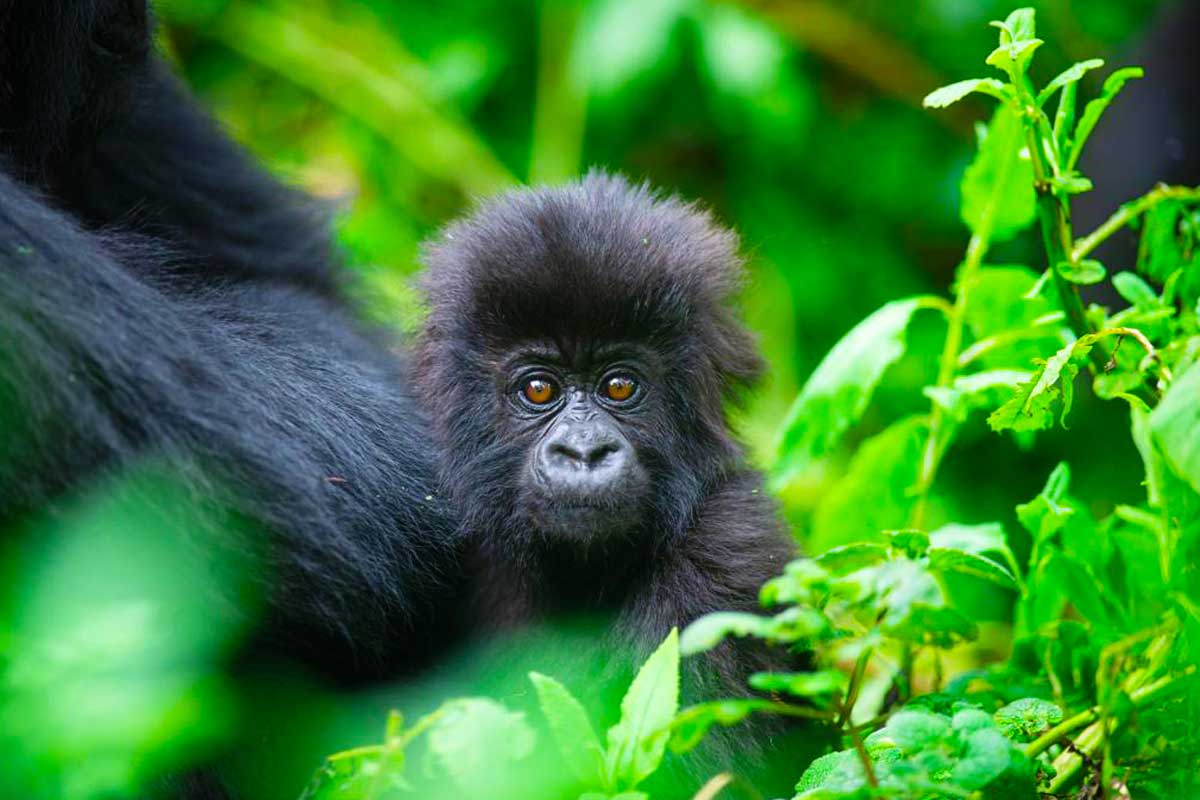
Which national parks offer mountain gorilla trekking in Uganda and Rwanda?
What Should You Remember Before Booking?
Can You Go Gorilla Trekking in April, May, or November? Yes. The key is to book with realistic expectations: these months can be wet, and rain may make forest paths slippery or slow the hike. Nevertheless, gorilla trekking is not limited to the dry season. Travelers who prepare for damp conditions, allow time for the activity and follow the rangers’ instructions can still enjoy a meaningful wildlife encounter. Rain may affect comfort and visibility, but it does not by itself determine whether gorillas will be found.
Confirm permit availability before paying for non-refundable flights or accommodation. Stay close to the correct park entrance the night before, keep the schedule flexible and pack suitable footwear and rain protection. Above all, follow conservation rules and do not enter the forest if you have a contagious illness. April, May and November each have different seasonal details across Uganda and Rwanda, so ask for advice based on your exact destination and dates. Frena Adventures Ltd can help you plan the practical parts of a Uganda or Rwanda gorilla safari and, if desired, connect it with Kenya Tours, Kenya Adventures or Kenya Safaris as part of a wider East African holiday.