What Is the Best Time to Visit Uganda for Gorilla Trekking?
November 7, 2026
Does Rainfall Affect Mountain Gorilla Sightings?
November 10, 2026
Is Gorilla Trekking Easier During the Dry Season?
Is Gorilla Trekking Easier During the Dry Season? Often, yes—at least in terms of ground conditions. When rainfall is lower, trails may be less muddy, slopes can be easier to manage and road transfers may be more straightforward. Those differences can make the walking day feel more comfortable, especially for visitors who are concerned about slippery paths. Uganda and Rwanda both have relatively drier periods, but the exact months and local conditions vary. Rwanda’s main dry season generally runs from June to mid-September, while Uganda’s drier windows are commonly December to February and June to August. Visit Rwanda’s weather guide notes that roads and paths tend to be easier to navigate during Rwanda’s June-to-mid-September dry season.
However, “easier” does not mean effortless or predictable. Gorilla trekking takes place in high-altitude forest, where weather can change quickly and showers may occur even in a drier month. The route depends on where the gorilla family has moved, so a trek can involve steep climbs, thick vegetation and uneven ground regardless of season. Uganda Wildlife Authority (UWA) says treks in Uganda may take about two to seven hours, with one hour spent observing the gorillas. See UWA’s tracking information. A dry-season date cannot guarantee a short hike, clear skies or firm ground throughout. The most useful way to think about the season is as one factor that may improve trail conditions—not as a promise of an easy trek. This article by Frena Adventures Ltd explains what dry weather changes, what it does not, and how to choose a season that fits your comfort, schedule and wider safari plans.
What Does the Dry Season Change on the Trail?
Is Gorilla Trekking Easier During the Dry Season? Lower rainfall can reduce the amount of mud on some forest paths and make footing more secure. This can help on descents, narrow trails and sections where exposed roots or stones need careful steps. Drier weather may also make it simpler for vehicles to reach lodges and park briefing points, particularly on rural roads. These advantages can reduce some of the practical challenges of a trekking holiday, though they do not remove the need for good boots, careful movement or a reasonable level of stamina.
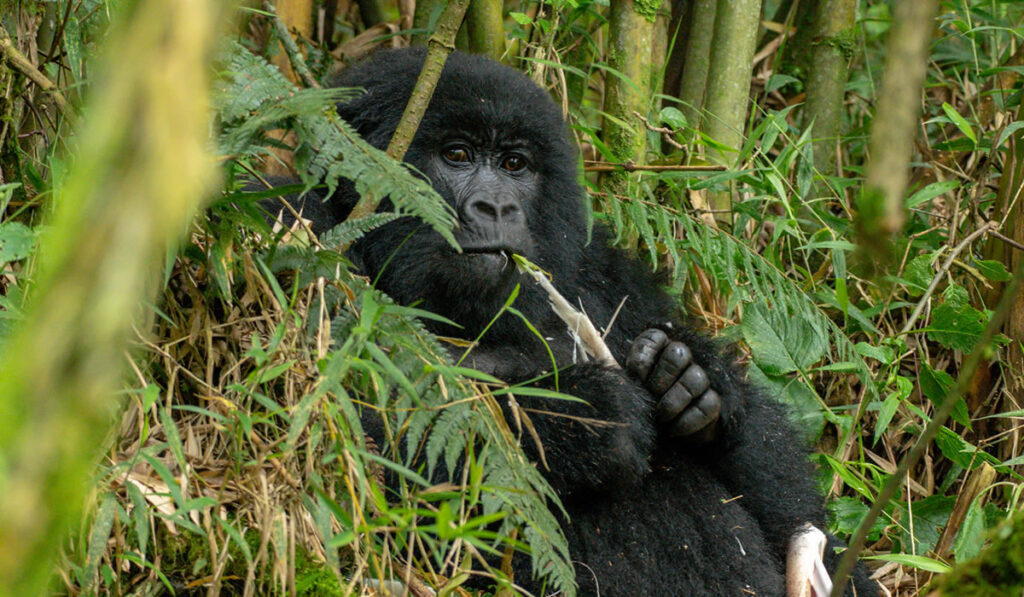
Conditions still vary across the parks. Uganda’s Bwindi Impenetrable National Park is a dense rainforest, and UWA advises visitors to bring wet-weather gear because rain is possible even when the park is generally drier. Read the UWA Bwindi guide. Mgahinga Gorilla National Park is also a mountainous environment; UWA notes that it can be misty and damp, with rainfall patterns that differ from surrounding lowlands. In Rwanda, Volcanoes National Park protects the Rwandan slopes of the Virunga range, where elevation influences temperature and weather. Visit Rwanda’s park overview describes its mix of montane forest, bamboo, grassland, swamp and heath. Whichever country you visit, expect that the forest may be wet underfoot. A drier month can improve the average conditions, but it cannot make this a paved or controlled route. Pack for rain, move at the guide’s pace and give yourself enough time to complete the hike comfortably.
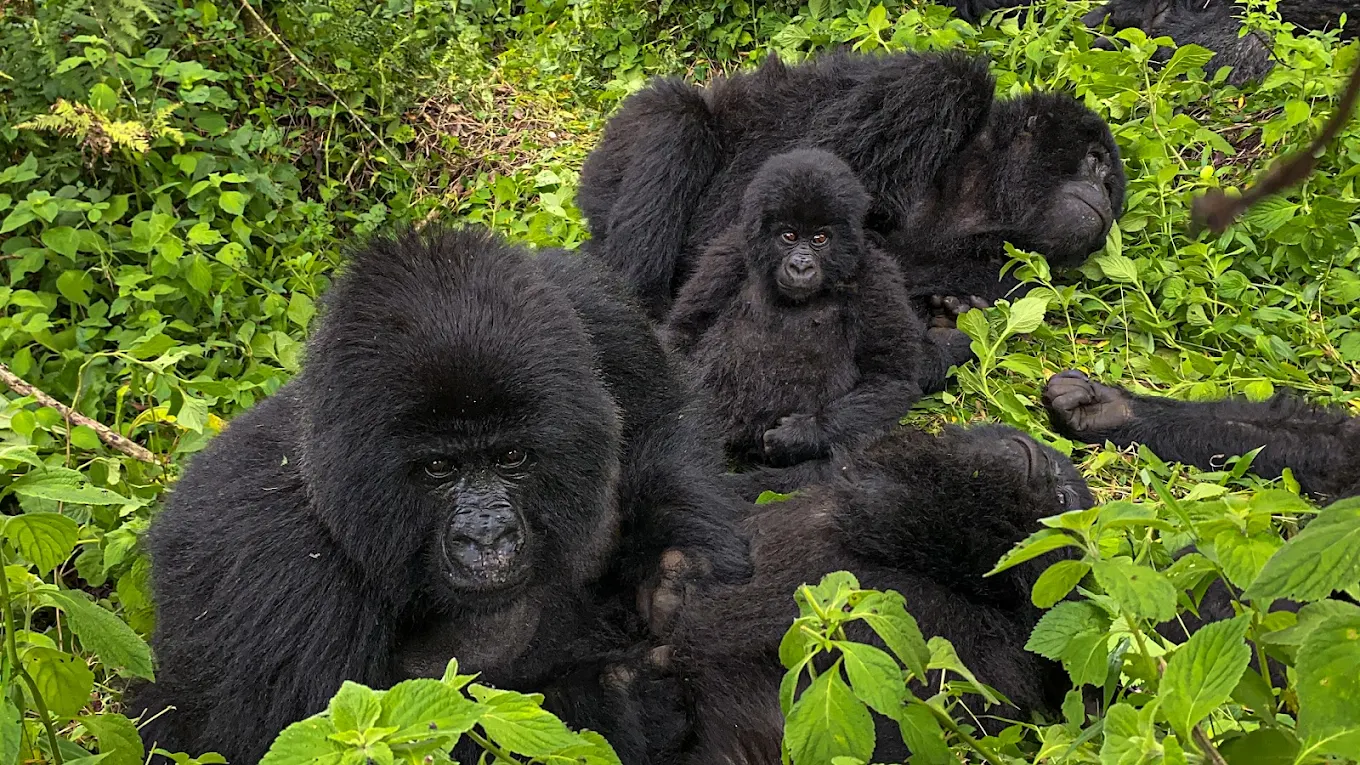
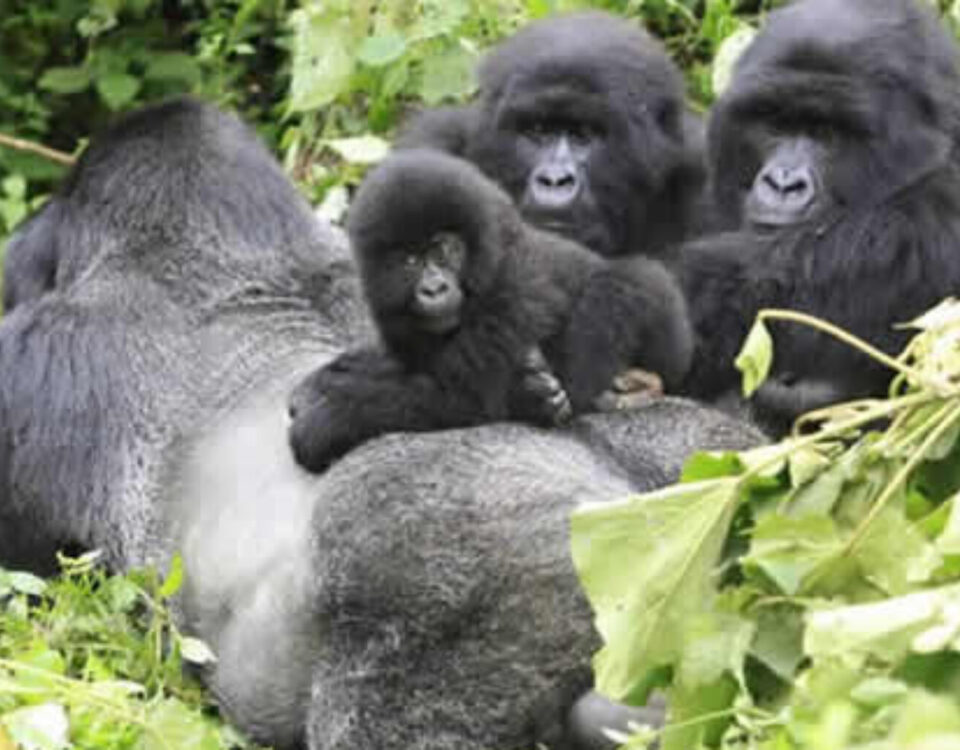
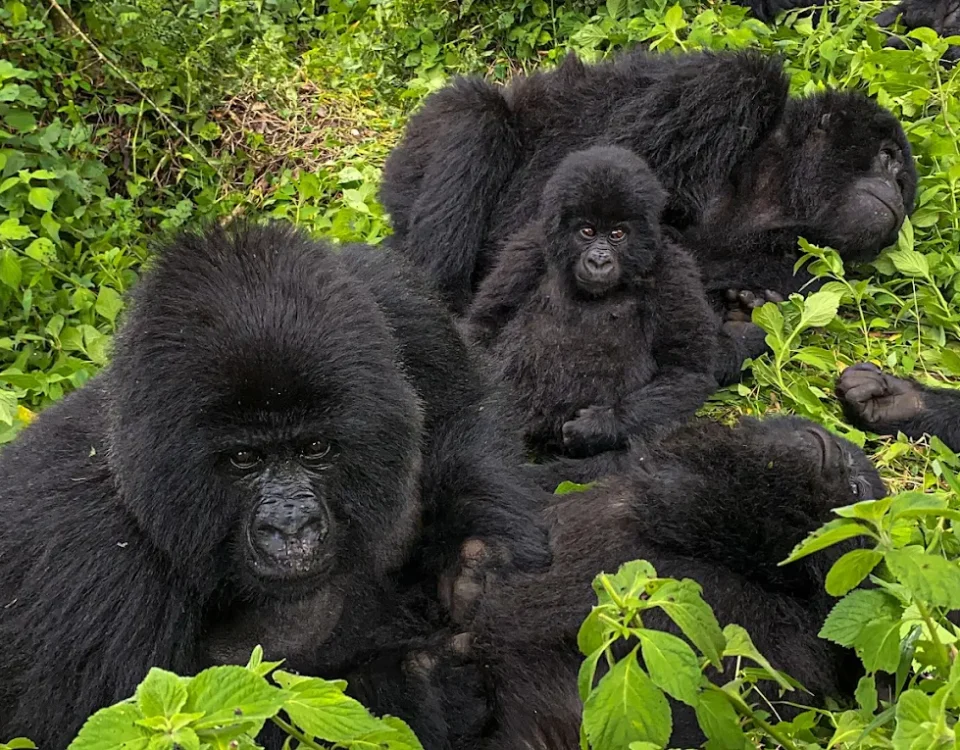
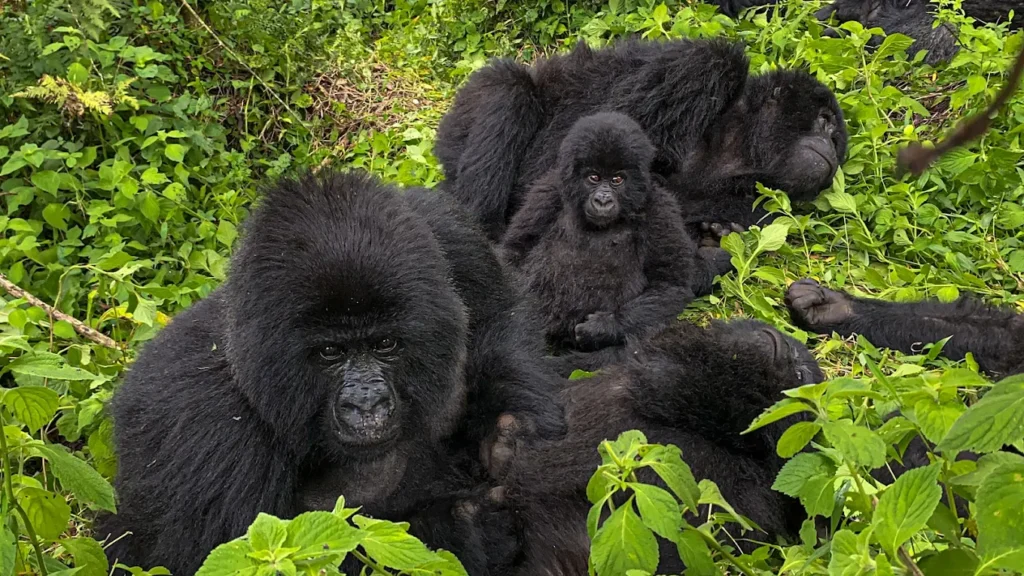
Kahungye Gorilla Family
What Are The Expectations in This Safari?
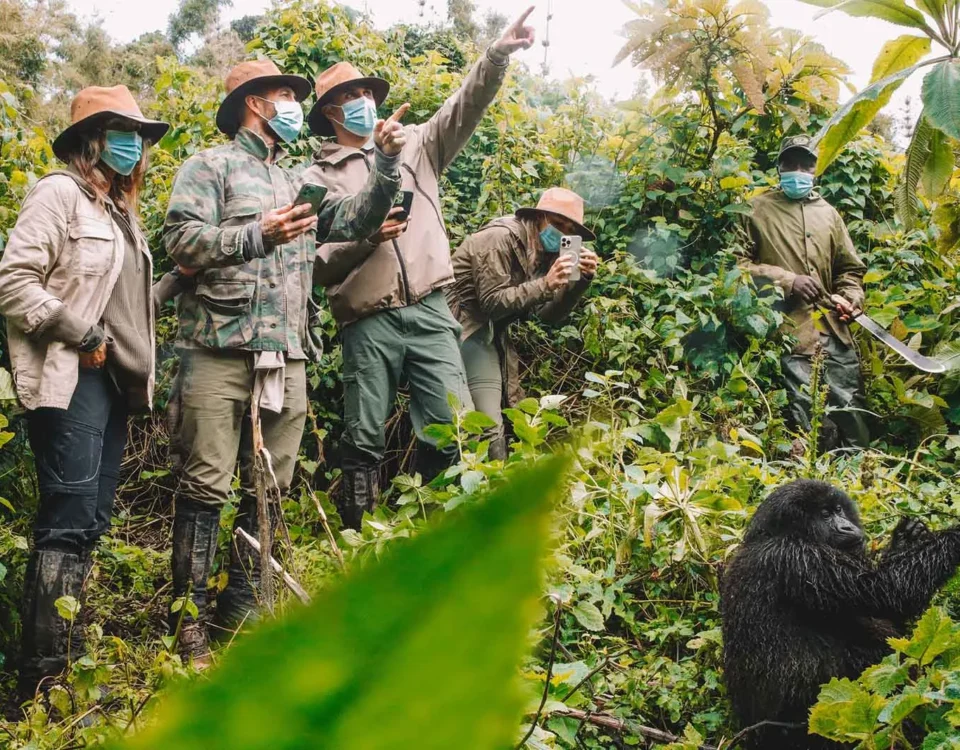
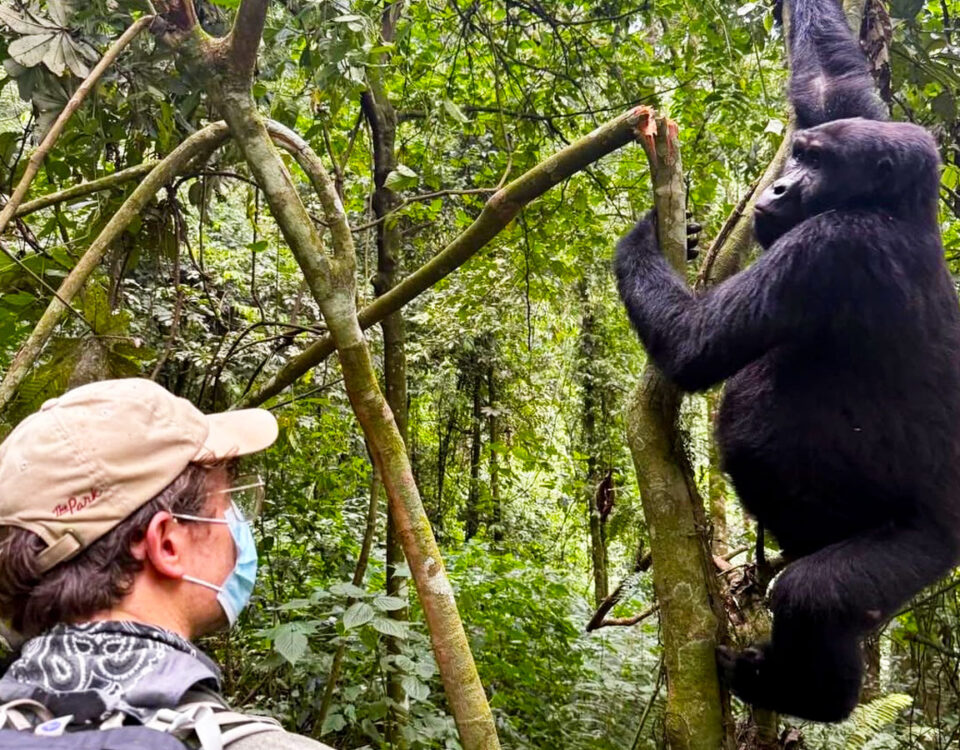
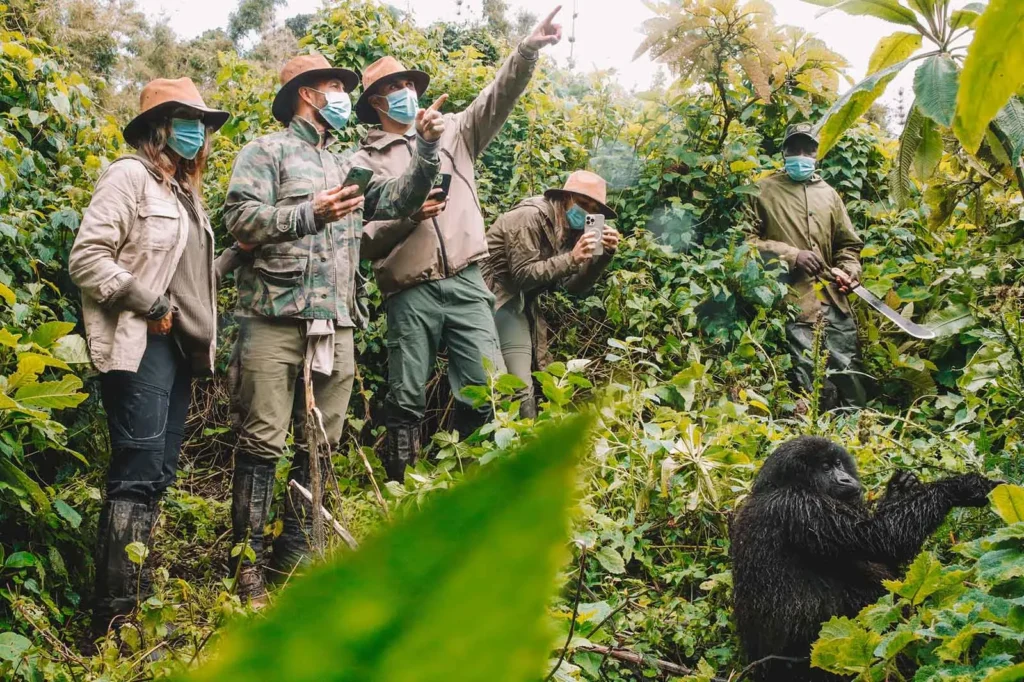
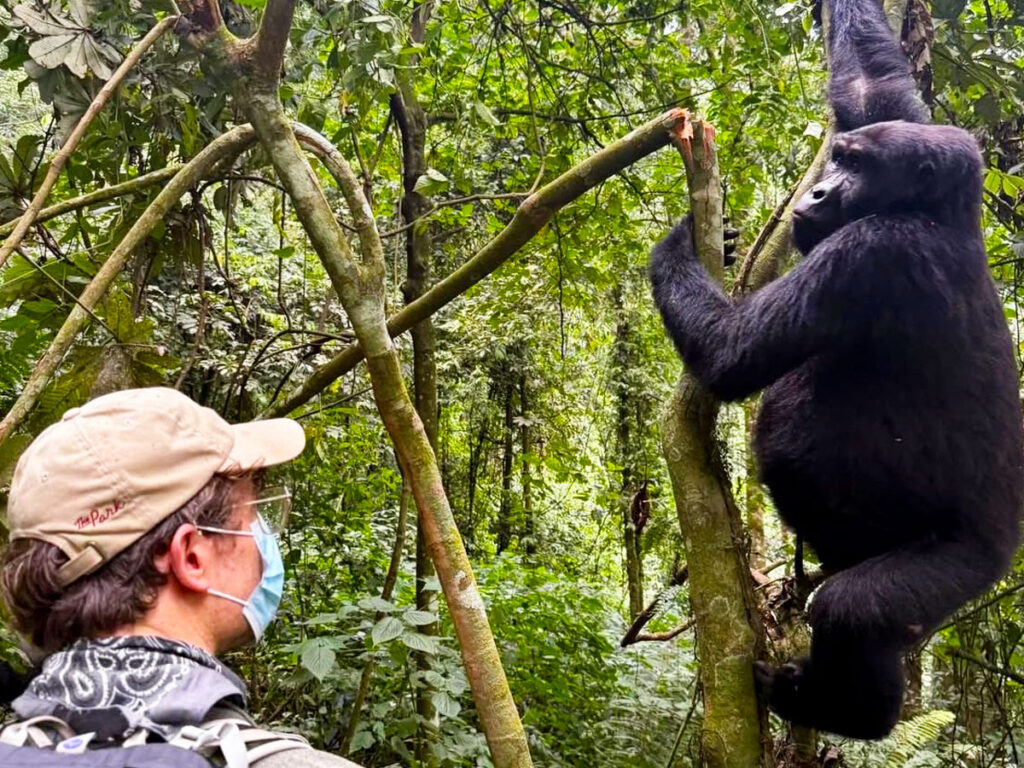
Is Gorilla Trekking Easier During the Dry Season? The walk may be more comfortable in drier weather, but it remains a guided mountain hike. Before entering the forest, visitors attend a briefing and receive instructions from park staff. Trackers locate the gorilla family, and guides lead the group to it. The family may be near the trailhead or farther into the forest; its location affects the distance, elevation and time involved. Uganda’s UWA estimates that treks may last between two and seven hours, although conditions and individual routes differ. Rwanda’s official guidance limits viewing to one hour once visitors reach the gorillas. Rwanda’s gorilla-tracking page outlines visitor requirements and conservation rules.
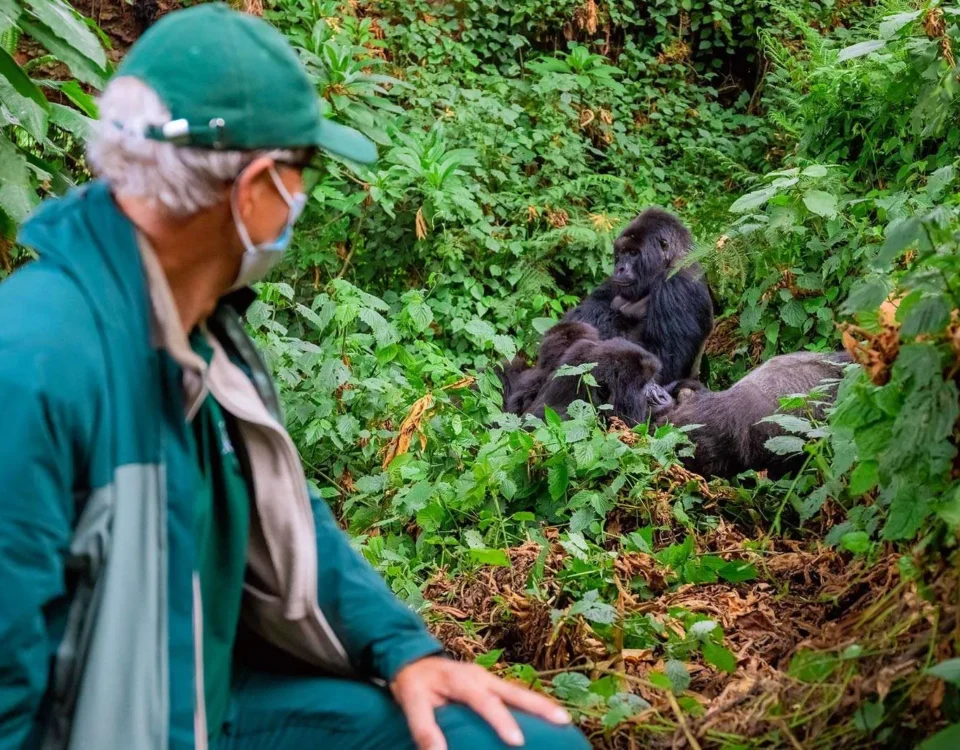
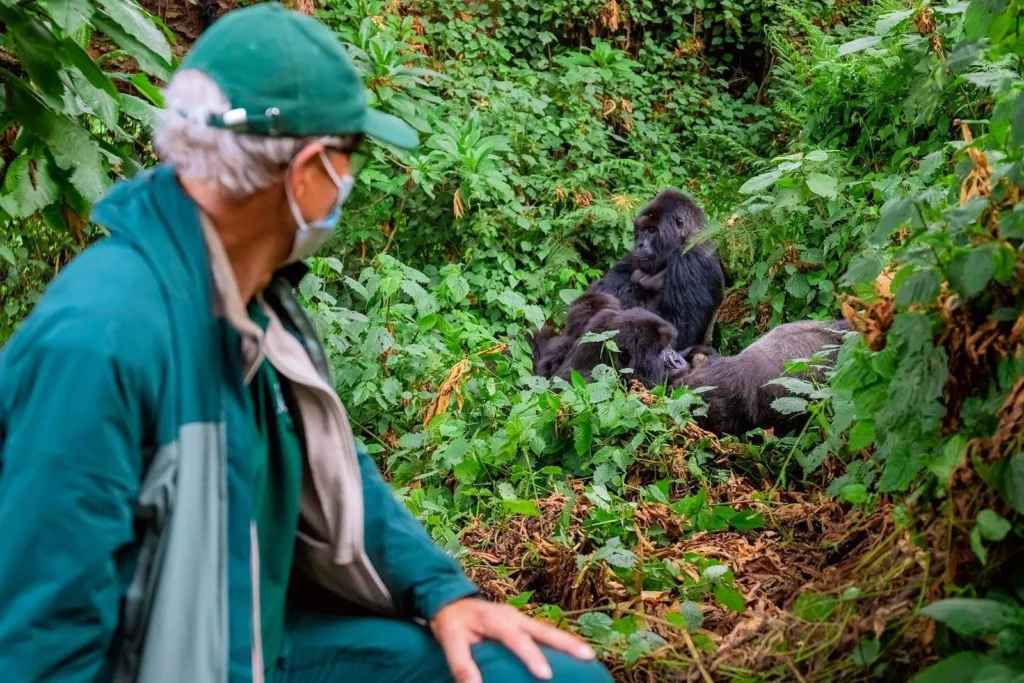
Visitors should be ready for slopes, mud, vegetation and changes in pace. A person who is comfortable walking on a dry trail may still find the hike demanding because altitude, uneven ground and distance all matter. Moderate fitness can help, but you do not need to be an expert hiker; discuss mobility or health concerns with your safari planner before booking. Follow ranger instructions, keep your voice low, maintain the required distance and do not use flash photography. Anyone with a contagious illness should not trek, because human infections can threaten gorilla health. Porters may be available for a local fee to help carry a daypack and provide support on challenging sections. Even under a bright forecast, allow the full day for the activity and avoid arranging a tight transfer afterward. The goal is not simply to reach the gorillas quickly; it is to experience them responsibly in their natural habitat while following the park’s guidance.
When Is The Best Time for This Safari?
Is Gorilla Trekking Easier During the Dry Season? For travelers who value firmer trails and a lower likelihood of heavy rain, June to August is often a strong option in both countries. It falls within Rwanda’s principal dry season and one of Uganda’s relatively drier windows. Rwanda also has a shorter dry period around January and February, while Uganda’s generally drier months include December to February. These months can be popular, so permit availability and preferred accommodation may be limited if you wait too long. Confirm your permit before buying non-refundable flights or committing to a fixed itinerary.
Rainier months can still be a good choice for travelers who are comfortable with wet-weather hiking and have flexible plans. The forests are lush, and some visitors enjoy the quieter feel outside peak travel dates. The trade-off is that trails can become muddier and may require slower, more careful walking. Seasonality is not identical across Uganda and Rwanda: rainfall patterns, elevation and local geography all matter. A route that includes Bwindi, Mgahinga and Volcanoes National Park should be planned with the actual park locations and transfer times in mind. Travelers considering Kenya Tours, Kenya Adventures or Kenya Safaris as part of a broader East African holiday should assess each destination’s seasonal conditions separately. No month will provide ideal weather for every activity across the region. Frena Adventures Ltd can help compare dates and outline the likely practical differences, while recognizing that forecasts, park operations and gorilla movements are not controlled by a tour operator.
What to Pack for a More Comfortable Trek?
Is Gorilla Trekking Easier During the Dry Season? Suitable clothing makes a difference in every season. Wear well-fitting, broken-in hiking boots with a strong grip; waterproof boots can be useful, but comfort and support are essential. Long trousers and long sleeves protect your skin from vegetation and nettles. Bring a lightweight waterproof jacket or poncho even if you are traveling during a drier month, and consider gaiters if you expect muddy conditions. Gardening gloves can protect your hands when holding branches for balance. Choose layers so you can adapt to cool early mornings, warm walking and changing mountain weather.
A small daypack should carry water, personal medication, a modest snack, sunscreen, insect repellent and a camera or phone. Protect documents and electronics in waterproof bags. Flash photography is prohibited, so check your camera settings before the trek. Follow park guidance about eating and drinking near the gorillas, and avoid carrying unnecessary items that could make the climb harder. A porter may be available for a fee to carry your bag. Visit Rwanda recommends sturdy clothing, solid walking shoes and rain protection for mountain trekking; see its clothing guidance. Uganda’s park information likewise emphasizes warm layers and wet-weather gear for Bwindi. Consult UWA’s guide. Good equipment will not guarantee dry trails, but it helps you stay safer and more comfortable if conditions change.
Is Gorilla Trekking Easier During the Dry Season?
Why Choose Us For This Particular Safari?
Is Gorilla Trekking Easier During the Dry Season? Choosing a season is only one part of preparing well. Your permit date, the park and trekking sector, the lodge location, transfer time and your preferred activity level all influence how manageable the day feels. Frena Adventures Ltd can help you compare Uganda and Rwanda, plan accommodation close to the correct briefing point and coordinate transport around the confirmed permit. If you have concerns about fitness, walking in rain or traveling with family members, sharing them early allows the itinerary to be discussed realistically.
Reliable safari planning means explaining the benefits and limits of each season. A responsible operator should not promise a short trek, dry weather or a particular gorilla encounter. Instead, we can help you prepare for the likely conditions, clarify what is included in your trip and make space for rest and transfers. Travelers interested in adding Kenya Safaris, Kenya Tours or other Kenya Adventures can discuss regional routing, while keeping in mind that these destinations require separate permits and logistics. Ask before booking whether the gorilla permit is confirmed, where you will stay the night before, what time the briefing begins and whether porter services are available. Clear answers help you make an informed decision and avoid building a demanding itinerary around assumptions. Frena Adventures Ltd can support the planning process and help tailor a gorilla safari to your travel dates, interests and comfort level.
What Should You Remember Before Booking?
Is Gorilla Trekking Easier During the Dry Season? In many cases, lower rainfall makes the trail more manageable, but dry-season trekking is not automatically easy. Mountain terrain, elevation, thick forest and the gorillas’ movements remain important parts of the experience. Drier months can bring firmer paths and smoother transfers, while wetter periods can offer lush scenery for visitors prepared for mud and rain. Both seasons have advantages, and the right choice depends on your preferences and the availability of permits.
Confirm the permit before finalizing non-refundable travel arrangements, stay near the relevant park entrance the night before and keep your schedule flexible. Pack sturdy boots, long clothing and rain gear, even if you choose a dry-season date. Above all, follow the guide’s instructions and treat the trek as a conservation-focused visit to a protected habitat. With sensible preparation, you can enjoy gorilla trekking in Uganda or Rwanda in either season. Frena Adventures Ltd can help you compare the options and organize the practical details for a comfortable, well-paced safari.