Can You Combine Gorilla Trekking with Other amazing Activities in Bwindi Impenetrable National Park?
October 29, 2026
Can you combine Uganda Gorilla Trekking with a Visit to Queen Elizabeth
October 29, 2026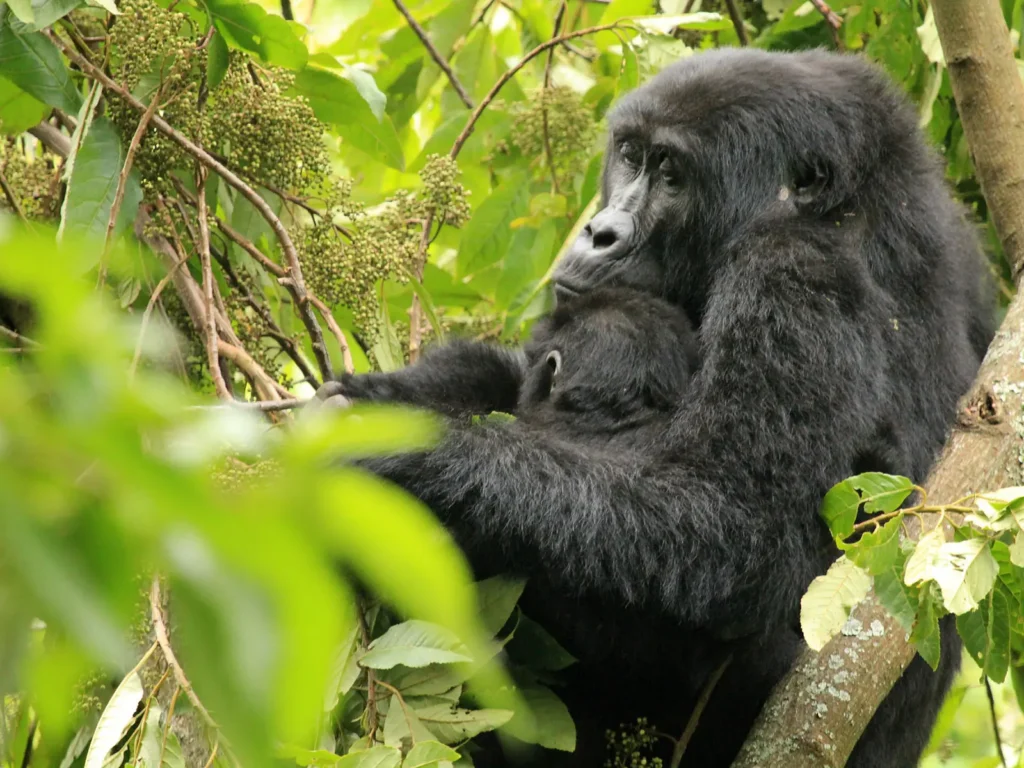
What Wildlife Can You See Besides Mountain Gorillas in Uganda?
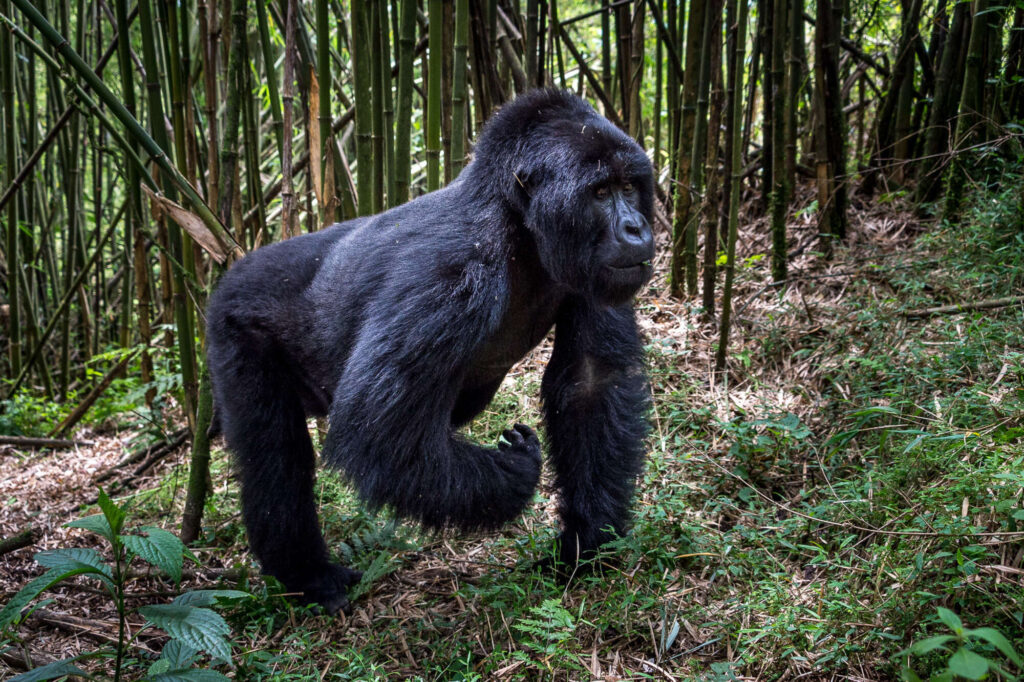
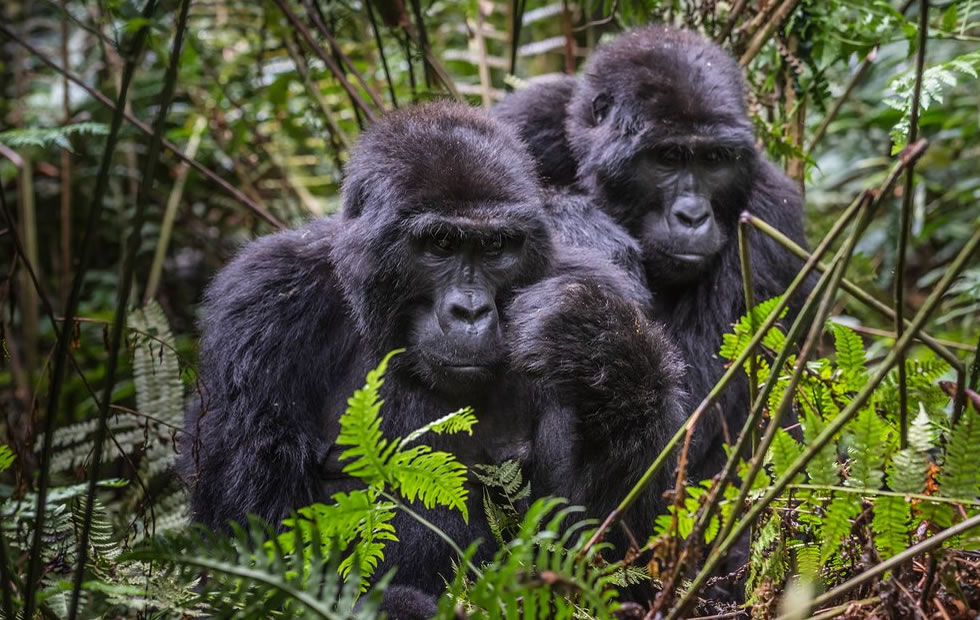
What wildlife can you see besides mountain gorillas in Uganda? The answer extends well beyond the forests of Bwindi and Mgahinga. Uganda’s protected areas include mountain rainforest, open savannah, wetlands, rivers and lakes, and each habitat supports different wildlife. Travellers may encounter chimpanzees and other primates in forest parks, elephants and buffalo across several landscapes, giraffes on savannah plains, and hippos near major waterways. Birdlife is another major attraction: Uganda Wildlife Authority reports more than 1,000 bird species nationally, with habitats ranging from forest canopy to papyrus wetlands. A well-planned Uganda safari can therefore combine a mountain gorilla trek with entirely different wildlife experiences, rather than treating the country as a single-park destination.
The species you see depend on the route, season, time of day and luck. Forest animals are often harder to spot than large mammals on open plains, while birds may be heard before they are seen. A guided walk, game drive, boat trip or chimpanzee trek each offers a different way to explore the landscape. For example, visitors can look for chimpanzees in Kibale Forest, savannah wildlife in Queen Elizabeth National Park, and giraffes and elephants in Murchison Falls National Park. What wildlife can you see besides mountain gorillas in Uganda? You may discover primates, large mammals, reptiles and remarkable birds across several ecosystems—but no responsible operator can guarantee a sighting. Uganda Wildlife Authority’s national wildlife report describes the country’s extensive biodiversity, while its park information helps travellers match species and habitats to particular destinations.
Which animals can you see on a savannah safari?
What wildlife can you see besides mountain gorillas in Uganda? In savannah parks, travellers may look for elephants, buffaloes, Uganda kob, waterbuck, warthogs, lions and, with patience, leopards. Queen Elizabeth National Park is known for diverse habitats, including savannah, crater lakes and the Kazinga Channel, where visitors may see hippos and other animals near the water. The Ishasha area is associated with tree-climbing lions, although sightings are never guaranteed. Murchison Falls National Park offers game-viewing opportunities alongside the Nile and on its northern savannah, where visitors may look for elephants, buffaloes, giraffes, antelope and predators. Lake Mburo National Park provides another savannah experience, with species that include zebras, impala and giraffes. Uganda Wildlife Authority identifies giraffes in Murchison Falls, Lake Mburo and other protected areas.
Each park offers a different balance of wildlife and scenery. A game drive lets visitors scan open country with a guide, while a boat trip can bring a closer view of animals using riverbanks and channels. Dawn and late afternoon are often productive periods for wildlife activity, although the exact timing and sightings depend on conditions. What wildlife can you see besides mountain gorillas in Uganda? A longer safari can include a range of savannah species in addition to primates, but the best park depends on the animals that interest you most and how many days you have. When planning a gorilla-and-game safari, allow for the significant distances between southwestern Uganda and other parks; travel days should be part of the itinerary, not squeezed out of it.
Where can you see other primates and forest wildlife?
What wildlife can you see besides mountain gorillas in Uganda? Forest parks offer an entirely different kind of wildlife viewing. Kibale National Park is widely known for chimpanzee tracking and its high primate diversity. Depending on the location and conditions, visitors may also encounter red-tailed monkeys, black-and-white colobus, mangabeys, baboons and other forest species. Bwindi Impenetrable National Park, best known for gorilla trekking, also supports chimpanzees and a rich range of forest wildlife. A 2025 census confirmed an estimated 426 chimpanzees in Bwindi, adding to the understanding of the park as habitat for more than one great ape. In Mgahinga Gorilla National Park, visitors can arrange golden monkey tracking, a separate activity that explores bamboo forest on the Virunga slopes.
These experiences are different from a conventional game drive. Tracking primates involves walking with guides, listening for calls and following signs of movement through dense vegetation. Sightings may be brief or partially hidden, and the forest itself is an important part of the experience. Birders may also seek species associated with the Albertine Rift in Bwindi and Mgahinga, while wetland areas elsewhere in the country offer chances to look for the shoebill and other waterbirds. What wildlife can you see besides mountain gorillas in Uganda? Chimpanzees, golden monkeys, colobus monkeys and many birds can add depth to a primate-focused itinerary. Check whether each activity requires a separate permit and confirm its starting point before booking accommodation.
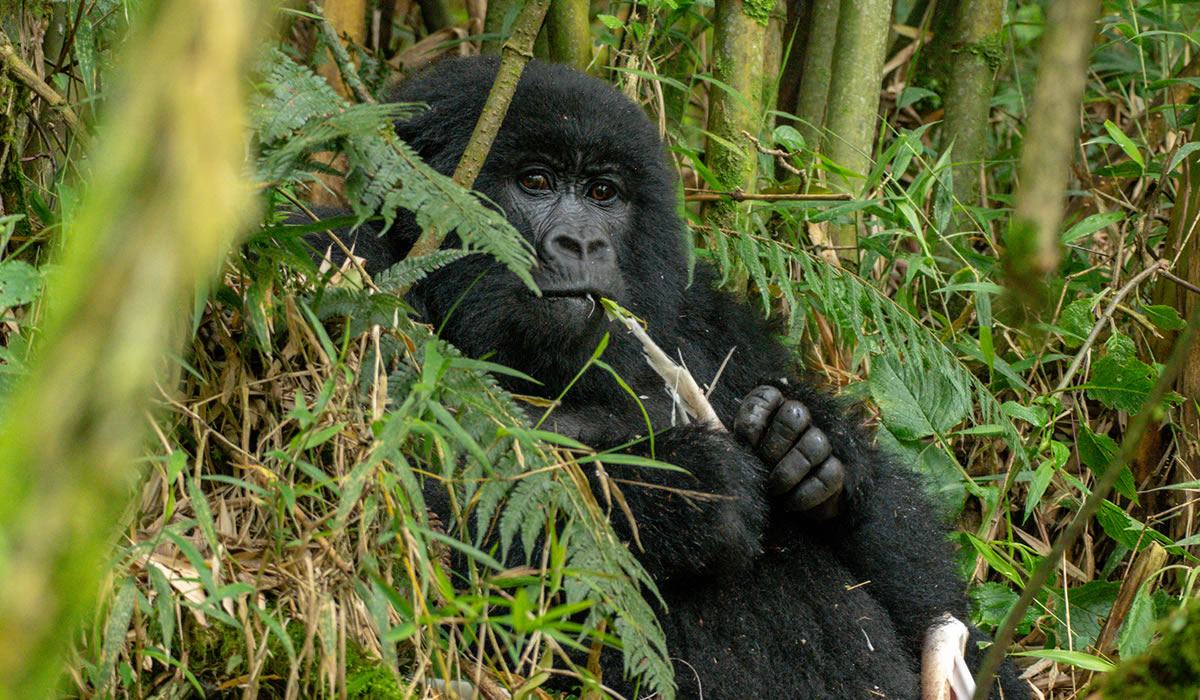
What Wildlife Can You See Besides Mountain Gorillas in Uganda?
What are the expectations in this safari?
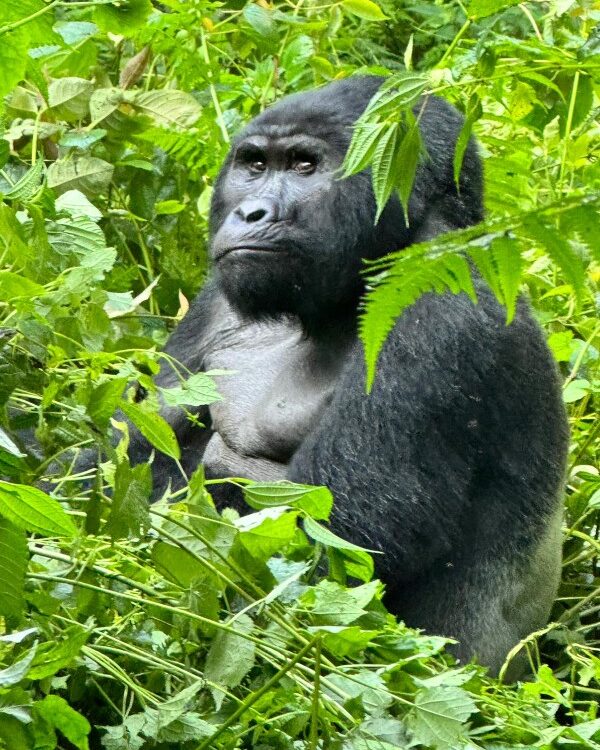
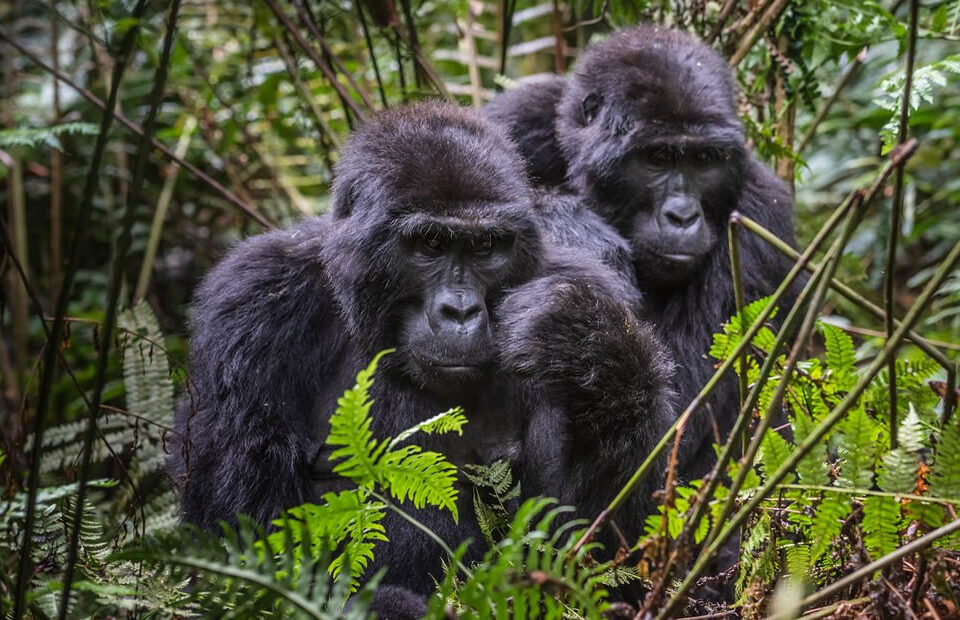
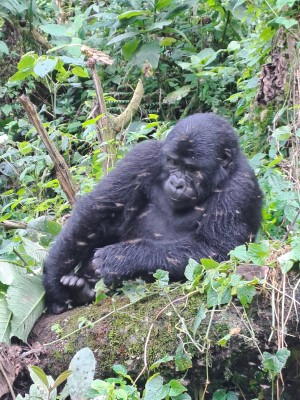
What wildlife can you see besides mountain gorillas in Uganda? The answer depends on the activities you choose, and each has its own pace and viewing conditions. A game drive may cover open ground in search of larger mammals; a boat trip offers a water-level perspective of hippos, birds and animals along the shore; forest tracking is slower and more focused on listening and observing. Gorilla trekking is a guided hike, and Uganda Wildlife Authority says it may last between two and seven hours, followed by a limited viewing period with the gorillas. Chimpanzee and golden monkey tracking also involve walking with trained guides. For every activity, wildlife remains wild: the guide can use experience and local knowledge, but cannot guarantee a sighting or a particular behaviour.
A balanced itinerary should leave enough time to travel between parks and recover after physically demanding activities. Visitors can pair a gorilla trek with a game drive, boat excursion, chimpanzee tracking or birding, but trying to do everything in a few days can make the trip tiring. Ask your operator how long transfers are likely to take, whether activities require separate permits and which experiences are available in your chosen season. What wildlife can you see besides mountain gorillas in Uganda? With the right route, you can encounter a striking variety of species, from forest primates to savannah mammals and wetland birds. Responsible viewing means following guide instructions, keeping appropriate distances, avoiding disturbance and accepting that some animals may remain hidden.
When is the best time for this safari?
When is the best time for this safari? Uganda’s parks can be visited throughout the year, but weather can affect road conditions, forest trails and comfort during outdoor activities. Many travellers prefer drier periods because some tracks may be easier to navigate. Commonly recommended windows for Uganda include June to September and December to February, although rain can fall at any time, particularly in forest and mountain areas. Birdwatchers may choose dates based on the species and habitats they hope to explore; resident birds are present year-round, while seasonal conditions can influence activity and visibility.
Your ideal travel period also depends on the mix of experiences. A gorilla trek, a chimpanzee walk and a savannah game drive may require different locations and permit dates. Secure any limited-availability permits first, then coordinate flights, accommodation and transfers around them. Travellers with flexible dates may have more options for combining parks. What wildlife can you see besides mountain gorillas in Uganda? The species you encounter can vary by season and habitat, so plan for the parks that best match your interests rather than expecting every animal in one place. Carry rain protection and footwear suitable for mud, and ask your operator to confirm current park guidance and activity availability before booking. If you plan to continue with Kenya tours, Kenya adventures or Kenya safaris, include realistic travel time between countries in your schedule.
Why choose Frena Adventures Ltd for this particular safari?
Why choose us for this particular safari? Combining gorilla trekking with other Ugandan wildlife experiences requires a route that fits your interests, available time and permit dates. Frena Adventures Ltd can help you compare options such as chimpanzee tracking in Kibale, game drives and boat trips in Queen Elizabeth or Murchison Falls, and golden monkey tracking in Mgahinga. We can help map these activities in a practical sequence and explain where additional nights may be needed. Your itinerary should also reflect how you prefer to travel, whether by road or domestic flight, and how much time you want to spend in each park.
Before confirming, ask what is included, which permits are required, how transfers are arranged and whether the quoted itinerary allows enough time for each experience. Review current permit terms and cancellation conditions, and confirm activity availability directly with your operator. Local guides contribute valuable knowledge of wildlife behaviour and habitat; following their directions supports safe, respectful viewing. What wildlife can you see besides mountain gorillas in Uganda? Frena Adventures Ltd can help you build a safari around the species and landscapes that interest you, while keeping expectations realistic. Whether you want to focus on primates, add a classic savannah safari or include birdwatching, a carefully planned Uganda journey can reveal far more than one iconic encounter. Our aim is to provide clear advice and a well-paced itinerary so you can enjoy Uganda’s wildlife and the people who make responsible tourism possible.
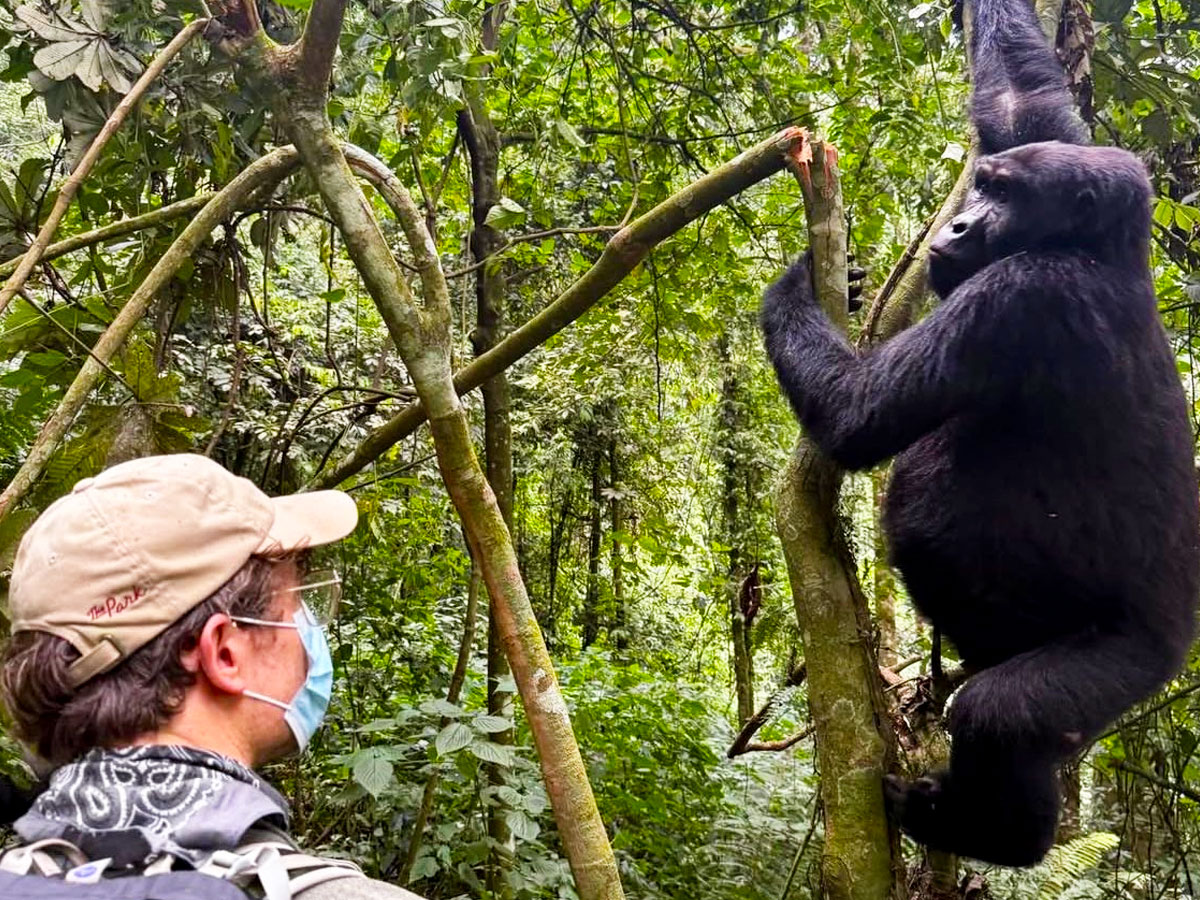 What should you pack?
What wildlife can you see besides mountain gorillas in Uganda? The answer may involve forest walks, open-vehicle game drives, boat excursions or birding, so pack for a mix of conditions. Comfortable neutral-coloured clothing, long trousers and long sleeves are useful in forest areas, where they can help protect against branches and insects. Sturdy walking shoes or hiking boots are important for primate tracking, while a lightweight waterproof jacket is valuable in changeable weather. Bring a hat, sunscreen, insect repellent, personal medication and a small day pack. Binoculars can make birdwatching and distant wildlife viewing more rewarding; a camera with a zoom lens may also be useful, but photography should never interfere with the guide’s instructions or the animals’ space.
Pack layers for cool mornings and evenings, and keep electronics protected from rain and dust. A reusable water bottle, spare socks and a change of clothes can be helpful after a wet forest walk. If your itinerary includes a boat safari, follow the operator’s advice on sun protection and secure storage for cameras. What wildlife can you see besides mountain gorillas in Uganda? Many species are possible across the country, but preparation is most effective when it matches your actual route and activities. Ask your tour operator for a trip-specific packing list and check current park rules before departure. With realistic expectations, respectful wildlife viewing and enough time to explore different habitats, your Uganda safari can combine gorillas with a much wider encounter with Africa’s wildlife. Frena Adventures Ltd can help you plan the route and prepare for the experiences you choose.