Which Sector of Bwindi Impenetrable National Park Is Best for Gorilla Trekking?
October 28, 2026
Where Should You Stay During a Bwindi Gorilla Trekking Holiday?
October 29, 2026
What Are Uganda and Rwanda Gorilla Safari Holidays?
Uganda and Rwanda gorilla safari holidays are wildlife journeys designed around guided encounters with endangered mountain gorillas in the forests and volcanic landscapes of East Africa. These holidays combine a carefully managed gorilla trek with accommodation, ground transport, local guiding and, where time allows, other experiences such as birdwatching, cultural visits, forest walks and classic wildlife safaris. For travellers who want to experience Africa beyond a vehicle-based game drive, a gorilla safari offers the chance to walk through natural habitat with trained park guides and learn how conservation, tourism and neighbouring communities are connected.
Uganda and Rwanda are two of the principal destinations for mountain gorilla trekking. In Uganda, visitors generally travel to Bwindi Impenetrable National Park or Mgahinga Gorilla National Park. In Rwanda, gorilla trekking takes place in Volcanoes National Park, part of the Virunga mountain landscape. Each destination offers a distinct setting, and the right choice depends on travel time, budget, preferred accommodation, fitness, interests and the wider itinerary. A responsible operator such as Frena Adventures Ltd can help travellers compare these options, understand permit arrangements and plan realistic transfers without treating a gorilla trek as a guaranteed or effortless wildlife sighting.
The phrase “Uganda and Rwanda gorilla safari holidays” therefore describes more than a single activity. It refers to a planned travel experience in which conservation rules, visitor preparation and local expertise are central. Gorilla trekking takes place in a protected natural environment, not in a zoo or staged attraction. The forest can be steep, muddy or humid, and the duration of a trek depends partly on where the gorilla family is located that day. With appropriate preparation and respect for park guidance, visitors can enjoy a memorable encounter while supporting the long-term protection of mountain gorillas.
What Are Uganda and Rwanda Gorilla Safari Holidays? What Can You Expect During a Gorilla Safari Holiday?
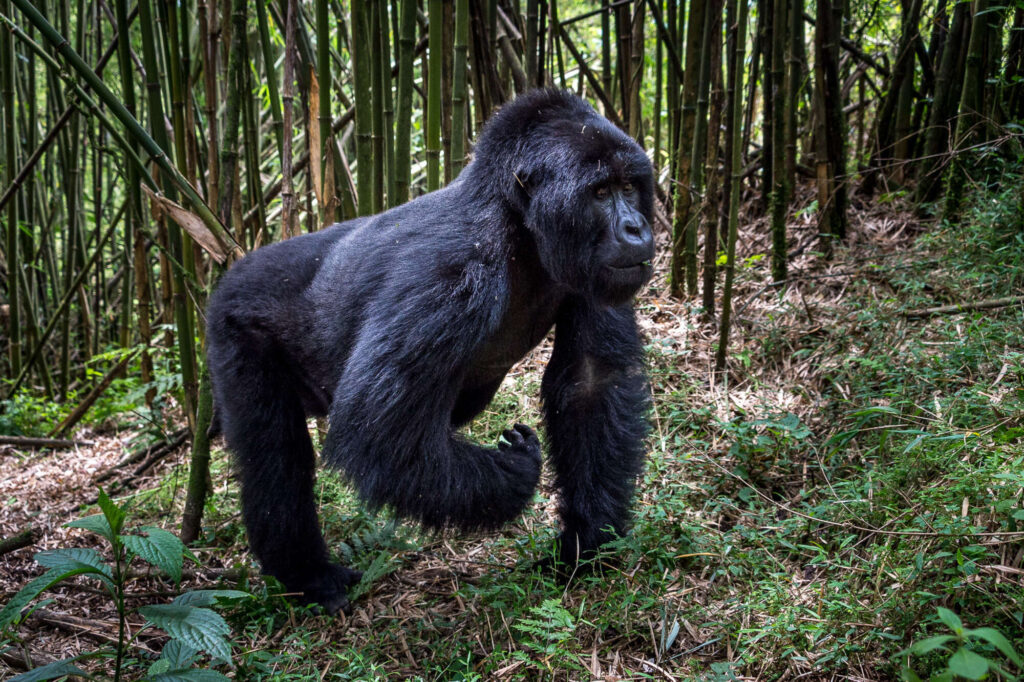
A typical Uganda and Rwanda gorilla safari holiday begins with a briefing from park staff, who explain the rules, safety guidance and expected conduct before the trek. Visitors are usually assigned to a permitted gorilla group and accompanied by trained guides and trackers. The walk may pass through dense vegetation, uneven ground and changing elevations, so it is sensible to allow flexibility in the schedule. The length of the search varies; some treks are relatively short, while others require several hours of walking. A sighting cannot be promised in a precise location or at a particular time, because gorillas move naturally through their habitat.
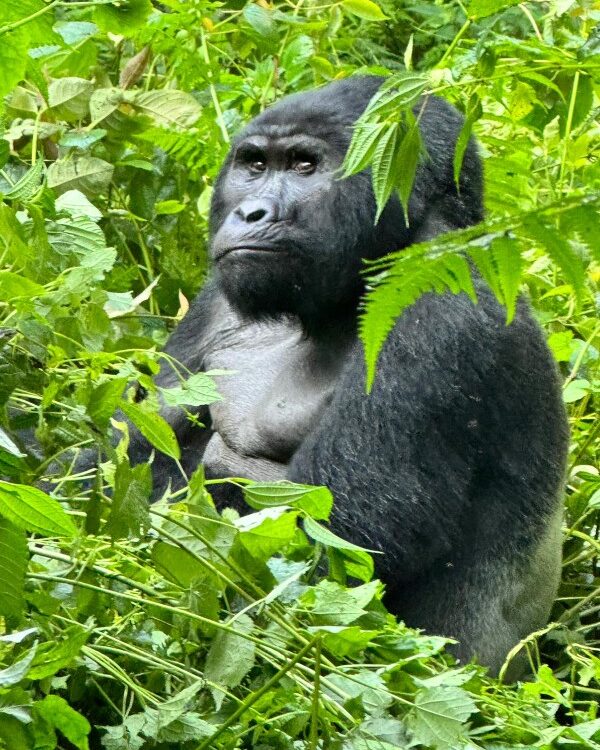
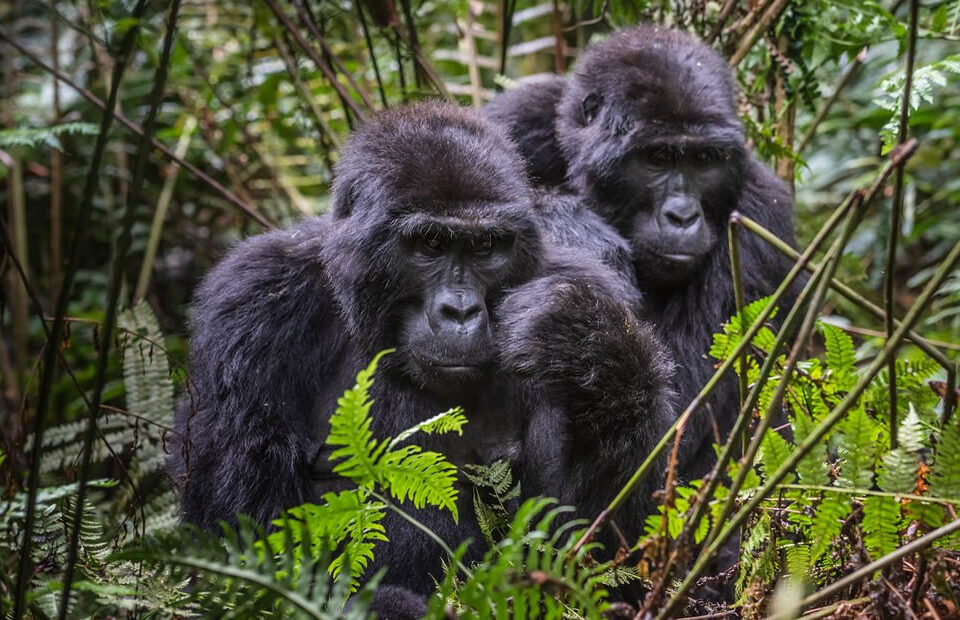
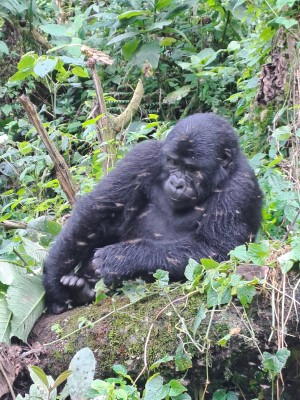
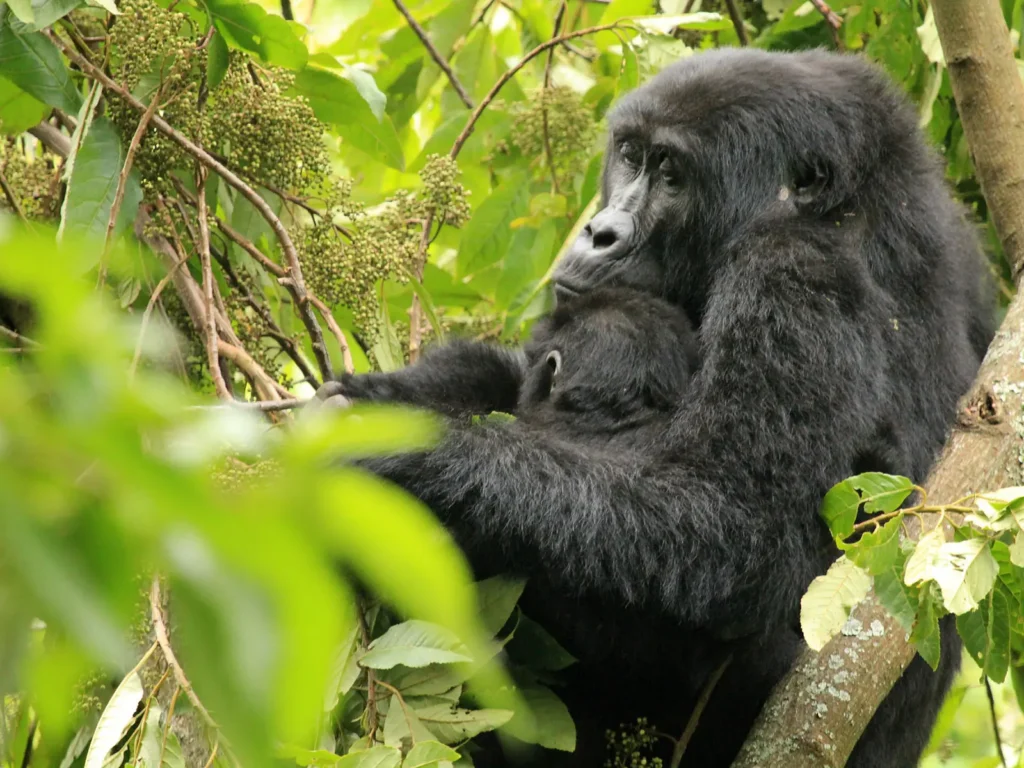
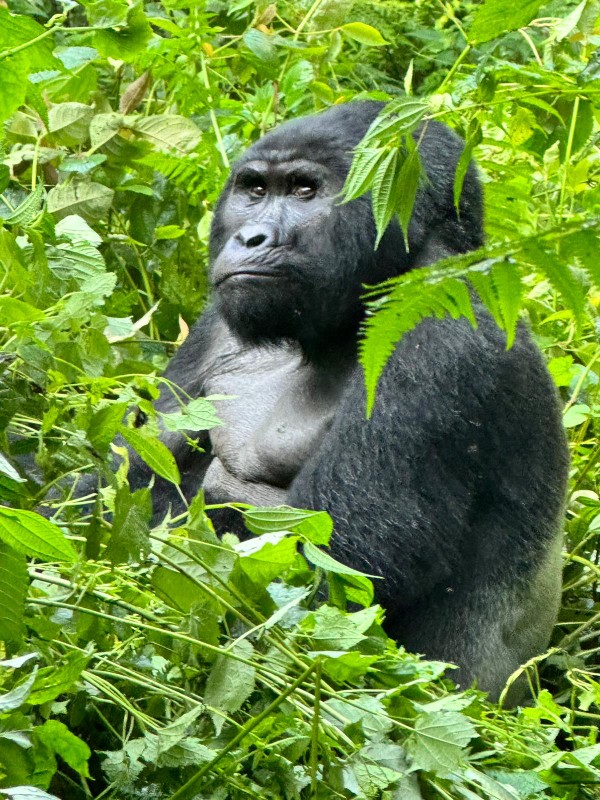
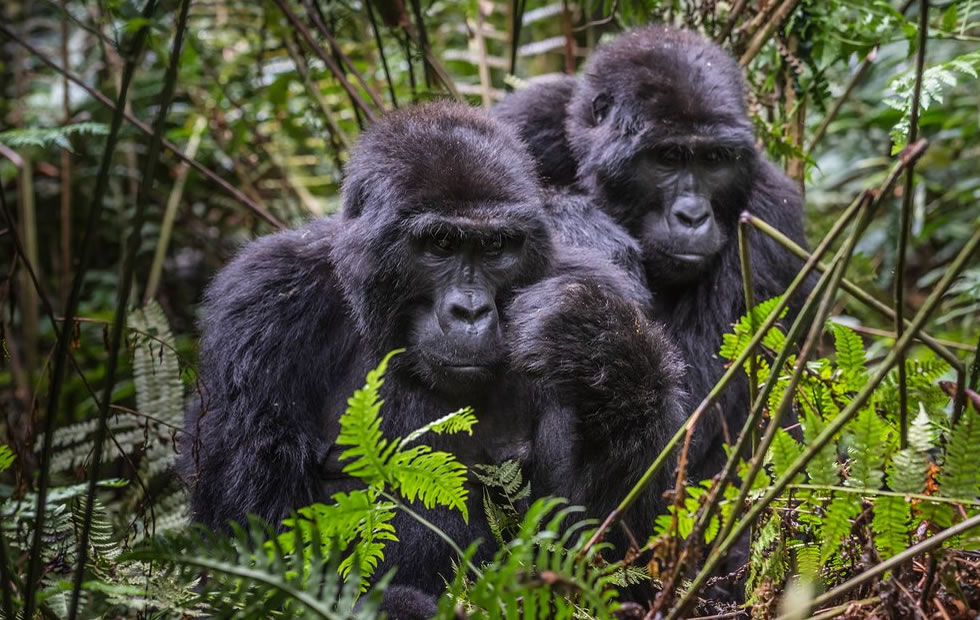
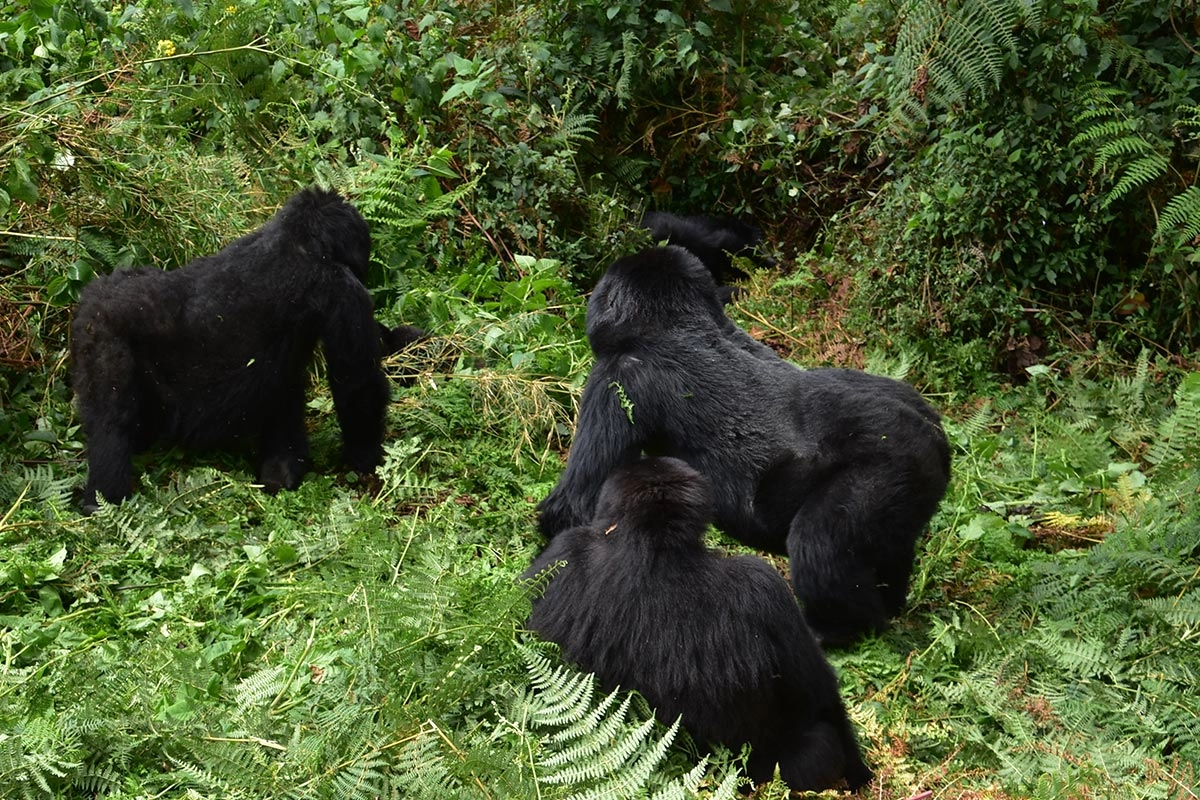
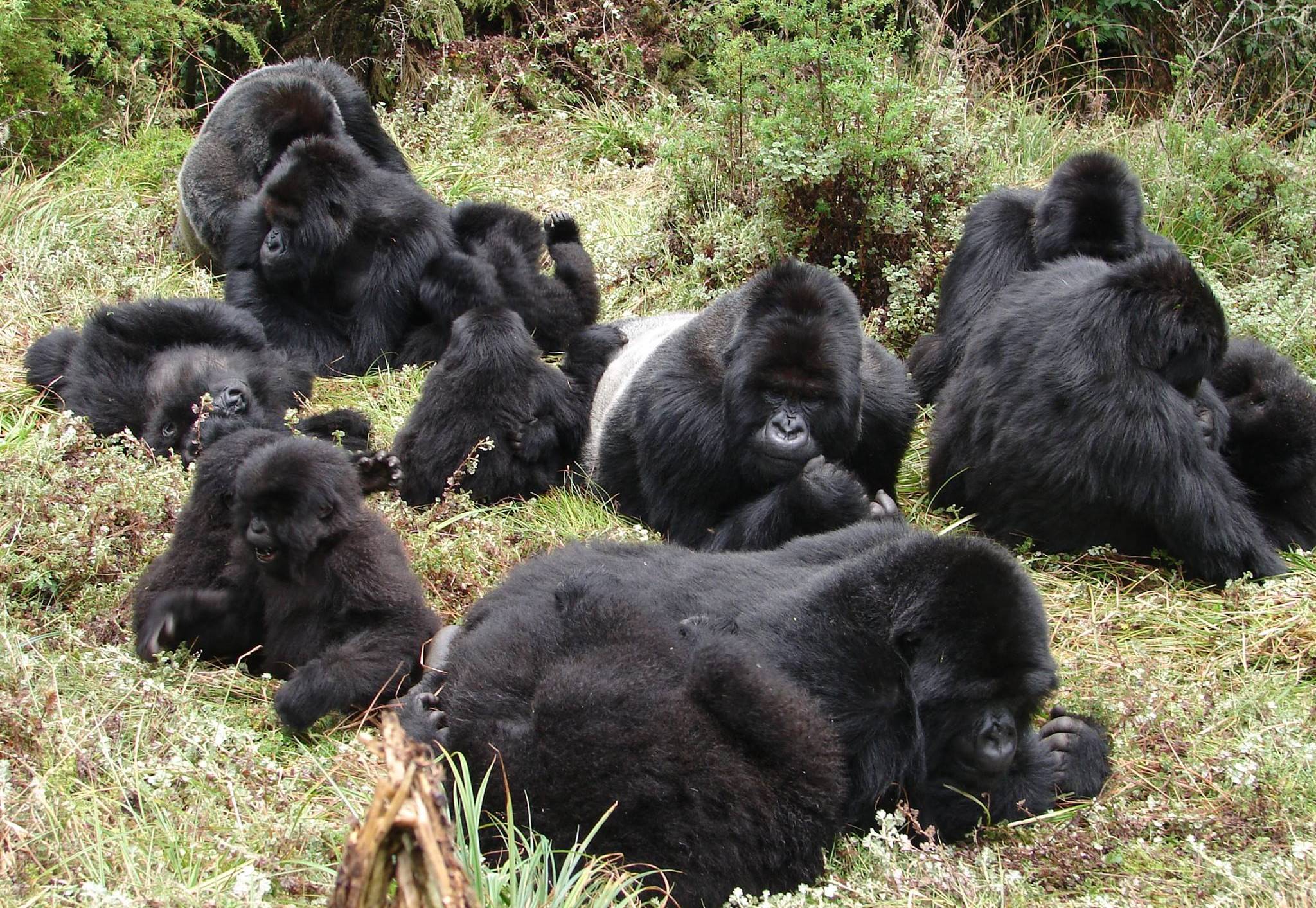
When the group finds the gorillas, visitors are given instructions on how to observe them without causing disturbance. The permitted viewing period is limited and controlled by park authorities. Travellers may see adults feeding or resting, young gorillas playing, or members of a family moving through the vegetation. The experience is rewarding precisely because the animals are wild and the encounter is conducted under strict conservation rules. Guests should follow their guide’s instructions, keep a respectful distance, avoid sudden movements and never attempt to touch, feed or call to the gorillas.
Outside the trek, the holiday can include scenic drives, time in local communities, craft experiences, birdwatching or visits to other national parks. In Uganda, travellers may add a wildlife safari in Queen Elizabeth National Park or explore other parts of the country, depending on the route. In Rwanda, the gorilla experience can be combined with a visit to Kigali, a cultural activity or a golden monkey trek where available and properly arranged. Frena Adventures Ltd can help structure the itinerary around the visitor’s interests, but the final programme should reflect current park regulations, permit availability and realistic travel times.
Where Do Uganda and Rwanda Gorilla Safari Holidays Take Place?
Uganda’s main mountain gorilla trekking destinations are Bwindi Impenetrable National Park and Mgahinga Gorilla National Park. Bwindi is known for its ancient montane forest, rich biodiversity and several trekking sectors. Because the park is extensive, the location of a visitor’s permit and accommodation matters: travellers should plan to stay near the sector where their trek is booked rather than assuming every lodge is close to every trailhead. Mgahinga, within the Virunga volcanic region, offers a different landscape of forested slopes and volcanic scenery. The best choice depends on permit availability, preferred setting and the rest of the itinerary.
In Rwanda, visitors trek for mountain gorillas in Volcanoes National Park, in the north-west of the country near the Virunga volcanoes. Its location can make it a practical option for travellers who want to reach the trekking area from Kigali within a relatively short road journey compared with some routes to Uganda’s gorilla parks. Even so, travellers should allow enough time for the early-morning briefing and should confirm the departure plan with their operator. Road conditions, weather, accommodation location and the specific itinerary can affect the actual journey.
Choosing between Uganda and Rwanda is not simply a question of which country is better. Uganda can suit travellers who want to combine gorilla trekking with a longer, varied wildlife itinerary and who are comparing different accommodation levels. Rwanda can appeal to visitors seeking a compact itinerary centred on Volcanoes National Park, especially when time is limited. A cross-border itinerary may also be possible, but it requires careful planning of border formalities, transport, permits and overnight stops. Frena Adventures Ltd should confirm each practical detail before travel rather than relying on broad estimates alone.
When Is the Best Time for Uganda and Rwanda Gorilla Safari Holidays?
Mountain gorilla trekking is available during much of the year in both countries, subject to park rules and permit availability. Many travellers prefer the relatively drier periods because trails may be less muddy and walking can be more comfortable. However, both Uganda and Rwanda have tropical highland climates, and rainfall can occur even during periods commonly described as dry. Conditions also vary with altitude and local weather. No month can guarantee clear skies, easy trails or a short trek, so visitors should prepare for changeable conditions throughout the year.
The wetter months may bring slippery paths and damp clothing, but they do not automatically make gorilla trekking impossible. Forest conditions, gorilla movements and the experience of the guides all influence the day. Travellers considering a trip during a rainy period should pack waterproof layers, suitable footwear and a daypack cover, and should remain flexible about the pace of the trek. Those combining gorilla trekking with other wildlife parks should consider the seasonal conditions across the entire route, rather than choosing dates based on one destination alone.
The most useful planning approach is to select dates that suit the traveller’s wider schedule, then check current permit availability, park guidance and expected seasonal conditions. Since permits are limited, travellers should not wait until arrival to arrange the trek. Frena Adventures Ltd can assist with checking the practical requirements and matching dates to the preferred destination. Any statements about current permit prices, visa rules or availability should be verified close to booking because these details may change.
Why Choose Frena Adventures Ltd for a Gorilla Safari Holiday?
Planning a gorilla safari involves more than reserving a room and driving to a national park. The itinerary must match the permit location, arrival time, road journey, accommodation and traveller’s physical comfort. A well-organised operator helps bring these elements together, explains what is included in the quotation and makes clear which expenses are separate. Before confirming a booking, travellers should ask for a written itinerary, accommodation details, transport arrangements, cancellation terms and a clear breakdown of permit and service costs.
Frena Adventures Ltd can present Uganda and Rwanda gorilla safari holidays around the needs of different visitors, from travellers with a short window for the trek to those who want a broader East African journey. The company’s planning approach should prioritise realistic travel times, responsible wildlife viewing and clear communication. Travellers should also be encouraged to disclose mobility concerns or dietary requirements early, because the terrain and the remote location of some lodges can affect suitability. Good preparation allows guests to understand what is feasible before committing to a route.
Trustworthy safari planning also means avoiding promises that nature cannot guarantee. A professional operator should not guarantee a particular gorilla sighting duration beyond official rules, claim that every trek is easy, or present outdated prices as confirmed. Instead, visitors should receive accurate information, practical advice and support with the arrangements that can be controlled. By choosing a safari company that values transparency, conservation and local knowledge, travellers can make informed decisions and approach their gorilla holiday with realistic expectations.
 What Should You Pack for Uganda and Rwanda Gorilla Safari Holidays?
Pack for walking in a cool, humid forest where the weather may change quickly. Sturdy hiking boots with good grip are useful because trails can be uneven, steep and muddy. Long trousers and a long-sleeved top help protect skin from vegetation and insects. A lightweight waterproof jacket, comfortable socks and a change of clothes can make the day easier if rain arrives. Gardening-style gloves may help when holding vegetation for balance, but visitors should follow the guide’s advice and avoid damaging plants or disturbing wildlife.
A small daypack can hold drinking water, snacks if permitted by the operator, personal medication, tissues, hand sanitiser, sunscreen and insect repellent. Carry only what you can comfortably manage during the trek. A walking stick may be available locally or provided by the operator, and porters may be available for hire at the trekking starting point. Hiring a porter can support local livelihoods and help visitors manage their bags, but it does not remove the need to choose suitable footwear or walk within their own limits.
For photography, bring a camera or smartphone with sufficient battery power and storage. A spare battery or power bank is helpful, while a camera strap can reduce the chance of dropping equipment on rough ground. Flash photography should not be used around gorillas. Binoculars are optional for a gorilla trek but can be useful for birdwatching and other wildlife activities. Keep valuable items protected from rain and avoid carrying unnecessary equipment. Before departure, check the operator’s packing guidance and any park-specific instructions, because requirements may differ according to the season and planned activities.
Responsible Travel and Gorilla Conservation
Mountain gorilla tourism operates within conservation systems intended to protect the animals and their habitat. Permit limits, guided visits and rules about distance and behaviour reduce pressure on gorilla families. Visitors play a role by following every instruction, staying with their assigned group, keeping noise low and never feeding or touching wildlife. Anyone who feels unwell with symptoms that could be infectious should tell the operator and park staff before the trek, because respiratory illnesses can pose a risk to great apes. Park authorities determine the appropriate response under current health rules.
Tourism can also create income and employment connected to conservation, including work for guides, trackers, drivers, lodge staff, porters and community enterprises. Visitors can strengthen these benefits by treating local people respectfully, purchasing genuine local products when appropriate and following guidance during community visits. Responsible tourism does not mean that every fee goes directly to a single community project; travellers should ask operators or park authorities for clear information about conservation and community benefit mechanisms.
The lasting value of Uganda and Rwanda gorilla safari holidays depends on protecting the forest and respecting the animals that make the experience possible. Travellers should choose operators that communicate conservation rules clearly and build enough time into the itinerary to avoid rushed decisions. A successful trip is not measured only by photographs, but also by whether visitors travel responsibly, understand the importance of habitat protection and leave the forest without disturbing the gorillas.
 Conclusion: Is a Gorilla Safari Holiday Right for You?
Uganda and Rwanda gorilla safari holidays offer an unusual opportunity to observe mountain gorillas in the forests where they live, while learning about conservation and the communities connected to these landscapes. Uganda provides the options of Bwindi Impenetrable National Park and Mgahinga Gorilla National Park, while Rwanda’s trekking destination is Volcanoes National Park. Each has its own logistical advantages, scenery and opportunities to build a wider itinerary. The right choice depends on available time, budget, permit availability, accommodation preferences and the type of journey a visitor hopes to experience.
Expect a guided outdoor adventure rather than a predictable attraction. The trek may involve steep or muddy paths, changing weather and several hours of walking, so preparation matters. Booking permits early, choosing suitable accommodation, packing practical clothing and sharing any mobility or health concerns before travel can make the experience more comfortable. Travellers should also remember that gorillas are wild animals and that all viewing takes place under official rules designed to protect them.
Frena Adventures Ltd can help travellers plan the practical details of a gorilla holiday and consider whether Uganda, Rwanda or a combined itinerary best suits their plans. Before confirming, request a written quotation and verify permit arrangements, inclusions, travel documents and cancellation conditions. With realistic expectations and a commitment to responsible travel, a gorilla safari can become a meaningful part of an East African journey—one that connects visitors with remarkable wildlife while reinforcing the importance of conservation.