Do You Need a Private 4×4 Vehicle for a Gorilla Trekking Safari?
November 20, 2026
What Should You Pack for a Uganda and Rwanda Gorilla Trekking Holiday?
November 20, 2026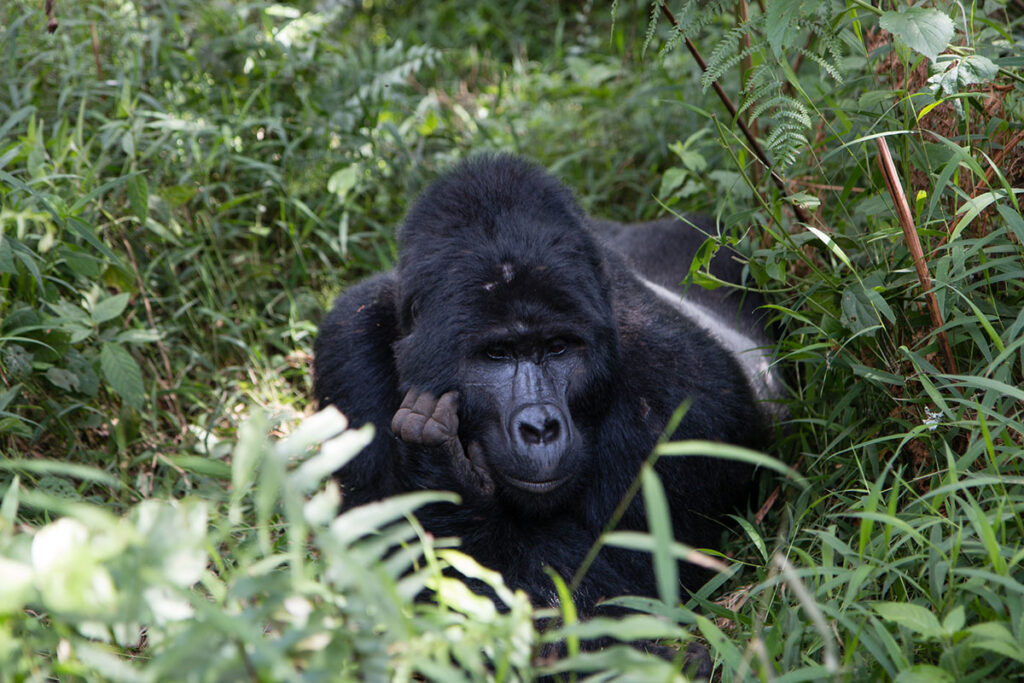
What Travel Documents Do You Need When Combining Uganda and Rwanda Gorilla Safaris?
Combining Uganda and Rwanda gorilla safaris is an exciting way to experience two of Africa’s most remarkable mountain gorilla destinations within one holiday. Rather than visiting only one protected area, travellers can explore Uganda’s Bwindi Impenetrable National Park or Mgahinga Gorilla National Park and continue to Rwanda’s Volcanoes National Park for another extraordinary wildlife experience. However, travelling between these neighbouring countries requires careful preparation, particularly when it comes to immigration requirements, identification documents, gorilla trekking permits and other travel arrangements. One important question visitors should ask before departure is: What travel documents do you need when combining Uganda and Rwanda gorilla safaris? Having the correct paperwork helps make border crossings more straightforward, supports smooth hotel check-ins and ensures that visitors are properly prepared for their scheduled activities.
Preparing the Right Documents for a Uganda and Rwanda Gorilla Safari
Although Uganda and Rwanda share a border and belong to the East African region, they remain separate countries with their own immigration procedures and entry requirements. International visitors may need a valid passport, an appropriate visa or other recognised travel authorisation, depending on their nationality and travel plans. In addition, travellers should carry confirmed gorilla trekking permit details, accommodation reservations, transport information and relevant health documentation where required by current regulations. Requirements can change, so checking official government guidance before travelling is essential. For visitors planning a multi-country holiday, understanding what travel documents do you need when combining Uganda and Rwanda gorilla safaris should be part of the initial planning process rather than something left until the day of departure. Frena Adventures Ltd encourages travellers to prepare their documents early, verify the latest entry conditions and ensure that all names, passport details and travel dates are consistent across their bookings. Proper preparation allows visitors to focus on the forests, wildlife and cultural experiences that make Uganda and Rwanda such rewarding destinations.
Which Passport Requirements Should You Know Before Travelling?
A valid passport is one of the most important documents required when combining Uganda and Rwanda gorilla safaris. International travellers generally need a passport recognised by the countries they intend to visit, with sufficient validity remaining according to the applicable immigration rules. Many destinations require at least six months of passport validity beyond the intended date of entry, although travellers should confirm the exact requirement for their nationality and circumstances. It is also advisable to have enough unused pages for immigration endorsements where applicable. Before leaving home, check that the passport is in good physical condition and that the personal information page is clear and readable. Damaged travel documents may create difficulties during airline check-in, immigration inspection or border processing.
When preparing for a journey involving both countries, visitors should check that the passport details used for gorilla trekking permits, airline reservations, hotel bookings and visa applications are accurate. Even a small difference in spelling or passport information can lead to unnecessary questions when documents are being verified. Travellers whose passports are due to expire soon should consider renewing them before booking a multi-country safari, particularly if they expect to visit additional destinations after Uganda and Rwanda. Families travelling with children should also check the separate passport and entry requirements applicable to minors. What travel documents do you need when combining Uganda and Rwanda gorilla safaris? A valid passport is the starting point, but it should be supported by any visa, permit or other documentation required for the complete itinerary. Keeping a secure digital copy of the passport information page can also be helpful in case the original document is misplaced, although digital copies do not replace the original passport for official border procedures.
Do You Need a Visa to Visit Both Uganda and Rwanda?
Visa requirements depend on your nationality, purpose of travel, length of stay and the countries you intend to visit. Some visitors can enter Uganda or Rwanda without obtaining a visa in advance, while others must secure an appropriate visa before arrival or through an authorised immigration process. Therefore, travellers should never assume that permission to enter one country automatically grants permission to enter the other. Before confirming a combined gorilla trekking itinerary, check the official immigration guidance for both destinations and establish whether your passport qualifies for visa-free entry, a visa on arrival or an electronic visa application. It is equally important to understand how long you are permitted to remain in each country and whether your planned activities fall within the conditions of your entry permission.
For some eligible travellers, the East Africa Tourist Visa may be a useful option when visiting Uganda and Rwanda as part of the same tourism journey. This visa is designed to facilitate tourism travel among participating countries, subject to the applicable eligibility conditions and rules. It generally covers Uganda, Rwanda and Kenya, making it particularly relevant for visitors who wish to combine gorilla trekking with Kenya Tours, Kenya Adventures or Kenya Safaris. However, the visa should not be treated as a universal entry document for everyone. Applicants must verify eligibility, application procedures, permitted travel arrangements and the country responsible for processing the application under the current rules. Travellers should also confirm whether their intended itinerary meets the visa’s conditions before making payment. When considering what travel documents do you need when combining Uganda and Rwanda gorilla safaris, the correct visa arrangement is one of the most important matters to settle before departure.
What Is the East Africa Tourist Visa and How Can It Help?
The East Africa Tourist Visa is a joint tourism visa arrangement involving Uganda, Rwanda and Kenya. For eligible visitors, it can provide a convenient way to travel among these participating countries for tourism without applying for separate ordinary tourist visas for each destination. This may be particularly helpful for travellers planning a wider East African holiday that includes gorilla trekking in Uganda and Rwanda, followed by wildlife viewing or other experiences in Kenya. Instead of treating each country as an entirely separate holiday, visitors can plan a connected itinerary that explores the region’s diverse landscapes, wildlife and cultural attractions. Nevertheless, the visa is subject to specific conditions, and travellers must carefully review the official requirements before applying.
Applicants should pay attention to the visa’s validity period, entry conditions, application procedure and permitted purpose of travel. The visa is generally intended for tourism and does not automatically authorise employment, study or other activities outside its conditions. Travellers should also understand that immigration officers retain authority to assess entry at the border, even when a visa has been issued. Carrying a copy of the visa approval or relevant confirmation, together with the passport used during the application, can help when presenting documents at immigration checkpoints. Since visa policies and application procedures may change, visitors should rely on the current official immigration portals of the participating countries rather than outdated information from unofficial websites. For anyone researching what travel documents do you need when combining Uganda and Rwanda gorilla safaris, the East Africa Tourist Visa may be worth considering, especially when the itinerary extends beyond two countries.
 Do You Need Gorilla Trekking Permits for Both Countries?
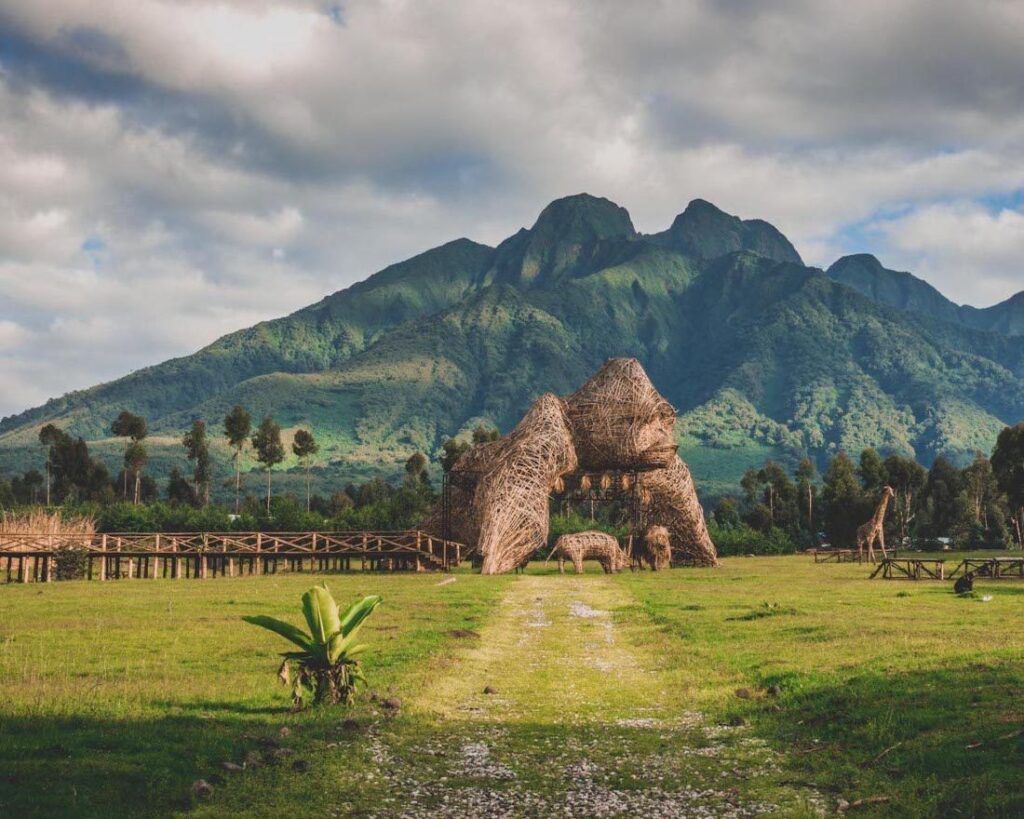
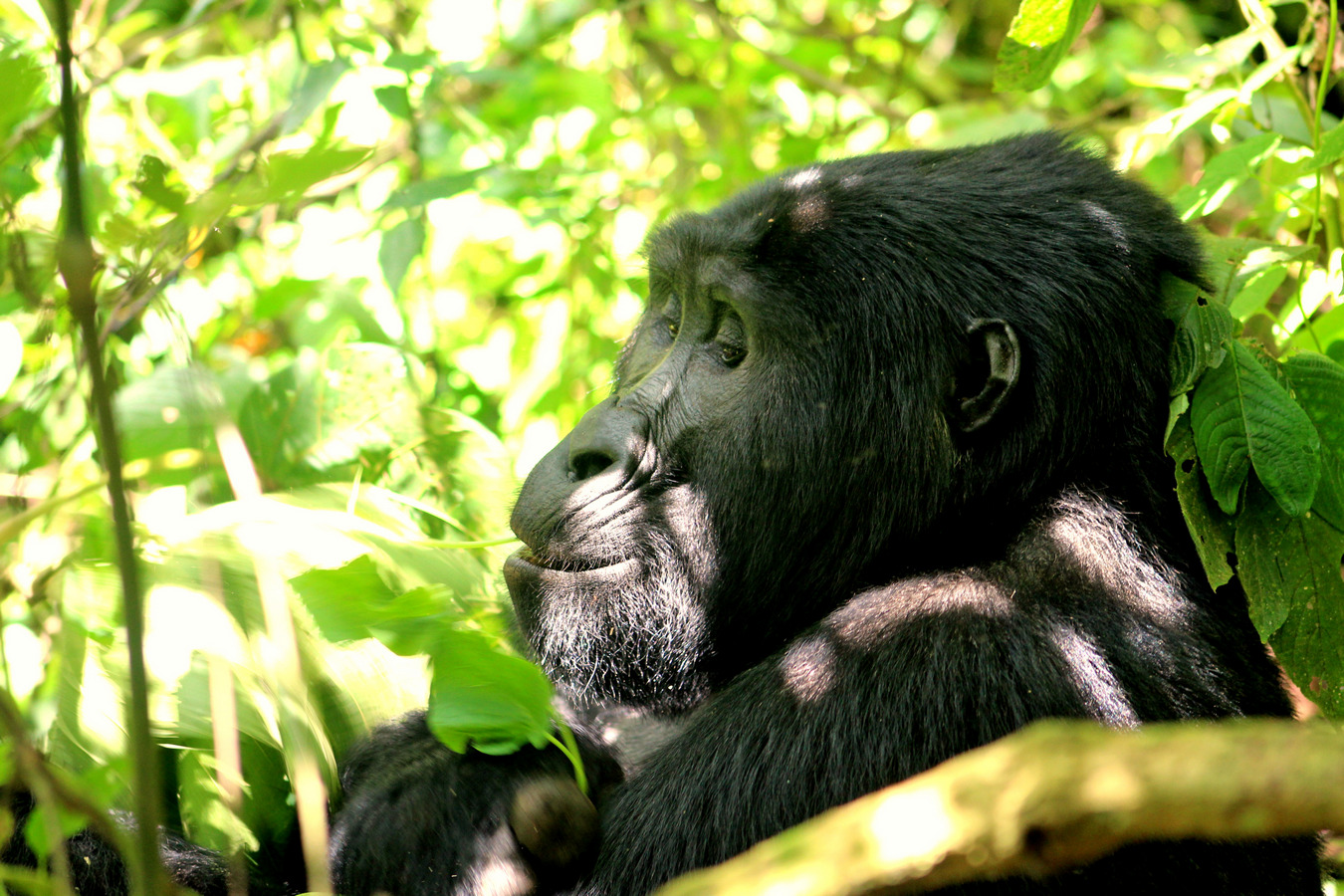
Yes. Visitors who intend to trek mountain gorillas in both Uganda and Rwanda must arrange the appropriate gorilla trekking permit for each destination. A permit issued for a Ugandan national park does not authorise trekking in Rwanda, and a Rwandan permit cannot be used for a trek in Uganda. Each country manages its own protected areas, gorilla tourism arrangements, permit allocation and conservation procedures. Uganda’s main mountain gorilla trekking destinations include Bwindi Impenetrable National Park and Mgahinga Gorilla National Park, while Rwanda’s gorilla trekking takes place in Volcanoes National Park. Travellers should therefore confirm the specific park, trekking date and permit details for every planned experience.
Gorilla permits are date-specific and subject to availability, so advance booking is strongly recommended, particularly during busy travel periods. Before travelling, check that the names and identification details on your permit confirmation correspond with the passport you will present during the safari. Visitors should also understand what their permit covers, the required reporting time, the assigned trekking location and any relevant park regulations. Permit fees, booking procedures and visitor conditions can differ between Uganda and Rwanda, so it is important to review the details for each country independently. What travel documents do you need when combining Uganda and Rwanda gorilla safaris? Confirmed permits for both trekking experiences are essential if you intend to visit both destinations. Frena Adventures Ltd can help travellers understand the permit arrangements and coordinate the dates with accommodation and transport, subject to availability and the applicable park-authority procedures.
What Other Travel Documents Should You Carry?
Apart from passports, visas and gorilla permits, several supporting documents can make a combined Uganda and Rwanda safari easier to manage. Confirmed flight tickets or travel itineraries are useful for demonstrating planned arrival and departure arrangements when requested by an airline or immigration official. Accommodation confirmations can help travellers identify where they will be staying in each country, while transport details provide useful information about transfers between airports, lodges and national parks. Visitors should also keep copies of their safari itinerary, emergency contact details and relevant booking confirmations in an organised place. Although immigration officers may not request every supporting document, having them available can help resolve questions about the purpose and duration of a visit.
Travel insurance documentation is another important consideration. A suitable policy can provide cover for eligible unexpected events, depending on the benefits, exclusions and conditions selected. Travellers should read the policy carefully to understand whether it covers medical treatment, emergency evacuation, trip interruption, baggage problems and activities included in their safari. Those planning physically demanding activities should confirm that their policy does not exclude the type of trekking they intend to undertake. In addition, visitors should carry any necessary prescriptions and keep medication in its original packaging where practical. Health-related entry requirements, including vaccination certificates, may apply depending on the traveller’s recent travel history and the regulations in force. Requirements can change, so check official health and immigration guidance before departure. Keeping these documents together helps answer the question of what travel documents do you need when combining Uganda and Rwanda gorilla safaris while supporting a more organised and reassuring travel experience.
What Should You Expect When Crossing Between Uganda and Rwanda?
Travelling between Uganda and Rwanda by road can be an interesting part of a combined gorilla trekking holiday. Depending on the selected parks and accommodation locations, the itinerary may include a border crossing at an authorised immigration point. Travellers should expect to present their passports and any relevant visas or entry documentation for inspection. Immigration officials may ask about the purpose of the visit, intended length of stay, accommodation arrangements or onward travel plans. The exact procedure and waiting time can vary depending on the border crossing, traffic levels, operating arrangements and individual circumstances. Visitors should therefore allow sufficient time for the journey instead of planning activities too tightly around an estimated arrival hour.
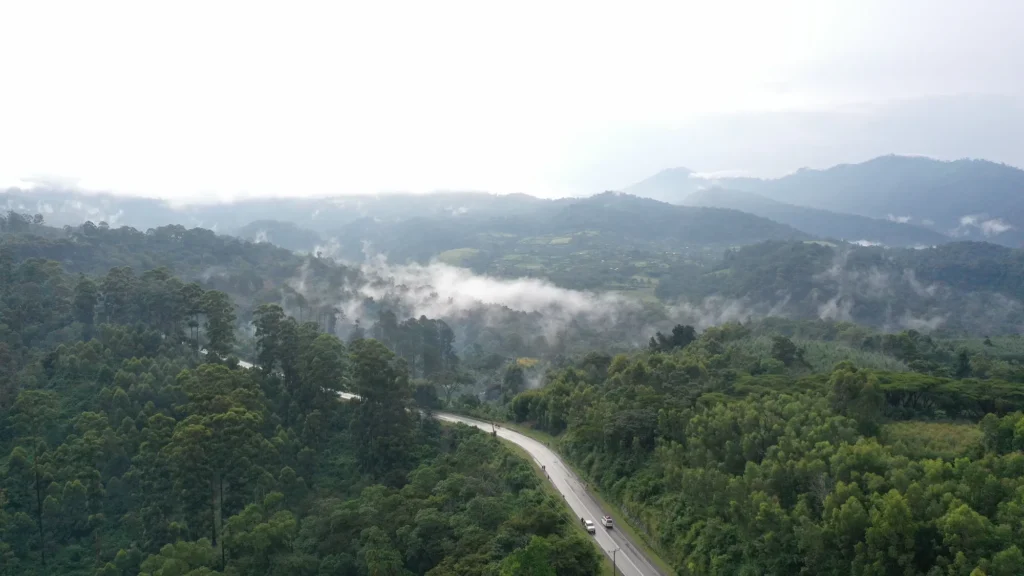
Before departure, confirm the intended border crossing with your tour operator and make sure your transport arrangements are suitable for the route. Some journeys between gorilla trekking areas involve mountain roads, rural settlements and changing weather conditions. A reliable safari vehicle and an experienced driver familiar with the region can make the road transfer more convenient. Keep passports and other essential documents within easy reach rather than packing them in luggage that may be difficult to access. Travellers should also avoid taking photographs at border facilities unless clearly permitted by the authorities. Understanding what travel documents do you need when combining Uganda and Rwanda gorilla safaris is especially important during this stage because a missing visa, incorrect document detail or misunderstanding of entry conditions can delay the journey. A well-organised itinerary should include realistic transfer times and enough flexibility to accommodate immigration procedures.
What Are the Expectations on This Safari?
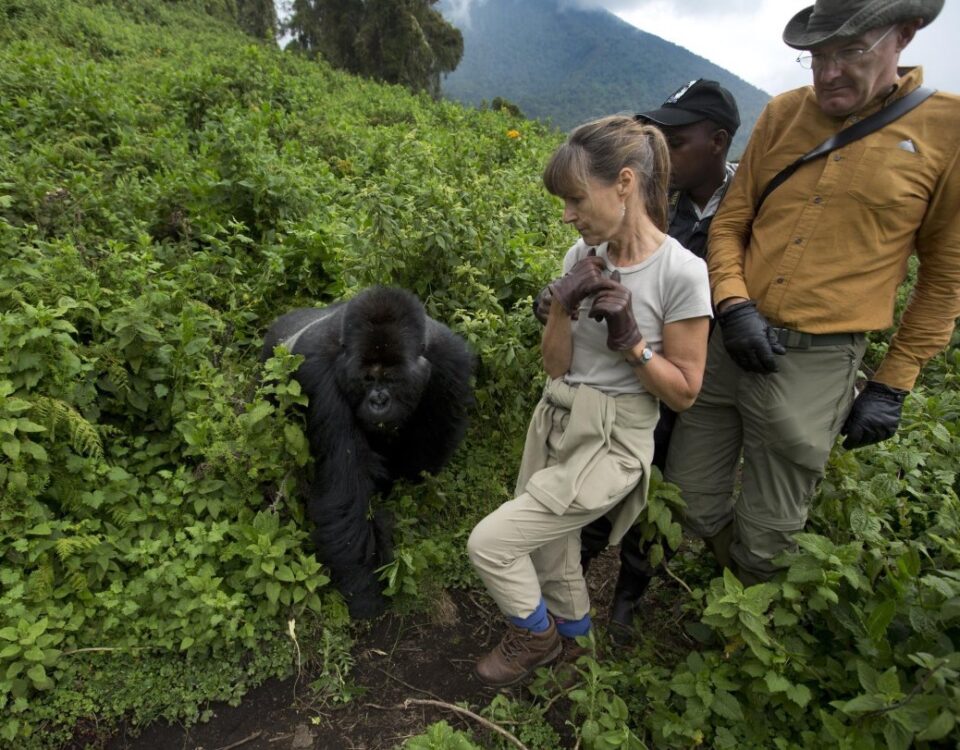
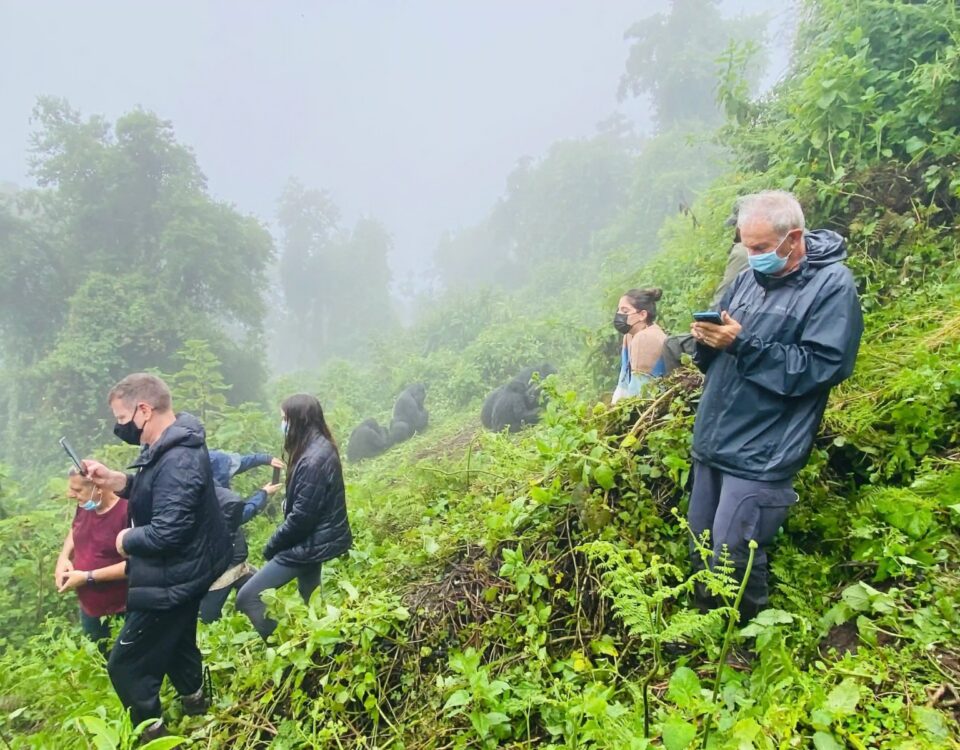
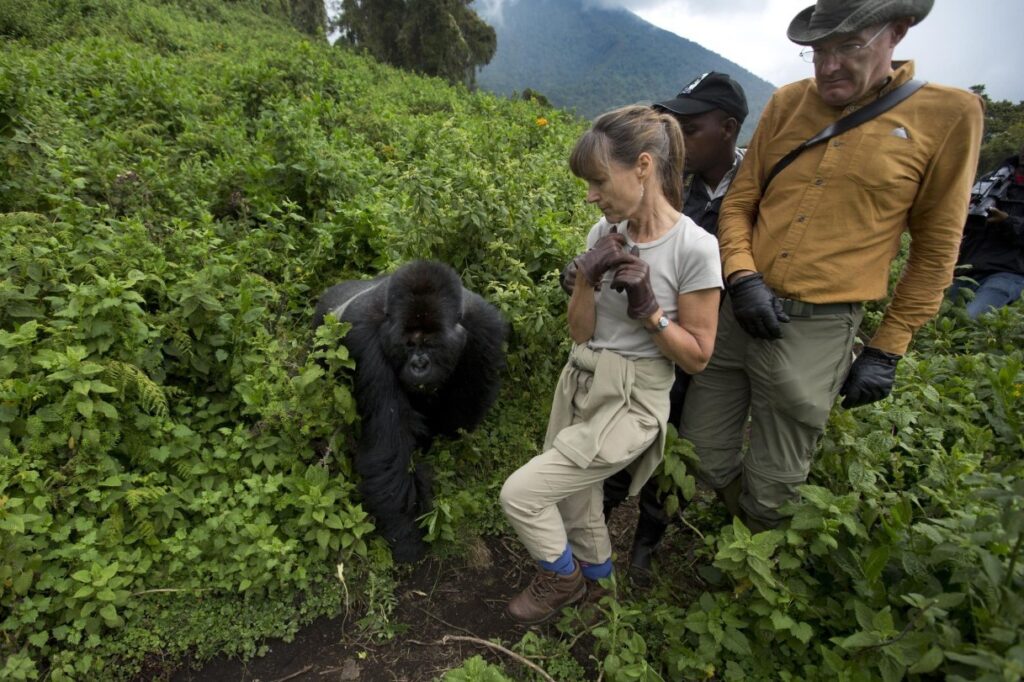
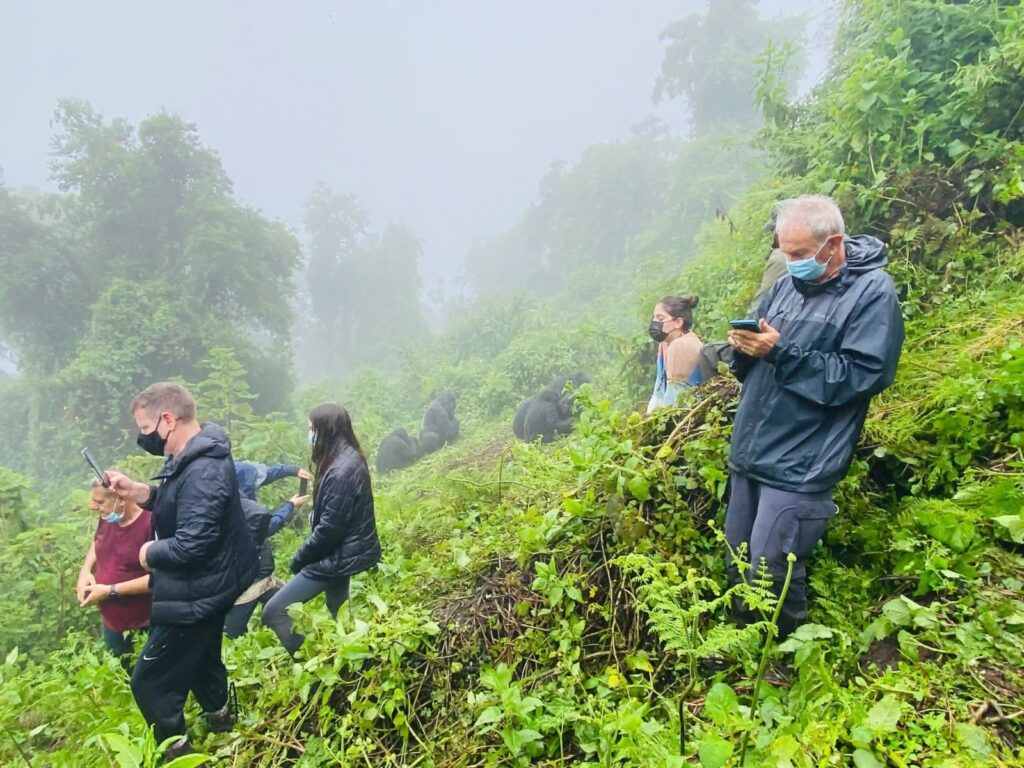
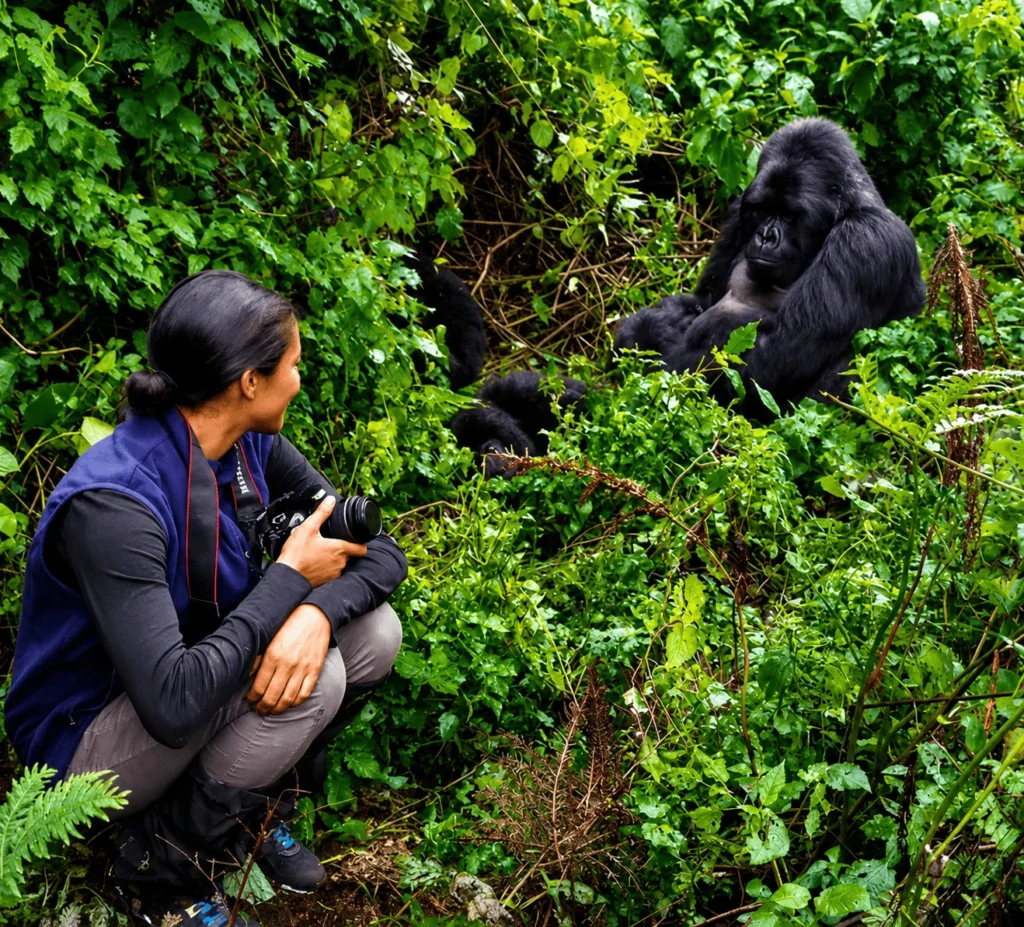
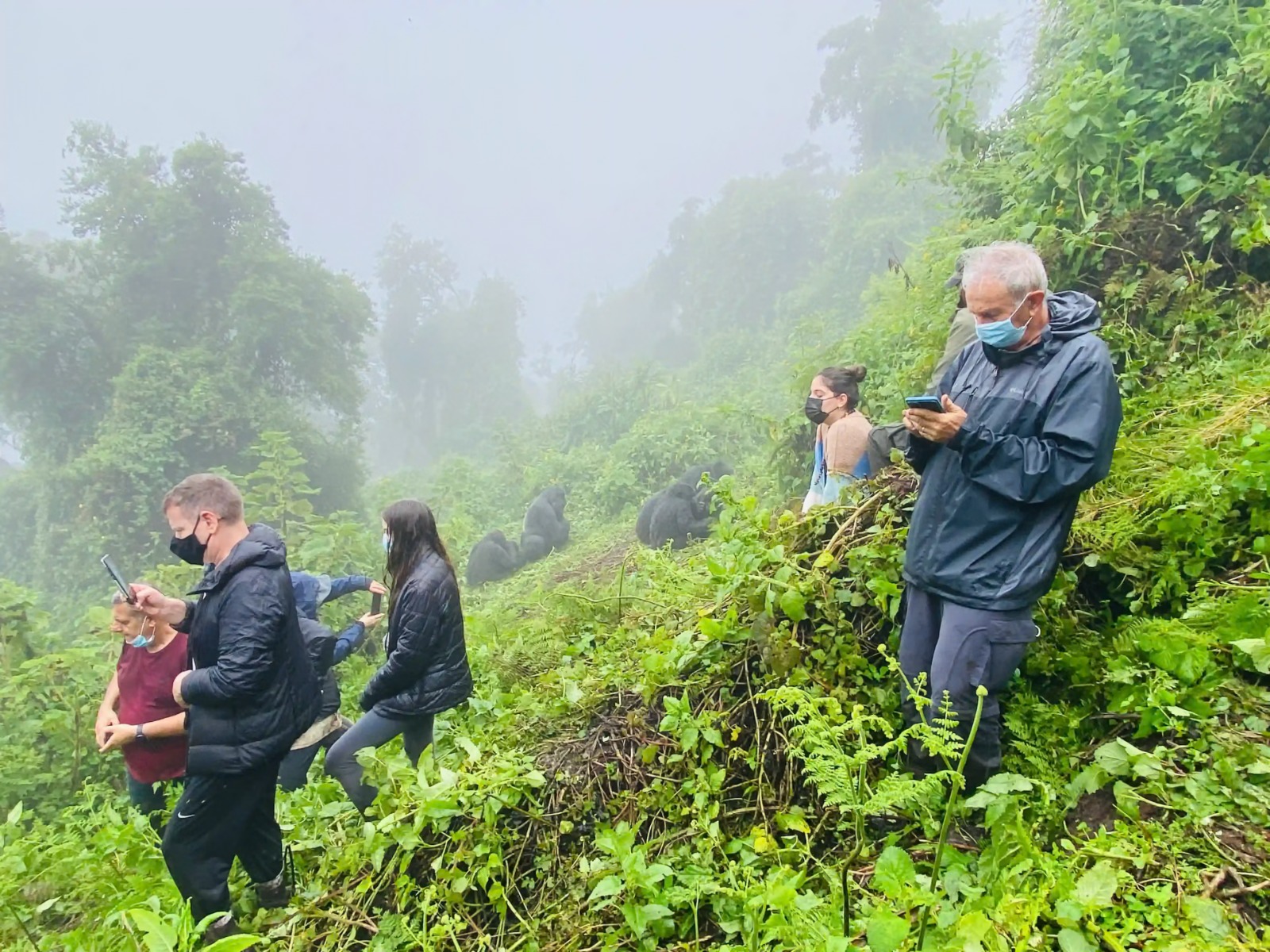
A combined Uganda and Rwanda gorilla safari offers an opportunity to experience two distinctive mountain gorilla destinations within one carefully planned holiday. Visitors can expect scenic road journeys through highland communities, forested landscapes and beautiful countryside before reaching the protected areas where mountain gorillas live. In Uganda, trekking may take place in Bwindi Impenetrable National Park or Mgahinga Gorilla National Park, while Rwanda offers the experience in Volcanoes National Park. Each destination has its own landscape, accommodation options, trekking arrangements and visitor procedures. The actual time spent searching for a gorilla family varies because the animals move naturally through their forest habitat. Consequently, travellers should remain flexible and follow the instructions of authorised park guides and trackers.
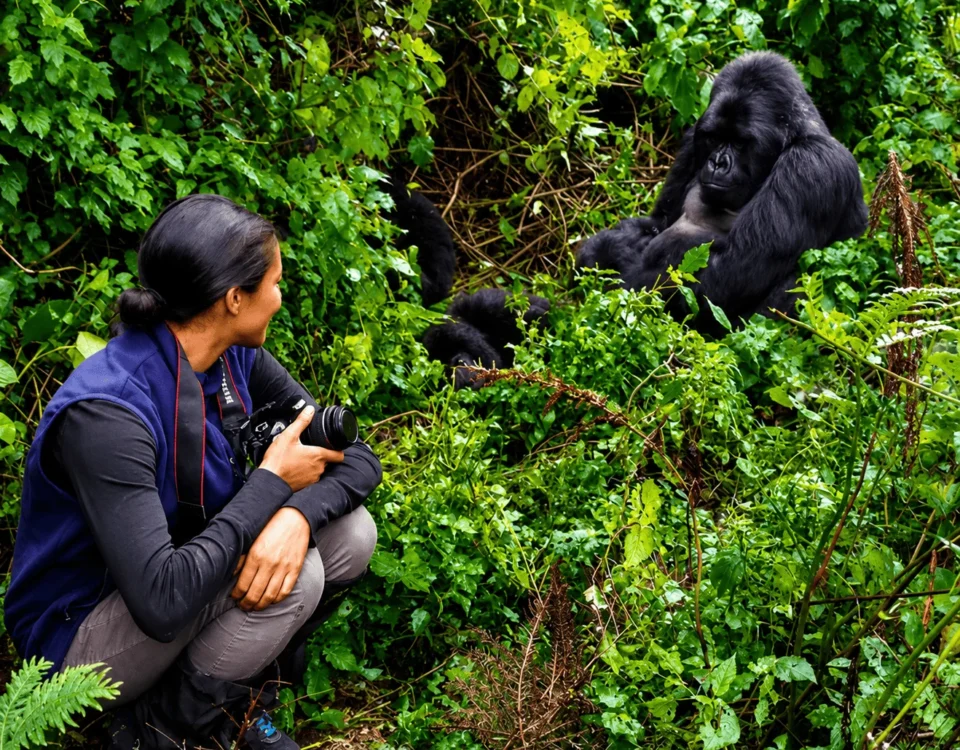
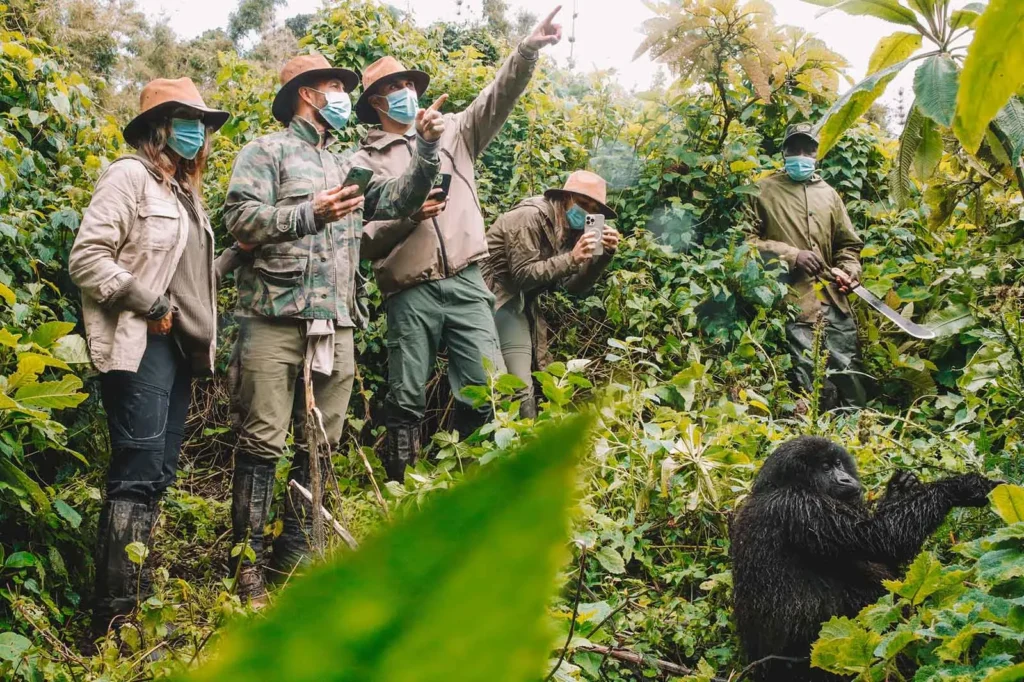
Beyond the wildlife experience, the safari may include cultural encounters, relaxation at forest lodges, scenic viewpoints and additional activities depending on the itinerary. Visitors should expect early starts on trekking days because park briefings normally take place in the morning. The forest walk may involve steep paths, muddy ground and uneven terrain, making suitable footwear and a reasonable level of physical preparation important. Furthermore, travellers should respect all conservation rules, maintain the required distance from gorillas and follow guidance from park staff. A combined safari also requires careful coordination of permits and border transfers, which is why understanding what travel documents do you need when combining Uganda and Rwanda gorilla safaris is essential. With the correct paperwork, realistic scheduling and suitable transport, visitors can enjoy a rewarding journey while contributing to responsible mountain gorilla tourism.
When Is the Best Time for This Safari?
Uganda and Rwanda offer gorilla trekking throughout the year, although weather conditions can influence the overall travel experience. The relatively drier periods are often preferred because forest trails and some access roads may be easier to navigate. In Uganda, these periods commonly occur around June to September and December to February. Rwanda also experiences relatively drier conditions during parts of the year, although local weather patterns can vary. These months are popular with international visitors, so gorilla permits and preferred accommodation may need to be arranged well in advance. Travellers planning to visit both countries should consider the seasonal conditions in each destination rather than assuming that the weather will be identical throughout the itinerary.
Rainier months can also provide rewarding experiences, with lush vegetation and beautiful forest scenery. However, wet conditions may make some trails muddy and certain access roads more challenging. Visitors travelling during these periods should prepare suitable waterproof clothing, sturdy hiking boots and reliable transport arrangements. The best travel period ultimately depends on personal preferences, available permits, accommodation choices and the wider activities included in the holiday. Since what travel documents do you need when combining Uganda and Rwanda gorilla safaris is an important part of preparation, travellers should also check whether their passports, visas and other required documents will remain valid throughout the planned travel dates. Frena Adventures Ltd recommends confirming permits and entry requirements early, allowing enough time to address any documentation issues before the journey begins.
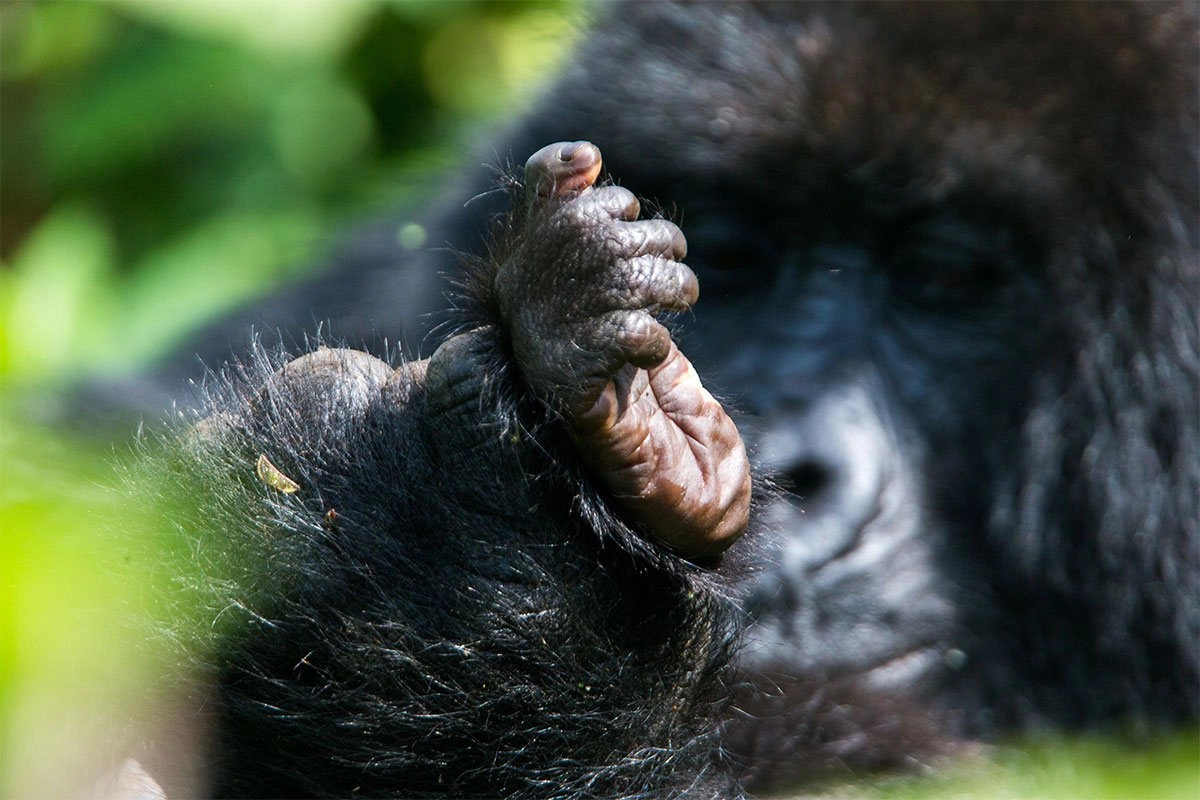
What Travel Documents Do You Need When Combining Uganda and Rwanda Gorilla Safaris?
Why Choose Frena Adventures Ltd for This Particular Safari?
Planning a multi-country gorilla trekking holiday requires attention to detail, particularly when coordinating permits, accommodation, road transfers and immigration arrangements. Frena Adventures Ltd helps travellers organise East African safari experiences with consideration for their individual interests, available time and travel preferences. When discussing what travel documents do you need when combining Uganda and Rwanda gorilla safaris, our approach is to help visitors identify the key documentation they should verify before departure and understand how the different parts of the itinerary fit together. This includes considering passport and visa requirements, permit confirmations, accommodation details and border-crossing arrangements. Because immigration and health regulations can change, travellers should always confirm official requirements with the relevant authorities before travelling.
Additionally, Frena Adventures Ltd can help visitors explore wider regional experiences beyond gorilla trekking. Depending on the length of the holiday, travellers may combine Uganda and Rwanda with wildlife adventures in Kenya, including selected Kenya Tours, exciting Kenya Adventures and memorable Kenya Safaris. Such an itinerary can introduce visitors to different ecosystems, wildlife habitats and cultural experiences across East Africa. Our planning process considers practical travel distances, suitable accommodation, transport connections and the timing of activities. We encourage guests to communicate their preferred travel dates, group size, budget and special interests so that the proposed safari reflects their expectations. Clear information about inclusions, exclusions, permits and travel arrangements helps visitors make informed decisions. By preparing carefully and confirming important details before departure, travellers can enjoy a more organised and rewarding African holiday.
What Should You Pack for a Uganda and Rwanda Gorilla Safari?
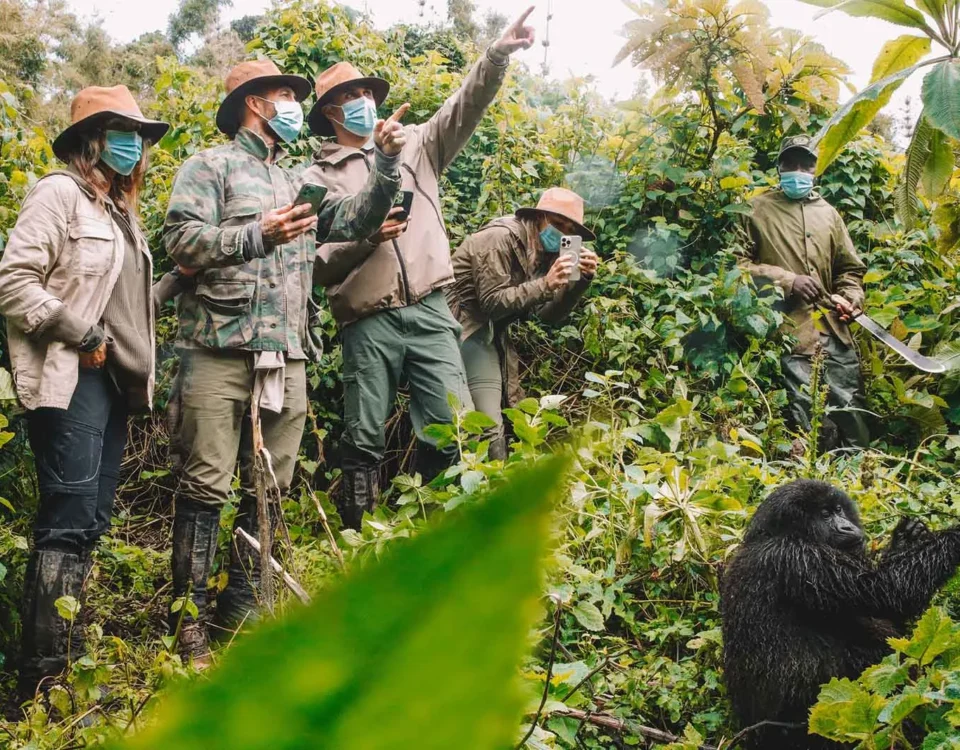
Packing for a combined gorilla trekking safari involves preparing for both long road journeys and outdoor activities in tropical mountain forests. Comfortable clothing suitable for changing temperatures is recommended because mornings in highland areas can be cool, while conditions may become warmer later in the day. Long-sleeved shirts and long trousers are useful for forest trekking, while sturdy hiking boots with good grip help provide support on muddy and uneven paths. A waterproof jacket or raincoat is also valuable because rainfall can occur even during relatively dry periods. Travellers may additionally pack gardening-style gloves to protect their hands when moving through vegetation under the guidance of park staff.
Essential personal items include a reusable water bottle, small daypack, sunscreen, insect repellent, personal medication and a camera or smartphone. Carrying a hat, spare socks and an additional change of clothing can also be useful after a wet or demanding trek. Most importantly, keep travel documents organised and secure. Your passport, visa confirmation where applicable, gorilla trekking permits, travel insurance information and accommodation details should be easy to access when required. Consider keeping secure digital copies of important documents separately from the originals, while remembering that electronic copies may not be accepted in place of official documents. When preparing for what travel documents do you need when combining Uganda and Rwanda gorilla safaris, remember that proper organisation is just as important as choosing the right clothing and equipment. Check luggage allowances with your airline and safari operator, especially if your itinerary includes domestic flights or several road transfers.
Frequently Asked Questions About Combining Uganda and Rwanda Gorilla Safaris
Can I use one visa for both Uganda and Rwanda?
Eligible travellers may use the East Africa Tourist Visa to visit Uganda and Rwanda, subject to its current conditions and application requirements. Confirm your eligibility and the latest rules through official immigration channels before applying.
Do I need separate gorilla trekking permits for Uganda and Rwanda?
Yes. Each country issues permits for its own gorilla trekking destinations. Visitors planning to trek in both countries must secure the appropriate permit for each experience.
Should my passport details match my gorilla trekking permit?
Yes. It is important to ensure that the identification details supplied during the permit booking process are accurate and correspond with the passport you will use during the safari.
Do I need travel insurance?
Travel insurance is strongly recommended. Choose a policy that provides appropriate cover for your itinerary and check its terms for medical assistance, emergency evacuation and trekking-related activities.
Can I travel between Uganda and Rwanda by road?
Yes. Travellers can use authorised land border crossings, provided they meet the applicable immigration and entry requirements. Your tour operator can help coordinate the route and transport arrangements.
Should I carry printed copies of my travel documents?
Printed copies of important confirmations can be useful, particularly where internet access is limited. Keep them securely alongside your original documents and maintain protected digital backups.
 Conclusion: Prepare Your Documents and Enjoy a Seamless Gorilla Trekking Holiday
Understanding what travel documents do you need when combining Uganda and Rwanda gorilla safaris is a vital step towards organising a successful multi-country adventure. A valid passport, the correct visa or entry authorisation, separate gorilla trekking permits for each destination and supporting travel confirmations are among the important documents visitors should prepare. Depending on nationality and current regulations, additional health or immigration documentation may also be necessary. Since requirements can change, always verify the latest information through official government and park-authority sources before departure.
With proper preparation, travellers can enjoy the remarkable opportunity to explore Uganda’s mountain gorilla habitats and continue to Rwanda for another unforgettable forest experience. Frena Adventures Ltd is ready to help you plan your itinerary, coordinate relevant safari arrangements and understand the documentation that needs attention before travelling. Whether your interests include gorilla trekking, wider wildlife experiences or combining the journey with Kenya Tours, Kenya Adventures and Kenya Safaris, careful planning can make your East African holiday more rewarding. Contact Frena Adventures Ltd to begin organising your Uganda and Rwanda gorilla safari and take the first step towards discovering the extraordinary natural beauty of East Africa.