What Travel Documents Do You Need When Combining Uganda and Rwanda Gorilla Safaris?
November 20, 2026
What Clothes Should You Wear for Mountain Gorilla Trekking?
November 20, 2026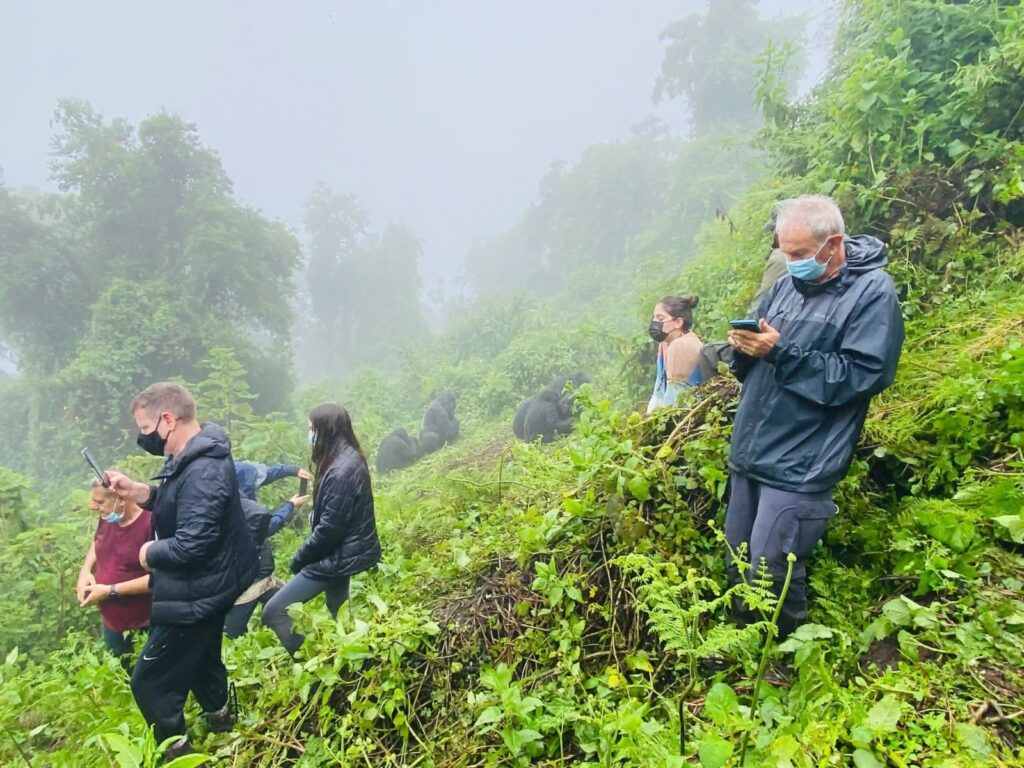
What Should You Pack for a Uganda and Rwanda Gorilla Trekking Holiday?
A gorilla trekking holiday in Uganda and Rwanda is one of the most rewarding wildlife experiences available in Africa. It offers travellers an opportunity to explore ancient tropical rainforests, discover beautiful mountain landscapes and observe endangered mountain gorillas in their natural environment. Whether your journey takes you to Bwindi Impenetrable National Park or Mgahinga Gorilla National Park in Uganda, or Volcanoes National Park in Rwanda, proper preparation can make your adventure more comfortable and enjoyable. One of the most important questions to consider before departure is: What should you pack for a Uganda and Rwanda gorilla trekking holiday? Unlike an ordinary city break or beach vacation, gorilla trekking involves walking through natural forest environments where the weather, terrain and vegetation can change throughout the day. Therefore, selecting suitable clothing, footwear and personal equipment is essential.
Preparing for an Unforgettable Gorilla Trekking Adventure
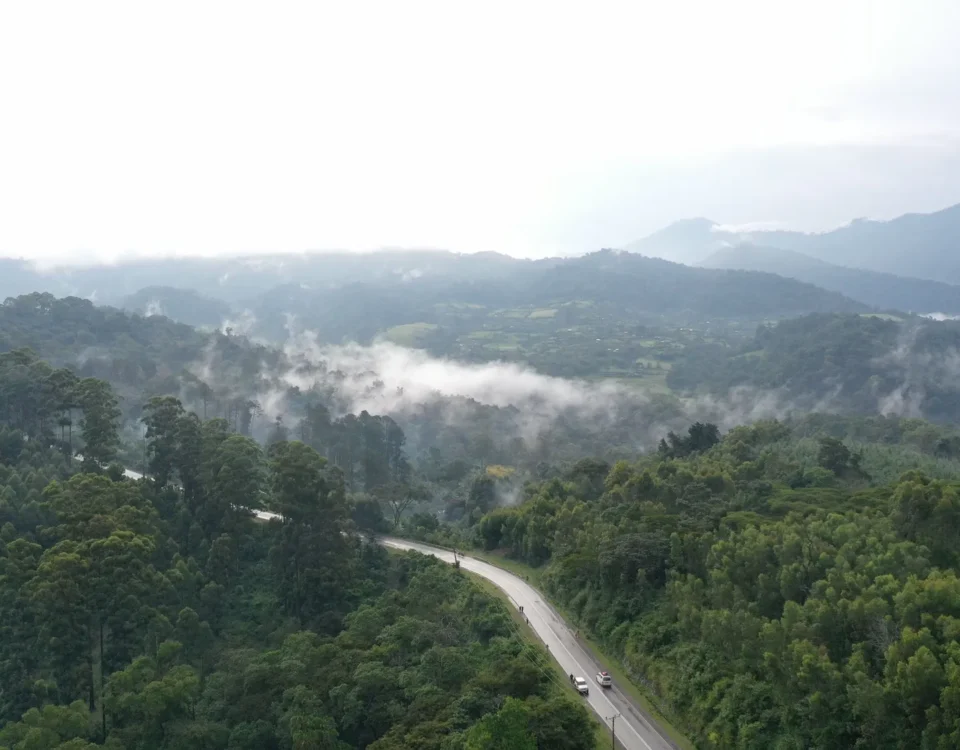
The highland forests of Uganda and Rwanda are often cool in the early morning, while temperatures may become warmer as the day progresses. Rain can occur even during periods generally considered dry, and some trekking routes involve steep slopes, muddy paths and thick vegetation. Consequently, visitors should prepare for different weather conditions rather than relying on a single type of clothing. Comfortable hiking boots, waterproof outerwear, long-sleeved shirts, long trousers and a practical daypack are among the most useful items to include. Additionally, personal medication, drinking water, insect repellent and essential travel documents should be organised before travelling. Understanding what should you pack for a Uganda and Rwanda gorilla trekking holiday also means knowing which items are necessary for the forest and which can remain at your lodge. At Frena Adventures Ltd, we encourage travellers to pack thoughtfully so that they can concentrate on the remarkable wildlife encounter, appreciate the surrounding scenery and enjoy a well-organised East African safari.
What Clothing Is Best for Gorilla Trekking in Uganda and Rwanda?
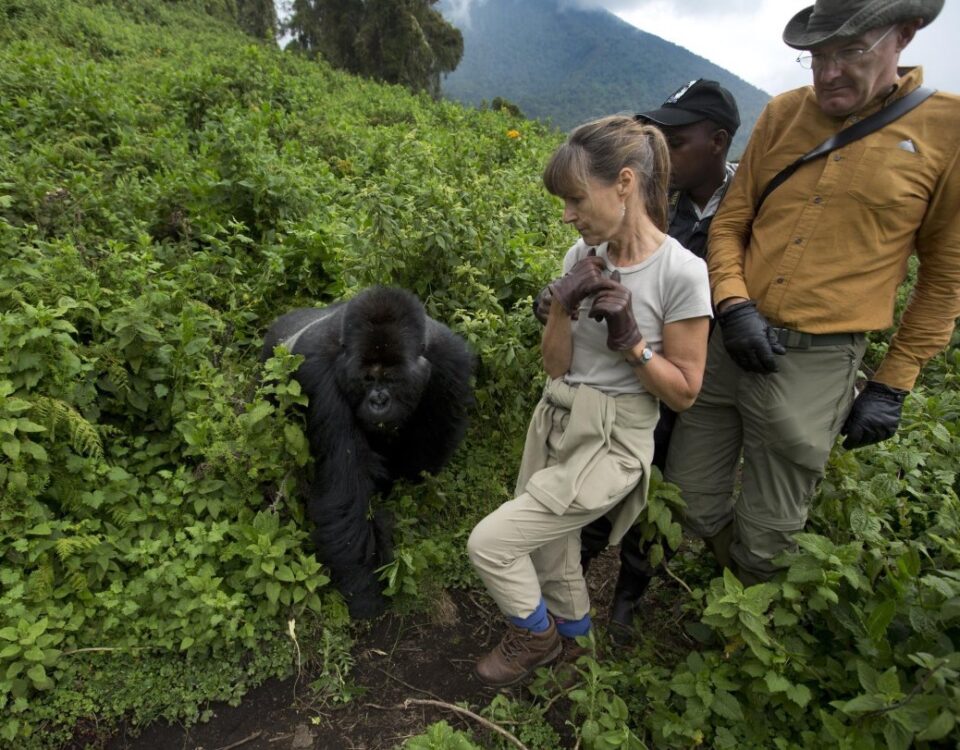
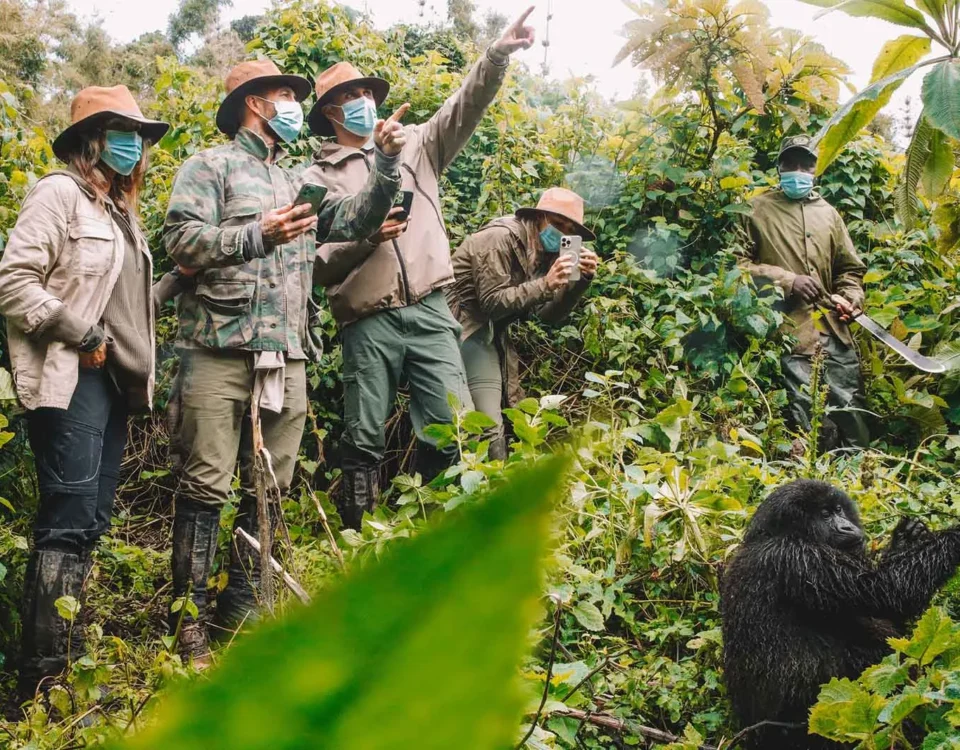
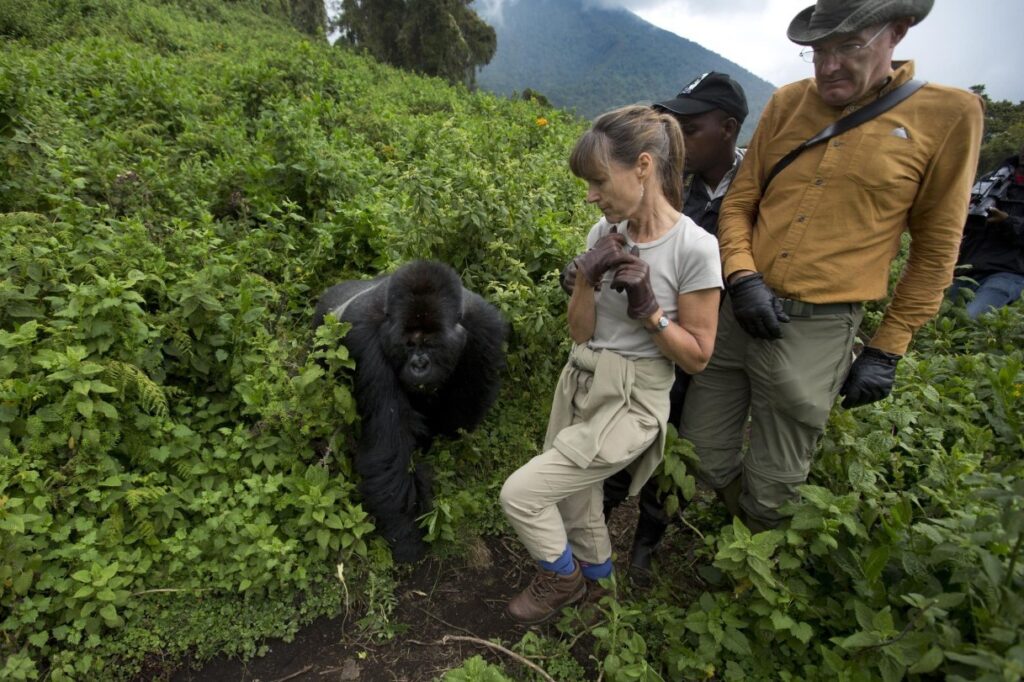
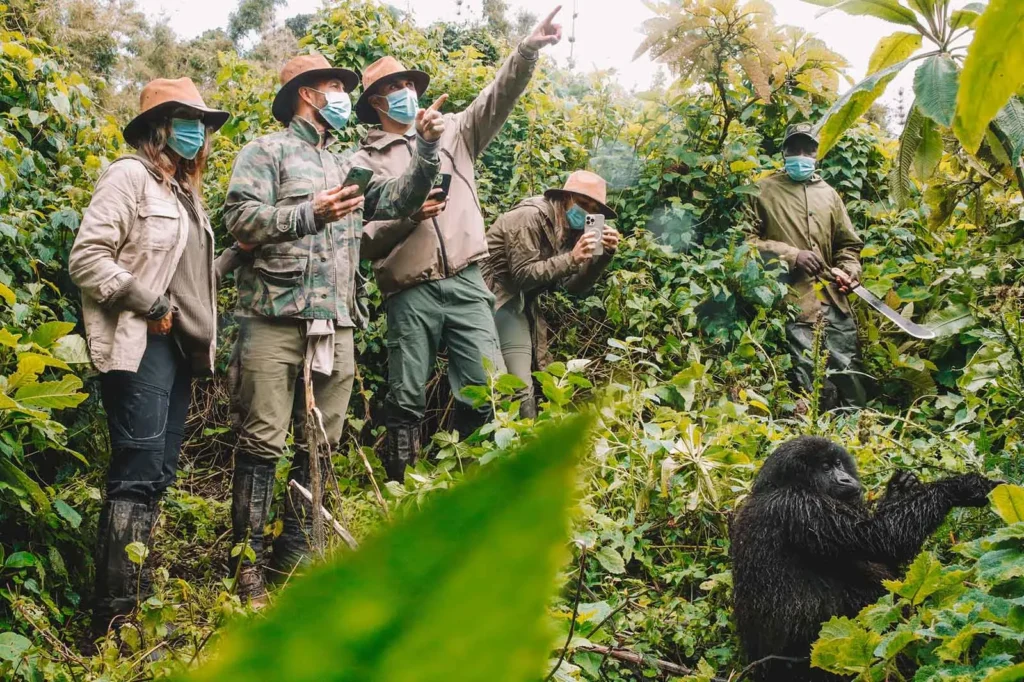
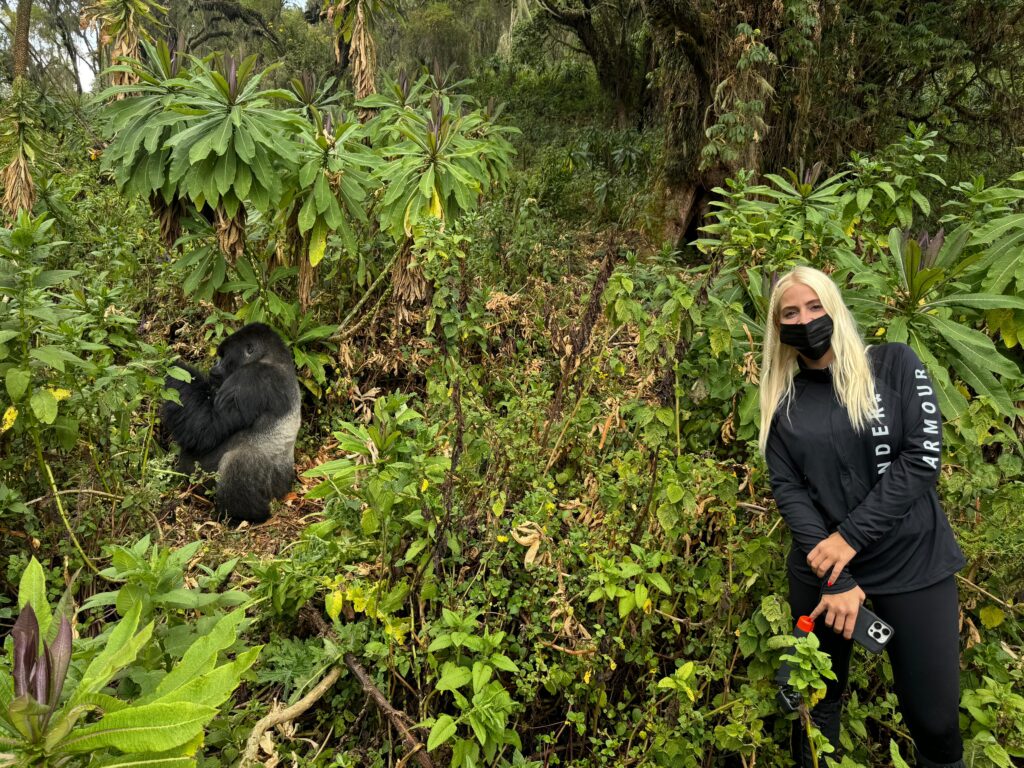
Choosing appropriate clothing is one of the first steps when preparing for a successful gorilla trekking experience. Since the forests of Bwindi, Mgahinga and Volcanoes National Park have varying temperatures and unpredictable rainfall, visitors should carry clothes that provide comfort, protection and flexibility. Long-sleeved shirts and lightweight long trousers are particularly useful because they help protect the skin from scratches, insects and contact with vegetation along forest trails. Breathable fabrics are recommended because trekking can involve physical effort, especially when walking uphill or navigating dense forest sections. Neutral colours such as green, brown and other natural shades are practical choices because they blend more easily with the surrounding environment. Bright clothing is generally unnecessary, and visitors should follow any specific clothing guidance provided by their park guides or safari operator.
Layering is another useful approach when deciding what should you pack for a Uganda and Rwanda gorilla trekking holiday. Early mornings in mountainous areas can feel chilly, particularly before the sun rises, while conditions may become warmer during the trek. A lightweight fleece, sweater or warm top can therefore be useful for the journey to the park headquarters and the beginning of the day. A waterproof jacket should also be included because rain showers are possible throughout the year. Avoid wearing delicate or expensive clothing that may become muddy or wet during the forest walk. Instead, choose comfortable garments that allow easy movement and can be cleaned after the activity. Carrying an additional set of clothes for changing after the trek is also advisable, especially if you expect to return to your lodge after walking through wet vegetation. Good clothing choices help you remain comfortable while enjoying the natural environment responsibly.
Which Hiking Boots and Footwear Should You Bring?
Footwear is among the most important items to consider when planning a Uganda and Rwanda gorilla trekking holiday. The forest terrain is not the same as a maintained walking path, and visitors may encounter slippery sections, exposed roots, loose soil, steep slopes and muddy ground. For this reason, sturdy hiking boots with good ankle support and reliable grip are strongly recommended. Ideally, choose boots that have been worn before the trip so that your feet are accustomed to them. Wearing brand-new footwear for a demanding forest walk may cause discomfort, particularly when the trek takes several hours. Waterproof or water-resistant boots can also be helpful, although no footwear should be assumed to remain completely dry in heavy rain or deep mud.
In addition to hiking boots, pack comfortable socks that provide cushioning and help reduce friction. Some travellers prefer moisture-managing hiking socks because they can improve comfort during long walks. A spare pair is useful in case the original socks become wet. Lightweight sandals or comfortable shoes can be included for relaxing at the lodge after the trekking activity. When considering what should you pack for a Uganda and Rwanda gorilla trekking holiday, remember that the right footwear should support safe and comfortable movement rather than simply look attractive. Walking poles may be useful for some visitors, particularly those who appreciate extra stability on uneven ground, but their use should be discussed with the trekking guides. Porters are also available at many trekking locations for visitors who want assistance carrying their daypacks or navigating challenging sections. Appropriate footwear, careful walking and guidance from park staff can help make the forest experience more manageable.
What Should You Pack for a Uganda and Rwanda Gorilla Trekking Holiday?
What Rain Protection and Weather Accessories Are Necessary?
Rain protection should be part of every gorilla trekking packing list because Uganda and Rwanda are home to tropical mountain forests where rainfall can occur throughout the year. Even when the forecast suggests relatively dry conditions, visitors should be prepared for sudden showers and damp vegetation. A lightweight waterproof jacket or raincoat is one of the most useful items to carry. Choose an option that can be folded into a small space and easily stored in your daypack when it is not needed. A waterproof cover for your backpack can provide additional protection for personal belongings, while dry bags or waterproof pouches can help protect important items such as phones, cameras and travel documents.
Besides a raincoat, consider packing a small towel, an extra pair of socks and a change of clothing for after the trek. These items can be particularly helpful if the forest walk takes place during a rainy period. A hat or cap may provide protection from the sun during exposed sections of the journey, although it should not replace appropriate rain protection. Travellers who wear prescription glasses may also find a protective case useful when moving through thick vegetation. When planning what should you pack for a Uganda and Rwanda gorilla trekking holiday, avoid carrying too many unnecessary accessories because additional weight can make the walk more tiring. Instead, focus on a few practical items that offer protection from changing weather conditions. Your safari operator can also advise on seasonal conditions and the most appropriate clothing for your selected trekking location.
What Personal Items and Trekking Equipment Should You Carry?
A small, comfortable daypack is useful for carrying the essential items needed during a gorilla trekking excursion. It should be large enough to hold drinking water, a light snack if permitted, rain protection, personal medication and other small belongings without becoming unnecessarily heavy. A reusable water bottle is recommended because staying hydrated is important during physical activity. Visitors should also consider carrying sunscreen and a suitable hat, especially when spending time outdoors before or after the forest walk. Insect repellent may be useful for personal comfort, although travellers should follow product instructions and any advice provided by their guide. Personal medication should be packed in sufficient quantities for the trip, with important prescriptions kept accessible.
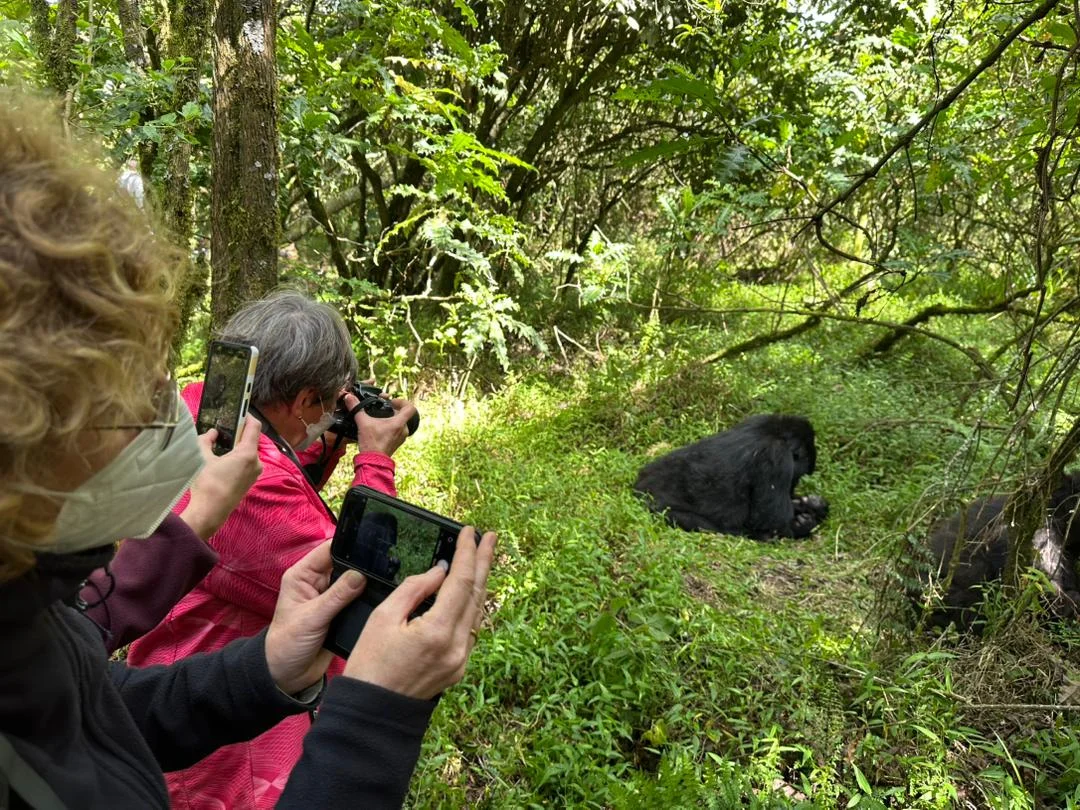
Other useful items include a small packet of tissues, hand sanitiser, a basic personal first-aid selection and a fully charged mobile phone. A power bank can be helpful during longer road journeys, especially when visitors use their phones for photographs or navigation before reaching the park. Binoculars are optional but may be useful for observing birds and other wildlife during additional nature activities. If you intend to bring a camera, pack it securely and consider carrying a protective cover against rain and moisture. The question of what should you pack for a Uganda and Rwanda gorilla trekking holiday should always be approached with practicality in mind. Park rules and guide instructions must take priority over personal preferences, particularly regarding food, photography and items taken into the forest. Carry only what you need, keep your belongings secure and avoid leaving rubbish in the protected environment.
What Travel Documents Should You Pack?
Travel documents are just as important as clothing and trekking equipment when organising a multi-country gorilla trekking holiday. Visitors combining Uganda and Rwanda should carry a valid passport and ensure that they meet the entry requirements applicable to their nationality. Depending on individual circumstances, a visa or other approved travel authorisation may be required for one or both countries. Travellers should check the latest official immigration guidance before departure rather than assuming that entry permission for Uganda automatically allows entry into Rwanda. Eligible visitors may also consider the East Africa Tourist Visa, which covers tourism travel to participating countries under specific conditions. Its eligibility requirements and application procedures should be verified through the relevant official immigration channels.
Furthermore, keep copies of your gorilla trekking permit confirmations, accommodation reservations, flight details, transport arrangements and travel insurance information. Visitors trekking in both Uganda and Rwanda need the appropriate permit for each destination because permits are issued separately by the relevant authorities. It is advisable to check that the personal details on permit confirmations match the passport being used for travel. Health documentation may also be required depending on current regulations and your recent travel history, so consult official health guidance before departure. What should you pack for a Uganda and Rwanda gorilla trekking holiday? Alongside the physical items in your suitcase, a well-organised collection of travel documents is essential. Keep original documents secure and carry accessible copies where appropriate. Protected digital backups can also be useful, although they do not replace original documents when officials require them. Preparing these details early can reduce unnecessary delays and help you enjoy a smoother journey between the two countries.
What Are the Expectations on This Safari?
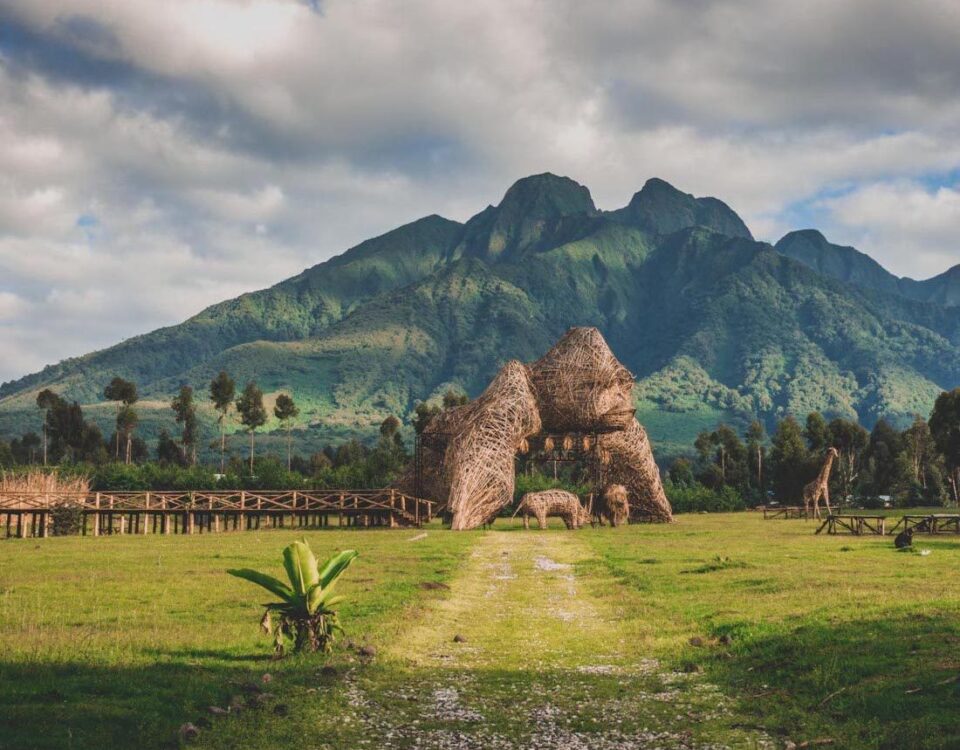
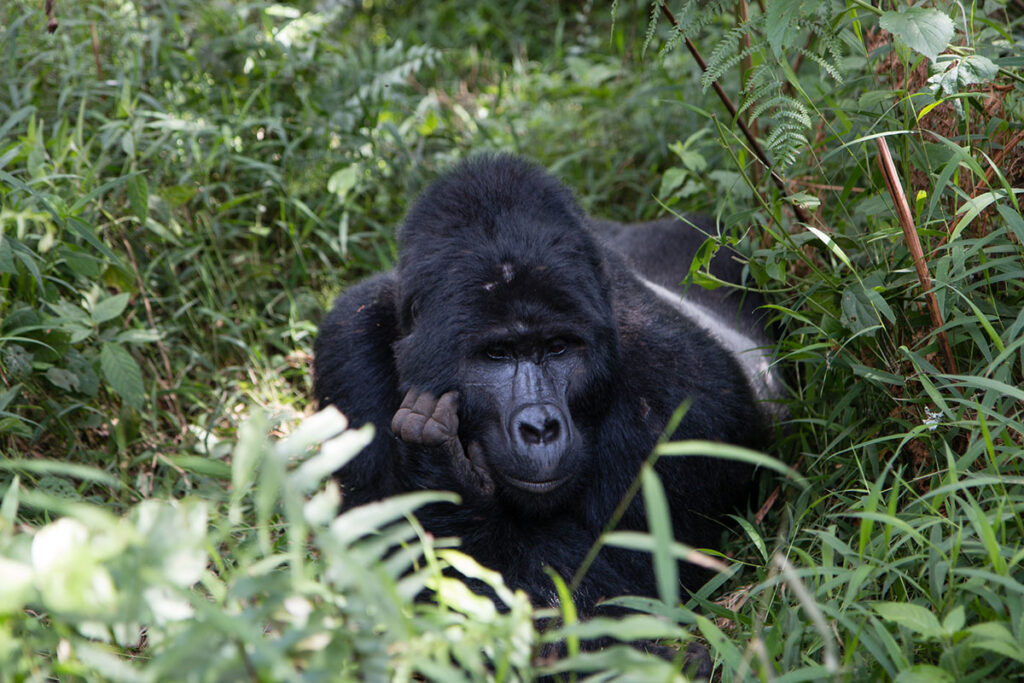
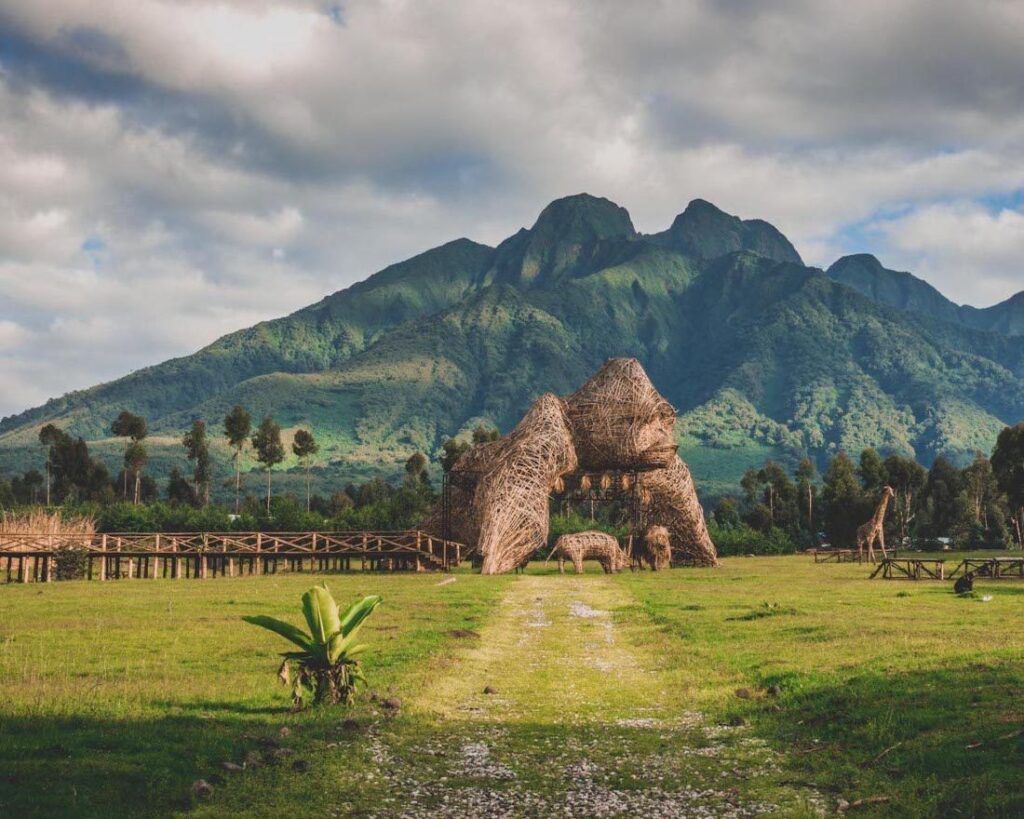
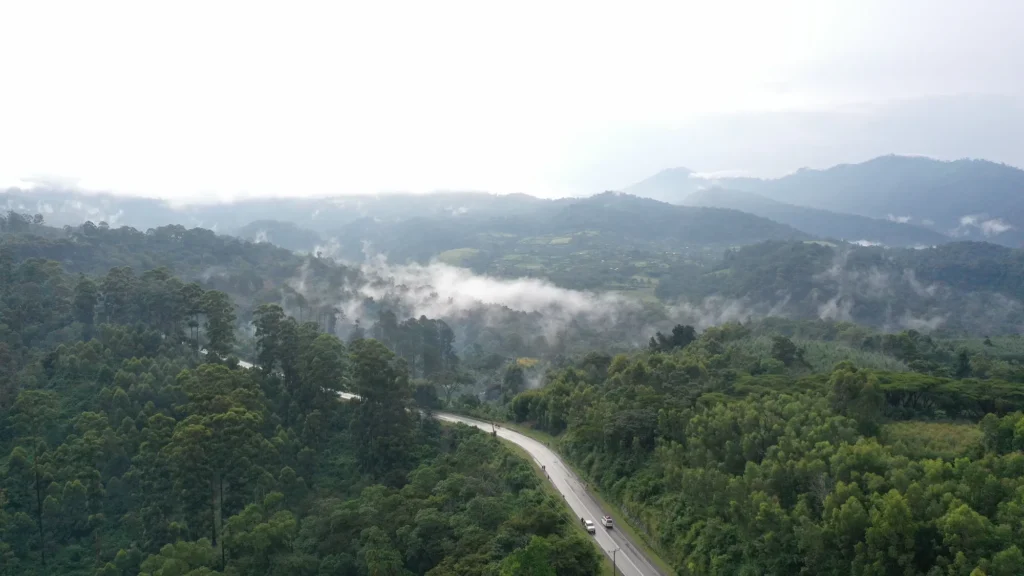
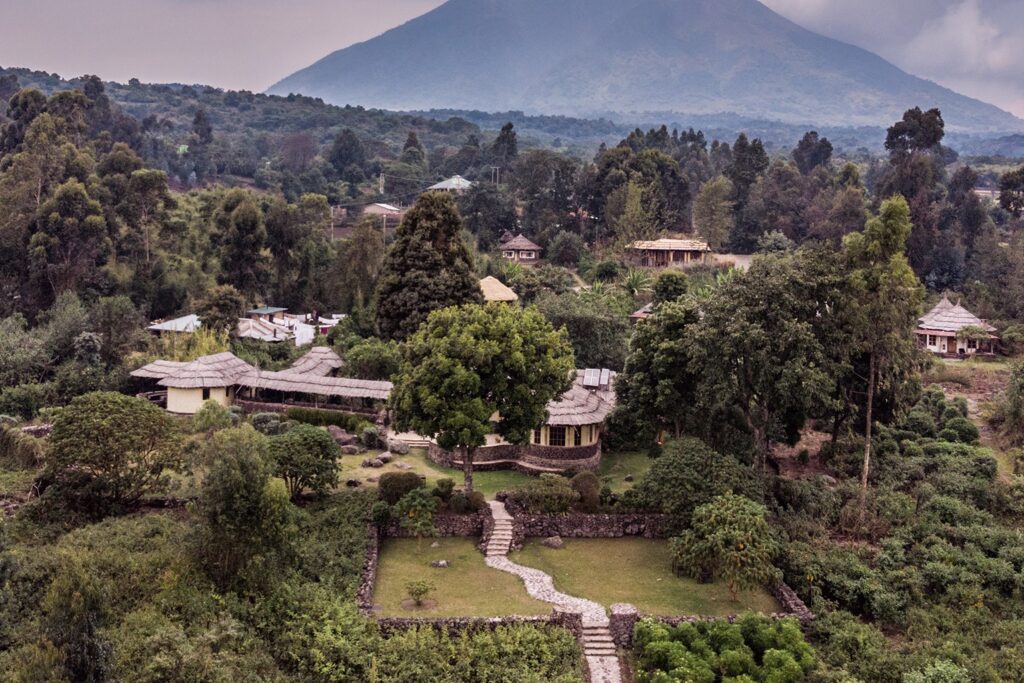
A Uganda and Rwanda gorilla trekking holiday combines road travel, rainforest exploration and an opportunity to observe mountain gorillas in their natural habitat. Visitors can expect scenic journeys through highland countryside, rural communities and beautiful mountain landscapes before arriving at their chosen trekking destination. Uganda offers gorilla trekking in Bwindi Impenetrable National Park and Mgahinga Gorilla National Park, while Rwanda’s experience takes place in Volcanoes National Park. Each destination has different trekking sectors, accommodation options and access routes. Depending on the location of the gorilla family being visited, the forest walk may take a few hours or considerably longer. Because gorillas move naturally through their habitat, the exact duration and difficulty of a trek cannot be guaranteed.
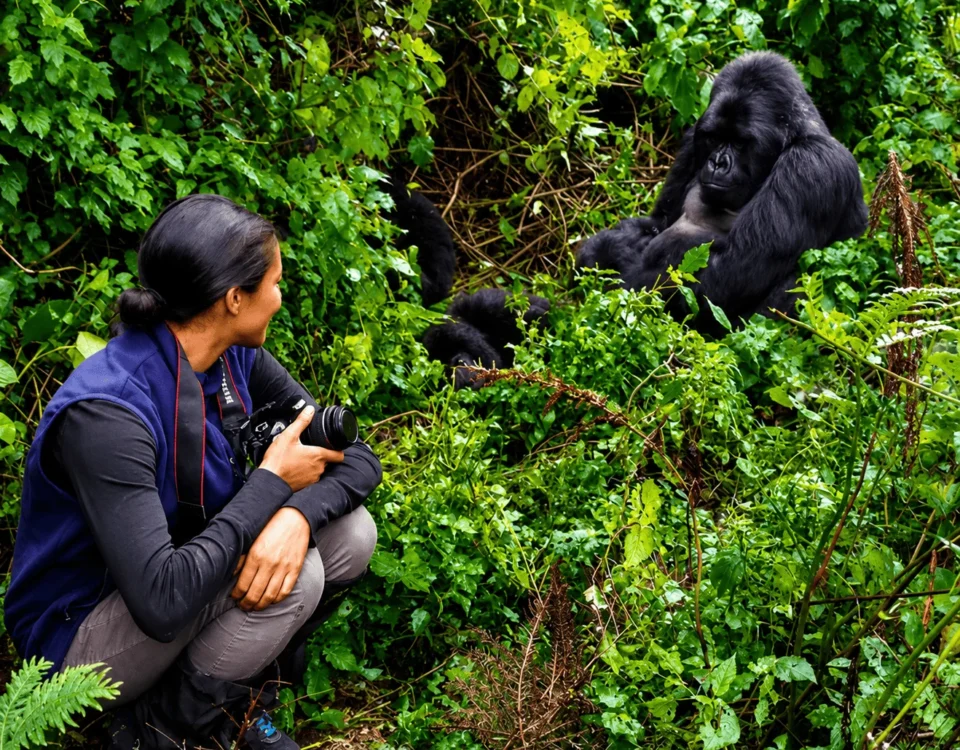
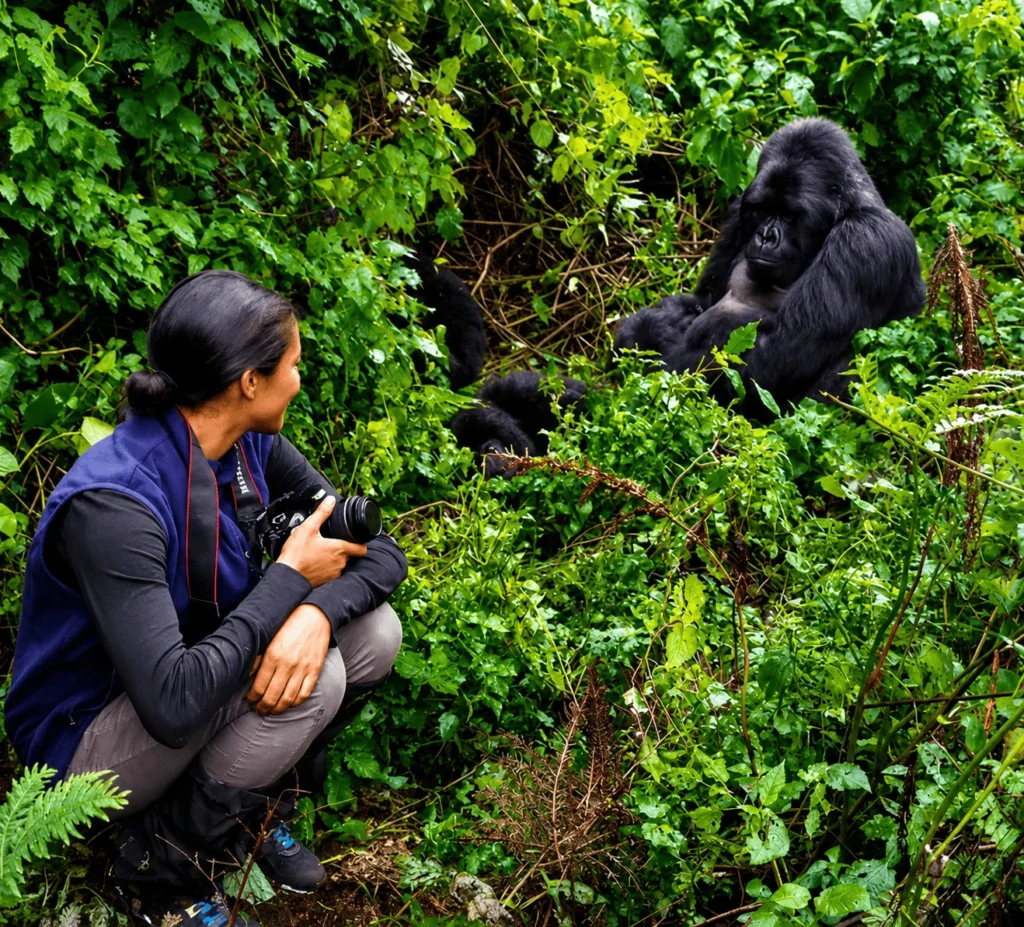
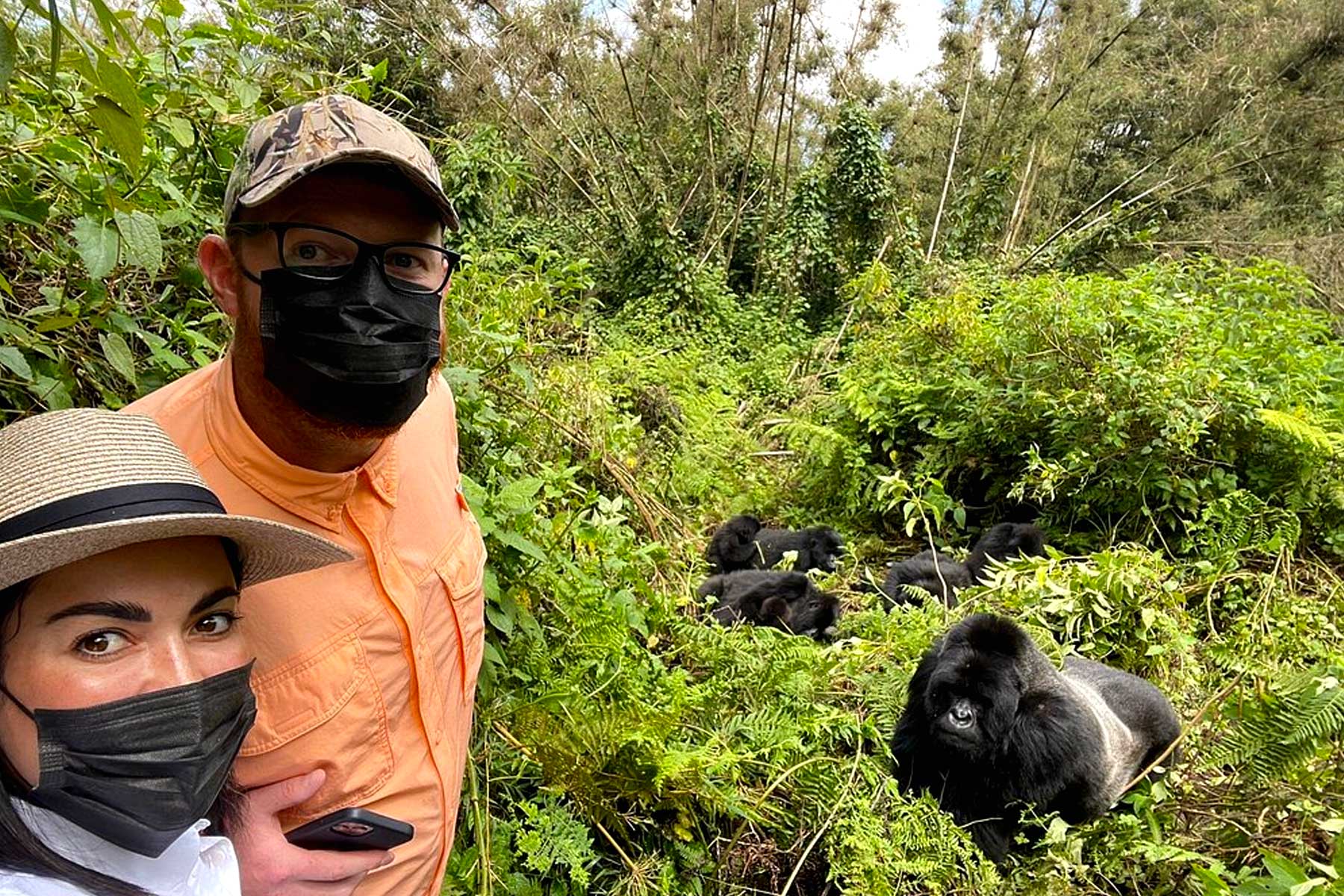
On the trekking day, visitors normally report to the designated park headquarters for registration and a briefing from authorised park personnel. Guides explain the rules, safety procedures and expected conduct before leading the group into the forest. Walking conditions may include steep slopes, thick vegetation, muddy ground and uneven trails, which is why suitable clothing and footwear are so important. Once the gorillas are located, visitors are required to follow the instructions of the guides and observe the applicable wildlife viewing rules. The experience is carefully managed to protect both the gorillas and the people visiting them. Knowing what should you pack for a Uganda and Rwanda gorilla trekking holiday helps you prepare for these conditions and enjoy the experience with greater confidence. Beyond trekking, your itinerary may include cultural visits, scenic stops, birdwatching or relaxation at forest lodges, depending on the time available and your interests.
When Is the Best Time for This Safari?
Gorilla trekking in Uganda and Rwanda takes place throughout the year, but weather conditions can influence the comfort of the experience. The relatively drier periods are often popular because forest trails and some access roads may be easier to navigate. In Uganda, these periods commonly fall around June to September and December to February. Rwanda also has relatively drier seasons during parts of the year, although weather patterns vary between locations and rainfall can occur at any time in mountain rainforest environments. These months are attractive to many international travellers, so it is advisable to arrange permits and accommodation well in advance.
Rainier months can also be rewarding for visitors who appreciate lush landscapes and vibrant forest scenery. However, wet conditions may make trails muddy and increase the importance of waterproof clothing and suitable footwear. Therefore, what should you pack for a Uganda and Rwanda gorilla trekking holiday may depend partly on the month you choose to travel. A good rain jacket, waterproof backpack cover and spare clothing are particularly useful during wetter periods. Regardless of the season, travellers should check local weather information before departure and follow advice from their safari operator. The best time ultimately depends on your preferred travel conditions, permit availability, budget and wider holiday plans. Frena Adventures Ltd can help you consider these factors when planning your itinerary.
 Why Choose Frena Adventures Ltd for This Particular Safari?
Organising a gorilla trekking holiday across Uganda and Rwanda requires careful coordination of permits, accommodation, transport and travel dates. Frena Adventures Ltd helps travellers plan East African safari experiences with attention to their interests, available time and preferred level of comfort. When advising guests on what should you pack for a Uganda and Rwanda gorilla trekking holiday, the aim is to help them prepare for the actual conditions they may encounter rather than carry unnecessary equipment. Practical guidance about clothing, footwear, weather protection and travel documents can make the preparation process easier, especially for visitors experiencing African rainforest trekking for the first time. We encourage guests to discuss their planned destinations and activities before departure so that packing advice reflects the itinerary.
Additionally, Frena Adventures Ltd can help travellers explore other experiences across the region. Depending on the length of your holiday, you may combine gorilla trekking with wildlife viewing, cultural encounters and scenic adventures in different East African destinations. Visitors interested in extending their journey can also explore Kenya Tours, exciting Kenya Adventures and memorable Kenya Safaris. Such combinations require thoughtful scheduling and suitable transport arrangements, particularly when connecting several destinations. Our planning approach considers practical travel distances, accommodation preferences and the activities you wish to experience. We also encourage visitors to confirm permit and immigration requirements through the relevant authorities before travelling. With clear communication and careful preparation, your safari can be organised around realistic expectations and a better understanding of what the journey involves.
What Should You Pack? A Practical Gorilla Trekking Checklist
The following checklist summarises the main items to consider when preparing for your trip. Your exact requirements may vary according to the season, personal needs and planned activities.
Clothing and footwear
- Long-sleeved shirts and comfortable long trousers.
- Lightweight fleece, sweater or warm layer.
- Waterproof jacket or raincoat.
- Sturdy hiking boots with good grip and ankle support.
- Comfortable hiking socks and spare pairs.
- Lightweight lodge shoes or sandals.
- Hat or cap and an extra change of clothes.
Trekking and personal equipment
- Small, comfortable daypack.
- Reusable water bottle.
- Gardening-style gloves.
- Sunscreen and insect repellent.
- Personal medication and basic first-aid essentials.
- Tissues and hand sanitiser.
- Camera, phone and protective covers.
- Power bank and spare batteries where needed.
Travel documents
- Valid passport.
- Visa or approved travel authorisation, where required.
- Gorilla trekking permit confirmations for each country.
- Flight and accommodation confirmations.
- Travel insurance details.
- Relevant health certificates, if required under current regulations.
- Secure digital copies of important documents.
When deciding what should you pack for a Uganda and Rwanda gorilla trekking holiday, remember that the goal is to travel comfortably without carrying excessive luggage. A carefully selected collection of useful items is generally more practical than a suitcase filled with equipment you may never use.
Frequently Asked Questions About Packing for a Uganda and Rwanda Gorilla Trekking Holiday
Do I need waterproof clothing for gorilla trekking?
Yes. Rain can occur throughout the year in mountain rainforest areas, so a waterproof jacket or raincoat is strongly recommended. A waterproof backpack cover can also help protect personal belongings.
Are hiking boots compulsory for gorilla trekking?
Although specific footwear requirements may vary, sturdy hiking boots with good grip and ankle support are strongly recommended because trails can be steep, muddy and uneven.
Should I carry food and drinking water into the forest?
Carry drinking water to remain hydrated. Food rules may vary according to park regulations and the trekking instructions provided by guides, so follow the official briefing and avoid eating near gorillas unless specifically permitted.
Can I hire a porter during gorilla trekking?
Porter services are available at many trekking destinations. Hiring a porter can help with carrying your daypack and may provide useful support on challenging sections of the trail.
Do I need different packing lists for Uganda and Rwanda?
The basic requirements are similar because both countries offer mountain gorilla trekking in highland rainforest environments. However, your exact clothing and equipment should reflect the season, trekking location and activities included in your itinerary.
 Conclusion: Pack Smart and Enjoy Your Gorilla Trekking Adventure
Understanding what should you pack for a Uganda and Rwanda gorilla trekking holiday is an important part of preparing for a comfortable and rewarding African safari. Appropriate clothing, sturdy hiking boots, waterproof protection, a practical daypack and essential personal items will help you manage the changing conditions of mountain rainforest environments. Equally important are your passport, relevant visa or travel authorisation, separate gorilla trekking permits and other supporting travel documents. Preparing these items early allows you to concentrate on the experience rather than dealing with avoidable travel difficulties.
Whether you are exploring the ancient forests of Bwindi, trekking around Mgahinga or discovering Rwanda’s Volcanoes National Park, thoughtful preparation can make your journey more enjoyable. Frena Adventures Ltd is ready to help you organise a memorable Uganda and Rwanda gorilla trekking holiday, with practical guidance on safari arrangements and preparation. Contact Frena Adventures Ltd to discuss your travel plans and begin arranging an East African adventure that brings you closer to the extraordinary mountain gorillas and natural beauty of the region.