
Tanzania Birding Safaris
June 8, 2026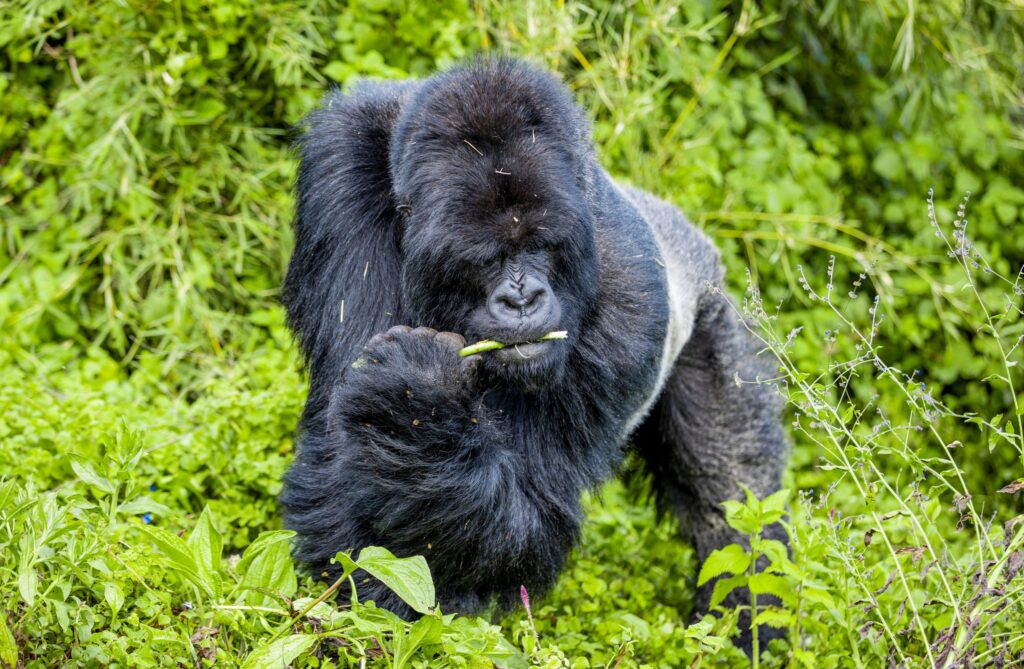
Bwindi Gorilla Trekking Guide: The Ultimate Experience in Uganda’s Ancient Rainforest
Gorilla trekking in Bwindi Impenetrable National Park is widely regarded as one of the most extraordinary wildlife experiences in the world. Deep within the mist-covered forests of southwestern Uganda lies a sanctuary that protects one of the planet’s most endangered and fascinating creatures—the mountain gorilla. Every year, thousands of travelers journey to Bwindi in search of a once-in-a-lifetime encounter with these gentle giants, an experience that combines adventure, conservation, and an intimate connection with nature.
Unlike a traditional safari where wildlife is viewed from a vehicle, gorilla trekking requires visitors to venture into the heart of the rainforest on foot. The journey itself is part of the experience. As trekkers move through thick vegetation, cross forest streams, and climb steep hillsides, anticipation builds with every step. The reward comes when the trackers finally locate a gorilla family and visitors are allowed to spend one unforgettable hour observing them in their natural habitat.
For many travelers, the moment they lock eyes with a mountain gorilla becomes the defining memory of their African adventure. The intelligence, curiosity, and striking resemblance to humans create an emotional encounter that few wildlife experiences can match.
This comprehensive guide explores everything you need to know about gorilla trekking in Bwindi, from the history of the park and gorilla conservation efforts to permits, trekking procedures, accommodation options, and practical travel tips.
Understanding Bwindi Impenetrable National Park
Bwindi Impenetrable National Park is located in southwestern Uganda along the edge of the Albertine Rift Valley. Covering approximately 331 square kilometers, the park is characterized by dense tropical rainforest, steep ridges, deep valleys, and a remarkable diversity of wildlife.
The forest itself is ancient, having survived the last Ice Age when many African forests disappeared. Scientists estimate that parts of Bwindi have existed for more than 25,000 years, making it one of Africa’s oldest and most biologically diverse ecosystems. This unique environment has earned Bwindi recognition as a UNESCO World Heritage Site.
While mountain gorillas are undoubtedly the park’s most famous residents, Bwindi supports an impressive variety of wildlife. Numerous primate species inhabit the forest, including black-and-white colobus monkeys, blue monkeys, and L’Hoest’s monkeys. The park is also home to forest elephants, giant forest hogs, and over 350 bird species, making it a paradise for birdwatchers and nature enthusiasts.
The landscape of Bwindi is as captivating as its wildlife. Mist often drifts through the forest canopy, creating an atmosphere of mystery and wonder. Massive trees tower overhead while vines and ferns cover the forest floor. Every corner of the park feels untouched and wild, offering visitors a rare glimpse into one of Africa’s last remaining pristine rainforests.
The Mountain Gorillas of Bwindi
Mountain gorillas are among the rarest primates on Earth. They are found only in a small region spanning parts of Uganda, Rwanda, and the Democratic Republic of Congo. Today, conservation efforts have helped increase their numbers, but they remain endangered and require ongoing protection.
Bwindi is home to nearly half of the world’s mountain gorilla population, making it one of the most important conservation areas for the species. These gorillas live in family groups led by a dominant silverback. A typical family consists of several females, their offspring, and one or more subordinate males.
The silverback serves as the protector and leader of the group. He determines where the family feeds, rests, and travels while defending members from potential threats. Observing a silverback in the wild is one of the most impressive aspects of a gorilla trek. Despite their enormous size and strength, mountain gorillas are generally peaceful and spend much of their day feeding, grooming, resting, and caring for their young.
One of the reasons gorilla trekking is so special is the close genetic relationship between humans and gorillas. Sharing approximately 98 percent of our DNA, gorillas display many behaviors that seem remarkably familiar. Visitors often witness mothers caring tenderly for infants, juveniles playing with one another, and adults communicating through facial expressions and vocalizations.
These similarities create a profound emotional connection that leaves many visitors deeply moved by their encounter.
The History of Gorilla Tourism in Bwindi
Gorilla tourism in Uganda began in the early 1990s following years of conservation work and research. Before tourism was introduced, mountain gorillas faced significant threats from habitat destruction, poaching, and political instability.
Researchers and conservationists recognized that sustainable tourism could provide a solution by generating revenue for conservation while creating economic opportunities for local communities. Habituation programs were launched to gradually accustom certain gorilla families to human presence without altering their natural behavior.
The first gorilla family opened for tourism in Bwindi was the Mubare family in Buhoma. Since then, the number of habituated groups has steadily increased, allowing more visitors to experience gorilla trekking while ensuring that tourism remains carefully managed.
Today, gorilla tourism is one of Uganda’s most successful conservation initiatives. Revenue generated from permits supports park management, anti-poaching operations, veterinary care, community development projects, and habitat protection.
Gorilla Trekking Sectors in Bwindi
Bwindi is divided into four main trekking sectors, each offering a unique experience.
Buhoma Sector
Located in the northern part of the park, Buhoma is the oldest and most established trekking sector. It was the first area to receive tourists and remains popular due to its accessibility and range of accommodation options.
The surrounding landscape consists of rolling hills and dense forest, creating a beautiful setting for gorilla trekking. Visitors staying in Buhoma can also enjoy nature walks and cultural experiences in nearby communities.
Ruhija Sector
Ruhija lies in the eastern section of Bwindi and is known for its spectacular scenery. Situated at higher elevations, the area offers cooler temperatures and breathtaking views of the surrounding mountains.
Birdwatchers particularly enjoy Ruhija because it hosts many of the Albertine Rift’s endemic bird species. Gorilla trekking here often involves traversing beautiful forested ridges and valleys.
Rushaga Sector
Rushaga, located in southern Bwindi, contains the largest number of habituated gorilla families. This makes it one of the most popular sectors for gorilla trekking and provides visitors with greater permit availability.
Rushaga is also famous for the Gorilla Habituation Experience, which allows participants to spend up to four hours with a gorilla family undergoing habituation.
Nkuringo Sector
Nkuringo is renowned for its dramatic landscapes and challenging treks. Perched on steep hillsides overlooking the Virunga Volcanoes, this sector offers some of the most stunning views in Uganda.
Although trekking here can be physically demanding, many visitors consider the scenery and gorilla encounters well worth the effort.
The Gorilla Trekking Experience
A gorilla trekking day begins early in the morning. Visitors gather at the designated park headquarters for registration and a briefing conducted by Uganda Wildlife Authority rangers.
During the briefing, guides explain the rules of gorilla trekking, discuss safety procedures, and assign visitors to specific gorilla families. Group assignments are often based on age, fitness level, and personal preferences.
After the briefing, trekkers travel to the starting point of their hike. The trek itself can vary significantly in duration and difficulty. Some gorilla families may be located within an hour of the starting point, while others require several hours of hiking through challenging terrain.
The journey through the forest is an adventure in itself. Rangers lead visitors along narrow trails while sharing insights about the park’s ecology, wildlife, and conservation efforts. Along the way, trekkers may encounter monkeys, birds, butterflies, and numerous plant species.
Once the gorillas are located, visitors are allowed a maximum of one hour in their presence. This hour often feels far too short as travelers become captivated by the behavior of the gorilla family.
Watching a mother gently care for her infant, observing juveniles playing in the vegetation, or seeing a silverback calmly monitoring his family creates memories that last a lifetime.
Gorilla Trekking Permits
Every visitor must possess a valid gorilla trekking permit issued by the Uganda Wildlife Authority. Because the number of daily permits is limited, securing a permit well in advance is highly recommended.
Permit fees contribute directly to conservation efforts and community development initiatives. These funds help protect gorillas and their habitat while supporting local livelihoods through tourism-related employment and infrastructure projects.
Due to the popularity of gorilla trekking, permits often sell out months ahead, particularly during peak travel seasons.
Best Time to Visit Bwindi
Gorilla trekking is available year-round, and gorilla sightings are generally excellent regardless of season. However, weather conditions can influence the trekking experience.
The dry seasons from June to August and December to February are considered the most popular times to visit. Trails are usually less muddy, making hiking easier and more comfortable.
The rainy seasons occur between March and May and again from September to November. While trekking can be more challenging during these months, the forest becomes exceptionally lush and beautiful. Visitors may also find greater accommodation availability and fewer crowds.
Ultimately, there is no bad time to visit Bwindi, as the gorillas remain within the forest throughout the year.
Preparing for Gorilla Trekking
Proper preparation can greatly enhance your trekking experience. Bwindi’s terrain is often steep, muddy, and unpredictable, making suitable clothing and equipment essential.
Comfortable hiking boots provide support and traction on uneven trails. Long trousers and long-sleeved shirts help protect against scratches, insects, and stinging plants. A lightweight rain jacket is recommended because weather conditions can change rapidly in the rainforest.
Many trekkers choose to wear gardening gloves to protect their hands while navigating dense vegetation. Carrying drinking water, snacks, and a packed lunch is also important since treks can last several hours.
One of the best investments visitors can make is hiring a porter. Porters assist with carrying bags and provide support on difficult sections of the trail. Their services not only improve the trekking experience but also create valuable employment opportunities for local communities.
Conservation Success and Community Benefits
The success story of mountain gorilla conservation demonstrates the positive impact of responsible tourism. Revenue generated from gorilla trekking helps fund ranger patrols, veterinary interventions, scientific research, and habitat protection.
Equally important is the role tourism plays in supporting local communities. A portion of permit revenue is shared with surrounding communities, funding schools, health centers, roads, and water projects.
Many local residents are employed as guides, porters, lodge staff, drivers, and artisans. These economic opportunities provide strong incentives for communities to support conservation efforts and protect the forest.
As a result, gorilla tourism has become a model for sustainable wildlife conservation, showing how tourism can benefit both people and nature.
Accommodation Around Bwindi
Visitors to Bwindi can choose from a wide range of accommodation options, from luxury lodges to budget-friendly guesthouses.
Luxury travelers can enjoy world-class hospitality at properties such as Sanctuary Gorilla Forest Camp, Buhoma Lodge, and Nkuringo Bwindi Gorilla Lodge. These lodges provide exceptional comfort, stunning forest views, and personalized service.
Mid-range travelers often choose lodges such as Ichumbi Gorilla Lodge and Engagi Lodge, which offer comfortable accommodation at more affordable prices.
Budget-conscious travelers can find excellent value at guesthouses and camps around the park while still enjoying easy access to trekking starting points.
Why Book Your Gorilla Trek with Frena Adventures?
At Frena Adventures, we believe that gorilla trekking is more than just a safari activity—it is a life-changing journey into one of Africa’s most extraordinary natural environments. Our experienced team specializes in organizing tailor-made gorilla trekking safaris that combine comfort, adventure, and exceptional service.
We assist travelers with gorilla permit reservations, accommodation bookings, airport transfers, transportation, domestic flights, and customized safari itineraries. Whether you wish to combine gorilla trekking with wildlife viewing in Queen Elizabeth National Park, chimpanzee tracking in Kibale National Park, or a classic Big Five safari, we create seamless experiences designed around your interests and budget.
Our local expertise, professional guides, and commitment to responsible tourism ensure that every guest enjoys a memorable and meaningful adventure in Uganda.
Conclusion
Bwindi Gorilla Trekking is one of the greatest wildlife experiences on Earth. It offers travelers a rare opportunity to encounter mountain gorillas in their natural habitat while contributing directly to their conservation. The journey through the ancient rainforest, the anticipation of finding a gorilla family, and the unforgettable hour spent observing these magnificent primates create memories that remain long after the trek has ended.
Whether you are a wildlife enthusiast, photographer, conservation supporter, or simply someone seeking an extraordinary adventure, Bwindi Impenetrable National Park delivers an experience unlike any other. From its breathtaking landscapes and rich biodiversity to its remarkable conservation success story, Bwindi stands as one of Africa’s most treasured destinations and a must-visit location for anyone exploring Uganda.