Where Should You Stay Before and After Gorilla Trekking in Rwanda?
November 3, 2026
Can You Combine Gorilla Trekking with Golden Monkey Tracking in Rwanda?
November 3, 2026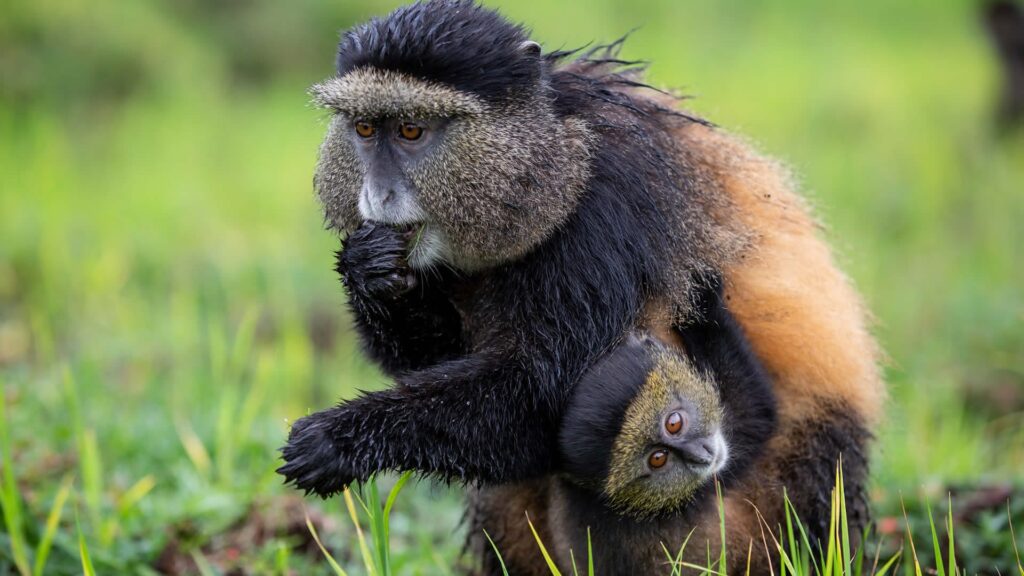
What Other Wildlife Can You See in Volcanoes National Park?
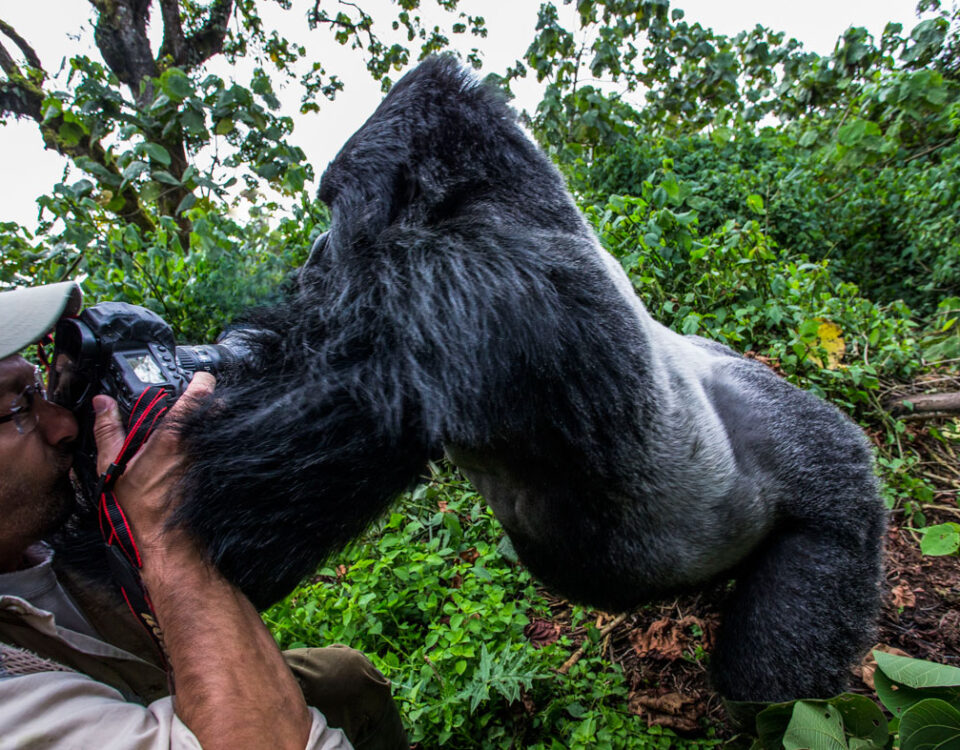
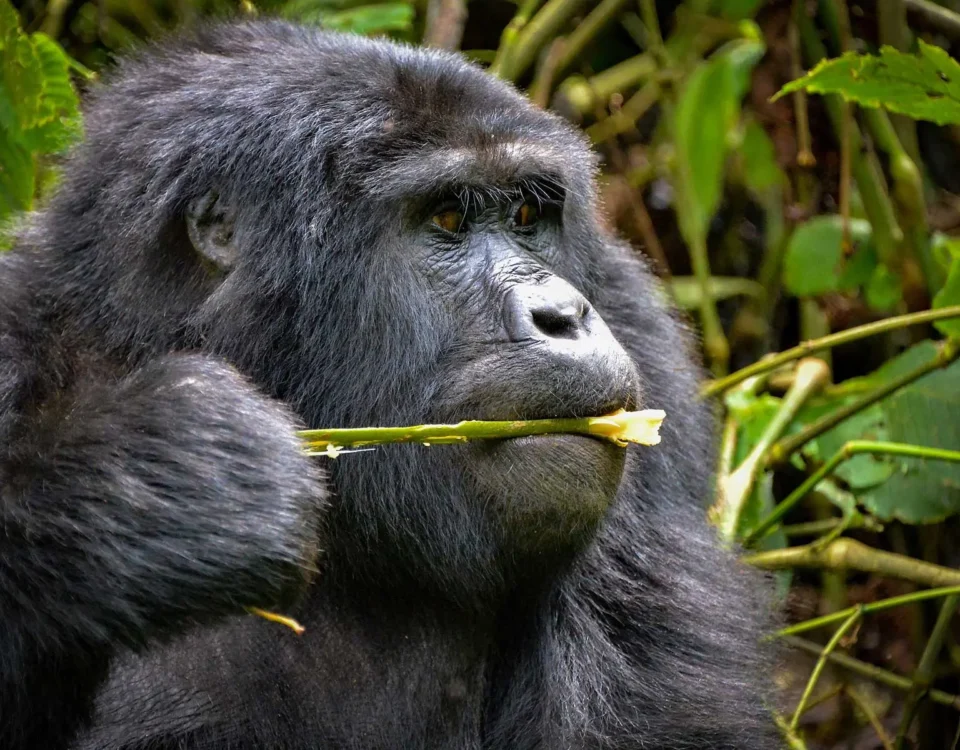
What other wildlife can you see in Volcanoes National Park? Mountain gorillas are the park’s best-known residents, but the highland forests and bamboo slopes support a wider variety of wildlife. Golden monkeys are the most accessible additional primate experience: visitors can book a separate guided trek to look for these striking monkeys in the bamboo forest. The park is also home to forest birds and mammals such as buffalo, bushbuck and duikers. The chance of seeing any particular animal depends on where it is, the habitat and the conditions during your visit, so sightings outside the booked primate treks should be treated as a bonus rather than a promise.
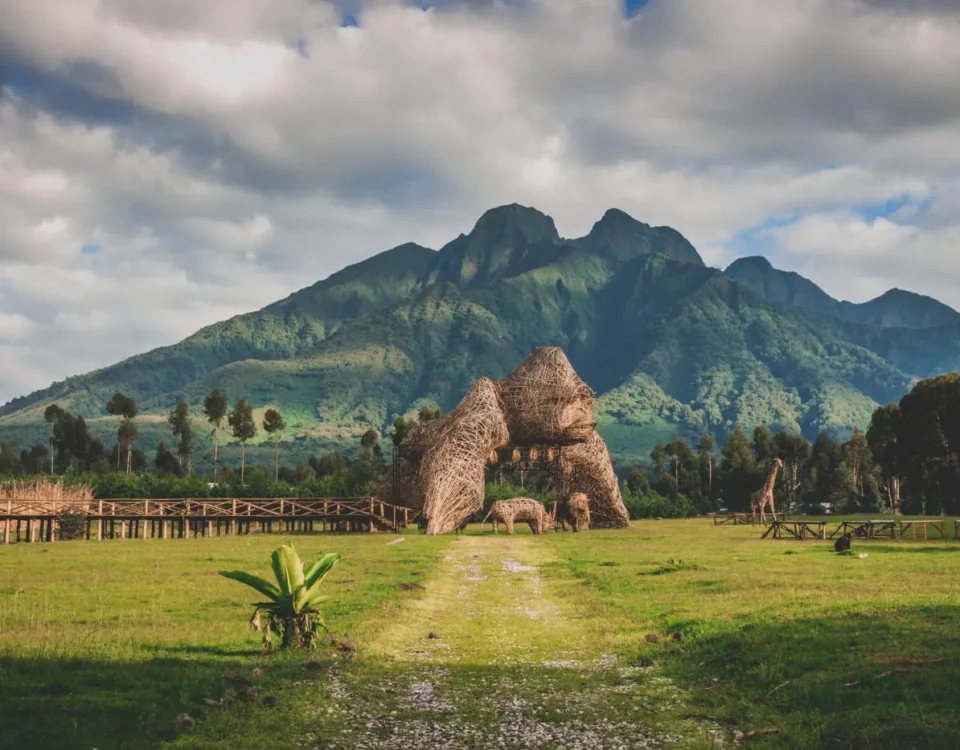
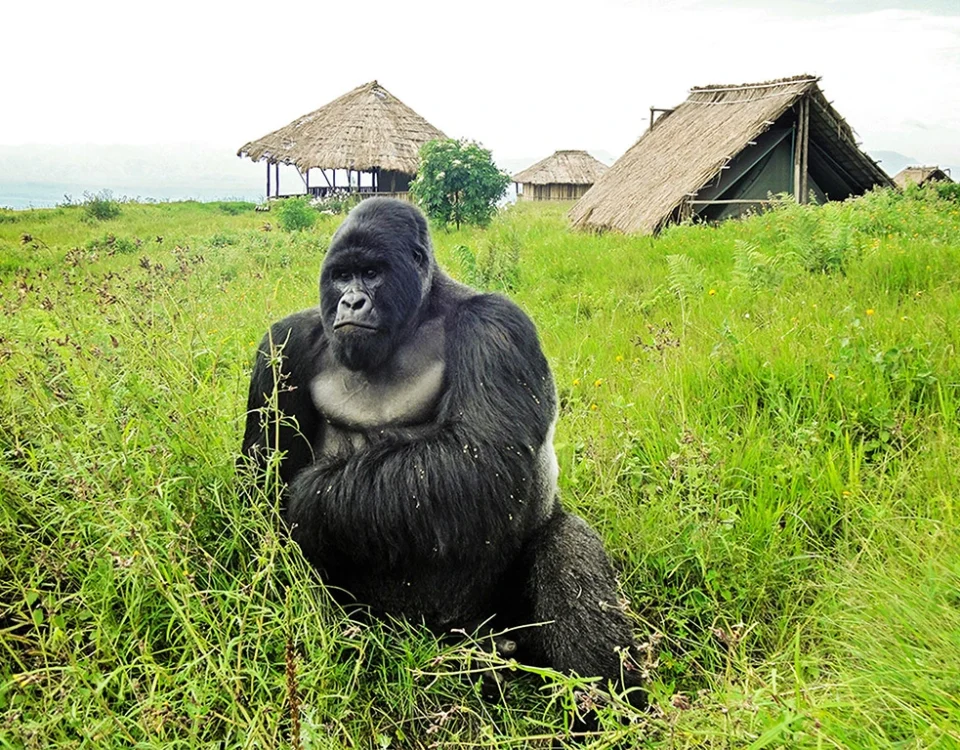
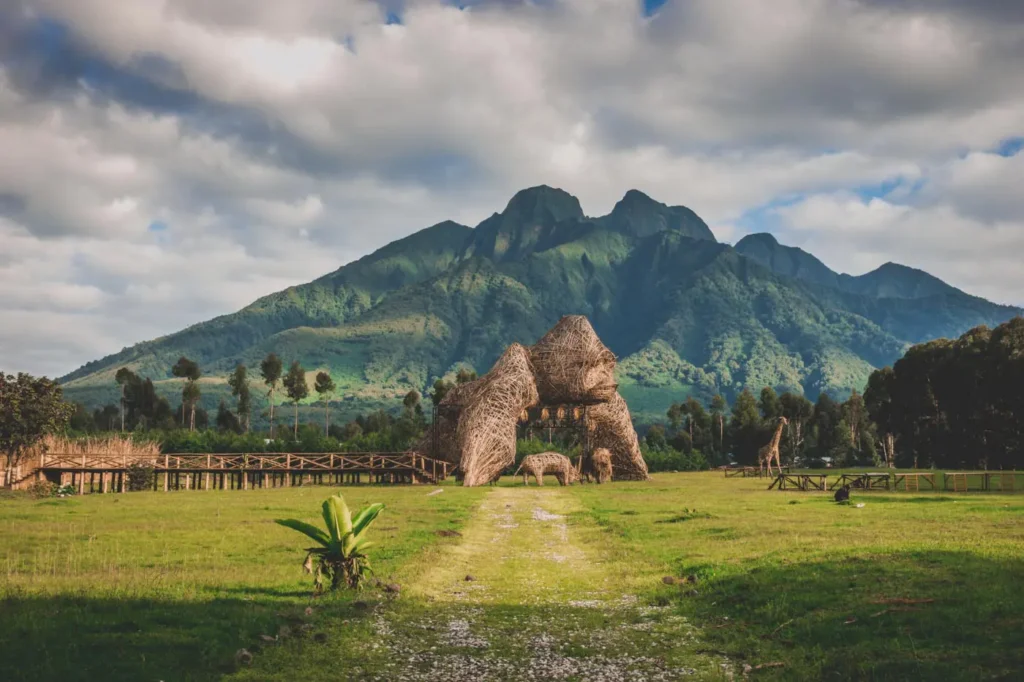
Volcanoes National Park protects part of the Virunga mountain range in northwestern Rwanda. Its varied habitats include bamboo forest, montane forest, open grassland, swamp and heathland. This range of environments helps explain why a visit can offer more than a single wildlife highlight. Rwanda’s tourism authority describes the park as home to mountain gorillas and golden monkeys, and notes that its forests are alive with birdlife.
For travellers, the key is to match expectations to the activity. A gorilla or golden monkey trek is a guided wildlife experience, while encounters with many other species may be brief or difficult to predict in thick vegetation. What other wildlife can you see in Volcanoes National Park? You may hear birds before you see them, notice signs of animals on a trail, or spot a mammal in a clearing—but the park is not a conventional savannah game-drive destination. Frena Adventures Ltd can help you plan around the wildlife experiences that are structured and available, while allowing space for unexpected moments in the forest.
Which primates live in the park besides gorillas?
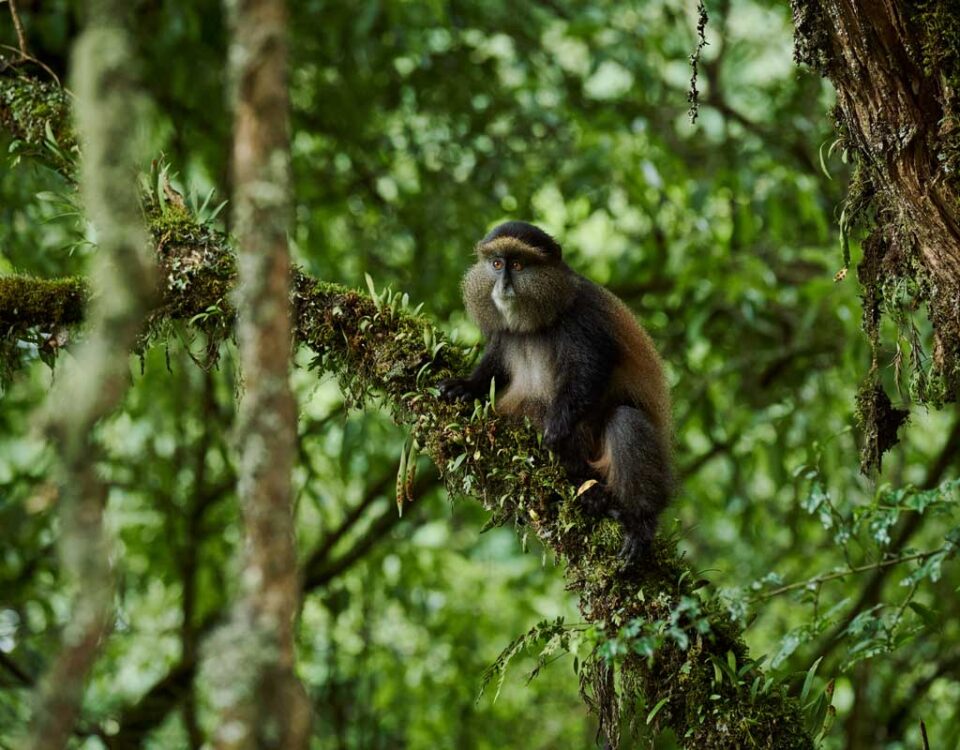
What other wildlife can you see in Volcanoes National Park? Golden monkeys are the standout answer for visitors seeking another close encounter with a primate. These endangered monkeys are associated with the Virunga bamboo forest, and guided golden monkey tracking is offered as a separate activity from gorilla trekking. Rwanda’s tourism authority identifies two trackable groups in Volcanoes National Park, one on the slopes of Mount Karisimbi and another in bamboo forest on Mount Sabyinyo.
The experience differs from gorilla trekking. Golden monkeys are smaller and quicker, often moving through bamboo and feeding or travelling in groups. Visitors follow a guide and trackers, and the walk can involve uneven, sometimes muddy terrain. Bring a camera with a suitable lens, but follow the guide’s instructions and avoid disturbing the animals. Permits and activity availability should be confirmed in advance, especially if you hope to combine this trek with gorilla tracking on consecutive days.
Other primates are present in Rwanda, but they are associated with different parks and habitats. For example, Visit Rwanda highlights colobus monkeys, L’Hoest’s monkeys, blue monkeys and several other species in places such as Nyungwe and Gishwati-Mukura. What other wildlife can you see in Volcanoes National Park? When planning a visit specifically to this park, golden monkeys are the most dependable additional primate activity to ask about. A wider Rwanda wildlife itinerary can include other destinations if you have more time. Frena Adventures Ltd can help you decide whether to focus on Volcanoes National Park or add another forest park to your route.
12-Day Uganda Big Five Safari & Gorilla Trekking Tour
What mammals might you encounter?
What other wildlife can you see in Volcanoes National Park? Beyond the primates, the park’s mammal life includes species such as buffalo, bushbuck, black-fronted duiker and other forest antelope. Spotted hyenas, giant forest hogs, bush pigs and elephants are also listed among the park’s wildlife in conservation and tourism references, although sightings can be uncommon. Dense vegetation, steep terrain and the animals’ natural behaviour make many mammals challenging to observe during a visitor’s trek.
This is why a gorilla trekking holiday in Rwanda should not be sold as a guaranteed “Big Five” safari. Volcanoes National Park is a high-altitude forest landscape, not open savannah where wildlife is routinely watched from a vehicle. A guide may point out tracks, feeding signs or sounds, but seeing an elusive mammal is never certain. The best approach is to appreciate the full environment: changing vegetation, mountain views, birdsong and the possibility of a brief wildlife encounter.
If you want classic game drives to look for lions, elephants, giraffes and plains wildlife, discuss adding Akagera National Park to your Rwanda itinerary. That park offers a contrasting savannah and wetland setting. What other wildlife can you see in Volcanoes National Park? Expect forest and mountain species, with golden monkey tracking as the main additional planned encounter; consider Akagera for a different type of safari. Frena Adventures Ltd can help combine experiences in a way that reflects your interests, available time and travel pace. Kenya Tours, Kenya Adventures and Kenya Safaris can also be included in a broader East African journey, though they involve separate destinations and additional travel planning.
What birdlife can visitors look for?
What other wildlife can you see in Volcanoes National Park? Birdwatchers have a strong reason to bring binoculars. Visit Rwanda describes Volcanoes National Park as an important birding area, with about 200 recorded bird species, including birds associated with the Albertine Rift. The park’s range of forest, bamboo, grassland and wetland habitats creates opportunities to look for different species as you move through the landscape. Even visitors who are not specialist birders may enjoy the calls and flashes of colour along the trail.
A guided birding walk can help you notice details that might otherwise be missed. Bring compact binoculars, keep a field notebook or birding app handy, and allow time to pause and listen. Light changes quickly in forest environments, so patience often matters more than rushing between viewpoints. Your guide can help identify birds by their calls, shape, colour and behaviour, while also explaining how the mountain habitat supports them.
Bird sightings depend on the route, season and conditions, and not every visitor will see the same species. What other wildlife can you see in Volcanoes National Park? For bird enthusiasts, the park is worth exploring beyond the gorilla trail, especially with a knowledgeable guide. If birdwatching is a priority, let Frena Adventures Ltd know before travel so the itinerary can include appropriate time and guiding. Travellers building a longer wildlife holiday might compare Rwanda’s montane birding with Kenya Safaris, where savannah and dryland habitats offer a very different bird and mammal experience.
What should you expect during wildlife activities?
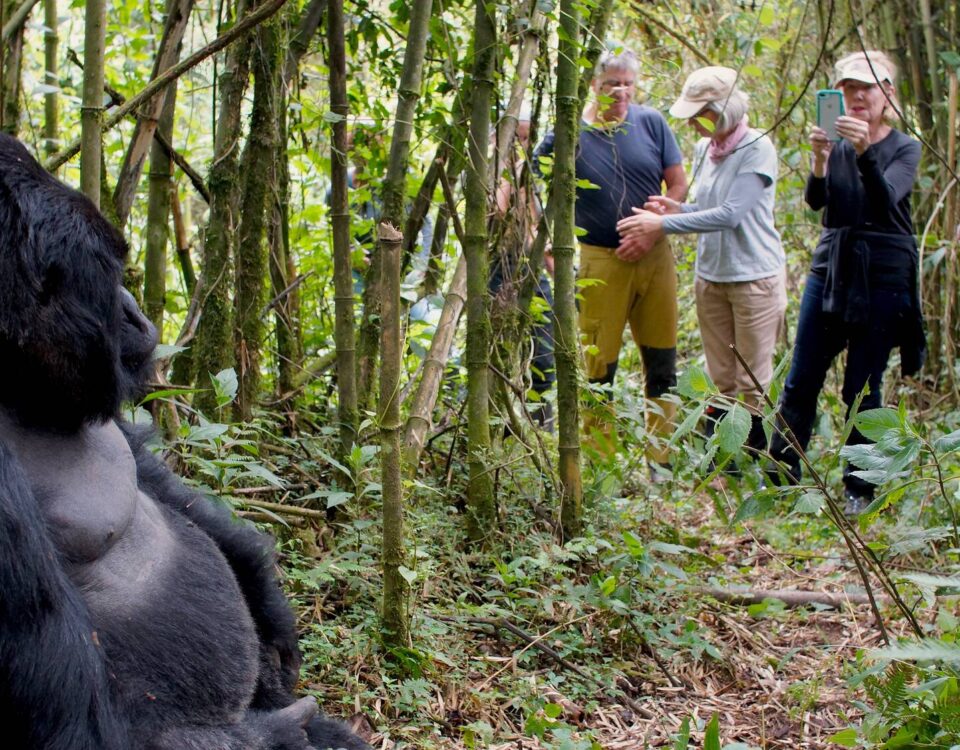
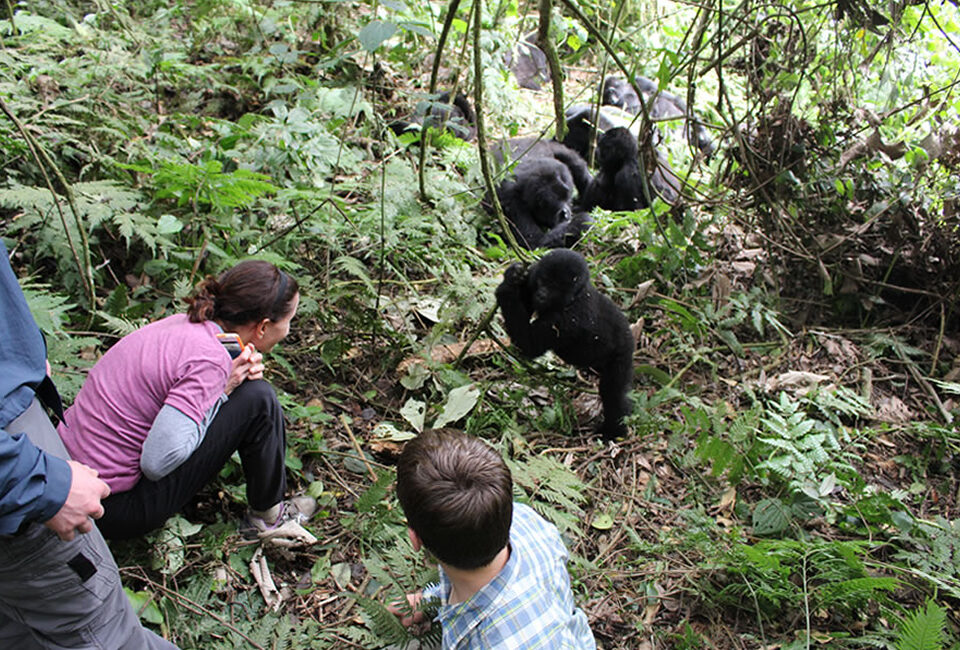
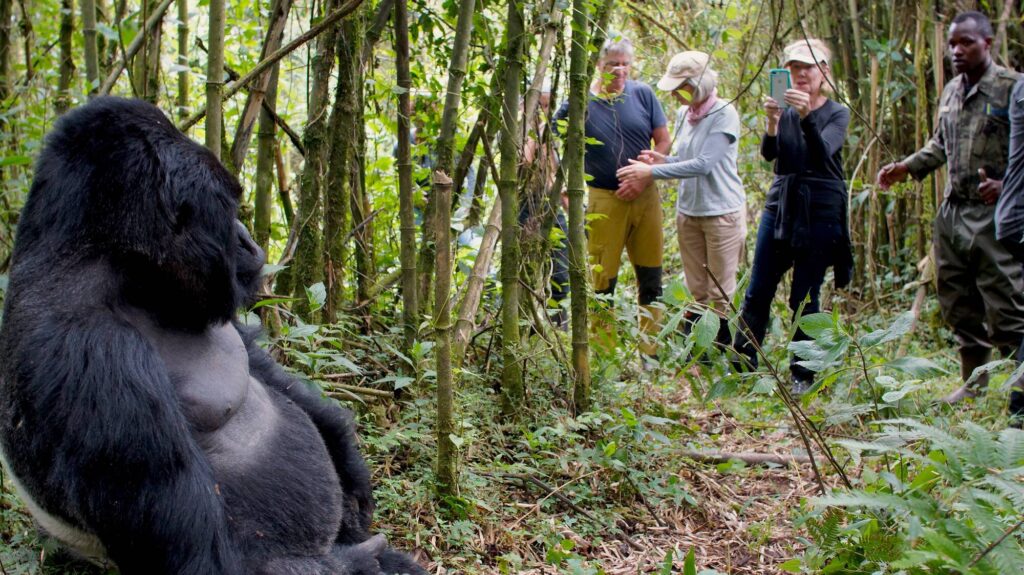
What other wildlife can you see in Volcanoes National Park? The answer depends on the activity you choose. Gorilla trekking and golden monkey tracking are guided experiences with set park procedures, while many other animals are encountered opportunistically. Your guide will explain the rules, help you move safely through the terrain and advise when to pause or keep a respectful distance. Forest conditions can include mud, steep paths, rain and thick vegetation, so a reasonable level of fitness and suitable footwear are helpful.
Golden monkey tracking can be a good addition for visitors who want another primate encounter. Birding walks suit travellers who enjoy slow observation, while hiking focuses more on landscape and elevation. Rwanda’s Volcanoes National Park also offers mountain scenery shaped by the Virunga volcanoes, including Karisimbi, Bisoke, Sabinyo, Gahinga and Muhabura. Each activity has its own permit, timing and physical demands, so confirm current details when booking.
Wildlife remains unpredictable, even with an experienced guide. What other wildlife can you see in Volcanoes National Park? You may see golden monkeys on a booked trek, observe birds along the route, or come across signs of mammals; no responsible operator should guarantee sightings of elusive species. This distinction helps travellers plan with realistic expectations and enjoy the park for its entire natural setting. Frena Adventures Ltd can recommend activities based on your priorities, then arrange a schedule that leaves enough time for each one without making every day feel rushed.
When is the best time for this safari?
What other wildlife can you see in Volcanoes National Park? Wildlife activities are available across the year, but conditions vary. Rain can make forest trails slippery, while mist and cloud can change visibility and mountain views. Drier periods may be preferred by some travellers for walking, yet the weather in the highlands can shift at any time. Before you travel, check current park guidance and ask your operator about trail conditions and activity availability for your dates.
Permit availability is an important part of planning, particularly if you want to combine gorilla trekking with golden monkey tracking. Confirm the gorilla permit first, then arrange accommodation and other activities around its date. If you are interested in birds or a guided nature walk, mention this early so the schedule can include a suitable guide and enough time. Avoid filling the day after a strenuous trek with a long transfer if you can give yourself a more comfortable pace.
What other wildlife can you see in Volcanoes National Park? The best way to improve your chances of noticing wildlife is to choose the right activity, travel with a knowledgeable guide and give yourself time to observe. A two- or three-night stay near Musanze or Kinigi can make it easier to arrange more than one experience, depending on permits and your interests. Frena Adventures Ltd can help shape a flexible itinerary and explain which activities are confirmed versus which wildlife sightings remain chance encounters.

What should you pack?
What other wildlife can you see in Volcanoes National Park? Whatever activity you choose, pack for a cool, damp mountain environment. Sturdy hiking boots or shoes with good grip are important for muddy and uneven paths. Long trousers and long sleeves can help protect you from vegetation, while a lightweight waterproof jacket is useful in changeable weather. Consider gardening gloves for gripping vegetation during a trek, and bring a small daypack for water, personal medication and essentials.
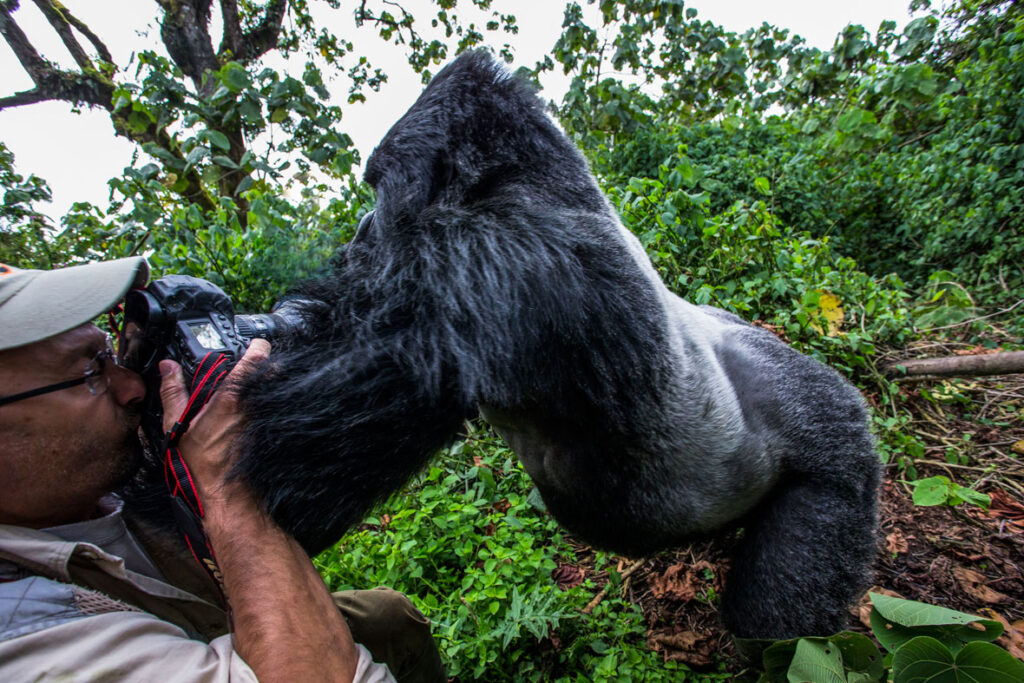
Binoculars are valuable for birdwatching and for observing wildlife without approaching too closely. A camera with a zoom lens can help capture distant animals, but avoid flash photography around primates and always follow the guide’s instructions. Carry a reusable water bottle, sunscreen and insect repellent, and bring a warm layer for evenings around Musanze. Clothing that can get muddy is a practical choice; pack a clean change for after the walk.
Before departure, confirm permits, activity start times, transport arrangements, entry requirements and travel insurance. What other wildlife can you see in Volcanoes National Park? Golden monkeys, diverse birdlife and several forest mammals enrich the experience beyond gorillas, but encounters vary naturally. With realistic expectations, the right guide and suitable clothing, you can appreciate the park’s wildlife and highland environment responsibly. Frena Adventures Ltd can help you plan a Rwanda itinerary that suits your interests, whether you are focused on primates, birding, hiking or a wider East African journey that includes Kenya Tours, Kenya Adventures or Kenya Safaris.