Can You Go Gorilla Trekking in Mgahinga Gorilla National Park?
October 28, 2026
Which Sector of Bwindi Impenetrable National Park Is Best for Gorilla Trekking?
October 28, 2026
What Is the Difference Between Bwindi and Mgahinga Gorilla National Park?
How do the two parks compare?
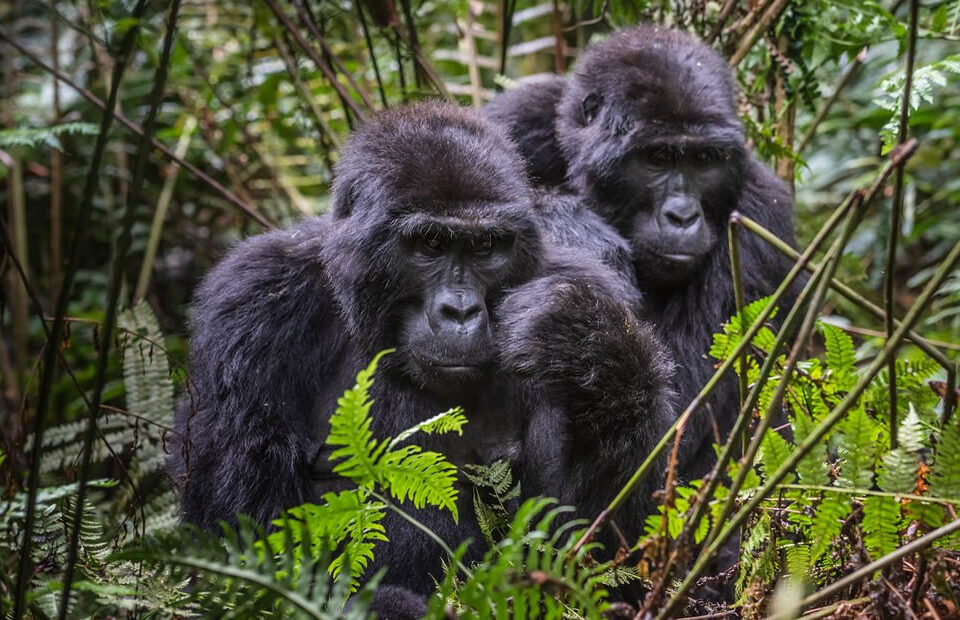
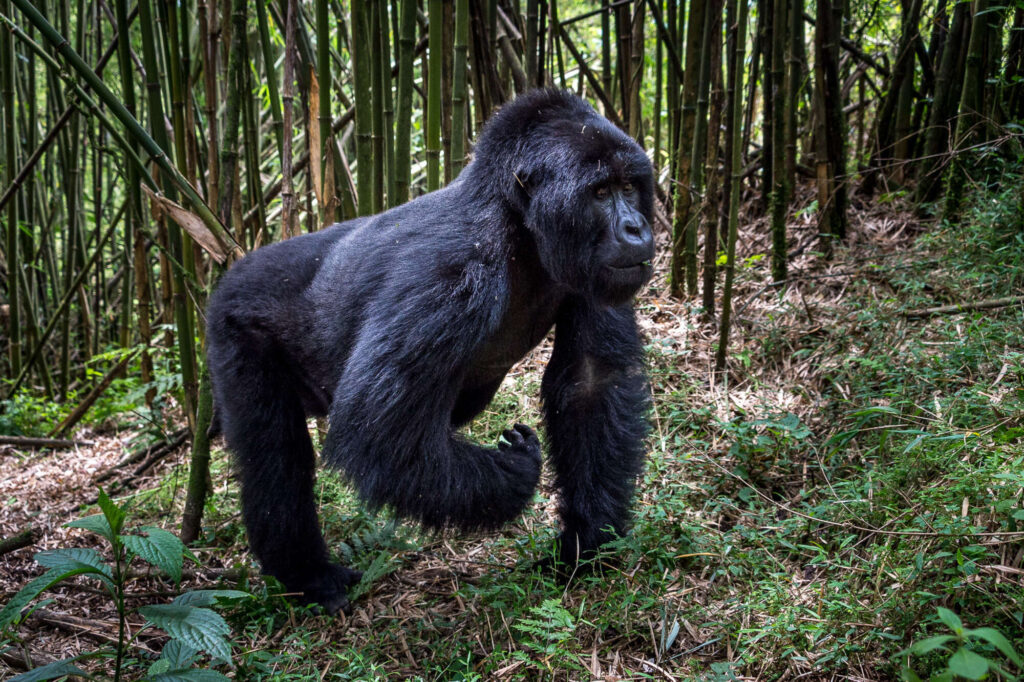
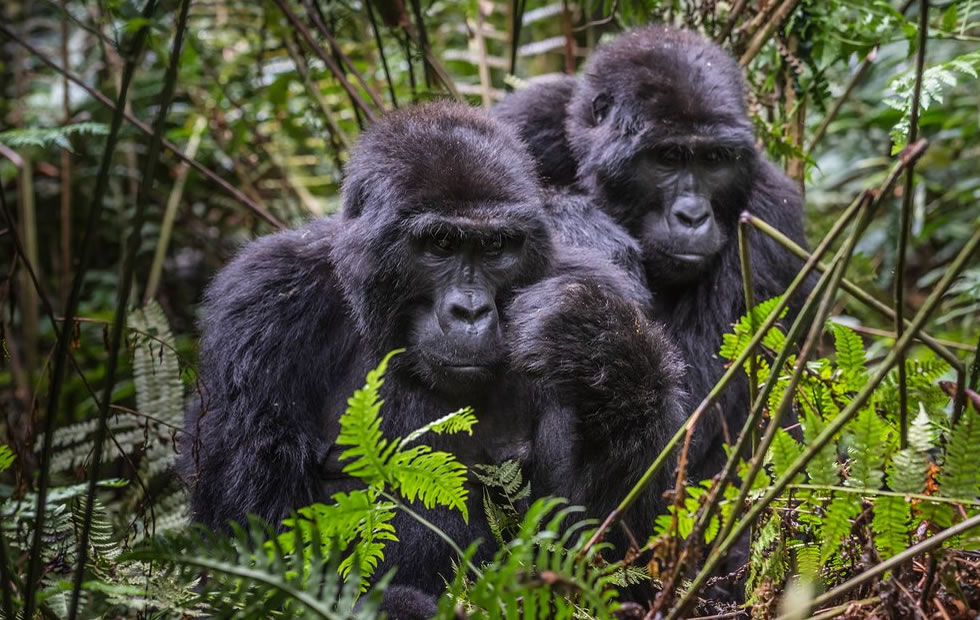
What is the difference between Bwindi and Mgahinga Gorilla National Park? Both are in southwestern Uganda and offer guided mountain gorilla trekking, but they give visitors different settings and planning choices. Bwindi Impenetrable National Park is a large, biodiverse forest with four gorilla trekking sectors: Buhoma, Ruhija, Rushaga and Nkuringo. Mgahinga Gorilla National Park is smaller and sits within the Virunga Mountains, where forested slopes rise toward three volcanic peaks. In either park, you enter the gorillas’ natural habitat with trained guides and trackers. The animals move freely, so the route and the time needed to reach a family depend on where the gorillas are on the day.
Bwindi may appeal to travellers who want a choice of sectors, a broad forest environment and a range of accommodation options around the park. UNESCO recognises it as a World Heritage Site for its exceptional biodiversity, including more than 160 tree species and over 100 fern species. Mgahinga can suit visitors drawn to volcanic scenery or interested in adding activities such as golden monkey tracking and mountain hikes. Neither park guarantees an easier trek or a particular gorilla encounter; terrain, weather and gorilla movements shape each outing. What is the difference between Bwindi and Mgahinga Gorilla National Park? In simple terms, Bwindi offers several forest sectors across a larger park, while Mgahinga combines gorilla trekking with a distinct Virunga mountain setting. The best choice depends on your permit date, preferred landscape, route and wider Uganda safari plans.
How do the trekking locations affect your itinerary?
What is the difference between Bwindi and Mgahinga Gorilla National Park? One practical distinction is the way you plan for the trek. In Bwindi, your permit specifies a trekking sector—Buhoma, Ruhija, Rushaga or Nkuringo—and you should choose accommodation and transport to match that location. The sectors are spread across a rugged area, so a lodge described as being “near Bwindi” may still require a lengthy journey to your permit’s starting point. Uganda Wildlife Authority describes different access routes and notes that a four-wheel-drive vehicle is recommended for several approaches. Flights to nearby airstrips can reduce some road travel, but a ground transfer to the lodge is still required.
Mgahinga’s trekking begins from its designated visitor area at Ntebeko, with Kisoro town serving as a nearby base for some visitors. The park lies in the Virunga region and has its own access roads and terrain. When comparing the parks, consider where you will arrive in Uganda, whether you prefer to travel by road or air, and how much time you can spend in the southwest. Permit availability should guide the plan: confirm the date and entry location before booking a lodge or transfer. What is the difference between Bwindi and Mgahinga Gorilla National Park? Beyond scenery, it is the way each park shapes logistics. Bwindi requires careful matching between a particular sector and accommodation, while Mgahinga centres the experience around its Ntebeko access area. A well-planned route reduces unnecessary driving and helps you arrive rested for the early briefing.
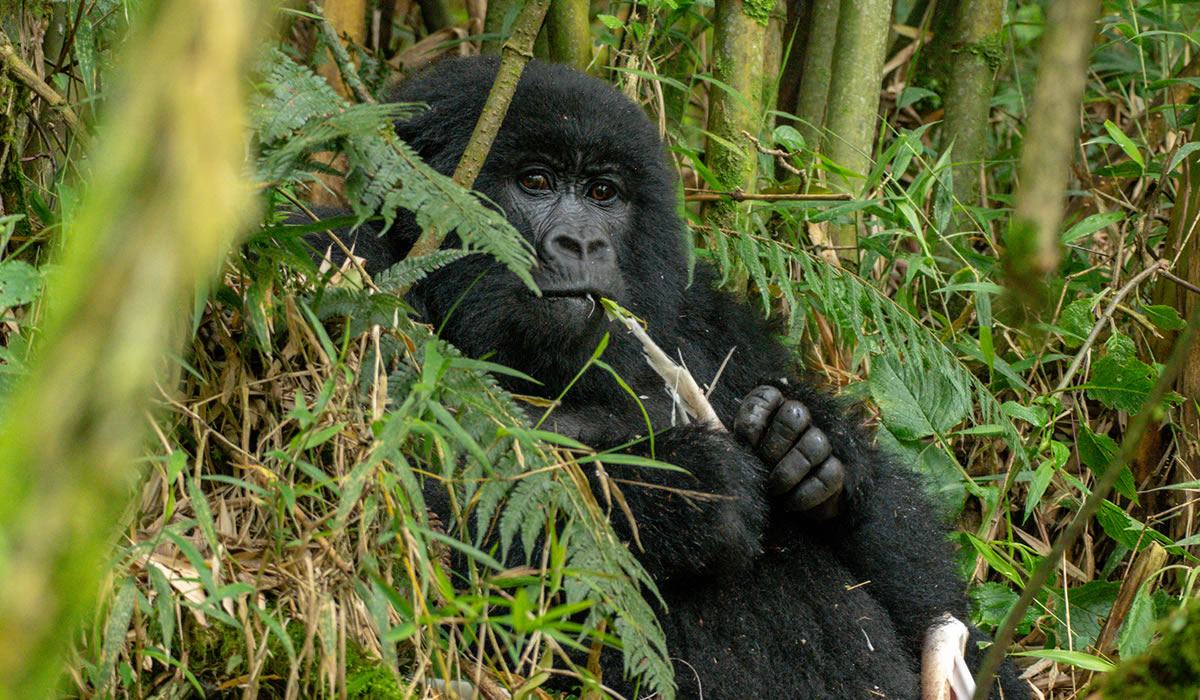
Between Bwindi and Mgahinga Gorilla
What are the expectations in this safari?
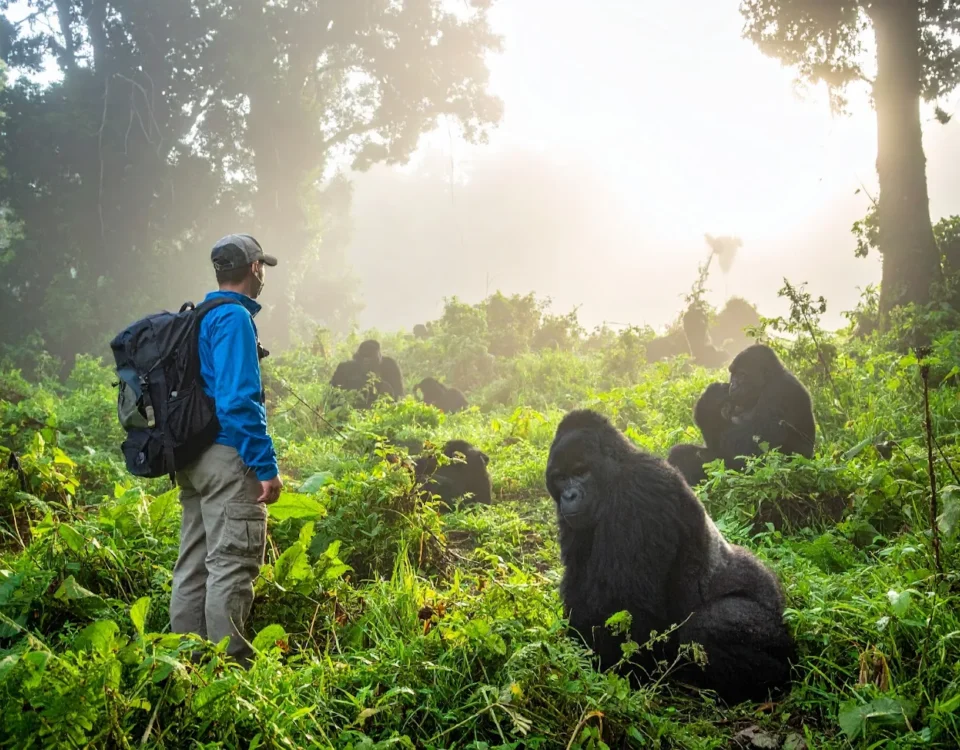
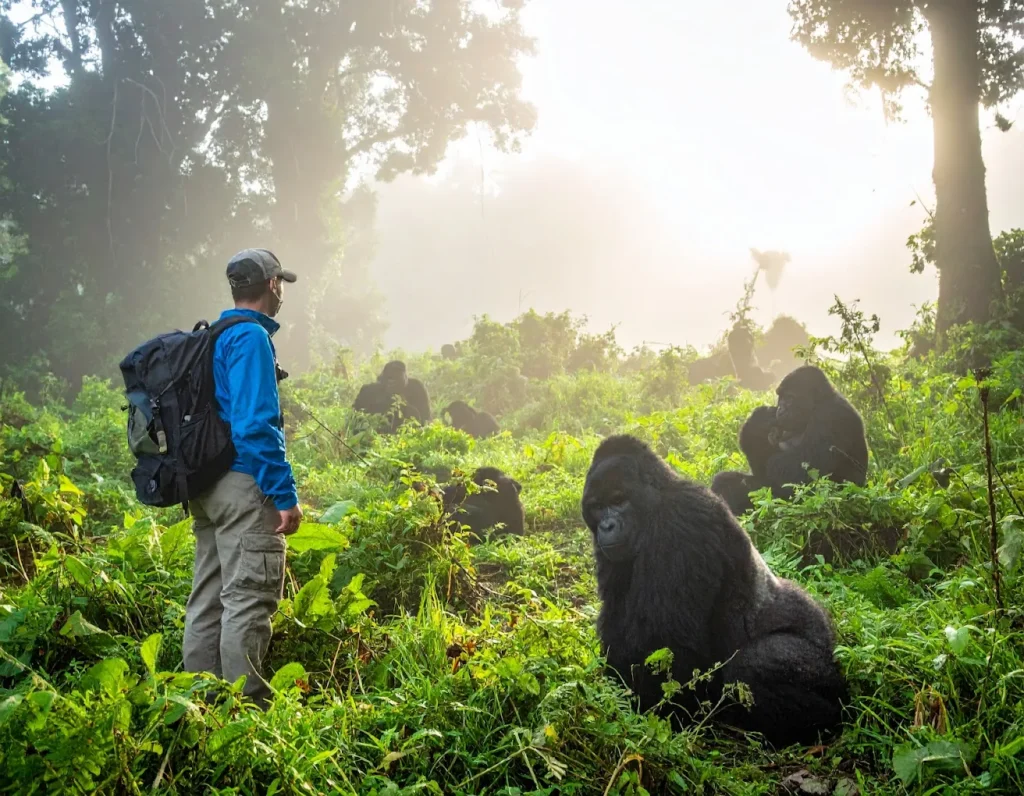
What are the expectations in this safari? Gorilla trekking in either park is a guided forest hike, not a vehicle-based game drive. The day starts with permit checks and a briefing from park staff. Guides and trackers then lead visitors into the forest and use their knowledge of gorilla movements to decide the route. Uganda Wildlife Authority says treks may last between two and seven hours, depending on where the gorillas are found. Paths can be steep, muddy, uneven or covered in thick vegetation, so a moderate level of fitness is helpful. Visitors should be ready to walk at a steady pace and follow instructions from the park team. A porter may be available to carry a day pack and offer practical help on challenging sections.
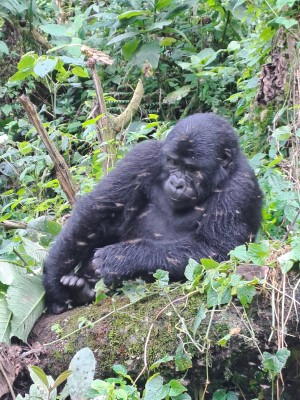
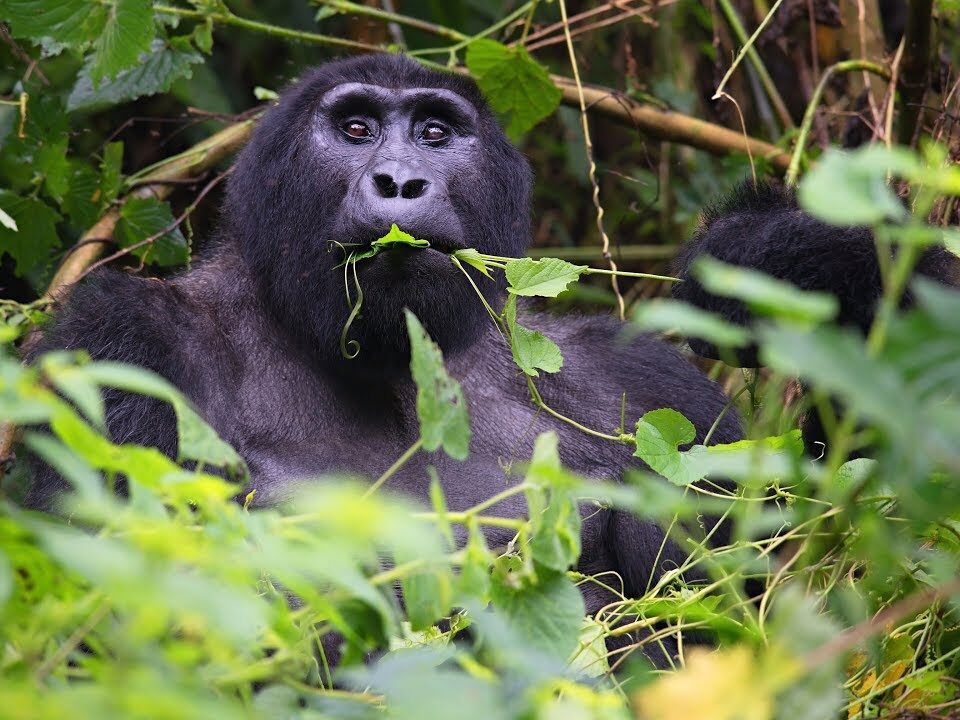
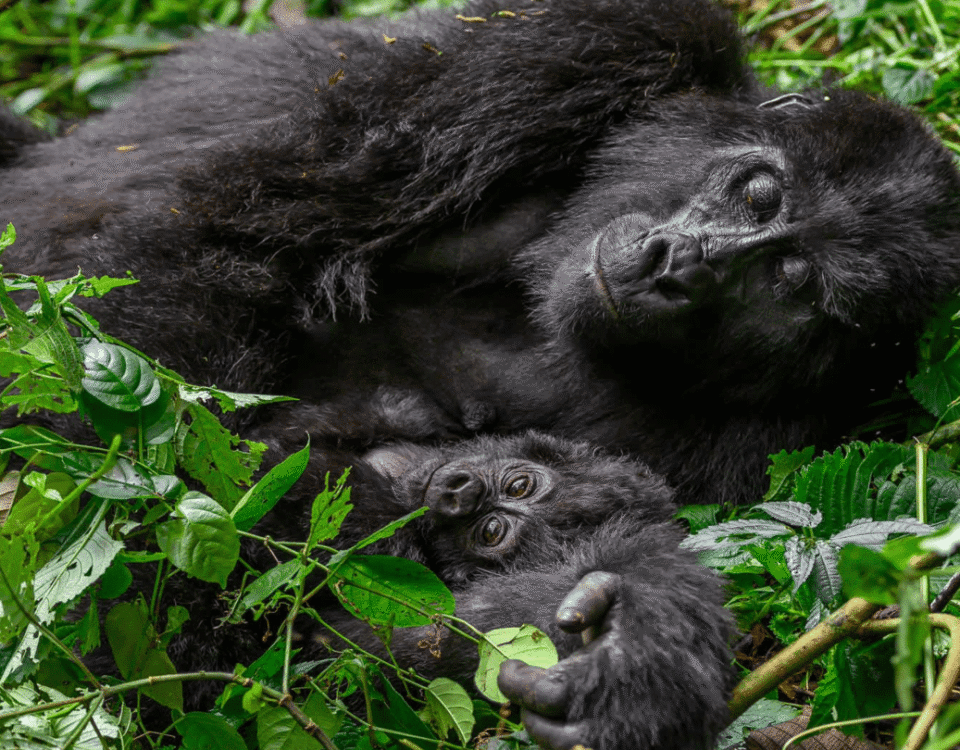
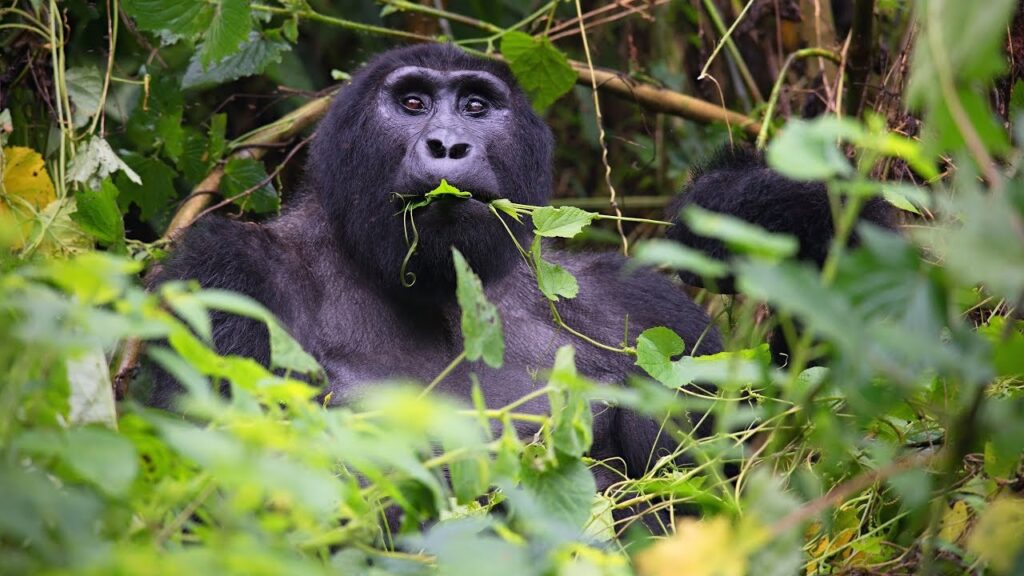
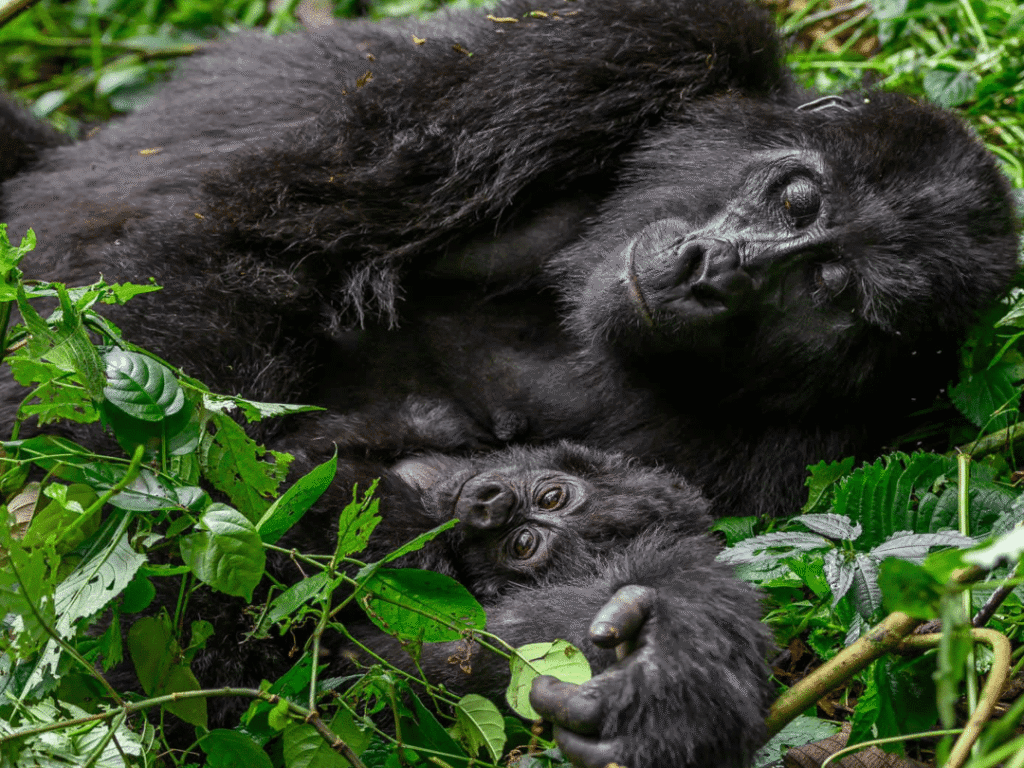
When the gorillas are located, visitors are generally allowed one hour to observe them. A family may be feeding, resting, grooming or moving through the forest, and no two sightings are the same. The gorillas are wild animals; no operator can guarantee a short route, a specific family or particular behaviour. Park rules help protect the animals and visitors. Follow guidance on distance, noise, movement and photography, and do not enter the forest if you have a contagious illness. What is the difference between Bwindi and Mgahinga Gorilla National Park? The core experience is similar in both: a carefully managed opportunity to observe mountain gorillas in their natural habitat. The key differences are the forest and mountain settings, access arrangements and possible activities around the trek. Patience, suitable footwear and realistic expectations will help you enjoy either park responsibly.
When is the best time for this safari?
What is the difference between Bwindi and Mgahinga Gorilla National Park? The parks have different landscapes, but both can be visited throughout the year. Many travellers prefer the drier periods because trails may be less slippery and road journeys can be more straightforward. Commonly recommended windows for Uganda include June to September and December to February. Rain remains possible in mountain forests during any season, however, and conditions can change during the day. Bwindi’s dense forest and Mgahinga’s highland slopes may both feel cool and damp, so visitors should prepare for wet weather even when travelling in a generally drier period.
Your best travel dates also depend on permit availability, accommodation and transport. Check the date and location of the permit first, then arrange a lodge near the correct sector or park entrance. If you are travelling during a popular holiday period, booking early can provide more choices. Those with flexible schedules may be able to consider alternative dates if a preferred permit is unavailable. What is the difference between Bwindi and Mgahinga Gorilla National Park? Seasonal weather does not make one park a guaranteed easier option; trail conditions and gorilla locations vary. A reliable itinerary accounts for rain, road time and the possibility that the trek will take longer than expected. Before booking, confirm current permit terms and park instructions with Uganda Wildlife Authority or your tour operator, as operational details can change.
Why choose Frena Adventures Ltd for this particular safari?
Why choose us for this particular safari? Selecting between Bwindi and Mgahinga is easier when you compare more than the park names. Frena Adventures Ltd can help you consider permit availability, trekking location, accommodation, transport and activities that fit your travel plans. Travellers interested in a particular Bwindi sector should confirm where it is before choosing a lodge. Those considering Mgahinga may want to ask about the park’s access point and whether golden monkey tracking, a nature walk or a volcano hike fits their schedule. In both parks, a realistic plan includes time to reach the briefing, complete the trek and rest afterwards.
Before confirming your safari, ask what the package includes, how permits are arranged, which transfers are planned and what costs may be additional. Review cancellation terms and the current park requirements, and make sure the permit location matches your accommodation. Local guides and trackers bring essential expertise to the trek; visitors should follow their instructions throughout the day. Where available, hiring a porter can support you on steep or muddy trails while contributing to local livelihoods. Uganda Wildlife Authority also describes revenue-sharing programmes intended to support communities around protected areas. Travellers extending their East African holiday may consider Kenya tours, Kenya adventures or Kenya safaris, with realistic travel time built into the wider route. What is the difference between Bwindi and Mgahinga Gorilla National Park? Frena Adventures Ltd can help you weigh the practical distinctions and choose an itinerary that fits your interests, pace and travel dates.
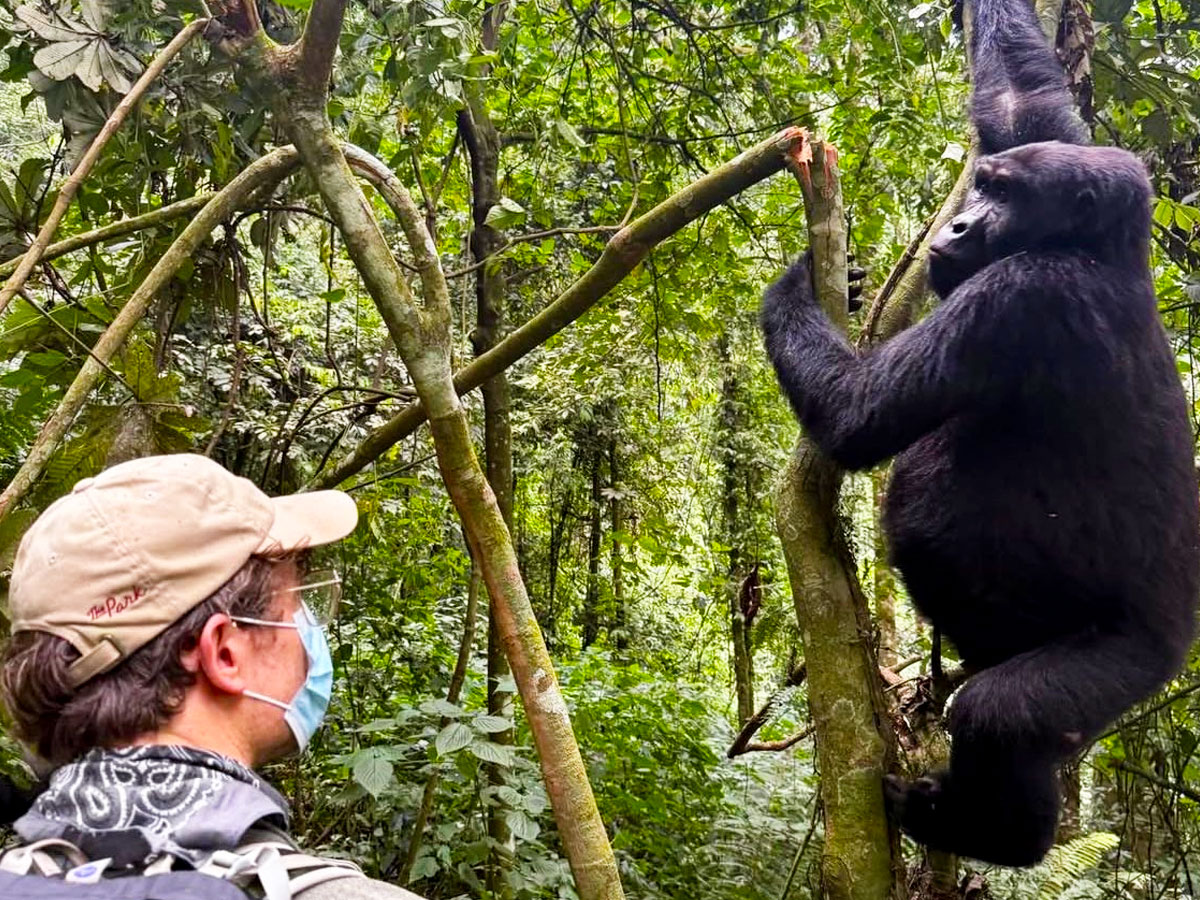
What should you pack?
What is the difference between Bwindi and Mgahinga Gorilla National Park? Whichever park you choose, the packing essentials are similar because both treks take place in mountain forest. Wear long trousers and a long-sleeved top to protect your skin from nettles, branches and insects. Sturdy hiking boots with good grip are important on uneven or muddy trails; thick socks can make the walk more comfortable. Bring a lightweight waterproof jacket, even if the forecast looks clear. Gardening gloves may protect your hands when moving through vegetation, while gaiters can help keep mud out of your boots. A small day pack should hold water, personal medication, a camera and other essentials for the hike.
A walking stick or trekking pole may help on steep or slippery ground; ask your operator or park staff what is available. Keep your bag light enough to carry comfortably, and protect electronic equipment from rain. Carry the identification and permit information required for check-in, and verify that your booking details are correct. Follow the briefing on food, photography and behaviour near the gorillas. What is the difference between Bwindi and Mgahinga Gorilla National Park? In addition to their landscapes and access arrangements, the parks offer different ways to shape a wider safari. Bwindi is known for its large forest and multiple trekking sectors; Mgahinga pairs gorilla trekking with a Virunga mountain setting and other park activities. With a confirmed permit, suitable clothing and enough time for travel, either can be a rewarding choice. Frena Adventures Ltd can help you compare the options and plan the practical details of your Uganda gorilla safari.