What Happens If You Cannot Complete Your Gorilla Trekking Hike?
November 13, 2026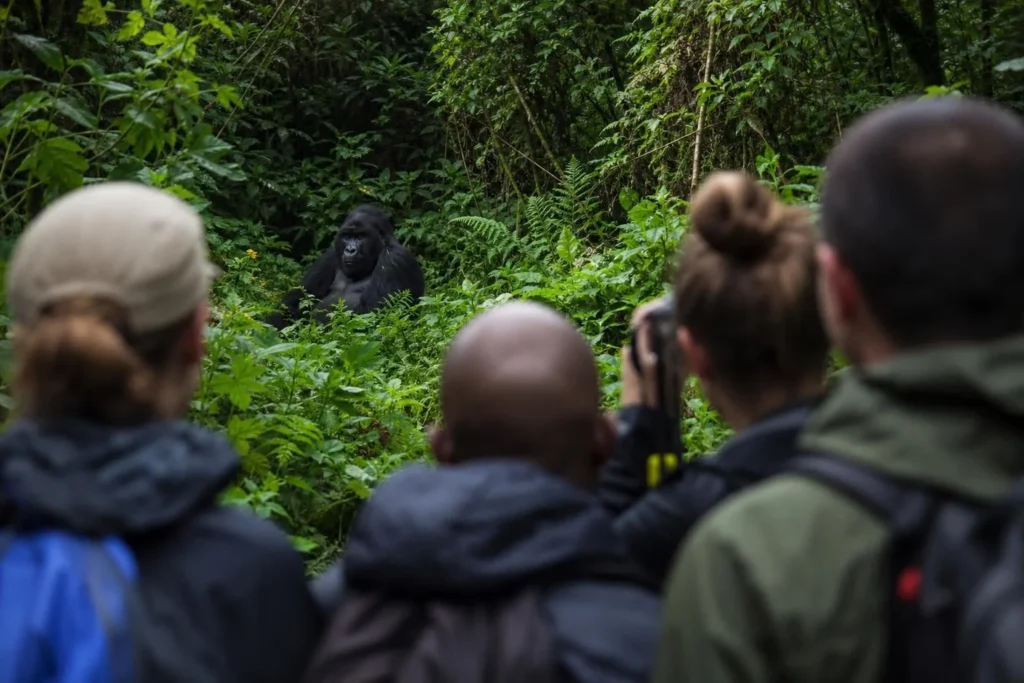
What Are the Rules for Gorilla Trekking in Uganda and Rwanda?
Gorilla trekking in Uganda and Rwanda is one of Africa’s most remarkable wildlife experiences, offering visitors an opportunity to observe endangered mountain gorillas in their natural forest habitat. Deep in the mist-covered mountains of Bwindi Impenetrable National Park and Mgahinga Gorilla National Park in Uganda, as well as Volcanoes National Park in Rwanda, these unforgettable encounters bring travellers close to some of the world’s most fascinating primates. However, What Are the Rules for Gorilla Trekking in Uganda and Rwanda? is an important question every visitor should consider before booking a safari. These guidelines are not simply formalities; they are essential conservation measures designed to protect mountain gorillas, reduce the risk of disease transmission, maintain visitor safety, and preserve the natural environment for future generations. Because mountain gorillas share many biological similarities with humans, even common illnesses can pose a serious threat to their health. Consequently, visitors must follow instructions from park authorities, guides, trackers, and rangers throughout the experience. Whether you are planning Uganda Safaris, Rwanda Safaris, Kenya Tours combined with a gorilla trekking extension, or wider East African Adventures, understanding the rules helps you prepare responsibly and enjoy your journey with confidence. At Frena Adventures Ltd, we believe that informed travellers make more respectful visitors. This guide explains the important regulations, visitor expectations, preparation tips, and practical differences to understand before embarking on What Are the Rules for Gorilla Trekking in Uganda and Rwanda?
What Are the Main Gorilla Trekking Rules in Uganda and Rwanda?
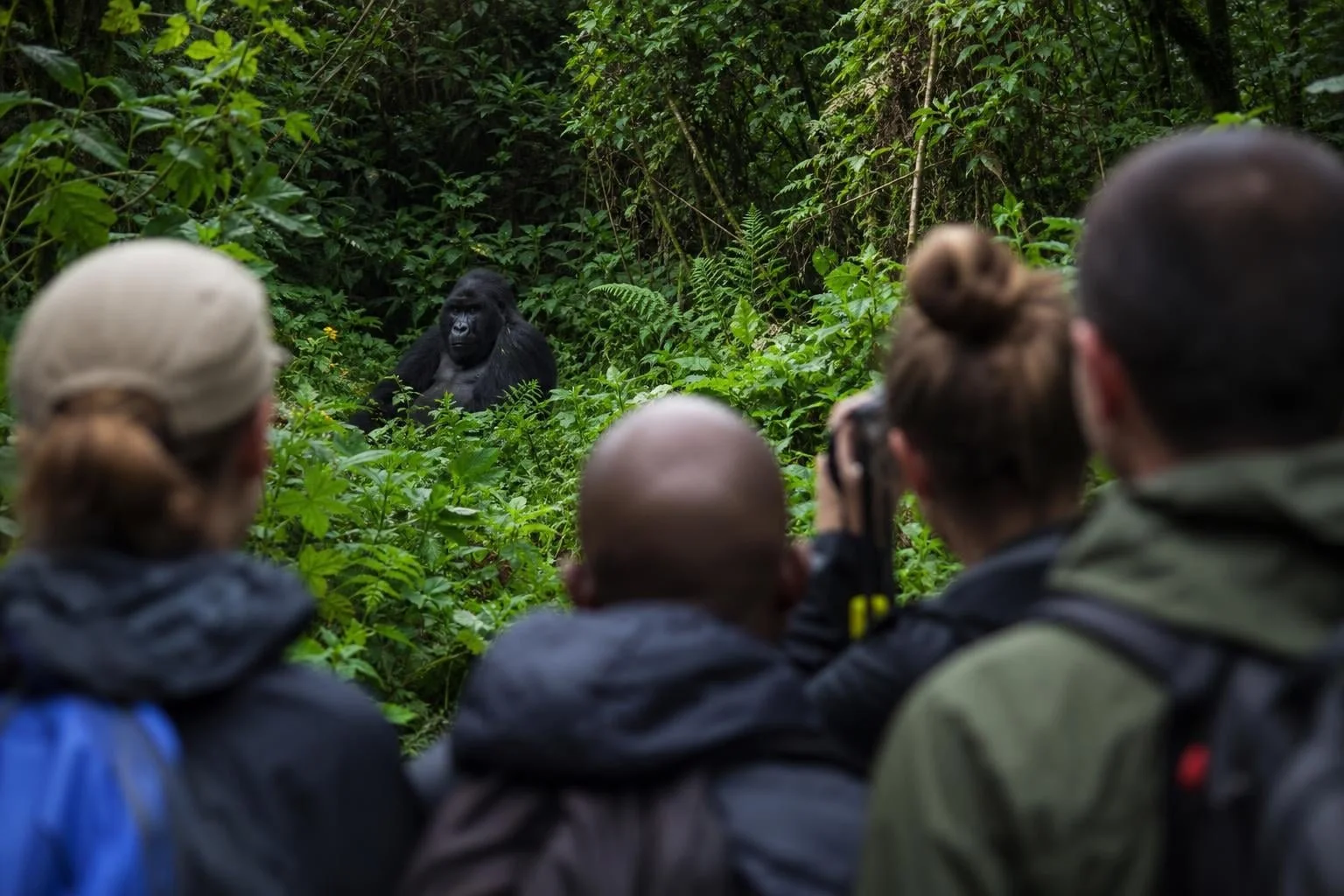
The main purpose of What Are the Rules for Gorilla Trekking in Uganda and Rwanda? is to help visitors understand how to behave before, during, and after meeting a mountain gorilla family. Although the two countries share many conservation principles, travellers should follow the current instructions issued by the relevant park authority rather than assume every detail is identical. In Uganda, trekking takes place in Bwindi Impenetrable National Park and Mgahinga Gorilla National Park under the management of the Uganda Wildlife Authority (UWA). Rwanda’s mountain gorilla trekking takes place in Volcanoes National Park, where the Rwanda Development Board oversees tourism activities. In both destinations, visitors attend a briefing before entering the forest, receive guidance from trained park personnel, and are assigned to a habituated gorilla family. The group must remain organised and follow the ranger’s directions throughout the walk. A maximum of eight visitors is generally permitted to visit a habituated gorilla family at a time, while the viewing period is limited to a maximum of one hour. These restrictions help reduce pressure on the animals and give them space to continue their natural activities. Visitors should also understand that the one-hour period is a maximum, not a guaranteed minimum: rangers may end an encounter earlier if the gorillas become unsettled or circumstances require it. Respecting these arrangements is central to responsible tourism and ensures that What Are the Rules for Gorilla Trekking in Uganda and Rwanda? is understood as a conservation experience, not simply an opportunity to take wildlife photographs.
Why Is the Minimum Age for Gorilla Trekking 15 Years?
One of the most important points in What Are the Rules for Gorilla Trekking in Uganda and Rwanda? concerns the minimum age requirement. Both destinations generally set the minimum age for mountain gorilla trekking at 15 years. This regulation reflects the demanding nature of the activity and the need for every participant to understand and follow instructions in a sensitive wildlife environment. Trekking routes can involve steep slopes, uneven ground, thick vegetation, slippery sections, and changing weather conditions. Participants must also remain calm, listen carefully to the ranger, and avoid behaviour that could disturb the gorillas. For families planning an East African holiday, this age restriction should be considered early, especially when combining Uganda Safaris or Rwanda Safaris with other family-friendly activities. A child who does not meet the minimum age may not be permitted to join the trek, even when accompanied by an adult. Any exceptional age-related arrangements should be confirmed directly with the responsible authority before travel; visitors should never assume that an exception will be granted. Frena Adventures Ltd can help travellers understand the applicable requirements when planning their itinerary, including suitable alternative activities for family members who cannot participate. Checking ages and travel documents before paying for a permit can prevent disappointment and help everyone enjoy an appropriately planned holiday. Ultimately, What Are the Rules for Gorilla Trekking in Uganda and Rwanda? includes age eligibility because protecting visitors and wildlife begins long before the actual forest walk.
How Close Can You Get to Mountain Gorillas?
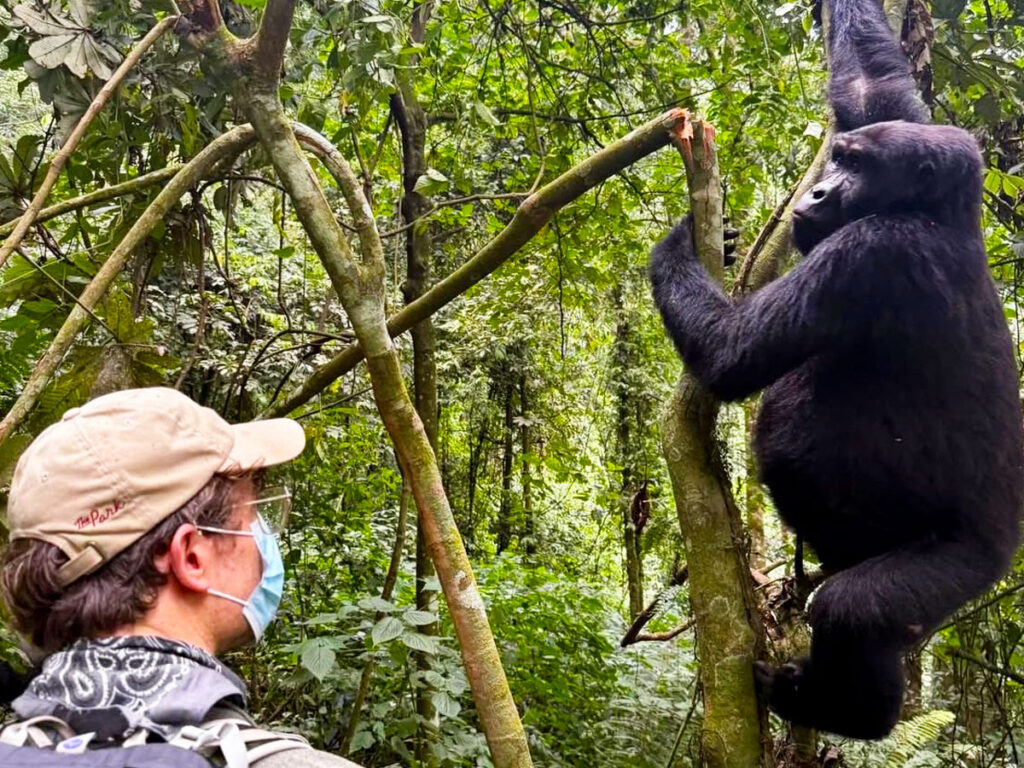
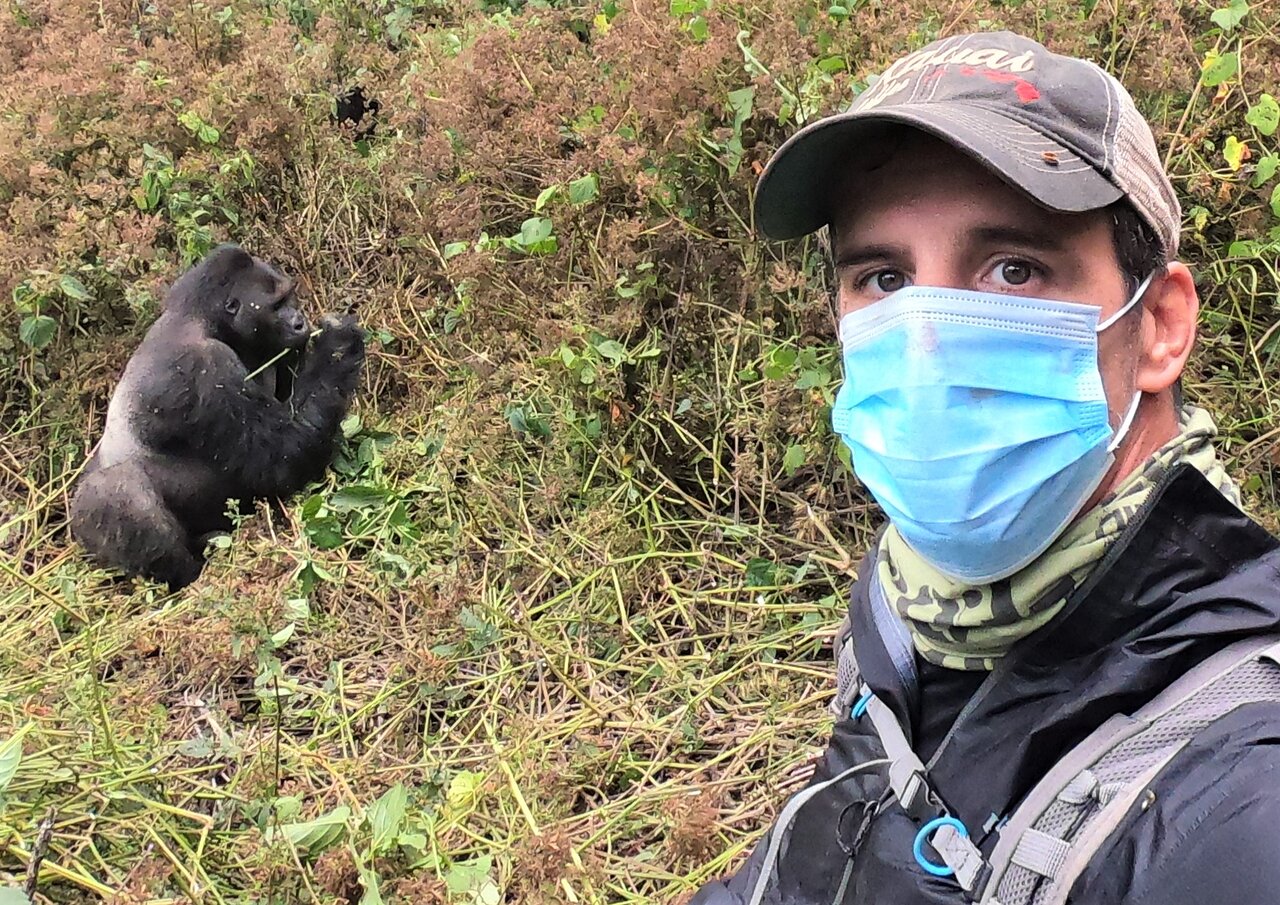
Distance is another essential subject when exploring What Are the Rules for Gorilla Trekking in Uganda and Rwanda? Visitors must respect the minimum viewing distance communicated by their park authority and ranger. Uganda Wildlife Authority’s July 2024 tracking guidelines specify a distance of 10 metres between visitors and gorillas. Some older tourism information refers to a shorter distance, which is why relying on outdated online advice can create confusion. Rwanda’s visitor guidance should likewise be confirmed through the current briefing and instructions at Volcanoes National Park. The important principle in both countries is to give gorillas adequate space and never deliberately approach them for a closer photograph. Mountain gorillas are wild animals, even though habituated families have become accustomed to the presence of carefully managed visitor groups. Their comfort and safety must remain the priority. Occasionally, a gorilla may move closer to the group; visitors should not reach out, attempt to touch it, or make sudden movements. Instead, remain calm and follow the ranger’s directions. A good photograph is never worth disturbing an animal or ignoring a safety instruction. Travellers should also avoid blocking the gorillas’ movement or positioning themselves in a way that causes unnecessary pressure. Understanding distance requirements makes What Are the Rules for Gorilla Trekking in Uganda and Rwanda? especially important for photographers and wildlife enthusiasts who want memorable images while supporting responsible conservation.
Can You Go Gorilla Trekking If You Are Sick?
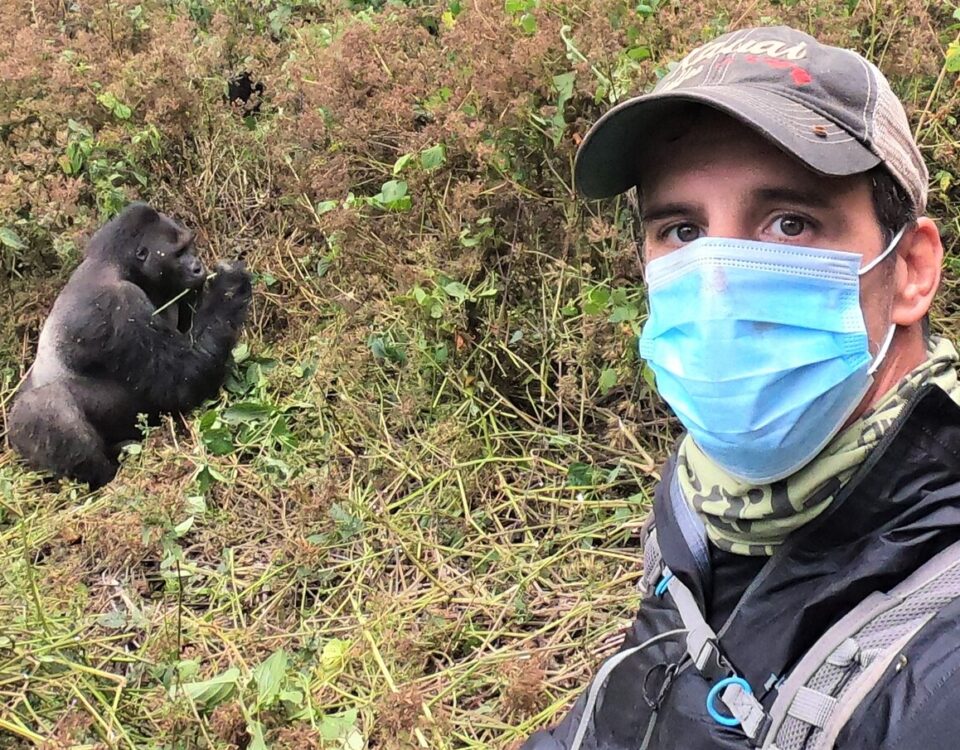
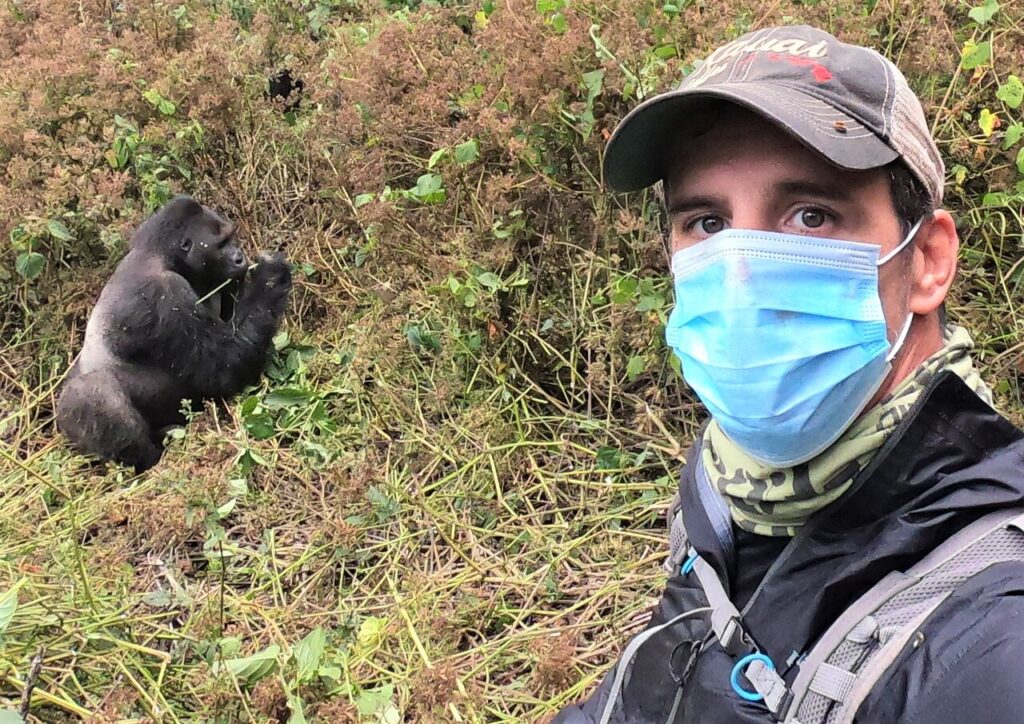
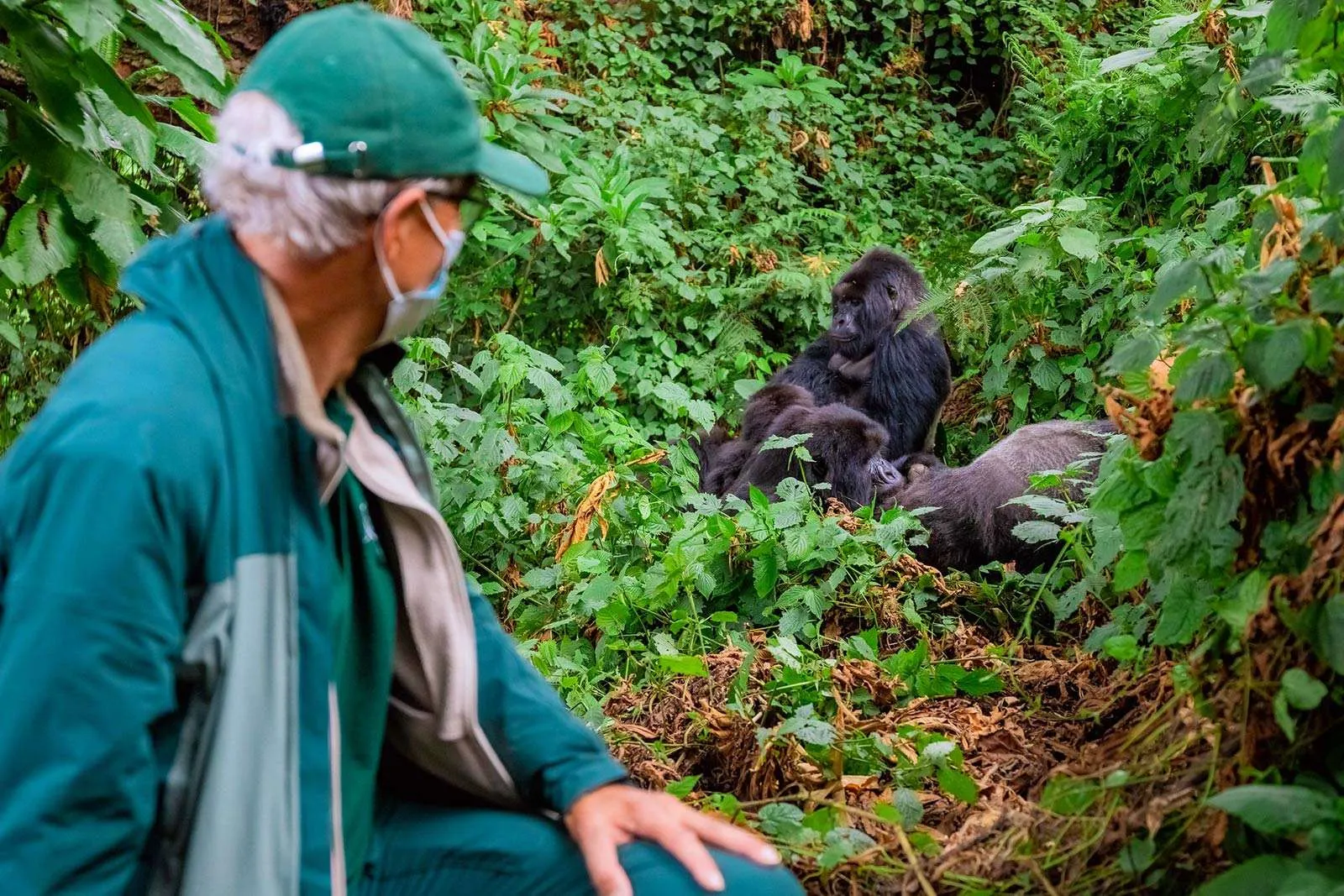
Health precautions are among the most serious parts of What Are the Rules for Gorilla Trekking in Uganda and Rwanda? Mountain gorillas are vulnerable to several human respiratory infections, including illnesses that may seem mild to a visitor. A common cold, cough, or flu-like infection can therefore create a significant risk for a gorilla family. For this reason, anyone who feels unwell or has symptoms of a contagious illness should inform the tour operator and park staff before the trek. Visitors who are sick may be prevented from joining the activity in order to protect the animals. This is not an inconvenience without purpose; it is a necessary conservation measure for a population that faces several environmental and health pressures. During the briefing, rangers may also remind visitors to wash or sanitise their hands and follow any current hygiene requirements, including mask instructions where applicable. If you need to cough or sneeze while near the gorillas, turn away from them and cover your mouth and nose as instructed. Avoid spitting in the forest, sharing food or drink containers, and leaving used tissues behind. Travellers should disclose relevant symptoms honestly rather than trying to continue with the activity. If you become unwell shortly before your scheduled trek, contact your tour operator promptly so that the available options can be checked with the park authority. These health measures demonstrate why What Are the Rules for Gorilla Trekking in Uganda and Rwanda? is closely connected to wildlife protection and responsible travel.
What Behaviour Is Expected When You Are With the Gorillas?
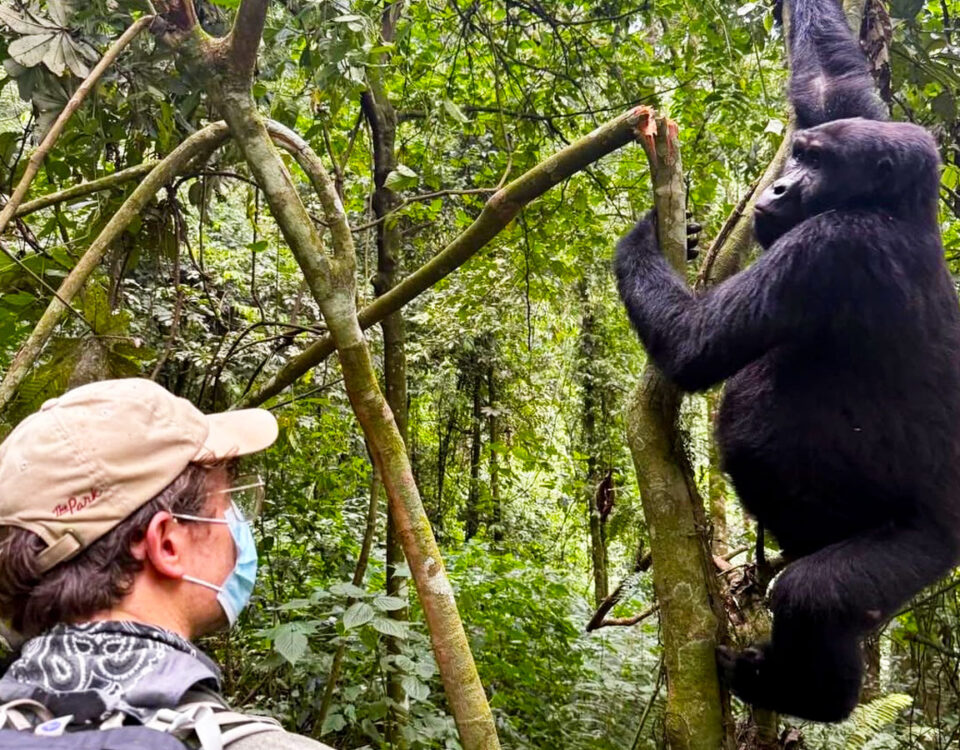
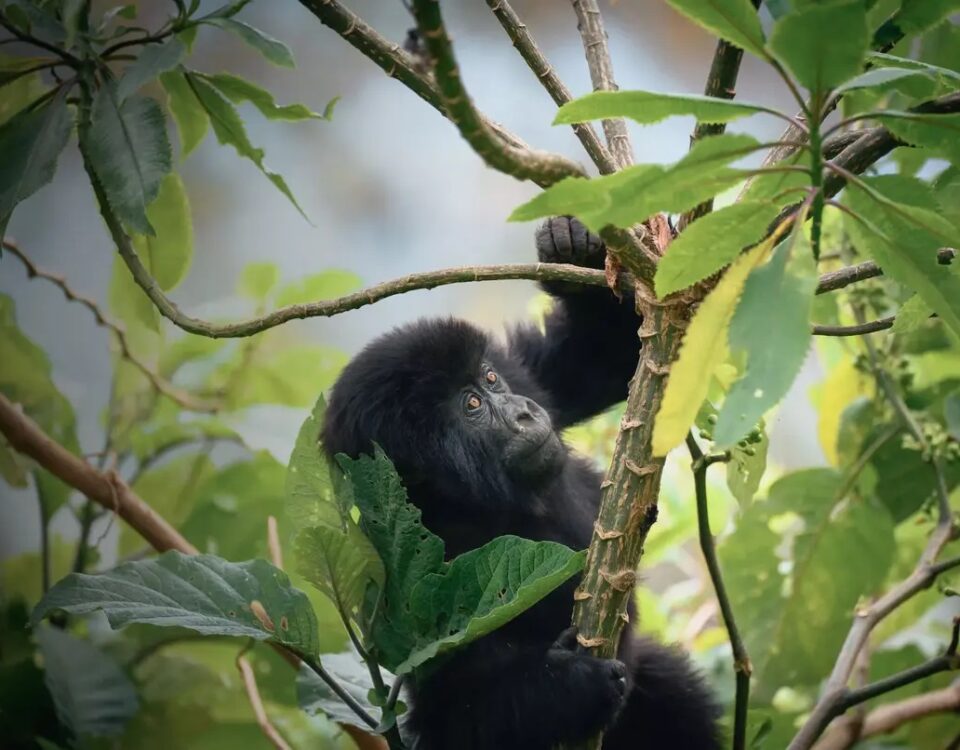
Once the gorilla family has been located, What Are the Rules for Gorilla Trekking in Uganda and Rwanda? becomes a practical guide to respectful behaviour. Visitors are expected to keep their voices low, avoid shouting, and move slowly without making sudden gestures. The trekking group should remain together and follow the lead of the ranger or guide. Loud noises and unexpected movements may disturb the animals, so conversations should be kept quiet and unnecessary activity avoided. Never attempt to touch a gorilla, even if a young one approaches out of curiosity or an animal passes close to you. Do not feed the gorillas, imitate their calls, throw objects, or try to attract their attention. Visitors should also avoid staring directly at a gorilla in a challenging manner. If an animal approaches, changes direction, or displays behaviour that concerns the group, do not try to interpret the situation independently. Instead, remain composed and follow the ranger’s instructions. In the unlikely event of a charge or sudden movement, the guide will direct visitors on how to respond safely. Running, screaming, or attempting to take a photograph during such a moment is not appropriate. The purpose of these guidelines is to minimise disturbance and allow the gorillas to behave naturally. By observing them quietly and patiently, travellers gain a more meaningful understanding of their family relationships, feeding habits, communication, and daily routines. Respectful conduct is therefore at the heart of What Are the Rules for Gorilla Trekking in Uganda and Rwanda?
Are Photography, Eating, Drinking and Smoking Allowed?
Photography is normally permitted during What Are the Rules for Gorilla Trekking in Uganda and Rwanda?, but visitors must observe strict restrictions. Flash photography is prohibited because sudden flashes can startle or disturb the gorillas. Before entering the forest, check that your camera or phone flash is switched off. Take pictures quietly, avoid sudden movements, and never move closer to an animal simply to improve a photograph. Your ranger may also ask you to put your camera away if the situation requires greater attention to safety or animal welfare. Eating, drinking, and smoking are not permitted when visitors are close to the gorillas. These restrictions help prevent food particles, waste, and other potential sources of contamination from entering the animals’ immediate environment. You may carry drinking water and a snack for the longer forest walk, but consume them away from the gorilla family and only when the guide indicates that it is appropriate. Smoking should not take place during the trek in the protected forest environment. Travellers should also avoid littering, including leaving food wrappers, plastic bottles, tissues, or other waste along the trail. A small waterproof bag can be useful for carrying personal rubbish until it can be disposed of properly. Good photography is about patience, preparation, and respect rather than getting as close as possible. Following these requirements allows visitors to enjoy the experience while ensuring that What Are the Rules for Gorilla Trekking in Uganda and Rwanda? supports conservation rather than interfering with it.
 What Happens During the Gorilla Trekking Briefing?
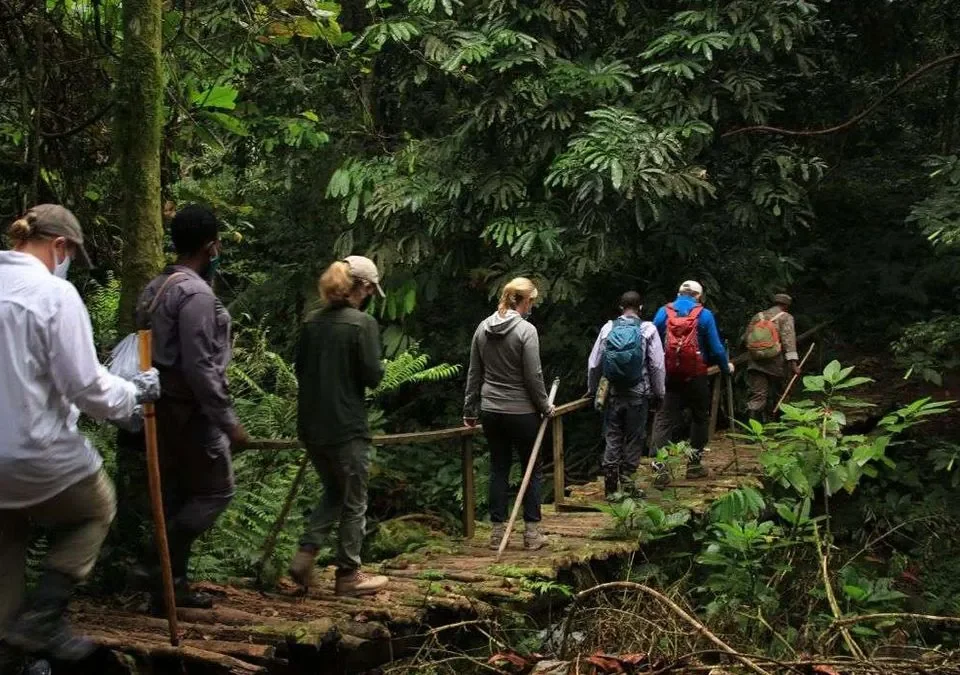
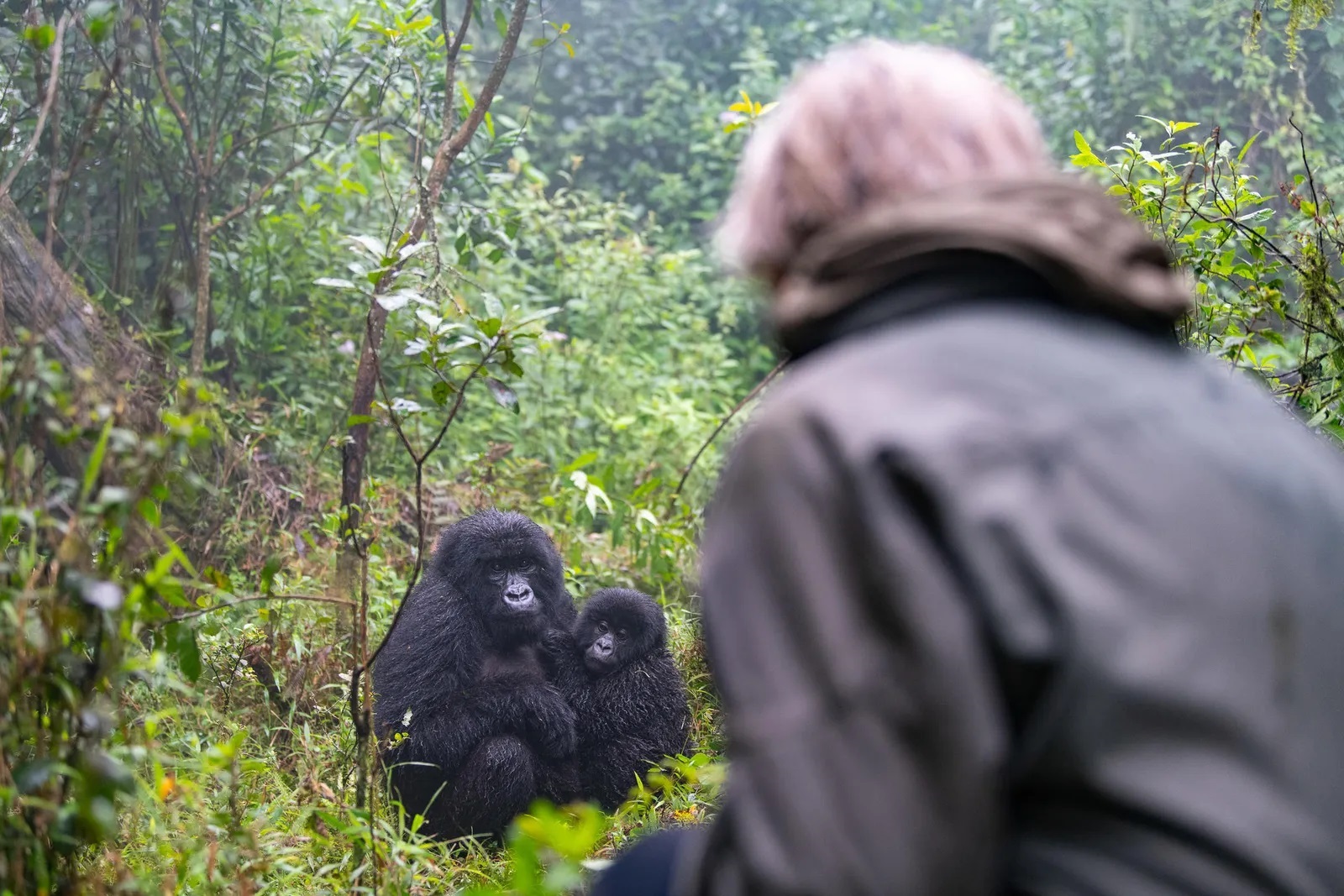
Before setting off, visitors participating in What Are the Rules for Gorilla Trekking in Uganda and Rwanda? attend a briefing conducted by park rangers or authorised personnel. This meeting explains the essential regulations, introduces the trekking arrangements, and prepares participants for the conditions they may encounter in the forest. Rangers normally explain how to behave around gorillas, the required viewing distance, the time limit, and the importance of remaining with the group. They also provide guidance on what to do if the gorillas approach, become unsettled, or move through thick vegetation. Visitors may be organised into groups according to the available gorilla families, fitness considerations, and operational arrangements. The walk itself can take different lengths of time because gorillas move freely through their natural habitat. Some groups may be found after a relatively short walk, while others require a longer hike over steep or muddy terrain. A ranger or tracker leads the way, using information about the gorillas’ recent movements to help locate the assigned family. Porters may be available to assist with carrying daypacks, although their availability and fees should be confirmed in advance. Listening carefully during the briefing is one of the simplest ways to make the trek safer and more enjoyable. Every visitor should feel free to ask relevant questions before entering the forest. Proper preparation is a central part of What Are the Rules for Gorilla Trekking in Uganda and Rwanda?, helping travellers understand what is expected before the memorable encounter begins.
What Are the Expectations in This Safari?
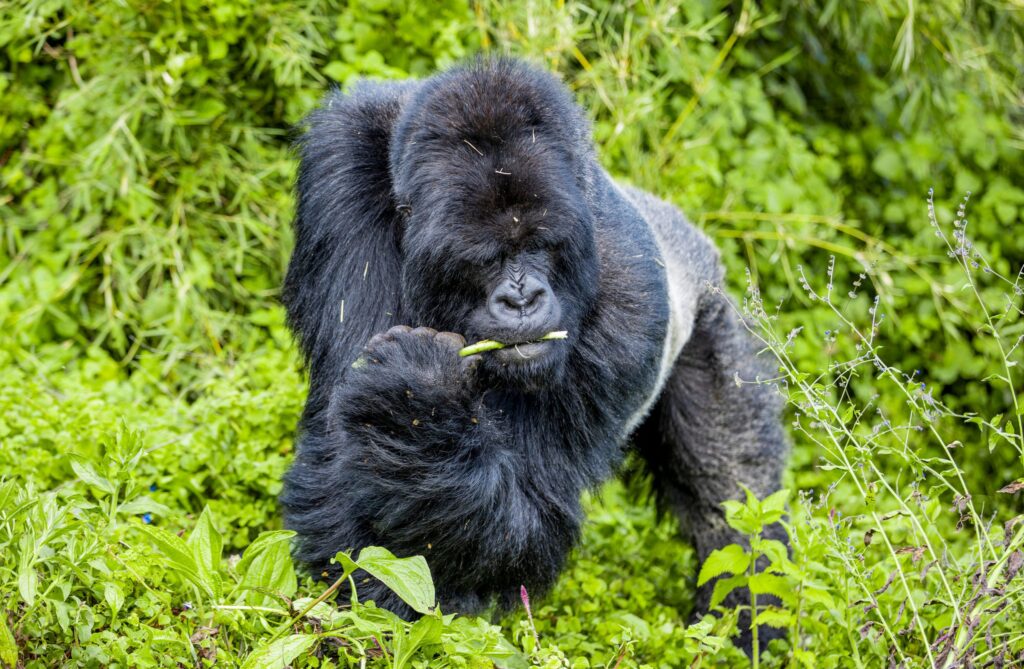
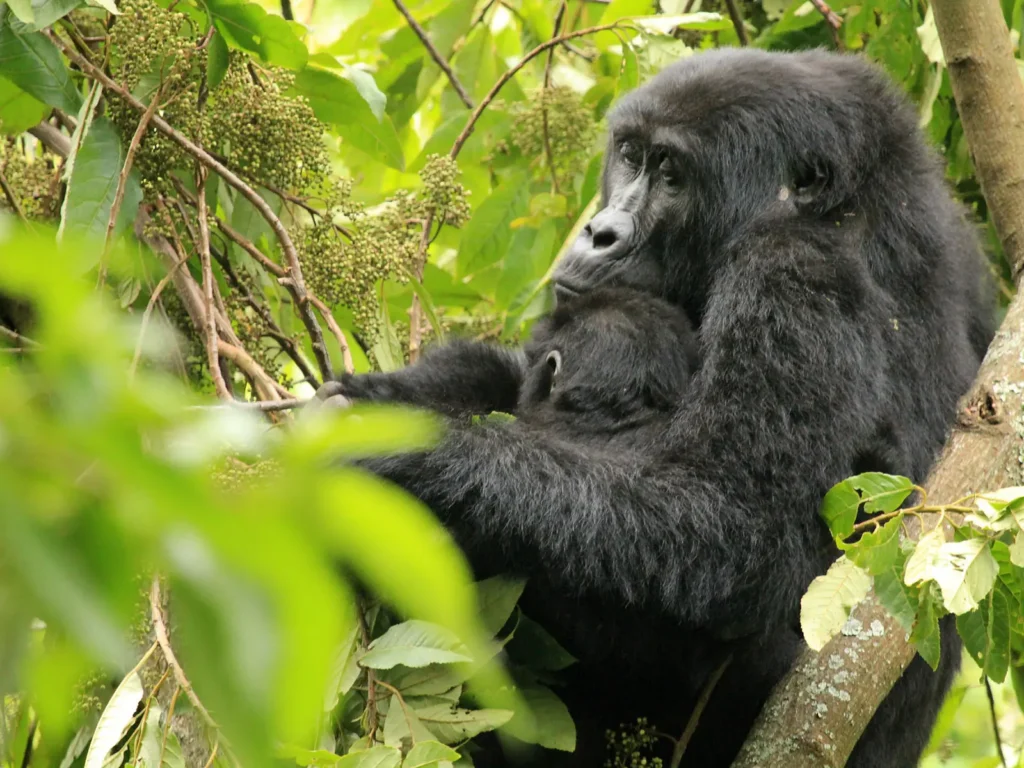
Travellers preparing for What Are the Rules for Gorilla Trekking in Uganda and Rwanda? should understand that the experience is an authentic forest adventure rather than a scheduled wildlife show. Mountain gorillas live freely in protected habitats, and their movements determine where the trekking group must walk. There is no fixed guarantee that every trek will involve the same walking distance, terrain, weather, or viewing conditions. Visitors should be ready for a hike that may include steep slopes, thick vegetation, damp paths, and changing temperatures. Once the gorillas are located, the group is normally allowed a maximum of one hour with the family, subject to the ranger’s assessment and any conservation or safety concerns. During this period, you may observe adults feeding, young gorillas playing, mothers caring for infants, and members of the family communicating with one another. The experience can be deeply rewarding, but it requires patience, flexibility, and respect for wildlife. Travellers should also expect an early start, a briefing, and a requirement to follow park procedures from beginning to end. In Uganda, the trekking experience takes place in the forest landscapes of Bwindi or Mgahinga, while Rwanda’s experience is centred on Volcanoes National Park. Both destinations offer distinctive scenery and opportunities to appreciate mountain gorilla conservation. A well-planned itinerary through Frena Adventures Ltd can help visitors prepare for the practical arrangements while keeping realistic expectations. Ultimately, What Are the Rules for Gorilla Trekking in Uganda and Rwanda? helps ensure that the adventure is enjoyable without compromising the welfare of the gorillas.
When Is the Best Time for This Safari?
Choosing when to travel is an important consideration when organising What Are the Rules for Gorilla Trekking in Uganda and Rwanda? Gorilla trekking is available throughout the year in both destinations, so visitors do not have to wait for a particular wildlife migration or seasonal event. Nevertheless, weather conditions can influence the experience. The relatively drier periods are often preferred by travellers because forest paths may be less muddy and hiking conditions can be more manageable. In Uganda, these periods commonly fall around June to September and December to February, although rainfall patterns vary and showers can occur at any time. Rwanda also experiences relatively drier periods around June to September and December to February. The wetter months can bring slippery trails and more challenging walking conditions, but the forest remains beautiful, and gorilla trekking continues according to park operations. No season guarantees an easy hike because the gorillas move through mountainous habitats and the length of the trek depends on their location. Visitors should therefore choose dates based on their wider travel schedule, comfort with changing weather, and permit availability. Since permits are limited, booking early is advisable, particularly for popular travel periods. Travellers combining gorilla trekking with Kenya Tours, Kenya Adventures, or broader Kenya Safaris can also plan their regional itinerary around flight connections and the time needed in each destination. Frena Adventures Ltd can help coordinate the travel arrangements and explain seasonal considerations when preparing a suitable itinerary. For What Are the Rules for Gorilla Trekking in Uganda and Rwanda?, the best time is ultimately one that allows you to travel responsibly, prepare properly, and enjoy the forest under the prevailing conditions.
Does Rainfall Affect Mountain Gorilla Sightings?
What Should You Pack for Gorilla Trekking?
Packing appropriately makes What Are the Rules for Gorilla Trekking in Uganda and Rwanda? easier to follow and the forest walk more comfortable. Start with sturdy, comfortable hiking boots that provide good grip and ankle support, as trails can be uneven, muddy, or slippery. Long trousers and a long-sleeved shirt help protect your skin from vegetation, insects, and scratches while walking through the forest. A lightweight waterproof jacket is useful because rain can occur even during months that are generally considered drier. Gardening-style gloves may help protect your hands when moving through vegetation, while a walking stick can provide additional support on steep sections if permitted and provided through the trekking arrangements. Carry a small daypack with drinking water, personal medication, insect repellent, sunscreen, and a few essential personal items. A hat can be useful in exposed areas, while a light sweater may provide warmth during cool mornings. Visitors who intend to take photographs should bring a camera or phone with sufficient battery power and ensure that the flash is disabled. A waterproof bag or protective cover can help keep electronic equipment dry. Pack only what you can comfortably carry, or arrange for a porter if you would like assistance with your daypack. Remember that snacks and water should only be consumed away from the gorillas and in accordance with ranger instructions. Most importantly, bring your permit or the required booking documentation and arrive at the briefing point on time. A carefully prepared packing list supports a smoother experience and helps you observe What Are the Rules for Gorilla Trekking in Uganda and Rwanda? without unnecessary difficulty.
Why Choose Frena Adventures Ltd for This Particular Safari?
Planning What Are the Rules for Gorilla Trekking in Uganda and Rwanda? involves more than selecting a national park and securing a permit. Travellers must consider transport, accommodation, trekking location, travel dates, fitness requirements, park procedures, and connections between destinations. Frena Adventures Ltd aims to make these arrangements clearer by helping visitors understand the choices available and prepare an itinerary that reflects their interests, schedule, and budget. Whether you are interested in trekking in Uganda, exploring Rwanda’s Volcanoes National Park, or combining a gorilla experience with other East African destinations, careful planning can make the journey more organised. Our approach places importance on clear communication, practical travel information, responsible wildlife viewing, and respect for the regulations established by the relevant authorities. Before departure, travellers should receive guidance on permit arrangements, what to pack, expected trekking conditions, and the importance of following ranger instructions. We also encourage visitors to ask questions about accommodation, transfers, and the general structure of their safari so that they understand what has been arranged. Gorilla trekking permits are limited and subject to official availability and conditions, so early planning is strongly recommended. Frena Adventures Ltd does not replace the authority of park rangers or wildlife agencies; rather, our role is to help travellers prepare and understand the experience. By combining thoughtful itinerary planning with reliable information, we want visitors to appreciate the natural beauty of East Africa while contributing to responsible tourism. Choosing a safari provider should always involve checking the details of the proposed arrangements and asking for clear information. That is an important part of preparing for What Are the Rules for Gorilla Trekking in Uganda and Rwanda?
How Can Visitors Support Gorilla Conservation?
Beyond following the immediate visitor regulations, What Are the Rules for Gorilla Trekking in Uganda and Rwanda? also highlights the responsibility travellers have towards long-term wildlife conservation. Mountain gorillas face threats that include habitat pressure, disease, and other human-related challenges. Responsible tourism helps support the protection of their natural environment and encourages the continued involvement of communities living around protected areas. Visitors can contribute by respecting park boundaries, avoiding activities that damage vegetation, and ensuring that all rubbish is carried out of the forest. Choosing responsible accommodation and tourism services can also help strengthen the local economy. Porters, guides, drivers, lodge employees, craft makers, and other community members all contribute to the wider tourism experience. Where porter services are available, hiring one can provide practical assistance during the hike while supporting a local livelihood. Travellers should also respect local customs, listen to community guides, and seek permission before photographing people. Most importantly, visitors should remember that gorilla trekking is a privilege made possible through ongoing conservation work. The gorillas are not there for human entertainment; they are wild animals whose welfare must come first. By observing the rules, visitors become part of a tourism system that values wildlife protection and community participation. This responsible attitude makes What Are the Rules for Gorilla Trekking in Uganda and Rwanda? more than a travel question: it becomes an invitation to explore Africa thoughtfully and leave a positive contribution.
What Are the Rules for Gorilla Trekking in Uganda and Rwanda?
Final Thoughts: Why Should You Understand the Rules Before Travelling?
Understanding What Are the Rules for Gorilla Trekking in Uganda and Rwanda? is one of the most important steps towards preparing for a successful mountain gorilla safari. From meeting the minimum age requirement and observing health precautions to respecting viewing distances, avoiding flash photography, and following ranger instructions, every regulation has a conservation purpose. Uganda and Rwanda provide exceptional opportunities to encounter mountain gorillas in their natural habitats, but visitors must remember that these are protected wildlife environments with specific requirements. A well-prepared traveller is more likely to appreciate the experience, respond appropriately to guidance, and avoid preventable difficulties during the trek. Whether you choose Bwindi Impenetrable National Park, Mgahinga Gorilla National Park, or Volcanoes National Park, responsible behaviour should remain central to your journey. Frena Adventures Ltd encourages visitors to plan ahead, confirm the latest requirements with the relevant authorities, and approach the experience with patience and respect. For travellers considering a wider East African holiday, gorilla trekking can also complement Kenya Tours, Kenya Adventures, and Kenya Safaris, creating an opportunity to discover the region’s remarkable wildlife and landscapes. Ultimately, the greatest reward is not simply seeing a mountain gorilla at close range; it is knowing that your visit respected the animals and the conservation efforts that protect them.
About Frena Adventures Ltd
Frena Adventures Ltd is committed to sharing useful travel information and helping visitors explore Africa through thoughtfully planned safari experiences. We believe that responsible tourism begins with preparation, honest information, and respect for the people, wildlife, and natural environments that make every destination special. Our aim is to help travellers make informed decisions as they discover Uganda, Rwanda, Kenya, and other remarkable African destinations.