Are Porters Available to Assist Visitors During Gorilla Trekking?
November 13, 2026
What Are the Rules for Gorilla Trekking in Uganda and Rwanda?
November 13, 2026
What Happens If You Cannot Complete Your Gorilla Trekking Hike?
What happens if you cannot complete your gorilla trekking hike after entering the forest in search of mountain gorillas? This is an important question for anyone planning a gorilla safari in Uganda or Rwanda, particularly visitors who are concerned about their physical fitness, walking endurance, mobility or the unpredictable nature of rainforest terrain. Gorilla trekking is one of Africa’s most extraordinary wildlife experiences, offering an opportunity to encounter endangered mountain gorillas in their natural habitat. However, unlike a conventional wildlife drive, this adventure involves walking through forests where trails may be steep, muddy, slippery or covered with thick vegetation. The distance and duration are not always predictable because gorilla families move freely through their natural environment. Although many visitors complete their treks successfully, there are situations in which someone may become too tired, experience discomfort, encounter difficulty with the terrain or decide that continuing is no longer appropriate. Such circumstances should not automatically be viewed as a failed safari. Visitor wellbeing is important, and park personnel are responsible for providing guidance according to the established procedures and conditions. Depending on the location, available support and the visitor’s circumstances, assistance or alternative arrangements may be considered. At Frena Adventures Ltd, we believe that travellers should understand the possible challenges before beginning their journey. This guide explains what happens if you cannot complete your gorilla trekking hike, what support may be available, how to prepare and what to consider when planning a comfortable and responsible African wildlife adventure.
Why Might Someone Be Unable to Complete a Gorilla Trekking Hike?
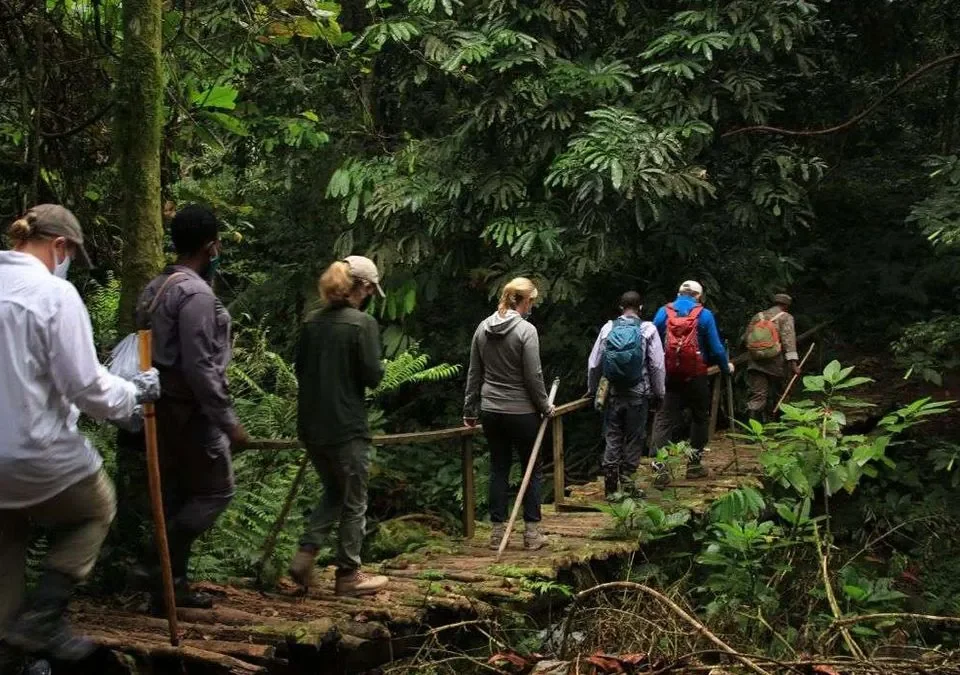
What happens if you cannot complete your gorilla trekking hike because the forest conditions are more demanding than expected? Several factors can influence a visitor’s ability to finish the journey. One of the most common challenges is the natural terrain. Mountain gorillas live in forested and mountainous environments where walking routes may include steep slopes, uneven ground, exposed tree roots, rocks and thick vegetation. Rainfall can make certain sections muddy and slippery, requiring additional care when walking. Another factor is the location of the gorilla family. Since these animals move naturally through their habitat, some groups may be relatively close to the starting point while others may require several hours of walking to reach. Consequently, visitors cannot always know the exact distance or duration before entering the forest. Physical endurance also plays an important role. Someone who is not accustomed to prolonged walking may become tired earlier than expected, especially when the route involves repeated uphill and downhill sections. In addition, altitude can influence how physically demanding an activity feels, particularly for travellers who are not accustomed to higher elevations. Weather conditions, inadequate footwear, carrying heavy luggage and insufficient preparation may create further difficulties. Personal health and mobility should also be considered because existing limitations can affect balance, stamina and comfort. Understanding these factors helps visitors make realistic decisions before booking. What happens if you cannot complete your gorilla trekking hike because of one of these challenges? The appropriate response depends on the circumstances, the visitor’s condition and the assistance available at the particular trekking destination.
What Should You Do If You Become Too Tired During the Trek?
What happens if you cannot complete your gorilla trekking hike because you begin feeling exhausted halfway through the forest? The most important step is to communicate immediately with your authorised park ranger or guide. Visitors should never feel pressured to continue walking when they are experiencing significant fatigue or discomfort. Rangers are familiar with the trekking environment and can assess the situation while explaining the available options according to park procedures. In some circumstances, a short rest may be sufficient to help a visitor recover before deciding whether to continue. Taking a break, drinking water and adjusting the walking pace may make the remaining journey more manageable, depending on the individual’s condition and the route. However, if the visitor feels unable to continue safely, the ranger should be informed so that appropriate assistance can be considered. It is important not to leave the trekking group independently or attempt to find an alternative route without permission. Forest environments can be difficult to navigate, and visitors should remain under the direction of authorised personnel. Furthermore, anyone experiencing concerning physical symptoms should explain them clearly rather than attempting to hide the problem. The guide can then follow the relevant procedures and determine whether the visitor should return or receive further support. What happens if you cannot complete your gorilla trekking hike after taking a rest? Continuing is not compulsory if doing so would be unsafe. The priority should always be to protect the visitor’s wellbeing while following the instructions of the park authorities.
Can Park Rangers Help You Return From the Forest?
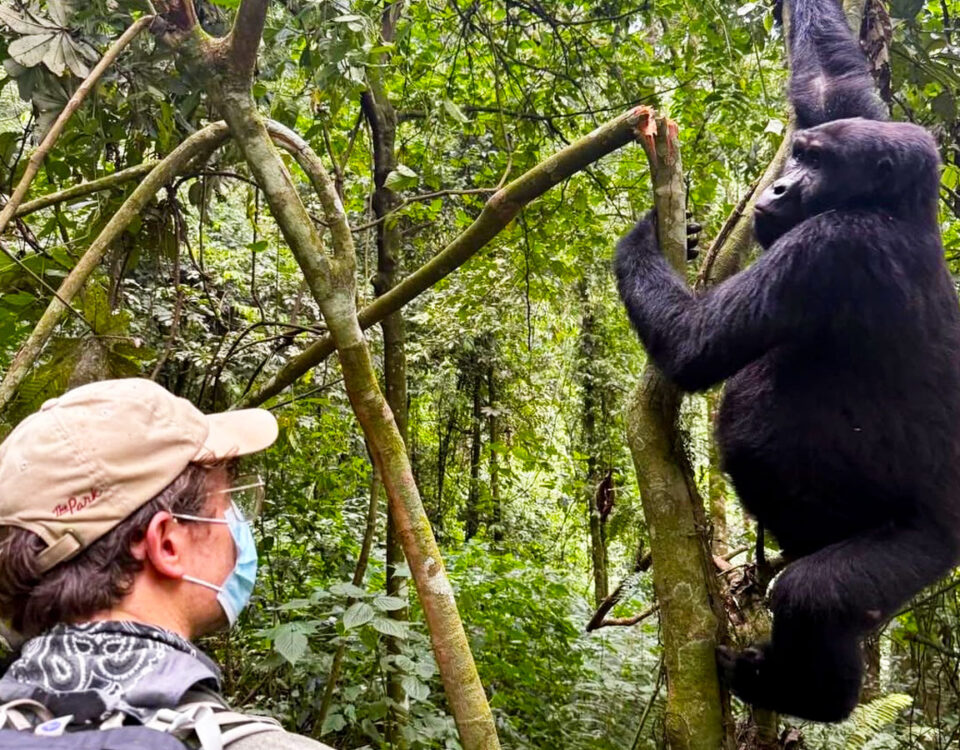
What happens if you cannot complete your gorilla trekking hike and need to return before reaching the gorilla family? Park rangers and authorised guides are the appropriate people to inform because they supervise the trekking activity and understand the established procedures for managing visitors within the forest. Their responsibilities include leading the group, providing instructions and helping visitors follow the park’s safety and conservation guidelines. If someone becomes unable to continue, the ranger can assess the situation and coordinate the appropriate response. Depending on the visitor’s condition, the location and the park’s operating procedures, this may involve arranging for the person to return with suitable assistance. The exact arrangements cannot be guaranteed in advance because forest conditions, staffing, distance and the nature of the problem vary. In some situations, another member of the authorised team may be required to accompany the visitor while the rest of the group continues, where park procedures allow. Other circumstances may require additional support or a different response. Visitors should understand that rangers must consider the safety of everyone involved, including other trekkers and the personnel assisting them. Therefore, the process may take time, especially when the group is deep inside the forest. What happens if you cannot complete your gorilla trekking hike and need help returning? Remain calm, communicate clearly and follow the ranger’s directions. Never attempt to walk back alone or separate yourself from the authorised team.
Are Porters Available If You Cannot Complete Your Gorilla Trekking Hike?
What happens if you cannot complete your gorilla trekking hike because walking through the forest becomes too difficult? Porter services may provide useful assistance, although it is important to understand their actual responsibilities. At many gorilla trekking destinations in Uganda and Rwanda, local porters can be hired to carry backpacks, water bottles, cameras and other personal belongings. Their assistance reduces the weight visitors need to carry and can make walking more comfortable. Some porters may also offer limited support on difficult sections of the trail, depending on the circumstances and the assistance agreed upon. However, ordinary porter services are not automatically designed to transport visitors who can no longer walk. Travellers should not assume that hiring a porter guarantees that they can be carried out of the forest if they become unable to continue. In certain Ugandan trekking locations, specialised carrying arrangements, commonly known as sedan-chair services, may be available for visitors with significant mobility limitations. These arrangements generally require advance planning, confirmation from park authorities, availability of a trained carrying team and additional payment. They should not be confused with ordinary backpack-carrying services. Anyone who believes they may need such assistance should discuss the matter before travelling. What happens if you cannot complete your gorilla trekking hike and need more than a porter carrying your bag? Inform your safari operator and seek confirmation from the relevant park authorities about suitable specialised arrangements before the trekking date.
What Happens If You Have to Turn Back Before Seeing the Gorillas?
What happens if you cannot complete your gorilla trekking hike and return without encountering the mountain gorillas? This possibility is worth understanding before purchasing a trekking permit. Gorilla trekking takes place in a natural environment, and reaching the assigned gorilla family requires visitors to follow the route determined by the trackers and park personnel. If a visitor becomes unable to continue, the ranger may arrange for that person to return according to the applicable procedures. In such a situation, the visitor may miss the gorilla viewing experience even though the trekking group continues and successfully locates the animals. Whether any refund, replacement permit or alternative arrangement is available depends on the official permit conditions and the specific circumstances. Visitors should not assume that an incomplete trek automatically qualifies for a refund or another gorilla encounter. Permit policies may distinguish between an ordinary decision to stop, a medical or safety-related situation and other exceptional circumstances. Therefore, anyone who experiences difficulty should ask the safari operator or park authority about the official procedure rather than relying on information from other travellers. Travellers should also understand that gorilla sightings cannot be guaranteed in exactly the same way as scheduled activities because the animals move freely. What happens if you cannot complete your gorilla trekking hike and miss the encounter? Although disappointing, your wellbeing remains more important than reaching the gorillas at any cost. A responsible safari should always place safety and conservation above the desire to complete a particular activity.
What Are the Expectations in This Safari?
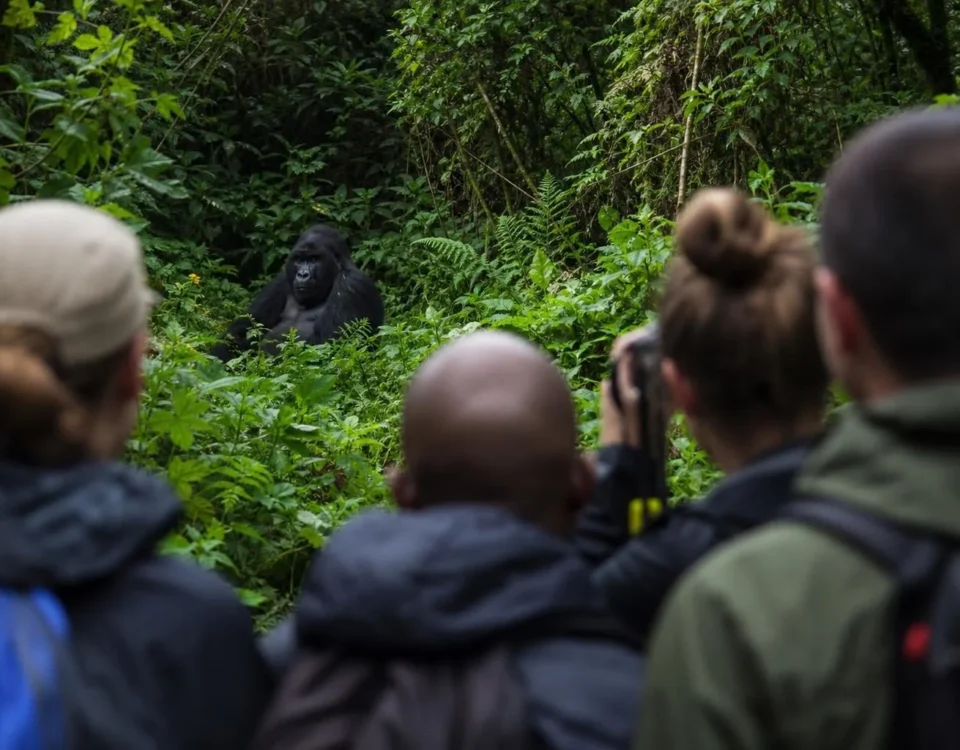
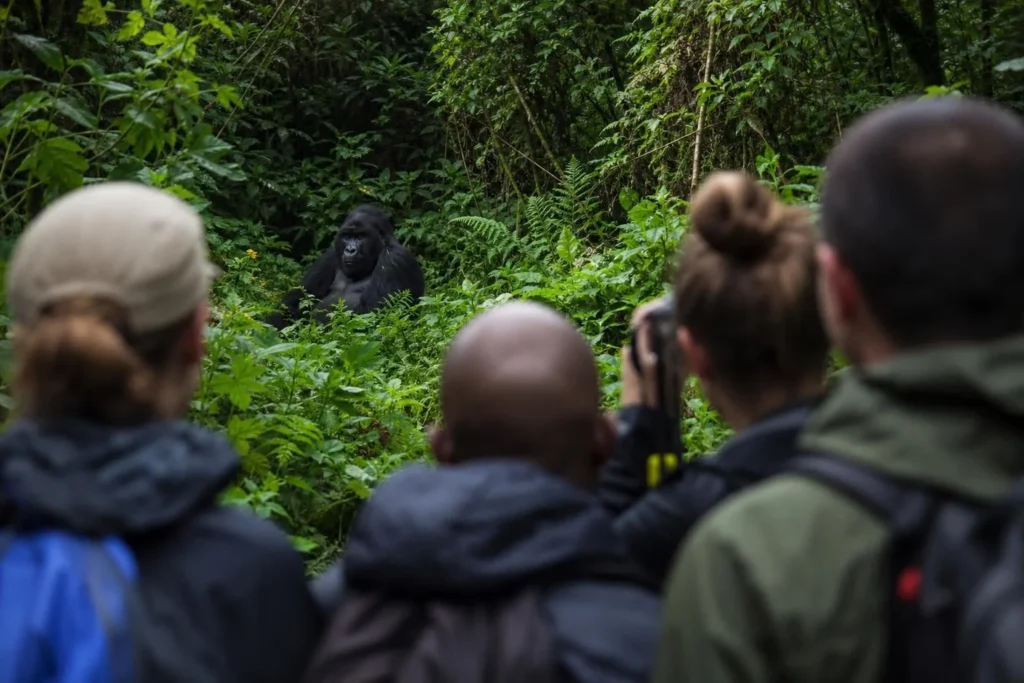
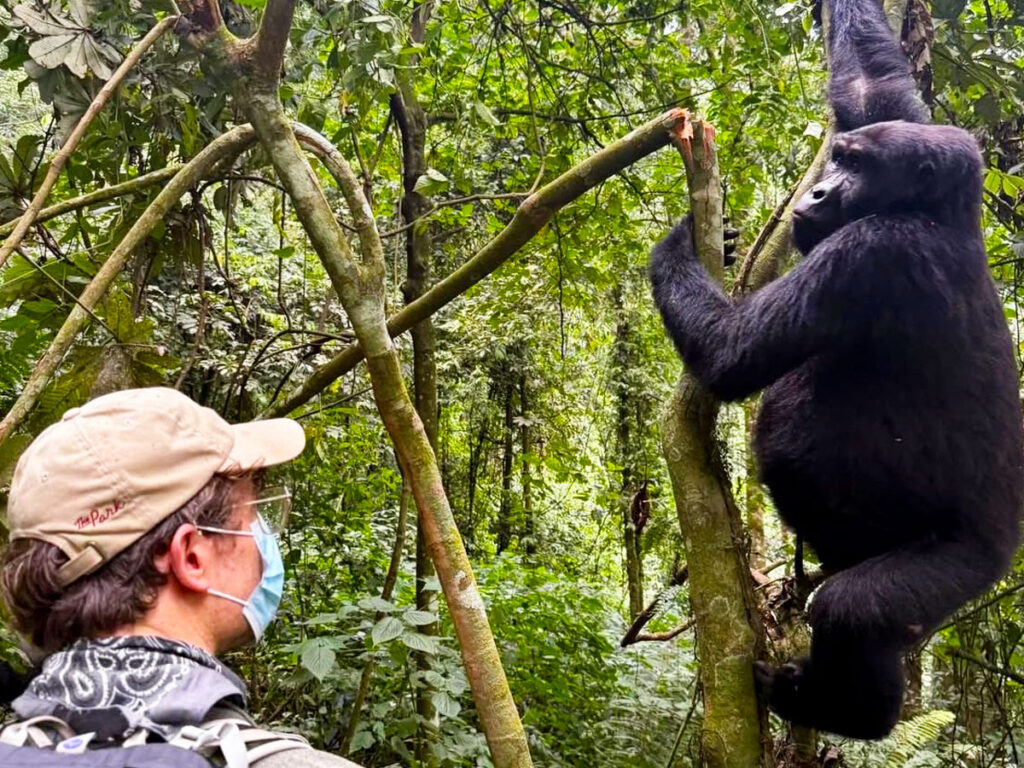
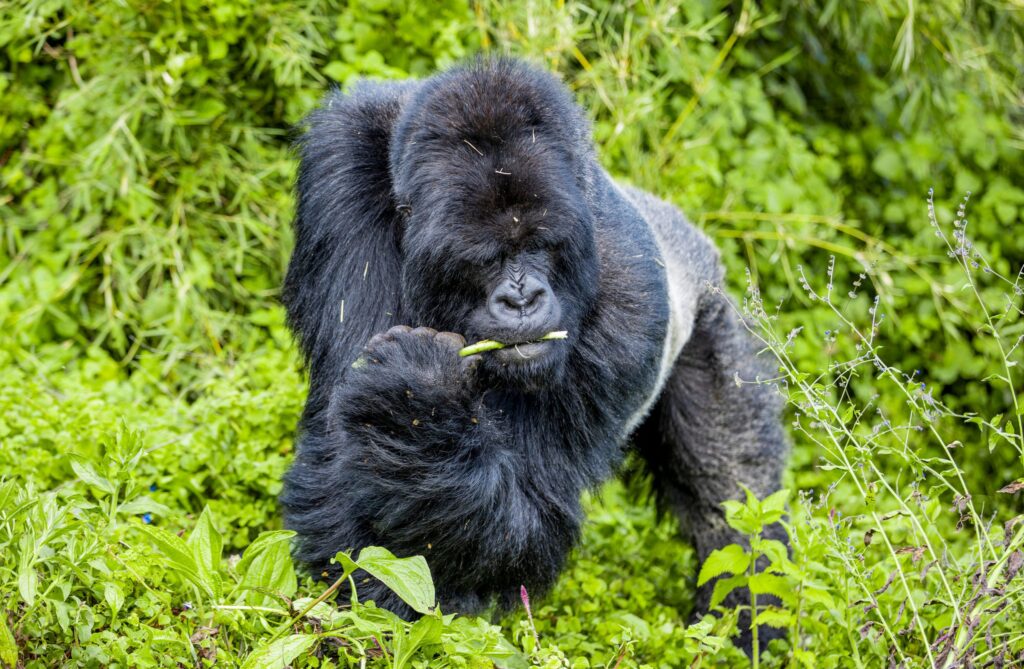
What happens if you cannot complete your gorilla trekking hike after discovering that the actual experience is different from what you expected? Knowing how a typical trekking day works can help you prepare and make better decisions. The activity generally begins early in the morning at the designated park headquarters, where visitors register and attend a briefing from authorised park personnel. During this session, rangers explain the trekking procedures, conservation rules, safety precautions and expected behaviour around mountain gorillas. Visitors are then assigned to groups according to the park’s arrangements and available gorilla families. After the briefing, participants enter the forest accompanied by guides and trackers who help locate the assigned group. The walking period varies considerably because the gorillas move through their natural habitat. Some visitors may reach them after a relatively short walk, while others may spend several hours navigating uneven and sometimes steep terrain. Along the way, trekkers may observe beautiful forest vegetation, birdlife and other signs of wildlife. Once the gorillas are located, standard habituated gorilla trekking generally provides a one-hour viewing period, subject to the applicable park regulations. During this time, visitors can observe the animals feeding, resting, grooming and interacting naturally. Rangers supervise the encounter and ensure that visitors follow the required conservation guidelines. After the viewing session, the group returns from the forest. What happens if you cannot complete your gorilla trekking hike during any part of this programme? You should inform the ranger immediately and follow the guidance provided. Understanding that the activity involves unpredictable walking conditions helps visitors prepare realistic expectations and avoid unnecessary pressure.
How Can You Reduce the Risk of Failing to Complete Your Trek?
What happens if you cannot complete your gorilla trekking hike because you did not prepare adequately? Although no amount of preparation can guarantee an easy journey, several practical steps can improve your comfort and ability to manage the forest conditions. Begin by developing general walking endurance before travelling. Regular walks, gentle uphill routes and gradually increasing the time spent walking can help your body become more accustomed to sustained activity. Visitors who rarely exercise should start slowly rather than attempting demanding workouts shortly before the safari. Choosing appropriate footwear is equally important. Comfortable hiking boots with good grip and suitable ankle support can make movement easier on uneven and slippery ground. Practising with the footwear before the trekking date also helps identify discomfort early. In addition, avoid carrying unnecessary weight because heavy backpacks can increase fatigue. Hiring a porter to carry personal belongings may be useful, particularly for visitors who are concerned about endurance. Staying hydrated, eating balanced meals and getting sufficient rest before the excursion can also support general comfort. Anyone with a health condition or uncertainty about strenuous physical activity should seek advice from a qualified healthcare professional before participating. Another important step is communicating honestly with the safari operator about your walking ability and mobility requirements. This allows relevant questions about trekking sectors, assistance services and accommodation to be addressed before booking. What happens if you cannot complete your gorilla trekking hike despite preparing carefully? Unexpected challenges can still occur, so preparation should always be combined with flexibility and a willingness to follow the ranger’s instructions.

What Happens If You Cannot Complete Your Gorilla Trekking Hike?
When Is the Best Time for This Safari?
What happens if you cannot complete your gorilla trekking hike because the trails are particularly muddy or slippery? Weather conditions can influence the walking experience, making seasonal planning useful for visitors who are concerned about physical difficulty. Gorilla trekking in Uganda and Rwanda takes place throughout the year, subject to permit availability and park regulations. However, the periods commonly considered relatively drier are June to September and December to February. During these months, some forest trails may be less muddy than during wetter periods, although rainfall can occur at any time in tropical rainforest environments. For visitors who find uneven surfaces difficult, potentially drier conditions may make certain sections easier to navigate. The wetter periods generally include March to May and October to November, when heavier rainfall can make some routes more slippery. Nevertheless, every season has its own attractions, and the forest remains beautiful throughout the year. It is also important to remember that weather alone does not determine trekking difficulty. The location of the gorilla family, elevation, vegetation and individual fitness can all influence how demanding the journey becomes. Visitors should therefore avoid assuming that booking during a drier month guarantees a short or easy trek. What happens if you cannot complete your gorilla trekking hike during the rainy season? The same safety procedures apply, and rangers should be informed if you experience difficulty. Choosing suitable travel dates, wearing protective clothing and preparing for changing weather can help make the experience more manageable.
What to Pack for Gorilla Trekking to Avoid Unnecessary Difficulties
What happens if you cannot complete your gorilla trekking hike because your clothing or equipment makes walking uncomfortable? Packing suitable items can reduce avoidable difficulties and help you manage changing forest conditions. Consider including the following essentials:
- Sturdy hiking boots: Choose comfortable footwear with good grip and suitable ankle support for uneven forest paths.
- Long hiking trousers: These help protect your legs from vegetation, insects and scratches.
- Long-sleeved shirts: Lightweight shirts offer additional protection while allowing comfortable movement.
- Waterproof jacket: Rain may occur unexpectedly, so a suitable jacket is useful.
- Hiking gloves: These can protect your hands when moving through thick vegetation, subject to ranger guidance.
- Walking stick: A suitable walking stick may help with balance on uneven ground, depending on park guidance.
- Reusable water bottle: Carry enough drinking water for the expected duration of the excursion.
- Small backpack: Keep personal essentials organised, but avoid unnecessary weight.
- Insect repellent: Use an appropriate product according to its instructions.
- Energy snacks: Carry suitable snacks where permitted by the park.
- Personal medication: Bring necessary prescribed medication and follow your healthcare professional’s advice.
- Hat and sunscreen: These may be useful during exposed sections of the journey.
What happens if you cannot complete your gorilla trekking hike even after carrying all the necessary equipment? Remember that equipment improves preparation but does not eliminate the natural challenges of the forest. Always follow the ranger’s instructions and avoid carrying items that make walking more difficult.
Why Choose Us for This Particular Safari?
What happens if you cannot complete your gorilla trekking hike when your safari has not been properly planned around your needs? Good preparation begins before arriving at the national park. At Frena Adventures Ltd, we believe that travellers should receive clear and practical information about the physical demands, possible challenges and support arrangements associated with gorilla trekking. We recognise that visitors have different levels of fitness, walking experience and mobility. Some may be confident hikers, while others may be first-time trekkers who need information about porters, specialised assistance or suitable accommodation. Our approach focuses on helping travellers understand these considerations before making their booking. We encourage visitors to communicate any concerns about endurance or mobility early so that relevant questions can be raised with the appropriate park authorities. This is particularly important because no safari operator can guarantee a specific gorilla location, an easy route or the availability of every support service. Beyond gorilla trekking, travellers may also wish to explore other African destinations and experiences. Depending on their interests and available time, an extended holiday can include Kenya Tours, Kenya Adventures and Kenya Safaris alongside wildlife experiences in Uganda and Rwanda. We value responsible tourism, realistic expectations and informed decision-making. By discussing practical requirements before travel, Frena Adventures Ltd aims to help visitors choose safari arrangements that reflect their abilities and interests while respecting wildlife conservation guidelines.
Are There Alternative Activities If You Cannot Complete the Trek?
What happens if you cannot complete your gorilla trekking hike and still want to enjoy the rest of your African holiday? An incomplete trek does not mean that the entire safari must be disappointing. Uganda and Rwanda offer a range of other wildlife, nature and cultural experiences that may be suitable depending on your interests and mobility. In Uganda, visitors can consider selected game drives in national parks, scenic excursions, cultural visits and boat activities where suitable access arrangements are available. Rwanda also provides opportunities to explore its landscapes, cultural attractions and wildlife destinations. Travellers should remember that not every alternative is automatically suitable for someone with mobility or health limitations. Some boat landings, nature trails, viewpoints and accommodation facilities may involve steps or uneven ground. Therefore, accessibility should be checked individually before confirming an activity. A safari operator can help identify experiences that involve less walking and arrange appropriate transport or accommodation where available. Furthermore, visitors who miss their gorilla encounter may still enjoy the wider experience of exploring East Africa, learning about local communities and discovering the region’s natural heritage. What happens if you cannot complete your gorilla trekking hike? You may still have many opportunities to enjoy a meaningful African holiday, even if the original activity has to end earlier than expected.
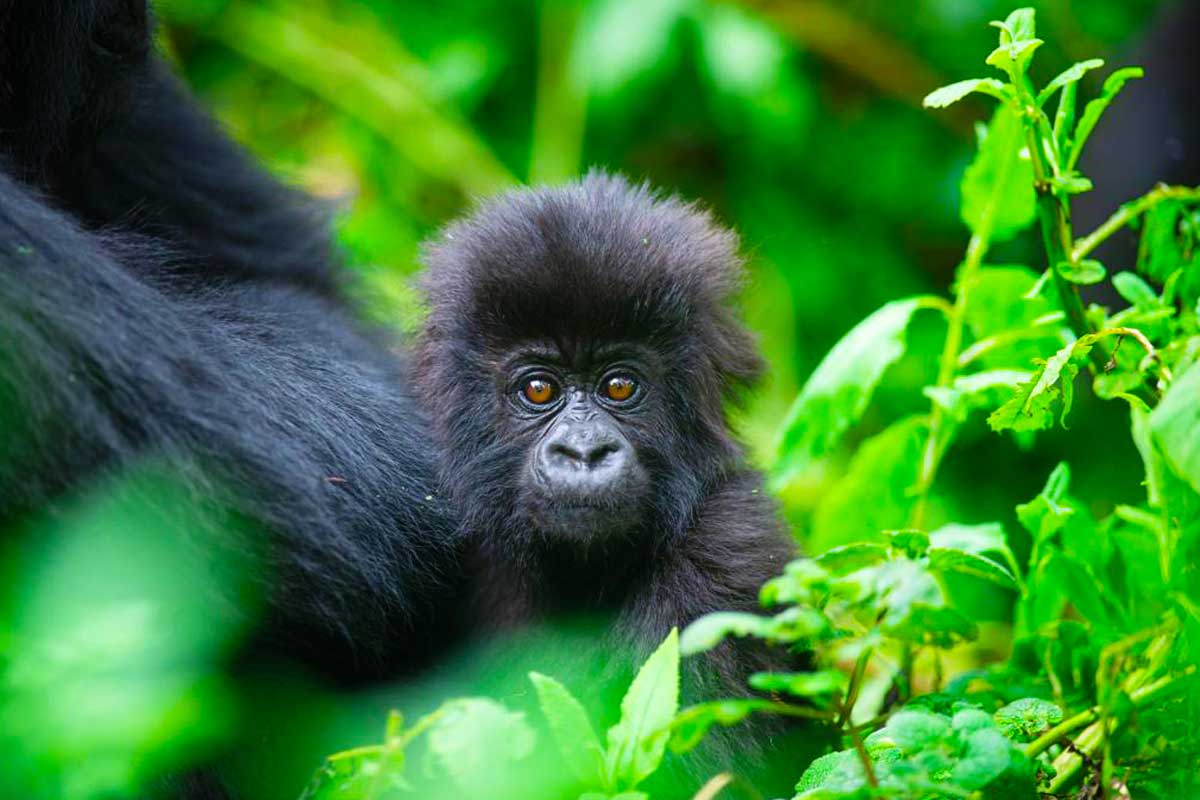
Which national parks offer mountain gorilla trekking in Uganda and Rwanda?
Final Thoughts: What Happens If You Cannot Complete Your Gorilla Trekking Hike?
What happens if you cannot complete your gorilla trekking hike? The most important priority is to inform your authorised ranger or guide and follow the instructions provided. Depending on your condition, location and the park’s procedures, you may be allowed to rest, receive assistance or return from the forest before reaching the gorillas. Porter services can help carry personal belongings, while specialised carrying arrangements may be available at certain locations for visitors who require more extensive mobility assistance. However, these services must be confirmed in advance, and no visitor should assume that every situation can be managed in the same way. Preparation, suitable footwear, reasonable physical fitness and honest communication about personal limitations can help reduce avoidable difficulties. Nevertheless, gorilla trekking takes place in a natural environment, and unexpected challenges may arise even for well-prepared travellers. Whether you are visiting Bwindi Impenetrable National Park, Mgahinga Gorilla National Park or Rwanda’s Volcanoes National Park, your safety and wellbeing should always come before completing the hike. Frena Adventures Ltd encourages responsible planning and realistic expectations so that travellers can appreciate Africa’s extraordinary wildlife while making informed decisions throughout their journey.
About Frena Adventures Ltd
Frena Adventures Ltd is dedicated to helping travellers discover Africa through informative safari guidance and carefully considered travel planning. Our interests include gorilla trekking in Uganda and Rwanda, as well as wider East African experiences such as Kenya Tours, Kenya Adventures and Kenya Safaris. We believe that reliable tourism information should explain both the attractions and the practical realities of travelling, including physical requirements, available assistance and alternative activities. Whether you are preparing for your first gorilla trekking experience or planning a wider African wildlife holiday, our aim is to help you understand your options and make informed decisions. Through responsible tourism, clear communication and appreciation for Africa’s natural heritage, Frena Adventures Ltd seeks to support meaningful travel experiences for visitors from around the world.