Is There a Maximum Age Limit for Gorilla Trekking?
November 12, 2026
Is Gorilla Trekking Suitable for Older Travellers?
November 13, 2026
What Is the Minimum Age for Gorilla Trekking?
What Is the Minimum Age for Gorilla Trekking? This is one of the most important questions families, parents and international travellers ask when planning an unforgettable mountain gorilla safari in Africa. Gorilla trekking is among the most extraordinary wildlife experiences available in East Africa, offering visitors an opportunity to encounter endangered mountain gorillas in their natural rainforest habitats. Unlike conventional wildlife viewing, where animals can be observed from a safari vehicle, gorilla trekking involves guided walks through tropical forests, sometimes across steep slopes, thick vegetation and challenging natural terrain. The experience requires patience, physical preparation and a responsible attitude towards wildlife conservation. For families travelling with children, understanding the age requirements before making reservations is particularly important because gorilla trekking is governed by strict conservation regulations designed to protect both visitors and the gorillas. In Uganda, the Uganda Wildlife Authority (UWA) establishes the minimum age for mountain gorilla tracking at 15 years. Similarly, Rwanda’s tourism authorities maintain a minimum age requirement of 15 years for visitors participating in mountain gorilla tracking. These regulations apply to the popular gorilla trekking destinations of Bwindi Impenetrable National Park and Mgahinga Gorilla National Park in Uganda, as well as Volcanoes National Park in Rwanda.
For travellers considering family holidays, understanding What Is the Minimum Age for Gorilla Trekking? helps establish realistic expectations and prevents unnecessary booking complications. The age restriction is not simply an administrative requirement; it forms part of a wider conservation strategy that recognises the sensitivity of mountain gorillas to human disturbance and infectious diseases. Younger children may also find the physical demands and strict behavioural requirements of the forest experience challenging. Nevertheless, families with children below the permitted age can still enjoy remarkable African wildlife adventures through alternative activities available in Uganda and Rwanda. At Frena Adventures Ltd, we believe that a successful African safari begins with accurate information, thoughtful planning and responsible travel decisions. Our approach is to help visitors understand the relevant requirements, choose appropriate safari experiences and enjoy meaningful encounters with Africa’s extraordinary natural heritage. Whether you are exploring Uganda safaris, considering Rwanda gorilla trekking or combining your East African holiday with Kenya tours, knowing the age requirements is an essential first step towards planning a rewarding journey.
What Is the Official Minimum Age for Gorilla Trekking in Uganda and Rwanda?
What Is the Minimum Age for Gorilla Trekking? According to the official regulations governing mountain gorilla tracking, visitors must be at least 15 years old to participate in this activity in both Uganda and Rwanda. This means that a child must have reached their fifteenth birthday by the actual date of the scheduled trek. Parents should therefore check their children’s dates of birth carefully before requesting gorilla permits or confirming a family safari itinerary. In Uganda, mountain gorilla trekking takes place primarily in Bwindi Impenetrable National Park, a remarkable conservation area recognised for its dense tropical rainforest, diverse wildlife and important mountain gorilla population. Mgahinga Gorilla National Park provides another opportunity to encounter these magnificent primates in the Virunga mountain ecosystem. Across the border in Rwanda, Volcanoes National Park is internationally recognised for its mountain gorilla conservation programme and spectacular volcanic landscapes. Although these destinations offer different forest environments and trekking experiences, the minimum age requirement remains 15 years. The Uganda Wildlife Authority’s July 2024 gorilla and chimpanzee tracking guidelines explicitly establish this minimum age, while the Rwanda Development Board also confirms the same requirement through its official mountain gorilla tracking information.
Why is it important to confirm a child’s age before booking? Gorilla trekking permits are issued for individual visitors, and the relevant authorities may require valid identification to verify personal details and eligibility. A passport or another officially accepted identification document is therefore important when arranging the experience. Families should provide accurate information when communicating with their tour operator because incorrect dates of birth can create difficulties during permit processing or at the park entrance. Travellers should never assume that purchasing a permit guarantees admission when the visitor does not meet the required age conditions. Furthermore, parents should understand that the minimum age applies to the gorilla tracking activity itself, rather than automatically restricting younger children from visiting the surrounding national parks. Consequently, a family can still organise a memorable Uganda or Rwanda holiday even when some members are not old enough to enter the forest for gorilla tracking. Proper advance planning allows adults and eligible teenagers to participate in the trek while younger family members enjoy other suitable activities arranged as part of the wider safari programme.
Why Is There a Minimum Age Requirement for Gorilla Trekking?
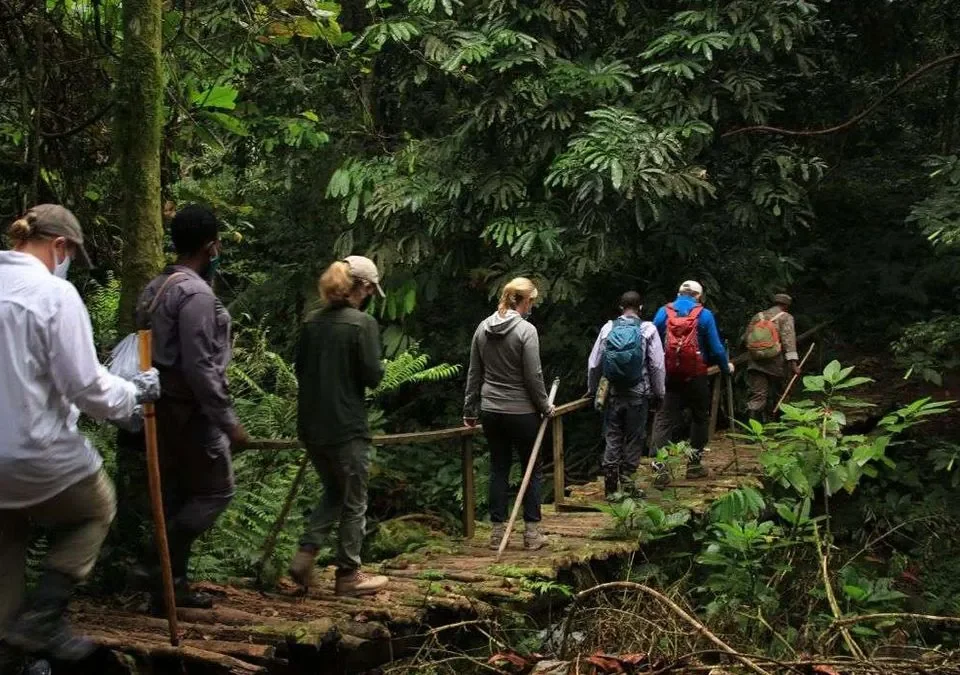
What Is the Minimum Age for Gorilla Trekking, and why does this regulation exist? The age restriction is closely connected to mountain gorilla conservation, visitor safety and responsible wildlife tourism. Mountain gorillas are highly intelligent and socially organised primates whose survival depends on maintaining suitable habitats and minimising unnecessary human disturbance. Although habituated gorilla families are accustomed to carefully managed visits by tourists, they remain wild animals that require protection from avoidable stress and exposure to infectious diseases. One important consideration is disease transmission. Human respiratory infections, including common illnesses, can present serious risks to mountain gorillas because of their biological similarities to humans. Even an illness that appears relatively mild to a traveller can potentially affect vulnerable wildlife populations. Establishing a minimum visitor age forms part of the broader approach to ensuring that tourists participating in gorilla trekking can understand and follow the conservation guidelines provided by professional park rangers. Another consideration involves the physical nature of the activity. Gorilla trekking is conducted in natural forest environments rather than prepared walking paths. Visitors may encounter muddy trails, uneven ground, thick vegetation, changing weather conditions and varying elevations. The duration and difficulty of each trek depend on the location of the assigned gorilla family, meaning that some encounters require considerably more walking than others.
How does the age requirement support responsible tourism? Requiring visitors to be at least 15 years old helps establish an appropriate level of maturity for participating in an activity that demands patience, discipline and respect for wildlife. During the trek, visitors must remain with their guides, avoid sudden movements, maintain the required distance from gorillas and follow instructions throughout the encounter. Eating, touching the animals and using flash photography are among the behaviours that are restricted or prohibited under gorilla viewing guidelines. Additionally, visitors must avoid participating when they have symptoms of contagious illness. These measures are essential because conservation tourism should benefit wildlife without compromising its welfare. For Frena Adventures Ltd, explaining What Is the Minimum Age for Gorilla Trekking? goes beyond providing a simple number. It means helping travellers appreciate why conservation regulations exist and how responsible behaviour contributes to protecting one of Africa’s most valuable wildlife experiences. By following established guidelines, visitors become active participants in sustainable tourism and help support the long-term protection of mountain gorillas and their rainforest habitats.

What Is the Minimum Age for Gorilla Trekking?
What Can Families with Children Below 15 Years Do Instead?
What Is the Minimum Age for Gorilla Trekking? Although the official requirement prevents children below 15 years from participating in mountain gorilla tracking, it does not mean that families must postpone their entire African holiday. Uganda and Rwanda offer numerous wildlife, cultural and nature-based experiences that can make a family vacation equally rewarding. Parents travelling with younger children can arrange alternative activities while other eligible family members participate in the gorilla trek. The most suitable options depend on the family’s destination, interests, available time and children’s ages. In Uganda, families can explore the beautiful landscapes surrounding Bwindi Impenetrable National Park, participate in suitable guided nature experiences, discover local communities and learn about the cultural traditions of the people living around the forest. Visitors can also consider wildlife viewing in Queen Elizabeth National Park, where safari drives and boat excursions provide opportunities to observe elephants, buffaloes, antelopes, hippos and numerous bird species. Another excellent destination is Lake Bunyonyi, known for its beautiful islands, peaceful atmosphere and scenic surroundings. These experiences allow younger travellers to appreciate Uganda’s natural attractions without participating in an activity for which they are not yet eligible.
Which other experiences are suitable for a family safari? Rwanda also provides attractive alternatives for families who wish to discover the country’s natural and cultural heritage. Depending on age requirements and activity suitability, visitors can explore cultural attractions, enjoy scenic drives, discover local communities and experience the beautiful surroundings of the Virunga Mountains. Families may also consider combining their holiday with other East African destinations. Kenya tours, for example, provide opportunities to discover renowned wildlife reserves, open savannah landscapes and fascinating cultural attractions. A carefully organised Kenya safari can introduce children to Africa’s remarkable wildlife through suitable guided game drives and educational nature experiences. Meanwhile, Kenya adventures can include scenic landscapes, nature-based activities and family-friendly excursions. At Frena Adventures Ltd, we encourage families to consider the entire holiday rather than focusing exclusively on one activity. By combining suitable experiences, parents can create a balanced itinerary that allows every family member to enjoy the destination. Understanding What Is the Minimum Age for Gorilla Trekking? therefore helps families make informed decisions without missing out on the many other attractions that make East Africa such an appealing holiday destination.
What Are the Expectations During a Gorilla Trekking Safari?
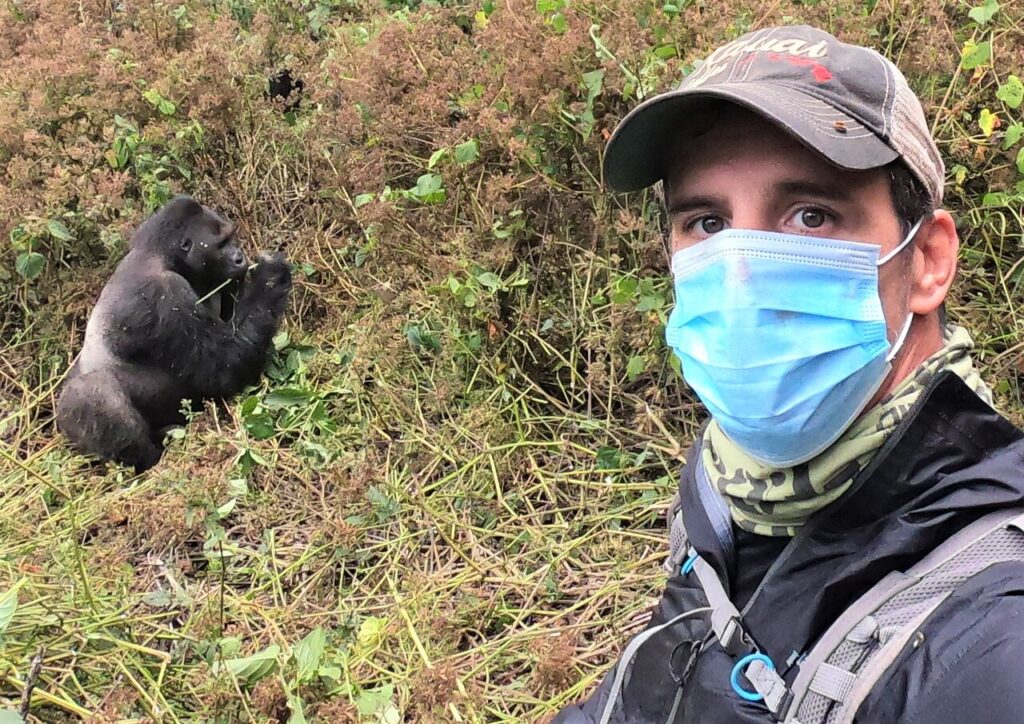
What Is the Minimum Age for Gorilla Trekking? Once travellers understand the age requirement and secure their eligibility, the next important consideration is knowing what the actual experience involves. A mountain gorilla trekking safari is an organised wildlife activity conducted under the supervision of experienced park guides, trackers and conservation personnel. Visitors normally begin their day at the designated park headquarters, where they complete registration and attend a briefing explaining the rules, safety precautions and conservation guidelines. During this session, park officials provide information about the assigned gorilla family, the expected trekking conditions and the appropriate conduct required when encountering the animals. After the briefing, visitors proceed into the forest with their guides and trackers to locate the habituated gorilla family. The walking distance is not fixed because mountain gorillas move freely through their natural habitat in search of food, shelter and suitable resting places. Consequently, one trek may involve a relatively short forest walk, while another may require several hours of hiking through challenging terrain. Visitors should approach the experience with flexibility because wildlife encounters take place according to natural conditions rather than a predetermined schedule. Throughout the journey, guides provide information about the forest ecosystem, local biodiversity, mountain gorilla behaviour and the importance of conservation.
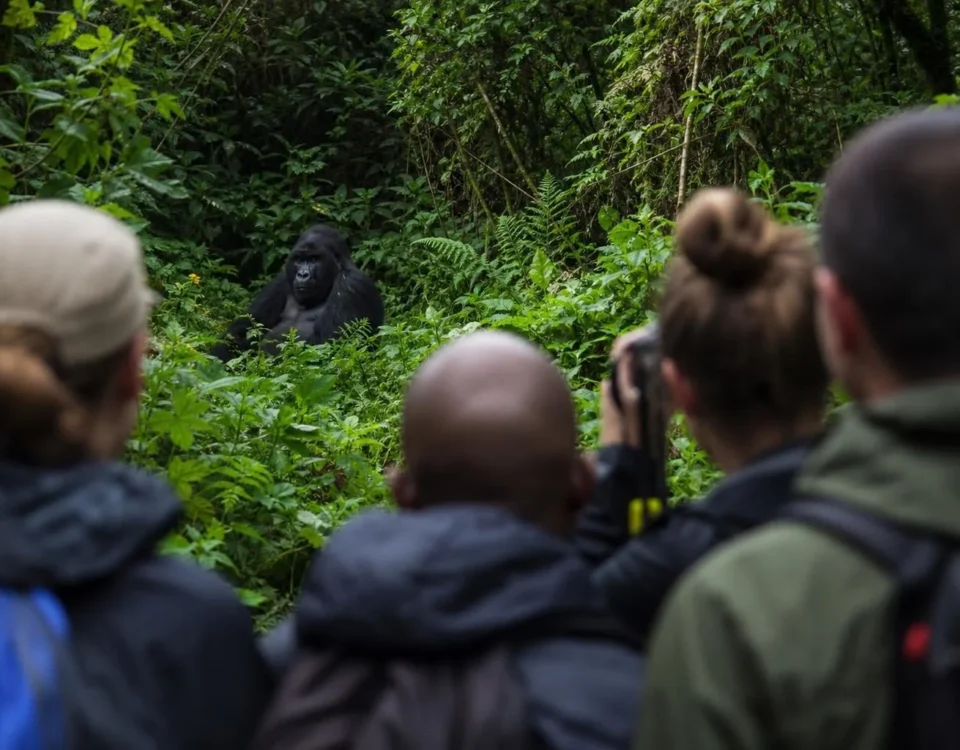
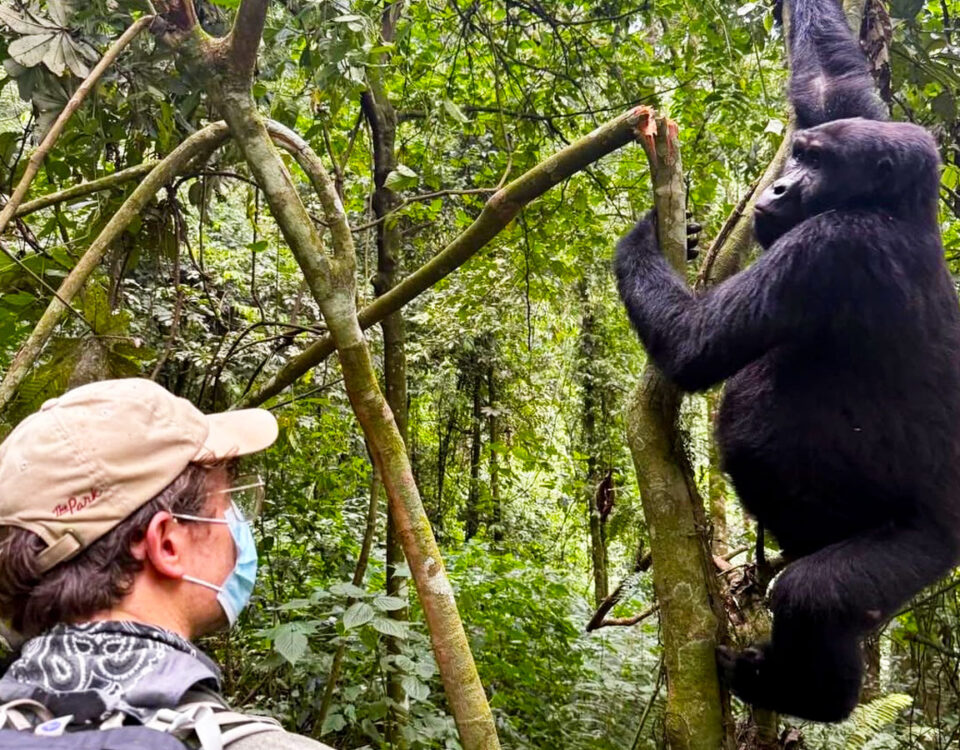
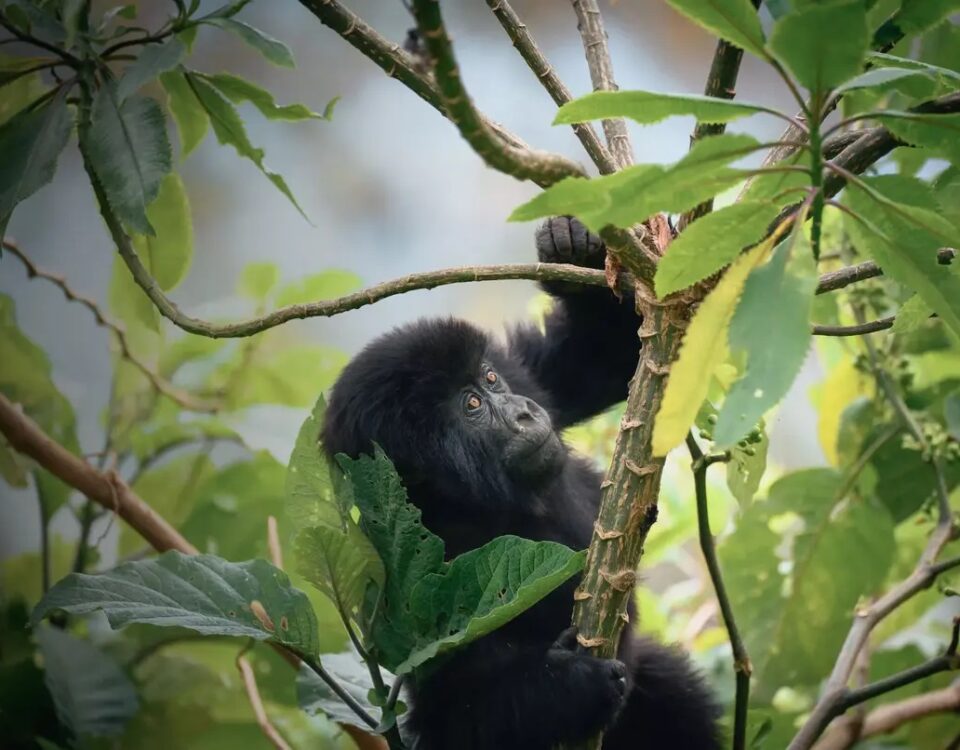
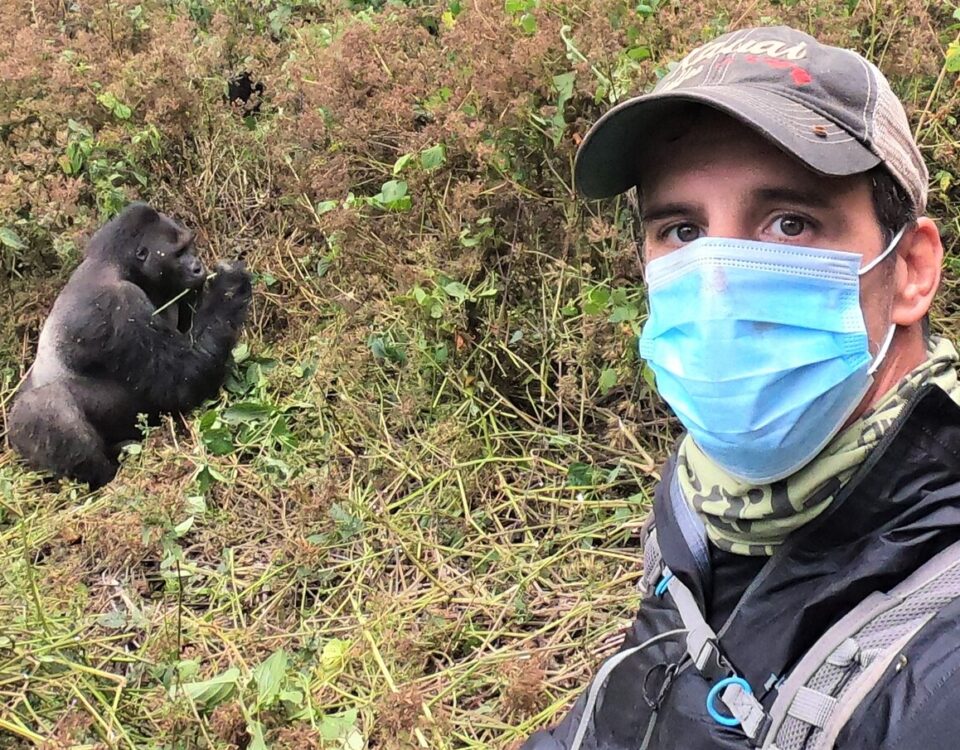
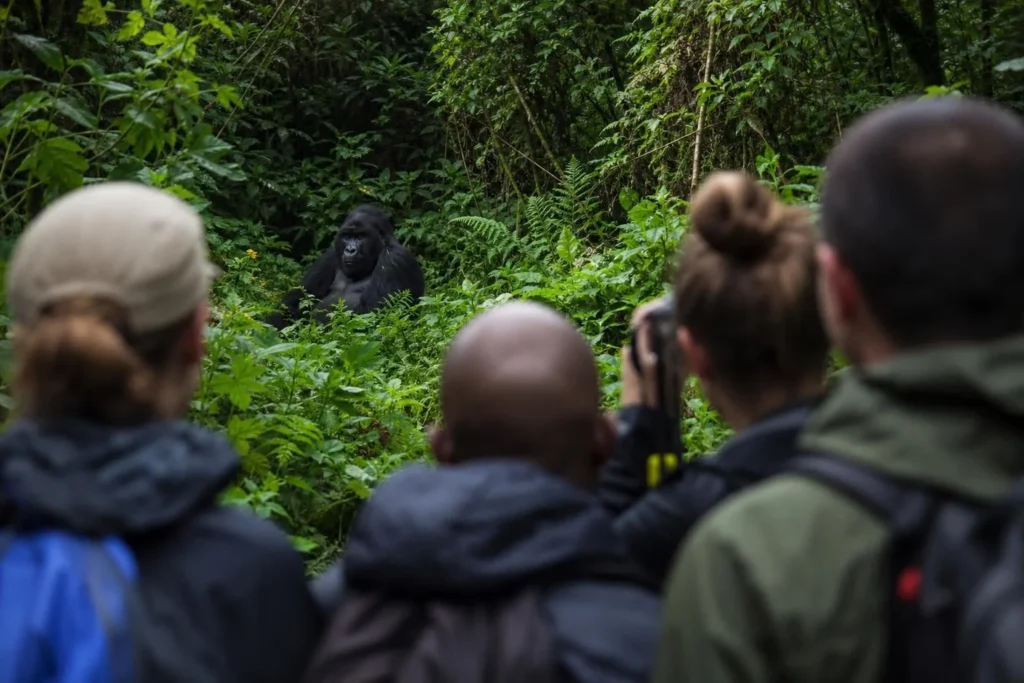
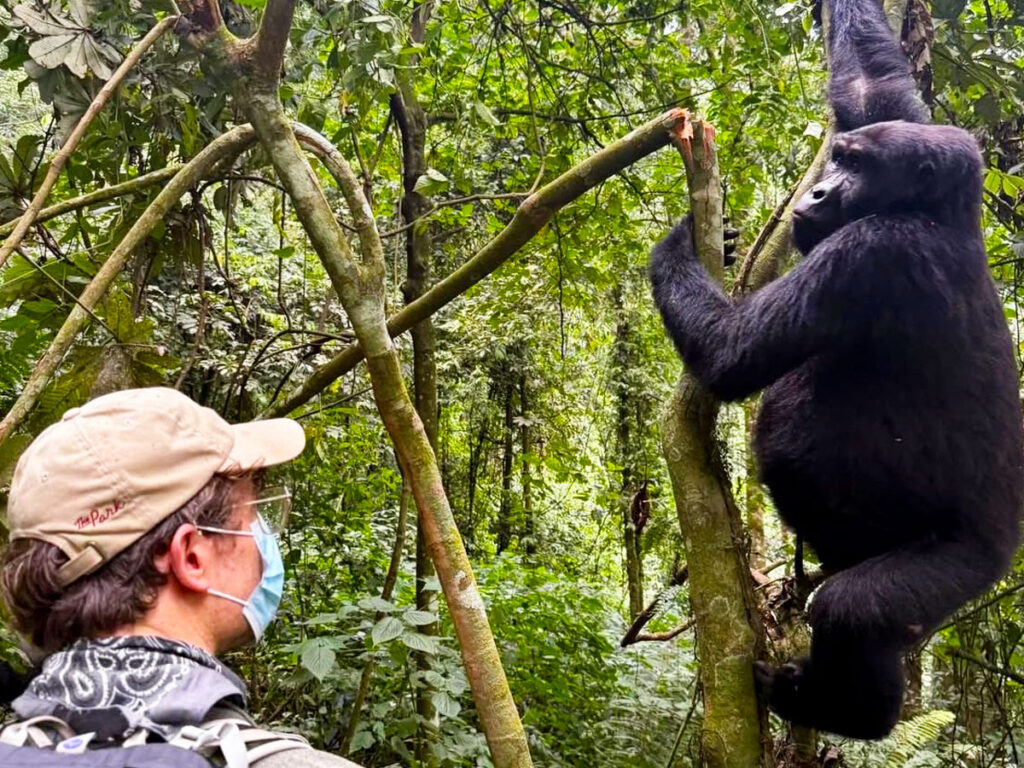
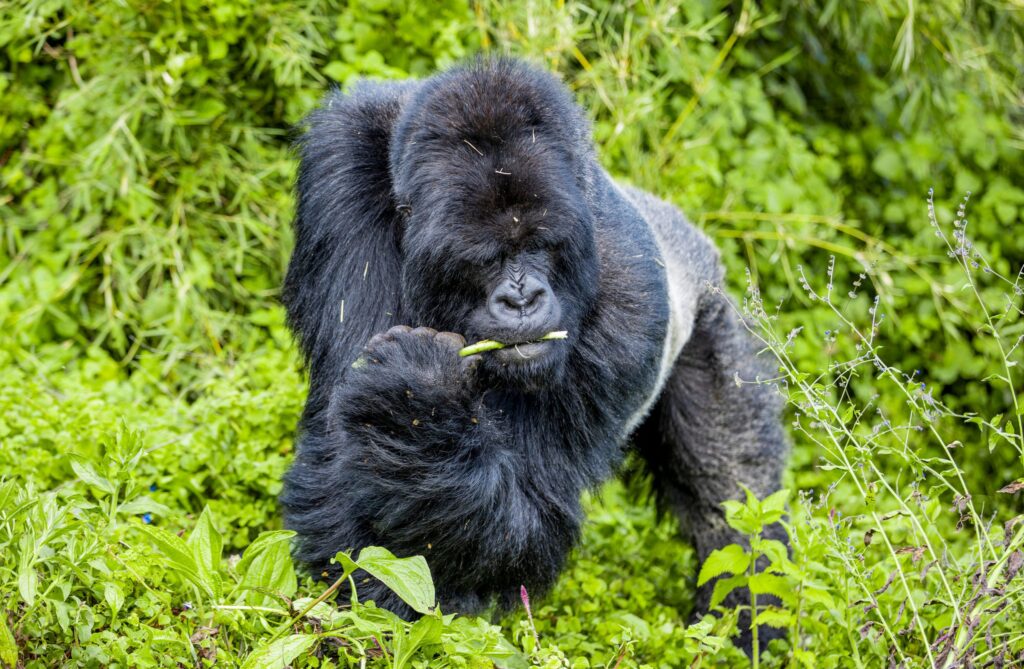
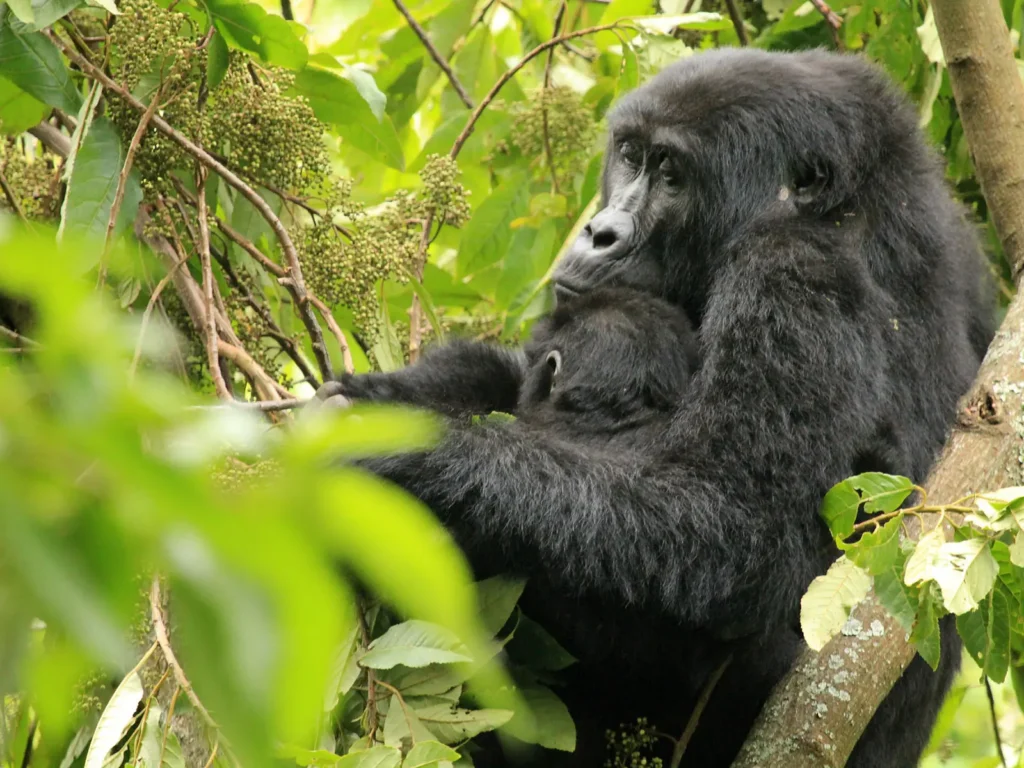
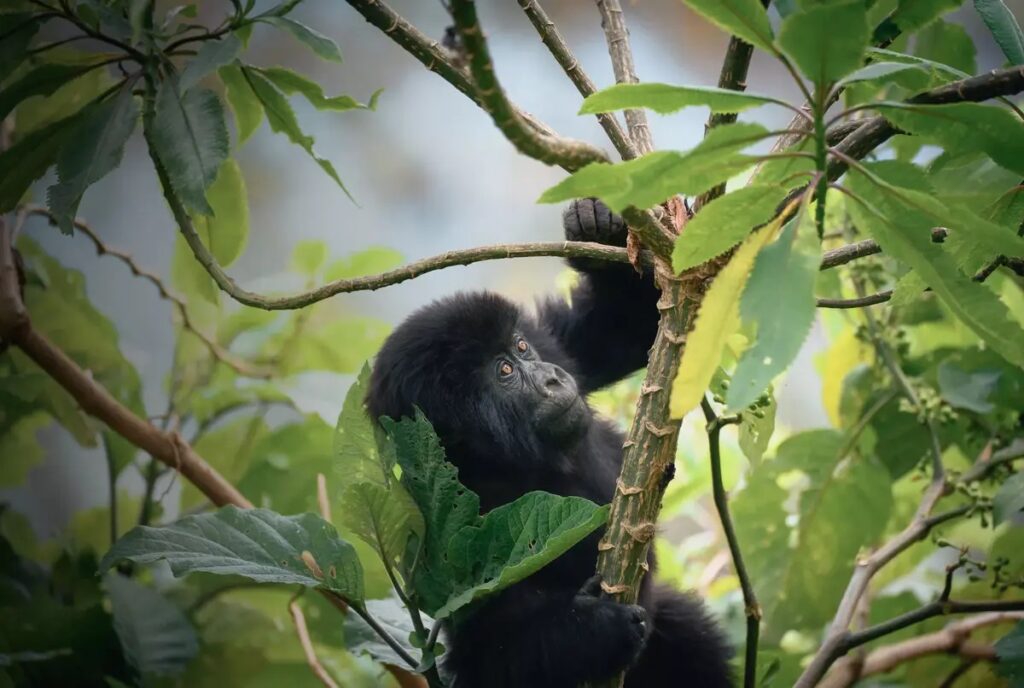
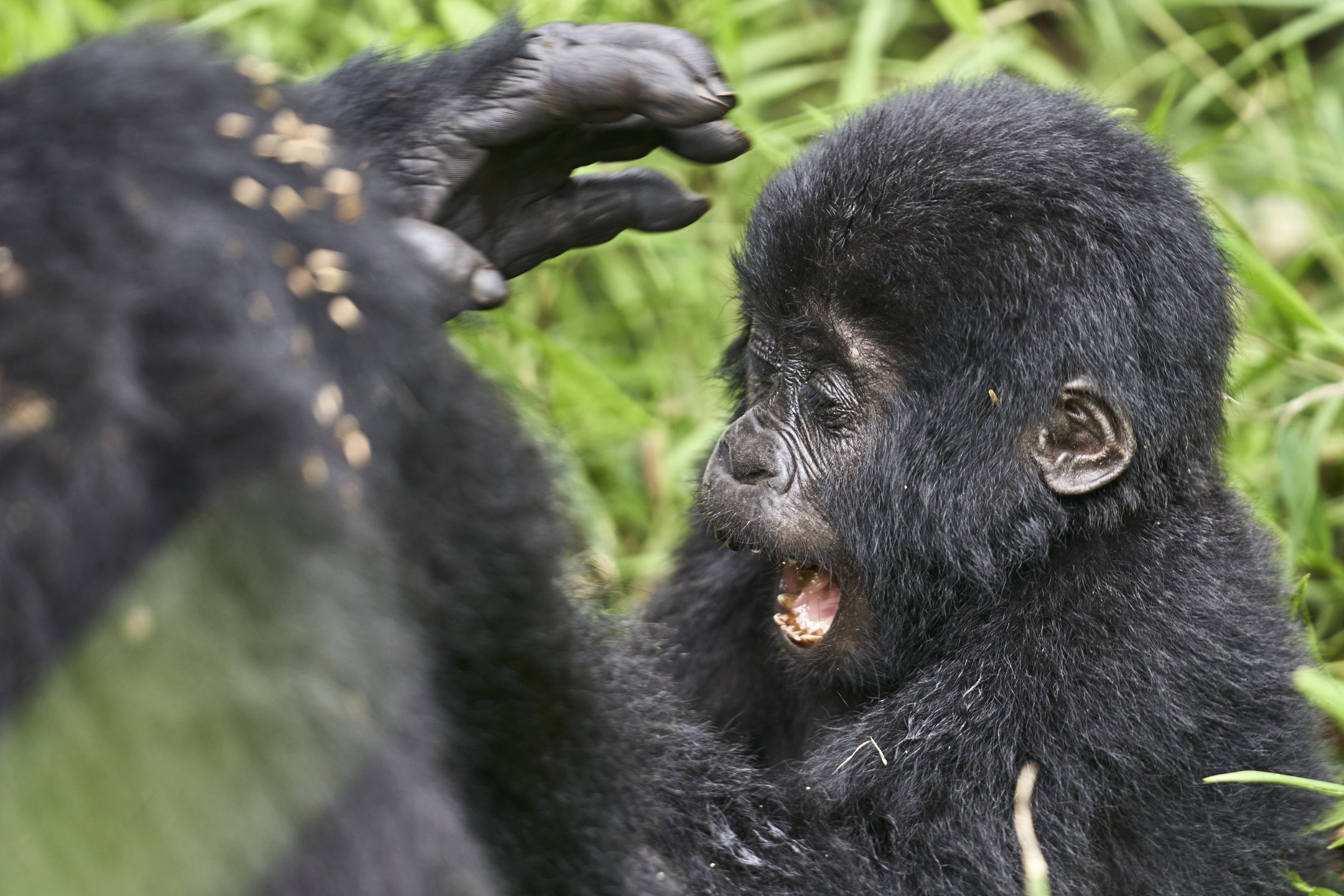
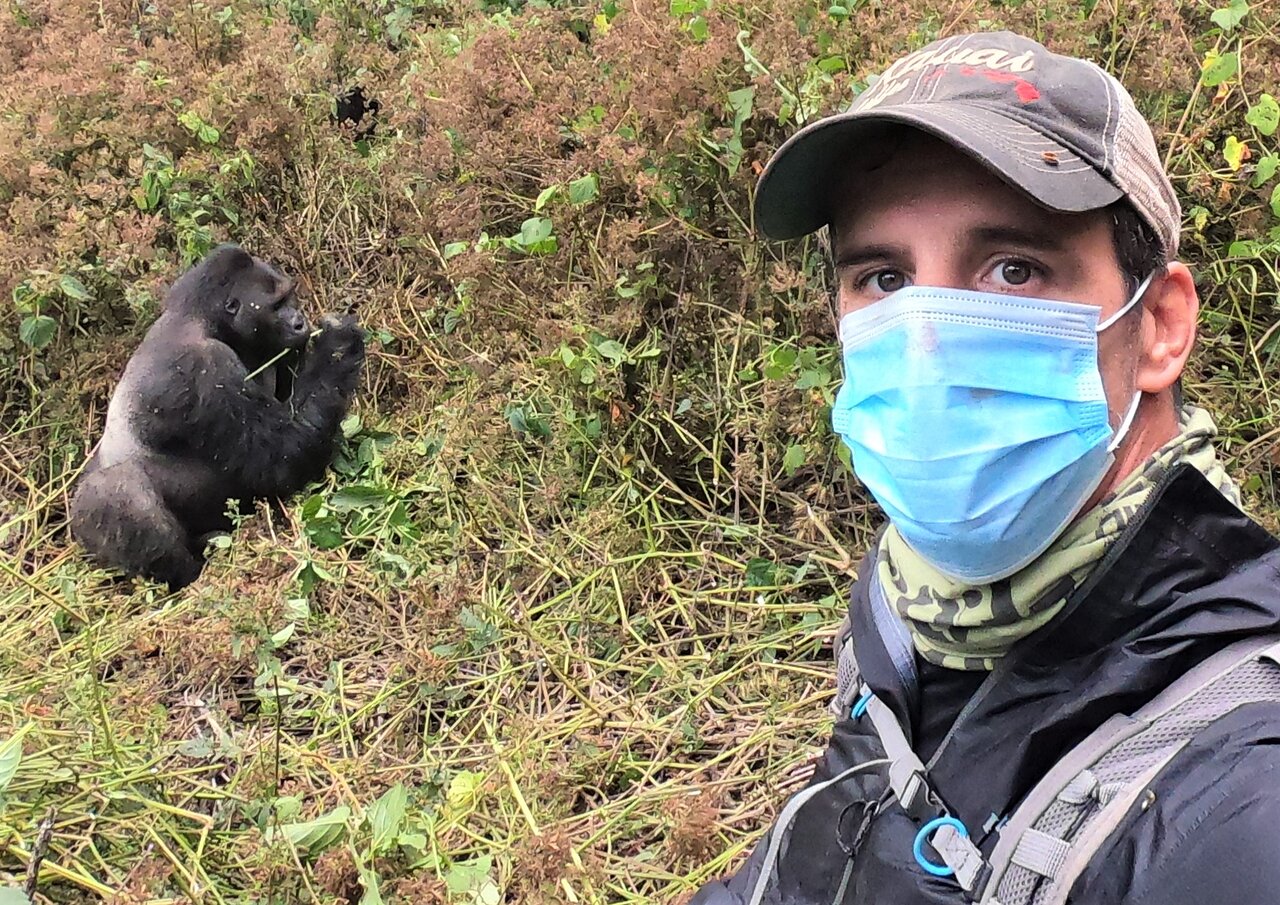
What happens when visitors finally encounter the gorillas? Reaching a habituated mountain gorilla family is often the most memorable moment of the entire safari. Travellers have the opportunity to observe the animals within their natural environment, witnessing their social interactions, feeding behaviour, grooming activities and relationships between different members of the group. Depending on the family’s composition, visitors may see adult silverbacks, mothers caring for their young, juveniles playing and other gorillas moving through the vegetation. However, every encounter is unique, and visitors should never expect the animals to behave in a particular way for photographs. Gorilla viewing is generally limited to one hour under the established tourism guidelines, allowing the animals to continue their natural activities with minimal disturbance.
During this period, visitors must maintain the required distance, remain quiet and follow the instructions of their guides. Photography is permitted subject to park regulations, but flash photography should be avoided. Ultimately, What Is the Minimum Age for Gorilla Trekking? is only one part of preparing for this exceptional experience. Understanding the trekking procedure, respecting wildlife regulations and maintaining realistic expectations are equally important for an enjoyable and responsible safari.
When Is the Best Time for Gorilla Trekking in Uganda and Rwanda?
What Is the Minimum Age for Gorilla Trekking? is an important question when planning your trip, but selecting a suitable travel season can also influence the overall experience. Uganda and Rwanda offer mountain gorilla trekking throughout the year, subject to permit availability and prevailing park conditions. Nevertheless, certain periods are traditionally preferred by international travellers because they generally offer more favourable conditions for outdoor activities. The drier months are commonly considered attractive for gorilla trekking, particularly from June to September and December to February. During these periods, forest trails may be less muddy, and hiking conditions can be more manageable than during periods of heavier rainfall. These months are particularly popular with visitors combining gorilla trekking with wider Uganda safaris, Rwanda holidays and other East African adventures. Bwindi Impenetrable National Park, however, is a tropical rainforest, meaning rainfall can occur even during traditionally drier months. Therefore, visitors should always prepare for changing weather conditions rather than assuming that the forest will remain completely dry. Similarly, Volcanoes National Park experiences changing mountain weather influenced by altitude and local climatic conditions.
Is gorilla trekking worthwhile during the rainy seasons? Absolutely. Travelling during the wetter months can provide a different perspective of the rainforest environment. Vegetation becomes particularly lush, forest landscapes appear vibrant and the surrounding scenery can be exceptionally beautiful. Although muddy trails and occasional heavy showers may make hiking more demanding, the experience remains rewarding for appropriately prepared visitors. Furthermore, some travellers prefer quieter travel periods because they may provide greater flexibility when arranging accommodation and other safari components, although permit availability and prices must always be checked. At Frena Adventures Ltd, we encourage travellers to select their travel dates according to their personal schedules, preferred activities and overall holiday expectations. Families should also consider school holidays when planning their journeys, especially when combining gorilla trekking with Kenya tours or other regional destinations. Regardless of the season, booking permits well in advance is advisable because the number of visitors allowed to track each habituated gorilla family is restricted. Ultimately, understanding What Is the Minimum Age for Gorilla Trekking? alongside seasonal travel considerations makes it easier to develop a realistic itinerary that balances wildlife experiences, accommodation arrangements and comfortable travel.
Why Choose Frena Adventures Ltd for Your Gorilla Trekking Safari?
What Is the Minimum Age for Gorilla Trekking? is one of the many questions that require accurate answers when organising an international wildlife holiday. Choosing an experienced safari company can make a considerable difference to how smoothly your journey is planned and delivered. At Frena Adventures Ltd, our approach to African tourism is centred on helping travellers discover the continent through carefully organised, informative and responsible travel experiences. We understand that every visitor has different expectations, whether travelling as a couple, with family, in a private group or as part of a wider East African holiday. Our objective is to help clients understand their destination, make informed travel decisions and enjoy experiences that reflect their individual interests. From the initial safari enquiry to the final stages of itinerary preparation, we place importance on clear communication, accurate travel information and practical arrangements. When organising a gorilla trekking safari, we can help travellers understand the minimum age requirements, identify suitable national parks, plan around permit availability and consider accommodation and transportation options. Families travelling with children below the permitted age can also receive guidance on alternative activities so that their holiday remains enjoyable and appropriately organised.
What makes our approach valuable to international travellers? Responsible tourism requires more than arranging transport and accommodation. It involves understanding the destinations, respecting local communities, appreciating conservation efforts and helping visitors prepare for the realities of travelling in Africa. Uganda offers remarkable opportunities to combine gorilla trekking with wildlife safaris, birdwatching, cultural encounters and scenic experiences. Rwanda provides another exceptional destination for visitors interested in mountain gorillas, volcanic landscapes and distinctive cultural attractions. Travellers wishing to discover more of East Africa can also consider combining these destinations with Kenya safaris, Kenya tours and other regional adventures, subject to their available holiday time and travel arrangements. We recognise the importance of providing realistic information rather than making promises that cannot be guaranteed, particularly when dealing with wildlife encounters that depend on natural conditions. By prioritising visitor preparation, conservation awareness and transparent communication, Frena Adventures Ltd seeks to create meaningful safari experiences for travellers from different parts of the world. When you ask What Is the Minimum Age for Gorilla Trekking?, we want you to receive more than a brief answer. We want you to understand the regulations, appreciate their importance and have the information necessary to plan your African adventure confidently.
What Type of Backpack Is Recommended for Uganda and Rwanda Gorilla Safaris?
What Should You Pack for a Gorilla Trekking Safari?
What Is the Minimum Age for Gorilla Trekking? should be established before packing and preparing for your journey, particularly when travelling with family members of different ages. Once your eligibility and travel arrangements have been confirmed, choosing the right equipment and clothing can help make the forest experience more comfortable. Gorilla trekking takes place in natural rainforest environments where temperatures, rainfall and trail conditions can change throughout the day. Appropriate clothing is therefore essential. Travellers should consider packing long-sleeved shirts and comfortable long trousers to provide protection against vegetation and insects. Lightweight, breathable materials are useful because walking through humid forest conditions can become physically demanding. A good pair of waterproof hiking boots with reliable grip is particularly important when navigating muddy, slippery or uneven trails. Additionally, long socks that can be comfortably worn over trouser bottoms may help protect against insects and vegetation. A lightweight waterproof jacket or raincoat is another valuable item because rainfall can occur unexpectedly, even during traditionally drier travel months. Visitors should also carry a small backpack containing drinking water, personal essentials and any other items recommended by their tour operator or park authorities.
Which additional essentials should you bring? A practical gorilla trekking packing list should include the following:
- Hiking boots: Comfortable, sturdy footwear with good traction for forest trails.
- Waterproof jacket: Useful protection against unexpected rainfall.
- Long-sleeved clothing: Suitable shirts and trousers for walking through dense vegetation.
- Gardening or trekking gloves: Helpful when navigating areas with vegetation.
- Drinking water: Essential for staying hydrated throughout the trek.
- Lightweight backpack: Provides convenient storage for personal belongings.
- Camera or smartphone: For capturing memories, subject to park photography regulations.
- Extra batteries or power bank: Useful for keeping electronic devices charged.
- Insect repellent: Helps reduce exposure to biting insects.
- Sun protection: Sunglasses, sunscreen and a suitable hat for outdoor activities.
- Personal medication: Any prescribed medication and essential personal supplies.
- Identification documents: A valid passport or other required documentation for travel and age verification.
Travellers should also follow the packing guidance provided by their safari organiser because individual requirements may differ depending on the national park, season and itinerary. Most importantly, visitors should avoid carrying unnecessary heavy items that could make forest hiking uncomfortable. Preparing properly allows eligible participants to concentrate on enjoying the experience rather than worrying about avoidable inconveniences. For families researching What Is the Minimum Age for Gorilla Trekking?, packing should also be considered as part of the wider holiday preparation, including suitable clothing and activities for younger children who may not be participating in the trek.
What Important Things Should You Know Before Booking a Gorilla Trekking Permit?
What Is the Minimum Age for Gorilla Trekking? is a question that should be answered before making financial commitments to a gorilla safari. Obtaining a valid trekking permit is one of the most important arrangements because access to habituated mountain gorilla families is strictly controlled. Uganda and Rwanda operate permit systems that regulate the number of visitors allowed to participate in gorilla tracking. In Uganda, permits are managed through the Uganda Wildlife Authority, while Rwanda’s mountain gorilla tracking permits are administered through the Rwanda Development Board. Travellers should ensure that their personal details, particularly their names and dates of birth, are accurately provided during the booking process. Another important consideration is the choice of accommodation. Uganda’s Bwindi Impenetrable National Park has different trekking sectors, and selecting accommodation close to the relevant starting point can help reduce unnecessary early-morning travel. Rwanda’s Volcanoes National Park also has accommodation options suited to different travel preferences and budgets. Transportation should equally be considered, especially for visitors arriving through international airports or combining several East African destinations. Families should communicate their children’s ages and travel requirements before confirming their itinerary. Additionally, visitors should disclose relevant health concerns to their tour organiser and follow the instructions of park officials. Remember that gorilla trekking is a wildlife experience, not a guaranteed opportunity to interact closely with animals. Responsible visitors understand that the welfare of the gorillas must always come first.
Frequently Asked Questions About the Minimum Age for Gorilla Trekking
What Is the Minimum Age for Gorilla Trekking in Uganda?
The minimum age for mountain gorilla trekking in Uganda is 15 years. Visitors must have reached their fifteenth birthday by the date of the scheduled activity. The requirement applies to gorilla tracking in Bwindi Impenetrable National Park and Mgahinga Gorilla National Park.
What Is the Minimum Age for Gorilla Trekking in Rwanda?
Rwanda also requires visitors to be at least 15 years old to participate in mountain gorilla tracking at Volcanoes National Park. The Rwanda Development Board confirms this requirement, and visitors should carry valid identification for age verification.
Can a 14-Year-Old Participate in Gorilla Trekking?
The official minimum age in Uganda and Rwanda is 15 years. Families should not assume that a child who is nearly 15 will automatically qualify. Always obtain confirmation from the relevant wildlife authority before making travel arrangements.
Is There a Maximum Age for Gorilla Trekking?
There is no general upper age limit specified in the standard gorilla trekking age regulations. However, visitors should consider their individual fitness, mobility and ability to manage forest hiking conditions. Appropriate preparation and assistance can make the experience more manageable for older travellers.
Can Younger Children Accompany Their Parents to the Gorilla Trekking Briefing?
Participation arrangements depend on park regulations and the specific activity. Children below the permitted age cannot join the actual mountain gorilla tracking activity. Parents should discuss supervision and alternative arrangements with their safari organiser before travelling.
How Long Does a Gorilla Trekking Experience Take?
The duration varies according to the location of the assigned gorilla family and the conditions within the forest. Some treks require relatively short walks, while others involve several hours of hiking. Visitors should allow sufficient time for the briefing, forest walk and return journey.
Can I Combine Gorilla Trekking with Kenya Safaris?
Yes. Travellers can combine a Uganda or Rwanda gorilla trekking experience with a Kenya safari, depending on their travel schedule, transport connections and budget. Such itineraries provide an opportunity to experience different East African landscapes, wildlife habitats and cultural attractions during one holiday.
Conclusion: Plan Your Gorilla Trekking Adventure with Frena Adventures Ltd
Understanding What Is the Minimum Age for Gorilla Trekking? is essential for anyone planning a mountain gorilla safari in East Africa. With an official minimum age of 15 years in both Uganda and Rwanda, families can establish their eligibility early, avoid unnecessary booking complications and organise suitable alternatives for younger travellers. Beyond the age requirement, successful gorilla trekking depends on responsible preparation, appropriate clothing, valid permits, realistic expectations and respect for wildlife conservation regulations. Uganda’s Bwindi Impenetrable National Park, Mgahinga Gorilla National Park and Rwanda’s Volcanoes National Park offer extraordinary opportunities to discover mountain gorillas in their natural environments. Each destination provides a distinctive experience shaped by its landscapes, biodiversity and conservation initiatives.
At Frena Adventures Ltd, we believe that discovering Africa should be an enriching experience built around reliable information, responsible tourism and meaningful encounters. Whether you are interested in Uganda gorilla safaris, Rwanda wildlife holidays, Kenya tours, Kenya adventures or combining several destinations into one unforgettable East African journey, our goal is to help you plan an experience that meets your expectations. We encourage families to communicate their travel requirements early so that suitable activities, accommodation and transportation can be considered when preparing their itineraries. Ultimately, mountain gorilla trekking is not simply about seeing one of Africa’s most extraordinary animals; it is about appreciating the importance of conservation and experiencing the natural beauty of the continent responsibly.