Can Beginners with Limited Hiking Experience Go Gorilla Trekking?
November 11, 2026
How Long Can You Spend with Mountain Gorillas?
November 12, 2026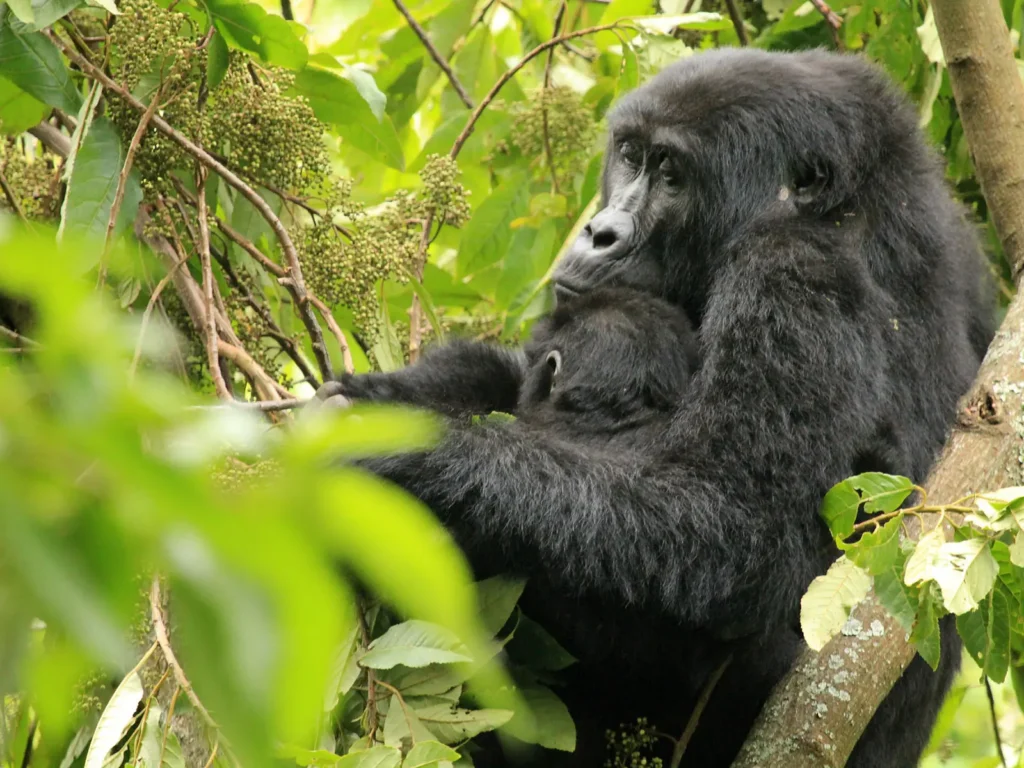
How Close Can You Get to Mountain Gorillas During a Trek?
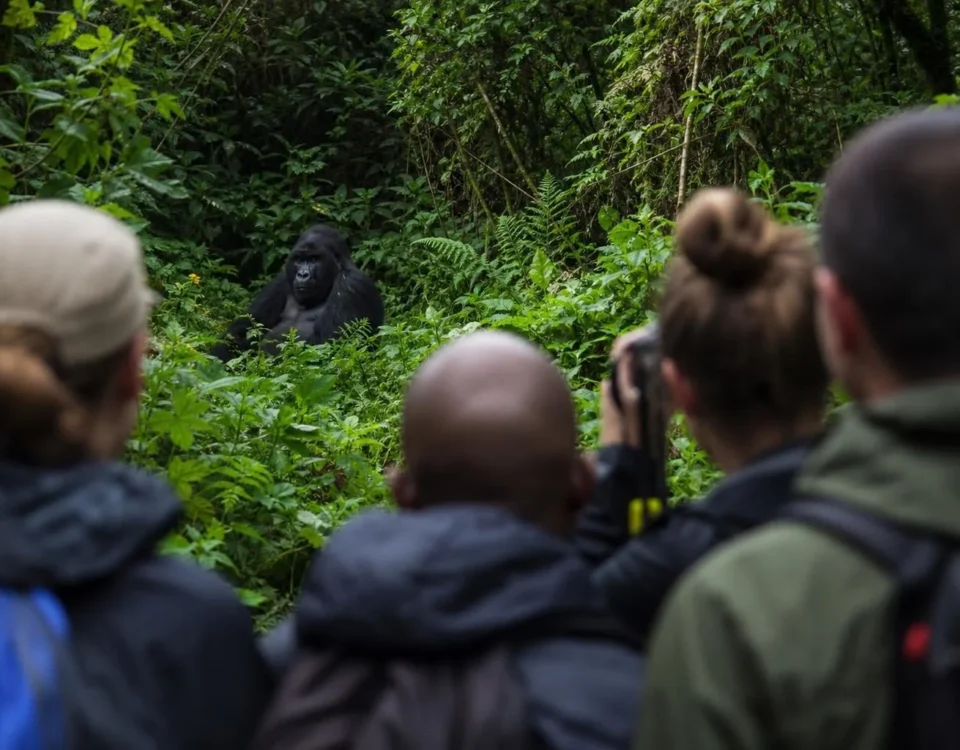
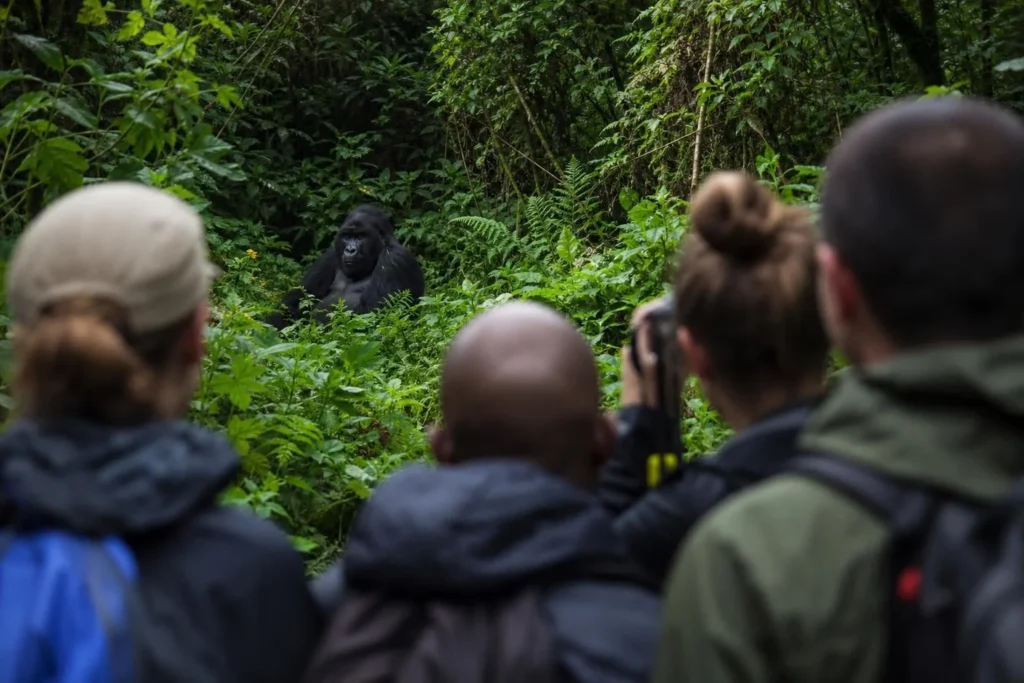
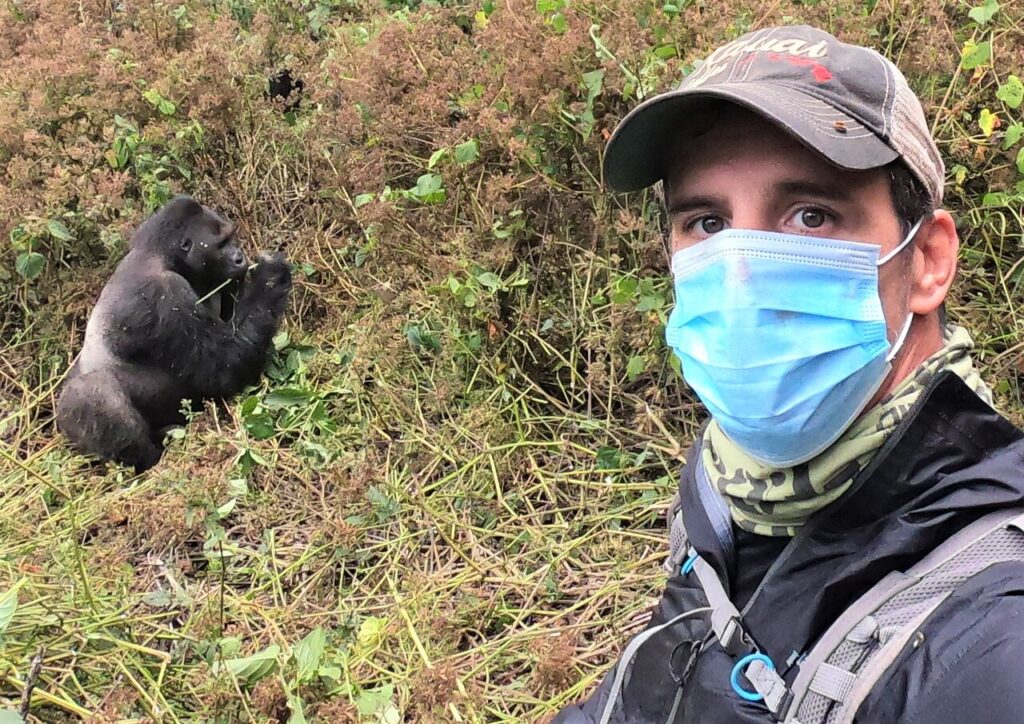
Mountain gorilla trekking is among the most extraordinary wildlife experiences available in Africa, offering travellers a rare opportunity to observe endangered primates in the natural forests of Uganda and Rwanda. For visitors preparing for this adventure, one of the most common questions is: How close can you get to mountain gorillas during a trek? The answer is that visitors are allowed to approach a habituated gorilla family under the careful supervision of trained park guides, while maintaining the minimum viewing distance required by the conservation authority. In Uganda, current guidance generally requires visitors to maintain a distance of at least 10 metres from mountain gorillas. Rwanda’s official guidance specifies a minimum distance of 7 metres. These rules are designed to protect the animals from disturbance and reduce the possibility of disease transmission. Because regulations can be updated, visitors should always follow the instructions given by their guides on the day of the trek.
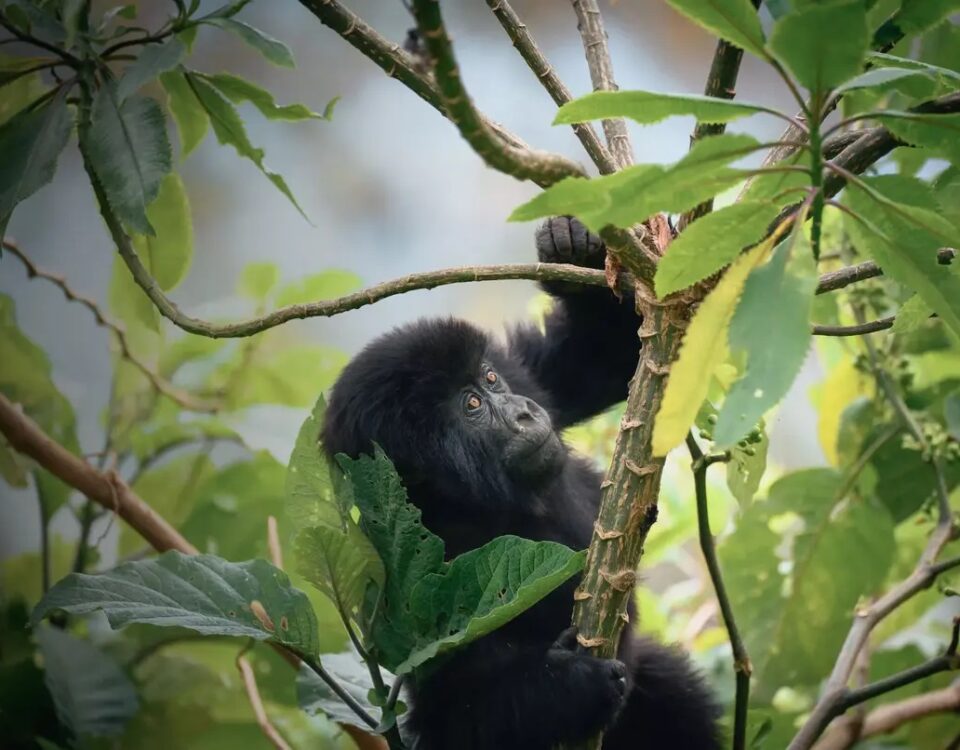
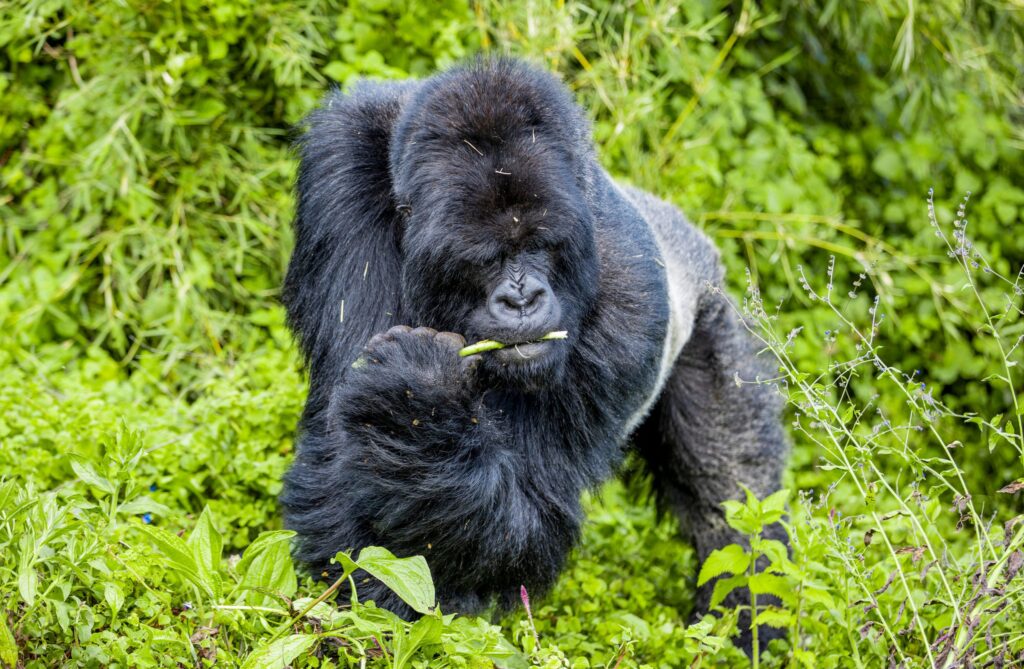
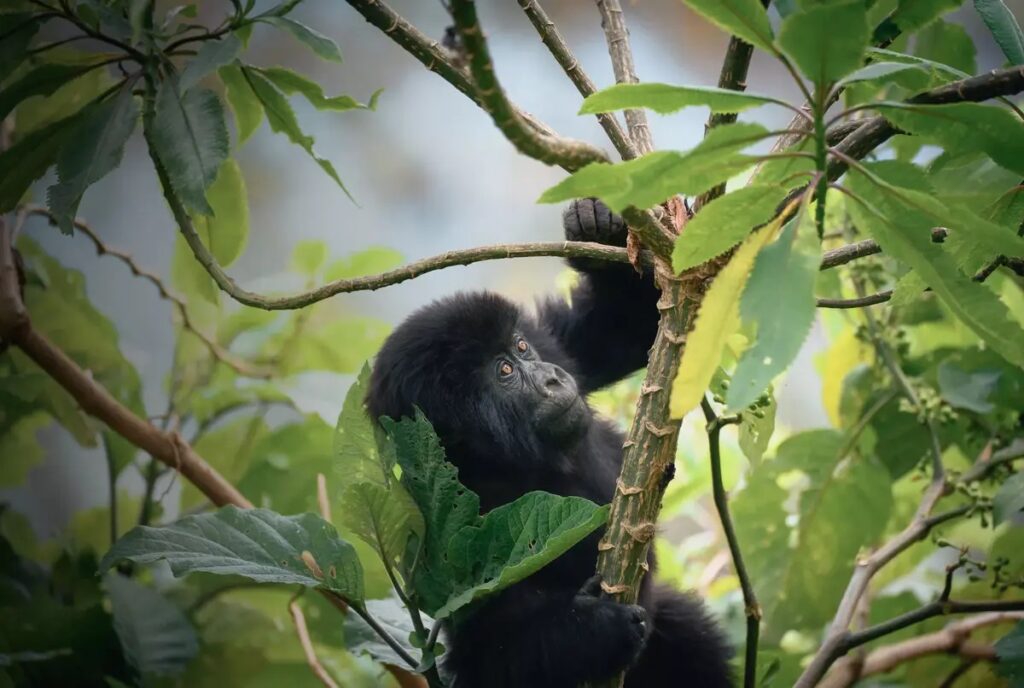
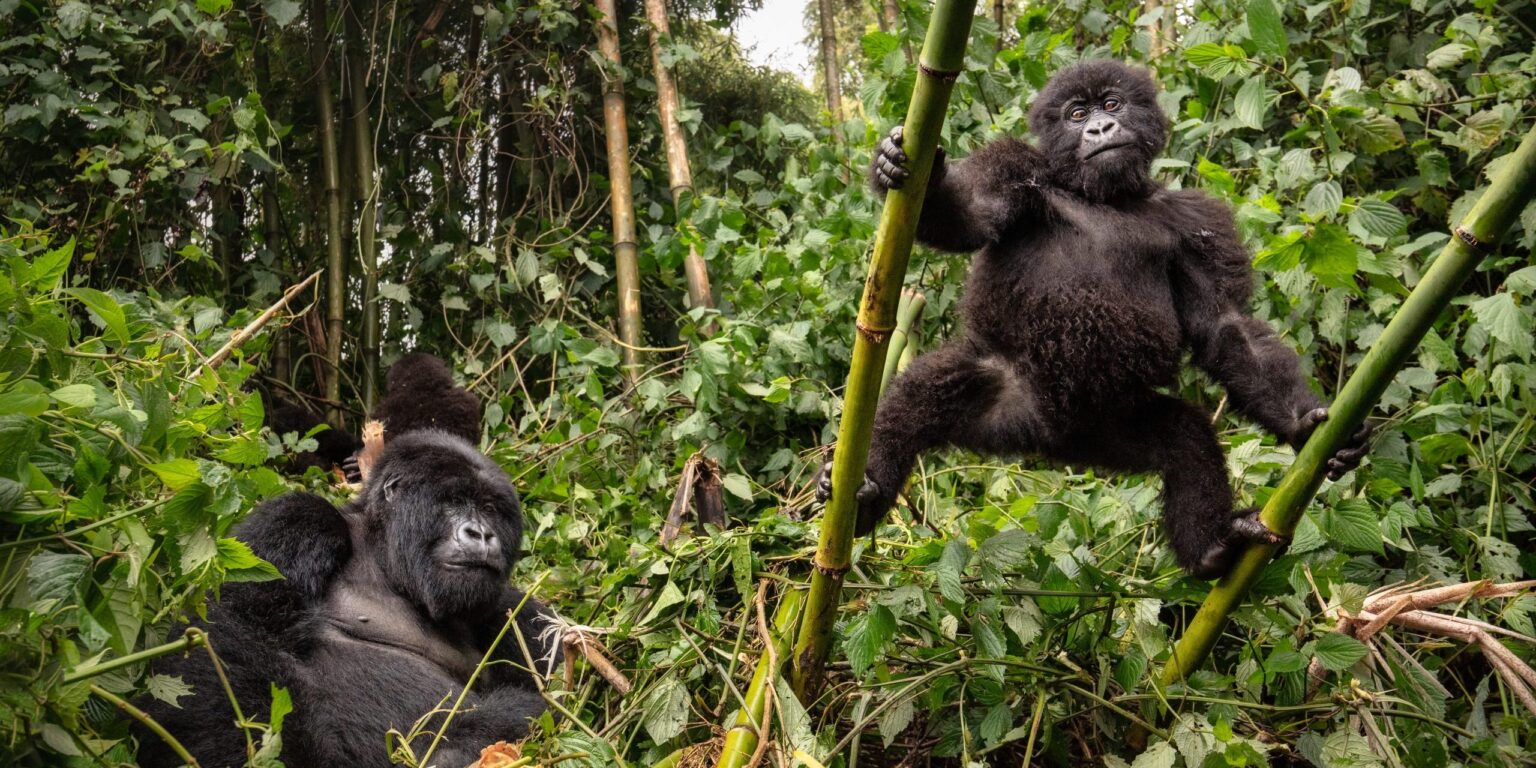
For many travellers, seeing a mountain gorilla at close range is a deeply moving experience. You may observe a silverback resting among the vegetation, a mother caring for her infant, or young gorillas playing while other family members feed nearby. Although the animals may sometimes move closer to the trekking group, visitors must never approach them deliberately or attempt to touch them. The guides manage the encounter carefully, ensuring that people remain at an appropriate distance and that the gorillas are free to continue their natural activities. At Frena Adventures Ltd, we believe that a successful gorilla trekking safari is not measured by how physically close a visitor can get, but by the quality of the wildlife experience and the respect shown towards these remarkable primates. Understanding the viewing rules before travelling helps you enjoy your encounter responsibly while contributing to mountain gorilla conservation.
How Close Can You Get to Mountain Gorillas During a Trek in Uganda and Rwanda?
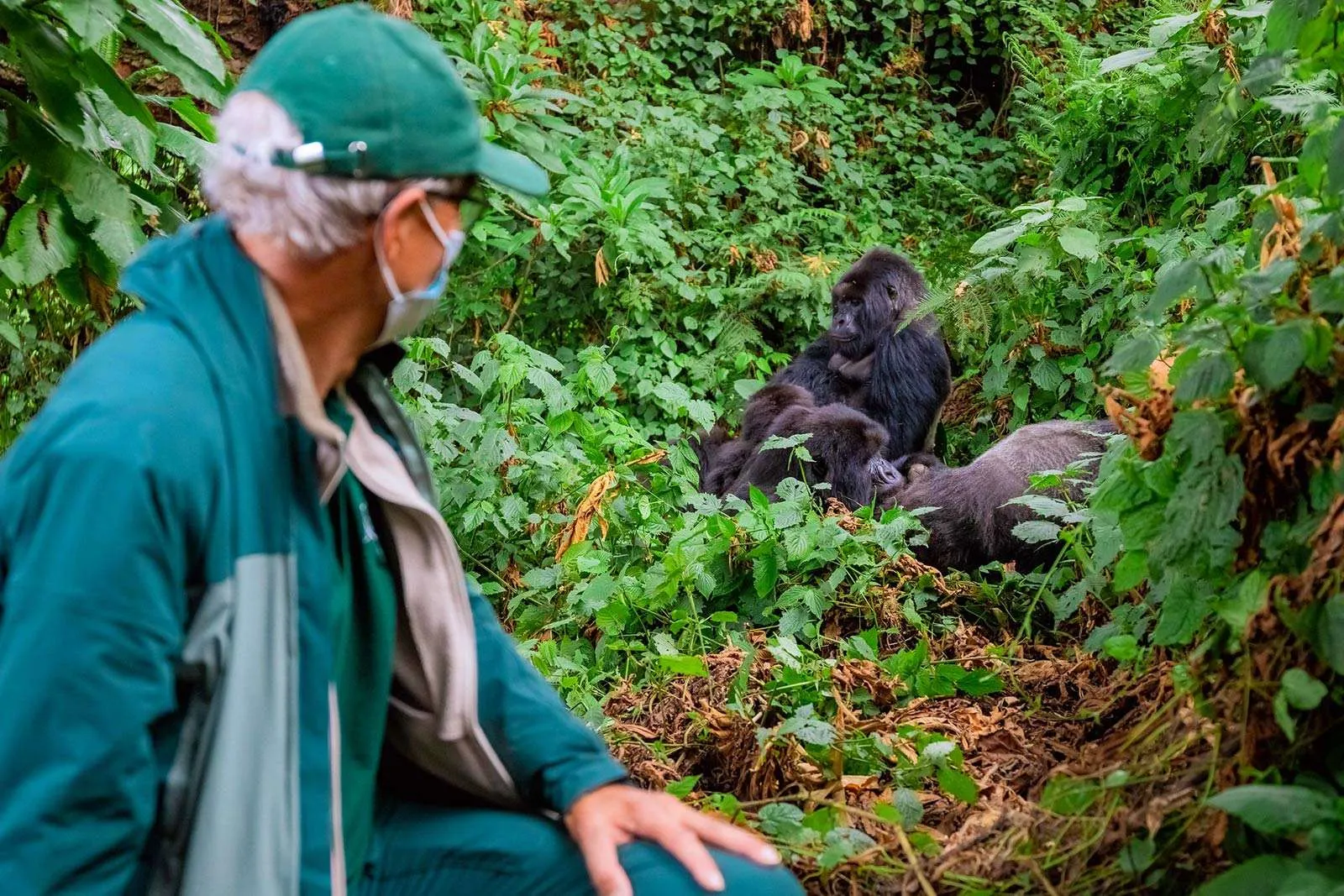
When asking how close can you get to mountain gorillas during a trek, it is important to understand that the permitted viewing distance differs slightly between Uganda and Rwanda. Uganda Wildlife Authority guidance generally requires visitors to maintain a distance of at least 10 metres from mountain gorillas. In Rwanda, the Rwanda Development Board’s published guidance specifies a minimum distance of 7 metres. These distances are conservation measures rather than suggestions, and visitors are expected to follow the instructions of the park guides throughout the encounter. The rules apply even when the gorillas appear relaxed, curious or comfortable in the presence of people. Being part of a habituated gorilla family’s daily environment does not mean that the animals are domesticated or available for physical interaction.
During a typical encounter, visitors remain together under the supervision of their guide while observing the gorilla family from the designated viewing position. Sometimes the gorillas may move through the vegetation or change their resting location, making it necessary for the group to adjust its position. If a gorilla approaches the visitors, the correct response is to remain calm, follow the guide’s instructions and avoid sudden movements. Never attempt to move towards the animal to obtain a better photograph or a closer view. Official conservation guidance may be revised over time, so travellers should rely on the latest instructions from Uganda Wildlife Authority or Rwanda Development Board rather than assuming that the same distance applies everywhere. Frena Adventures Ltd encourages visitors to understand these differences when comparing Uganda and Rwanda gorilla trekking packages, ensuring that each safari is planned around the regulations of the destination being visited.
Why Must Visitors Maintain a Safe Distance from Mountain Gorillas?
Understanding how close can you get to mountain gorillas during a trek also means recognising why distance regulations are essential. Mountain gorillas share many biological similarities with human beings, which makes them vulnerable to some illnesses that people may carry. Respiratory infections and other contagious diseases can pose serious health risks to gorilla populations. Maintaining an appropriate distance helps reduce direct exposure and supports the long-term health of these endangered animals. Even a visitor who feels healthy may unknowingly carry an infection, which is why park authorities apply strict health and viewing rules to everyone. Travellers who have symptoms of a contagious illness should inform the relevant authorities and follow their guidance rather than risk exposing the gorillas.
Another reason for keeping a safe distance is to allow the animals to behave naturally. Gorilla families need freedom to feed, rest, move through the forest, groom one another and care for their young without feeling crowded by visitors. Although habituated gorillas have gradually become accustomed to the presence of human observers, they remain wild animals with their own social structures and personal space. A responsible encounter therefore requires patience, quiet behaviour and respect for the decisions made by trained guides. Visitors should avoid shouting, making sudden movements, touching vegetation unnecessarily near the animals or trying to attract their attention. Flash photography is not allowed, and everyone must follow the park’s instructions during the viewing period. These precautions help make gorilla tourism sustainable while ensuring that future generations can continue to enjoy the opportunity to see mountain gorillas in their natural environment.
What Happens If a Mountain Gorilla Approaches You?
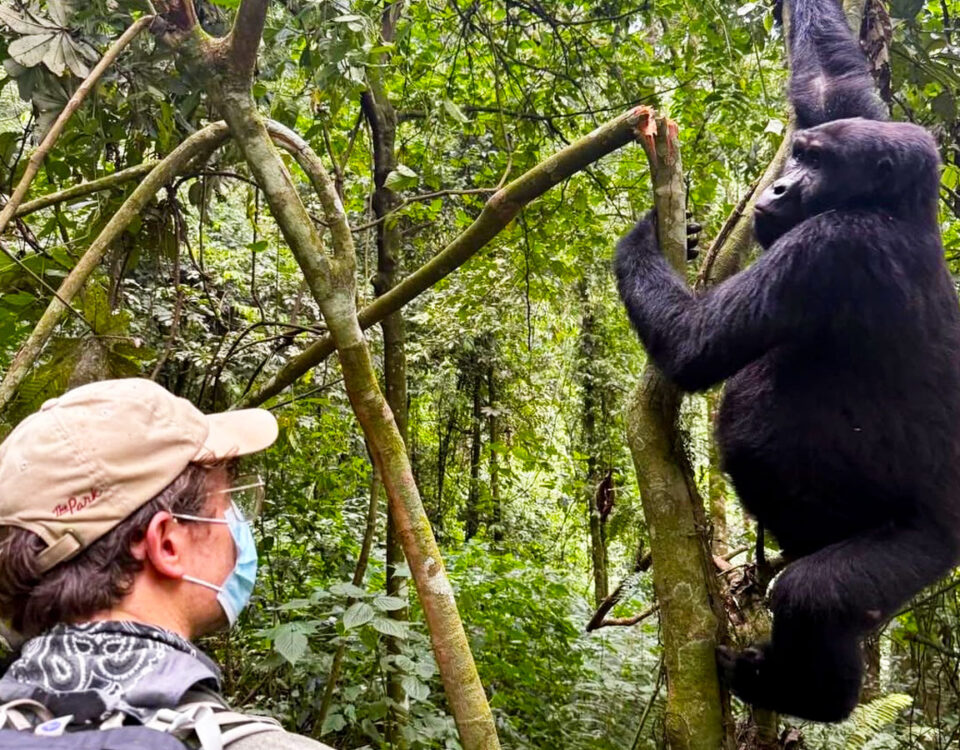
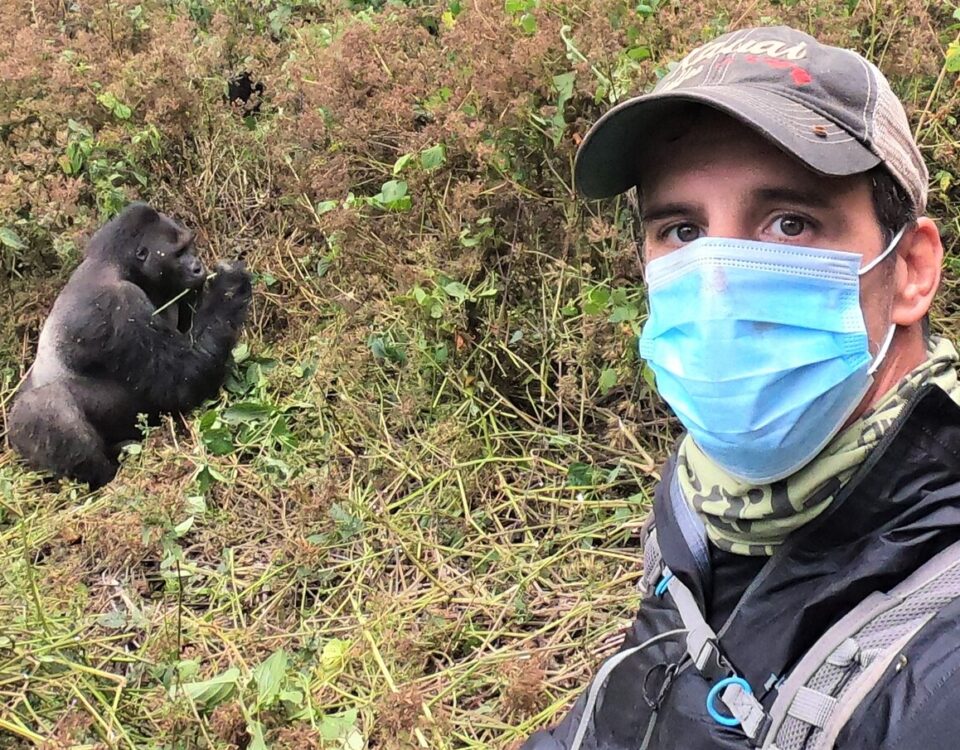
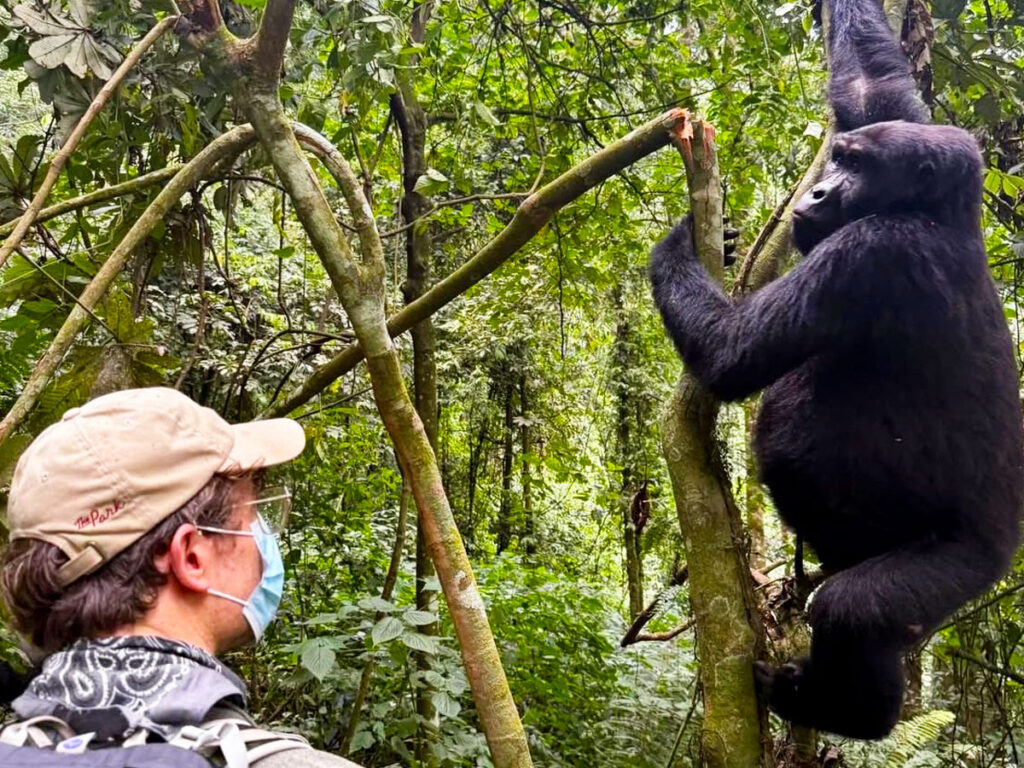
One of the questions travellers frequently ask when researching how close can you get to mountain gorillas during a trek is what they should do if a gorilla moves towards them. Although guides work hard to maintain the required viewing distance, gorillas move freely through their habitat and may occasionally approach the trekking group. Such movement is part of their natural behaviour and does not necessarily mean that the animal is aggressive or interested in interacting with visitors. If this happens, the most important thing is to remain calm and listen carefully to the guide. Visitors should avoid running, shouting, reaching out or attempting to touch the gorilla. Sudden reactions can create unnecessary disturbance, while calm behaviour allows the guide to manage the situation appropriately.
In some situations, the guide may instruct the group to move slowly, lower its position or give the gorilla additional space. These directions should be followed immediately, even if the encounter appears exciting or unusual. Children and other members of the group should also be reminded to remain quiet and stay close to the guide. Photography should never take priority over safety or animal welfare, particularly when a gorilla is moving near the visitors. The experience can be memorable without physical contact, and visitors should never interpret a close encounter as permission to approach the animal. At Frena Adventures Ltd, we encourage every traveller to treat gorilla trekking as a wildlife observation experience rather than an opportunity for direct interaction. Respecting the gorillas’ movements is one of the most important ways to make your safari safe, meaningful and conservation-focused.
Where Can You Experience Mountain Gorilla Trekking in Uganda and Rwanda?
For travellers researching how close can you get to mountain gorillas during a trek, choosing the right destination is an important part of safari planning. Uganda and Rwanda are two of the leading countries for mountain gorilla trekking, offering protected forest habitats where visitors can observe habituated gorilla families under regulated conditions. In Uganda, trekking takes place in Bwindi Impenetrable National Park and Mgahinga Gorilla National Park. Bwindi is famous for its ancient forest, rich biodiversity and several trekking sectors, including Buhoma, Ruhija, Rushaga and Nkuringo. Each sector has its own accommodation options, access routes and trekking arrangements, so selecting the appropriate starting point is important when organising transport and lodging. Mgahinga, located in southwestern Uganda, forms part of the wider Virunga conservation landscape and offers another opportunity to encounter mountain gorillas.
In Rwanda, mountain gorilla trekking takes place in Volcanoes National Park, a beautiful high-altitude landscape characterised by volcanic mountains, bamboo forests and diverse wildlife. The park is internationally recognised for its contribution to mountain gorilla conservation and provides visitors with an organised trekking experience led by trained guides. Both countries apply conservation regulations that control visitor numbers, viewing time and conduct around gorilla families. The actual distance maintained during the encounter depends on the official rules of the destination and the instructions provided by park personnel. Travellers should therefore consider more than the advertised closeness of an encounter when choosing between Uganda and Rwanda. Permit availability, travel time, accommodation preferences, budget and the wider holiday itinerary are equally important. Frena Adventures Ltd can help visitors compare the available options and plan a suitable gorilla trekking safari, whether they prefer Uganda’s forest landscapes or Rwanda’s scenic volcanic setting.
How Close Can You Get to Mountain Gorillas During a Trek?
What Are the Expectations in This Safari?
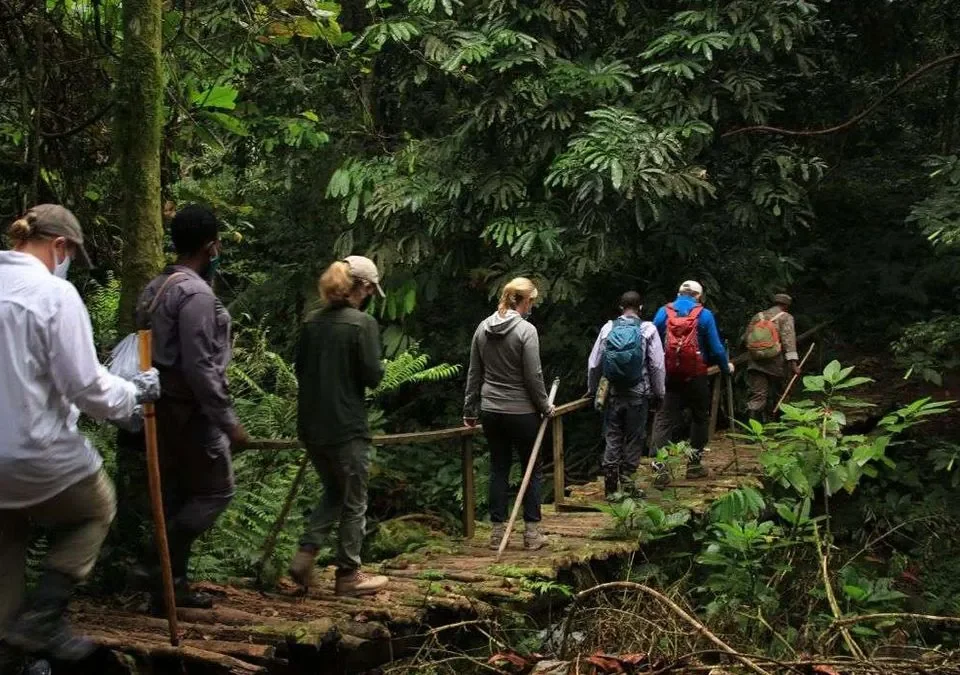
Knowing how close can you get to mountain gorillas during a trek helps you prepare for the actual experience, but visitors should also understand what happens throughout the trekking day. The activity usually begins early in the morning at the designated park headquarters, where visitors register and attend a briefing conducted by park officials. During this session, guides explain the conservation rules, safety procedures, trekking arrangements and expected behaviour around the gorillas. Visitors are then allocated to a habituated gorilla family, and the guiding team leads the group into the forest. Depending on the family’s location, the walk may involve steep slopes, uneven ground, thick vegetation and muddy trails. Trekking duration varies, so a reasonable level of physical preparation is helpful.
Once the gorillas are located, visitors are guided into an appropriate viewing position and reminded to maintain the required distance. The standard viewing period is a maximum of one hour, although guides may end the encounter earlier if conservation or safety conditions require it. During this time, you may observe gorillas feeding, resting, grooming, moving through the forest and caring for their young. Every family has different characteristics, so no two trekking experiences are exactly alike. Some encounters may involve a family resting in one location, while others may provide opportunities to observe several members moving through the vegetation. Visitors should remain attentive to their guide’s instructions and avoid disturbing the animals for photographs. After the viewing period, the group leaves the gorillas and returns through the forest. The overall safari experience includes the briefing, forest walk, wildlife encounter and return journey, making it a rewarding activity for travellers interested in nature, conservation and responsible tourism.
When Is the Best Time for This Safari?
When planning how close can you get to mountain gorillas during a trek, it is also worth considering the season in which you intend to travel. Gorilla trekking is available throughout the year in Uganda and Rwanda because mountain gorillas live in protected forest habitats and do not depend on seasonal migration patterns. However, weather conditions can influence the difficulty of walking through the forest. The drier periods are generally preferred by many visitors because trails may be less slippery and trekking conditions can be more manageable. In Uganda, the months commonly favoured for gorilla trekking include June to September and December to February. Rwanda also welcomes visitors throughout the year, with many travellers choosing periods when rainfall is relatively lower.
Nevertheless, the rainy seasons can still offer rewarding experiences. Forest vegetation may appear especially lush, and travellers who are properly equipped can enjoy the natural beauty of the parks even when the trails are wet. Rainfall in mountainous rainforest environments is not always predictable, so carrying waterproof clothing and suitable footwear is advisable regardless of the month. Permit availability should also influence your travel dates because the number of visitors permitted to track each gorilla family is limited. Anyone planning a wider East African holiday can consider combining gorilla trekking with Kenya Tours, Kenya Adventures or Kenya Safaris, depending on the length of the trip and preferred activities. Frena Adventures Ltd can assist with arranging a practical itinerary that takes account of seasonal conditions, travel distances, accommodation and the availability of permits.
Why Choose Us for This Particular Safari?
Selecting a reliable safari operator can make a significant difference to the organisation and enjoyment of your gorilla trekking holiday. At Frena Adventures Ltd, we aim to help international travellers explore Africa through thoughtfully planned experiences that place responsible tourism, clear communication and respect for local conservation rules at the centre of the journey. Understanding how close can you get to mountain gorillas during a trek is one part of preparation, but visitors also need accurate information about permits, park locations, accommodation, transport and trekking requirements. Having these arrangements considered in advance can make the travel experience more convenient and help visitors arrive at the park prepared for the activity.
Whether you are planning a private holiday, travelling as a couple or organising a group adventure, Frena Adventures Ltd can help you explore suitable Uganda and Rwanda safari arrangements, subject to availability and the applicable park requirements. We can also assist with building a wider African itinerary that includes wildlife viewing, cultural experiences and scenic destinations. Travellers interested in exploring more of East Africa may combine their gorilla trekking holiday with Kenya Tours, Kenya Adventures and Kenya Safaris, creating a broader journey through the region’s natural and cultural attractions. Our approach is to provide practical guidance, help visitors understand what to expect and coordinate the important elements of their safari. Above all, we believe that quality tourism should benefit travellers while respecting wildlife, conservation authorities and the communities connected to Africa’s protected areas. Choosing Frena Adventures Ltd means beginning your journey with a focus on informed planning and a meaningful appreciation of Africa’s natural heritage.
What to Pack for a Mountain Gorilla Trekking Safari
Preparing the right equipment is essential for anyone researching how close can you get to mountain gorillas during a trek. Since the experience involves walking through a natural forest environment, visitors should choose practical clothing and footwear that provide comfort and protection. Strong hiking boots with good grip are recommended because the trails can be muddy, steep and uneven. Long trousers and long-sleeved shirts help protect the skin from vegetation, while a lightweight waterproof jacket or raincoat is useful in case of sudden showers. Gardening gloves can also be helpful when moving through sections of thick vegetation under the direction of the guide. A small backpack allows you to carry essential items without making the trek unnecessarily difficult.
Other useful items include drinking water for the trekking journey, a camera with flash disabled, spare batteries, a waterproof bag for electronic equipment and insect repellent. Visitors who use prescription medication should carry the supplies they normally require and follow their healthcare professional’s advice. A walking stick may be available at the park or arranged locally, while hiring a porter can help with carrying your backpack and provide assistance on difficult sections of the trail. Remember to bring your passport or other required identification and your confirmed gorilla trekking permit documentation. Food and drinks must not be consumed while observing the gorillas, so follow the guide’s instructions about where and when these items may be used. Most importantly, pack with the forest conditions in mind rather than focusing only on appearance. Comfortable preparation allows you to concentrate on the wildlife encounter and enjoy your safari responsibly.
Frequently Asked Questions About How Close You Can Get to Mountain Gorillas
Can I touch a mountain gorilla during a trek?
No. Mountain gorillas are wild animals, and visitors must never attempt to touch, feed or interact physically with them. Even if a gorilla approaches the group, travellers should remain calm and follow the guide’s instructions.
Is the viewing distance the same in Uganda and Rwanda?
No. Uganda Wildlife Authority guidance generally requires a minimum distance of 10 metres, while Rwanda’s official guidance specifies 7 metres. Visitors must follow the current rules and the instructions of their park guides in the destination they visit.
Can mountain gorillas approach visitors?
Yes. Gorillas move freely within their habitat, and an individual may sometimes come closer to a trekking group. Visitors should not approach the animal or attempt to touch it. Instead, remain calm and follow the guide’s directions.
Can I take close-up photographs of mountain gorillas?
Photography is generally permitted, but flash photography is prohibited. Visitors should use their camera responsibly, maintain the required distance and avoid movements that may disturb the animals.
Is gorilla trekking safe for visitors?
Gorilla trekking is a regulated wildlife activity led by trained park guides. Visitors must follow the briefing instructions, maintain the required distance and respect the behaviour of the gorillas. The forest terrain can be physically demanding, so appropriate preparation is important.
Does Rainfall Affect Mountain Gorilla Sightings?
Conclusion: Enjoy a Close but Responsible Mountain Gorilla Encounter
Knowing how close can you get to mountain gorillas during a trek helps you appreciate the balance between an extraordinary wildlife experience and the responsibility of protecting endangered animals. Uganda and Rwanda offer visitors the rare opportunity to observe mountain gorillas in their natural habitats, but the encounters are carefully regulated to protect both people and wildlife. Whether the required viewing distance is 10 metres in Uganda or 7 metres under Rwanda’s published guidance, the most important principle remains the same: visitors must never attempt to approach, touch or disturb the gorillas. Following the guidance of trained park officials helps ensure that the experience remains respectful and beneficial to conservation.
With Frena Adventures Ltd, you can begin planning a memorable gorilla trekking holiday in Uganda or Rwanda while receiving guidance on the practical arrangements that make the journey successful. From selecting a suitable trekking destination to considering accommodation, transport and additional African travel experiences, thoughtful preparation helps you enjoy every stage of the adventure. You may also explore wider regional opportunities through Kenya Tours, Kenya Adventures and Kenya Safaris when planning a multi-country holiday. Ultimately, the greatest reward is not physical closeness but the privilege of witnessing mountain gorillas living naturally in one of Africa’s most beautiful forest environments.