
Kutu Gorilla Family in Bwindi Impenetrable National Park, Uganda
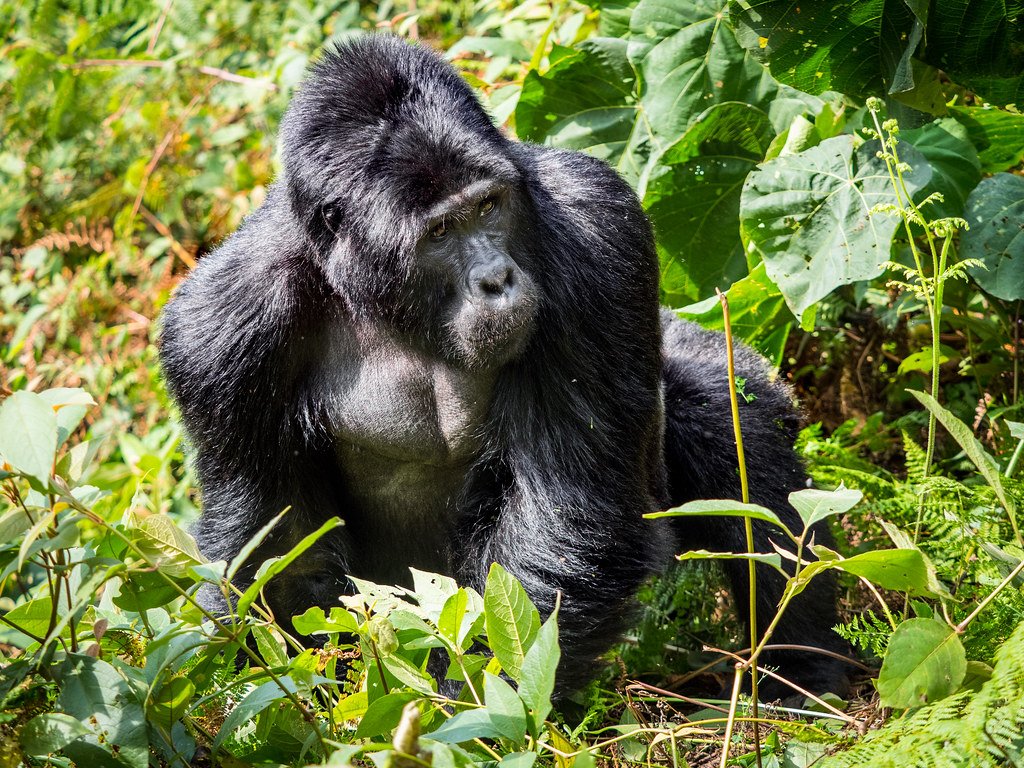
The Kutu Gorilla Family is one of the habituated mountain gorilla groups that visitors can encounter in the southern section of Bwindi Impenetrable National Park. Living within the magnificent montane rainforest of Rushaga, this family offers an intimate opportunity to observe endangered mountain gorillas in their natural environment. Its history, family structure and individual personalities contribute to the remarkable diversity of gorilla groups in Uganda.
Led by the dominant silverback Ndugu in historical records, the Kutu Gorilla Family has attracted interest among wildlife enthusiasts and international travellers seeking authentic gorilla trekking experiences. The group also represents an important part of Rushaga’s growing gorilla tourism programme.
Unlike a conventional wildlife safari, gorilla trekking brings visitors into the forest on foot. Rangers and trackers guide small groups through thick vegetation, steep slopes and natural forest trails. Eventually, visitors encounter a habituated gorilla family and spend a precious hour observing its daily activities.
For travellers planning a Uganda gorilla trekking safari, Kutu offers another fascinating opportunity to discover the extraordinary social lives of mountain gorillas. This guide explores the family’s background, leadership, composition, habitat, trekking experience and practical information for visiting Rushaga.
Where Is the Kutu Gorilla Family Found?
The Kutu Gorilla Family lives in the Rushaga Sector of Bwindi Impenetrable National Park. This sector occupies the southern part of Bwindi, within Kisoro District in southwestern Uganda.
Rushaga is particularly important for mountain gorilla tourism because it hosts several habituated gorilla families. Consequently, the sector offers visitors multiple opportunities to experience gorilla trekking within the same forest ecosystem.
The surrounding landscape features steep hills, thick vegetation, mist-covered valleys and spectacular views towards the Virunga Volcanoes. Moreover, its high-altitude rainforest provides an ideal habitat for mountain gorillas, which depend on diverse vegetation for food and shelter.
The Kutu family shares this remarkable ecosystem with other habituated groups, including Bweza, Busingye, Kahungye, Mishaya and Mucunguzi. Each family maintains its own social structure and movements within the wider forest environment.
Travellers approaching Rushaga from Kigali can access the sector through the Cyanika border crossing and Kisoro. Those travelling from Entebbe or Kampala usually follow the southwestern Uganda route through Mbarara and Kabale.
The journey provides beautiful scenery across Uganda’s countryside, including rolling hills, cultivated landscapes and traditional rural settlements.
History of the Kutu Gorilla Family
The Kutu Gorilla Family forms part of the continuing development of habituated mountain gorilla groups in Bwindi Impenetrable National Park. Its establishment added another important group to Rushaga’s expanding gorilla trekking programme.
Gorilla families naturally change through different social events. A dominant silverback may establish an independent group after separating from an existing family. Sometimes, younger males leave their natal groups as they mature. Other times, competition and interactions between silverbacks influence family movements.
These natural developments contribute to the formation of new gorilla families throughout the Virunga and Bwindi ecosystems.
Kutu’s history also demonstrates the importance of gorilla habituation. Before tourism begins, conservation teams gradually introduce gorillas to the presence of humans. This process requires patience, consistent monitoring and careful management.
The objective involves reducing the animals’ fear of human observers without changing their natural behaviour. Rangers, researchers and trackers maintain strict guidelines throughout the process.
Once a family meets the necessary habituation requirements, Uganda Wildlife Authority can make it available for controlled gorilla trekking.
The Kutu group subsequently became part of Rushaga’s habituated gorilla family network, giving visitors another opportunity to experience mountain gorillas in their natural habitat.
Silverback Ndugu: The Historical Leader of Kutu Family
The Kutu Gorilla Family became particularly associated with its dominant silverback, Ndugu. Historical conservation announcements identified him as the group’s leader and highlighted his role in maintaining the family structure.
The name Ndugu loosely translates to brother, reflecting a familiar Swahili expression.
A silverback plays an essential role in mountain gorilla society. As the dominant adult male, he provides leadership, protection and stability. His presence influences the family’s daily movements, feeding activities and responses to potential threats.
Ndugu’s leadership also featured in an important family development in July 2022. During that month, an adult female named Murema gave birth to an infant, increasing the family’s recorded population to 21 individuals.
The birth attracted attention because it represented another encouraging development for mountain gorilla conservation in Bwindi. Murema had previously given birth to a gorilla named Dunia, demonstrating her contribution to the family’s growth.
Silverbacks also maintain relationships with individual family members through grooming, physical proximity and protective behaviour. Although their presence often creates an imposing impression, their leadership involves much more than physical strength.
It is important to distinguish historical records from current family conditions. Gorilla leadership can change through natural succession, dispersal, competition or death. Therefore, travellers should confirm the latest leadership information with Uganda Wildlife Authority before relying on Ndugu’s status as the family’s present-day leader.
Kutu Gorilla Family Composition
The Kutu Gorilla Family has featured a relatively large number of infants in its historical population records. This composition makes the group particularly interesting from a wildlife observation perspective.
A historical family count published in 2024 recorded 20 individuals, while the Uganda Wildlife Authority announced 21 members following Murema’s July 2022 birth. These figures represent different dated records rather than a guaranteed current population.
Africa Adventure Consultants+1
The 20-member breakdown recorded in the 2024 account included:
| Gorilla category | Recorded members |
| Silverback | 1 |
| Blackback | 1 |
| Adult females | 8 |
| Sub-adults | 1 |
| Juveniles | 2 |
| Infants | 7 |
| Total | 20 |
This composition provides an interesting picture of the family’s social structure.
Silverback: The dominant adult male traditionally provides leadership and protection. He also influences the family’s movements and social interactions.
Blackback: A blackback represents a younger mature male that has not developed the distinctive silver saddle across his back. Blackbacks gradually approach adulthood and may eventually establish independent groups.
Adult females: Female gorillas contribute significantly to family stability and reproduction. Their relationships with infants and other family members shape everyday interactions.
Sub-adults: These younger gorillas gradually develop independence while remaining connected to the family.
Juveniles: Juvenile gorillas display curiosity, playfulness and increasing independence. They often spend time exploring their surroundings and interacting with other young members.
Infants: Infant gorillas depend heavily on their mothers for feeding, protection and transportation. Their playful behaviour can create some of the most memorable moments during gorilla trekking.
Importantly, gorilla family composition changes naturally. Births, deaths, transfers and dispersal can alter the population over time.
Understanding the Social Behaviour of Kutu Mountain Gorillas
Observing the Kutu Gorilla Family provides an opportunity to understand the complex social behaviour of mountain gorillas.
Although the silverback plays a central leadership role, every family member contributes to the group’s daily activities. Their interactions involve communication, grooming, feeding, resting and play.
One of the most fascinating activities involves grooming. Gorillas occasionally use their fingers to remove dirt, insects and loose vegetation from another individual’s fur. This behaviour helps strengthen social relationships and maintain bonds between family members.
Meanwhile, young gorillas often spend considerable time playing. They chase one another, climb vegetation, tumble across the forest floor and practise movements that prepare them for adulthood.
Adult females maintain close relationships with their infants. Mothers carry young babies, protect them from danger and guide them through the forest.
The silverback usually monitors the group’s surroundings while allowing other members to continue their activities. When necessary, he may produce vocalisations, display his strength or move between the family and a perceived threat.
Mountain gorillas communicate through different sounds, facial expressions, body postures and physical interactions. These behaviours help maintain social order and coordinate group activities.
For visitors, observing these natural relationships provides a deeper appreciation of gorilla conservation. Rather than simply photographing endangered wildlife, travellers gain an opportunity to understand the family relationships that sustain these remarkable primates.
Gorilla Trekking with the Kutu Family in Rushaga
Gorilla trekking with the Kutu family begins at the Rushaga gorilla trekking headquarters. Visitors arrive early in the morning for registration, permit verification and a briefing from Uganda Wildlife Authority rangers.
During the briefing, rangers explain trekking procedures, safety requirements and responsible gorilla viewing practices. They also provide information about the gorilla family assigned to each trekking group.
Afterwards, visitors follow experienced guides and trackers into the rainforest.
The trekking experience varies considerably because mountain gorillas move freely throughout their natural habitat. Some mornings involve relatively short walks, while other excursions require several hours of hiking across steep slopes and thick vegetation.
Trackers usually enter the forest earlier to establish the family’s approximate location. They communicate with the guides and help visitors follow the correct route.
Once the Kutu family is located, visitors receive one unforgettable hour observing the gorillas.
During this time, travellers may watch the silverback resting, females feeding, infants playing and juveniles exploring the vegetation. Every encounter presents different activities because gorillas follow natural routines rather than scheduled tourist programmes.
Photography enthusiasts should bring suitable camera equipment, although visitors must follow ranger instructions and maintain the required distance.
The experience concludes when the ranger signals the end of the viewing session. Visitors then return through the forest to the starting point.
For many travellers, this encounter becomes the defining highlight of their Uganda safari.
What Makes the Kutu Gorilla Family Special?
The Kutu Gorilla Family offers several interesting features that make it worth including in Bwindi’s gorilla family profiles.
A family with a notable infant population
Historical records highlight the considerable number of infants within the Kutu group. Young gorillas bring energy and activity to family life. Watching them interact with their mothers and other juveniles can create particularly memorable encounters.
An important part of Rushaga’s gorilla tourism
Kutu contributes to the diversity of habituated families in Rushaga. The sector provides several trekking opportunities, making it an important destination for visitors exploring southern Bwindi.
An opportunity to observe gorilla family relationships
The group’s different age categories provide opportunities to observe how mountain gorillas interact. Visitors may witness maternal care, social grooming, juvenile play and the protective behaviour of adult males.
A meaningful conservation experience
Every responsible gorilla trekking visit contributes to Uganda’s conservation tourism economy. Tourism revenue supports wildlife protection, park management and communities surrounding Bwindi.
Best Time to Trek the Kutu Gorilla Family
Travellers can visit the Kutu Gorilla Family throughout the year. However, certain months offer more favourable hiking conditions.
Bwindi experiences two main dry seasons and two rainy seasons.
June to September: This period generally provides favourable conditions for gorilla trekking. Forest trails tend to become less muddy, making movement through the vegetation easier.
December to February: These months also offer relatively favourable trekking conditions. Visitors can enjoy beautiful forest scenery and generally manageable hiking conditions.
March to May: These months experience heavier rainfall. Trails can become slippery, and steep sections may require additional effort.
October to November: Shorter rains usually affect the forest during this period. Nevertheless, gorilla trekking continues, and visitors can still enjoy excellent wildlife encounters.
Importantly, mountain gorillas remain in Bwindi throughout the year. Therefore, no season guarantees a particular family encounter or shorter trekking distance.
For travellers planning around favourable weather, June to September and December to February are excellent periods to consider.
Accommodation Options Near the Kutu Gorilla Family
Choosing accommodation near the Rushaga trekking headquarters makes the gorilla trekking experience more convenient.
Several lodges and safari camps serve visitors exploring this part of Bwindi.
Options include:
- Rushaga Gorilla Camp: A convenient accommodation option close to the gorilla trekking area.
- Ichumbi Gorilla Lodge: Offers comfortable accommodation and beautiful views of the surrounding landscape.
- Four Gorillas Lodge: Provides a comfortable base for travellers visiting the southern Bwindi region.
Travellers can choose accommodation according to their budget, preferred comfort level and itinerary arrangements.
For the best experience, Frena Adventures recommends spending the night near the assigned trekking sector. This arrangement reduces early-morning driving and allows visitors to arrive at the briefing point comfortably.
Other Activities Around Rushaga Sector
Although gorilla trekking remains the main attraction, Rushaga offers additional experiences that can enrich a Uganda safari.
Batwa Cultural Experience
A visit to a Batwa community introduces travellers to the traditional forest knowledge and cultural heritage of the Batwa people. Visitors can learn about historical hunting techniques, medicinal plants, traditional music and their relationship with the forest.
This experience provides important cultural context for understanding the communities surrounding Bwindi.
Lake Mutanda Excursion
Lake Mutanda offers beautiful scenery beneath the Virunga Volcanoes. Travellers can enjoy boat rides, canoeing and photography while appreciating the peaceful surroundings.
Nature Walks
Guided forest walks introduce visitors to Bwindi’s remarkable biodiversity. The forest supports numerous bird species, butterflies, plants and other wildlife.
Combining these activities with gorilla trekking creates a more rewarding stay in southern Bwindi.
Essential Information for Trekking the Kutu Gorilla Family
Before travelling to Rushaga, visitors should understand the basic gorilla trekking requirements.
| Trekking detail | Information |
| Gorilla family | Kutu |
| National park | Bwindi Impenetrable National Park |
| Sector | Rushaga |
| Country | Uganda |
| Historical silverback | Ndugu |
| Historical family count | 20 members (2024 record) |
| Trekking authority | Uganda Wildlife Authority |
| Maximum viewing time | 1 hour |
| Maximum visitors | 8 per habituated family per day |
| Minimum trekking age | 15 years |
| Permit requirement | Valid gorilla trekking permit |
Gorilla trekking requires advance planning because permits remain limited.
Visitors should also prepare suitable clothing and equipment, including:
- Waterproof hiking boots with good grip.
- Long trousers and long-sleeved shirts.
- Gardening or hiking gloves.
- A waterproof jacket.
- Drinking water and light snacks.
- A walking stick, where necessary.
- A camera with suitable zoom capabilities.
Travellers should avoid wearing bright colours and strong fragrances. They must also follow ranger instructions throughout the encounter.
Anyone feeling unwell should inform the trekking authorities before entering the forest. This helps protect mountain gorillas from human-transmitted diseases.
Frequently Asked Questions About the Kutu Gorilla Family
Where is the Kutu Gorilla Family located?
The Kutu Gorilla Family lives in the Rushaga Sector of Bwindi Impenetrable National Park in southwestern Uganda.
Who leads the Kutu Gorilla Family?
Historical Uganda Wildlife Authority records identify Ndugu as the family’s dominant silverback. Visitors should confirm the current leadership status before travelling.
How many gorillas belong to the Kutu family?
A 2024 published record lists 20 individuals. However, the family’s population changes naturally through births, deaths and movements between groups.
Can tourists trek the Kutu Gorilla Family?
Kutu is documented among Rushaga’s habituated gorilla families. However, Uganda Wildlife Authority manages daily family allocations and visitors cannot guarantee a particular group.
How long does Kutu gorilla trekking take?
The entire trekking experience can take several hours, depending on the family’s location and forest conditions. Visitors spend a maximum of one hour observing the gorillas.
How many visitors can trek the Kutu family daily?
Uganda’s standard gorilla trekking arrangement allows a maximum of eight visitors per habituated gorilla family each day.
What is the minimum age for gorilla trekking in Uganda?
The minimum age is 15 years.
When is the best time to visit the Kutu Gorilla Family?
June to September and December to February generally offer favourable trekking conditions. However, visitors can trek mountain gorillas throughout the year.
Book Your Kutu Gorilla Trekking Safari with Frena Adventures
Meeting mountain gorillas in their natural habitat remains one of Africa’s most extraordinary wildlife experiences. The Kutu Gorilla Family represents another fascinating part of Bwindi’s remarkable conservation story.
From observing the dominant silverback to watching young gorillas play among the vegetation, every encounter offers something unique. Moreover, trekking through Rushaga’s beautiful rainforest creates an adventure that goes beyond ordinary wildlife viewing.
At Frena Adventures, we organise personalised Uganda gorilla trekking safaris designed around your travel dates, accommodation preferences and budget.
Our safari arrangements can include:
- Uganda gorilla trekking permits.
- Private 4×4 safari transportation.
- Accommodation near Rushaga.
- Professional English-speaking safari guides.
- Kigali or Entebbe starting arrangements.
- Batwa cultural experiences.
- Additional wildlife and nature excursions.
Whether you are planning a short gorilla trekking excursion or an extended Uganda wildlife safari, we can help you organise a memorable journey.
Ready to experience Bwindi’s mountain gorillas?
Visit Frena Adventures to explore our Uganda gorilla trekking safaris and start planning your adventure.